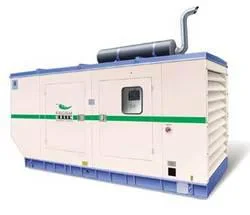
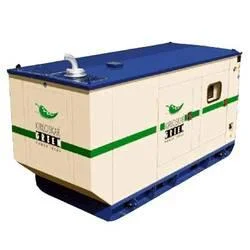
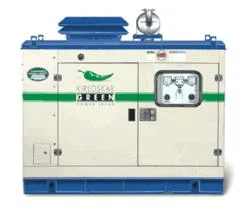
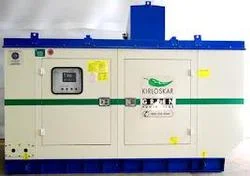
𝗪𝗵𝗮𝘁 𝗮𝗿𝗲 𝗚𝗲𝗻𝗲𝗿𝗮𝘁𝗼𝗿𝘀 & 𝗔𝗹𝘁𝗲𝗿𝗻𝗮𝘁𝗼𝗿𝘀?
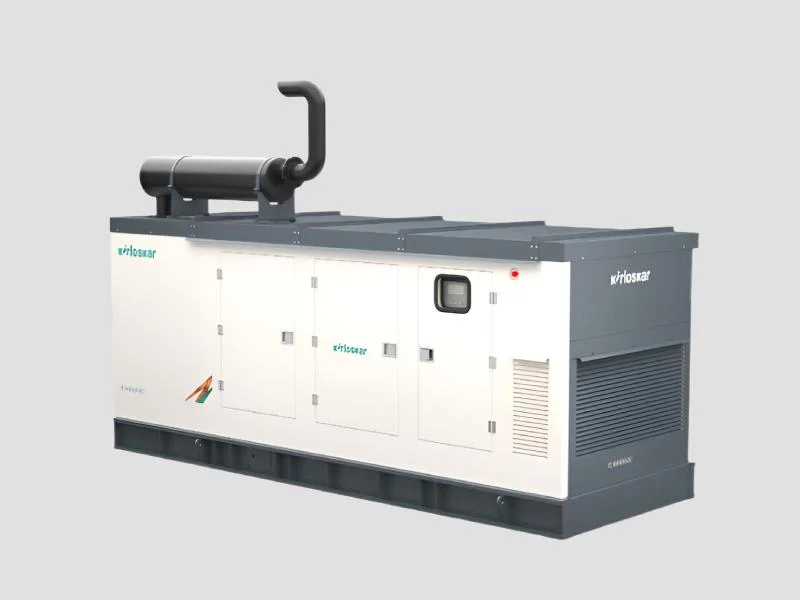
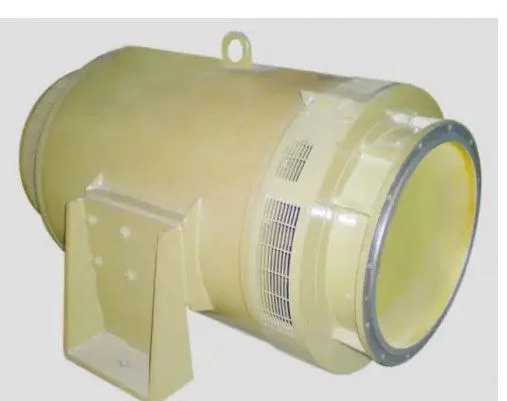
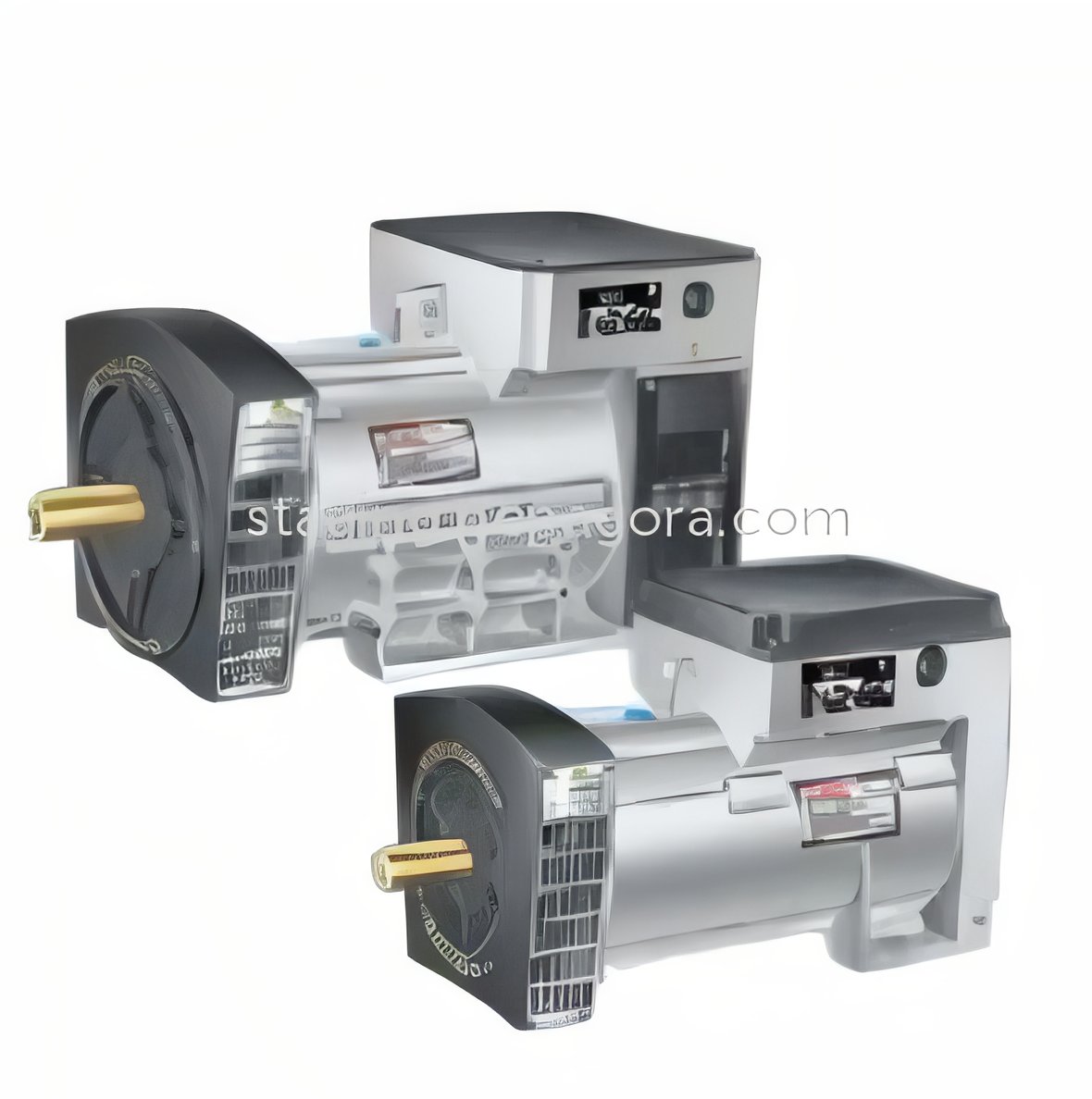
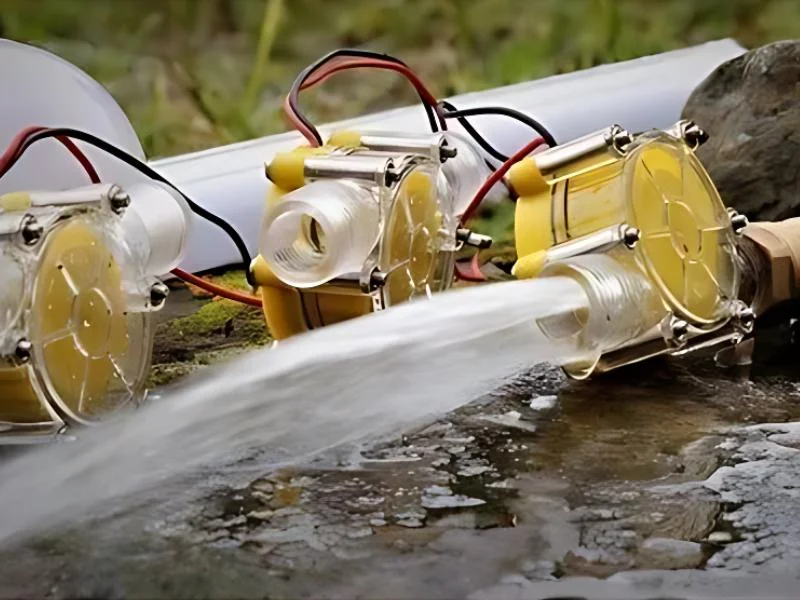
Generators and alternators are essential devices used to convert mechanical energy into electrical energy. Generators typically provide direct current (DC) power, while alternators produce alternating current (AC) power. The primary function of both devices is to supply electricity in applications where grid power is unavailable or unreliable. They achieve this conversion through the use of electromagnetic induction, where a magnetic field interacts with a conductor to generate electrical current.
These devices are widely used across various industries, including construction, telecommunications, and emergency services. They serve critical roles in providing backup power during outages, supporting operations in remote locations, and powering equipment and machinery in both stationary and mobile applications. The growing demand for reliable power solutions has made generators and alternators increasingly relevant in today's industrial landscape, with many businesses seeking efficient and durable options to meet their energy needs.
𝗞𝗲𝘆 𝗙𝗲𝗮𝘁𝘂𝗿𝗲𝘀 𝗮𝗻𝗱 𝗦𝗽𝗲𝗰𝗶𝗳𝗶𝗰𝗮𝘁𝗶𝗼𝗻𝘀
When evaluating generators and alternators, several key features and specifications are crucial for determining their suitability for specific applications. Understanding these specifications helps businesses make informed decisions about the right equipment for their needs.
Key specifications include:
1. Power Output
- Measures the maximum electrical power generated, typically expressed in kilowatts (kW).
- Ranges vary based on the model and intended application, from small portable units to large industrial generators.
2. Engine Type
- Refers to the type of engine used to drive the generator or alternator, which can be diesel, gasoline, or natural gas.
- Each engine type has its own fuel efficiency, maintenance requirements, and operational costs.
3. Voltage Rating
- Indicates the electrical output voltage, which can range from 120V to 480V or more.
- Selection should be based on the specific power needs of the connected equipment.
4. Frequency
- Represents the frequency of the electrical output, generally 50Hz or 60Hz depending on regional standards.
- It is critical for ensuring compatibility with electrical systems.
5. Fuel Consumption
- Refers to the amount of fuel consumed per hour of operation, often measured in liters per hour.
- Lower fuel consumption is advantageous for reducing operational costs.
6. Noise Level
- Indicates the sound produced during operation, typically measured in decibels (dB).
- Quieter models are preferred for residential or urban applications.
7. Portability
- Describes whether the unit is stationary or portable, affecting its versatility in different environments.
- Portable models often come with wheels or handles for easy transportation.
8. Safety Features
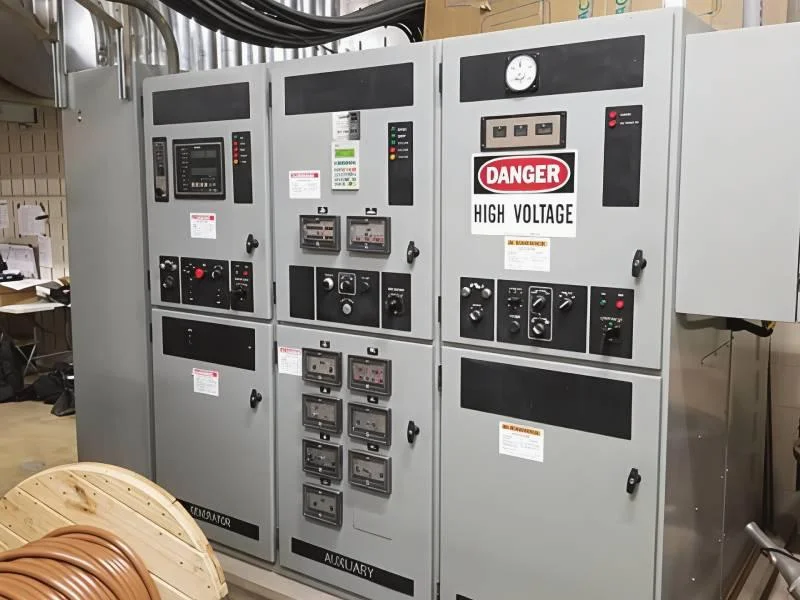
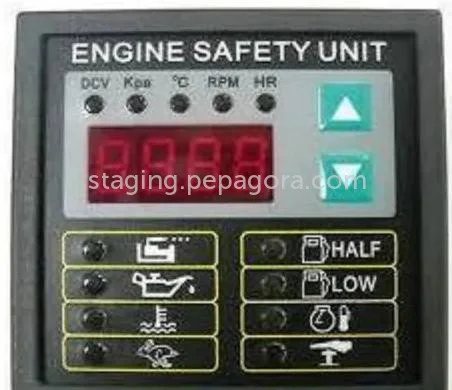
- Includes built-in protections such as circuit breakers, low oil shut-off, and overload protection.
- These features enhance user safety and equipment longevity.
In summary, understanding the key specifications of generators and alternators is vital for selecting the appropriate equipment for various industrial applications.
𝗖𝗼𝗺𝗺𝗼𝗻 𝗔𝗽𝗽𝗹𝗶𝗰𝗮𝘁𝗶𝗼𝗻𝘀 𝗮𝗻𝗱 𝗨𝘀𝗲 𝗖𝗮𝘀𝗲𝘀
Generators and alternators find widespread use across numerous industries, each with specific applications tailored to their energy needs.
1. Construction: Generators provide essential power for tools and lighting at job sites, especially in remote locations without access to grid electricity.
2. Telecommunications: These devices ensure continuous power supply for cell towers and data centers, maintaining communication services during outages.
3. Emergency Services: Hospitals and first responders rely on generators for backup power, ensuring critical operations remain uninterrupted during power failures.
4. Agriculture: Farmers use generators to power irrigation systems and equipment in areas lacking reliable electricity.
5. Events and Entertainment: Portable generators support outdoor events and festivals, providing power for lighting, sound systems, and catering equipment.
6. Manufacturing: Alternators are integral in production lines, supplying power to machinery and equipment essential for operations.
7. Residential: Homeowners utilize generators for backup power during storms and outages, protecting appliances and ensuring comfort.
𝗣𝗿𝗼𝗱𝘂𝗰𝘁 𝗩𝗮𝗿𝗶𝗮𝗻𝘁𝘀 𝗮𝗻𝗱 𝗦𝘂𝗯𝗰𝗮𝘁𝗲𝗴𝗼𝗿𝗶𝗲𝘀
Generators and alternators come in various models to meet different power needs and applications. Each variant offers unique features tailored for specific use cases.
Portable Generators
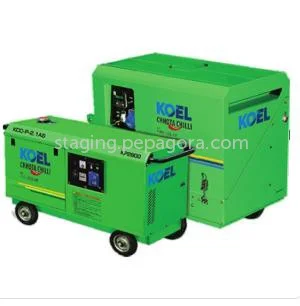
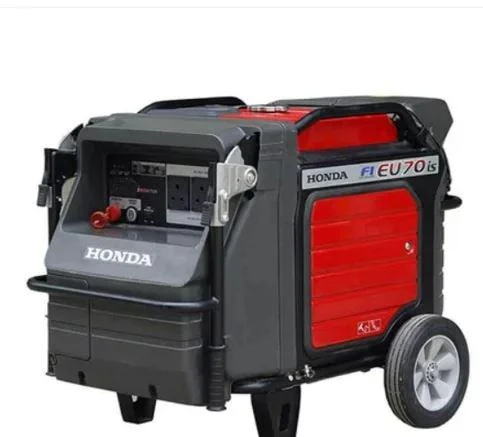
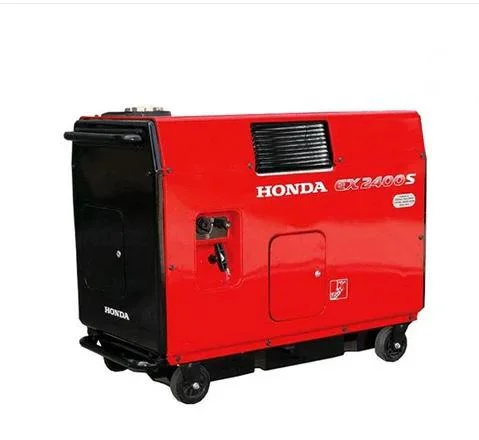
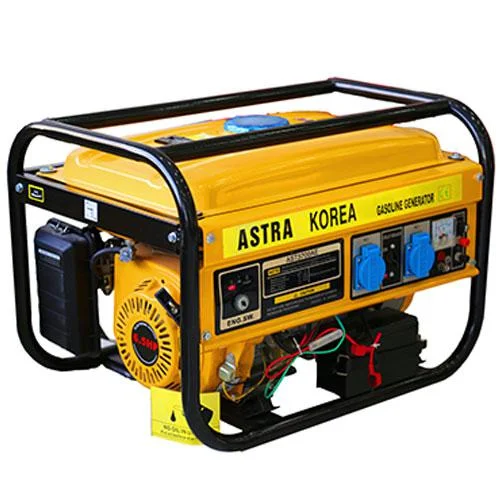
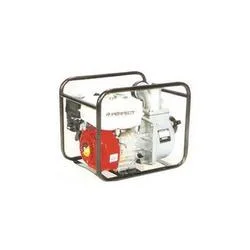
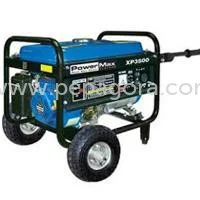
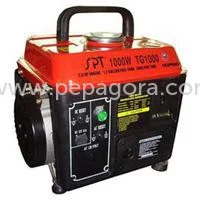
These compact units are designed for easy transport and quick setup, making them ideal for outdoor activities and temporary power needs. They typically run on gasoline or propane and are favored for their convenience.
Industrial Generators
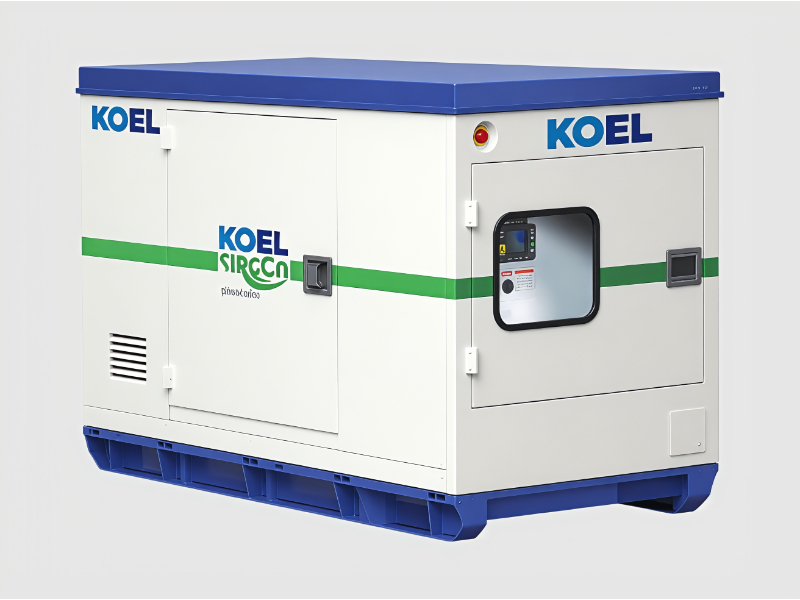
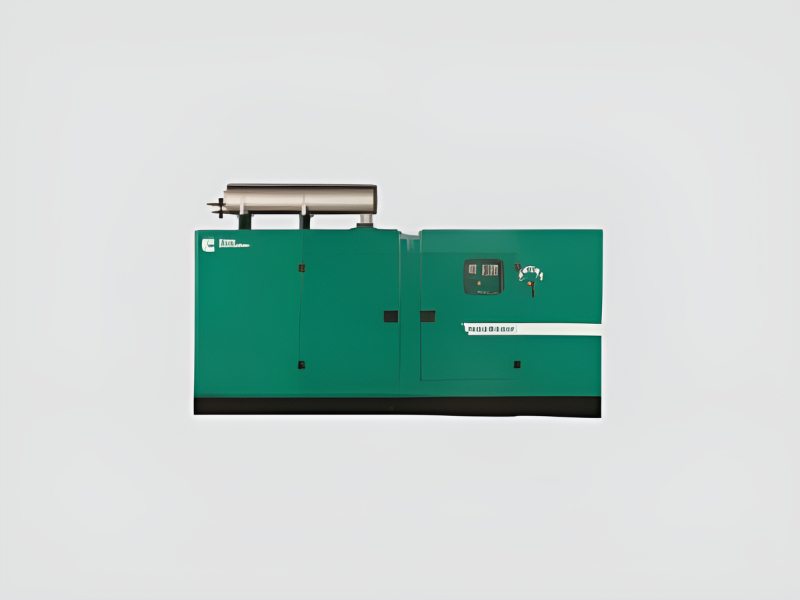
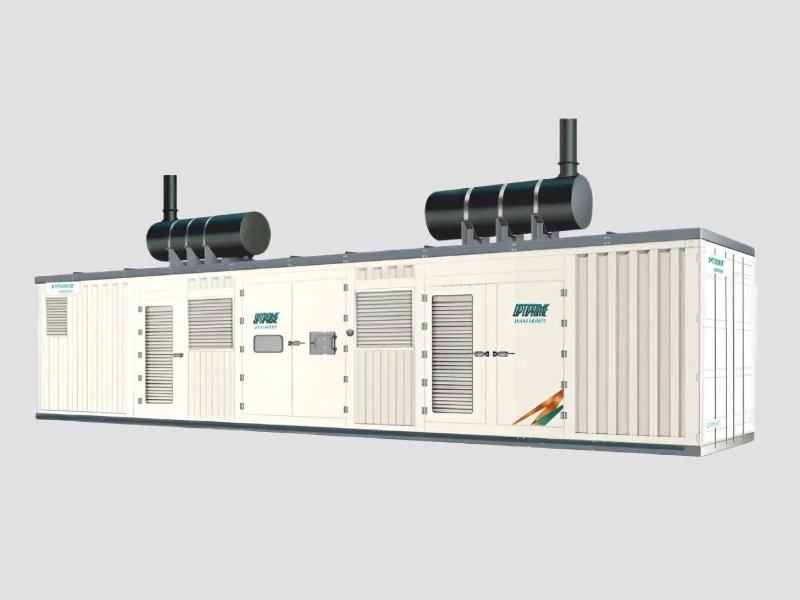
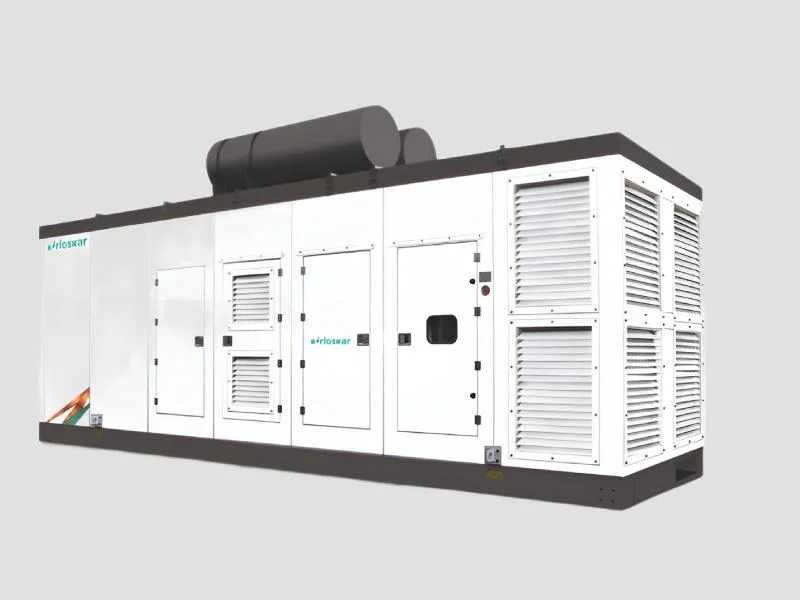
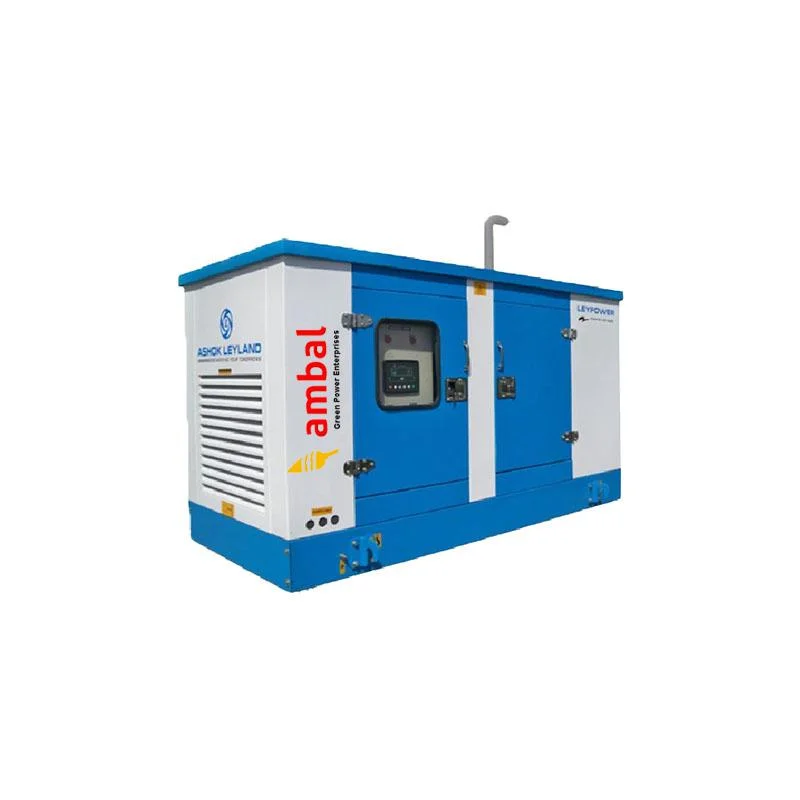
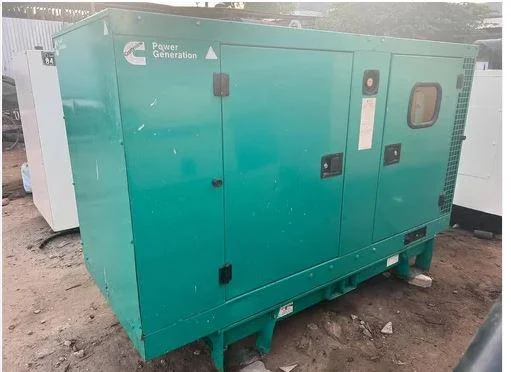
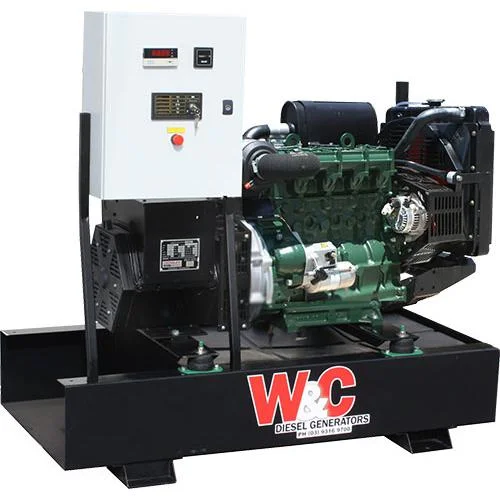
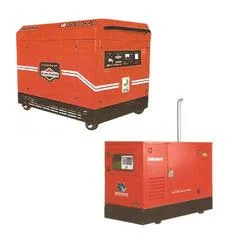
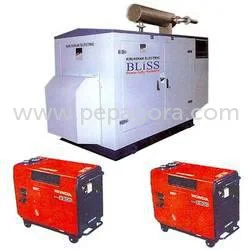
Designed for heavy-duty applications, industrial generators provide high power output and durability. They often operate on diesel fuel and are used in construction, manufacturing, and large-scale events where consistent power is crucial.
Inverter Generators
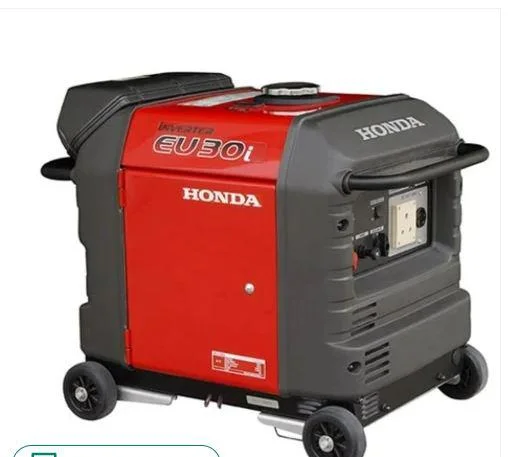
Inverter generators produce cleaner, more stable power suitable for sensitive electronics. They are quieter and more fuel-efficient, making them popular for recreational use and home backup applications.
Standby Generators
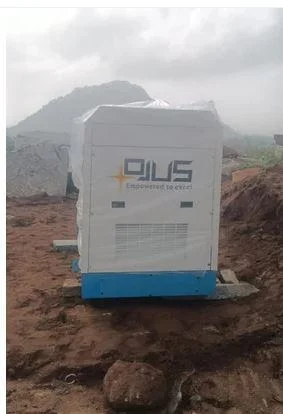
These systems are permanently installed and automatically switch on during power outages. They are commonly used in residential and commercial settings to provide seamless backup power.
𝗕𝗲𝗻𝗲𝗳𝗶𝘁𝘀 𝗮𝗻𝗱 𝗔𝗱𝘃𝗮𝗻𝘁𝗮𝗴𝗲𝘀
Investing in generators and alternators offers numerous benefits for businesses and organizations.
Key benefits include:
1. Reliability: Generators and alternators provide a dependable source of power in emergencies, ensuring continuous operation.
2. Versatility: With various models available, these devices can be used in diverse applications, from construction sites to home backup.
3. Cost Savings: By generating their own power, businesses can reduce reliance on grid electricity and save on energy costs.
4. Increased Productivity: Access to uninterrupted power allows for smooth operation of machinery and equipment, enhancing overall productivity.
5. Environmental Impact: Many modern generators are designed for fuel efficiency and lower emissions, contributing to a reduced carbon footprint.
6. Customization: Various features and configurations allow businesses to select models that best fit their specific needs and operational requirements.
𝗕𝘂𝘆𝗶𝗻𝗴 𝗚𝘂𝗶𝗱𝗲 𝗳𝗼𝗿 𝗕𝟮𝗕 𝗕𝘂𝘆𝗲𝗿𝘀
When sourcing generators and alternators, B2B buyers should consider several important factors to ensure they select the right equipment.
1. Quality Assessment: Evaluate the quality of the product by reviewing manufacturer reputations and certifications. High-quality units are often more durable and reliable.
2. Supplier Verification: Conduct thorough research on potential suppliers, checking their history, customer reviews, and industry standing to ensure they are credible.
3. Pricing and MOQ: Compare pricing structures and minimum order quantities (MOQ) to find a supplier that fits your budget and project scale.
4. Delivery and Lead Times: Understand the logistics involved, including estimated delivery times and shipping options, to avoid delays in project timelines.
5. Compliance Requirements: Ensure that the chosen generators and alternators meet relevant regulatory standards and certifications for safety and performance.
𝗖𝗼𝗺𝗽𝗹𝗶𝗮𝗻𝗰𝗲 𝗮𝗻𝗱 𝗖𝗲𝗿𝘁𝗶𝗳𝗶𝗰𝗮𝘁𝗶𝗼𝗻𝘀
Compliance with industry standards and certifications is essential for ensuring the safety and reliability of generators and alternators. Key quality standards, such as ISO 9001, provide frameworks for consistent quality management in manufacturing processes.
Additionally, many generators are certified with the CE mark, indicating they meet European safety, health, and environmental protection requirements. Safety and testing requirements often include assessments for electrical safety, emissions, and noise levels to ensure products are safe for use in various environments.
Regional compliance considerations may also apply, depending on where the equipment will be deployed. It is crucial for buyers to familiarize themselves with local regulations to ensure all equipment is compliant before purchase.
𝗪𝗵𝘆 𝗦𝗼𝘂𝗿𝗰𝗲 𝗚𝗲𝗻𝗲𝗿𝗮𝘁𝗼𝗿𝘀 & 𝗔𝗹𝘁𝗲𝗿𝗻𝗮𝘁𝗼𝗿𝘀 𝗳𝗿𝗼𝗺 𝗣𝗲𝗽𝗮𝗴𝗼𝗿𝗮?
Pepagora offers a trusted platform for sourcing generators and alternators, providing several key advantages for B2B buyers.
Verified Supplier Network: Pepagora connects buyers with a network of verified suppliers, ensuring that all products meet high standards of quality and reliability.
Streamlined RFQ Process: The platform features a simplified request for quotation (RFQ) system that allows buyers to easily compare offers from multiple suppliers, saving time and effort.
Trade Assurance and Support: Buyers benefit from trade assurance programs that protect their purchases, providing additional security in transactions and peace of mind.
Regional Coverage: With a strong presence in India, the GCC, and Southeast Asia, Pepagora offers extensive regional coverage, making it easier for businesses to find suppliers that meet their specific geographic needs.

 IN
IN