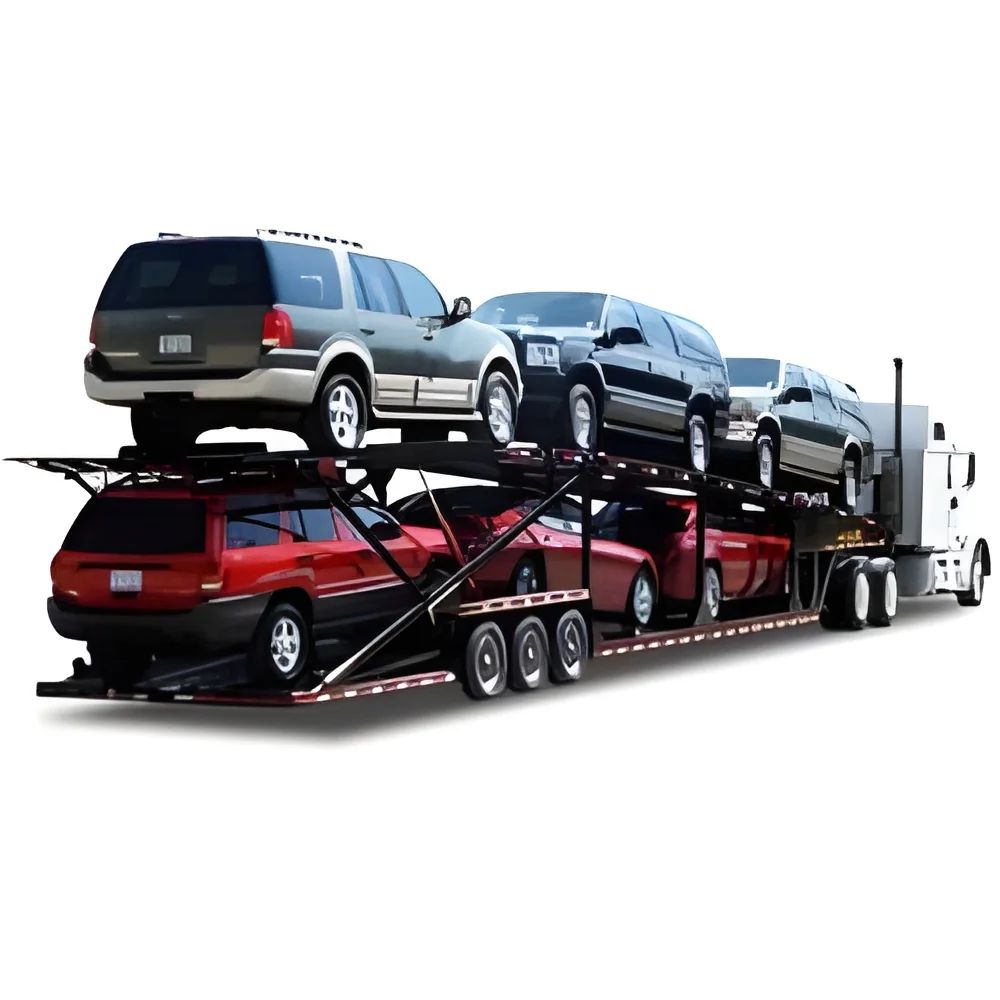
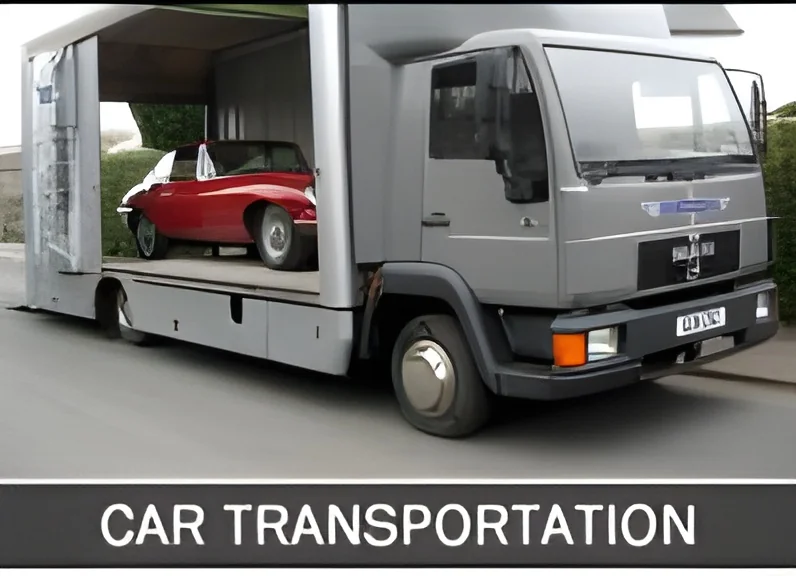
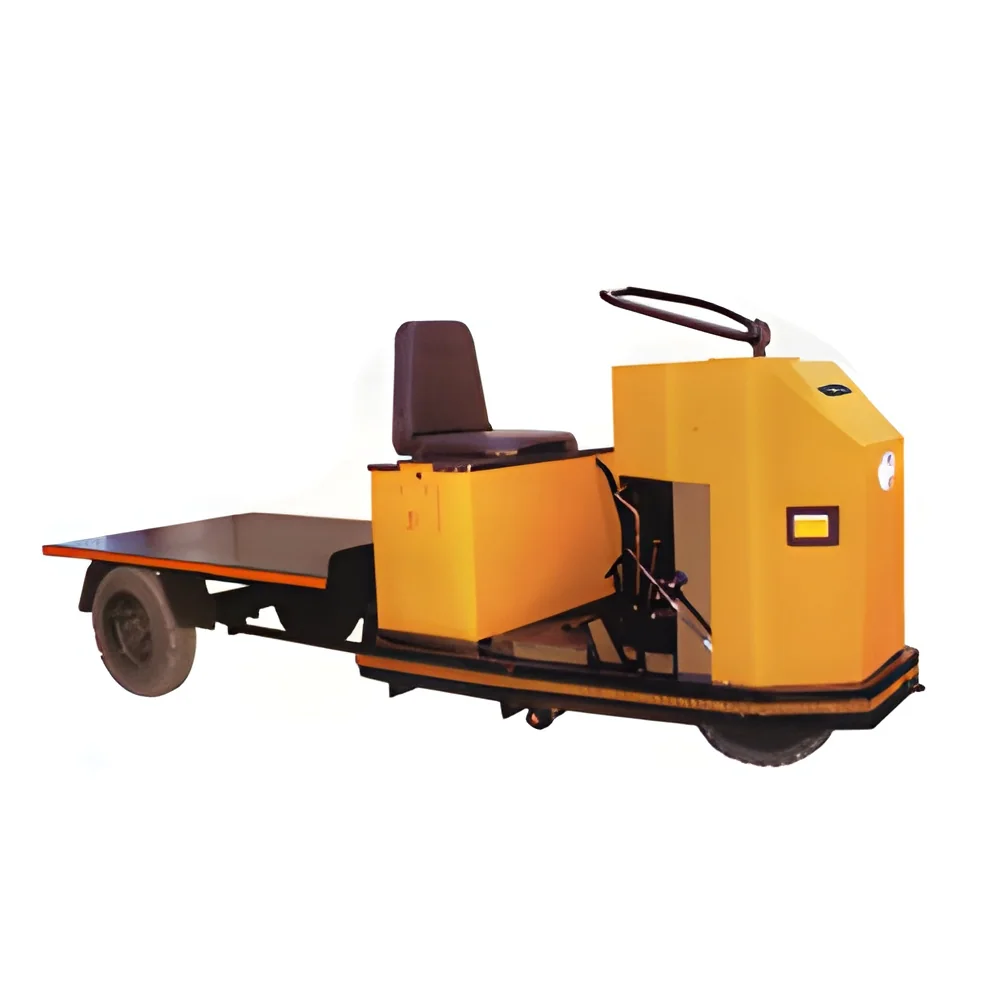
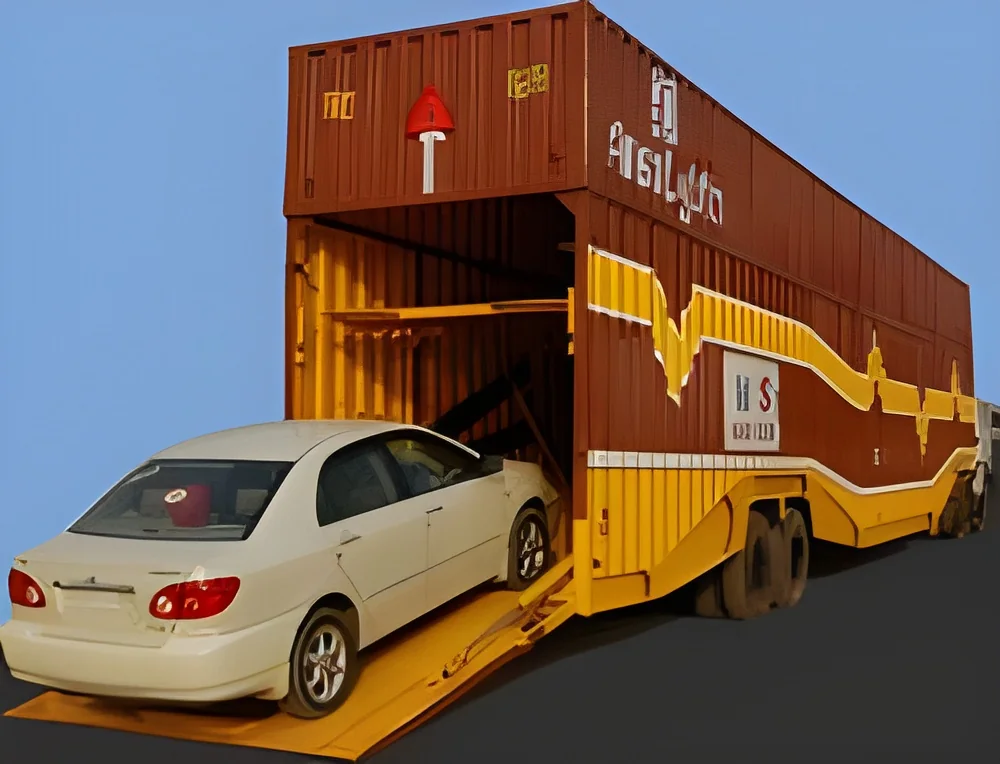
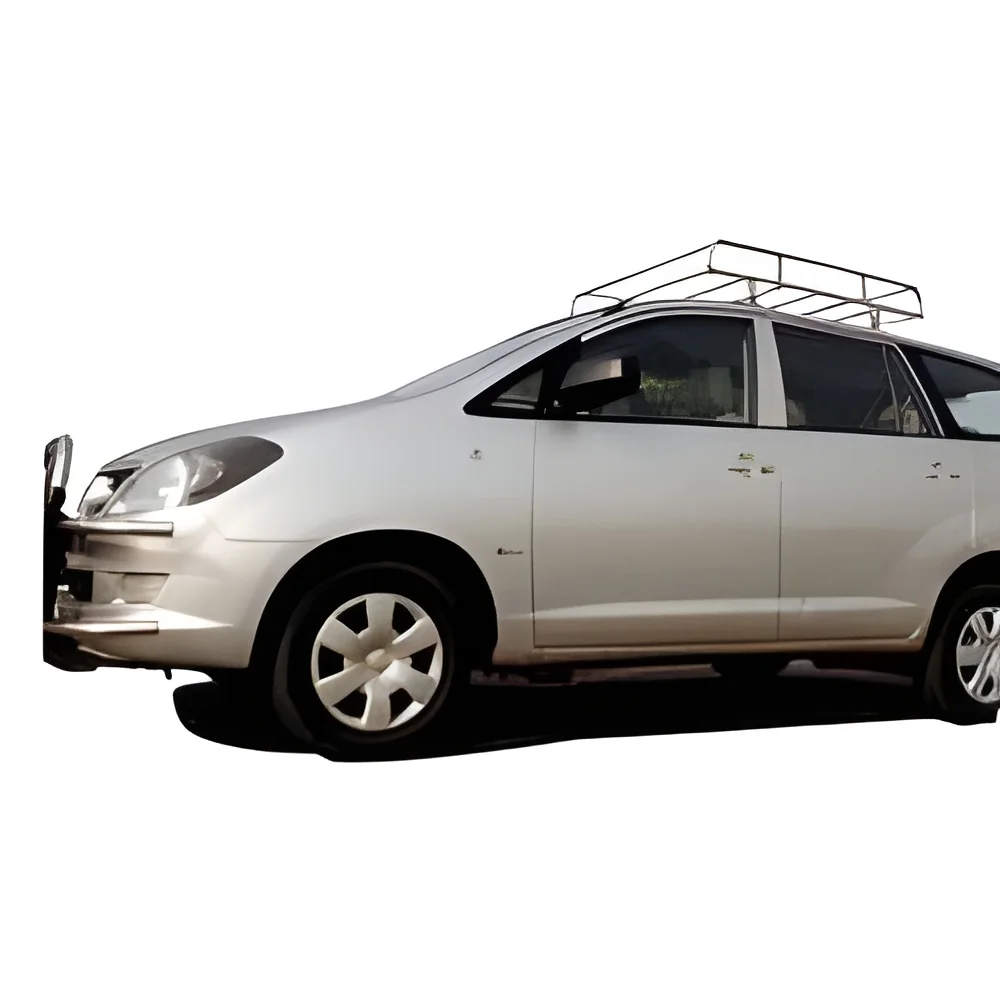
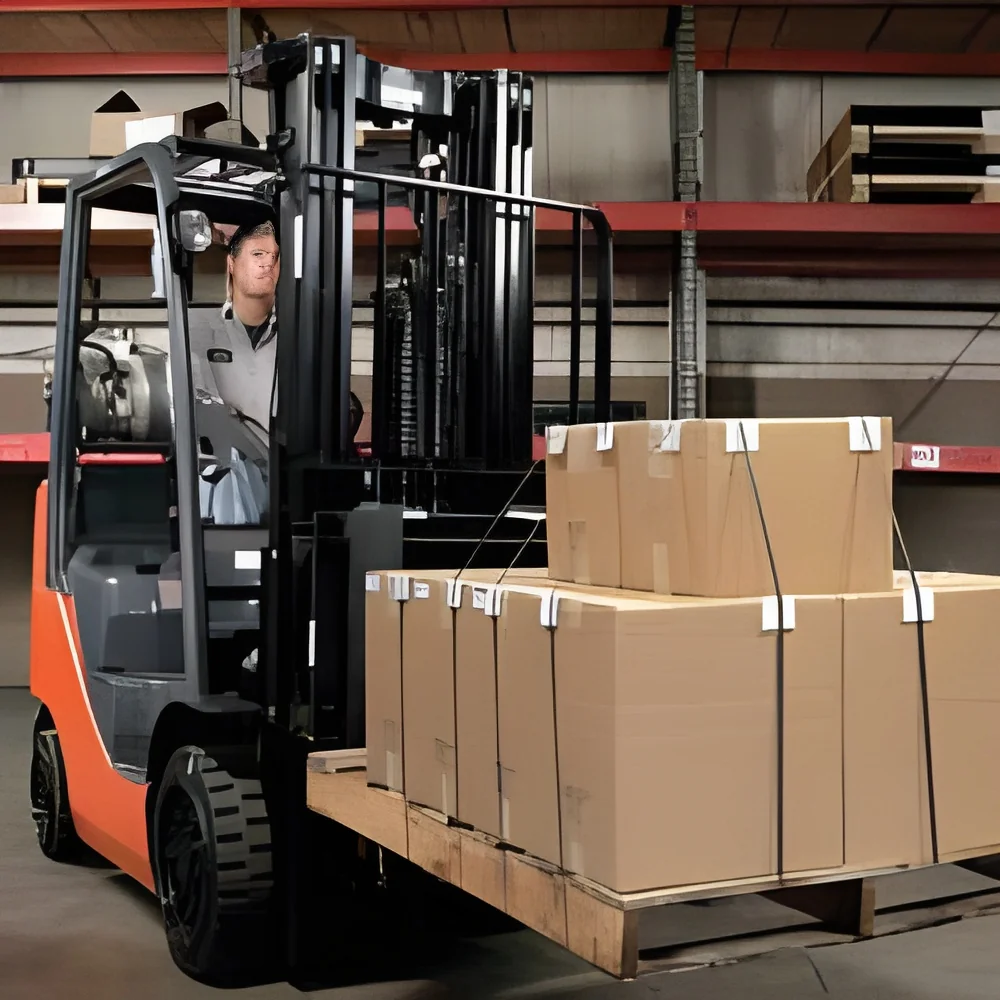
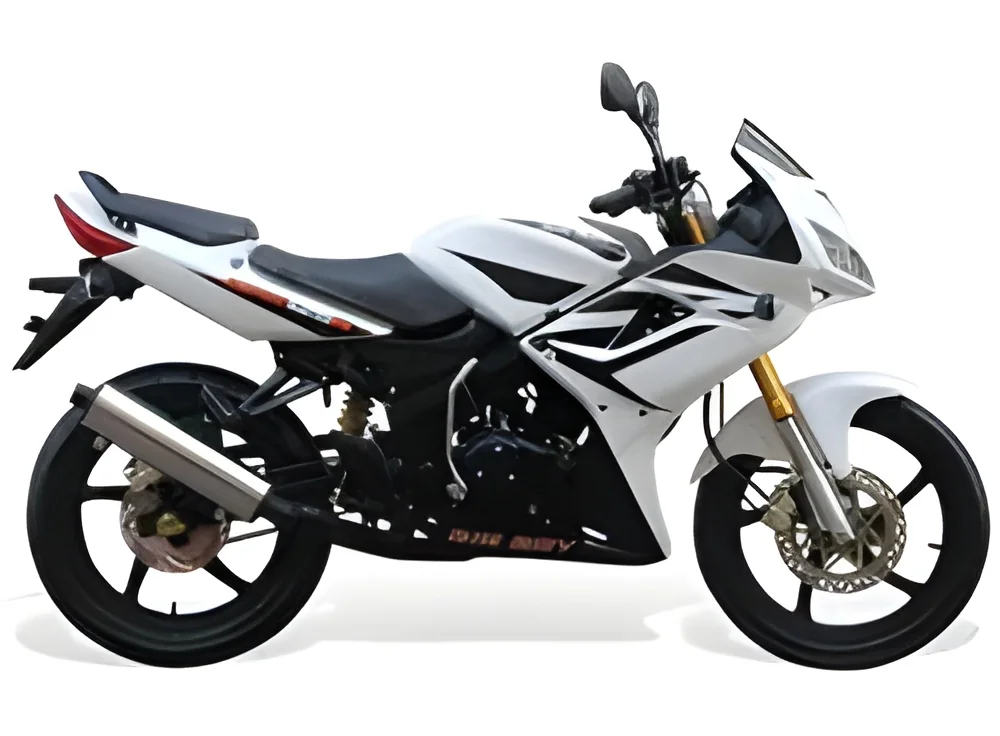
𝗪𝗵𝗮𝘁 𝗮𝗿𝗲 𝗩𝗲𝗵𝗶𝗰𝗹𝗲 𝗟𝗼𝗴𝗶𝘀𝘁𝗶𝗰𝘀 & 𝗧𝗿𝗮𝗻𝘀𝗽𝗼𝗿𝘁𝗮𝘁𝗶𝗼𝗻?
Vehicle logistics and transportation encompass the planning, execution, and management of the movement of vehicles from one location to another. This process includes coordinating various modes of transportation, handling documentation, and ensuring compliance with regulatory requirements. Vehicle logistics is crucial for companies that rely on timely delivery and efficient transportation to maintain their supply chains.
Primary uses of vehicle logistics and transportation can be found across various industries, including automotive, retail, and manufacturing. Businesses utilize these services to transport finished vehicles or raw materials essential for production. Efficient vehicle logistics ensures that operations run smoothly, helping companies reduce costs and improve service delivery.
In today’s market, the relevance of vehicle logistics and transportation is heightened due to globalization and increased demand for efficient supply chains. As companies expand their reach, they require reliable logistics partners to facilitate the movement of goods. This sector plays a vital role in enhancing operational efficiencies and reducing time-to-market for various products.
𝗞𝗲𝘆 𝗙𝗲𝗮𝘁𝘂𝗿𝗲𝘀 𝗮𝗻𝗱 𝗦𝗽𝗲𝗰𝗶𝗳𝗶𝗰𝗮𝘁𝗶𝗼𝗻𝘀
The key features of vehicle logistics and transportation services are essential for enhancing operational effectiveness. These features provide a framework for understanding the capabilities and performance benchmarks of services offered in this sector.
Key specifications include:
1. Transportation Modes
- Various methods including road, rail, sea, and air.
- Each mode offers different advantages in terms of speed, cost, and reach.
2. Fleet Management
- Utilization of advanced software to monitor and manage vehicle performance.
- Technical parameters include real-time tracking and route optimization.
3. Document Handling
- Comprehensive management of shipping documents, customs paperwork, and regulatory compliance.
- Ensures smooth transit and reduces delays at checkpoints.
4. Capacity Planning
- Assessment of vehicle load capacities and scheduling to maximize efficiency.
- Involves analysis of transportation demands against available resources.
5. Cost Control Measures
- Implementation of strategies to minimize operational costs.
- Focus on fuel efficiency, route planning, and resource allocation.
6. Customer Support Services
- Dedicated support teams for addressing client inquiries and issues.
- Enhances customer satisfaction and builds long-term relationships.
In summary, the features and specifications of vehicle logistics and transportation services are designed to optimize operational performance and provide seamless service delivery.
𝗖𝗼𝗺𝗺𝗼𝗻 𝗔𝗽𝗽𝗹𝗶𝗰𝗮𝘁𝗶𝗼𝗻𝘀 𝗮𝗻𝗱 𝗨𝘀𝗲 𝗖𝗮𝘀𝗲𝘀
Vehicle logistics and transportation services are vital across multiple industries, each with unique applications.
1. Automotive Industry: Companies in this sector rely on vehicle logistics to transport finished cars from manufacturing facilities to dealerships. Efficient logistics management helps in maintaining inventory and ensuring timely deliveries.
2. Retail Sector: Retailers depend on vehicle transportation to distribute products from warehouses to stores. This process is critical for maintaining stock levels and meeting customer demands.
3. Manufacturing Industry: Manufacturers utilize vehicle logistics to move raw materials to production sites. Timely transportation ensures that production schedules are met without delays.
4. Construction Industry: Transporting heavy machinery and construction materials is essential for project timelines. Vehicle logistics helps manage the logistics of these large shipments.
5. E-commerce: Online retailers utilize vehicle logistics to ensure rapid delivery of products to consumers. This sector increasingly demands last-mile delivery solutions.
6. Food and Beverage: In this industry, transportation is crucial for delivering perishable goods. Logistics services ensure compliance with safety standards and timely delivery to maintain freshness.
7. Pharmaceuticals: Timely and secure transportation of medical supplies is essential. Vehicle logistics ensures compliance with regulations and maintains product integrity during transit.
𝗣𝗿𝗼𝗱𝘂𝗰𝘁 𝗩𝗮𝗿𝗶𝗮𝗻𝘁𝘀 𝗮𝗻𝗱 𝗦𝘂𝗯𝗰𝗮𝘁𝗲𝗴𝗼𝗿𝗶𝗲𝘀
The diversity of vehicle logistics and transportation services allows businesses to select tailored solutions based on their specific needs.
Standard Transportation Service
This variant encompasses basic transportation needs, including the movement of vehicles or goods from one location to another. It includes standard scheduling and routing.
Expedited Transportation Service
This option is designed for urgent shipments requiring quicker delivery times. It features priority handling and faster transit routes.
Temperature-Controlled Transportation
Ideal for transporting perishable goods, this service maintains specific temperature ranges to ensure product integrity during transit.
Long-Distance Transportation
For companies needing to move goods across states or countries, this service specializes in long-haul logistics, focusing on regulatory compliance and efficient routing.
𝗕𝗲𝗻𝗲𝗳𝗶𝘁𝘀 𝗮𝗻𝗱 𝗔𝗱𝘃𝗮𝗻𝘁𝗮𝗴𝗲𝘀
Vehicle logistics and transportation services offer numerous benefits that can enhance business operations.
Key benefits include:
1. Improved Efficiency: Streamlined logistics processes reduce transit times and improve scheduling.
2. Cost Savings: Optimized routing and load management lead to lower transportation costs.
3. Enhanced Customer Satisfaction: Reliable delivery schedules contribute to better customer experiences.
4. Flexibility: Services can be tailored to meet changing business needs, including varying shipment sizes and urgency.
5. Risk Management: Established logistics networks help mitigate risks associated with transportation delays and compliance issues.
6. Access to Expertise: Partnering with logistics providers offers access to industry knowledge and best practices.
𝗕𝘂𝘆𝗶𝗻𝗴 𝗚𝘂𝗶𝗱𝗲 𝗳𝗼𝗿 𝗕𝟮𝗕 𝗕𝘂𝘆𝗲𝗿𝘀
When sourcing vehicle logistics and transportation services, several critical factors should be considered to ensure optimal selection.
1. Quality Assessment: Evaluate providers based on service quality, performance history, and customer feedback. Look for companies with proven track records in timely deliveries and adherence to standards.
2. Supplier Verification: Conduct thorough vetting of potential suppliers. This includes checking references, reviewing certifications, and assessing their operational capabilities.
3. Pricing and MOQ: Understand the pricing structures and minimum order quantities required. Compare quotes from different suppliers to gauge competitive rates.
4. Delivery and Lead Times: Assess the expected delivery schedules and lead times. Ensure that the logistics provider can meet your specific timelines.
5. Compliance Requirements: Verify that the provider adheres to relevant regulations, including safety and documentation standards. Compliance is essential to avoid potential legal issues.
𝗖𝗼𝗺𝗽𝗹𝗶𝗮𝗻𝗰𝗲 𝗮𝗻𝗱 𝗖𝗲𝗿𝘁𝗶𝗳𝗶𝗰𝗮𝘁𝗶𝗼𝗻𝘀
Compliance with industry standards and regulations is crucial for vehicle logistics and transportation services. Relevant quality standards such as ISO 9001 ensure that companies operate within established guidelines for quality management systems.
Certifications like CE indicate that products meet European safety and health standards, enhancing consumer trust. Additionally, adherence to safety and testing requirements is essential for minimizing risks during transportation.
Regional compliance considerations may vary based on local regulations and requirements. Companies must stay informed about the specific regulations applicable in different regions, especially when operating across borders.
𝗪𝗵𝘆 𝗦𝗼𝘂𝗿𝗰𝗲 𝗩𝗲𝗵𝗶𝗰𝗹𝗲 𝗟𝗼𝗴𝗶𝘀𝘁𝗶𝗰𝘀 & 𝗧𝗿𝗮𝗻𝘀𝗽𝗼𝗿𝘁𝗮𝘁𝗶𝗼𝗻 𝗳𝗿𝗼𝗺 𝗣𝗲𝗽𝗮𝗴𝗼𝗿𝗮?
Pepagora provides a trusted platform for sourcing vehicle logistics and transportation services, offering several key advantages to businesses.
Verified Supplier Network: Pepagora maintains a rigorous supplier verification process, ensuring that only reliable and credible logistics providers are listed on the platform. This fosters trust and confidence in sourcing decisions.
Streamlined RFQ Process: The platform simplifies the request for quotation process, allowing buyers to quickly obtain competitive quotes from multiple suppliers. This efficiency saves time and effort in procurement.
Trade Assurance and Support: Pepagora offers buyer protection features, providing peace of mind when engaging with suppliers. Support services are also available to assist buyers throughout the procurement process.
Regional Coverage: With a broad reach across India, the Gulf Cooperation Council, and Southeast Asia, Pepagora connects businesses with logistics providers in key markets, facilitating international and regional transportation solutions.

 IN
IN