What are Vehicle Loading & Unloading Services?
Vehicle loading and unloading services refer to specialized operations designed to facilitate the efficient transfer of goods to and from transportation vehicles. These services play an essential role in supply chain logistics, ensuring that products are loaded onto trucks, containers, or other vehicles safely and efficiently. The primary goal is to minimize handling time while maximizing safety and efficiency during the loading and unloading process.
These services are crucial across various sectors including manufacturing, retail, and logistics. Businesses utilize vehicle loading and unloading services to streamline their operations, reduce labor costs, and ensure timely deliveries. This can include everything from loading bulk materials onto freight trucks to unloading consumer goods at distribution centers. As industries increasingly demand efficiency and reliability in their supply chains, the relevance of these services continues to grow, making them integral to market competitiveness.
Key Features and Specifications
Vehicle loading and unloading services encompass a range of features and specifications that ensure operational effectiveness and safety. These specifications are crucial for businesses looking to optimize their logistics processes.
Key specifications include:
1. Service Type
- Types of services may include manual loading/unloading, mechanical assistance, and automated solutions.
- Each service type varies in terms of efficiency and labor requirements.
2. Capacity
- The weight and volume that can be handled during loading and unloading.
- Typical capacities can range from small, manual operations to large-scale, automated systems.
3. Equipment Used
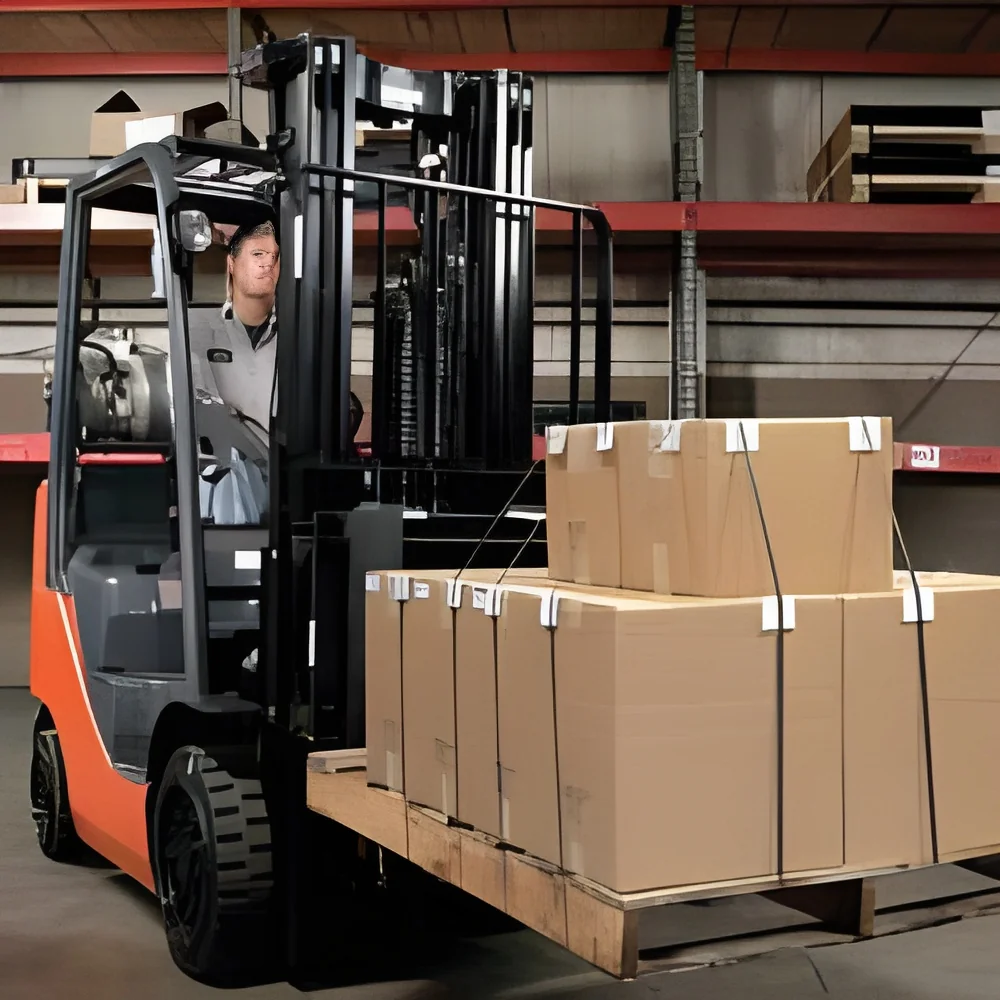
- Various tools and equipment are utilized such as forklifts, pallet jacks, and conveyor belts.
- Equipment choice impacts efficiency and safety during operations.
4. Safety Standards
- Compliance with safety regulations and protocols to protect workers and goods.
- Regular training and safety checks are essential.
5. Turnaround Time
- The average time taken to complete loading or unloading operations.
- Efficiency can significantly affect overall logistics timelines.
6. Geographic Coverage
- The regions in which services are offered, affecting local availability.
- Coverage may vary based on supplier capabilities.
7. Customization Options
- Opportunities for tailored services to meet specific business needs.
- Custom solutions can enhance operational efficiency.
8. Reporting and Monitoring
- Capabilities for tracking and reporting on the loading and unloading process.
- This may include technology integration for real-time updates.
In summary, vehicle loading and unloading services are characterized by their diverse capabilities, equipment, and compliance with industry standards, making them essential for efficient logistics operations.
Common Applications and Use Cases
Vehicle loading and unloading services are applied across numerous industries, each with specific needs and operational requirements.
1. Manufacturing: In manufacturing, these services are vital for moving raw materials to production lines and finished goods to distribution points. Efficient loading and unloading can significantly reduce downtime.
2. Retail: Retail businesses depend on these services to manage inventory efficiently. Timely unloading of shipments ensures that products are available for customers, enhancing sales potential.
3. Logistics and Transportation: Logistics companies require reliable loading and unloading services to maintain schedules. This includes managing freight for various transport modes, ensuring seamless transfers.
4. Agriculture: In agriculture, these services assist in transporting produce from farms to markets. Proper handling is crucial to maintain the quality of perishable goods.
5. Construction: Construction industries often need to load and unload heavy machinery and materials. Specialized equipment and trained personnel are essential for safety and efficiency.
6. Warehousing: Warehouses rely on effective loading and unloading to manage stock levels. Services often involve bulk handling and precise inventory management.
7. E-commerce: With the rise of e-commerce, businesses need rapid loading and unloading services to keep pace with consumer demand. Quick turnaround times are essential for customer satisfaction.
Product Variants and Subcategories
Vehicle loading and unloading services offer various options tailored to different operational needs.
Standard Service
This variant focuses on traditional loading and unloading operations. It often utilizes manual labor and basic equipment, suitable for small to medium-sized businesses.
Automated Solutions
Automated loading and unloading services incorporate technology such as robotics and conveyor systems. This variant enhances efficiency and reduces labor costs, ideal for high-volume operations.
Specialized Handling
Specialized handling services cater to unique items requiring extra care, such as fragile or oversized goods. These services ensure that specific handling protocols are adhered to.
On-Demand Services
On-demand vehicle loading and unloading services provide flexibility for businesses needing sporadic assistance. This variant allows companies to scale operations based on immediate needs.
Benefits and Advantages
Choosing vehicle loading and unloading services presents several notable benefits for businesses.
1. Improved Efficiency: Streamlined processes reduce the time needed for loading and unloading, enhancing overall productivity.
2. Cost Savings: By optimizing labor and equipment usage, businesses can lower operational costs associated with logistics.
3. Enhanced Safety: Professional services adhere to safety standards, minimizing risks related to workplace injuries and damages.
4. Increased Reliability: Consistent service ensures timely deliveries, bolstering customer satisfaction and loyalty.
5. Flexibility: Various service options allow businesses to tailor solutions to their specific needs, adapting to changing demands.
6. Better Inventory Management: Efficient loading and unloading contribute to effective inventory control, reducing stock discrepancies and losses.
Buying Guide for B2B Buyers
When selecting vehicle loading and unloading services, it is crucial for businesses to consider several important factors.
1. Quality Assessment: Evaluate the quality of services offered by checking past performance records, client testimonials, and industry reputation. High-quality services ensure safety and efficiency.
2. Supplier Verification: Conduct thorough background checks on potential service providers. Verify their experience, certifications, and adherence to industry standards.
3. Pricing and MOQ: Understand the pricing structure and minimum order quantities. This information helps in budgeting and ensures that services align with business needs.
4. Delivery and Lead Times: Inquire about expected lead times for service delivery. Timely service is vital for maintaining operational schedules.
5. Compliance Requirements: Ensure that selected services meet relevant compliance and regulatory standards. This reduces the risk of legal issues and enhances operational integrity.
Compliance and Certifications
Compliance and certifications are fundamental aspects of vehicle loading and unloading services. Adherence to industry standards like ISO 9001 ensures that processes meet quality management requirements. This certification reflects a company's commitment to providing consistent and high-quality services.
Additionally, certifications such as CE indicate compliance with European safety and health regulations. These certifications are crucial for building trust with clients and ensuring that services meet international safety standards.
Organizations must also implement safety and testing requirements to protect workers and goods during loading and unloading operations. Regular training and inspections are necessary to maintain compliance.
Regional considerations may also play a role in service delivery. Understanding local regulations and requirements ensures that businesses operate within the legal framework, avoiding potential fines or operational delays.
Why Source Vehicle Loading & Unloading Services from Pepagora?
Pepagora offers a trusted platform for sourcing vehicle loading and unloading services, providing several key advantages to businesses.
Verified Supplier Network: Pepagora features a comprehensive network of verified suppliers. This ensures that businesses can connect with reputable service providers who have undergone thorough vetting.
Streamlined RFQ Process: The platform simplifies the request for quotation (RFQ) process, enabling buyers to obtain competitive quotes quickly. This efficiency allows businesses to compare options and make informed decisions.
Trade Assurance and Support: Pepagora provides trade assurance to protect buyers during transactions. This support offers peace of mind, knowing that there are mechanisms in place to address potential issues.
Regional Coverage: With a strong presence in India, the GCC, and Southeast Asia, Pepagora ensures that businesses have access to local service providers. This geographic reach facilitates timely service delivery and enhances logistical capabilities.

 IN
IN