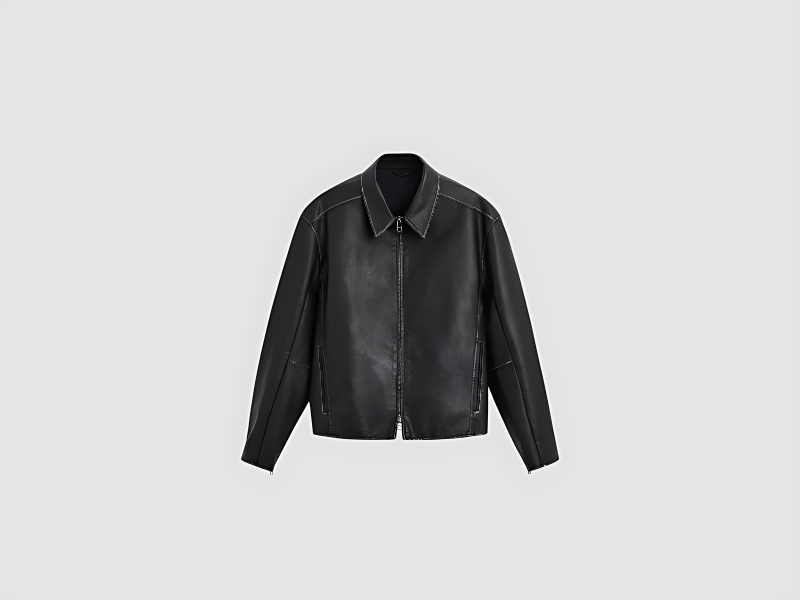
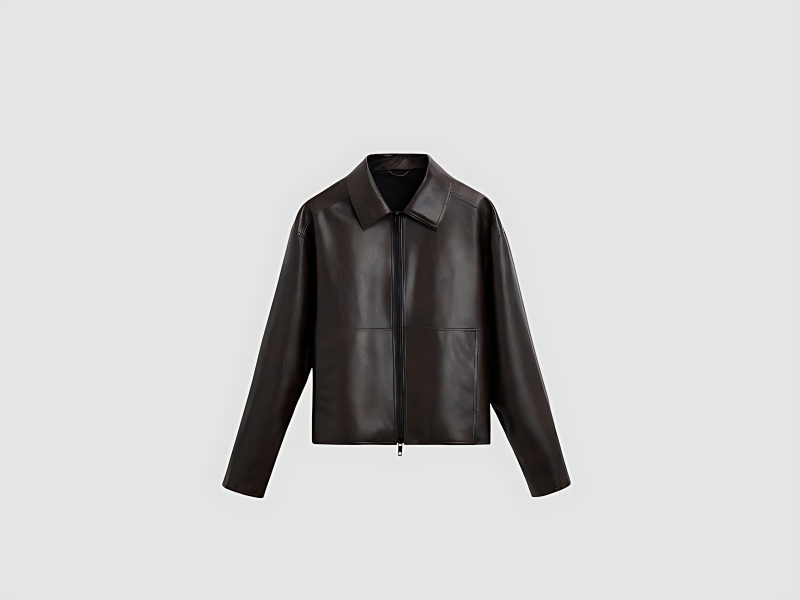
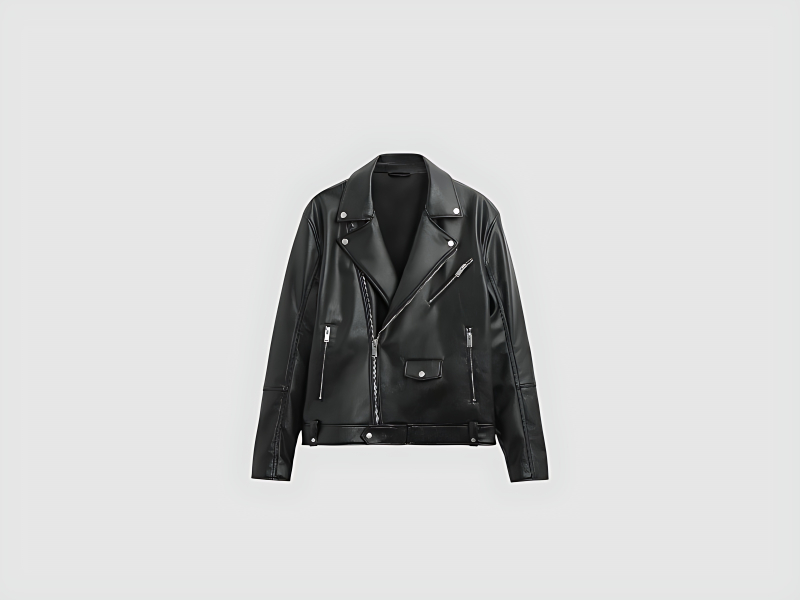
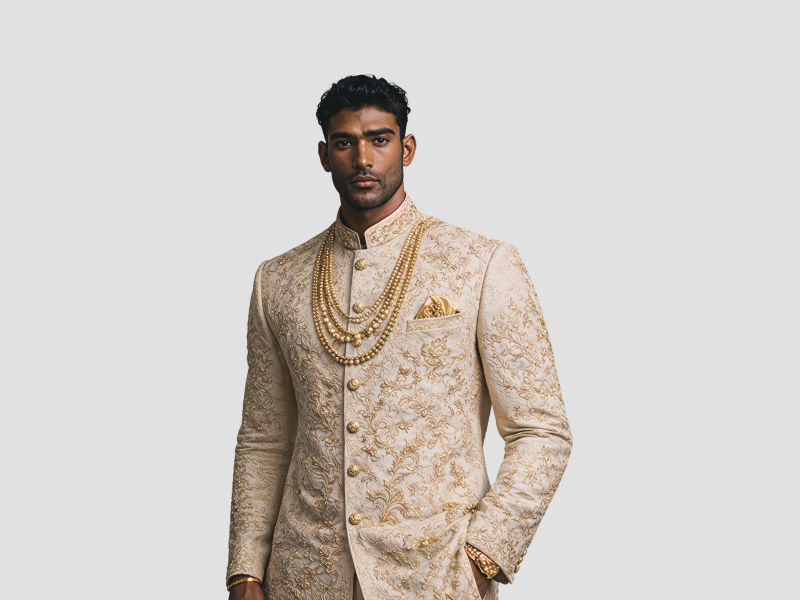
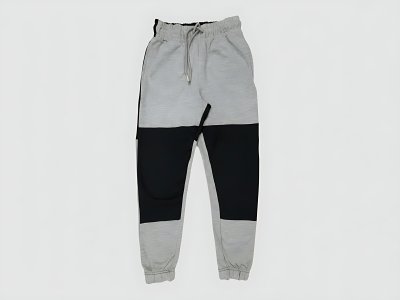
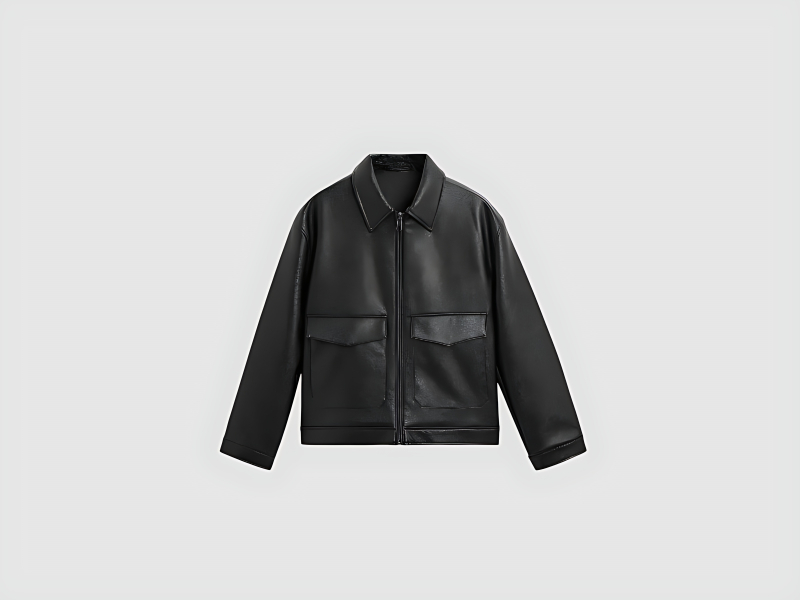
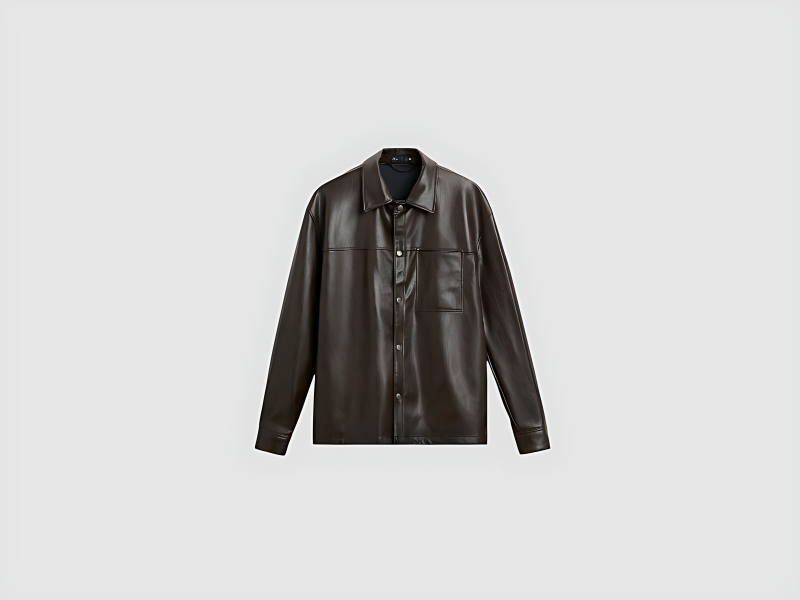
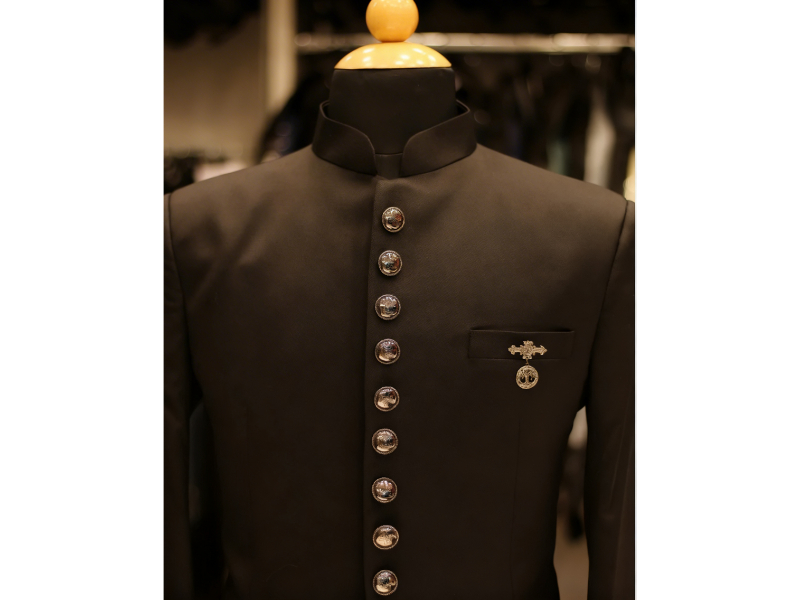
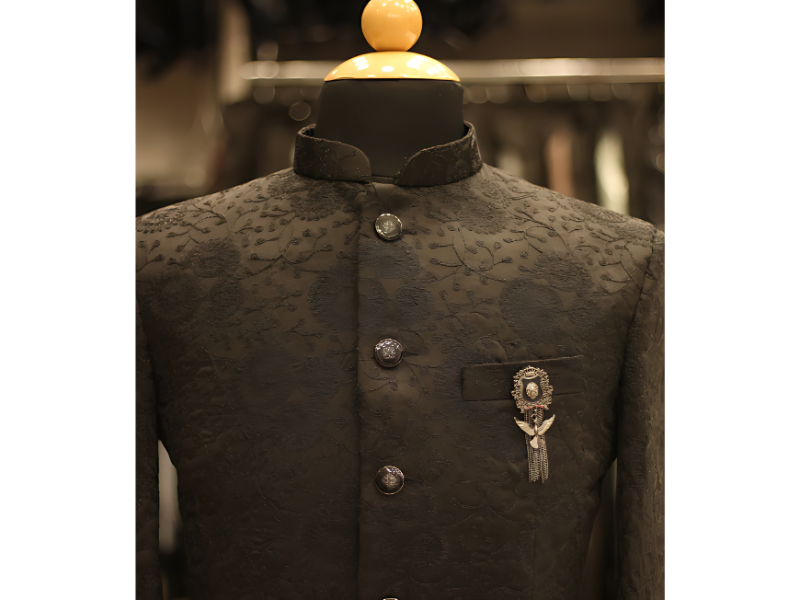
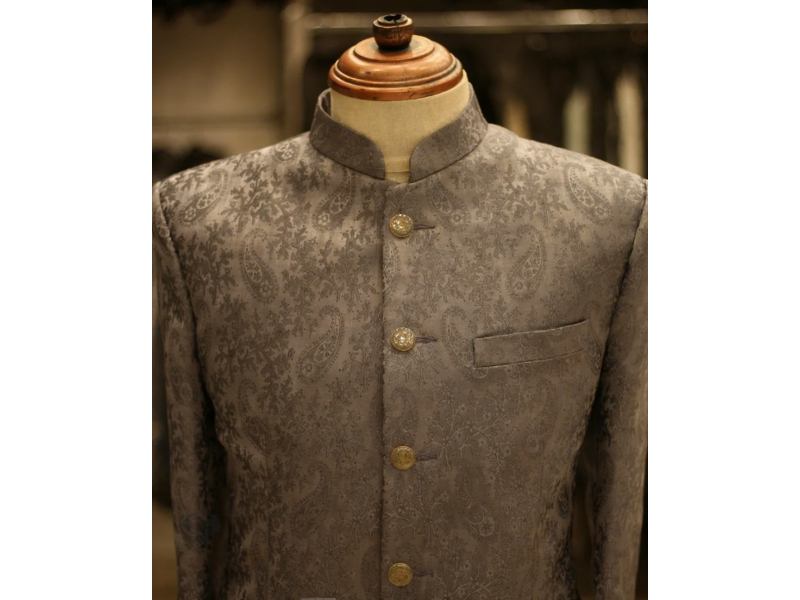
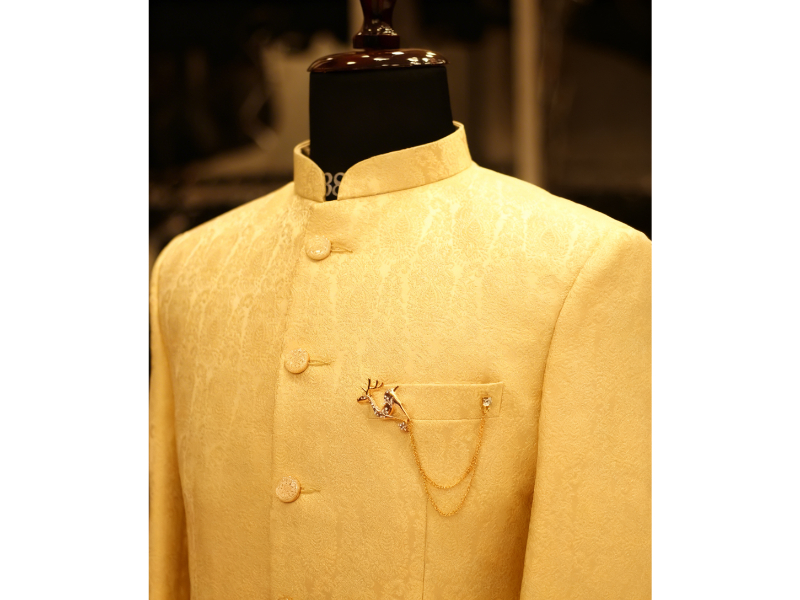
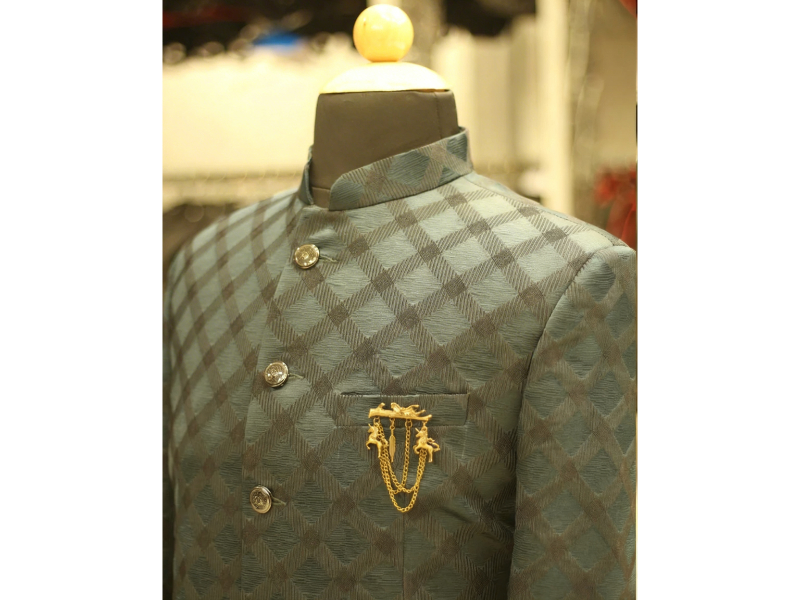
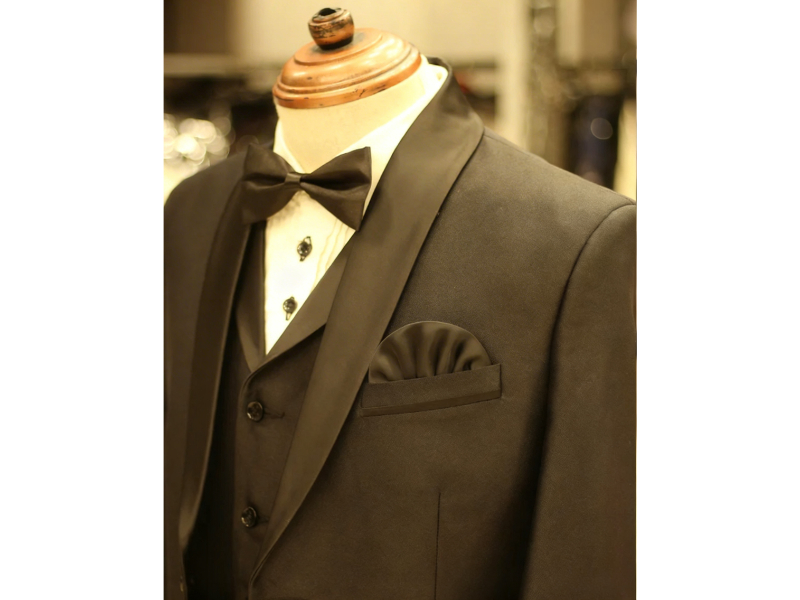
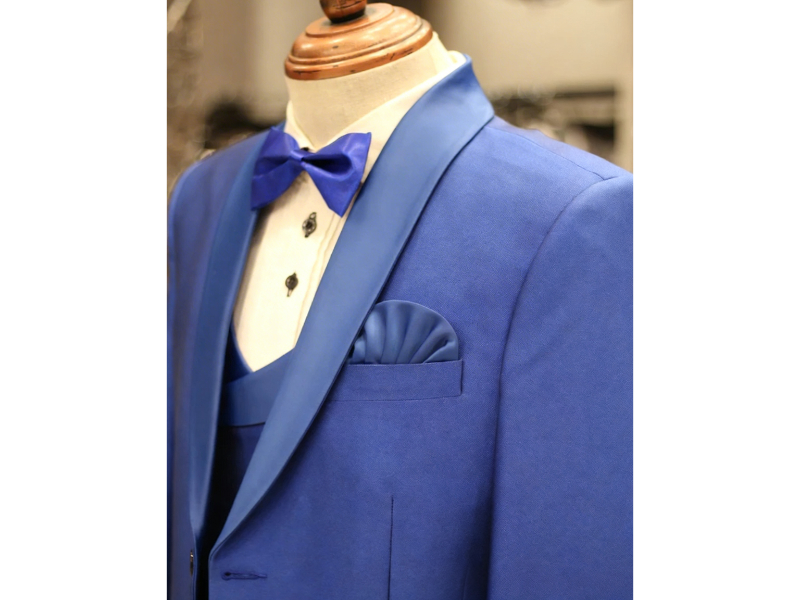
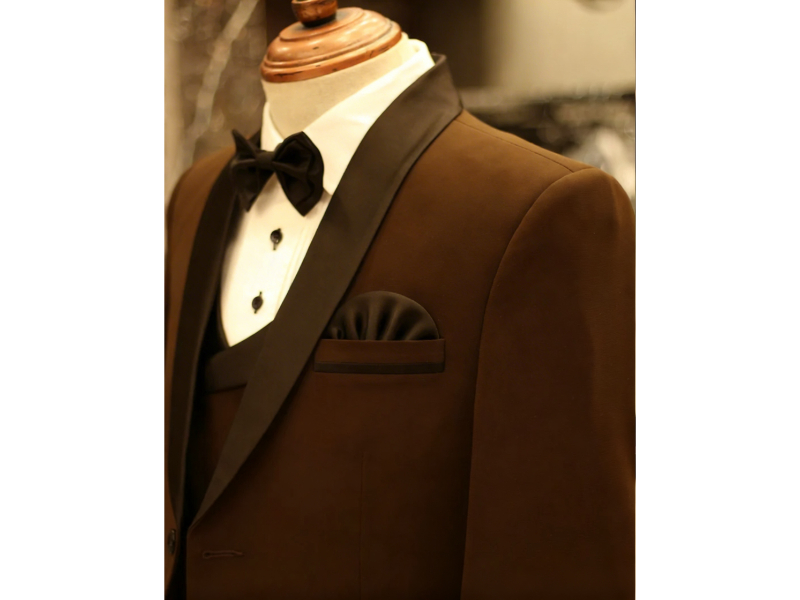
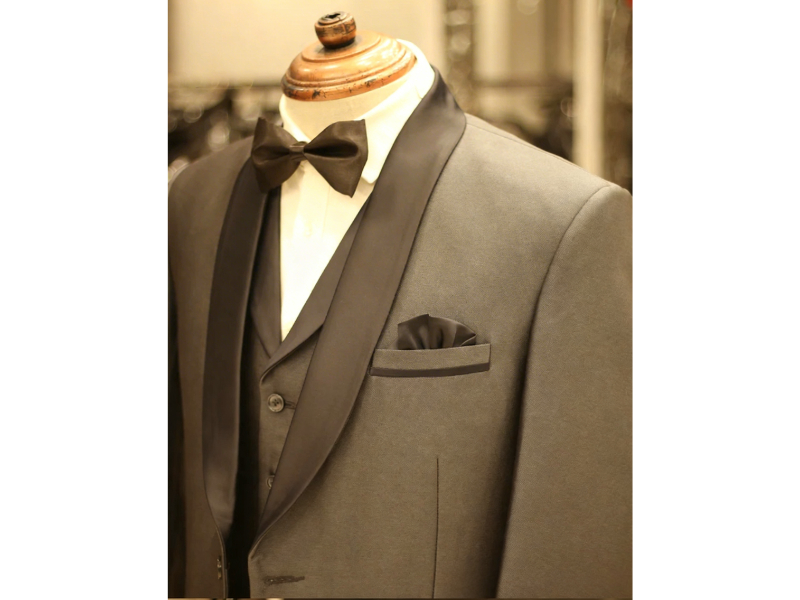
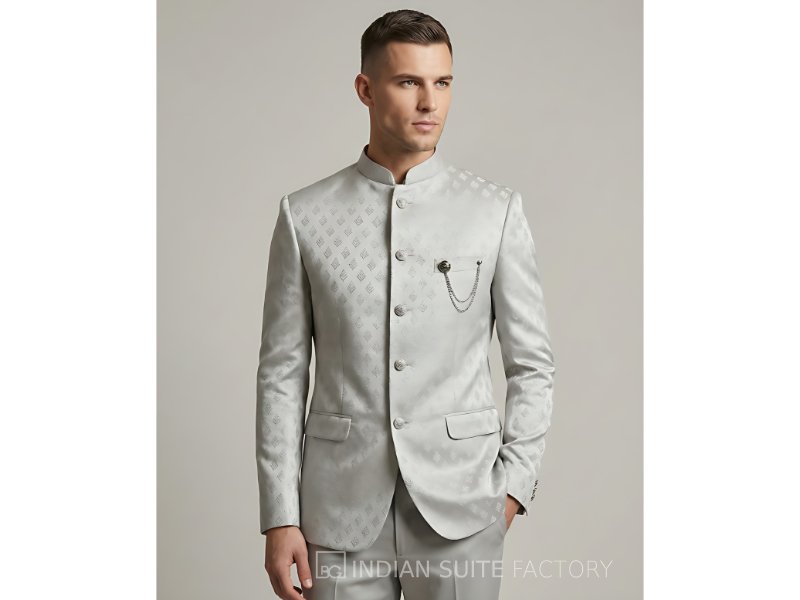
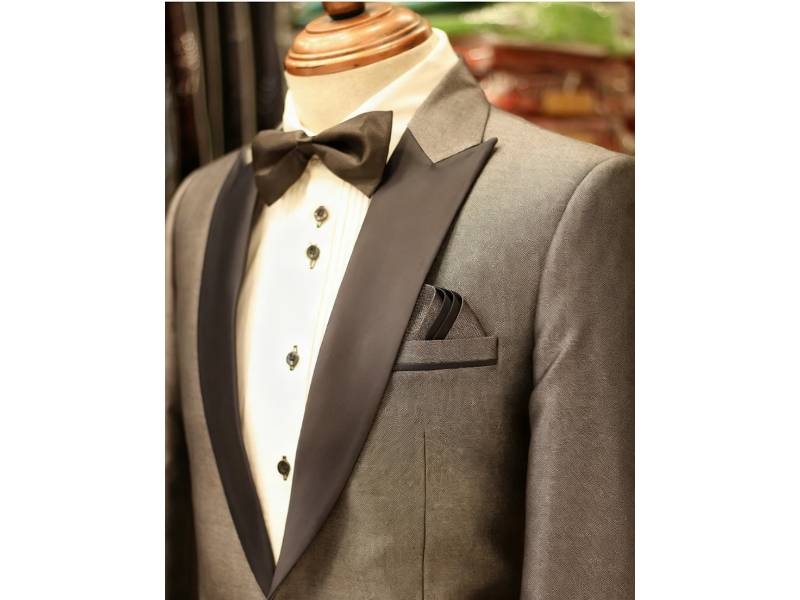
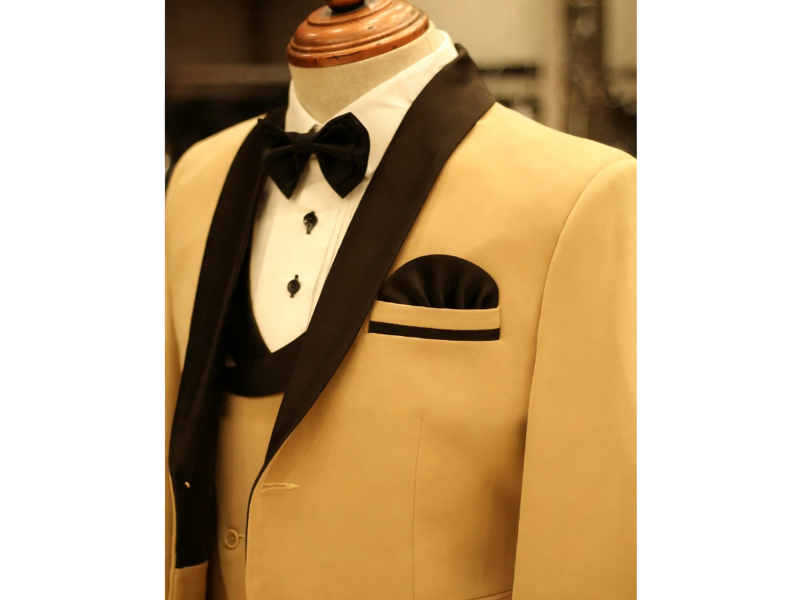
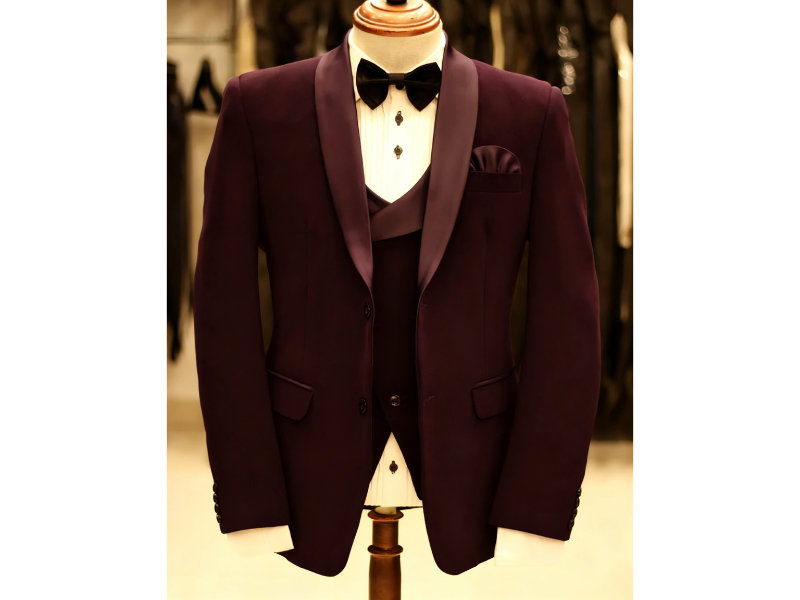
𝗪𝗵𝗮𝘁 𝗮𝗿𝗲 𝗦𝘂𝗶𝘁𝘀, 𝗕𝗹𝗮𝘇𝗲𝗿𝘀, 𝗝𝗮𝗰𝗸𝗲𝘁𝘀?
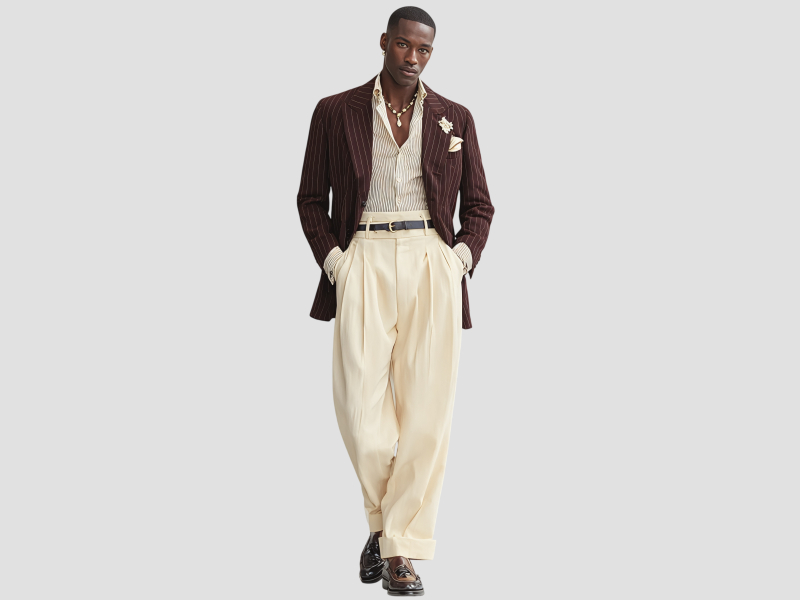
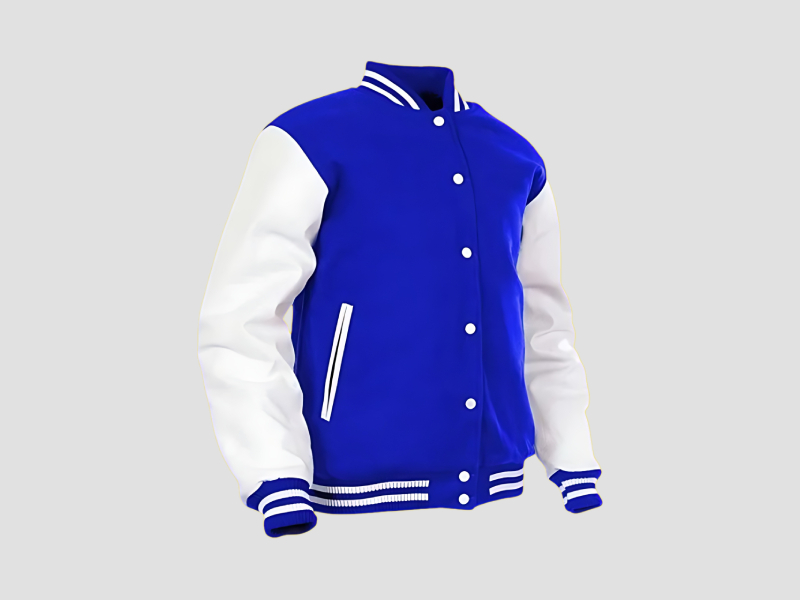
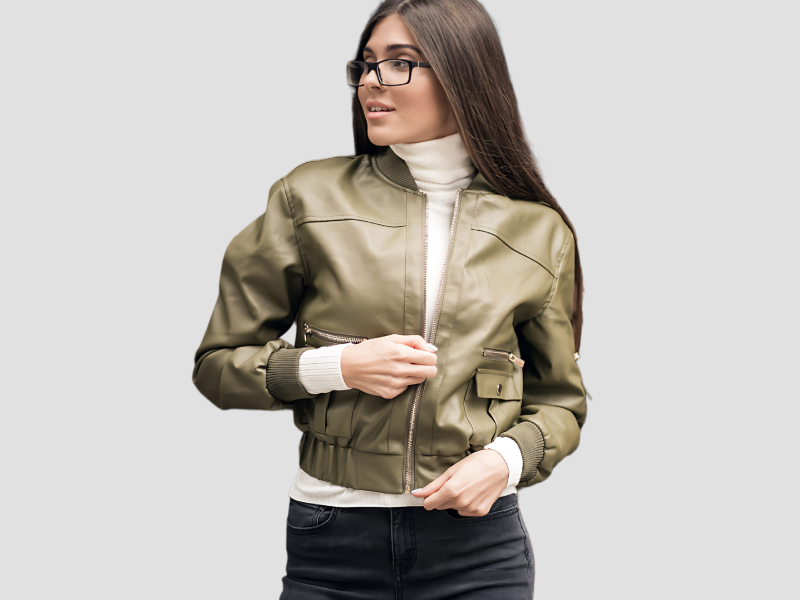
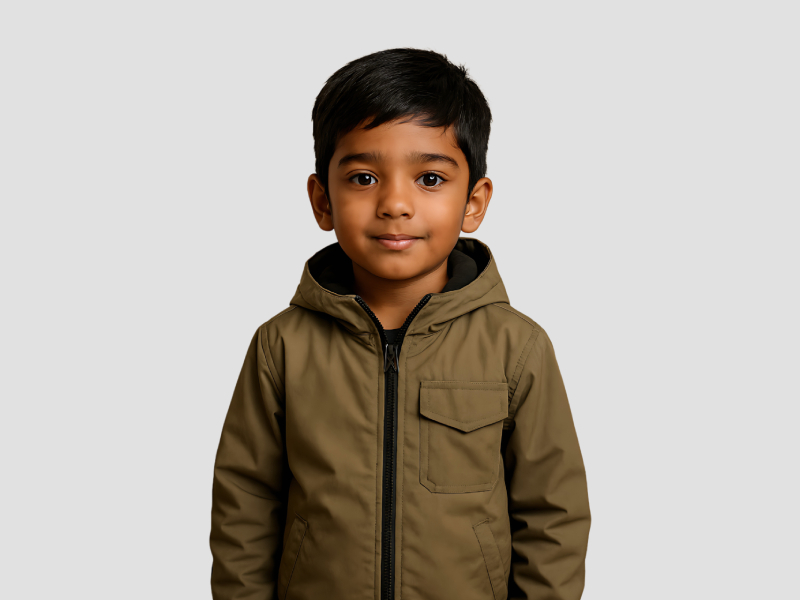
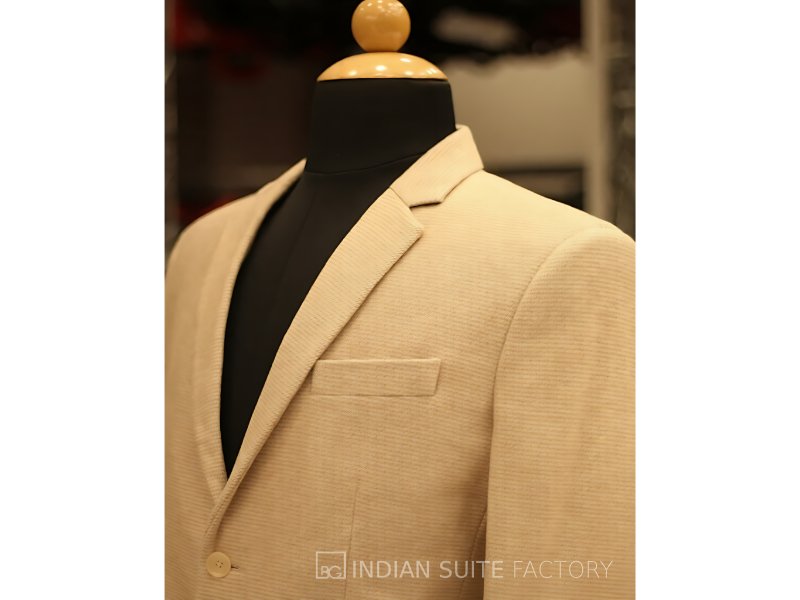
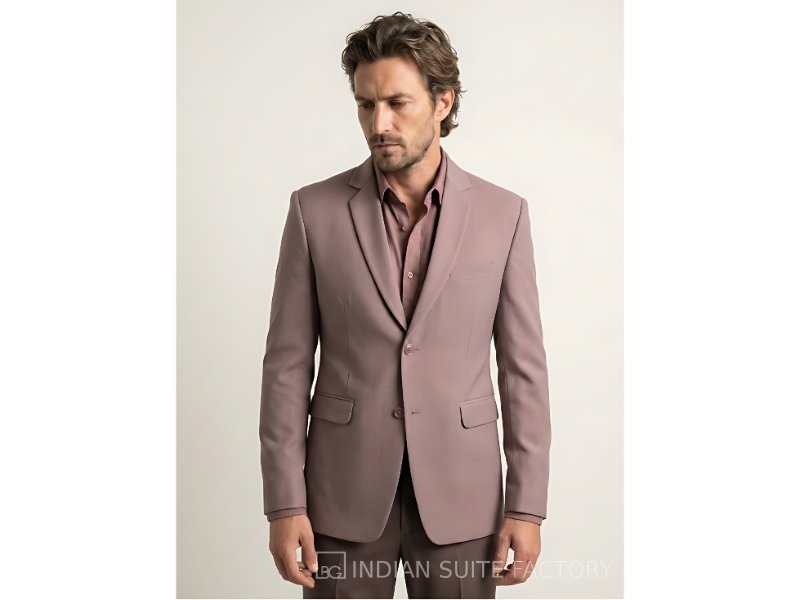
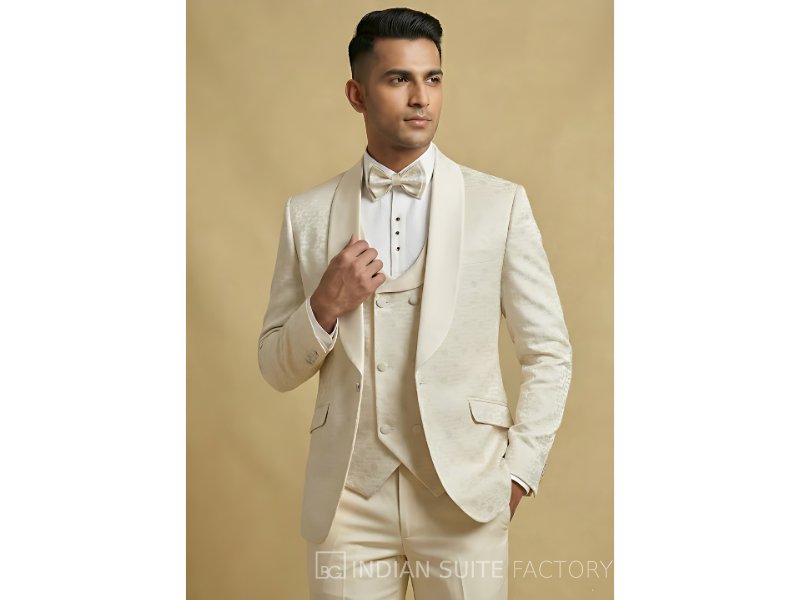
Suits, blazers, and jackets are essential components of formal and semi-formal attire, commonly used in various professional environments. A suit typically consists of a matching jacket and trousers, tailored to present a polished and cohesive look. Blazers are versatile jackets that can be worn with different types of trousers or skirts, offering a more relaxed yet still sophisticated style. Jackets, in general, refer to outer garments that can vary in design, function, and material, making them suitable for diverse occasions.
These clothing items are primarily used in business settings, such as meetings, conferences, and corporate events. They serve as a means of professional expression, helping individuals convey confidence and competence. In addition to traditional office wear, suits and blazers are often worn in industries such as hospitality, law, and finance, where a formal appearance is crucial for client-facing roles.
The market for suits, blazers, and jackets is robust, with a growing demand for customization and diversity in styles. As businesses increasingly emphasize brand image, the importance of well-fitting and stylish attire has risen. This sector is influenced by fashion trends, economic conditions, and cultural shifts, prompting manufacturers to innovate in materials and designs to meet the evolving needs of consumers.
𝗞𝗲𝘆 𝗙𝗲𝗮𝘁𝘂𝗿𝗲𝘀 𝗮𝗻𝗱 𝗦𝗽𝗲𝗰𝗶𝗳𝗶𝗰𝗮𝘁𝗶𝗼𝗻𝘀
When selecting suits, blazers, and jackets, several key features and specifications are important to consider. These garments are designed for durability, comfort, and style, making them suitable for various professional environments.
Key specifications include:
1. Fabric Type
- Common materials include wool, cotton, and polyester blends
- Each fabric offers different benefits such as breathability and warmth
2. Fit Options
- Available in slim fit, regular fit, and tailored fit
- Fit options cater to different body types and preferences
3. Style Variations
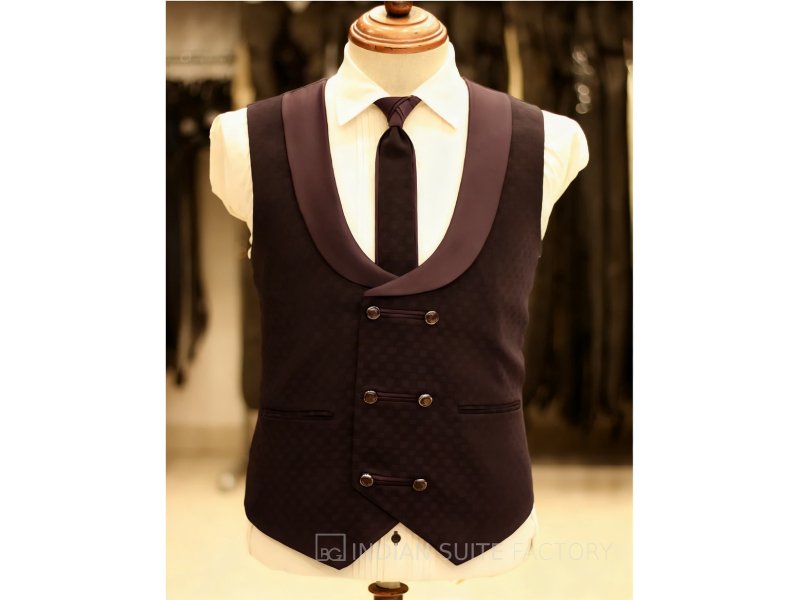
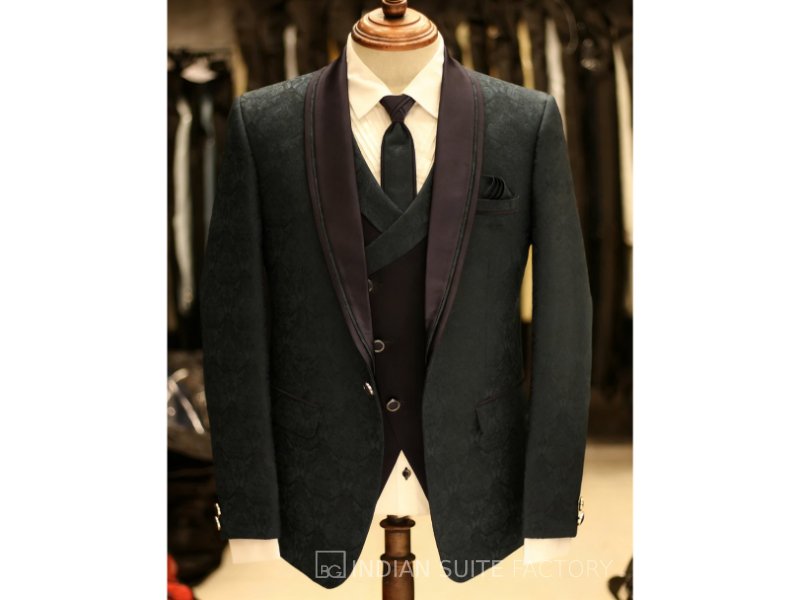
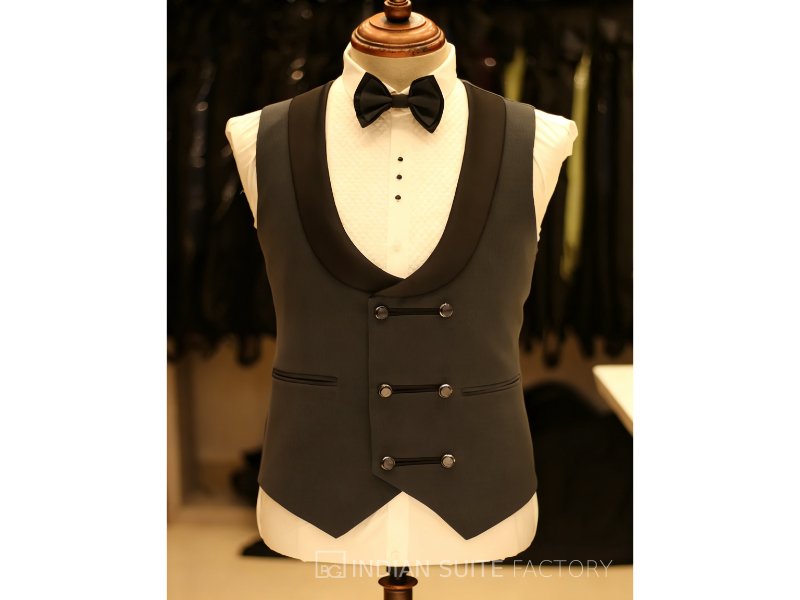
- Includes single-breasted, double-breasted, and vented designs
- Different styles provide flexibility for various occasions
4. Color Choices
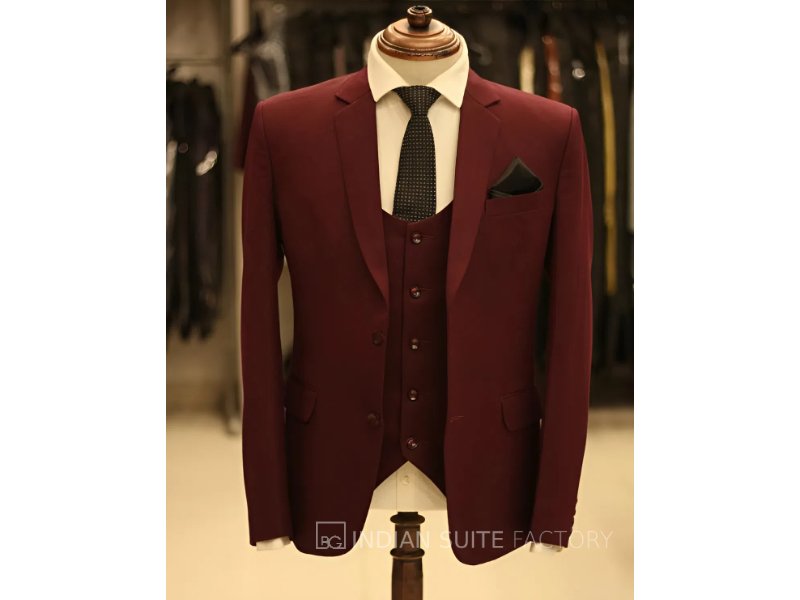
- Widely available in classic colors like black, navy, and gray
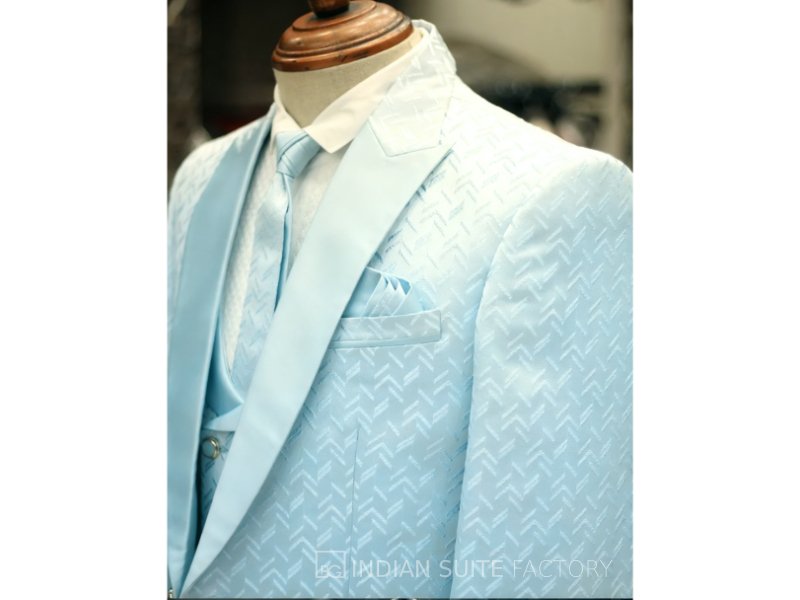
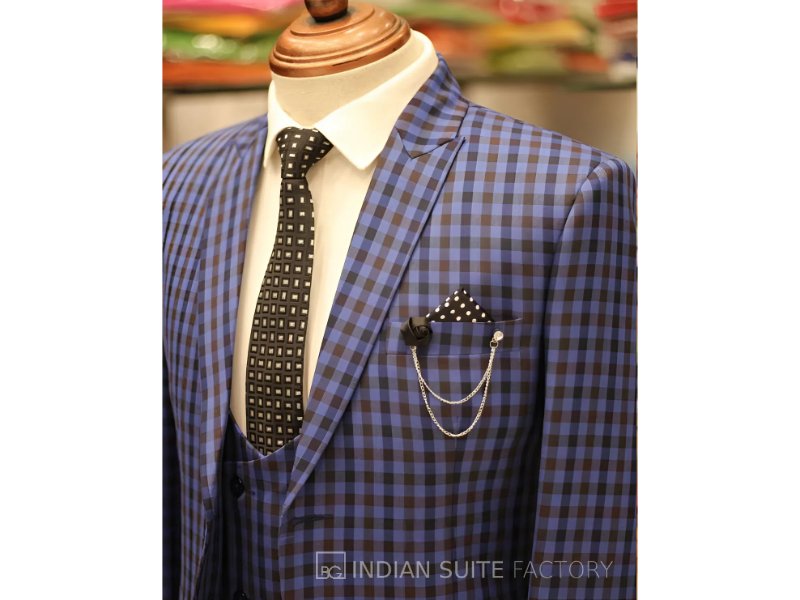
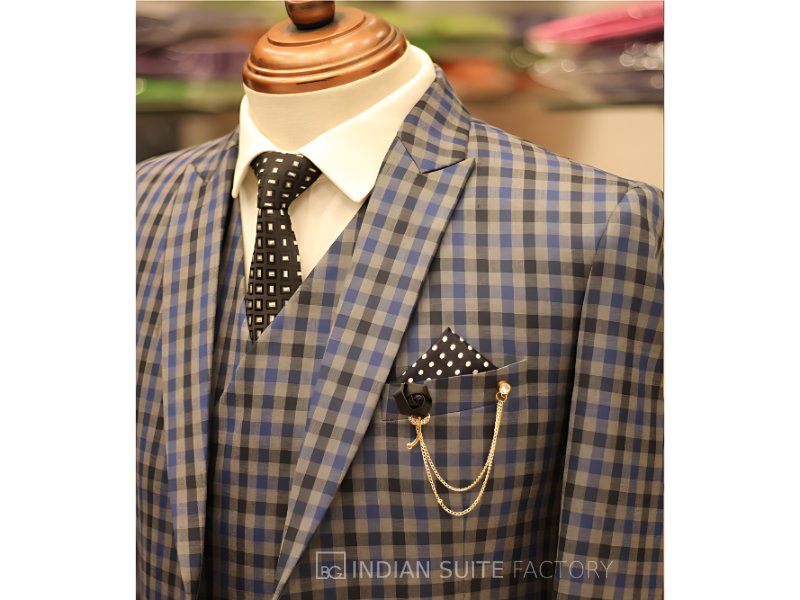
- Seasonal colors and patterns are also offered for updated styles
5. Lining Material
- Inner linings may be made from silk, polyester, or cotton
- Lining impacts comfort and breathability
6. Customization Options
- Many suppliers offer bespoke tailoring for a perfect fit
- Personalization may include monograms and fabric choices
7. Safety Features
- Some jackets may incorporate fire-resistant or water-repellent materials
- Features vary based on industry-specific requirements
8. Care Instructions
- Specific guidelines for cleaning and maintenance
- Proper care extends the lifespan of the garments
In summary, understanding these specifications helps B2B buyers make informed choices, ensuring that the suits, blazers, and jackets they purchase meet their needs and preferences.
𝗖𝗼𝗺𝗺𝗼𝗻 𝗔𝗽𝗽𝗹𝗶𝗰𝗮𝘁𝗶𝗼𝗻𝘀 𝗮𝗻𝗱 𝗨𝘀𝗲 𝗖𝗮𝘀𝗲𝘀
Suits, blazers, and jackets find applications across diverse industries, providing tailored solutions for various professional settings.
1. Corporate Sector: These garments are widely used in corporate environments for meetings, presentations, and networking events, helping professionals maintain a polished appearance.
2. Hospitality Industry: Staff in hotels and restaurants often wear blazers and jackets as part of their uniforms to convey professionalism and enhance the guest experience.
3. Legal Profession: Lawyers and legal professionals frequently wear suits in courtrooms and client meetings to project authority and confidence.
4. Financial Services: Employees in banking and finance use formal attire to establish trust and credibility with clients and stakeholders.
5. Education Sector: Educators and administrators may wear blazers during formal events and ceremonies, representing their institutions with dignity.
6. Event Management: Organizers and staff at conferences and corporate events wear suits to create a cohesive and professional atmosphere.
7. Retail Sector: Sales associates in high-end retail environments often wear tailored jackets as part of their uniform to enhance brand image.
𝗣𝗿𝗼𝗱𝘂𝗰𝘁 𝗩𝗮𝗿𝗶𝗮𝗻𝘁𝘀 𝗮𝗻𝗱 𝗦𝘂𝗯𝗰𝗮𝘁𝗲𝗴𝗼𝗿𝗶𝗲𝘀
Suits, blazers, and jackets come in various styles and types, catering to different preferences and occasions.
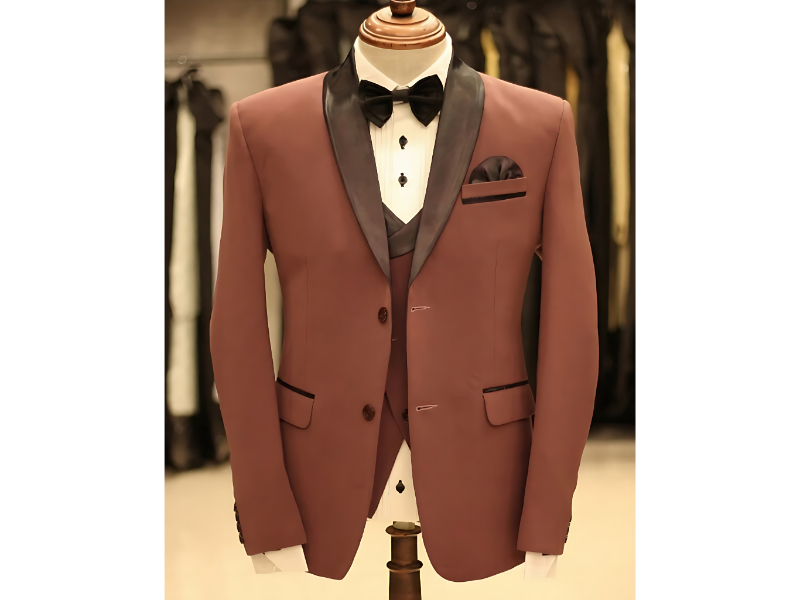
Formal Suit
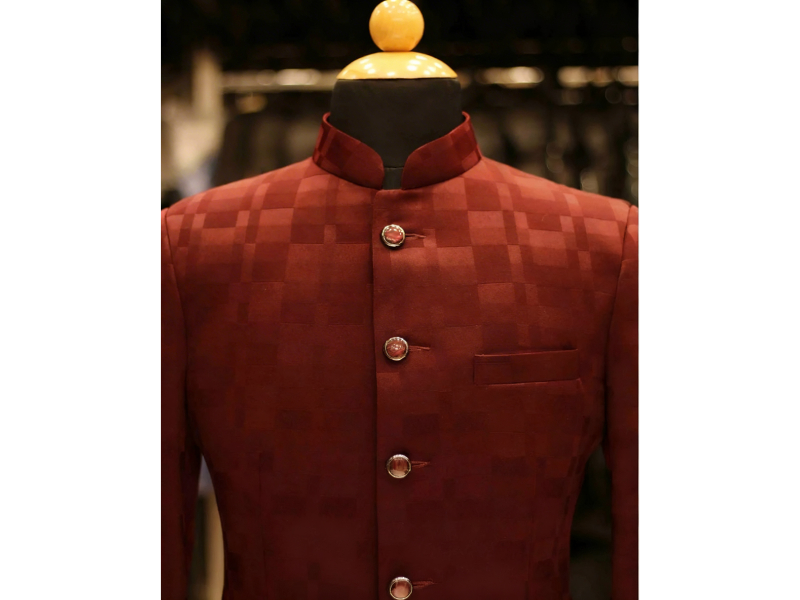
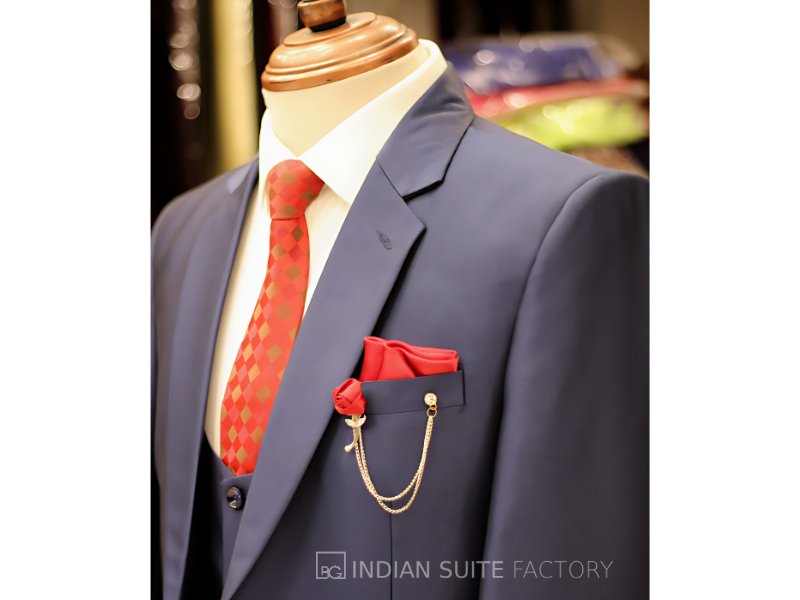
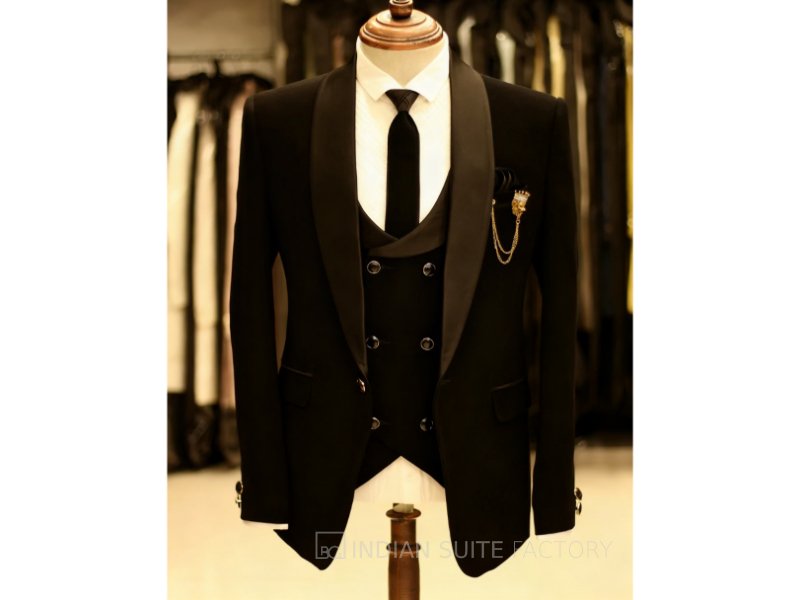
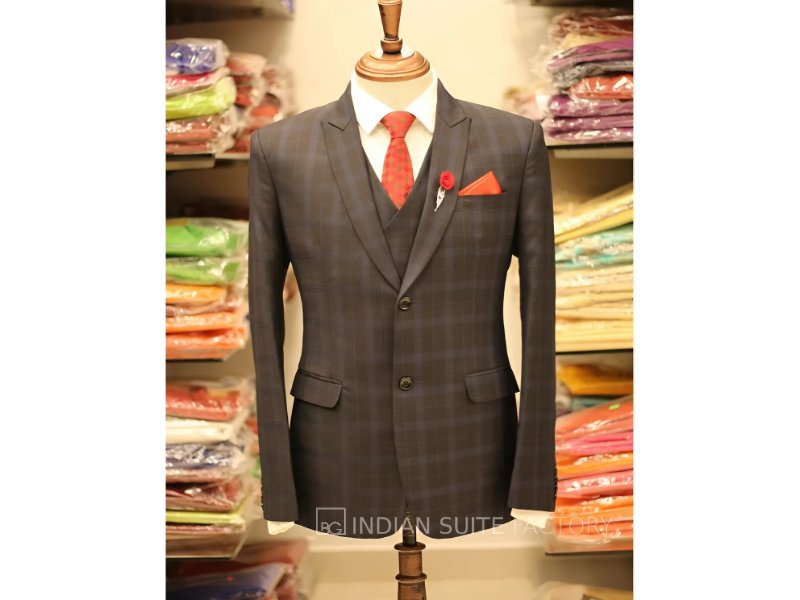
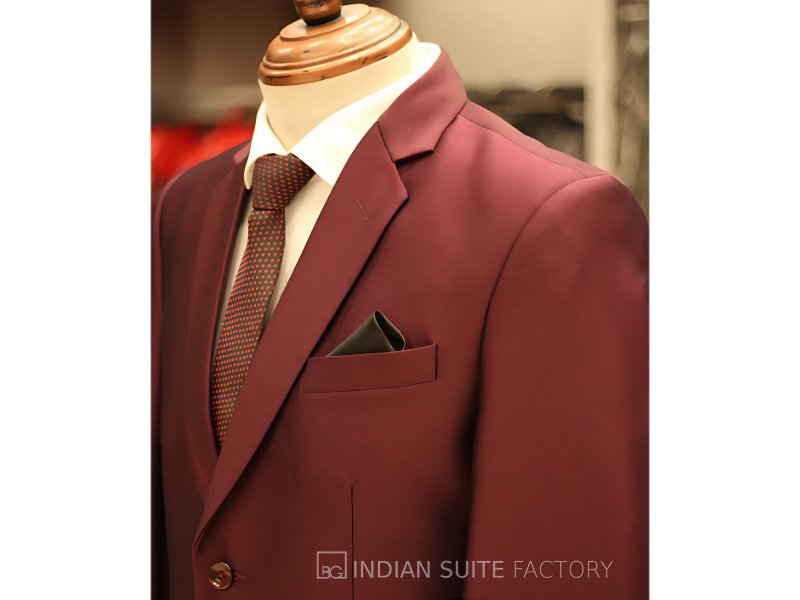
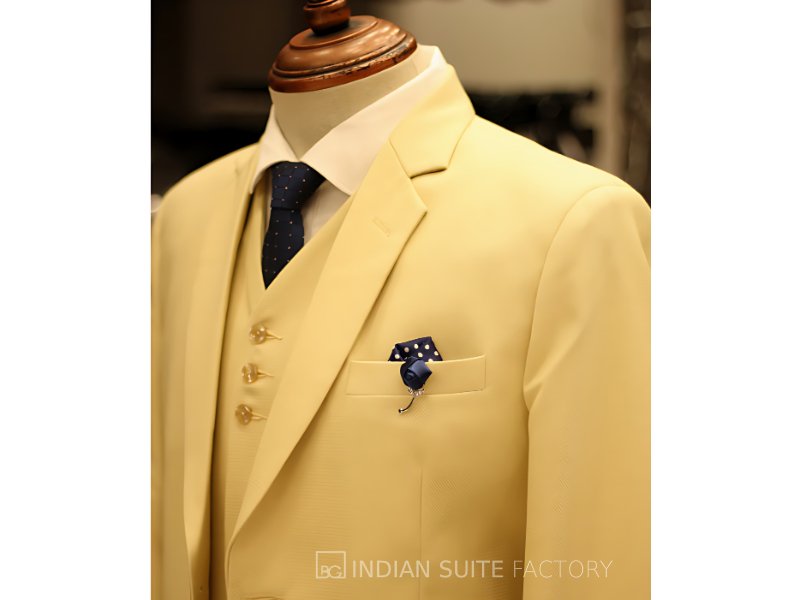
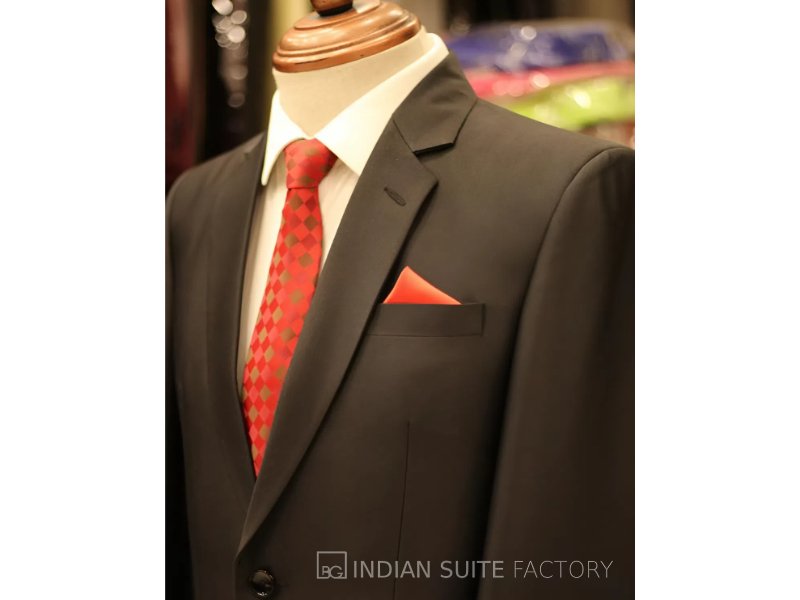
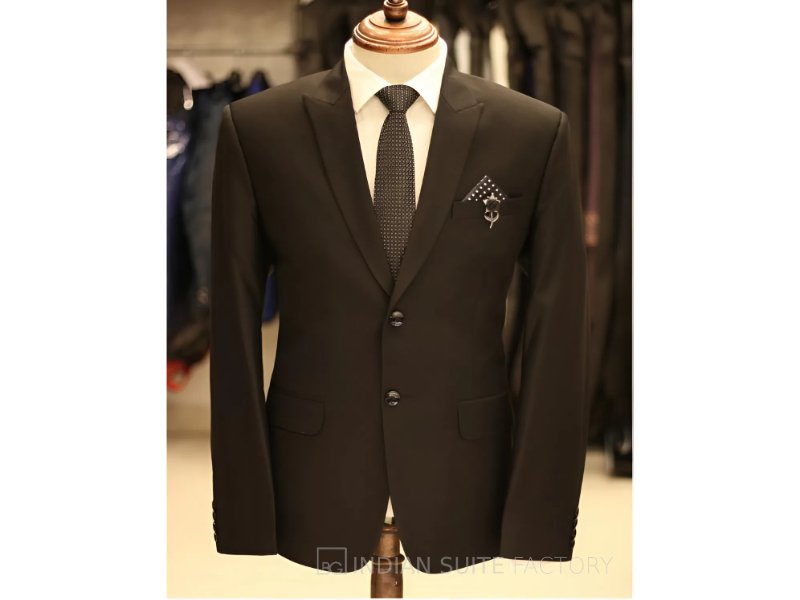
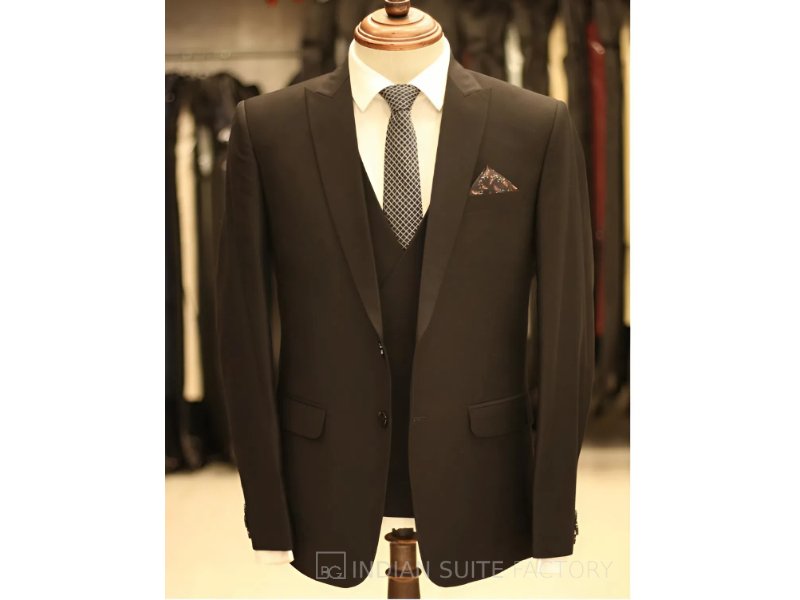
The formal suit is designed for professional settings, typically featuring a tailored fit and high-quality fabric. It is ideal for business meetings, interviews, and formal events.
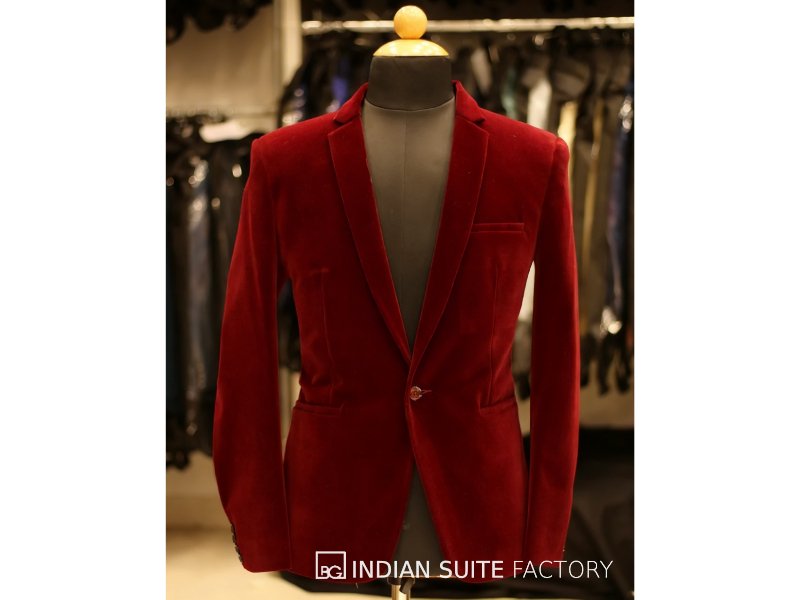
Casual Blazer
A casual blazer offers a relaxed fit and versatile style, making it suitable for less formal occasions. It can be paired with chinos or jeans for a smart-casual look.
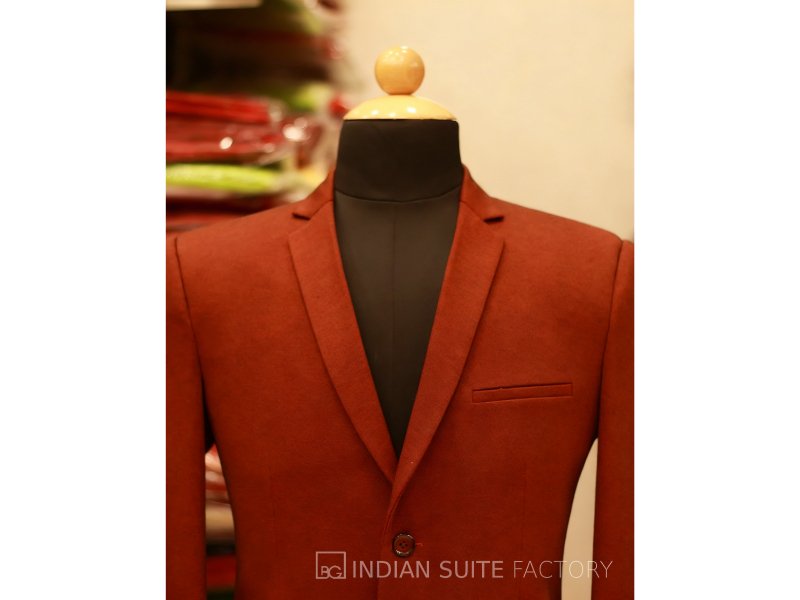
Sports Jacket
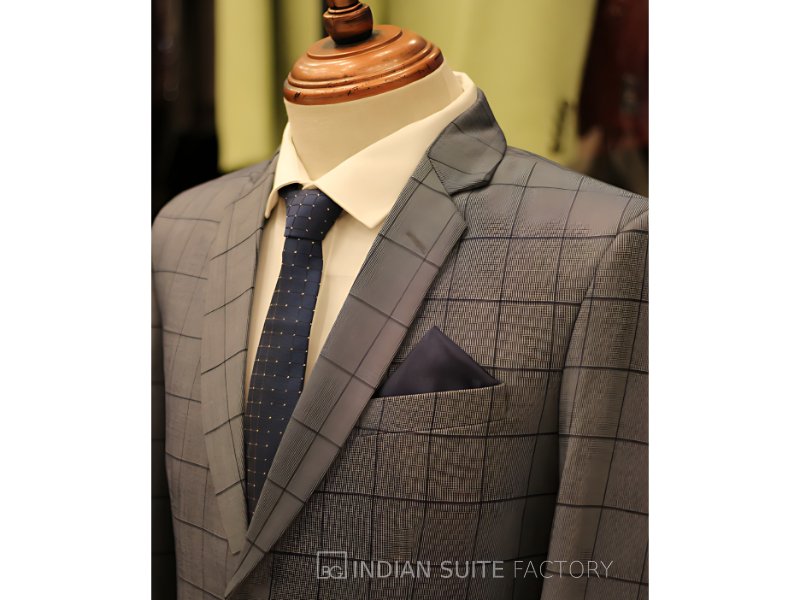
The sports jacket is a more relaxed option, often made from lightweight materials and patterned fabrics. It is perfect for social events and casual gatherings.
Tailored Jacket
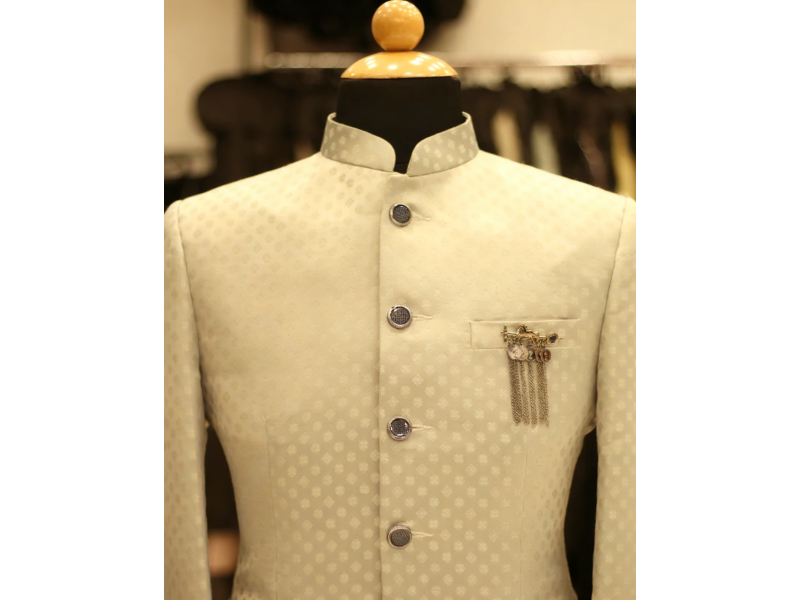
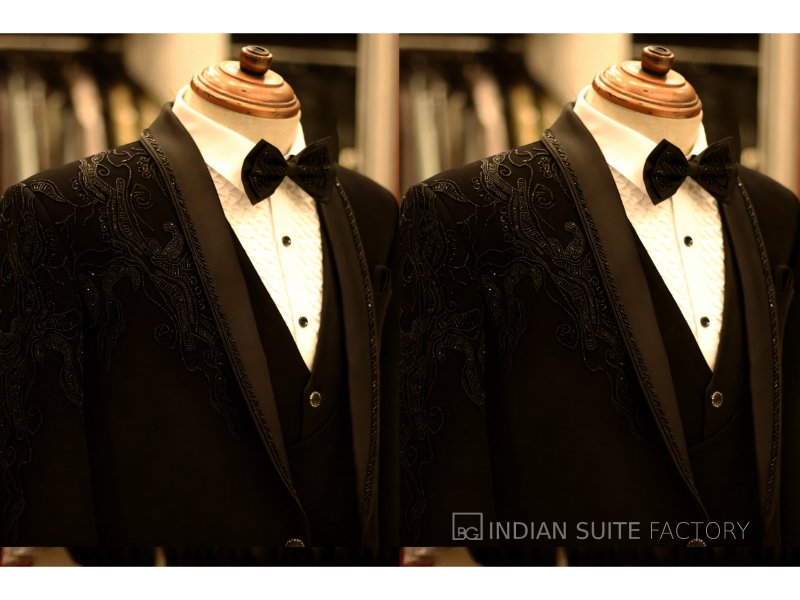
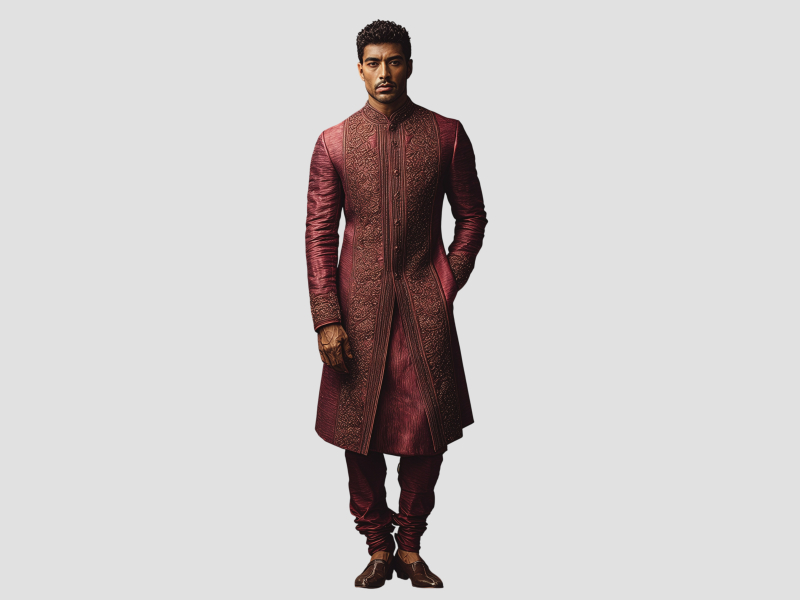
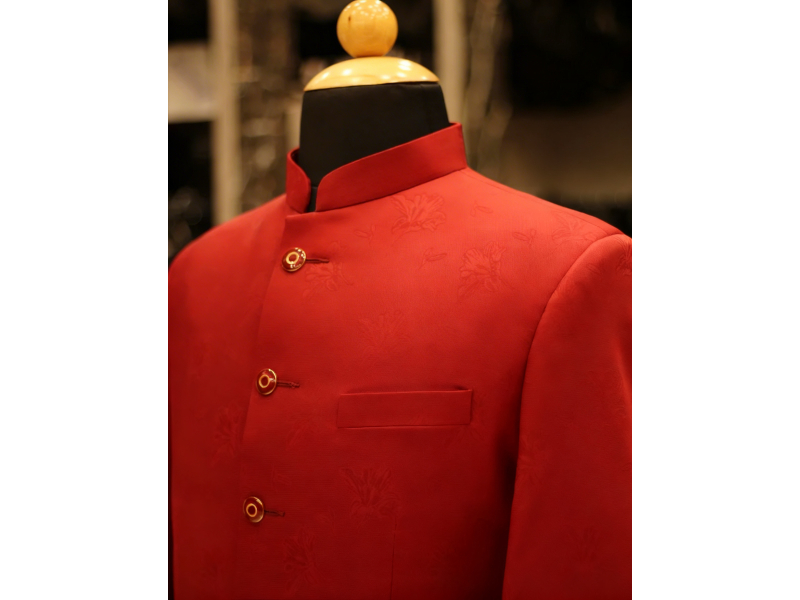
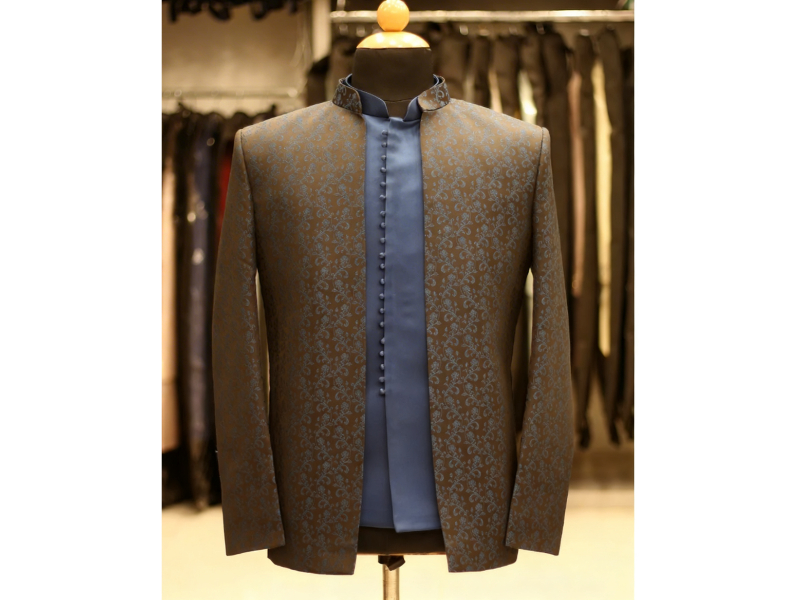
Tailored jackets are customized to fit the individual's measurements, ensuring a perfect fit. They are often used in bespoke suits for a high-end appearance.
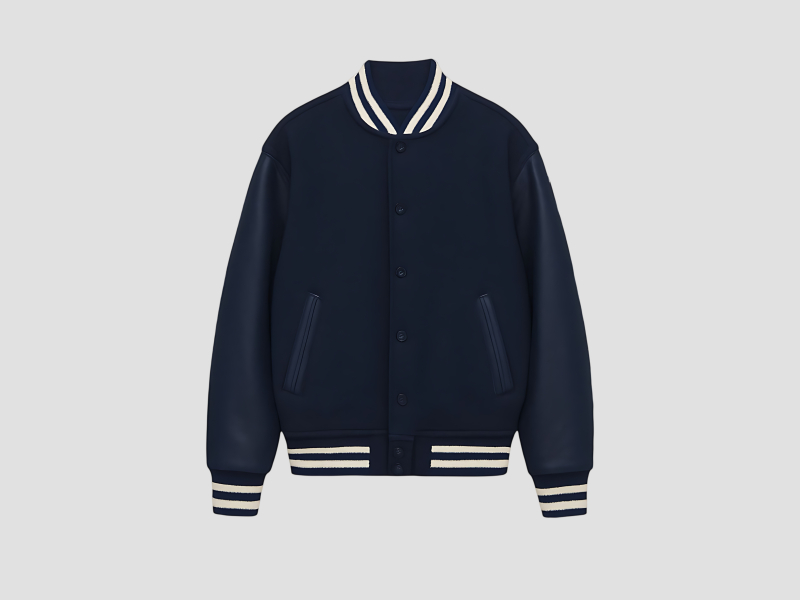
Blazer with Functionality
Some blazers come with added features like waterproofing or extra pockets, making them suitable for outdoor events and varying weather conditions.
𝗕𝗲𝗻𝗲𝗳𝗶𝘁𝘀 𝗮𝗻𝗱 𝗔𝗱𝘃𝗮𝗻𝘁𝗮𝗴𝗲𝘀
Suits, blazers, and jackets offer numerous benefits that make them essential for professional attire.
1. Professional Appearance: Wearing tailored clothing enhances an individual's professional image, fostering confidence and authority.
2. Versatility: These garments can be easily mixed and matched with other clothing items, providing flexibility for different occasions.
3. Custom Fit: Many options are available for tailoring and customization, ensuring the best fit and comfort for the wearer.
4. Quality Materials: High-quality fabrics contribute to durability and comfort, allowing for long-lasting wear.
5. Seasonal Adaptability: With various materials available, these garments can be worn year-round, adaptable to changing weather conditions.
6. Brand Representation: Wearing consistent and professional attire strengthens brand identity, especially in client-facing roles.
𝗕𝘂𝘆𝗶𝗻𝗴 𝗚𝘂𝗶𝗱𝗲 𝗳𝗼𝗿 𝗕𝟮𝗕 𝗕𝘂𝘆𝗲𝗿𝘀
When sourcing suits, blazers, and jackets, B2B buyers should consider several important factors to ensure a successful purchase.
1. Quality Assessment: Evaluate the fabric, stitching, and overall construction of the garments. High-quality materials and craftsmanship are essential for durability.
2. Supplier Verification: Vet potential suppliers for reliability and reputation. Check for reviews and industry certifications to ensure quality standards are met.
3. Pricing and MOQ: Understand pricing structures and minimum order quantities. This will help manage budget constraints and ensure adequate inventory levels.
4. Delivery and Lead Times: Consider logistics and delivery schedules. Timely delivery is crucial for meeting business needs and maintaining stock levels.
5. Compliance Requirements: Be aware of any regulatory compliance that may pertain to the materials and manufacturing processes used in the garments.
𝗖𝗼𝗺𝗽𝗹𝗶𝗮𝗻𝗰𝗲 𝗮𝗻𝗱 𝗖𝗲𝗿𝘁𝗶𝗳𝗶𝗰𝗮𝘁𝗶𝗼𝗻𝘀
Compliance with industry standards and certifications is vital when sourcing suits, blazers, and jackets.
Quality standards such as ISO 9001 ensure that manufacturers adhere to effective quality management systems, promoting consistent product quality.
Safety certifications like CE indicate that the garments meet essential health and safety requirements, providing assurance to buyers regarding their safety features.
Testing requirements may vary based on industry applications, particularly for specialized garments that need to meet specific safety regulations.
Regional compliance considerations should also be taken into account, as different countries may have unique regulations governing textile products.
𝗪𝗵𝘆 𝗦𝗼𝘂𝗿𝗰𝗲 𝗦𝘂𝗶𝘁𝘀, 𝗕𝗹𝗮𝘇𝗲𝗿𝘀, 𝗝𝗮𝗰𝗸𝗲𝘁𝘀 𝗳𝗿𝗼𝗺 𝗣𝗲𝗽𝗮𝗴𝗼𝗿𝗮?
Pepagora offers a trusted platform for sourcing suits, blazers, and jackets, providing several key advantages to B2B buyers.
Verified Supplier Network: Pepagora connects buyers with verified suppliers who meet strict quality standards. This network helps ensure that buyers receive high-quality products.
Streamlined RFQ Process: The platform simplifies the request for quotation process, allowing buyers to easily compare options and pricing from multiple suppliers, saving time and effort.
Trade Assurance and Support: Pepagora provides buyer protection through trade assurance, ensuring that transactions are secure and that support is available throughout the purchasing process.
Regional Coverage: With a strong presence in India and the GCC region, as well as Southeast Asia, Pepagora offers extensive geographic reach, making it easier for businesses to find the right suppliers for their needs.

 IN
IN