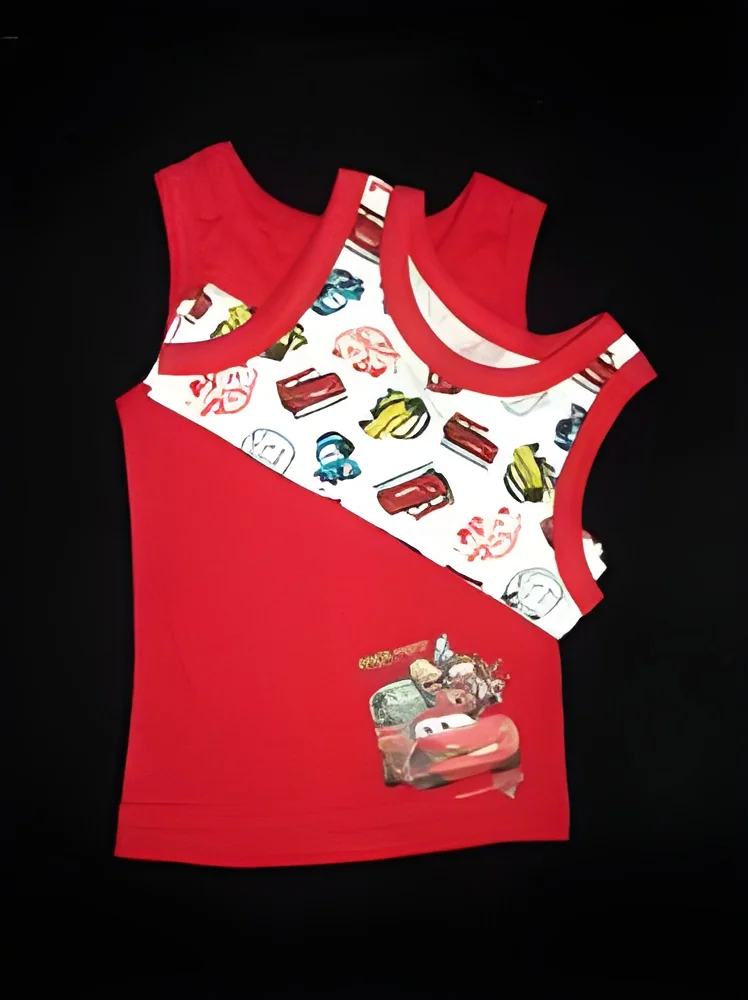
What are Boys' Suits?
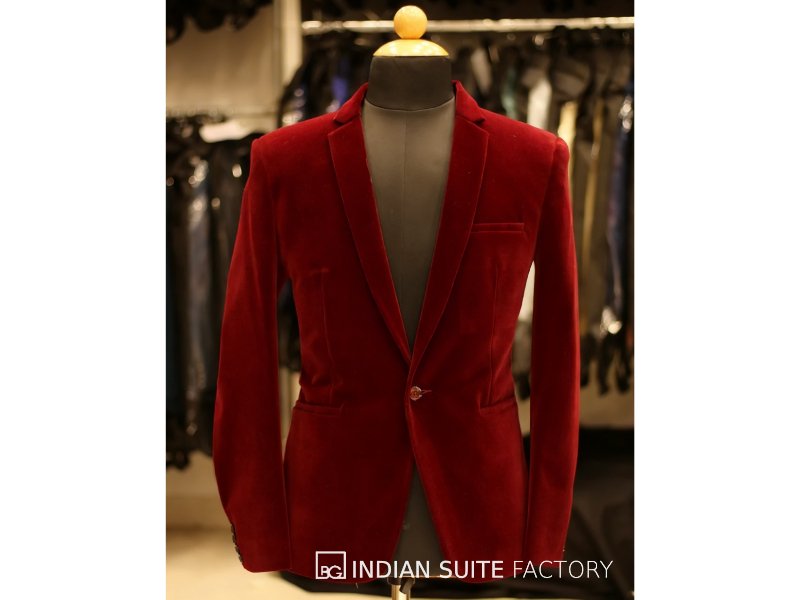
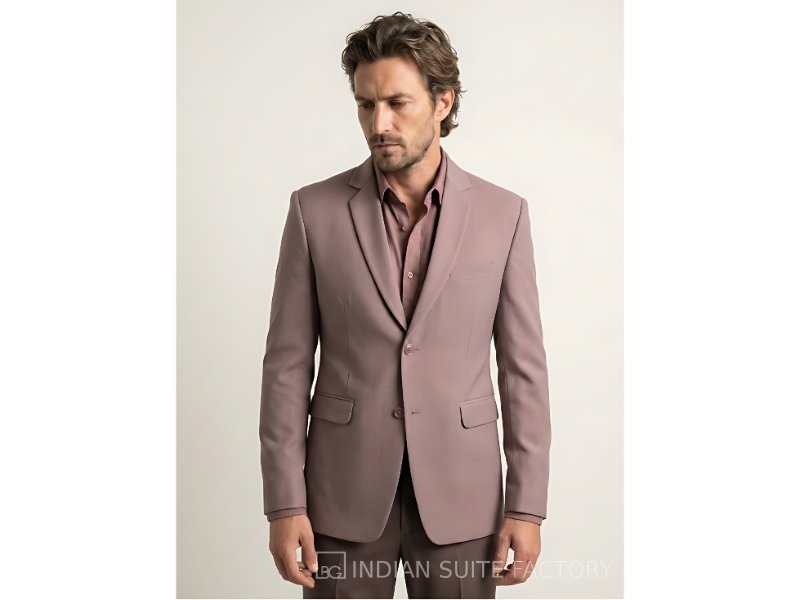
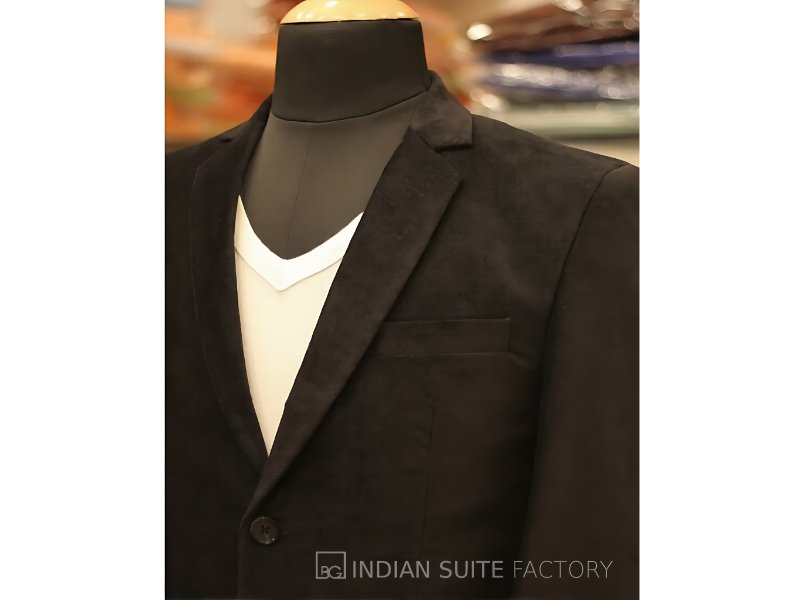
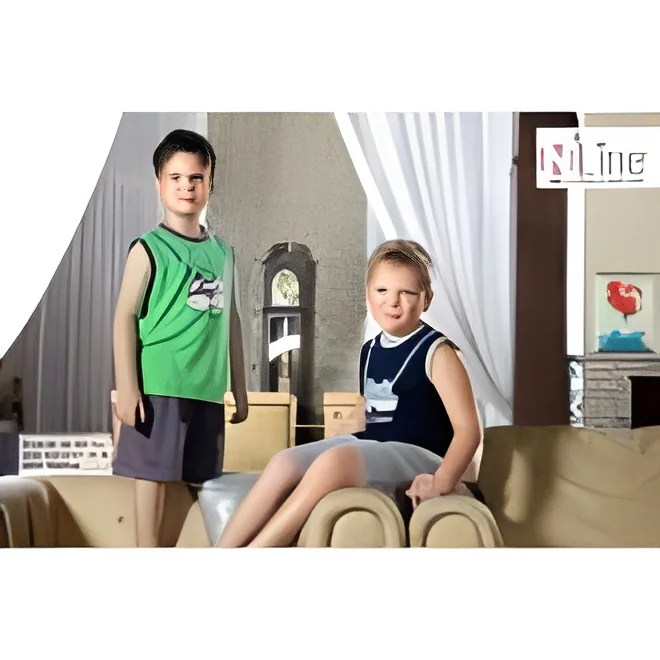
Boys' suits are tailored garments designed specifically for young males, typically used for formal occasions such as weddings, parties, and school events. These suits generally consist of a jacket and trousers, with options for vests and ties to complete the ensemble. They are crafted from a variety of fabrics, offering styles that range from classic to modern, catering to different tastes and preferences.
The primary applications of boys' suits extend beyond mere aesthetics. They are often essential attire for special events, school functions, and family gatherings. In the B2B sector, retailers and wholesalers supply these suits to cater to parents seeking quality formal wear for their children. The market for boys' suits is significant, with demand fluctuating based on trends, seasons, and cultural events.
As the fashion industry continues to evolve, boys' suits remain relevant. Their importance is underscored by the growing demand for stylish yet comfortable formal wear for younger generations. The market context shows a blend of traditional designs with contemporary styles, appealing to a wide array of customers.
Key Features and Specifications
Boys' suits come with a variety of features and specifications that make them suitable for different occasions and preferences. The selection of a suit involves understanding these specifications to ensure the right fit and style.
Key specifications include:
1. Fabric Quality
- Boys' suits are often made from high-quality materials such as wool, polyester, or cotton blends.
- The choice of fabric impacts comfort, durability, and appearance.
2. Size Range
- Available in a wide range of sizes to accommodate different age groups and body types.
- Size specifications typically include chest, waist, and inseam measurements.
3. Color Options
- Suits can be found in various colors, including classic black, navy, grey, and seasonal colors like pastels.
- Color selection can enhance the overall look and suitability for different occasions.
4. Design Styles
- Options may include single-breasted, double-breasted, and three-piece suits.
- Design choices affect the overall silhouette and formality of the suit.
5. Customization
- Some suppliers offer customization options for fit and design elements.
- Customization enhances personal style and ensures a better fit.
6. Care Instructions
- Suits may have specific washing and care instructions to maintain their quality.
- Proper care prolongs the life of the suit and keeps it looking sharp.
In summary, understanding the key features and specifications of boys' suits is essential for making informed purchasing decisions. Buyers should consider fabric quality, size range, color options, design styles, customization, and care instructions when selecting products.
Common Applications and Use Cases
Boys' suits are versatile and serve various industries and functions.
1. Retail Clothing: Retailers offer boys' suits for special occasions, ensuring parents can find appropriate formal wear for their children.
2. Event Planning: Event planners require boys' suits for weddings and other formal gatherings, emphasizing the importance of stylish attire for young attendees.
3. School Functions: Many schools have formal events like graduations and proms, driving the need for boys' suits among students.
4. Photography Services: Photographers often recommend boys' suits for family portraits and milestone events, enhancing the visual appeal of their work.
5. Theatrical Productions: Costume designers for children's theater productions utilize boys' suits to create character looks, showcasing the importance of formal attire in performing arts.
6. Community Events: Boys' suits are often required for local celebrations and community events, reinforcing the cultural significance of formal dressing.
Product Variants and Subcategories
Boys' suits come in diverse variants, catering to different occasions and styles.
Classic Suit
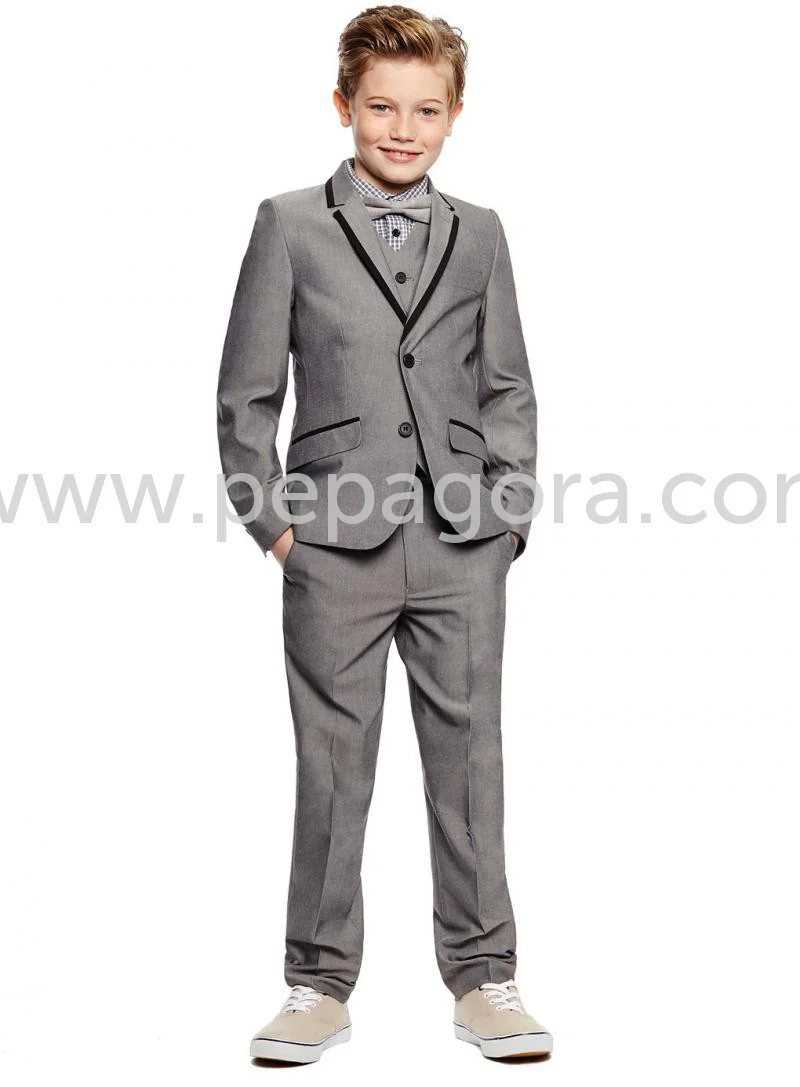
The classic suit features timeless styles and colors, suitable for formal occasions like weddings and graduations. It typically consists of a tailored jacket and trousers, often accompanied by a dress shirt and tie.
Casual Suit
The casual suit offers a more relaxed design, combining comfort with style. Ideal for informal gatherings or family events, this variant often uses lighter fabrics and trendy colors.
Formal Tuxedo
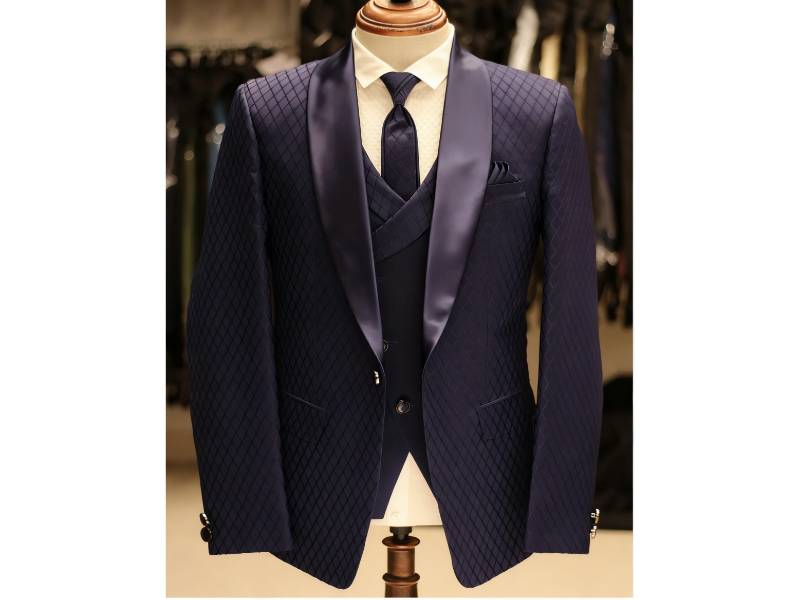
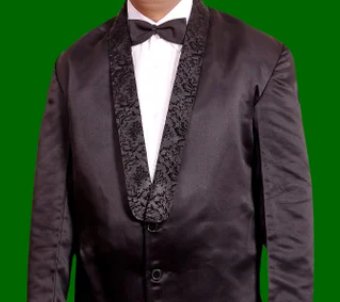
The formal tuxedo variant is designed for high-end events, providing a sophisticated look. It includes a satin lapel and is often paired with a bow tie, making it perfect for formal parties or gala events.
Benefits and Advantages
Boys' suits offer numerous benefits that appeal to both parents and retailers.
1. Versatility: Boys' suits can be worn for a variety of occasions, making them a practical investment for parents.
2. Style Options: The wide range of styles and colors allows for personal expression, ensuring that every child can find a suit they love.
3. Comfort: Many boys' suits are designed with comfort in mind, using breathable fabrics and tailored fits to ensure ease of movement.
4. Quality Construction: High-quality materials and craftsmanship ensure that suits are durable and last through multiple wears.
5. Easy Maintenance: Many suits are made to be stain-resistant or easy to clean, making them manageable for busy parents.
6. Confidence Boost: Wearing a well-fitted suit can enhance a child's confidence, making them feel special and important during formal events.
Buying Guide for B2B Buyers
When sourcing boys' suits for retail or wholesale, there are several critical factors to consider.
1. Quality Assessment: Evaluate the fabric and stitching quality to ensure the suits are durable and comfortable for children.
2. Supplier Verification: Vet suppliers thoroughly to confirm their reliability and reputation in the market, ensuring they provide quality products.
3. Pricing and MOQ: Consider the price range and minimum order quantities (MOQ) to align with budget constraints and inventory needs.
4. Delivery and Lead Times: Establish clear expectations for delivery times and logistics to avoid disruptions in supply.
5. Compliance Requirements: Ensure that the suits meet any regulatory standards or safety requirements relevant to your region or industry.
Compliance and Certifications
Compliance and certification are integral to the manufacturing and distribution of boys' suits.
Relevant quality standards, such as ISO 9001, ensure that manufacturers adhere to consistent quality management practices. These standards help maintain product integrity and reliability.
Industry certifications like CE indicate that products comply with European health, safety, and environmental protection standards, providing assurance to buyers about the quality and safety of the suits.
Safety and testing requirements are essential to ensure that the materials used in boys' suits are free from harmful substances. Regular quality checks help maintain safety standards.
Regional compliance considerations may vary, necessitating awareness of local regulations regarding children's clothing. Adhering to these regulations ensures market access and consumer trust.
Why Source Boys' Suits from Pepagora?
Pepagora provides a trusted platform for sourcing boys' suits, offering several key advantages for B2B buyers.
A verified supplier network ensures that buyers can connect with reputable manufacturers who meet high standards of quality. This network reduces the risk of purchasing subpar products and fosters long-term business relationships.
The streamlined RFQ process allows buyers to request quotations efficiently, saving time and simplifying the procurement process. This feature enables businesses to compare offers easily and make informed decisions.
Trade assurance and support provide an added layer of protection for buyers, ensuring that transactions are secure and disputes can be resolved effectively. This commitment to buyer safety enhances overall satisfaction and trust in the platform.
Pepagora's regional coverage extends across India, the GCC, and Southeast Asia, allowing buyers to access a diverse range of products and suppliers. This broad geographic reach facilitates better sourcing options and helps businesses meet their specific market needs.

 IN
IN