
 IN
INOutdoor & Garden Furniture
202 products available
𝗪𝗵𝗮𝘁 𝗮𝗿𝗲 𝗢𝘂𝘁𝗱𝗼𝗼𝗿 & 𝗚𝗮𝗿𝗱𝗲𝗻 𝗙𝘂𝗿𝗻𝗶𝘁𝘂𝗿𝗲?
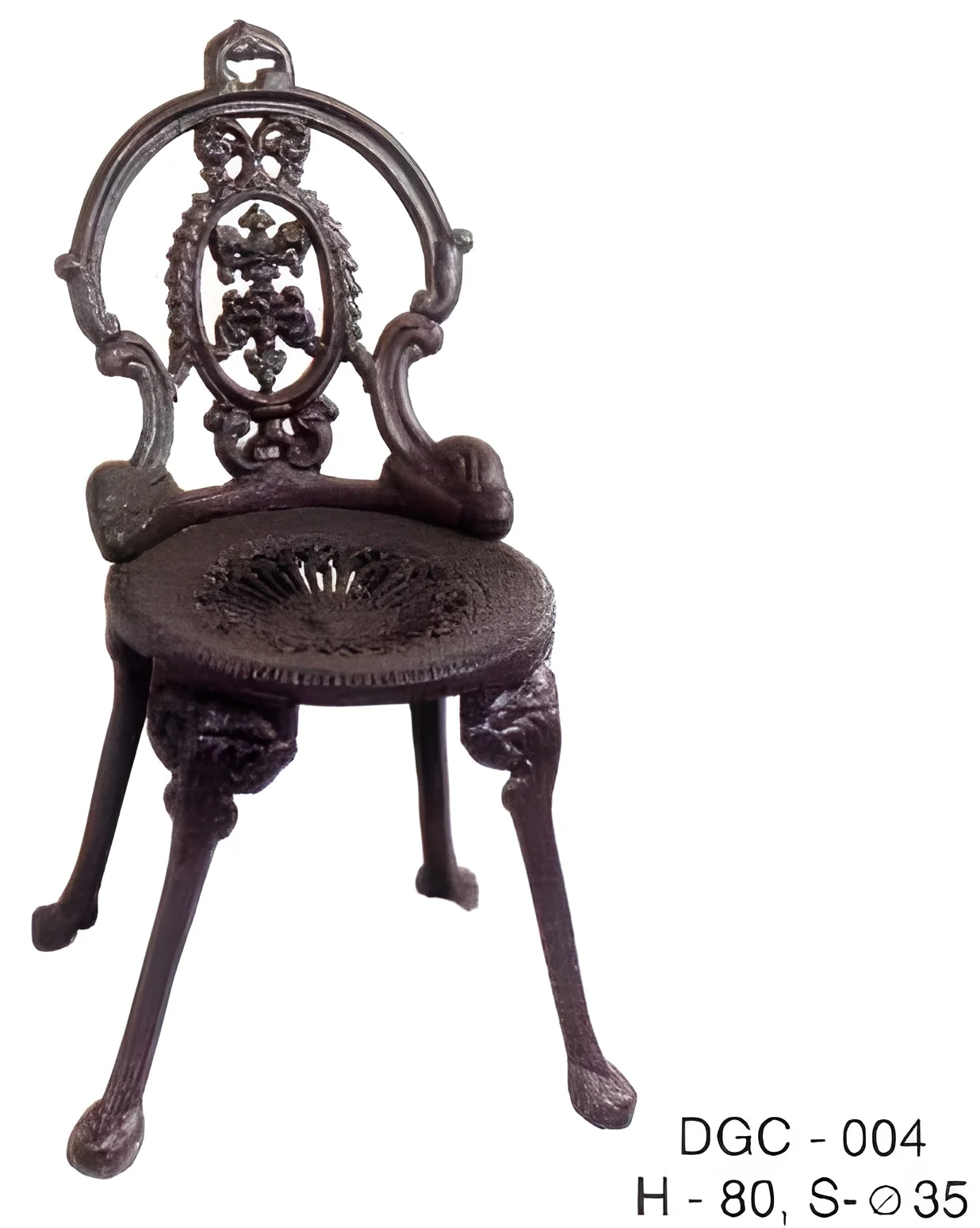
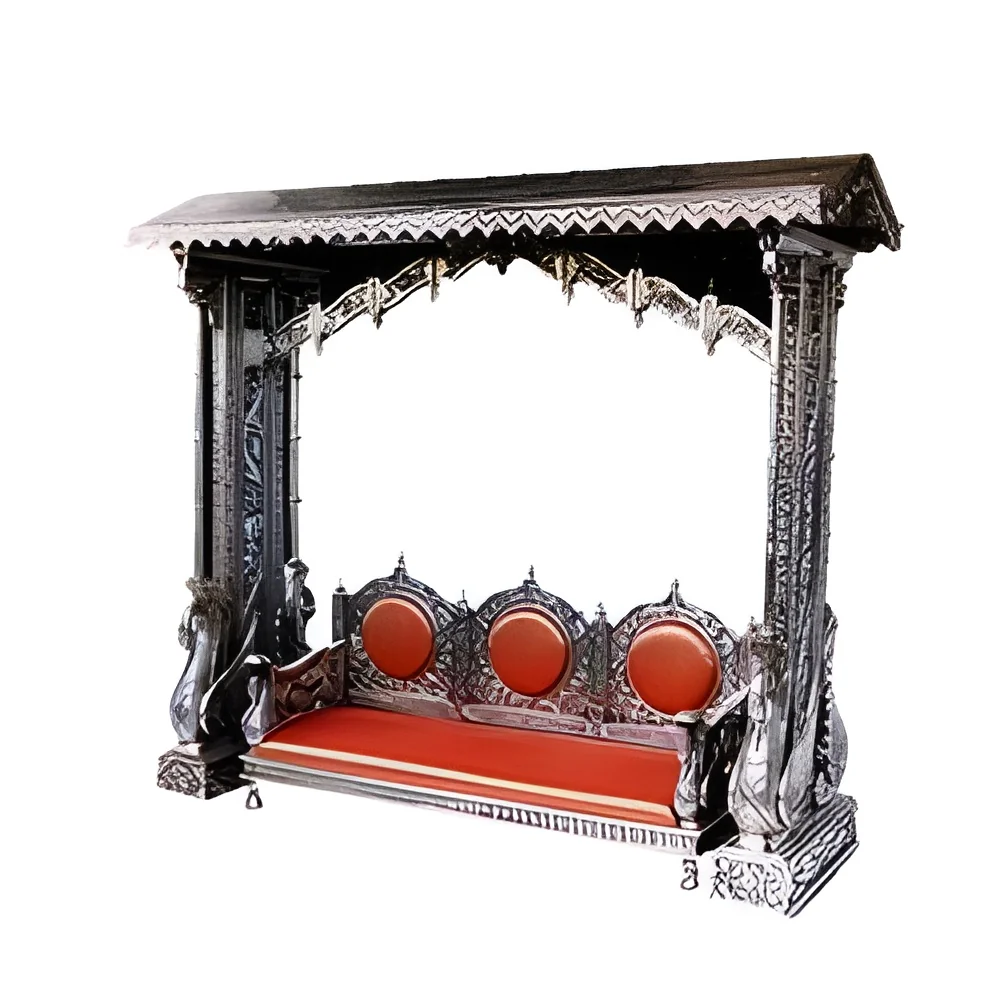
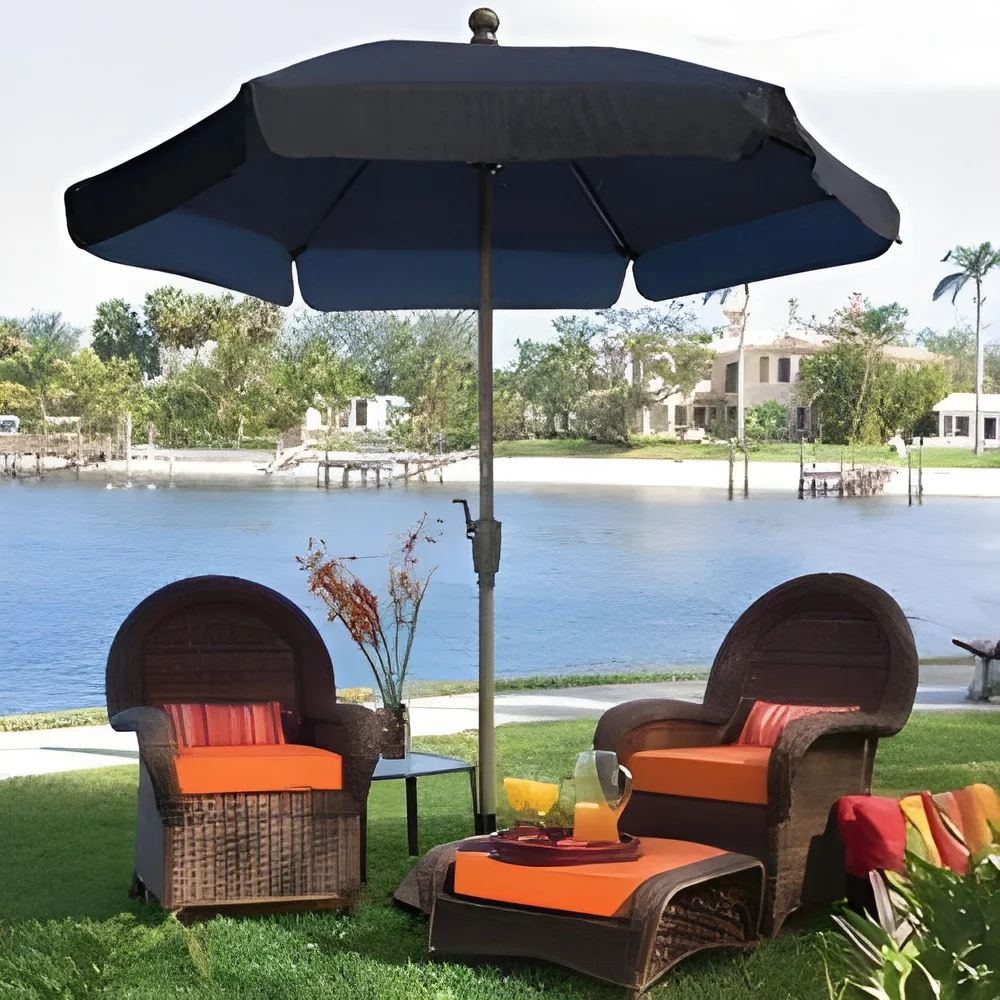
Outdoor and garden furniture refers to a variety of furnishings specifically designed for outdoor use. This includes items such as chairs, tables, loungers, and benches that can withstand various weather conditions. Made from materials such as wood, metal, and synthetic fibers, these furnishings are built to be durable and functional while enhancing the aesthetic appeal of outdoor spaces.
Primary uses of outdoor and garden furniture range from residential settings like patios and gardens to commercial environments such as restaurants, cafes, and parks. Businesses utilize these furnishings to create inviting outdoor spaces that attract customers, increase seating capacity, and improve overall ambiance. The demand for outdoor furniture has surged, especially with the growing trend towards outdoor living spaces.
The outdoor and garden furniture industry is relevant in numerous sectors, including hospitality, retail, and residential markets. As outdoor living becomes more popular, the market for these products continues to expand, with innovations in design and functionality to meet the evolving needs of consumers and businesses alike.
𝗞𝗲𝘆 𝗙𝗲𝗮𝘁𝘂𝗿𝗲𝘀 𝗮𝗻𝗱 𝗦𝗽𝗲𝗰𝗶𝗳𝗶𝗰𝗮𝘁𝗶𝗼𝗻𝘀
Outdoor and garden furniture is characterized by several key features that enhance its usability and longevity. These features can vary based on the specific design and intended use of the furniture.
Key specifications include:
1. Material Composition
- Common materials include aluminum, teak, wicker, and plastic.
- Each material has unique properties regarding weight, durability, and maintenance.
2. Weather Resistance
- Furniture is designed to withstand sun, rain, and humidity.
- UV protection and water-resistant treatments are often applied.
3. Design Variability
- Available in various styles from modern to traditional.
- Customization options may be offered by some manufacturers.
4. Comfort Features
- Cushioned seating and ergonomic designs are common.
- Some designs include adjustable components.
5. Maintenance Requirements
- Materials selected for ease of cleaning and upkeep.
- Some items may require seasonal storage.
6. Weight Capacity
- Furniture is rated for different weight capacities based on design.
- Important for commercial applications where usage may be heavy.
7. Assembly Requirements
- Some items come pre-assembled while others require assembly.
- Clear instructions should be provided for ease of setup.
8. Eco-Friendliness
- Some manufacturers focus on sustainable sourcing of materials.
- Recyclable materials may be used in production.
In summary, outdoor and garden furniture combines functionality and style with specific features designed to enhance durability and comfort in outdoor settings.
𝗖𝗼𝗺𝗺𝗼𝗻 𝗔𝗽𝗽𝗹𝗶𝗰𝗮𝘁𝗶𝗼𝗻𝘀 𝗮𝗻𝗱 𝗨𝘀𝗲 𝗖𝗮𝘀𝗲𝘀
Outdoor and garden furniture serves a wide range of industries and applications.
1. Hospitality: Restaurants and hotels use outdoor furniture to create inviting dining areas. Comfortable seating can enhance guest experiences and drive outdoor dining sales.
2. Residential: Homeowners invest in outdoor furniture for patios, gardens, and balconies, providing space for relaxation and entertainment.
3. Parks and Recreation: Public parks utilize durable outdoor furniture such as benches and picnic tables, promoting community activities and leisure.
4. Retail: Shopping centers and stores may feature outdoor seating to attract customers and encourage them to linger.
5. Events: Outdoor furniture is essential for weddings, parties, and festivals, providing functional seating and dining options for guests.
𝗣𝗿𝗼𝗱𝘂𝗰𝘁 𝗩𝗮𝗿𝗶𝗮𝗻𝘁𝘀 𝗮𝗻𝗱 𝗦𝘂𝗯𝗰𝗮𝘁𝗲𝗴𝗼𝗿𝗶𝗲𝘀
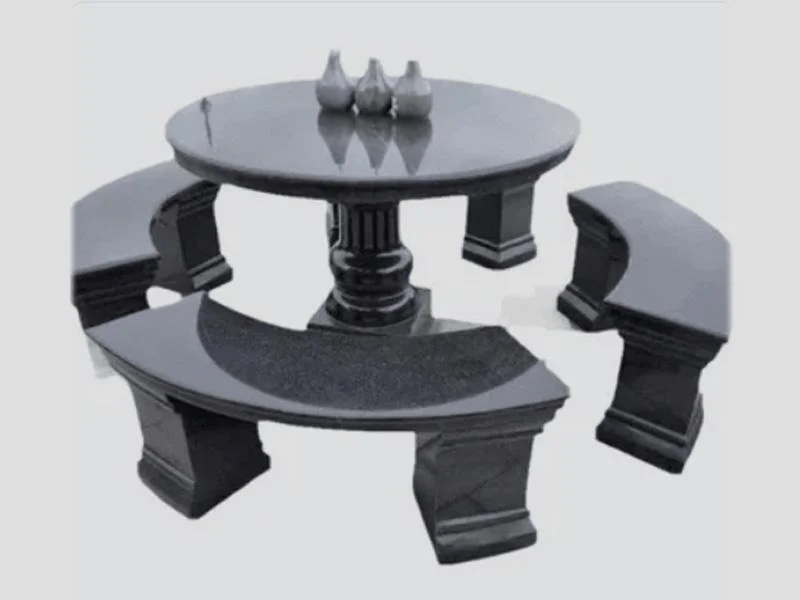
Outdoor and garden furniture comes in various formats to meet diverse needs.
Dining Sets
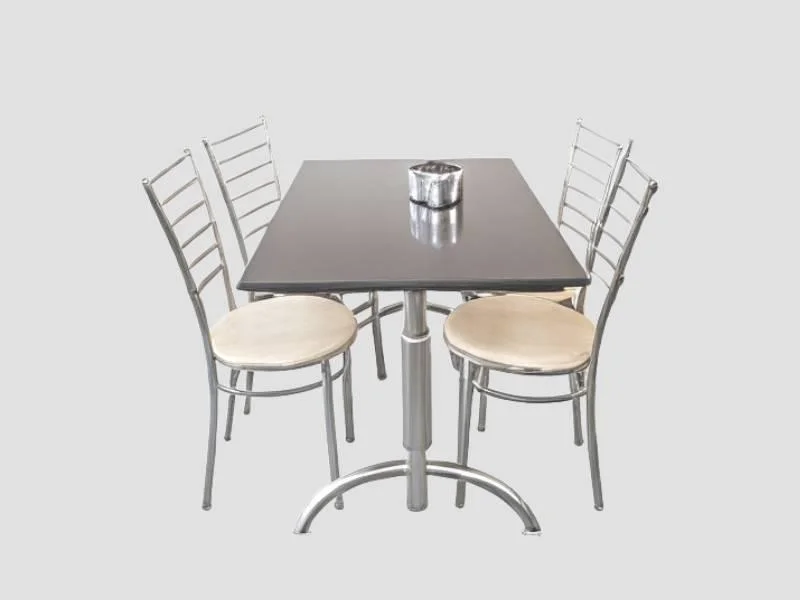
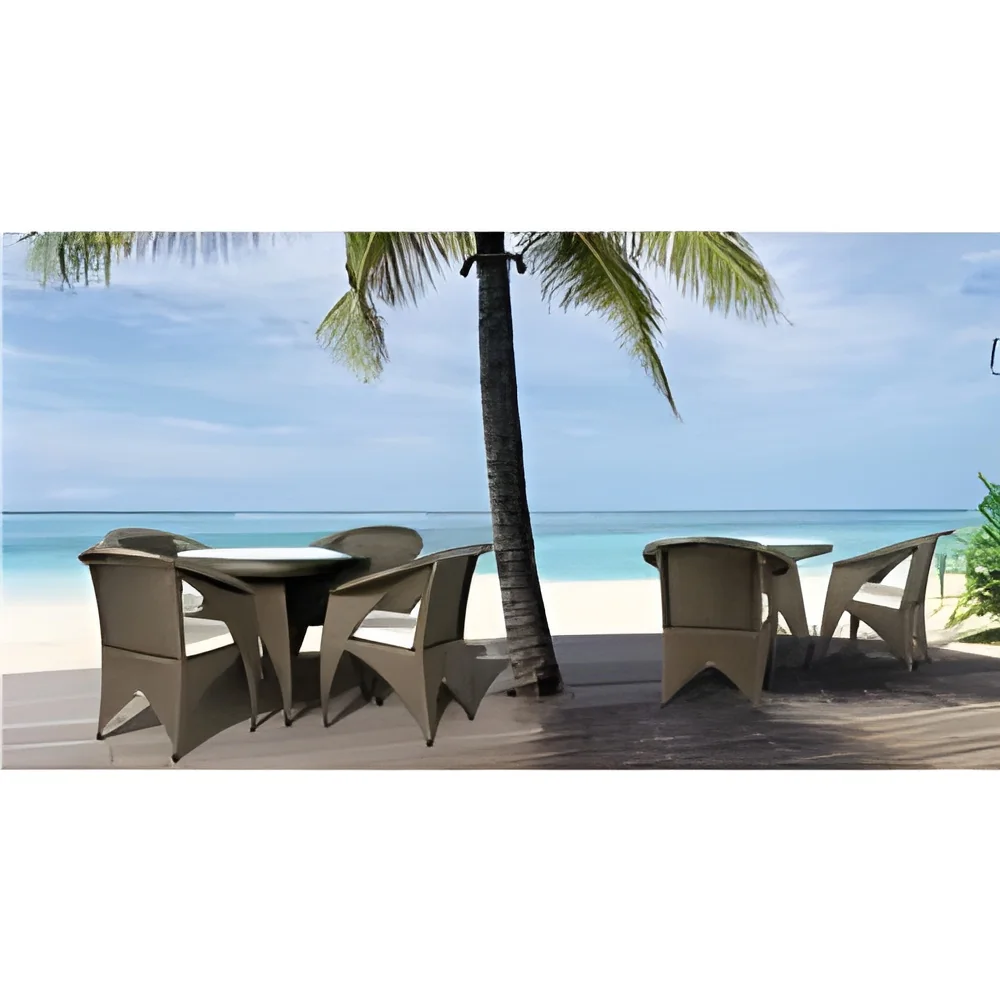
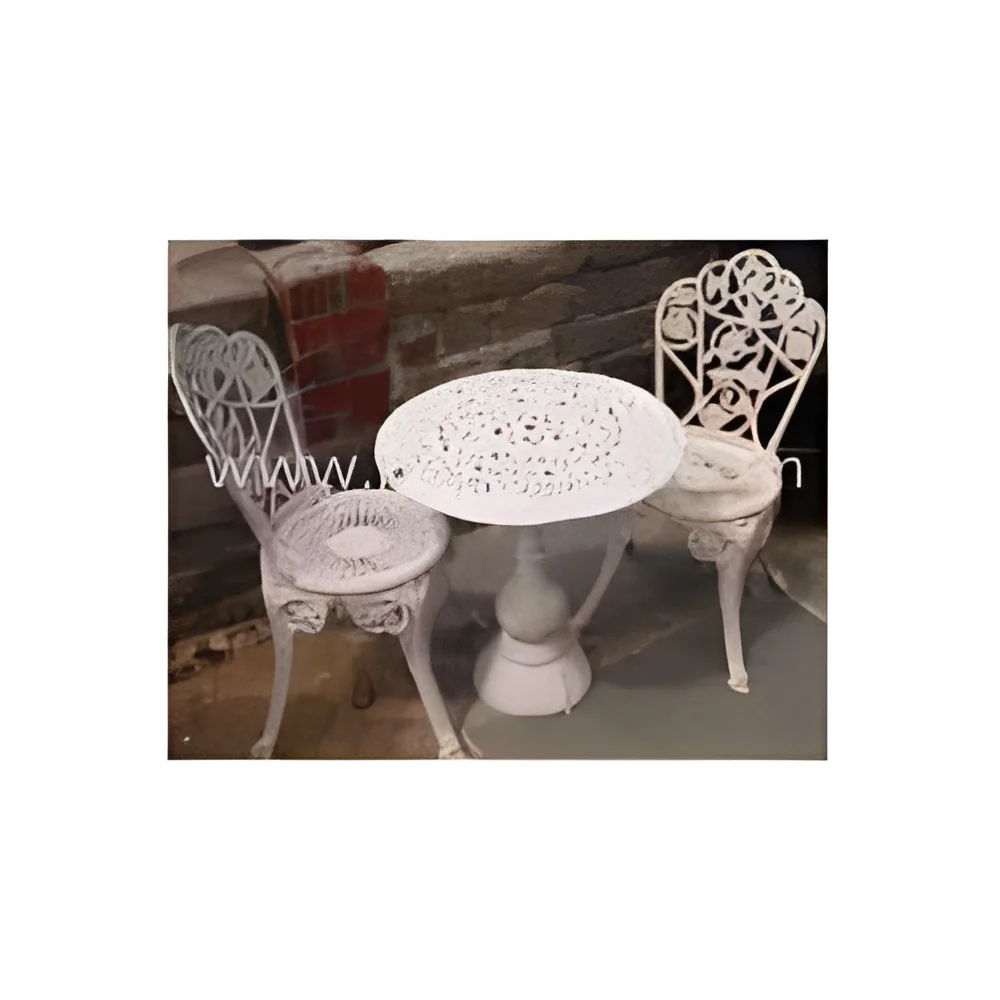
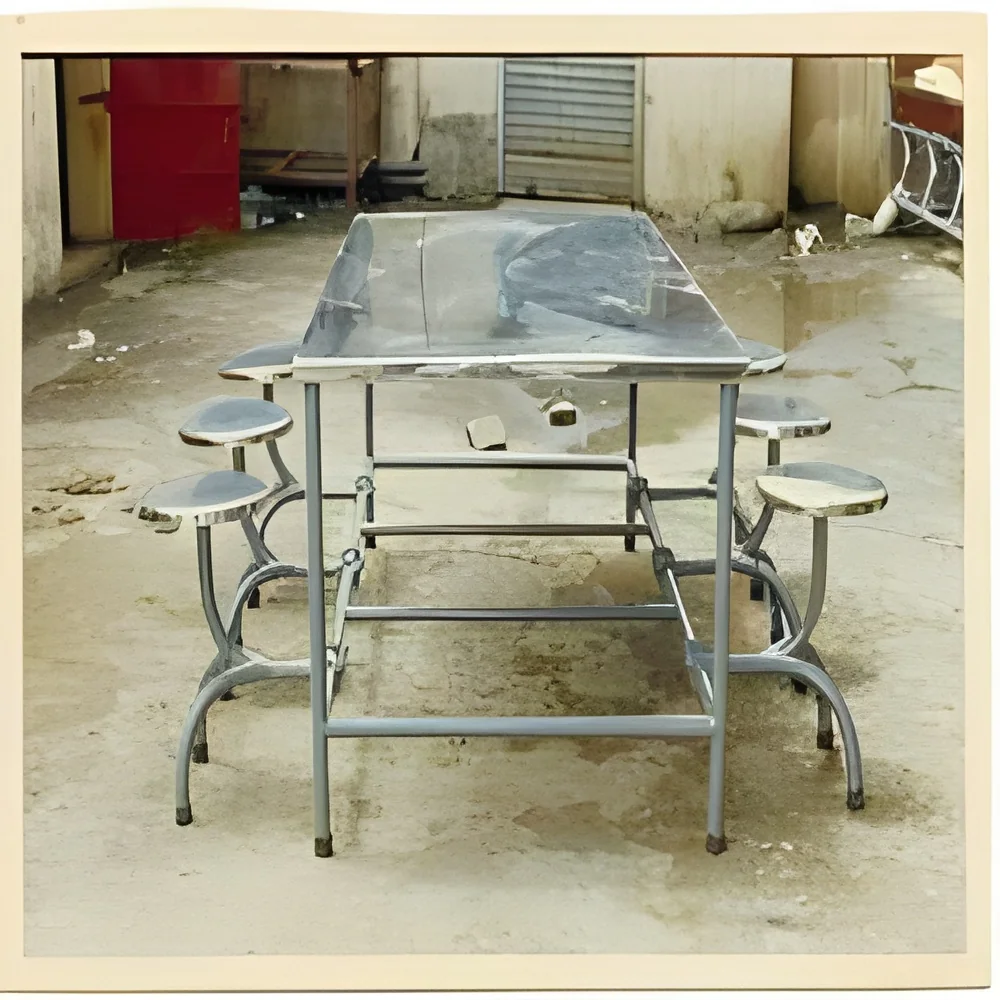
Dining sets typically include a table and chairs designed for outdoor dining. They are available in multiple materials and styles, catering to casual and formal dining experiences.
Lounge Furniture
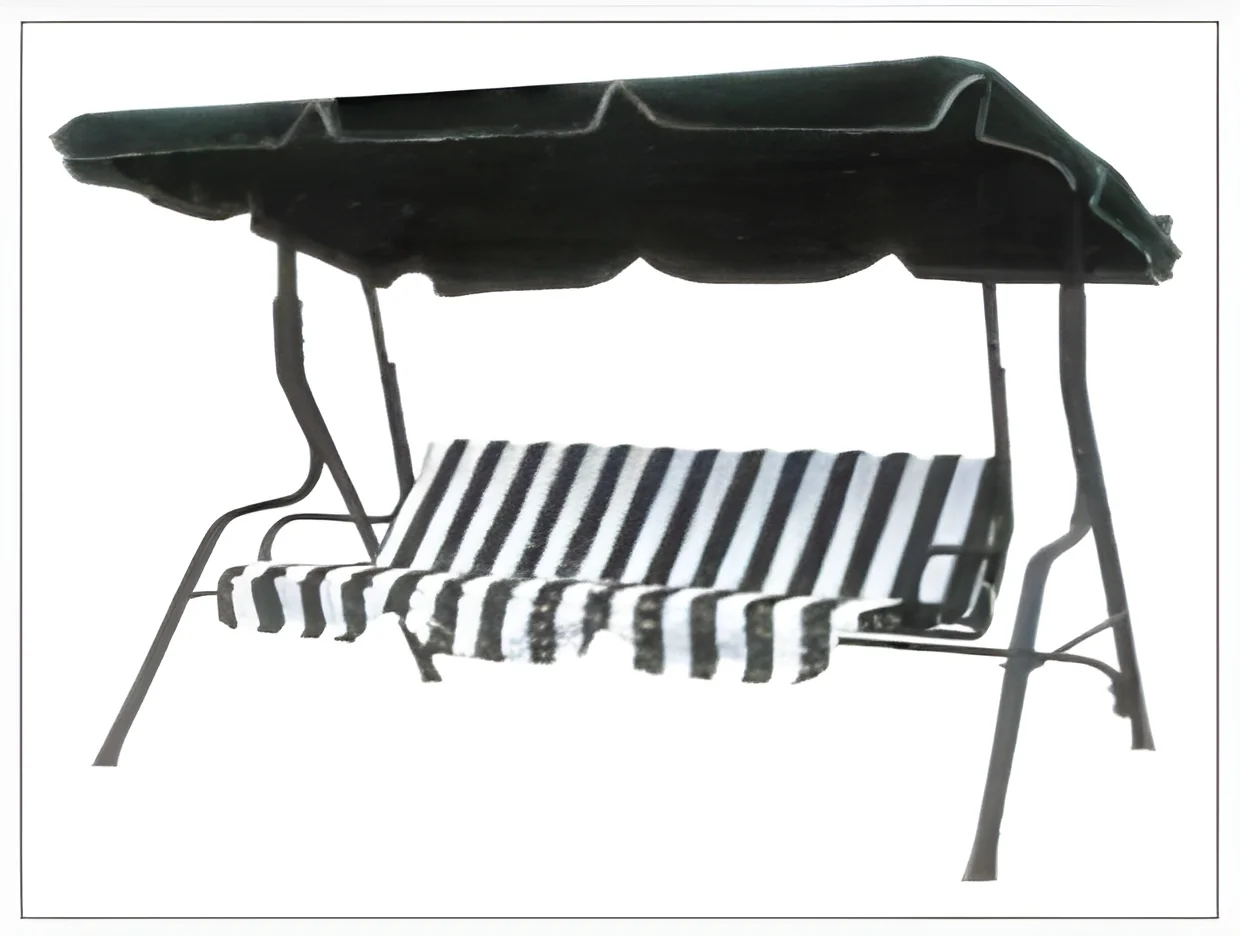
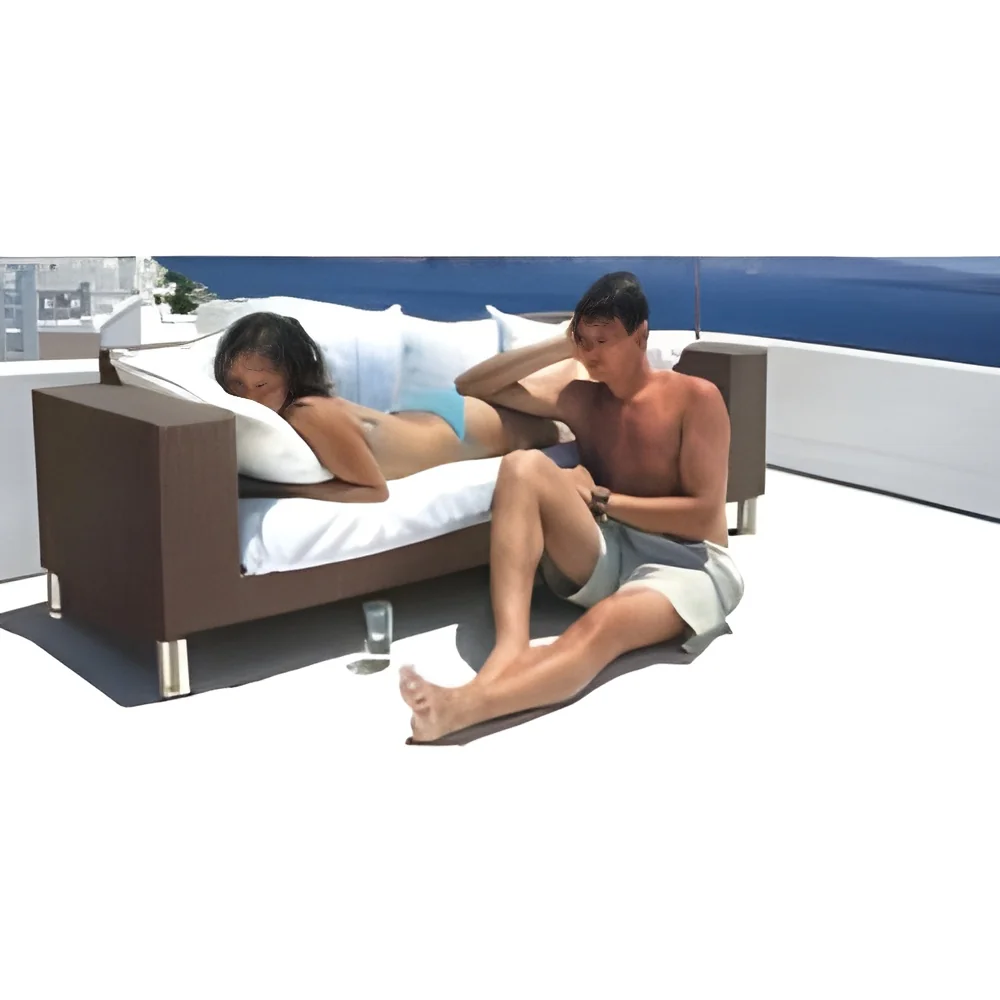
This category includes chaise lounges, sofas, and sectionals designed for relaxation. Lounge furniture is often cushioned for comfort and is ideal for backyards and poolside areas.
Benches
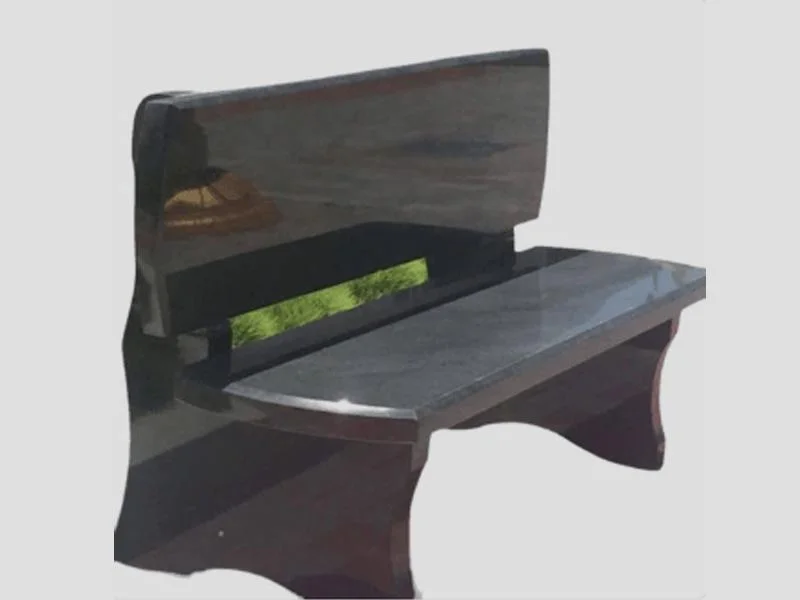
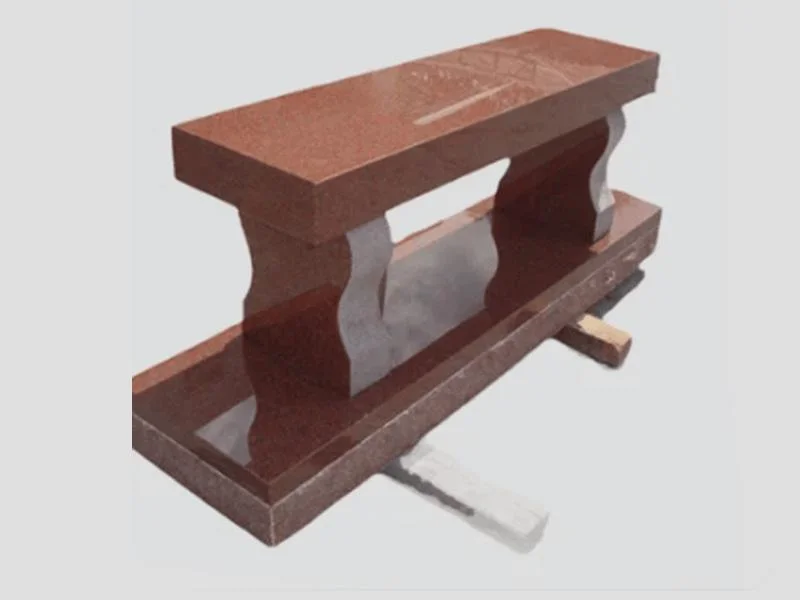
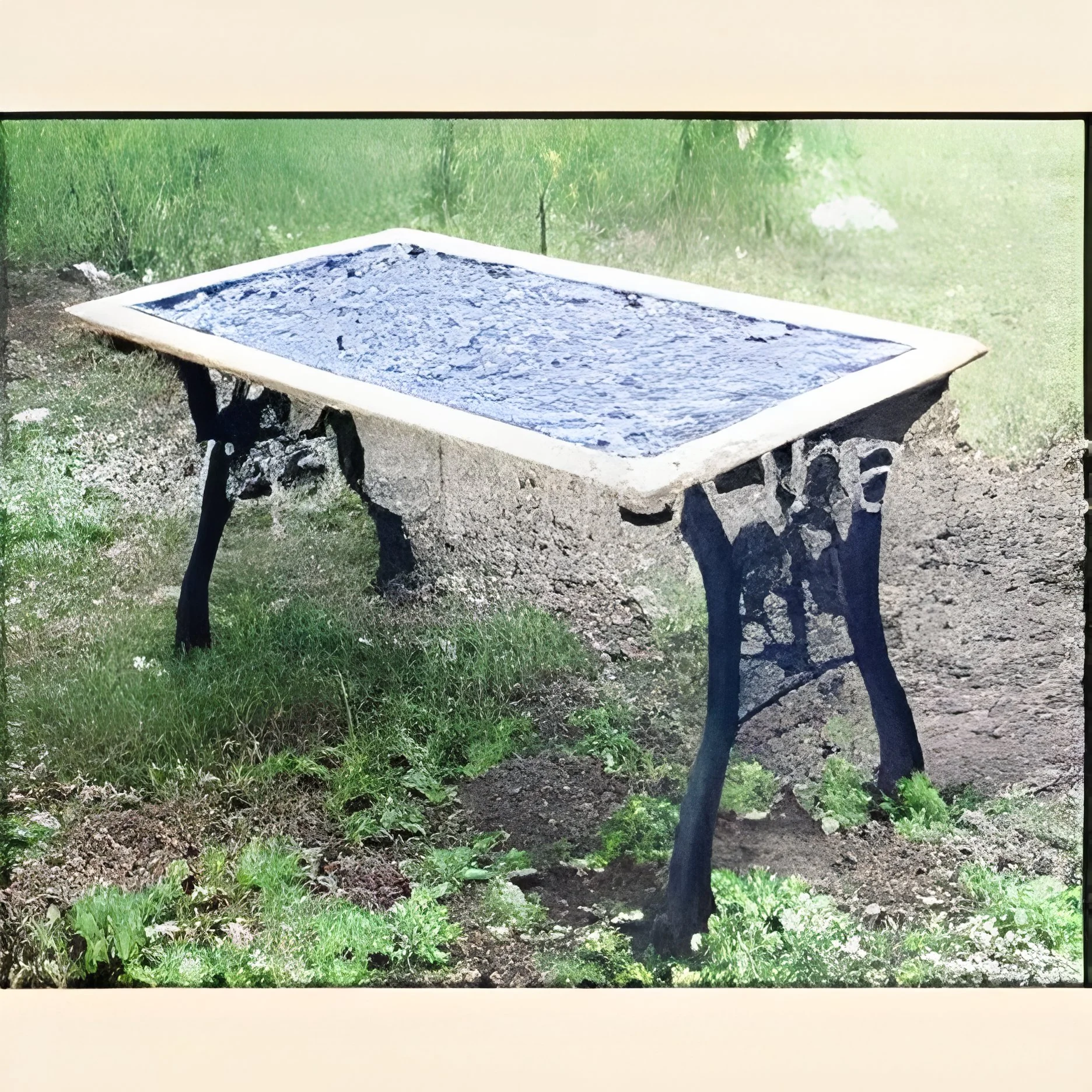
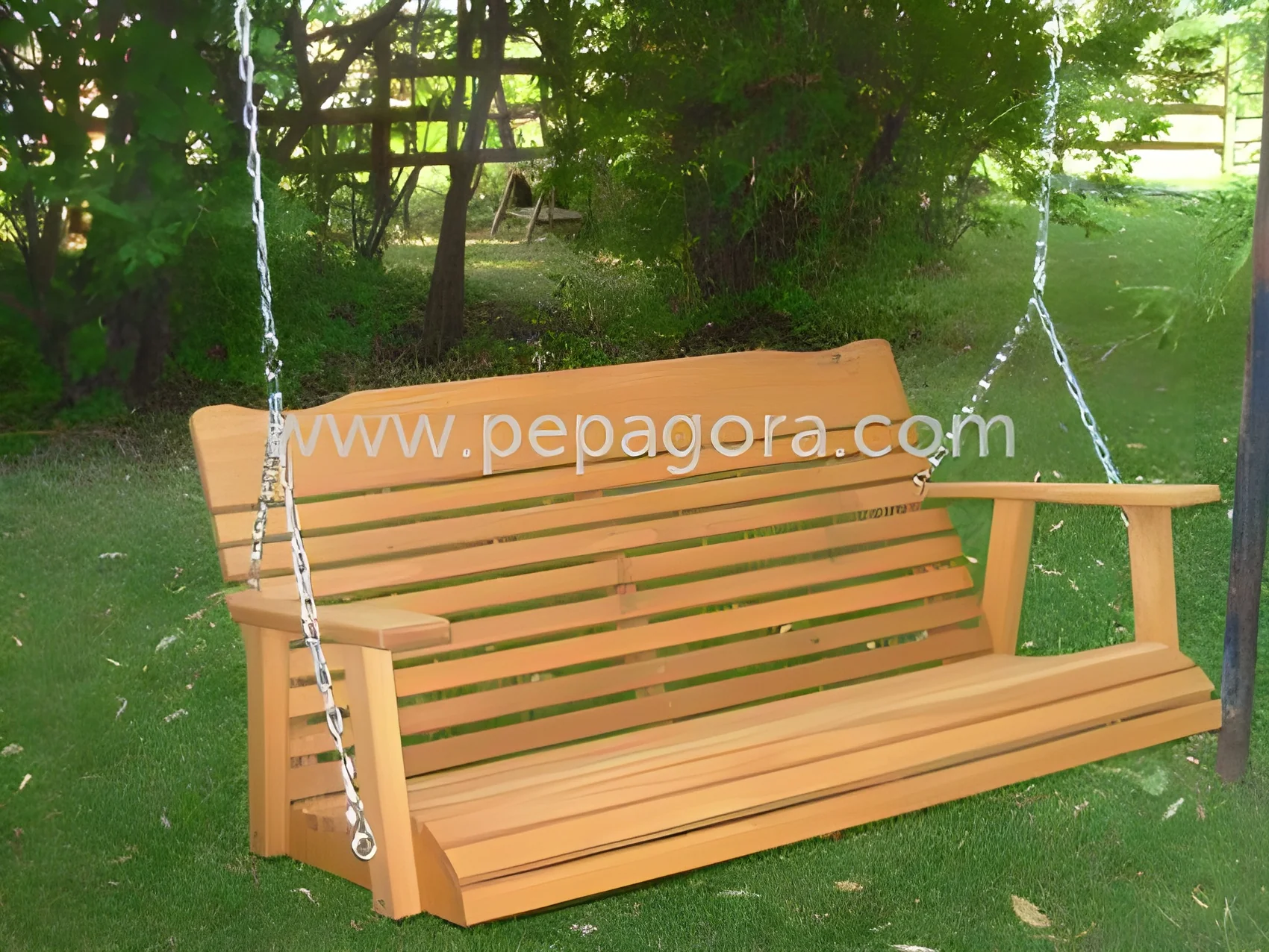
Outdoor benches provide versatile seating options for public spaces and gardens. They can be made of wood, metal, or synthetic materials and often serve as focal points in landscape design.
𝗕𝗲𝗻𝗲𝗳𝗶𝘁𝘀 𝗮𝗻𝗱 𝗔𝗱𝘃𝗮𝗻𝘁𝗮𝗴𝗲𝘀
Investing in outdoor and garden furniture offers several key benefits that enhance outdoor spaces.
1. Enhanced Aesthetics: Quality outdoor furniture improves the visual appeal of gardens, patios, and public spaces, making them more inviting.
2. Increased Usability: Properly designed furniture extends the usability of outdoor areas, allowing for dining, relaxation, and gatherings.
3. Durability: High-quality materials ensure the furniture withstands the elements, providing long-term value.
4. Comfort: Ergonomically designed seating enhances user comfort, encouraging longer use of outdoor spaces.
5. Versatility: Outdoor furniture can be used in various settings, from residential to commercial, making it a flexible investment.
6. Easy Maintenance: Many products are designed for easy cleaning and maintenance, saving time and effort for users.
𝗕𝘂𝘆𝗶𝗻𝗴 𝗚𝘂𝗶𝗱𝗲 𝗳𝗼𝗿 𝗕𝟮𝗕 𝗕𝘂𝘆𝗲𝗿𝘀
When sourcing outdoor and garden furniture, it is important for B2B buyers to consider several key factors to ensure a successful purchase.
1. Quality Assessment: Buyers should evaluate the quality of materials and construction. Look for durability and weather resistance to ensure longevity.
2. Supplier Verification: It is crucial to vet suppliers for reliability and quality assurance. Checking references and reviews can help identify trustworthy partners.
3. Pricing and MOQ: Understand the pricing structure and minimum order quantities required by suppliers. This will help in budgeting and meeting project needs.
4. Delivery and Lead Times: Consider logistics, including delivery schedules and lead times. Timely delivery is essential for project planning.
5. Compliance Requirements: Ensure that products meet relevant safety and quality standards. Familiarize yourself with local regulations that may apply.
𝗖𝗼𝗺𝗽𝗹𝗶𝗮𝗻𝗰𝗲 𝗮𝗻𝗱 𝗖𝗲𝗿𝘁𝗶𝗳𝗶𝗰𝗮𝘁𝗶𝗼𝗻𝘀
Outdoor and garden furniture must adhere to various compliance and certification standards to ensure safety and quality.
ISO 9001 is a relevant quality management standard that applies to manufacturers, ensuring consistent production processes and quality control.
CE certification indicates that products meet European safety standards. This certification is critical for companies looking to export to European markets.
Additionally, safety and testing requirements may vary by region. Manufacturers should conduct appropriate testing to meet local regulations regarding outdoor furniture.
Regional compliance considerations are essential for B2B buyers to understand, as different markets may have specific requirements that must be met before products can be sold.
𝗪𝗵𝘆 𝗦𝗼𝘂𝗿𝗰𝗲 𝗢𝘂𝘁𝗱𝗼𝗼𝗿 & 𝗚𝗮𝗿𝗱𝗲𝗻 𝗙𝘂𝗿𝗻𝗶𝘁𝘂𝗿𝗲 𝗳𝗿𝗼𝗺 𝗣𝗲𝗽𝗮𝗴𝗼𝗿𝗮?
Pepagora is a trusted platform for sourcing outdoor and garden furniture, offering several key advantages to buyers.
Verified Supplier Network: Pepagora connects buyers with a network of verified suppliers, ensuring reliable and quality products. This verification process helps mitigate risks associated with sourcing.
Streamlined RFQ Process: The platform simplifies the request for quotation process, allowing buyers to easily compare prices and features from multiple suppliers. This efficiency saves time and effort in procurement.
Trade Assurance and Support: Buyers benefit from trade assurance, which provides protection against potential issues during the purchasing process. Support services are available to assist with any inquiries or concerns.
Regional Coverage: Pepagora has a broad geographic reach, covering markets in India, the GCC, and Southeast Asia. This allows buyers to access local suppliers while ensuring compliance with regional standards.
In summary, sourcing outdoor and garden furniture through Pepagora provides a reliable and efficient solution for businesses looking to enhance their outdoor spaces.















Frequently Asked Questions
What are Outdoor & Garden Furniture?
Outdoor & Garden Furniture refers to furniture specifically designed for outdoor use, such as gardens, patios, balconies, and terraces. This type of furniture is built to withstand various weather conditions while providing comfort and functionality for outdoor spaces.
What are the different types of Outdoor & Garden Furniture?
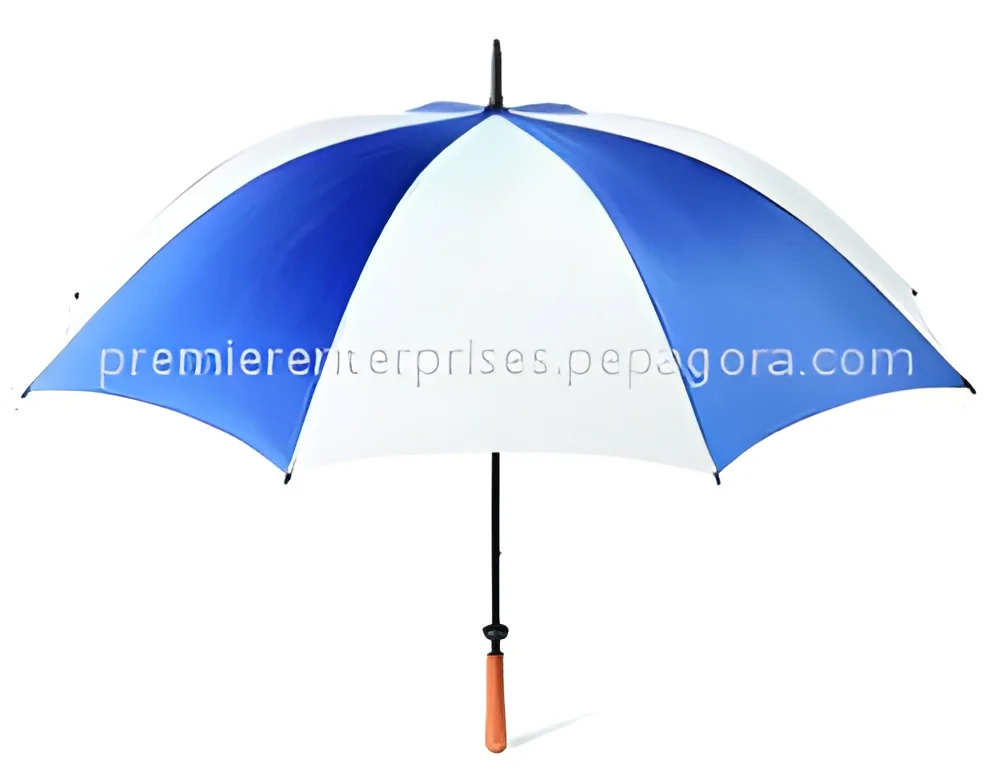
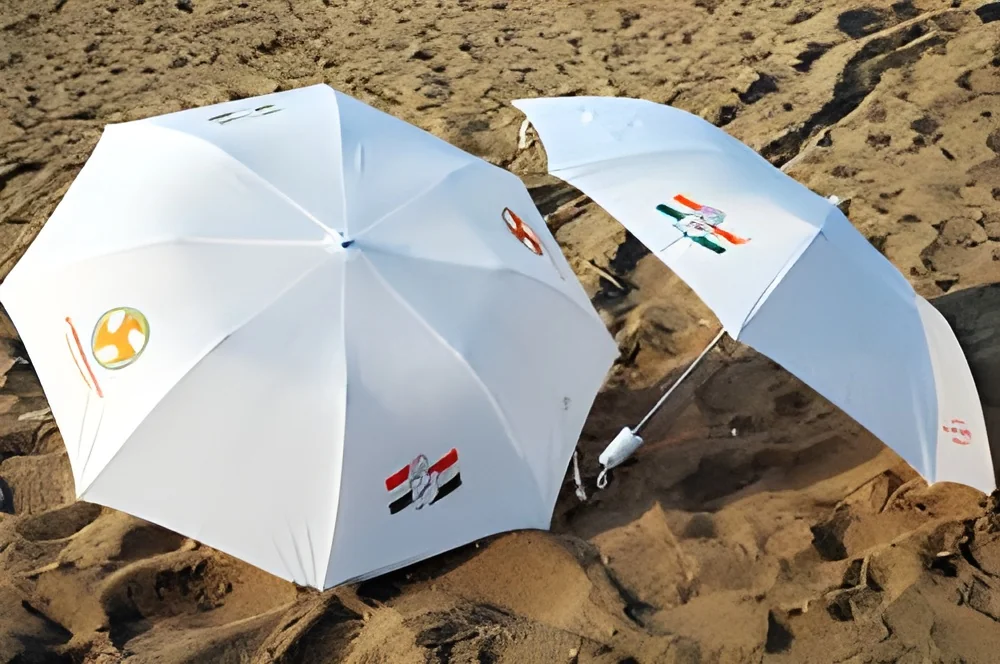
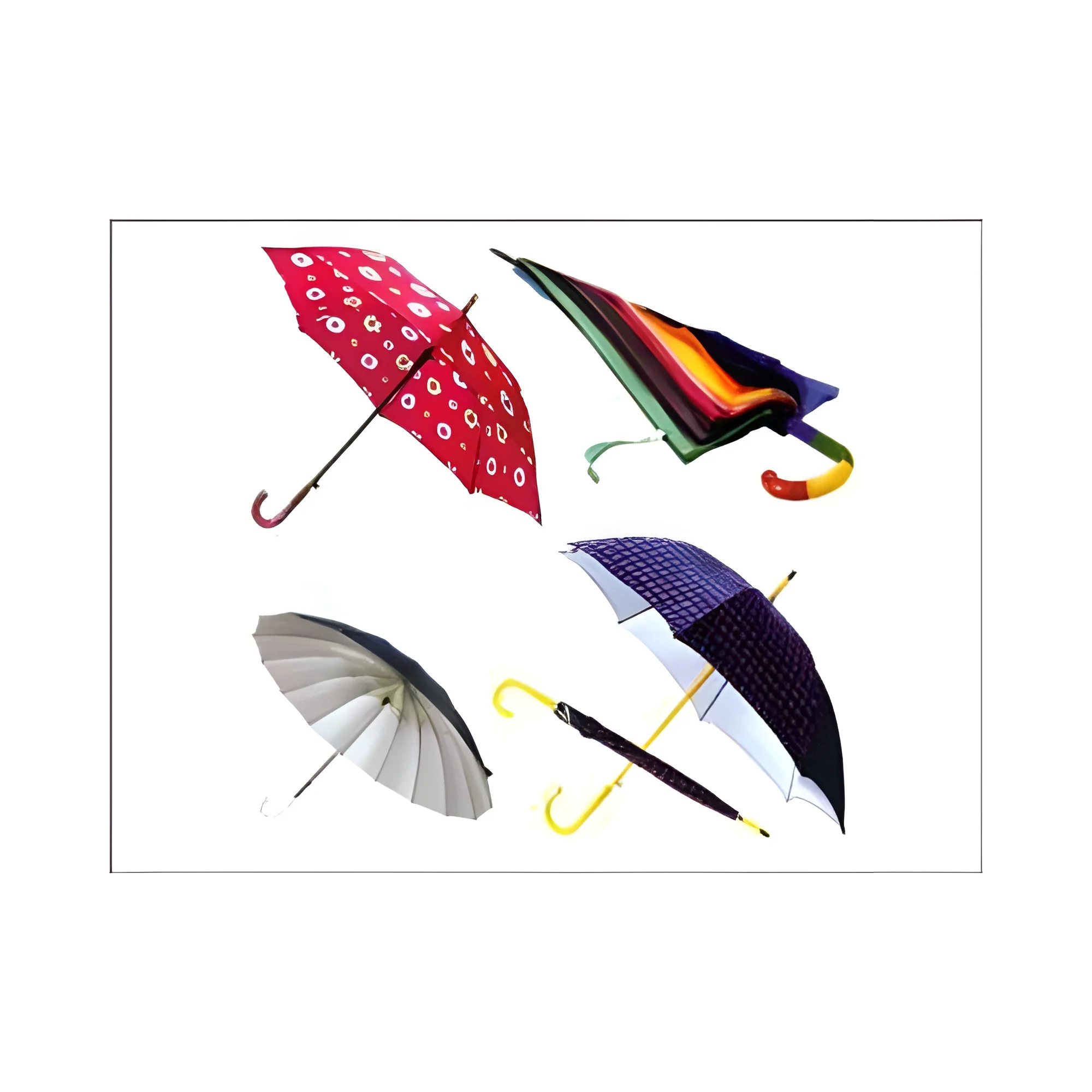
The different types of Outdoor & Garden Furniture include lounge chairs, dining sets, garden benches, hammocks, umbrellas, and outdoor sofas. Other options may also include fire pits, side tables, and storage solutions designed for outdoor environments.
How do I choose the right Outdoor & Garden Furniture?
When choosing Outdoor & Garden Furniture, consider factors such as the size of your outdoor space, the intended use, and your personal style preferences. Additionally, evaluate materials for durability, maintenance requirements, and weather resistance to ensure longevity.
What are the standard specifications for Outdoor & Garden Furniture?
Standard specifications for Outdoor & Garden Furniture typically include dimensions, weight capacity, and material composition. Common materials used include aluminum, teak wood, plastic, and synthetic wicker, which are chosen for their resistance to weather and ease of maintenance.
What is the price range for Outdoor & Garden Furniture?
The price range for Outdoor & Garden Furniture can vary widely based on materials, design, and brand. Generally, prices can start from a few thousand rupees for basic items and can go up to several lakhs for high-end, designer pieces.
What quality standards apply to Outdoor & Garden Furniture?
Quality standards for Outdoor & Garden Furniture often include durability, weather resistance, and safety certifications. Look for products that meet industry standards such as ISO or ASTM, which ensure that the furniture can withstand outdoor conditions.
Where can I find Outdoor & Garden Furniture suppliers in India?
You can find Outdoor & Garden Furniture suppliers in India through online B2B marketplaces like Pepagora, trade shows, and local furniture stores. Networking with industry professionals and attending exhibitions can also help you connect with reputable suppliers.
Can Outdoor & Garden Furniture be customized?
Yes, many manufacturers offer customization options for Outdoor & Garden Furniture. This can include selecting specific materials, colors, and designs to better match your preferences and outdoor decor.
What is the typical minimum order quantity for Outdoor & Garden Furniture?
The typical minimum order quantity (MOQ) for Outdoor & Garden Furniture can vary by supplier but often ranges from 5 to 50 units. It is advisable to check with individual manufacturers for their specific MOQ requirements.
What is the typical lead time for Outdoor & Garden Furniture?
The typical lead time for Outdoor & Garden Furniture can range from 2 to 12 weeks, depending on factors such as customization, order size, and supplier location. It is recommended to confirm lead times with the supplier at the time of order placement.
Why Businesses Trust Pepagora
Thousands of companies trust Pepagora to source smarter and sell faster
Expand Your Sales Globally

Source Smarter,Grow Faster
