
 IN
Garden Benches
3 products available
What are Garden Benches?
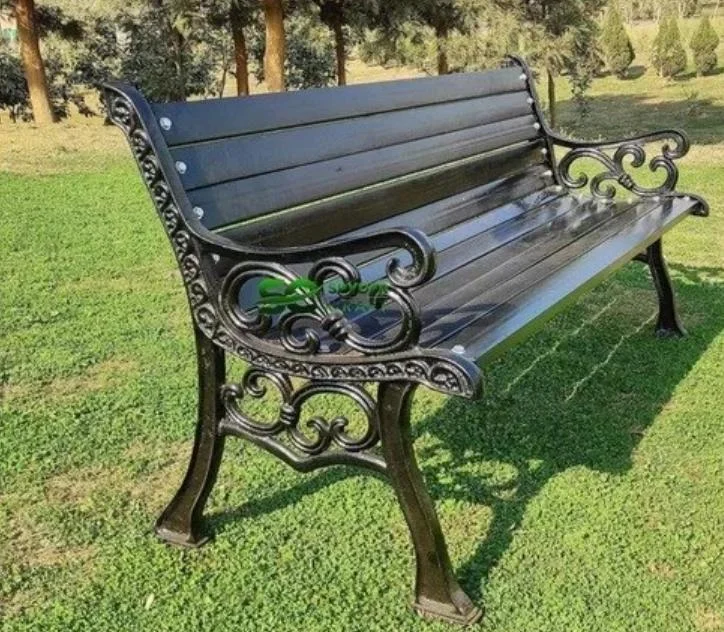
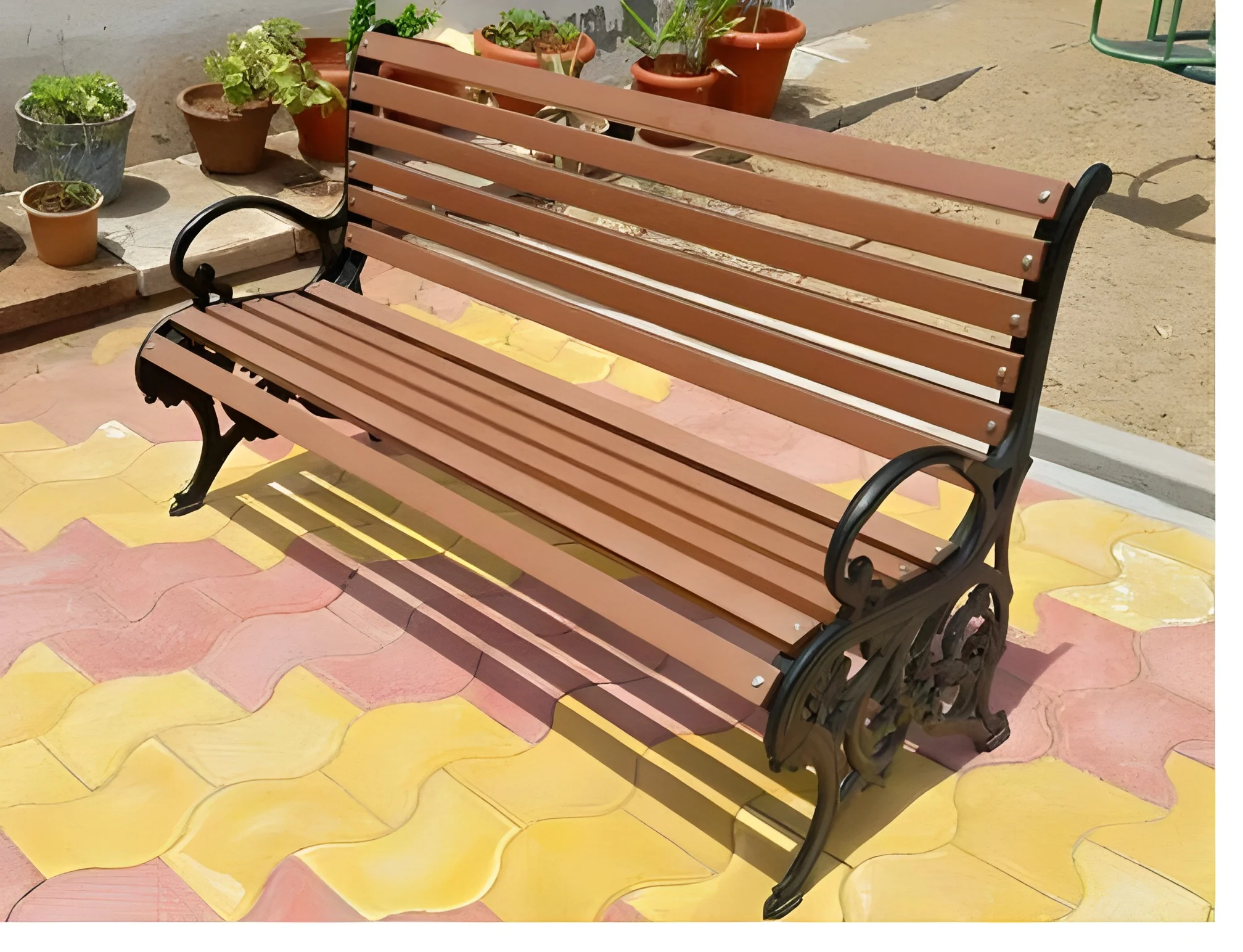
Garden benches are outdoor seating solutions designed for comfort and durability. Typically made from materials like wood, metal, or synthetic materials, they provide an inviting space for relaxation and leisure in gardens, parks, and public spaces. These benches can vary in design, size, and style, catering to different aesthetic preferences and functional requirements.
The primary uses of garden benches include providing seating in parks, gardens, and commercial outdoor spaces. They are essential for enhancing the usability of outdoor areas, allowing individuals to enjoy nature, socialize, or take a break. Businesses often use garden benches in landscaping projects, hospitality settings, and recreational facilities, making them an important product in various industries.
In the current market, garden benches are increasingly relevant as urbanization and green space initiatives gain momentum. With a growing emphasis on outdoor living and public spaces, the demand for aesthetically pleasing and functional garden benches has risen. Their role in creating comfortable outdoor environments makes them a staple in landscape architecture and urban planning.
Key Features and Specifications
Garden benches come with a variety of features and specifications that enhance their usability and durability. Buyers should consider these aspects when selecting the right product for their needs.
Key specifications include:
1. Material
- Common materials include wood, metal, and plastic.
- Each material has different durability and maintenance requirements.
2. Dimensions
- Standard lengths typically range from 4 to 6 feet.
- Height and depth can vary based on design.
3. Weight Capacity
- Most benches support a weight range from 400 to 1,000 pounds.
- This capacity ensures safety for multiple users.
4. Weather Resistance
- Many garden benches are treated for UV and moisture resistance.
- This treatment prolongs the lifespan of the bench in various climates.
5. Design Styles
- Styles can include traditional, contemporary, and rustic designs.
- Customization options may be available to suit specific aesthetics.
6. Assembly Requirements
- Some benches come pre-assembled, while others require assembly.
- Instructions and necessary tools are typically included.
7. Warranty Period
- Warranties can range from one year to a lifetime, depending on the manufacturer.
- A longer warranty often indicates higher quality.
8. Certification
- Many benches comply with CE certification standards.
- This certification ensures safety and quality in design and manufacturing.
These features collectively contribute to the overall performance and appeal of garden benches, making it essential for buyers to assess them carefully.
Common Applications and Use Cases
Garden benches find applications across several industries, enhancing outdoor spaces with functional seating solutions.
1. Landscaping: In residential and commercial landscaping projects, garden benches serve as focal points, creating inviting environments for relaxation and socializing.
2. Parks and Recreation: Municipal parks often incorporate garden benches to provide seating for visitors, encouraging outdoor activities and community engagement.
3. Hospitality: Hotels and restaurants utilize garden benches in outdoor dining areas and gardens, enhancing the guest experience and ambiance.
4. Retail: Shopping centers and malls may place garden benches in outdoor spaces to provide comfort for shoppers, improving foot traffic and time spent in the area.
5. Educational Institutions: Schools and universities often place benches in courtyards and gardens to offer students a place to gather and study outside.
6. Event Spaces: Outdoor event venues use garden benches to provide seating for guests during gatherings, weddings, and festivals.
7. Healthcare Facilities: Hospitals and clinics may have garden benches in healing gardens, allowing patients and visitors to enjoy serene outdoor environments.
Product Variants and Subcategories
Garden benches offer a wide range of variants to suit different needs and preferences. Each variant comes with unique features that cater to specific applications.
Wooden Garden Benches
These benches are often crafted from hardwood or softwood and offer a classic aesthetic. They are ideal for residential gardens and public parks, providing a natural look that blends with outdoor environments.
Metal Garden Benches
Metal benches are known for their durability and strength. Often made from materials like wrought iron or aluminum, they are suited for high-traffic areas such as parks and commercial spaces.
Recycled Plastic Garden Benches
These environmentally friendly benches are made from reclaimed plastic materials. They require low maintenance and are resistant to weather, making them excellent for outdoor installations.
Backless Garden Benches
These benches feature a minimalist design without a backrest, providing versatile seating options. They are often used in parks and public spaces where space is limited.
Convertible Garden Benches
These benches can be transformed into picnic tables or have storage options. They are ideal for multifunctional outdoor spaces, maximizing seating and utility.
Benefits and Advantages
Garden benches offer several advantages that enhance outdoor spaces and overall user experience.
1. Comfort: Designed for prolonged use, garden benches provide a comfortable seating option for individuals enjoying outdoor areas.
2. Aesthetic Appeal: Available in various designs, garden benches enhance the visual appeal of gardens and public spaces, contributing to an inviting atmosphere.
3. Durability: High-quality materials ensure that garden benches withstand the elements, providing long-lasting service in outdoor settings.
4. Versatility: Garden benches can be used in various locations, including residential gardens, parks, and commercial areas, making them a flexible seating solution.
5. Community Engagement: By providing seating in public spaces, garden benches encourage social interaction and community bonding.
6. Easy Maintenance: Many garden benches require minimal upkeep, allowing users to enjoy outdoor seating without significant effort.
Buying Guide for B2B Buyers
When sourcing garden benches, B2B buyers should consider several factors to ensure they make informed purchasing decisions.
1. Quality Assessment: Evaluate the materials and construction of garden benches. Look for durable materials that withstand outdoor conditions, and check for design integrity.
2. Supplier Verification: It is crucial to vet suppliers for reliability and reputation. Look for reviews, certifications, and past projects to confirm quality and service levels.
3. Pricing and MOQ: Understand the pricing structure and minimum order quantities (MOQ). Assess how these factors fit into your budget and project requirements.
4. Delivery and Lead Times: Confirm delivery schedules and lead times before placing an order. Timely delivery is essential for project planning and execution.
5. Compliance Requirements: Ensure that the benches meet any necessary safety and regulatory standards. Compliance with local regulations can affect installation and usability.
Compliance and Certifications
Garden benches must adhere to specific quality standards and certifications to ensure safety and reliability. Relevant standards include ISO 9001, which pertains to quality management systems, and CE certification, which indicates compliance with European health, safety, and environmental requirements.
Safety testing is also crucial for garden benches, particularly those intended for public use. Manufacturers should conduct tests to verify weight capacity, stability, and durability under various environmental conditions.
Regional compliance considerations may vary, and buyers should be aware of local regulations regarding outdoor furniture. Understanding these compliance requirements is vital for ensuring that the products meet all necessary safety and quality benchmarks.
Why Source Garden Benches from Pepagora?
Pepagora provides a trusted platform for sourcing garden benches with several key advantages.
Verified Supplier Network: Pepagora connects buyers with a network of verified suppliers, ensuring that you work with reputable manufacturers. This verification process helps mitigate risks associated with sourcing.
Streamlined RFQ Process: The Request for Quotation (RFQ) process on Pepagora simplifies the procurement experience. Buyers can quickly compare offers from various suppliers, ensuring they receive competitive pricing and services.
Trade Assurance and Support: Pepagora offers trade assurance, providing buyers with protection during transactions. This support enhances confidence in sourcing garden benches through the platform.
Regional Coverage: With a broad geographic reach covering India, the GCC, and Southeast Asia, Pepagora connects buyers with local suppliers, facilitating easier logistics and communication. This regional focus helps buyers find the best options suited to their specific market needs.

Frequently Asked Questions
What are Garden Benches?
Garden benches are outdoor seating furniture designed for use in gardens, parks, and other outdoor spaces. They provide a comfortable place for relaxation, socialization, and enjoying nature.
What are the different types of Garden Benches?
There are several types of garden benches, including traditional wooden benches, metal benches, plastic benches, and decorative stone benches. Each type comes with its own aesthetic and functional characteristics suited for various outdoor settings.
How do I choose the right Garden Benches?
To choose the right garden benches, consider factors such as material, size, style, and intended use. Additionally, think about the climate conditions and maintenance requirements of the bench material.
What are the standard specifications for Garden Benches?
Standard specifications for garden benches typically include dimensions such as length, width, and height, as well as weight capacity. Materials used, finish, and design features are also important specifications to consider.
What is the price range for Garden Benches?
The price range for garden benches can vary widely based on material, design, and brand. Generally, you can find garden benches starting from a few thousand rupees to higher-end models that may cost significantly more.
What quality standards apply to Garden Benches?
Quality standards for garden benches include durability, weather resistance, and safety features such as stability and weight capacity. Manufacturers may adhere to specific industry standards to ensure the longevity and reliability of their products.
Where can I find Garden Benches suppliers in India?
You can find garden benches suppliers in India through online B2B marketplaces like Pepagora, as well as local furniture stores and specialty outdoor furniture retailers. Conducting online research and industry networking can also help identify reputable suppliers.
Can Garden Benches be customized?
Yes, many manufacturers offer customization options for garden benches, allowing you to select materials, colors, and designs that suit your specific needs. Customization may involve additional costs and longer lead times.
What is the typical minimum order quantity for Garden Benches?
The typical minimum order quantity (MOQ) for garden benches can vary by supplier and product line, but it often ranges from a few pieces to several dozen. Always check with the supplier for their specific MOQ requirements.
What is the typical lead time for Garden Benches?
The typical lead time for garden benches varies based on factors such as availability, customization, and the supplier's production schedule. Standard lead times can range from a few weeks to several months, depending on these factors.
Why Businesses Trust Pepagora
Thousands of companies trust Pepagora to source smarter and sell faster
Expand Your Sales Globally

Source Smarter,Grow Faster
