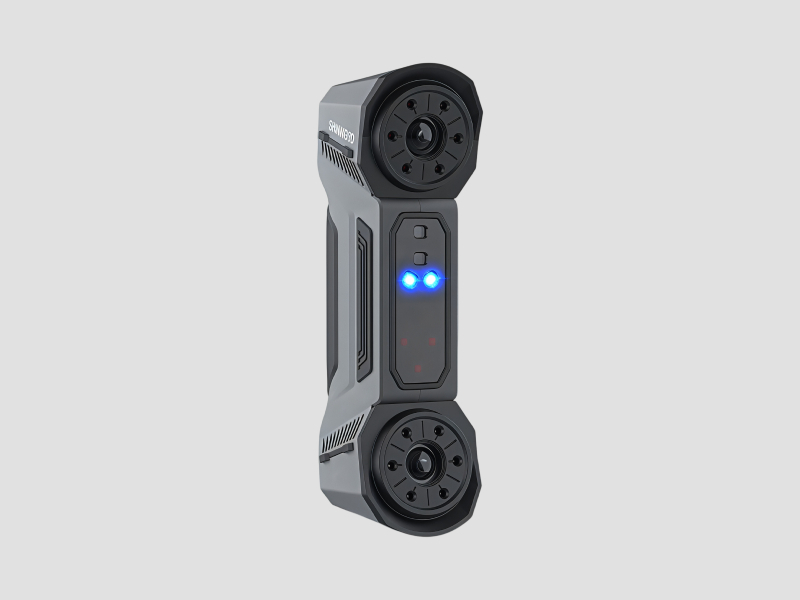
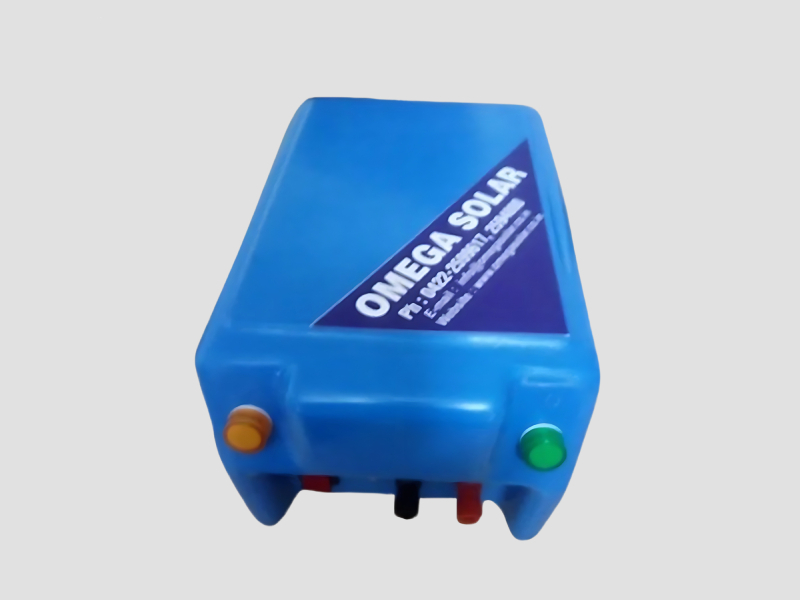
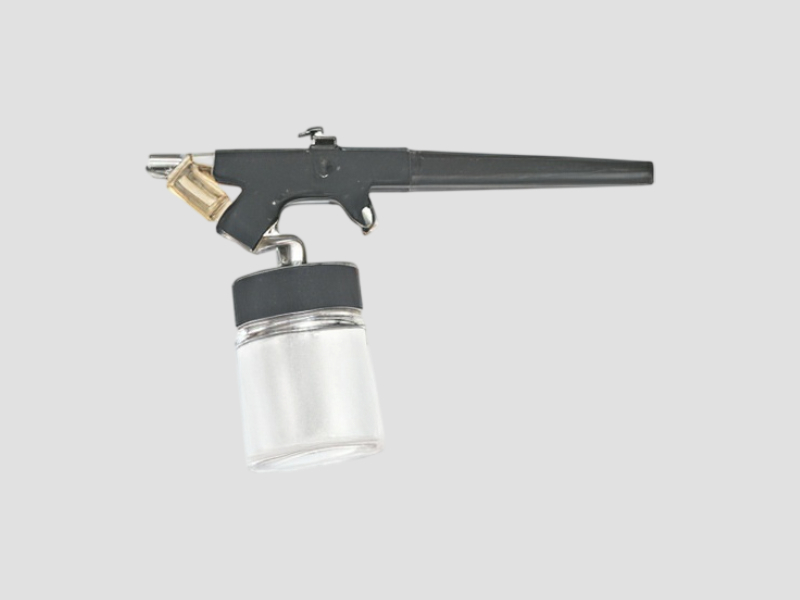
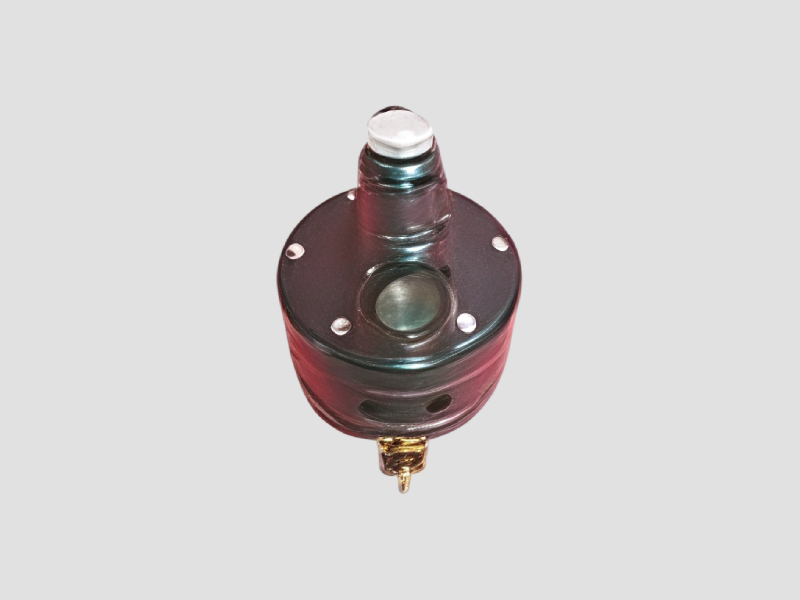
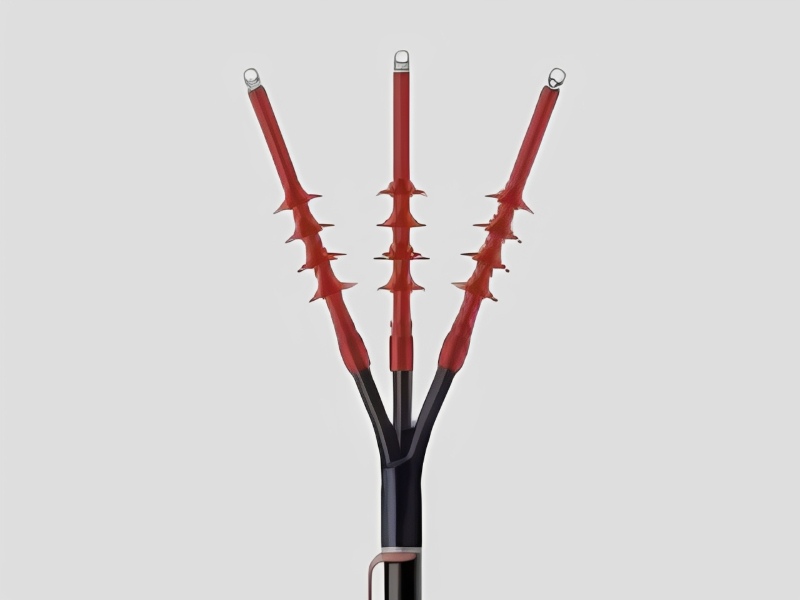
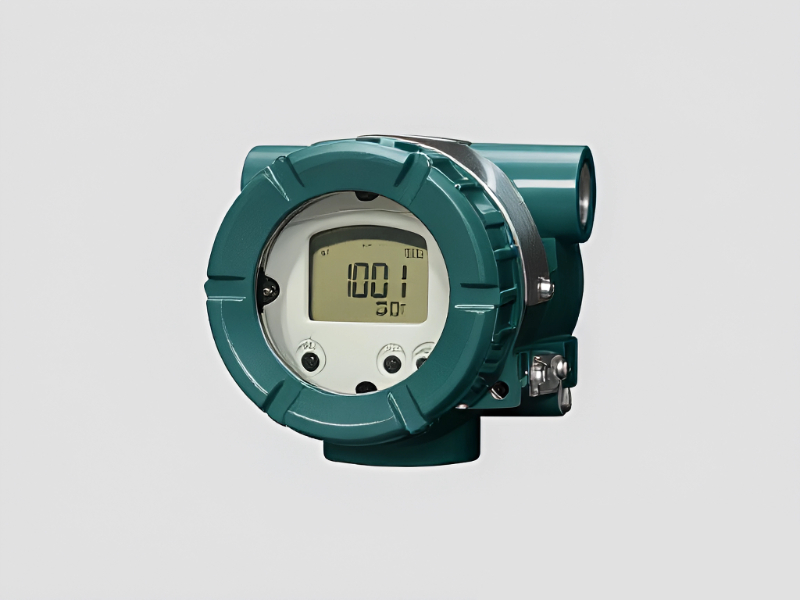
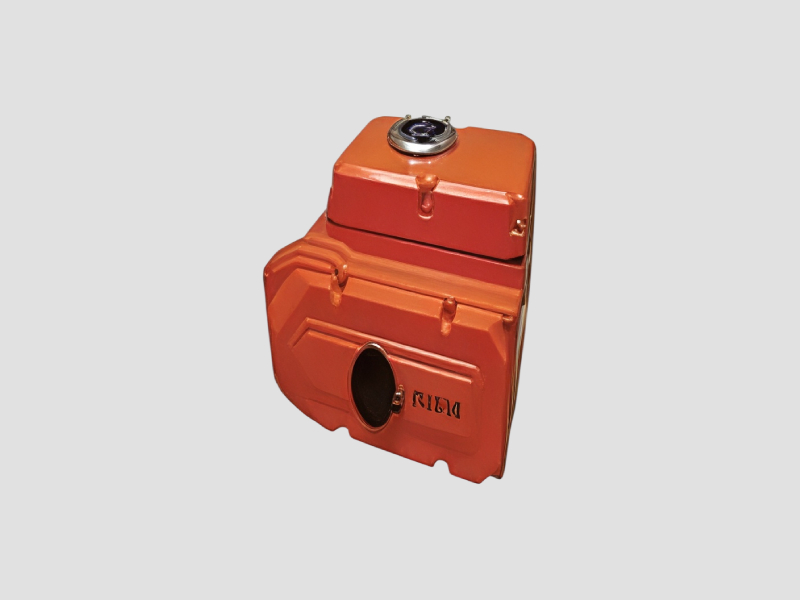
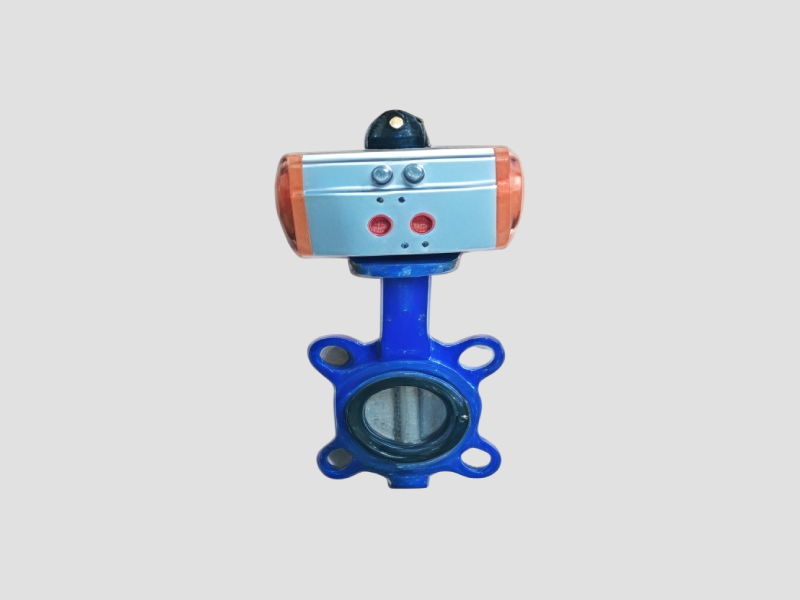
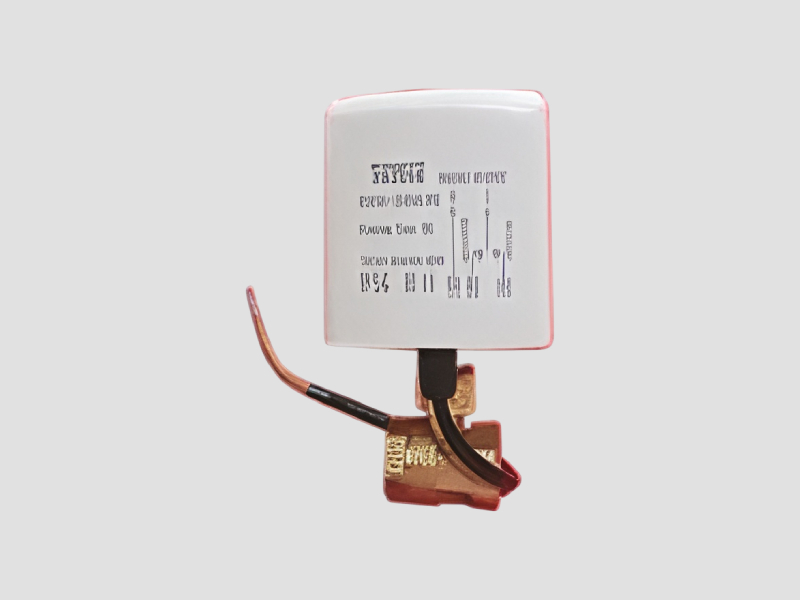
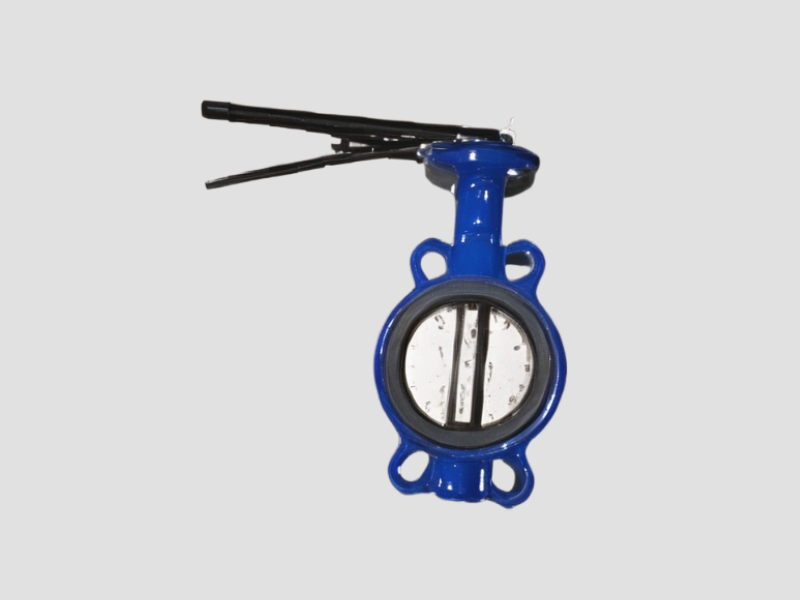
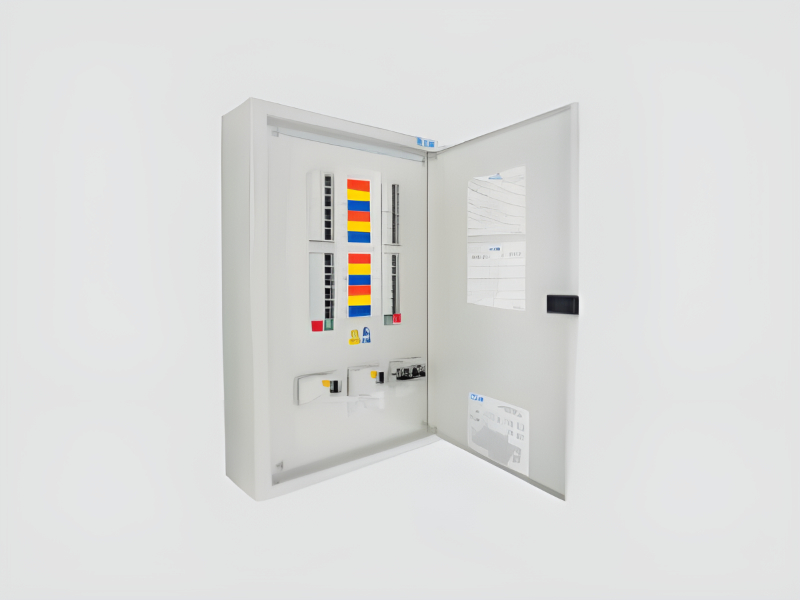
𝗪𝗵𝗮𝘁 𝗮𝗿𝗲 𝗢𝘁𝗵𝗲𝗿 𝗘𝗹𝗲𝗰𝘁𝗿𝗼𝗻𝗶𝗰𝘀 & 𝗘𝗹𝗲𝗰𝘁𝗿𝗶𝗰𝗮𝗹?
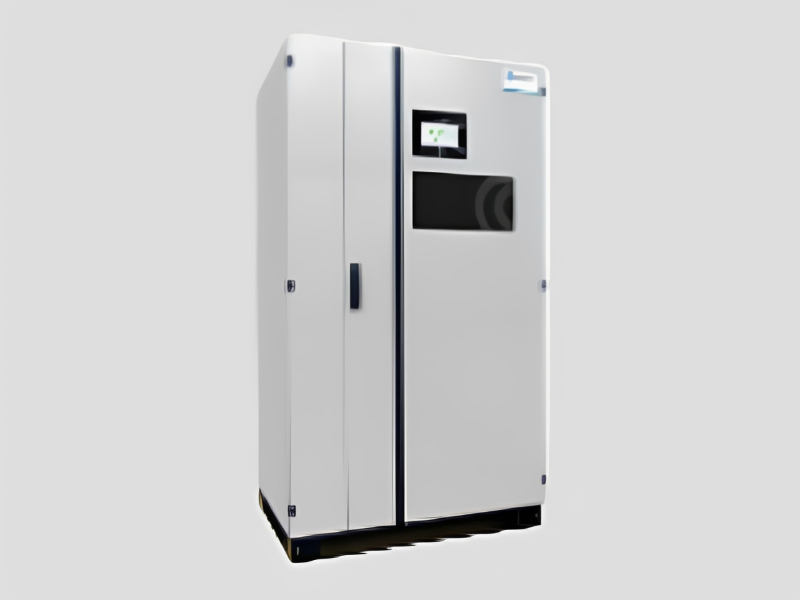
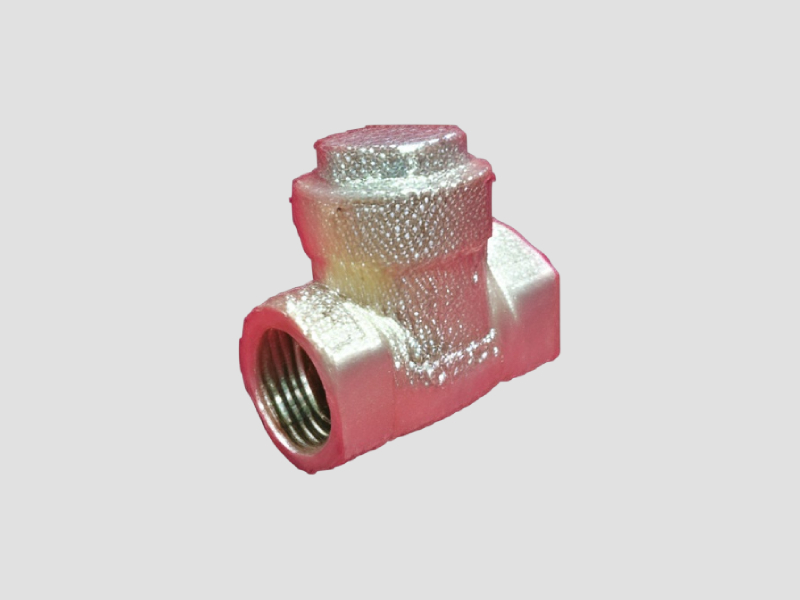
Other Electronics & Electrical refers to a broad category of devices and components used in various industrial and commercial applications. This category encompasses products that facilitate the control, transmission, and conversion of electrical energy. These devices are essential in modern manufacturing, infrastructure, and technology systems, serving functions such as power management, signal processing, and automation.
Businesses across multiple sectors utilize Other Electronics & Electrical products for their operations. Common applications include industrial automation systems, telecommunications, energy management systems, and safety equipment. These products play a critical role in enhancing operational efficiency, improving safety standards, and enabling advanced technological solutions. The growing demand for automation and smart technology solutions drives the market for these products, making them increasingly relevant in today’s industrial landscape.
𝗞𝗲𝘆 𝗙𝗲𝗮𝘁𝘂𝗿𝗲𝘀 𝗮𝗻𝗱 𝗦𝗽𝗲𝗰𝗶𝗳𝗶𝗰𝗮𝘁𝗶𝗼𝗻𝘀
When considering Other Electronics & Electrical products, it is essential to recognize their key features and specifications. These components often vary widely, catering to different industrial needs and performance requirements.
Key specifications include:
1. Power Rating
- This specification indicates the maximum electrical power the device can handle.
- Typical ranges may vary from a few watts to several kilowatts depending on the application.
2. Voltage Capacity
- Voltage capacity refers to the maximum voltage that the device can operate safely.
- Common specifications may range from low voltage (12V, 24V) to high voltage (up to 480V or more).
3. Current Rating
- This specification indicates the maximum current the device can carry.
- Ratings often range from milliamperes for small devices to several hundred amperes for larger applications.
4. Temperature Range
- The operational temperature range determines the environmental conditions where the device can function effectively.
- Specifications typically range from -20°C to +70°C, though specific products may vary.
5. Humidity Control
- Indicates the ability of the device to operate effectively in various humidity conditions.
- Devices may be rated for standard humidity levels, often between 10% and 90% relative humidity.
6. Monitoring Features
- Some devices come equipped with built-in monitoring capabilities to provide real-time data on performance.
- Features may include temperature monitoring, load monitoring, and fault detection.
7. Safety Certifications
- Products may be certified for safety standards, which ensure compliance with industry regulations.
- Common certifications include CE marking, indicating compliance with European safety standards.
8. Installation Type
- This specification refers to how the device is installed, such as wall-mounted, rack-mounted, or portable.
- Selection depends on the intended use and available space.
In summary, understanding the key features and specifications of Other Electronics & Electrical products is crucial for making informed purchasing decisions.
𝗖𝗼𝗺𝗺𝗼𝗻 𝗔𝗽𝗽𝗹𝗶𝗰𝗮𝘁𝗶𝗼𝗻𝘀 𝗮𝗻𝗱 𝗨𝘀𝗲 𝗖𝗮𝘀𝗲𝘀
Other Electronics & Electrical products find applications across a wide array of industries.
1. Manufacturing: In manufacturing facilities, these products are used for automation and control systems to enhance production efficiency and ensure safety compliance.
2. Telecommunications: Telecommunications companies utilize various electronic components for signal transmission and processing, ensuring reliable communication networks.
3. Energy: In the energy sector, these devices play a vital role in power generation and distribution, including renewable energy systems.
4. Construction: In construction, Other Electronics & Electrical products are essential for safety systems and energy management solutions in buildings.
5. Transportation: The transportation sector employs these devices for vehicle control systems and infrastructure monitoring to improve safety and efficiency.
6. Healthcare: In healthcare, these products are utilized in medical devices and diagnostic equipment to ensure accurate and safe operation.
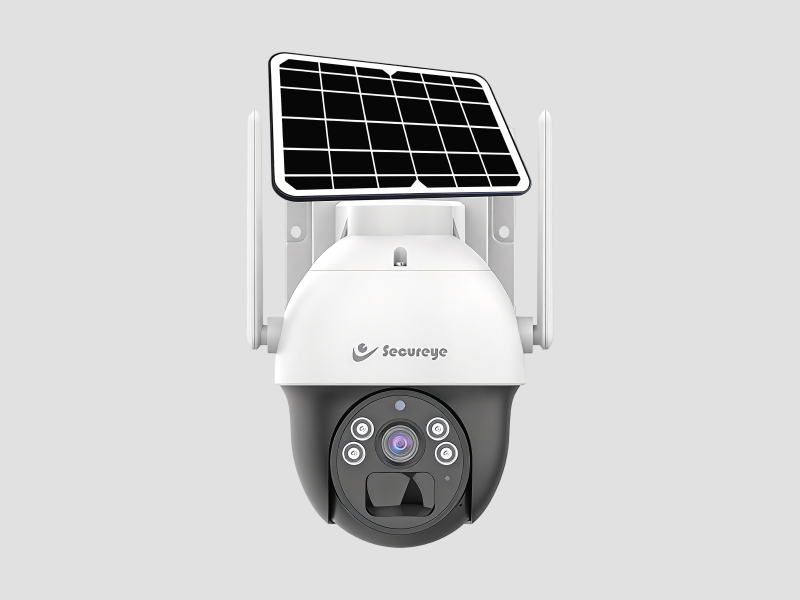
7. Security: Security applications leverage electronic components for monitoring and surveillance systems, enhancing safety measures in various environments.
𝗣𝗿𝗼𝗱𝘂𝗰𝘁 𝗩𝗮𝗿𝗶𝗮𝗻𝘁𝘀 𝗮𝗻𝗱 𝗦𝘂𝗯𝗰𝗮𝘁𝗲𝗴𝗼𝗿𝗶𝗲𝘀
The diversity of Other Electronics & Electrical products allows for a range of variants suited to different applications.
Industrial Controllers
These devices are designed for automation processes in manufacturing. They feature programmable functions, allowing customization for specific tasks and operations.
Power Supplies
Power supplies convert electrical energy into usable forms for various applications. They come in different voltages and currents to suit diverse industrial needs.
Sensors
Sensors detect environmental changes and relay information to control systems. They are used in applications ranging from temperature monitoring to motion detection.
Circuit Breakers
Circuit breakers protect electrical circuits from overload or short circuits. They are essential for ensuring safety in electrical installations and preventing equipment damage.
Relays
Relays are used to control high-power devices with low-power signals. They serve critical functions in automation and control systems across industries.
𝗕𝗲𝗻𝗲𝗳𝗶𝘁𝘀 𝗮𝗻𝗱 𝗔𝗱𝘃𝗮𝗻𝘁𝗮𝗴𝗲𝘀
Sourcing Other Electronics & Electrical products brings several advantages to businesses across sectors.
1. Enhanced Efficiency: These products improve operational efficiency by automating processes and optimizing power usage.
2. Improved Safety: With built-in safety features and compliance with industry standards, these devices contribute to safer working environments.
3. Versatility: The wide range of available products allows businesses to choose solutions tailored to their specific operational needs.
4. Cost-Effectiveness: Investing in reliable electronic components can lead to reduced maintenance costs and increased productivity.
5. Technological Advancement: Access to the latest electronic technologies enables businesses to stay competitive in a rapidly evolving market.
6. Customization: Many products can be customized to meet specific requirements, providing flexibility in application.
𝗕𝘂𝘆𝗶𝗻𝗴 𝗚𝘂𝗶𝗱𝗲 𝗳𝗼𝗿 𝗕𝟮𝗕 𝗕𝘂𝘆𝗲𝗿𝘀
When sourcing Other Electronics & Electrical products, B2B buyers should consider several key factors.
1. Quality Assessment: Evaluate the quality of products by checking manufacturers' certifications and conducting performance tests for reliability.
2. Supplier Verification: Vet suppliers by reviewing their credentials, customer feedback, and industry reputation to ensure they meet quality standards.
3. Pricing and MOQ: Understand pricing structures and minimum order quantities to make informed purchasing decisions that align with budget constraints.
4. Delivery and Lead Times: Consider logistics, including delivery times and shipping methods, to ensure timely receipt of products for ongoing projects.
5. Compliance Requirements: Ensure that products meet relevant regulatory and safety standards, as compliance is critical for operational integrity.
𝗖𝗼𝗺𝗽𝗹𝗶𝗮𝗻𝗰𝗲 𝗮𝗻𝗱 𝗖𝗲𝗿𝘁𝗶𝗳𝗶𝗰𝗮𝘁𝗶𝗼𝗻𝘀
Compliance and certifications are vital aspects of Other Electronics & Electrical products.
Many products adhere to quality standards such as ISO 9001, which focuses on quality management systems. This certification ensures that manufacturers meet customer and regulatory requirements consistently.
Industry certifications, such as CE marking, indicate that products comply with European safety standards. This certification is crucial for products sold in the European market, ensuring they meet essential health, safety, and environmental protection requirements.
Safety and testing requirements vary by application but typically include rigorous testing for electrical safety, performance reliability, and environmental factors. Manufacturers must adhere to these standards to guarantee that their products are safe for use.
Regional compliance considerations may also apply, depending on the market. Buyers should be aware of local regulations that could impact the selection and usage of electronic products in specific regions.
𝗪𝗵𝘆 𝗦𝗼𝘂𝗿𝗰𝗲 𝗢𝘁𝗵𝗲𝗿 𝗘𝗹𝗲𝗰𝘁𝗿𝗼𝗻𝗶𝗰𝘀 & 𝗘𝗹𝗲𝗰𝘁𝗿𝗶𝗰𝗮𝗹 𝗳𝗿𝗼𝗺 𝗣𝗲𝗽𝗮𝗴𝗼𝗿𝗮?
Pepagora is a trusted platform for sourcing Other Electronics & Electrical products, providing several key advantages to buyers.
Verified Supplier Network: Pepagora offers access to a network of verified suppliers, ensuring that buyers can source high-quality products from reputable manufacturers. This network helps reduce the risk of fraud and ensures reliable delivery.
Streamlined RFQ Process: The platform features a streamlined Request for Quotation (RFQ) process, allowing buyers to easily obtain quotes from multiple suppliers. This efficiency saves time and helps in comparing options effectively.
Trade Assurance and Support: Pepagora provides trade assurance, offering protection to buyers throughout the procurement process. This support ensures that buyers can trust their transactions and receive the products as promised.
Regional Coverage: With a strong presence in regions like India, the GCC, and Southeast Asia, Pepagora facilitates international sourcing. This geographic reach allows buyers to access a diverse range of products and suppliers tailored to their specific needs.

 IN
IN