What are Electronics Stocks?
Electronics stocks refer to shares of companies that design, manufacture, and sell electronic components and devices. This includes a wide range of products such as semiconductors, circuit boards, sensors, and consumer electronics. These companies play a crucial role in the technology supply chain, impacting various sectors from telecommunications to automotive industries.
The primary uses of electronics stocks are found in both consumer markets and industrial applications. Businesses invest in these stocks to capitalize on the growing demand for electronic products and innovations. Electronics stocks are vital for companies looking to enhance their technological capabilities, improve efficiency, and drive growth in increasingly digitized markets. As technology evolves, these stocks remain relevant, reflecting the ongoing changes in consumer behavior and industrial needs.
The electronics industry is a significant contributor to the global economy, often seen as a barometer for technological advancement. Fluctuations in electronics stocks can indicate broader market trends, making them an essential focus for investors and business leaders alike. In a rapidly changing landscape, understanding electronics stocks can provide insights into future developments and investment opportunities.
Key Features and Specifications
Electronics stocks encompass a variety of specifications that are critical for both manufacturers and investors. These specifications help in assessing the performance and reliability of electronic components.
Key specifications include:
1. Product Type
- This includes categories such as semiconductors, resistors, capacitors, and integrated circuits.
- Each type has distinct functions and applications in electronic systems.
2. Performance Metrics
- Key metrics such as power consumption, operating voltage, and frequency response are essential.
- These parameters determine the efficiency and suitability of components for specific applications.
3. Dimensions and Form Factor
- Size specifications help in determining compatibility with various devices and systems.
- Common dimensions include surface mount, through-hole, and chip dimensions.
4. Environmental Tolerance
- Specifications related to temperature ranges and humidity control.
- Components may be rated for specific operating conditions to ensure reliability.
5. Compliance Standards
- Products must meet industry certifications such as CE.
- Compliance ensures safety and reliability in various applications.
6. Lifecycle Considerations
- Information about product lifecycle, from introduction to end-of-life management.
- Helps businesses anticipate when to phase out or replace components.
7. Customization Options
- Availability of custom solutions to meet specific business needs.
- Flexibility in design can enhance suitability for unique applications.
In summary, understanding the key features and specifications of electronics stocks is vital for making informed purchasing decisions and ensuring compatibility with existing systems.
Common Applications and Use Cases
Electronics stocks are utilized across a multitude of industries, reflecting their versatility and importance.
1. Consumer Electronics: These products power everyday devices such as smartphones, televisions, and home appliances. Companies in this sector rely on high-quality components to meet consumer demands for performance and reliability.
2. Automotive Industry: Electronics stocks are crucial for modern vehicles, supporting systems like navigation, safety features, and engine control units. The shift towards electric vehicles has further increased the demand for advanced electronic components.
3. Telecommunications: Companies in this sector use electronics stocks to produce devices that facilitate communication, including routers, switches, and networking equipment. The need for faster and more reliable communication drives innovation in this field.
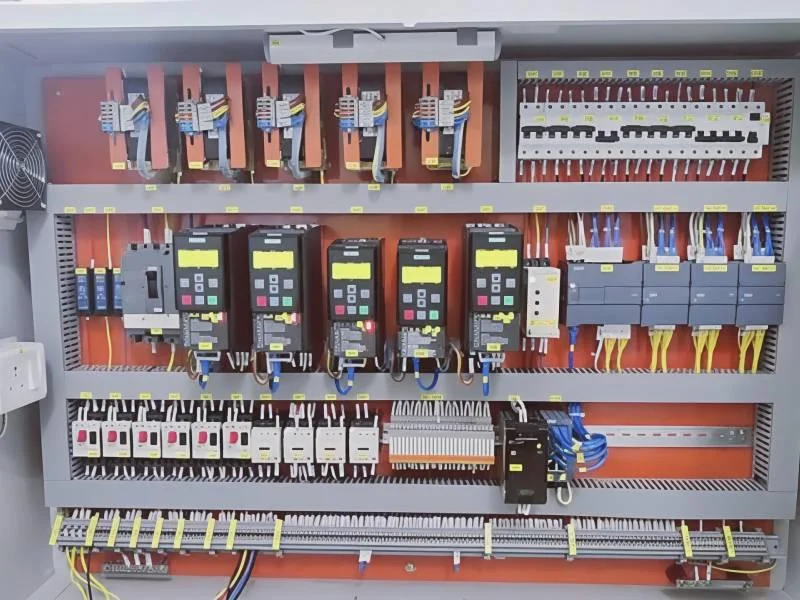
4. Industrial Automation: Electronics stocks support automation systems, sensors, and control systems that enhance manufacturing efficiency. Businesses rely on high-performance components to optimize operations and reduce downtime.
5. Medical Devices: The healthcare sector uses electronics stocks in diagnostic and monitoring devices, ensuring accurate data and patient safety. Strict compliance with regulatory standards is essential in this application.
6. Aerospace and Defense: High-reliability components are fundamental in this sector, where electronics stocks are used in navigation systems, communication devices, and critical control systems.
7. Renewable Energy: Electronics stocks are increasingly important in solar panels, wind turbines, and energy storage systems, contributing to sustainable energy solutions.
Product Variants and Subcategories
Electronics stocks vary significantly in terms of product types and specifications, catering to a wide range of applications. This diversity allows businesses to select components that best meet their specific needs.
Microcontrollers
Microcontrollers are compact integrated circuits that manage specific tasks in electronic devices. They are widely used in consumer electronics, automotive applications, and industrial systems due to their versatility and efficiency.
Power Supplies
Power supplies convert electrical energy to the correct voltage and current for various devices. They are essential in ensuring that electronic components operate within specified parameters, making them critical for reliable performance.
Sensors
Sensors detect and respond to changes in the environment, making them integral to various applications such as automation, healthcare, and consumer electronics. Their ability to provide real-time data enhances system capabilities and functionality.
Integrated Circuits
Integrated circuits are fundamental components that combine multiple electronic functions into a single chip. They are used in almost all electronic devices, providing essential processing power and functionality.
Benefits and Advantages
Investing in electronics stocks offers several benefits that can enhance business operations and profitability.
1. Innovation Access: By sourcing electronics stocks, companies can leverage cutting-edge technology to improve products and services, staying ahead of competitors.
2. Cost Efficiency: Quality electronic components can lead to lower operational costs through improved performance and reduced energy consumption, providing a better return on investment.
3. Reliability: High-quality electronics stocks enhance the reliability of products, minimizing failures and ensuring customer satisfaction over the long term.
4. Scalability: Businesses can easily scale their operations by choosing the right electronics stocks that align with their growth strategies, adapting to market demands quickly.
5. Compliance Assurance: Sourcing from verified suppliers ensures that the products meet necessary industry standards, reducing risks associated with non-compliance.
6. Customization Potential: The ability to customize components allows businesses to tailor solutions to specific needs, enhancing product differentiation in competitive markets.
Buying Guide for B2B Buyers
When sourcing electronics stocks, it is essential for B2B buyers to consider several factors to ensure they make informed purchasing decisions.
1. Quality Assessment: Evaluate the quality of components by reviewing supplier certifications, customer reviews, and performance metrics. High-quality products reduce the risk of failures and enhance reliability.
2. Supplier Verification: Vet suppliers thoroughly to ensure they meet industry standards and have a proven track record. This helps mitigate risks associated with poor-quality components.
3. Pricing and MOQ: Understand the pricing structure and minimum order quantity (MOQ) requirements. This can impact budget planning and inventory management.
4. Delivery and Lead Times: Assess logistics capabilities to ensure timely delivery of components. Delays can disrupt production schedules and affect overall project timelines.
5. Compliance Requirements: Be aware of relevant regulatory standards and certifications. Ensuring compliance with industry-specific requirements is crucial for product acceptance and market success.
Compliance and Certifications
Compliance and certifications are vital aspects of electronics stocks, ensuring that products meet industry standards for safety and performance.
Relevant quality standards such as ISO 9001 ensure that manufacturers adhere to high-quality management principles. This certification indicates a commitment to continuous improvement and customer satisfaction.
Industry certifications like CE are essential for products sold in European markets, confirming they meet safety and environmental protection requirements. Compliance with these standards is crucial for market access and consumer trust.
Safety and testing requirements are critical for ensuring that electronic components function reliably under various conditions. Comprehensive testing helps identify potential issues before products reach the market.
Regional compliance considerations may vary based on local regulations. Understanding and adhering to these requirements can aid in avoiding legal complications and ensuring smooth market entry.
Why Source Electronics Stocks from Pepagora?
Pepagora provides a trusted platform for sourcing electronics stocks, offering numerous advantages for B2B buyers.
Verified Supplier Network: Pepagora has a robust network of verified suppliers who meet stringent quality standards. This ensures that businesses can source reliable components with confidence.
Streamlined RFQ Process: The platform features a user-friendly request for quotation (RFQ) system, allowing buyers to easily compare offers from multiple suppliers. This simplifies the procurement process and enables better decision-making.
Trade Assurance and Support: Buyers benefit from trade assurance measures that provide protection throughout the purchasing process. This includes support for resolving disputes and ensuring satisfactory transactions.
Regional Coverage: Pepagora's geographic reach spans India, the GCC, and Southeast Asia, making it easier for businesses to find suppliers that cater to their specific regional needs. This extensive coverage enhances sourcing capabilities and market access.

 IN
IN