𝗪𝗵𝗮𝘁 𝗮𝗿𝗲 𝗟𝗶𝗳𝗲𝘀𝘁𝘆𝗹𝗲 𝗚𝗮𝗱𝗴𝗲𝘁𝘀?
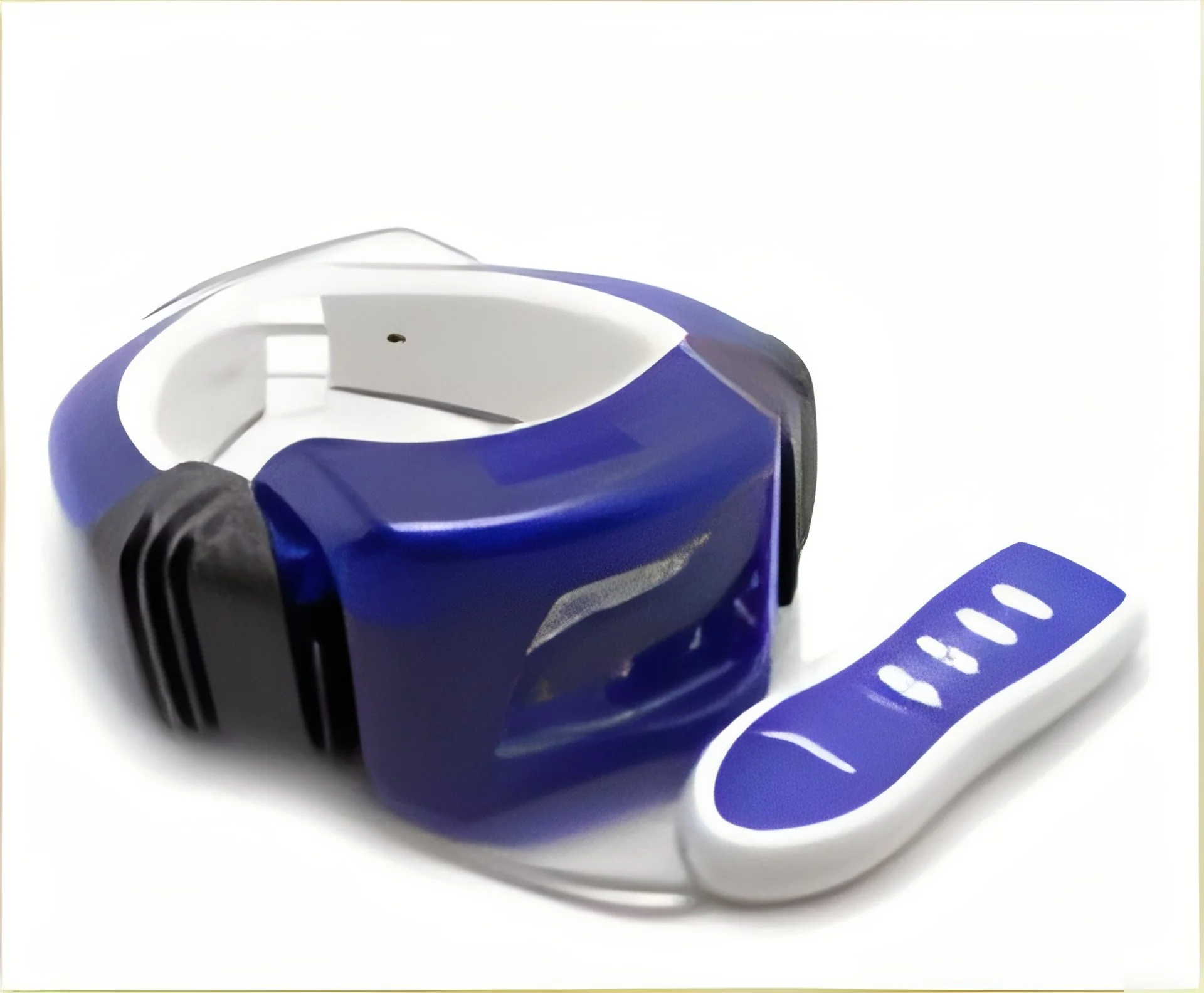
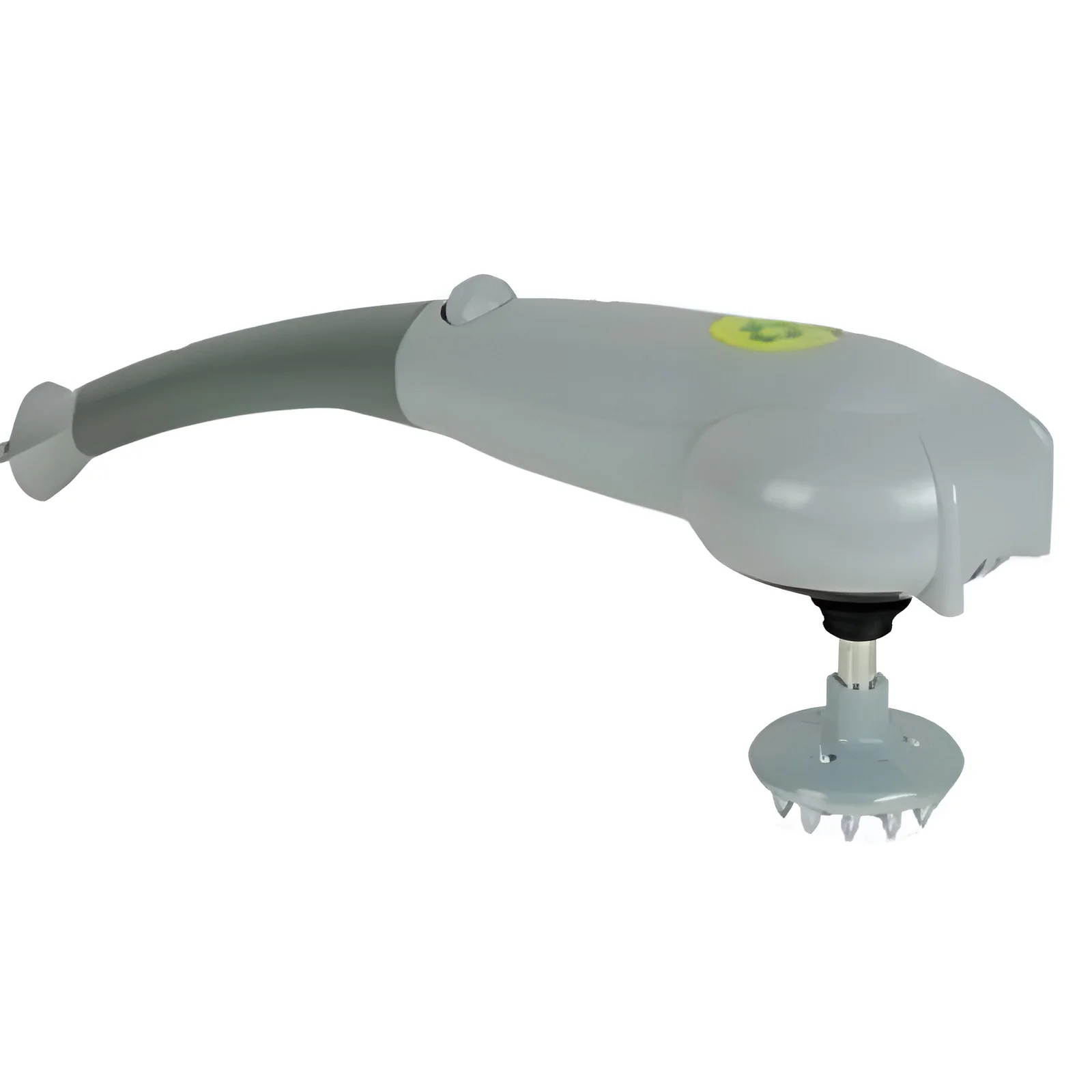
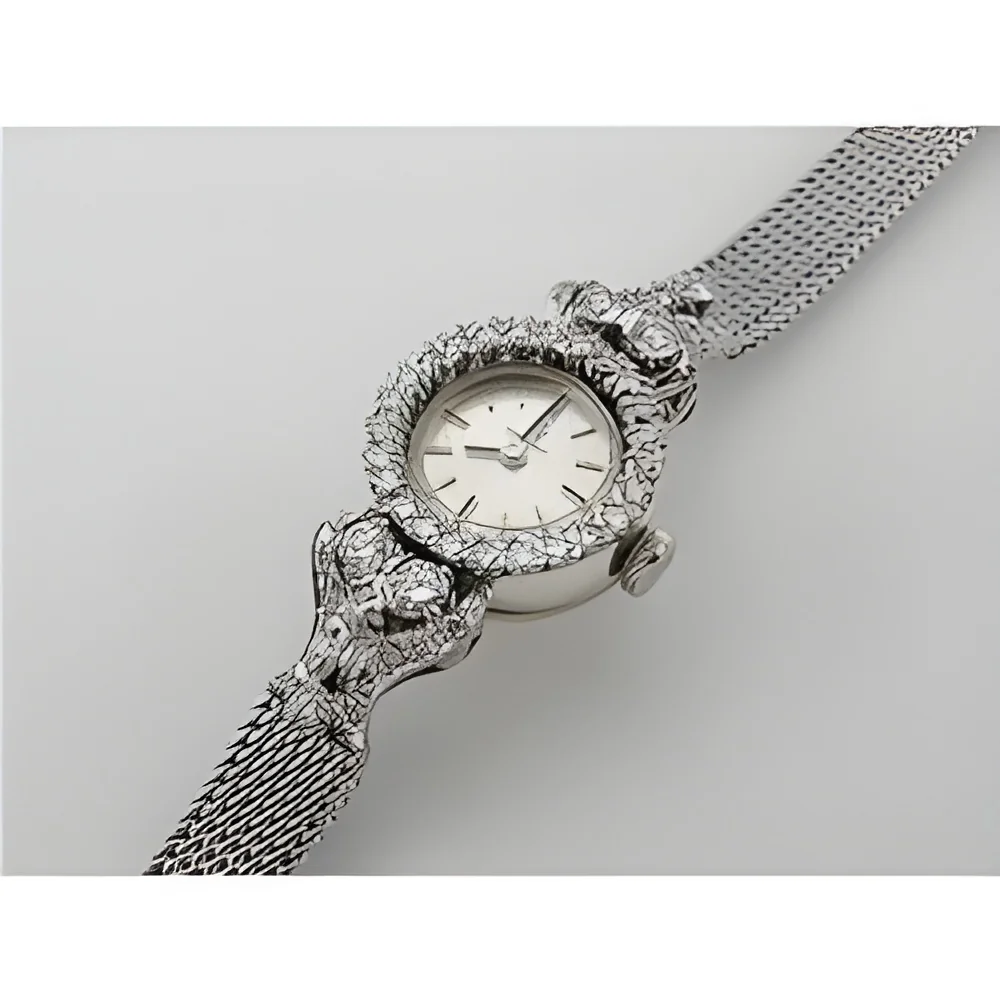
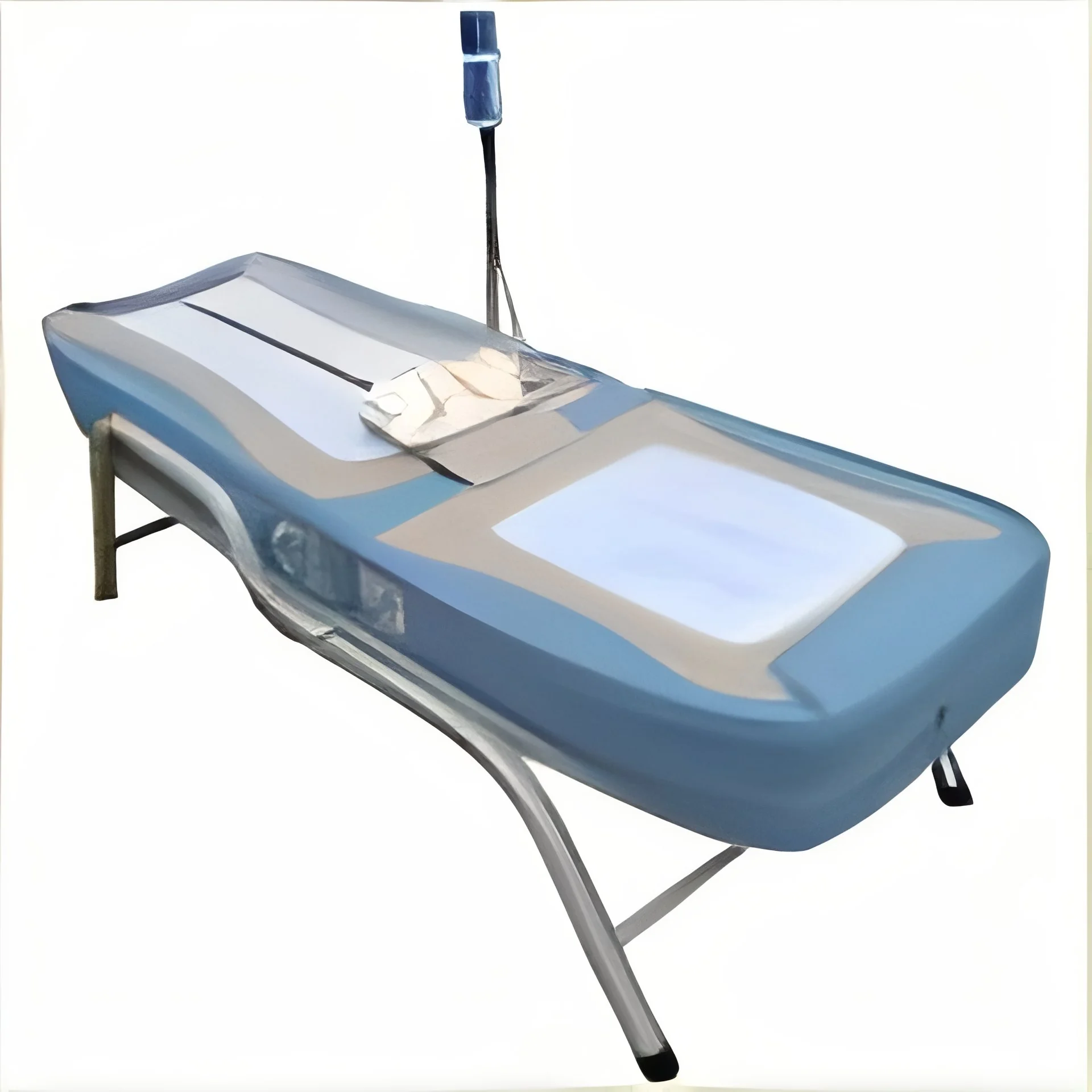
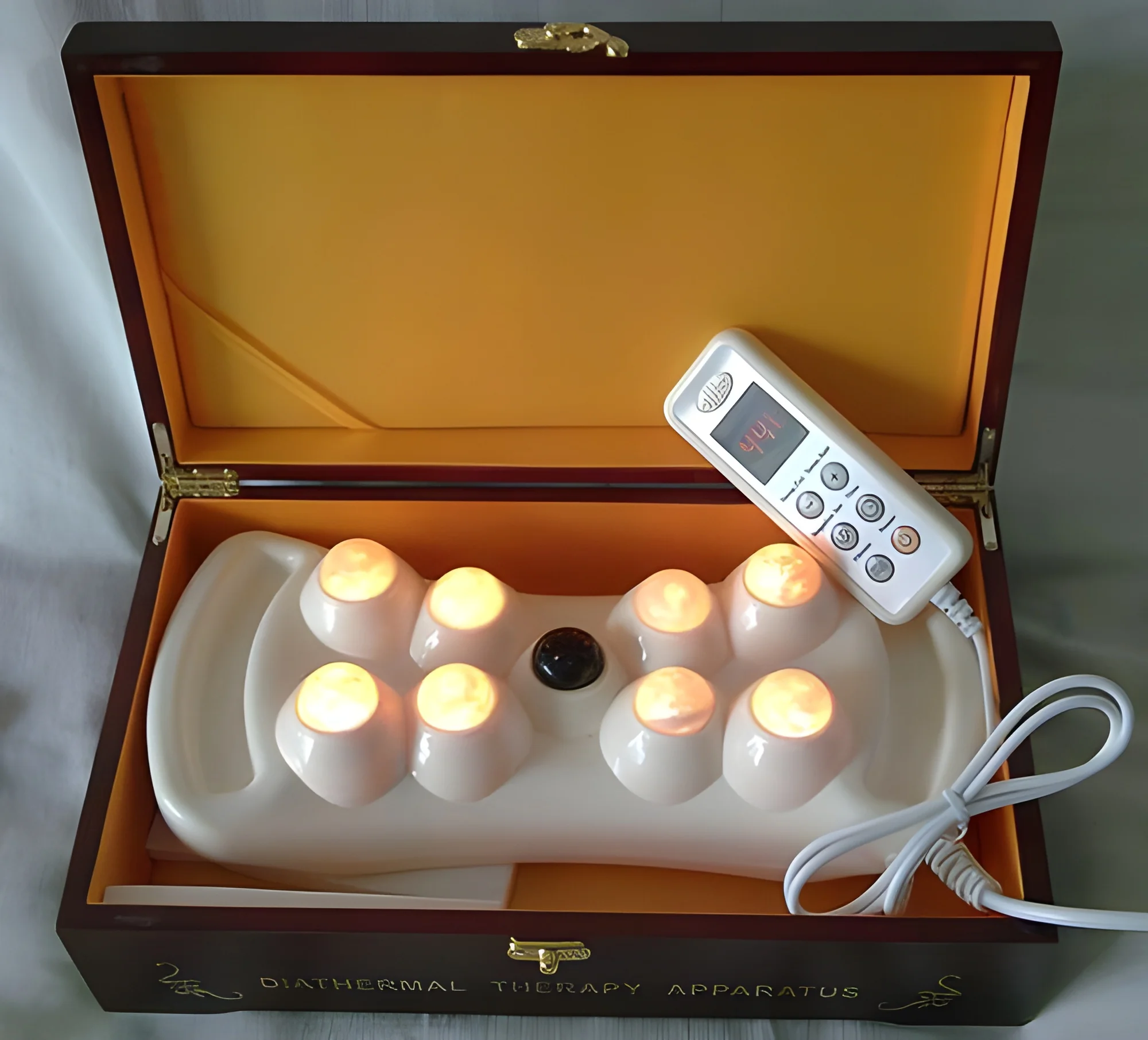
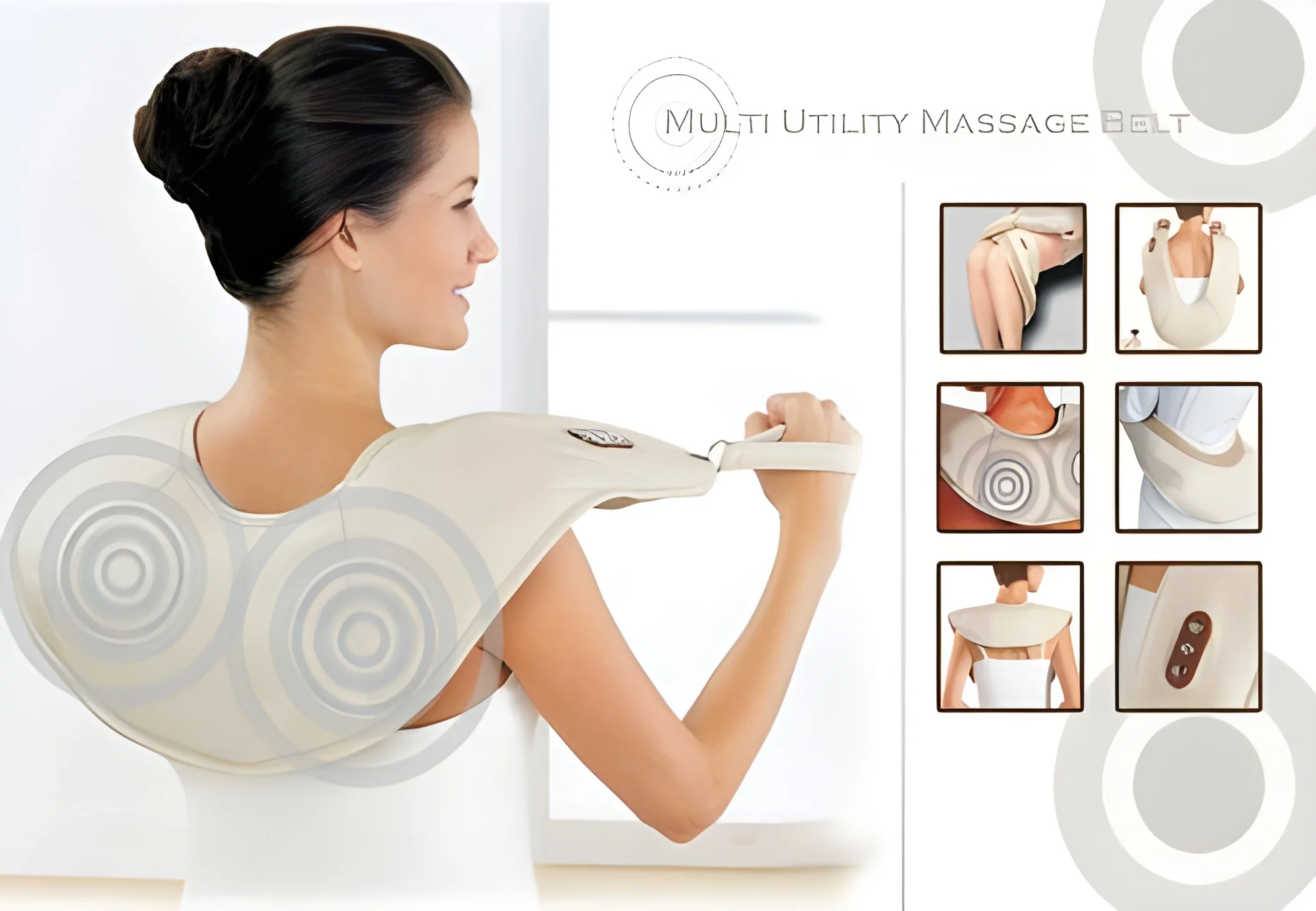
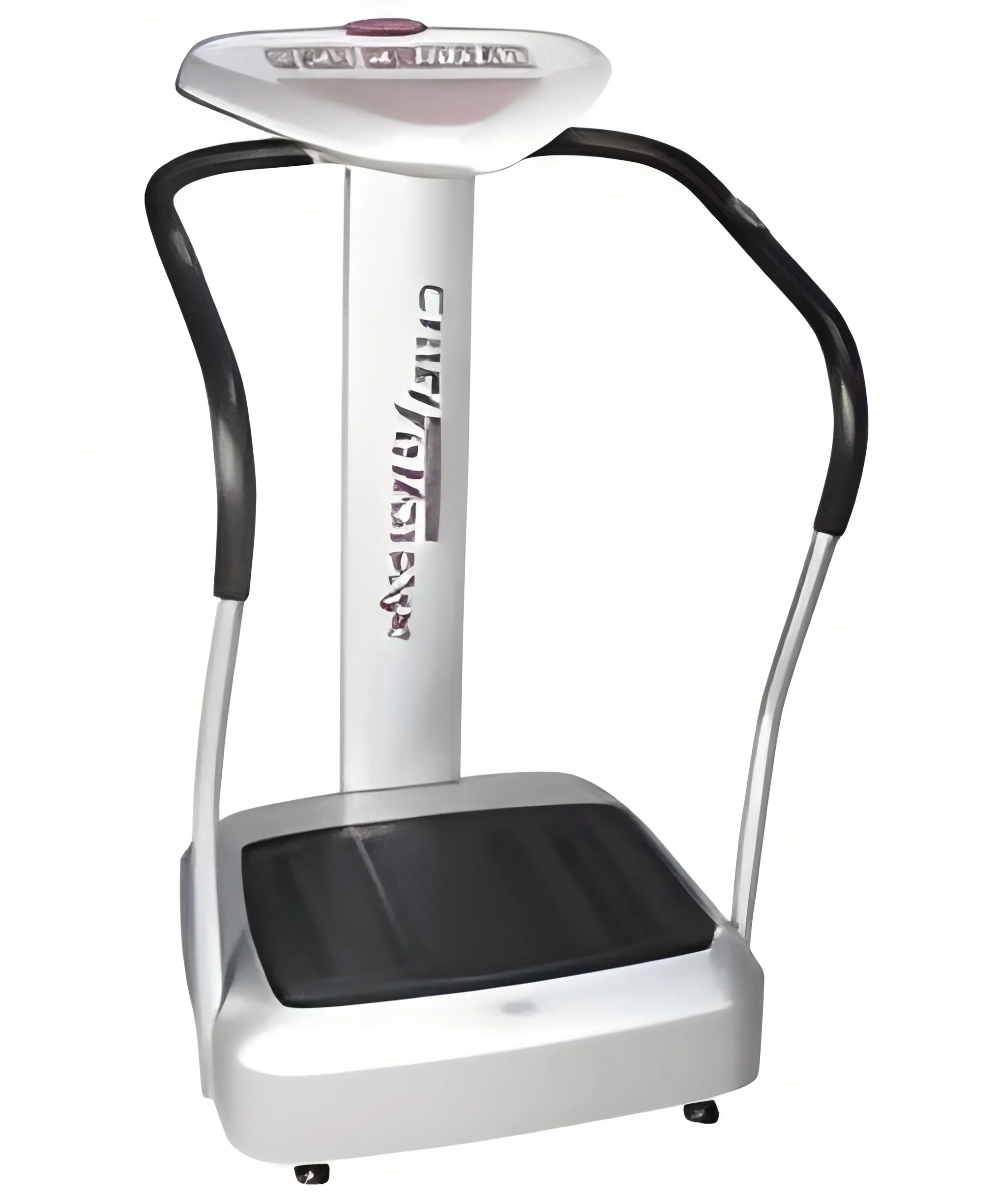
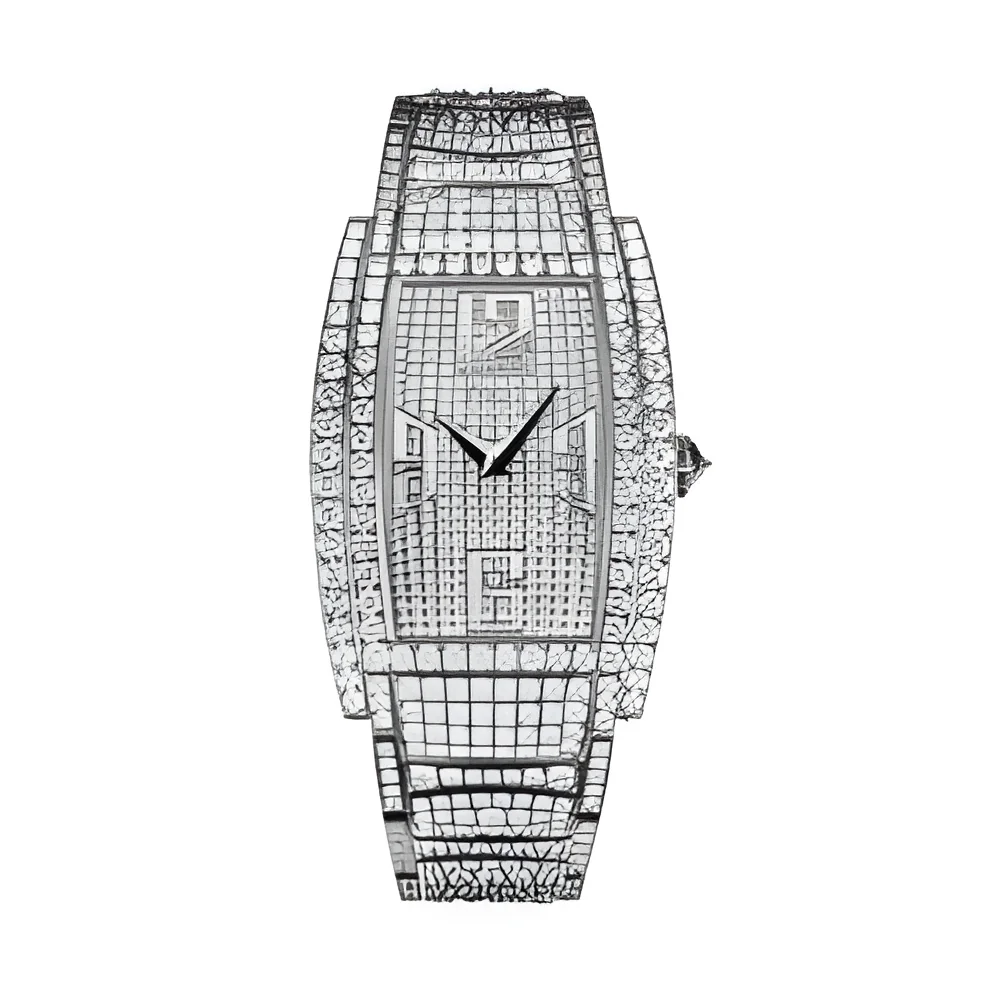
Lifestyle gadgets are innovative devices designed to enhance everyday life by integrating technology with convenience and functionality. These products cater to personal preferences and needs, making them popular among consumers looking for ways to improve their daily routines. They can range from smart home devices to portable electronics that simplify tasks and provide entertainment or health monitoring.
In a business context, lifestyle gadgets are increasingly utilized in various sectors such as retail, hospitality, and corporate environments. Companies often incorporate these gadgets to improve customer experiences or boost employee productivity. For instance, smart wearables can track health metrics, while smart home devices can automate office functions, leading to greater efficiency.
The market for lifestyle gadgets has expanded significantly, driven by advancements in technology and a growing consumer demand for convenience. As more businesses recognize the value of these products, industry players are focusing on integrating smart features to meet evolving consumer expectations. This has led to a diverse array of offerings, ensuring that there is a gadget suitable for every lifestyle.
𝗞𝗲𝘆 𝗙𝗲𝗮𝘁𝘂𝗿𝗲𝘀 𝗮𝗻𝗱 𝗦𝗽𝗲𝗰𝗶𝗳𝗶𝗰𝗮𝘁𝗶𝗼𝗻𝘀
Lifestyle gadgets boast a variety of features that cater to different needs and preferences. Understanding these specifications can help businesses select the right products for their applications.
Key specifications include:
1. Connectivity Options
- Many lifestyle gadgets offer Wi-Fi, Bluetooth, or NFC connectivity for seamless integration with other devices.
- Technical parameters may include ranges for signal strength and compatibility with various platforms.
2. Battery Life
- Extended battery life is a crucial feature for many gadgets, allowing for prolonged use without frequent recharging.
- Technical parameters typically range from several hours to multiple days of usage.
3. User Interface
- A user-friendly interface can significantly enhance the user experience, making gadgets easy to operate.
- Options may include touchscreens, voice commands, or physical buttons.
4. Material and Build Quality
- The durability and aesthetics of lifestyle gadgets depend on the materials used, impacting their longevity and appeal.
- Specifications may detail the type of materials, such as plastic, metal, or glass.
5. Size and Portability
- Dimensions and weight are essential factors, especially for gadgets designed for travel or portability.
- Specifications often include compact sizes that fit easily into bags or pockets.
6. Compatibility
- Lifestyle gadgets should be compatible with a range of operating systems and devices to ensure versatility.
- This includes compatibility with smartphones, tablets, and smart home systems.
7. Safety Features
- Many gadgets incorporate safety features to protect users, such as automatic shut-off or overcharge protection.
- These specifications can include standards for electrical safety and material compliance.
8. Customization Options
- Some lifestyle gadgets allow users to customize settings or appearances according to personal preferences.
- This can range from software settings to interchangeable covers.
In summary, understanding the key features and specifications of lifestyle gadgets is essential for businesses aiming to enhance their offerings. These specifications help in selecting the right products that align with user needs and market trends.
𝗖𝗼𝗺𝗺𝗼𝗻 𝗔𝗽𝗽𝗹𝗶𝗰𝗮𝘁𝗶𝗼𝗻𝘀 𝗮𝗻𝗱 𝗨𝘀𝗲 𝗖𝗮𝘀𝗲𝘀
Lifestyle gadgets find applications across a variety of industries, enhancing functionality and user satisfaction.
1. Retail: In retail settings, lifestyle gadgets such as smart mirrors and interactive displays enhance customer engagement and provide personalized shopping experiences.
2. Hospitality: Hotels and restaurants utilize lifestyle gadgets like smart lighting and room automation systems to improve guest comfort and streamline operations.
3. Corporate: In office environments, gadgets like smart wearables and productivity apps help enhance employee efficiency and overall workplace wellness.
4. Healthcare: Wearable health monitors and fitness trackers are increasingly used in healthcare to provide patients with real-time health data and promote healthy habits.
5. Education: Educational institutions employ gadgets like smart whiteboards and interactive learning tools to create dynamic and engaging learning environments.
6. Transportation: Lifestyle gadgets such as GPS trackers and smart navigation systems improve the travel experience by providing real-time information and safety features.
7. Home Automation: Smart home devices offer convenience and energy savings by automating household tasks, allowing users to control home environments remotely.
𝗣𝗿𝗼𝗱𝘂𝗰𝘁 𝗩𝗮𝗿𝗶𝗮𝗻𝘁𝘀 𝗮𝗻𝗱 𝗦𝘂𝗯𝗰𝗮𝘁𝗲𝗴𝗼𝗿𝗶𝗲𝘀
Lifestyle gadgets encompass a wide range of products that cater to different preferences and needs. The diversity in this category allows businesses to select items that best fit their target audience.
Smart Wearables
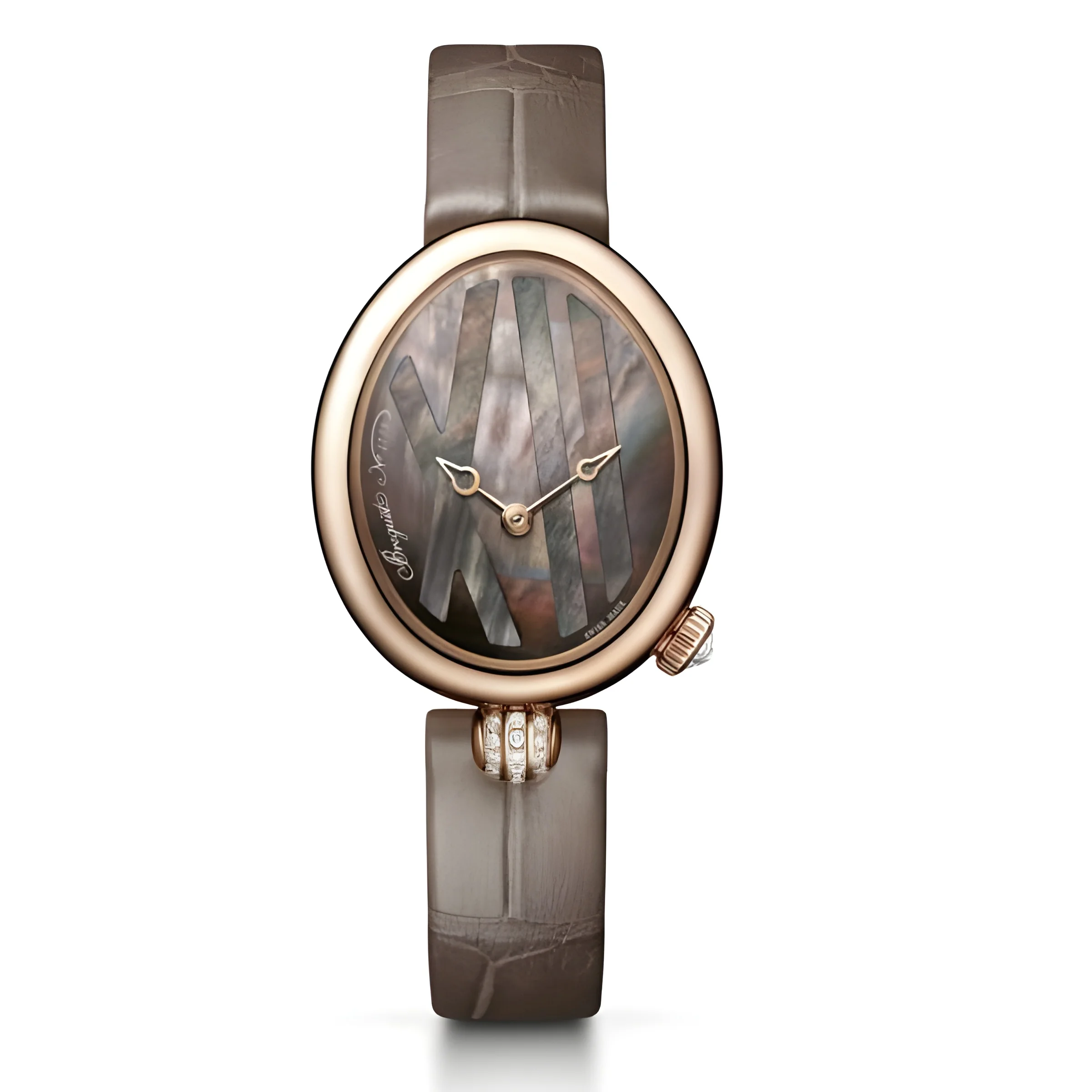
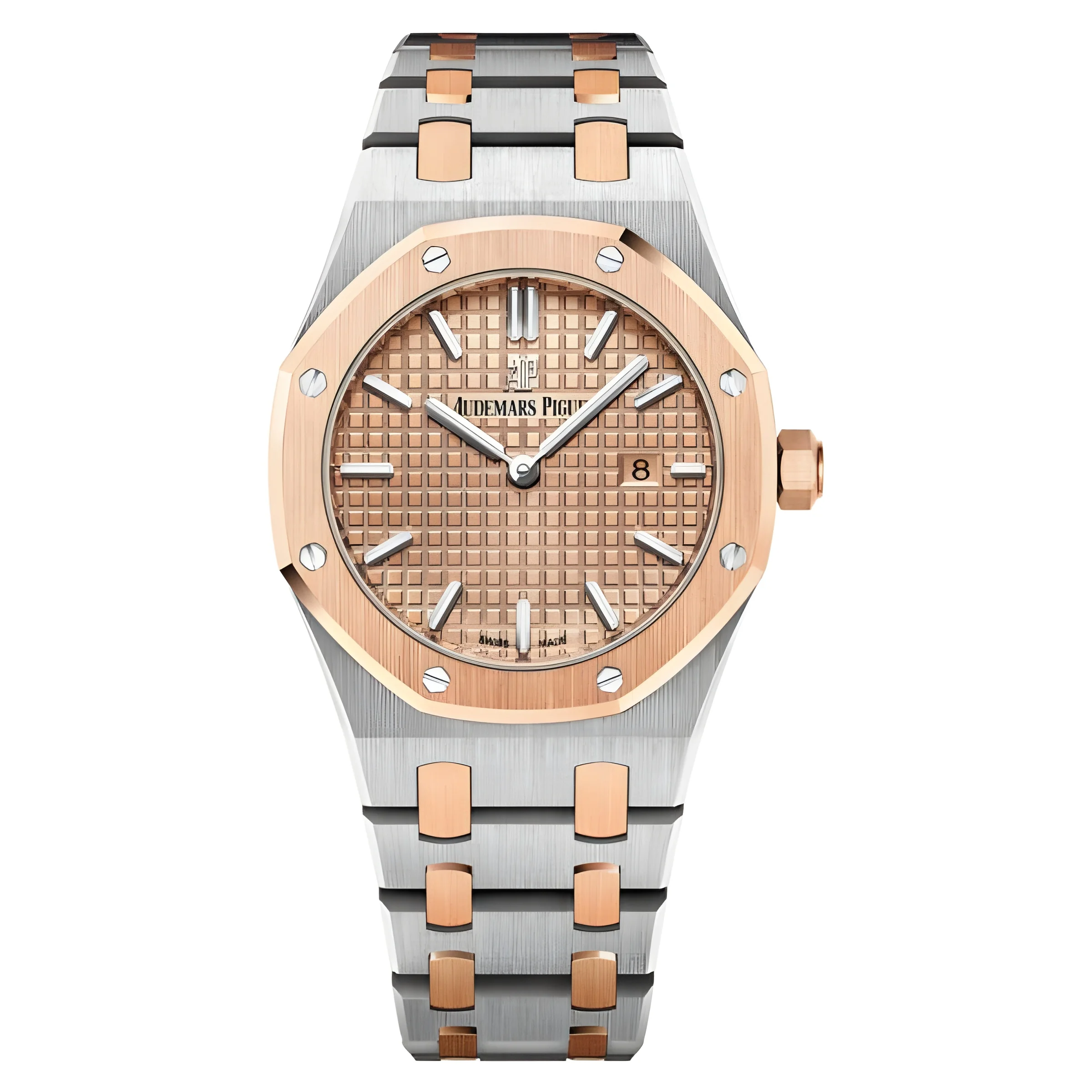
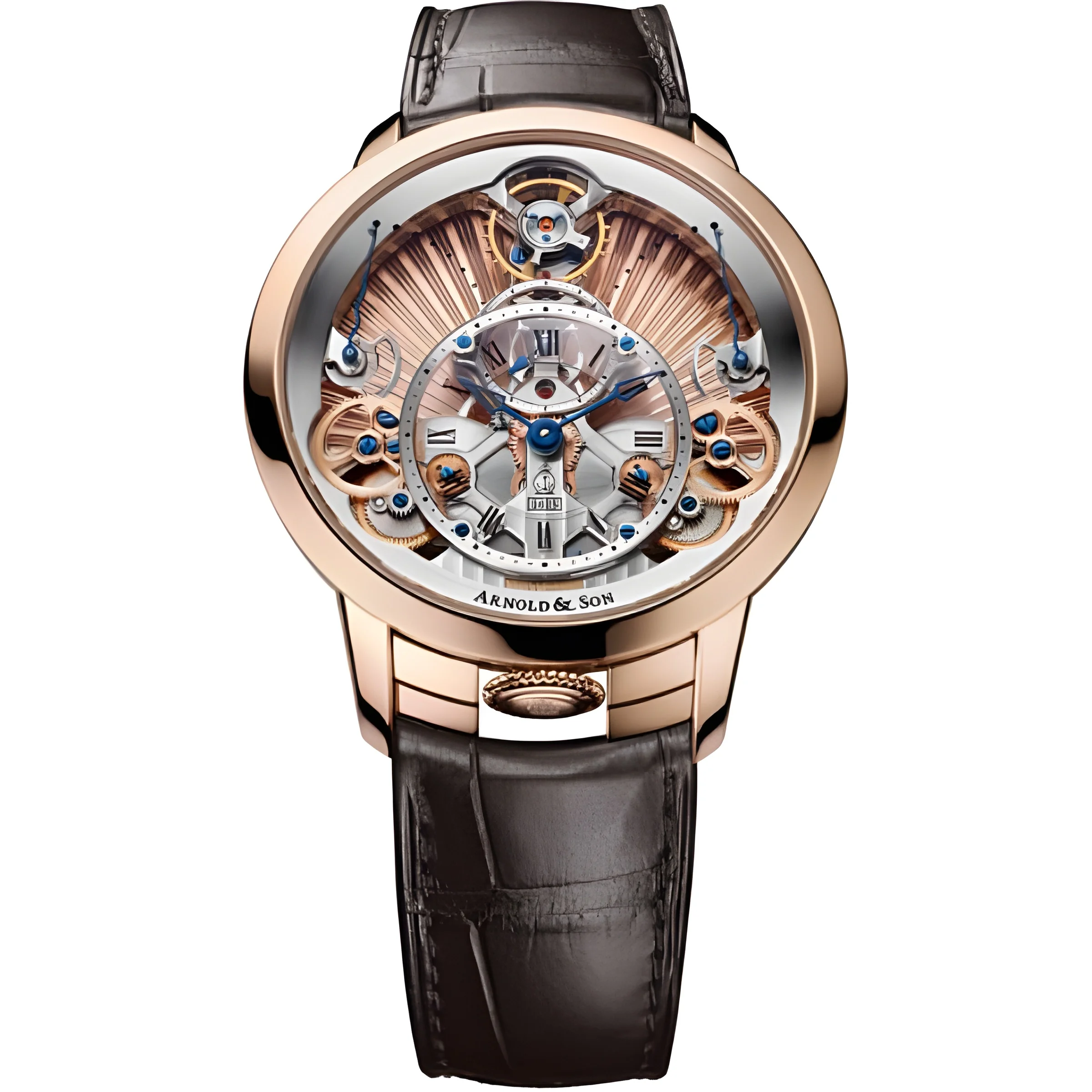
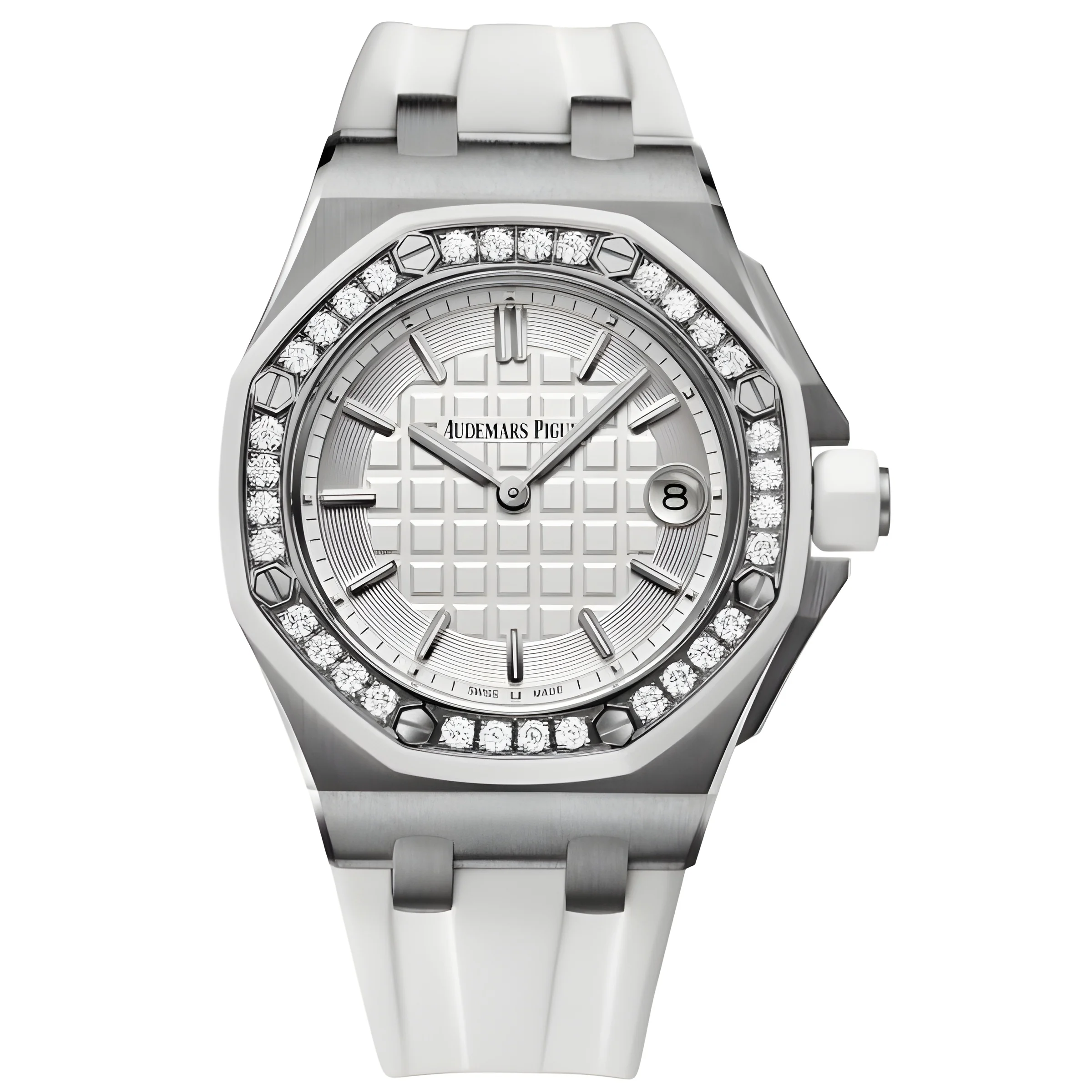
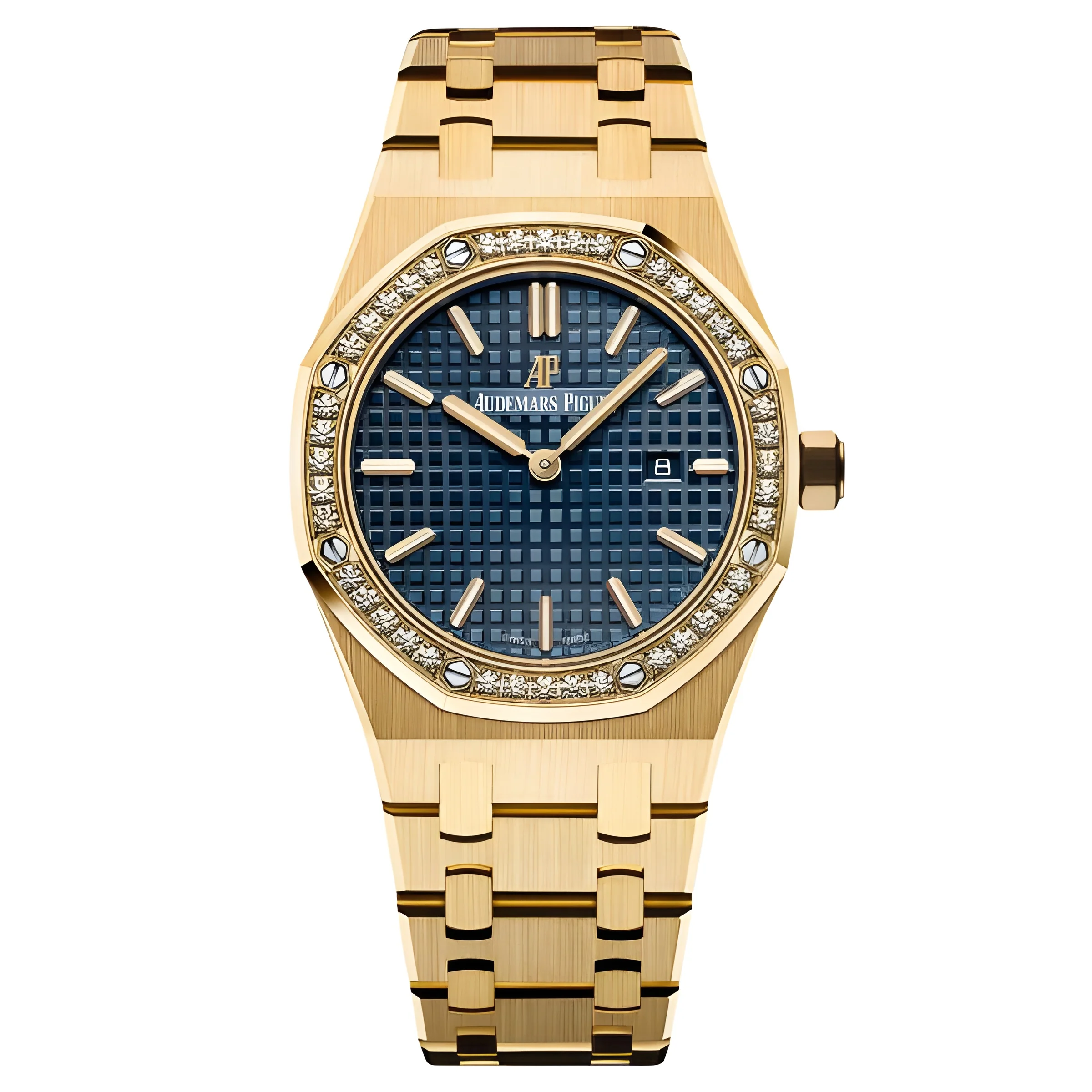
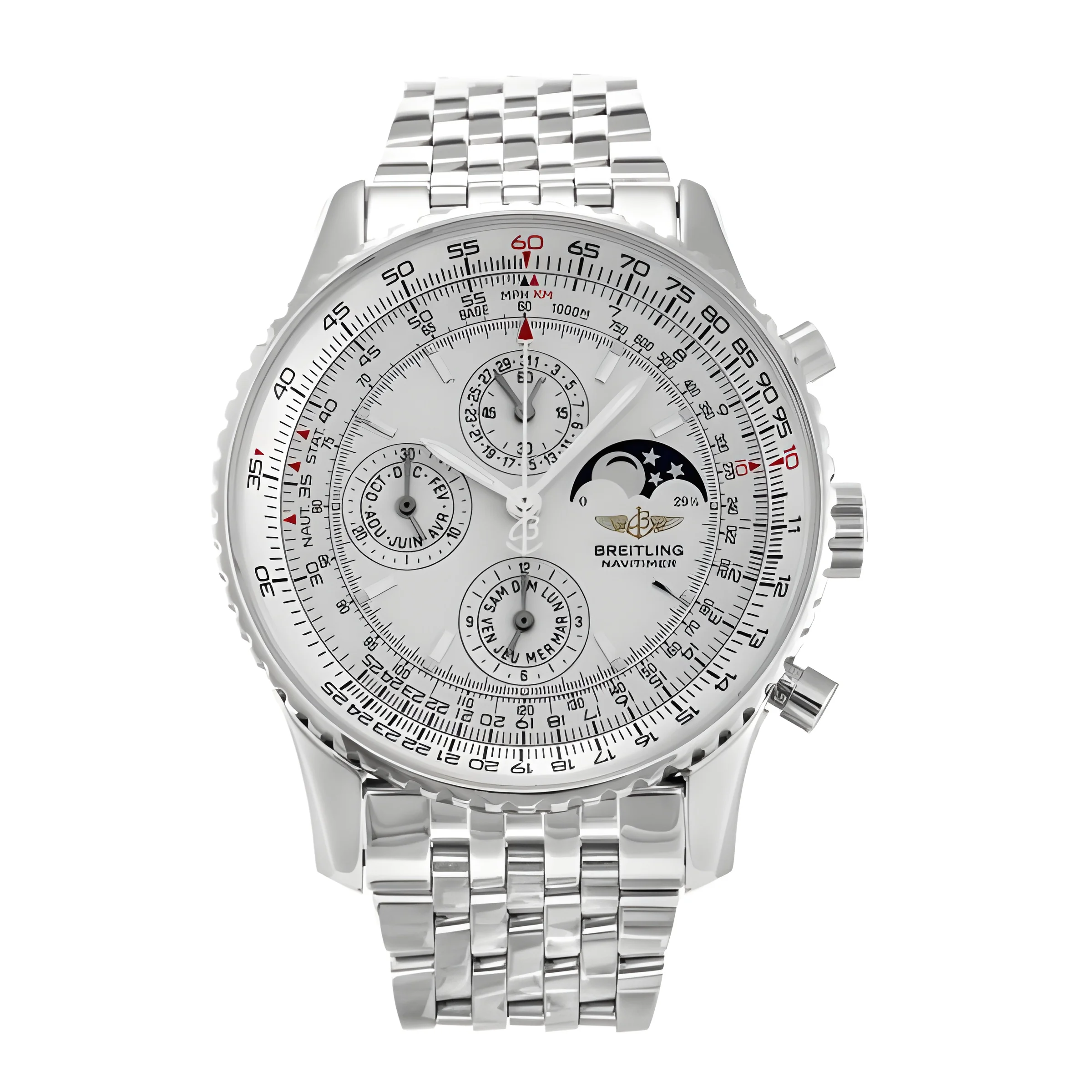
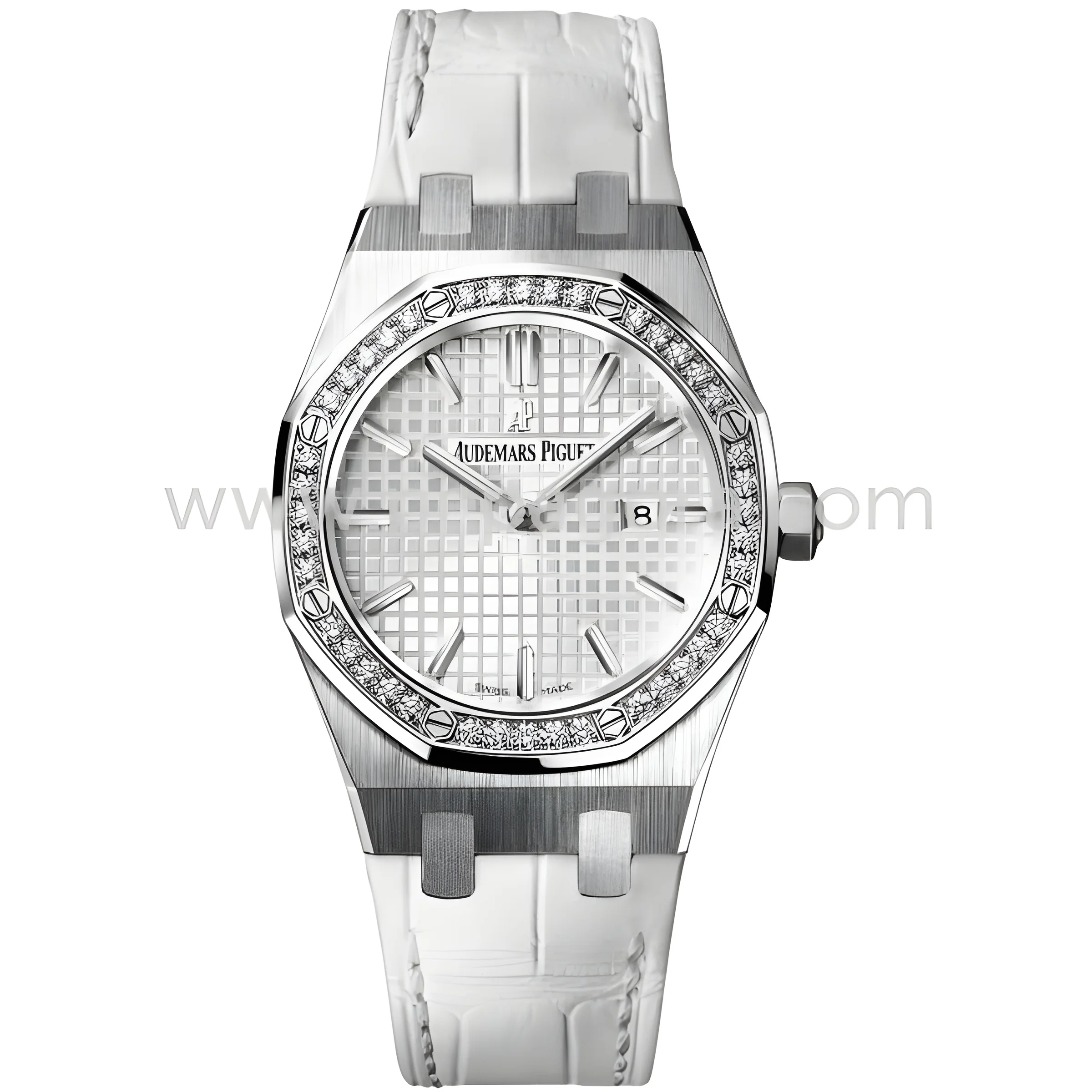
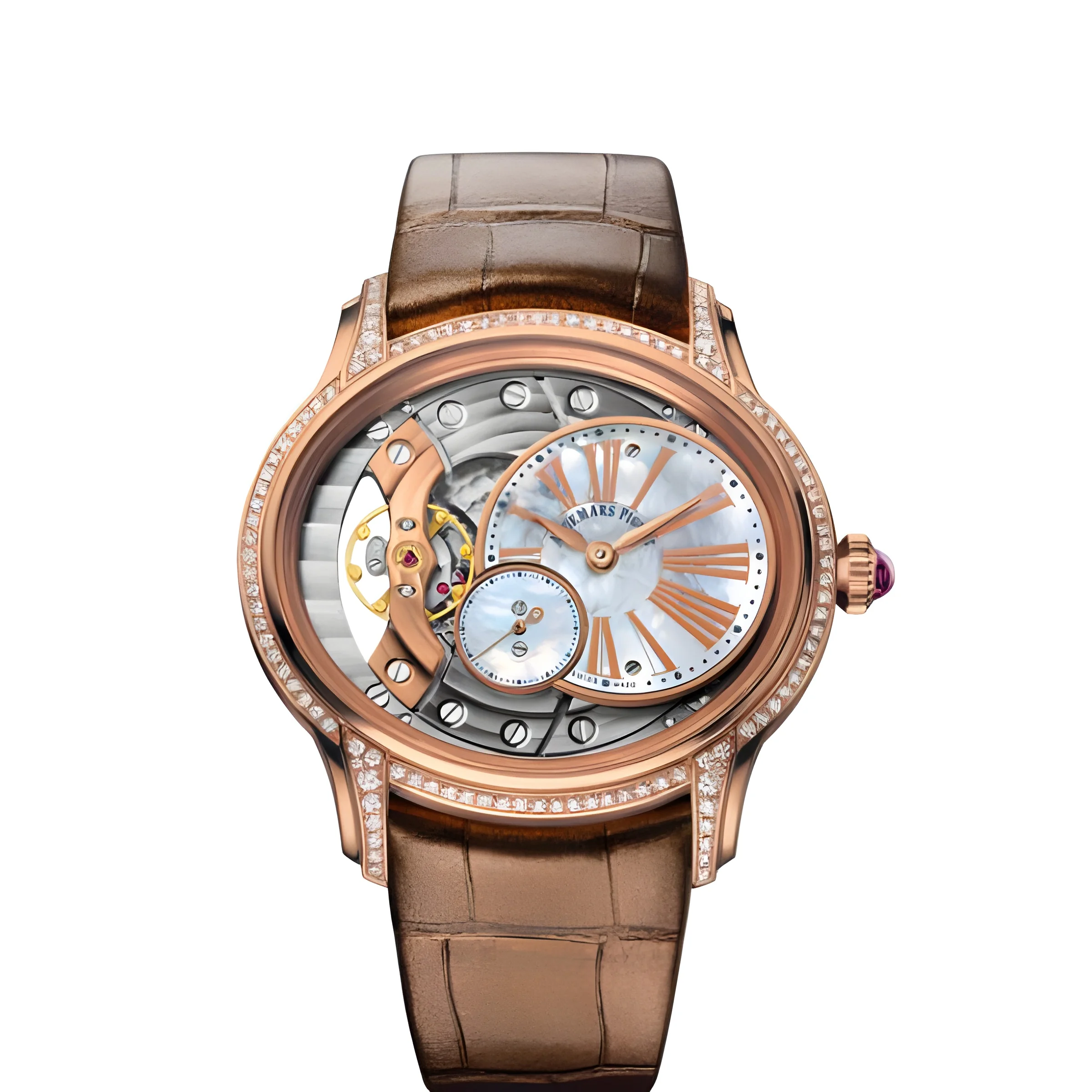
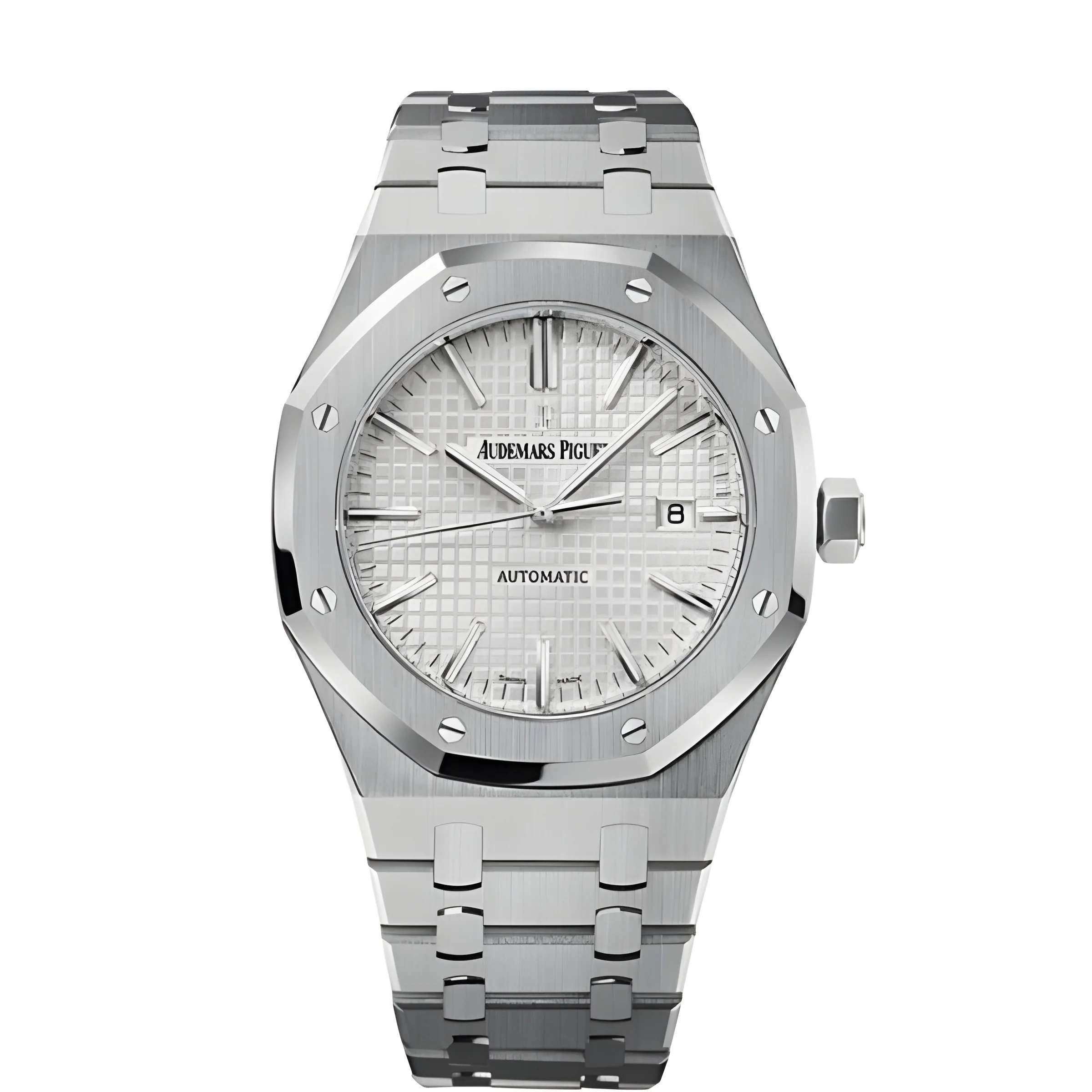
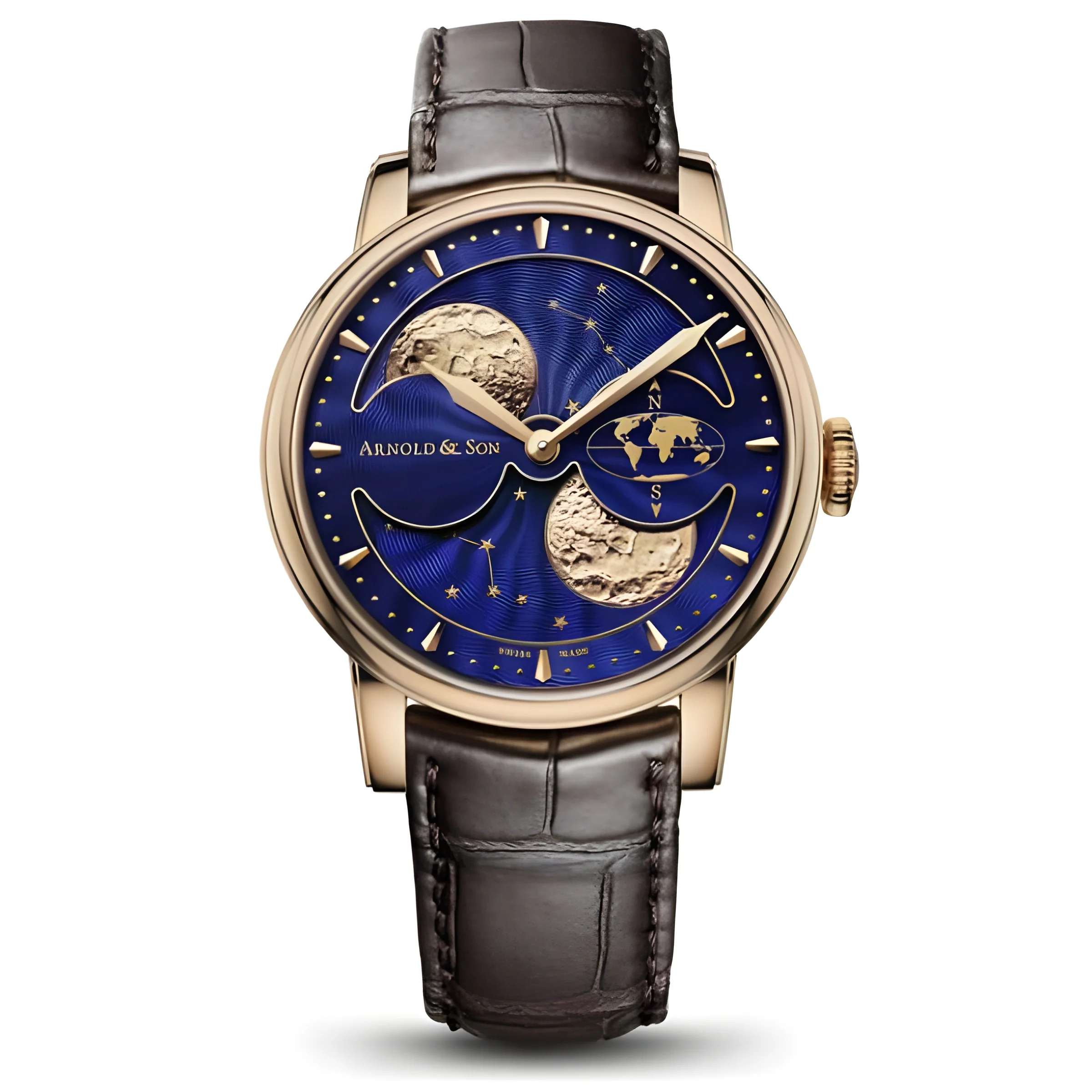
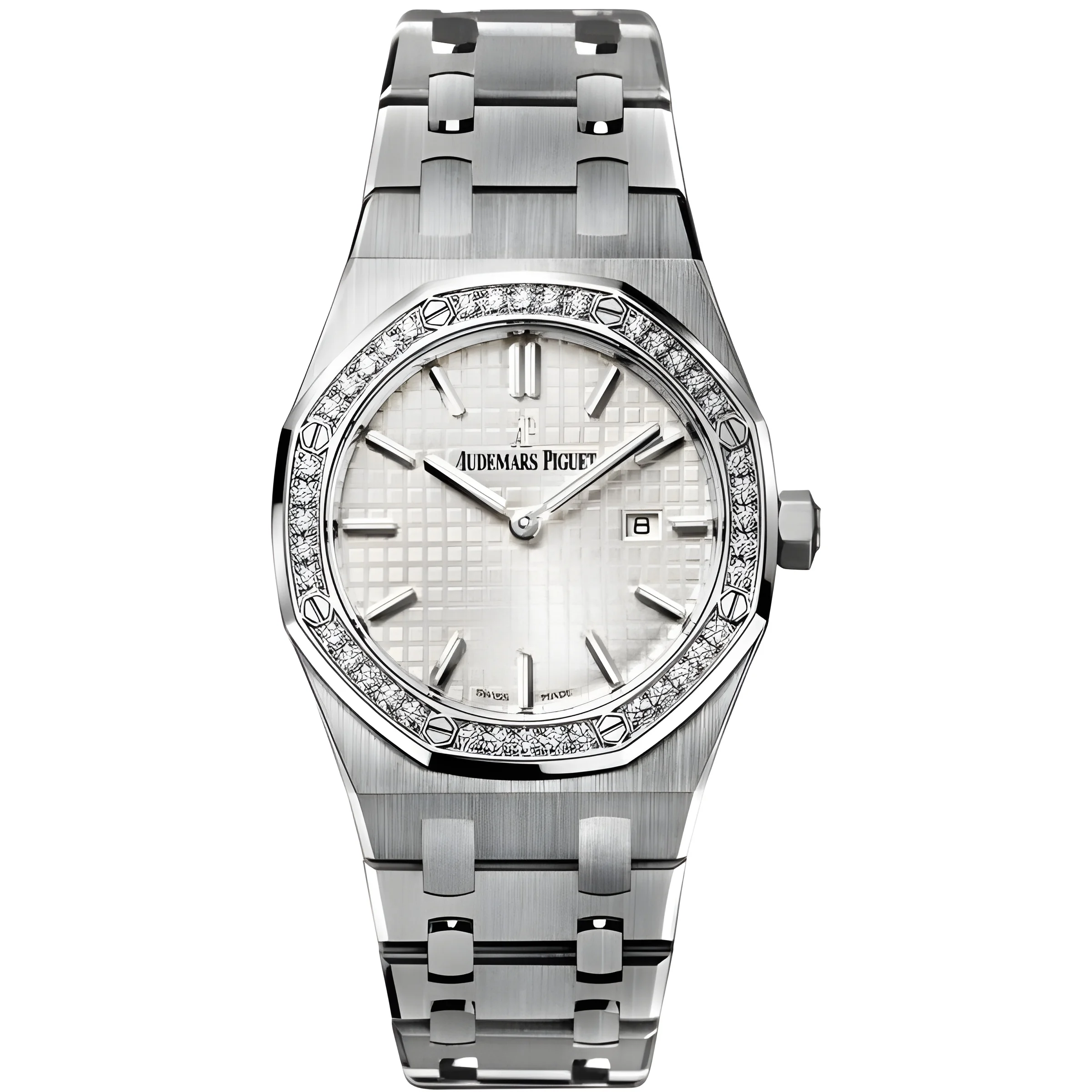
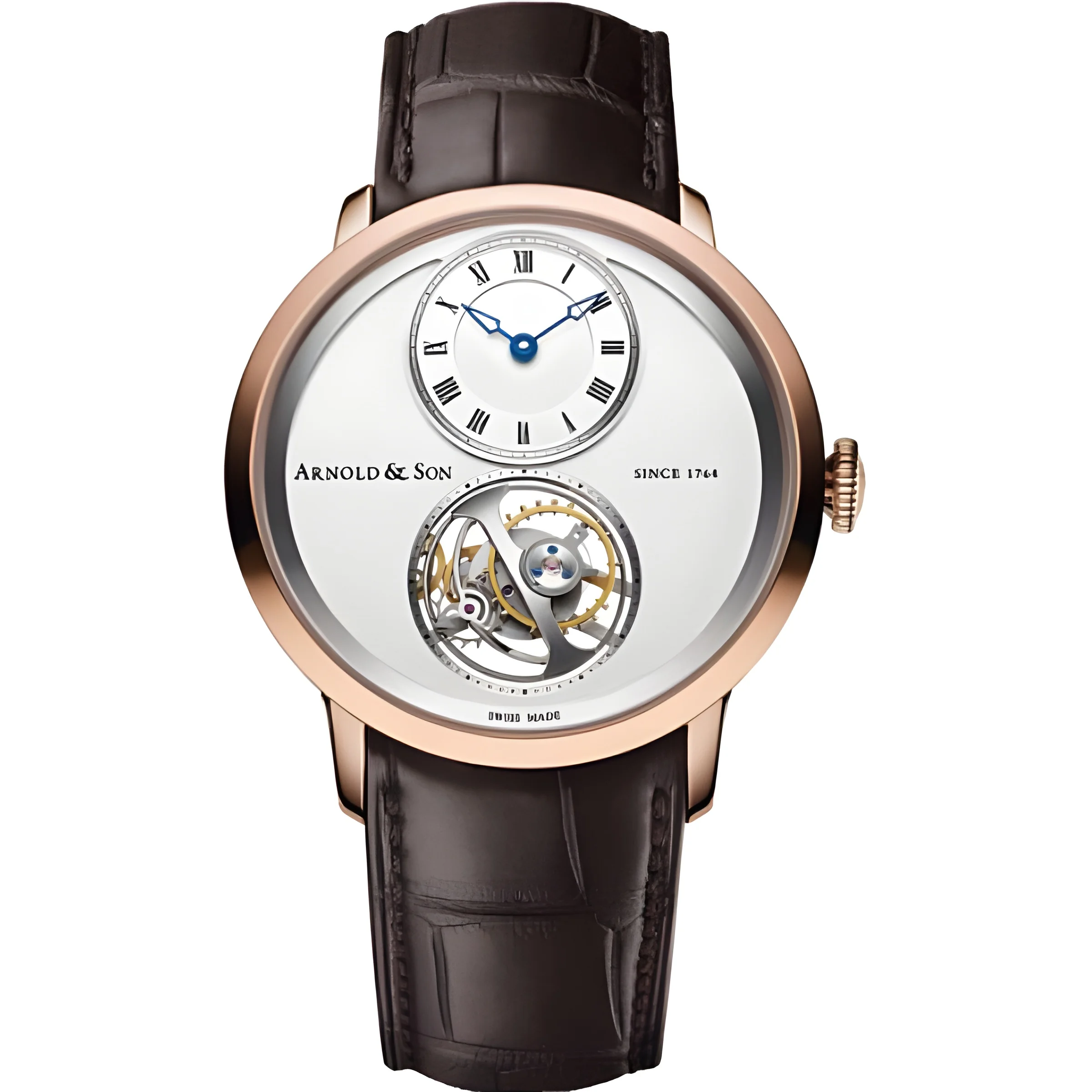
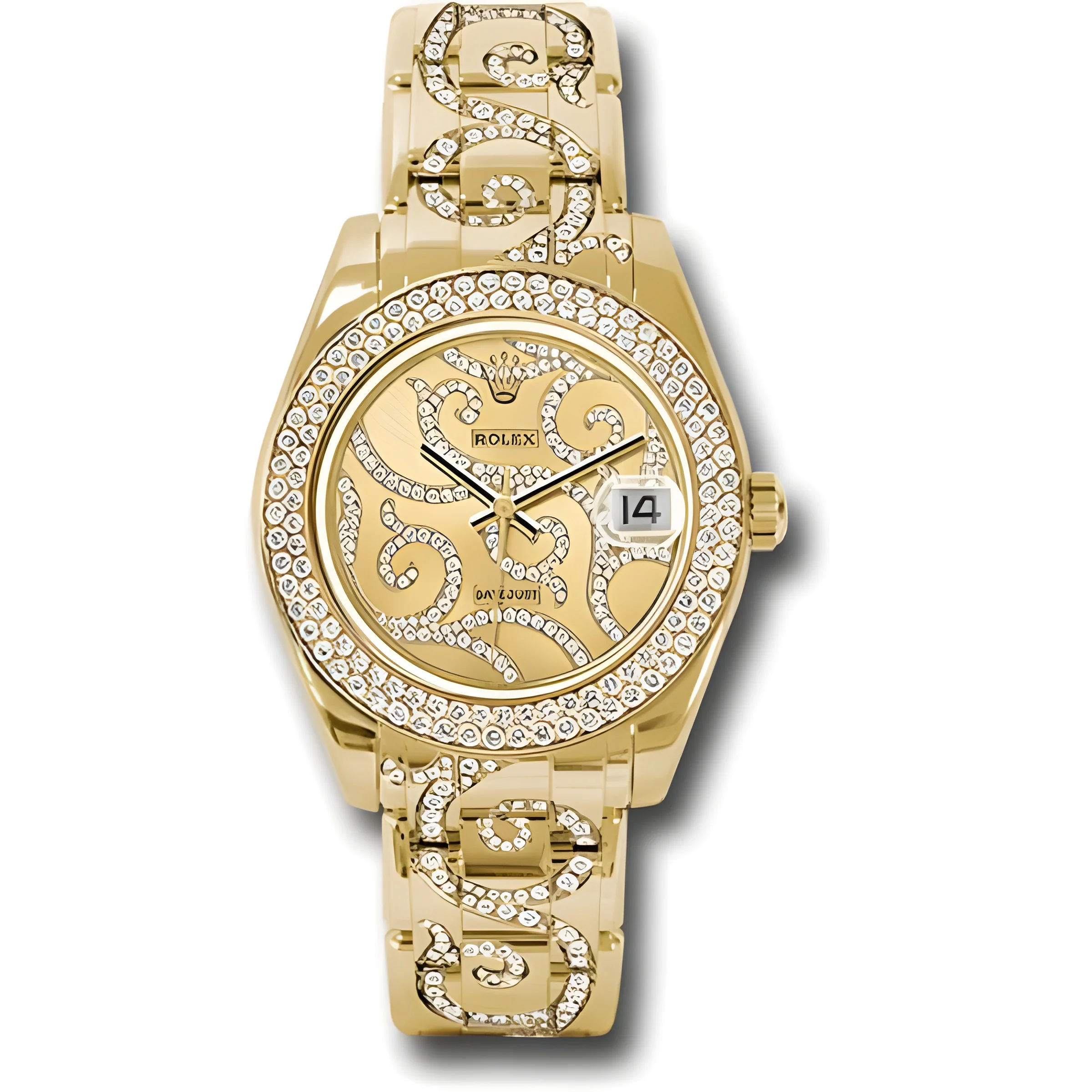
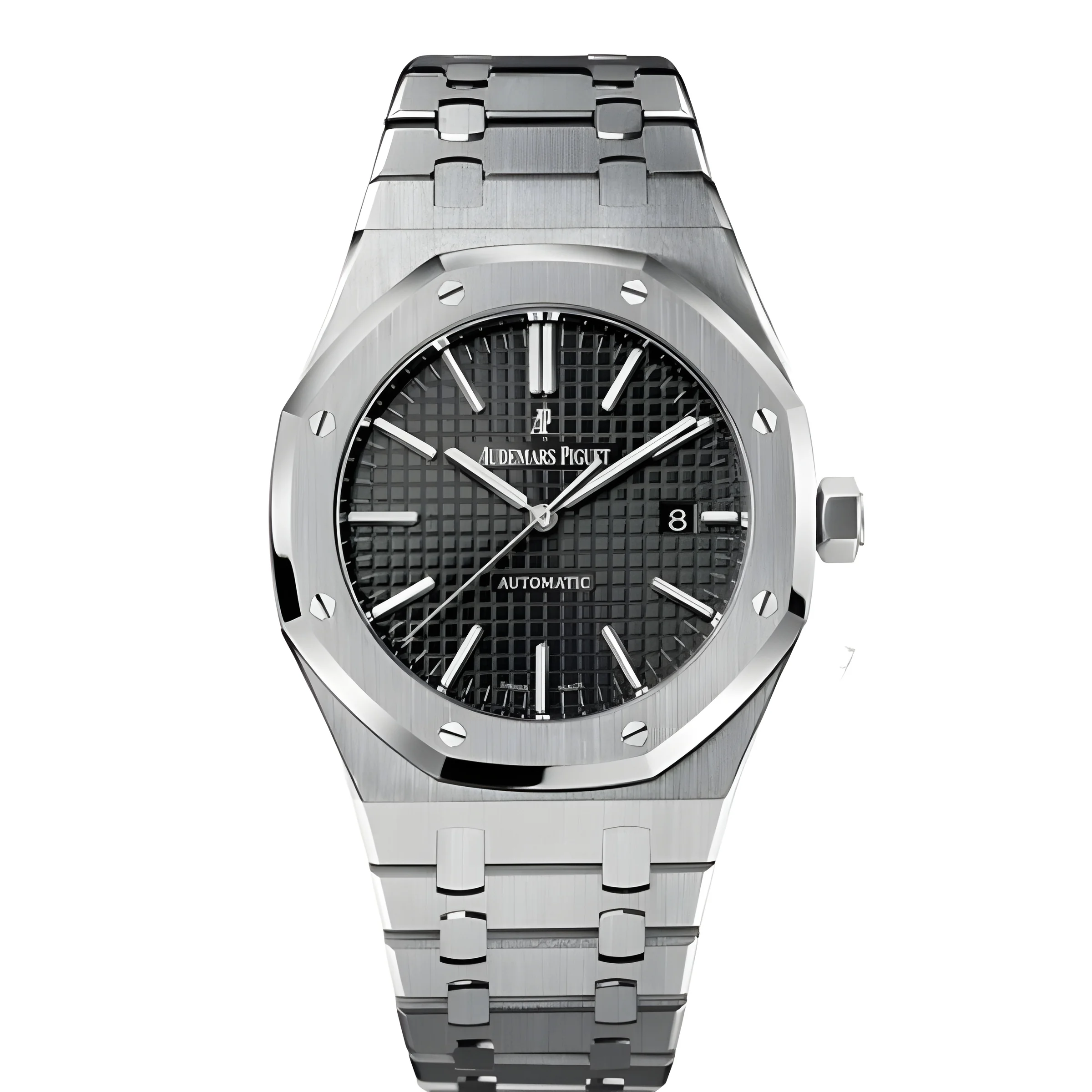
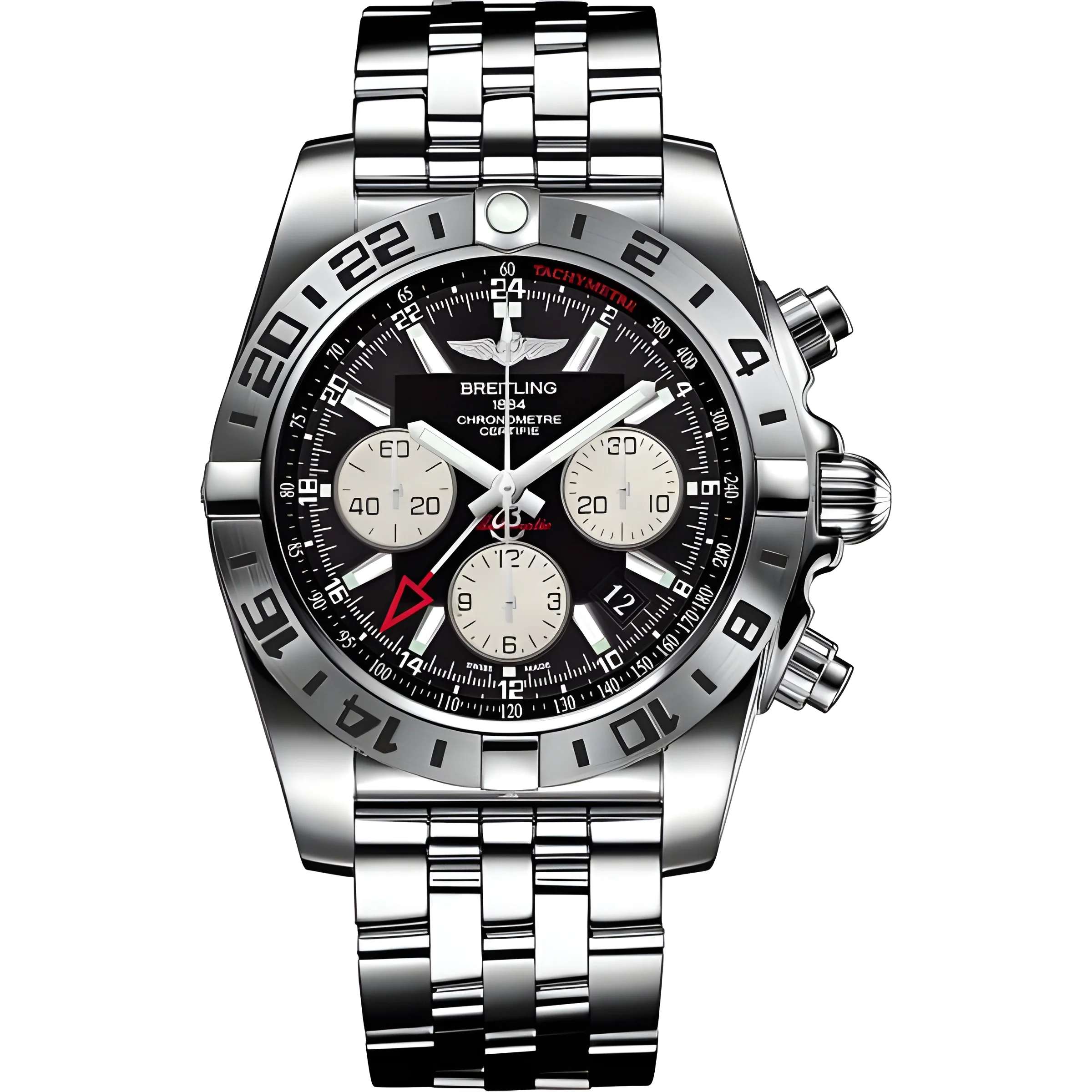
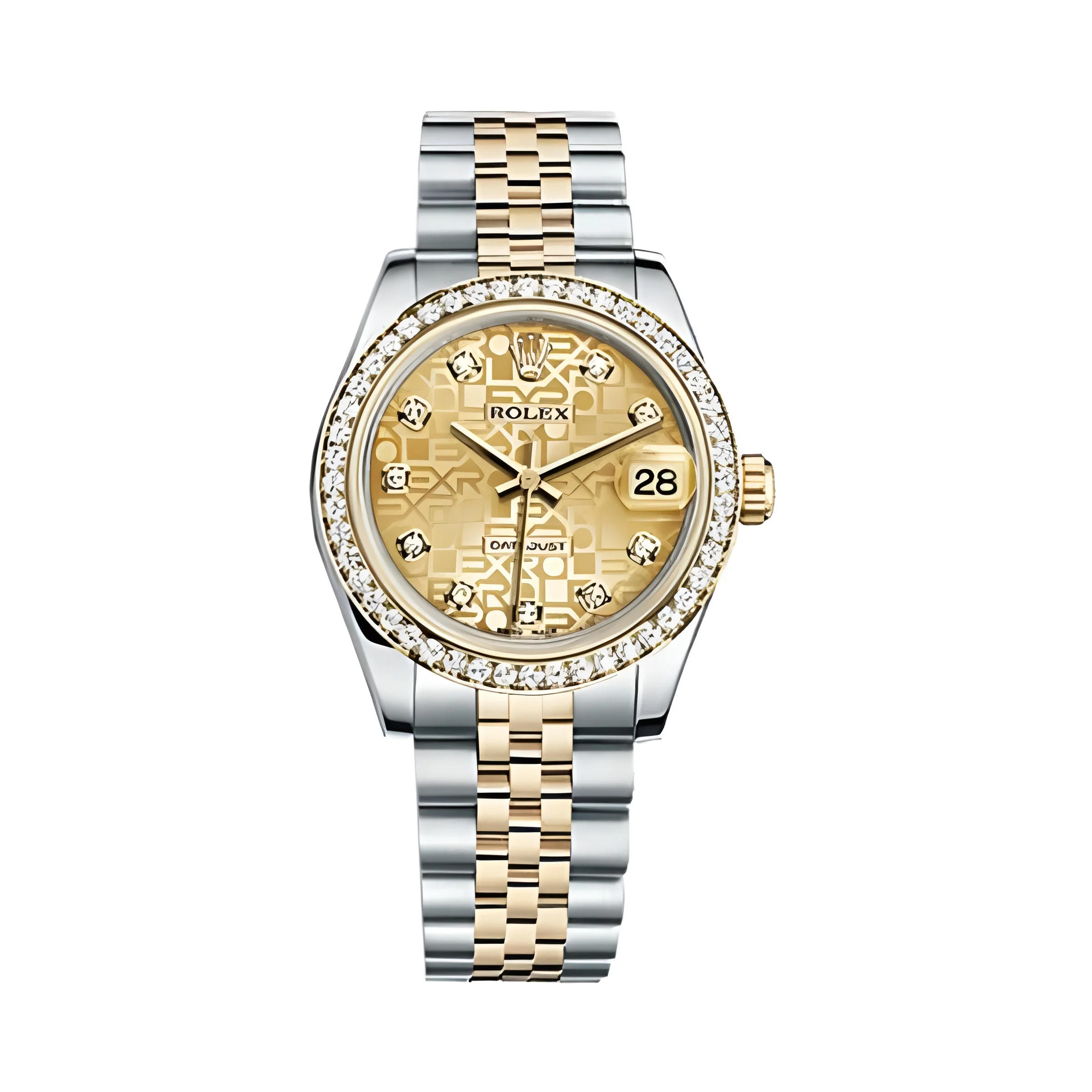
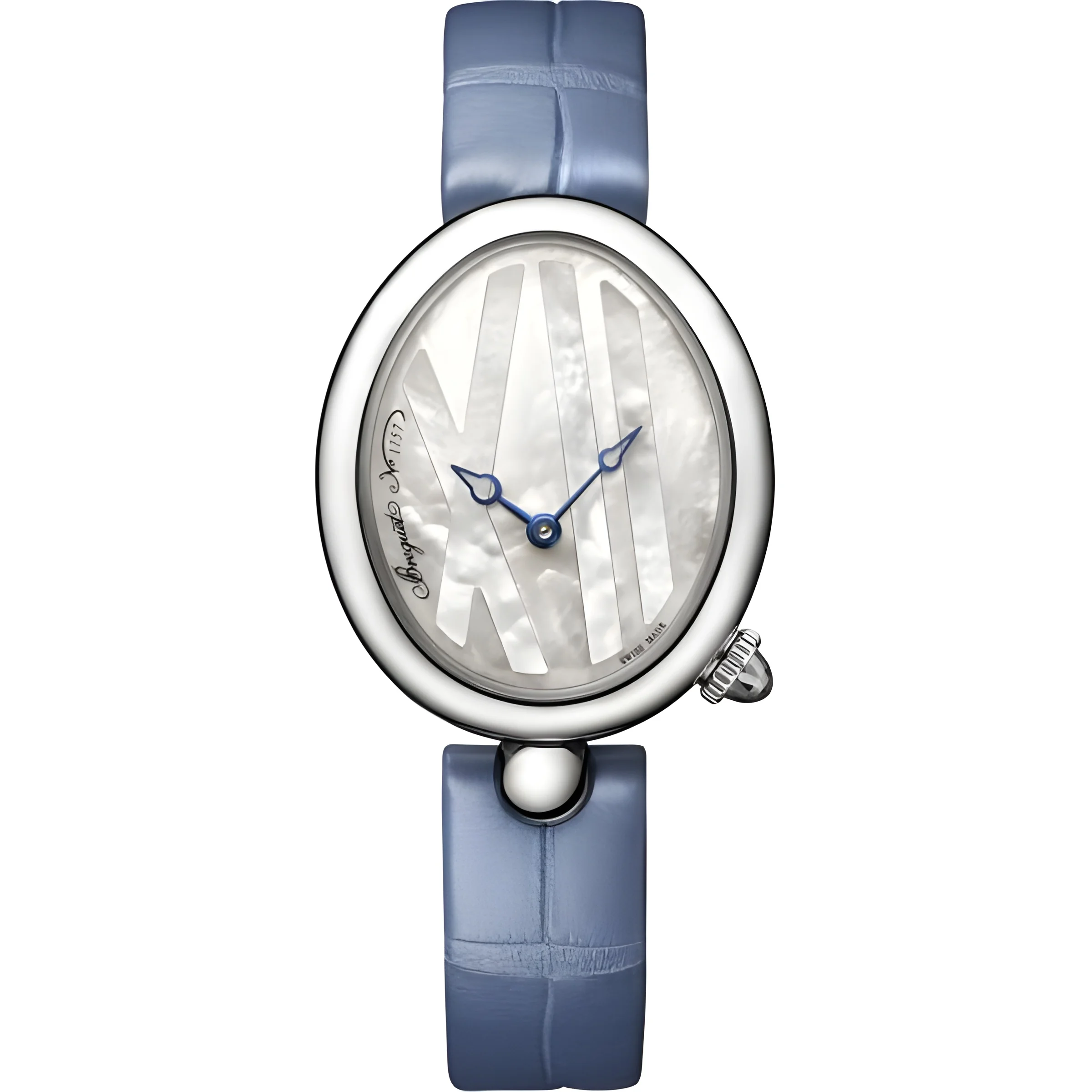
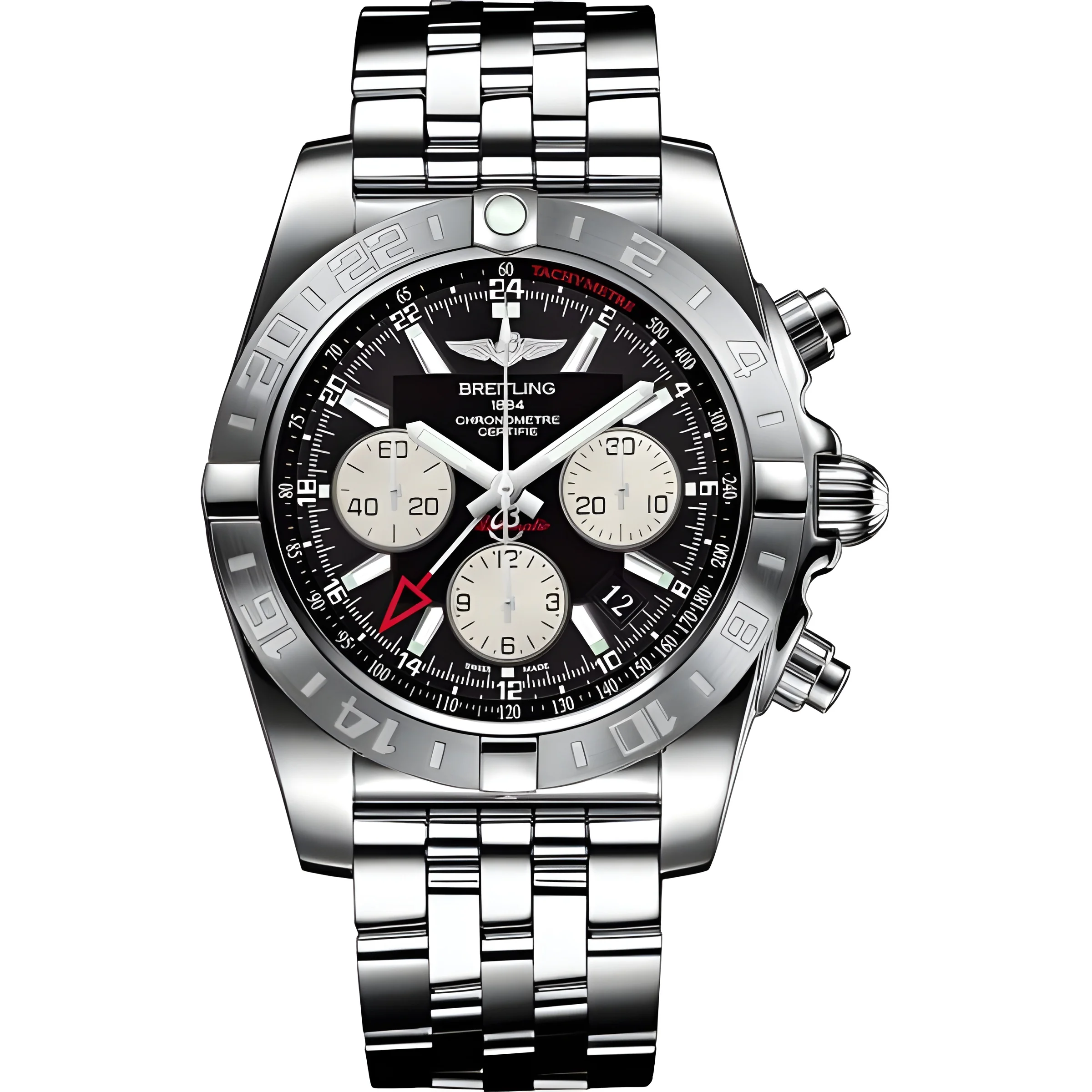
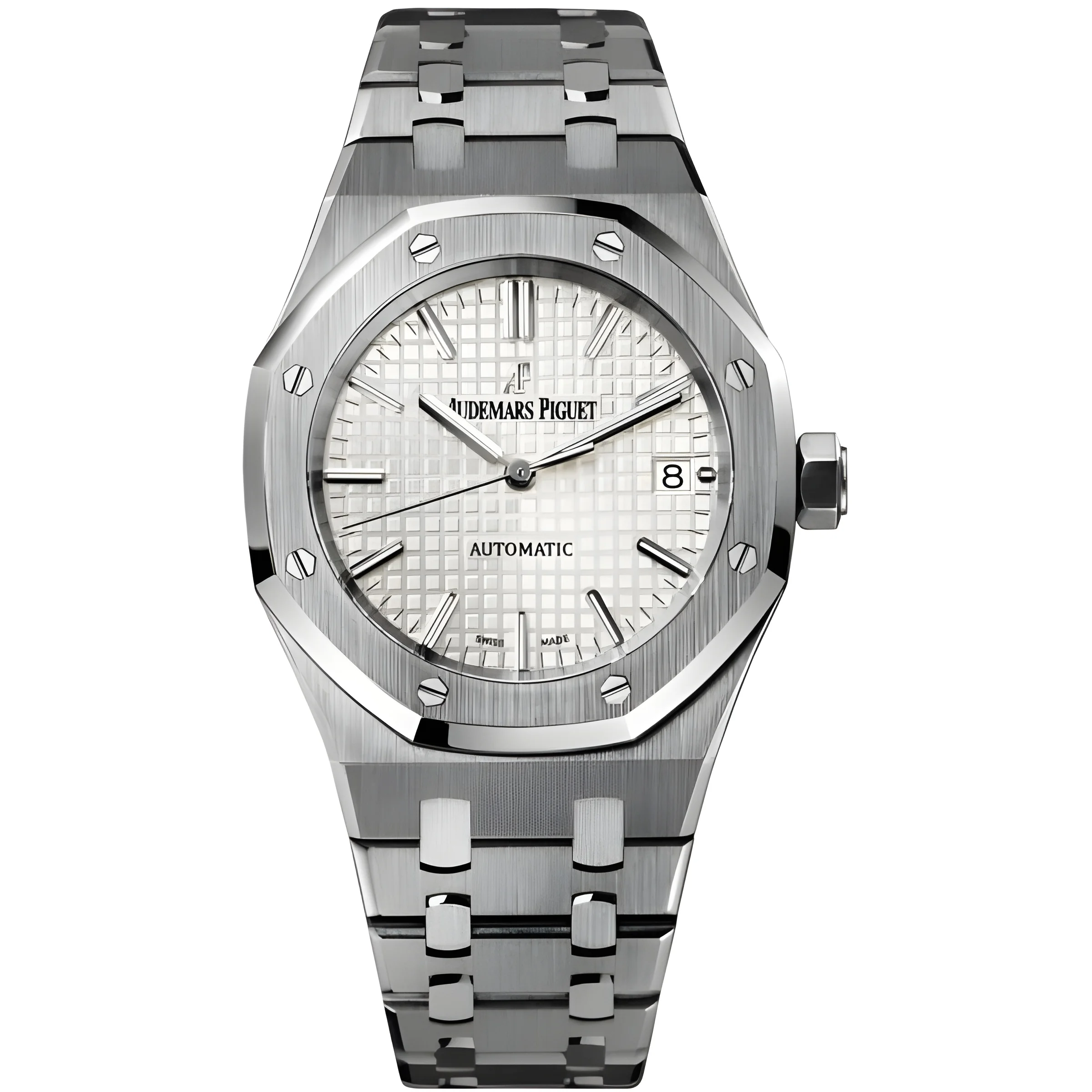
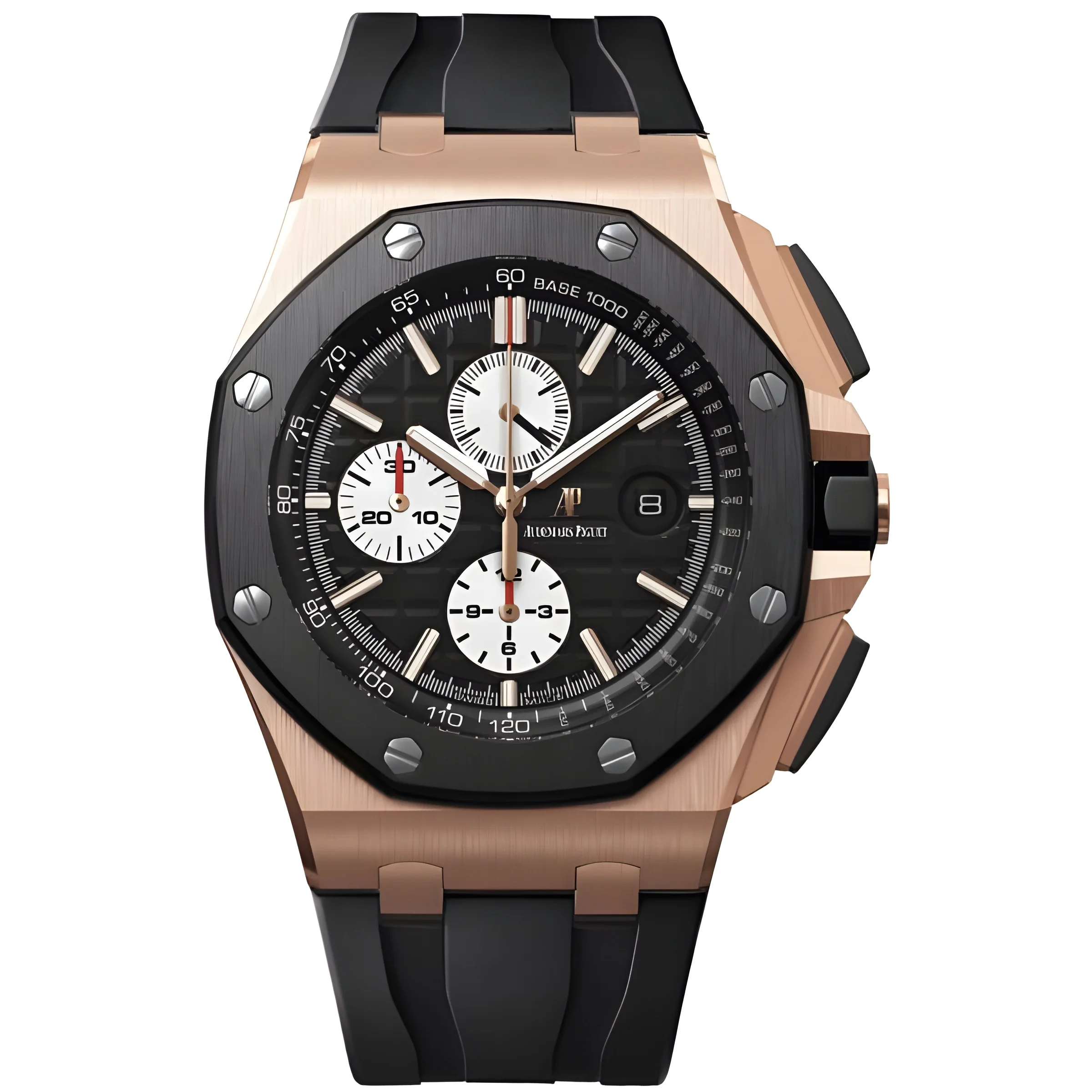
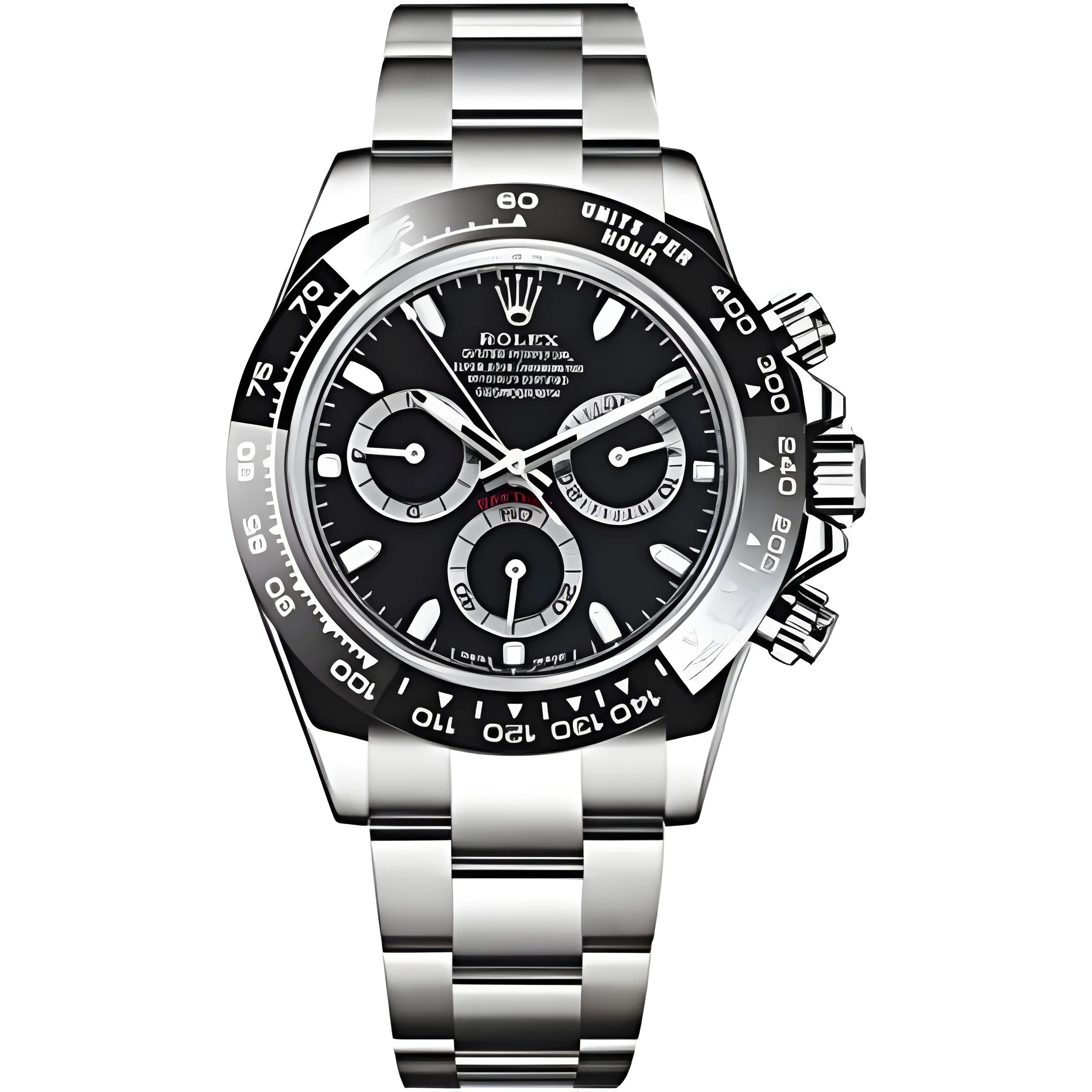
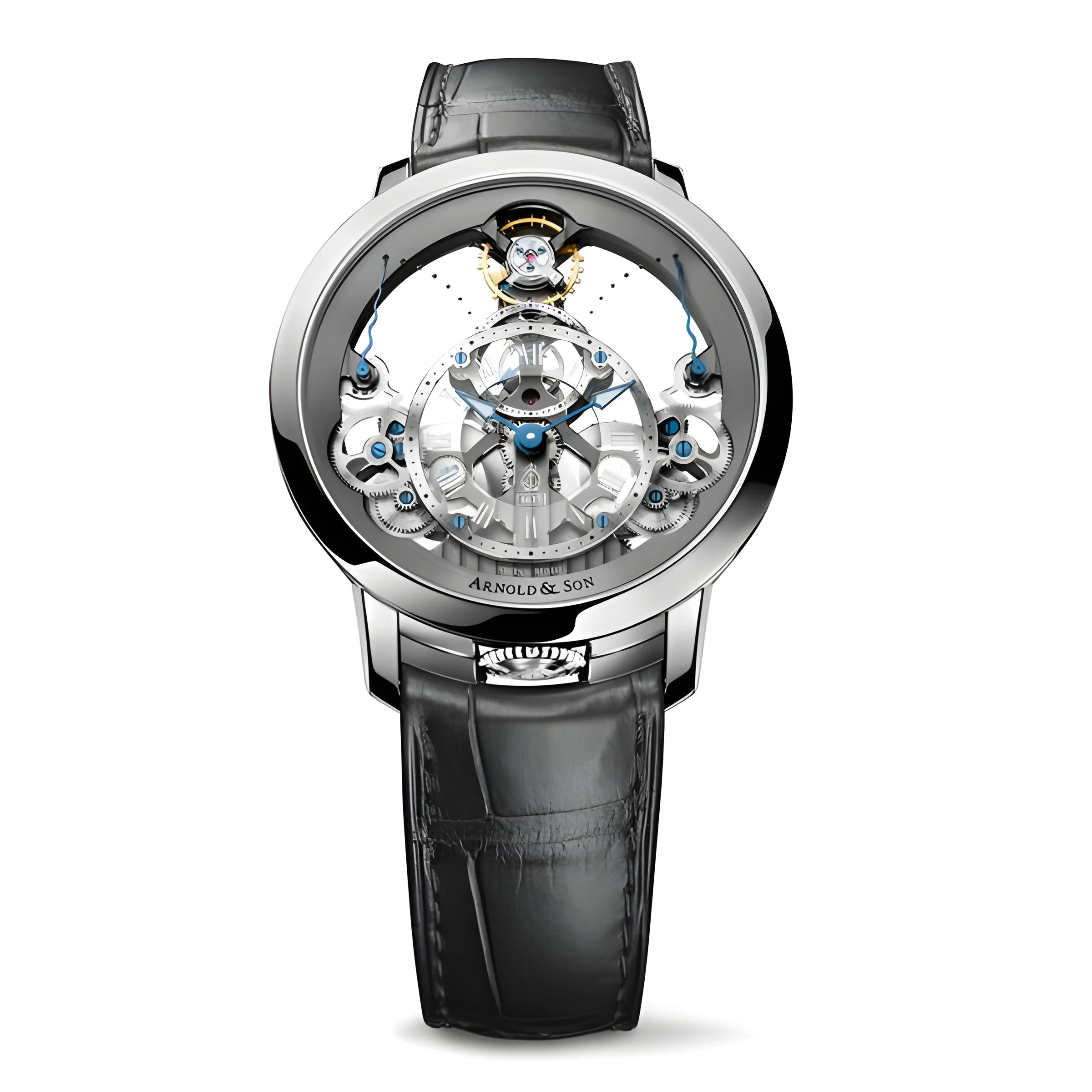
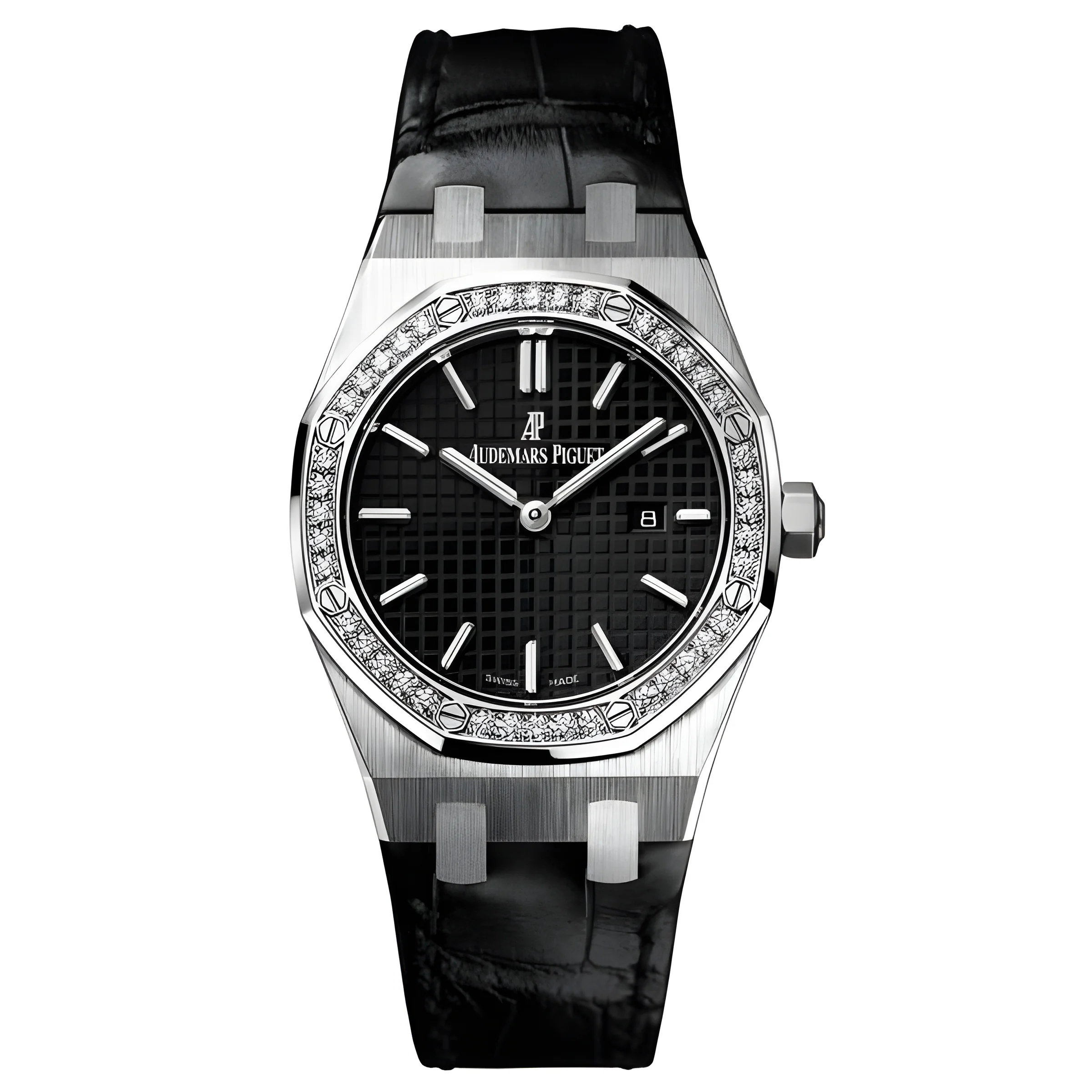
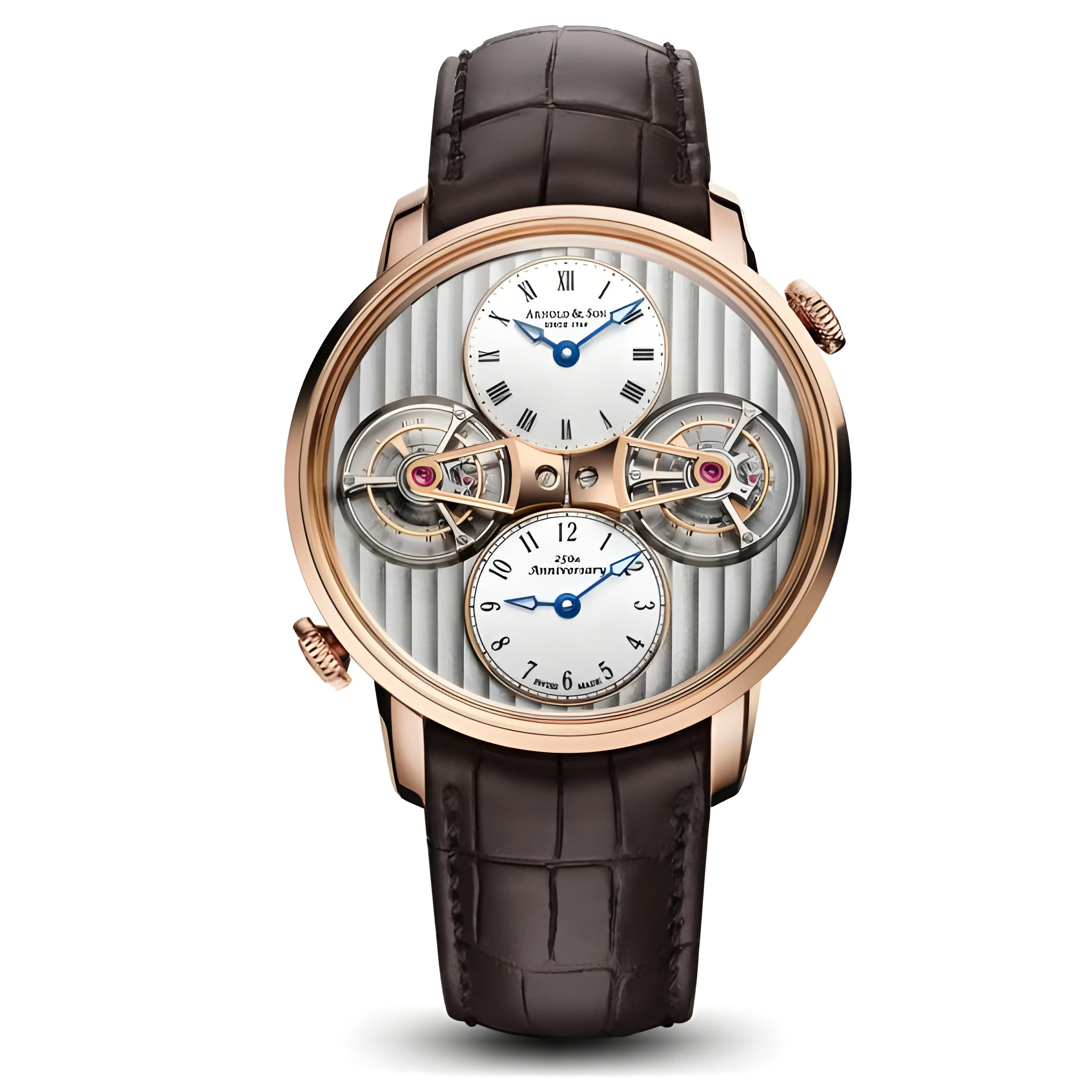
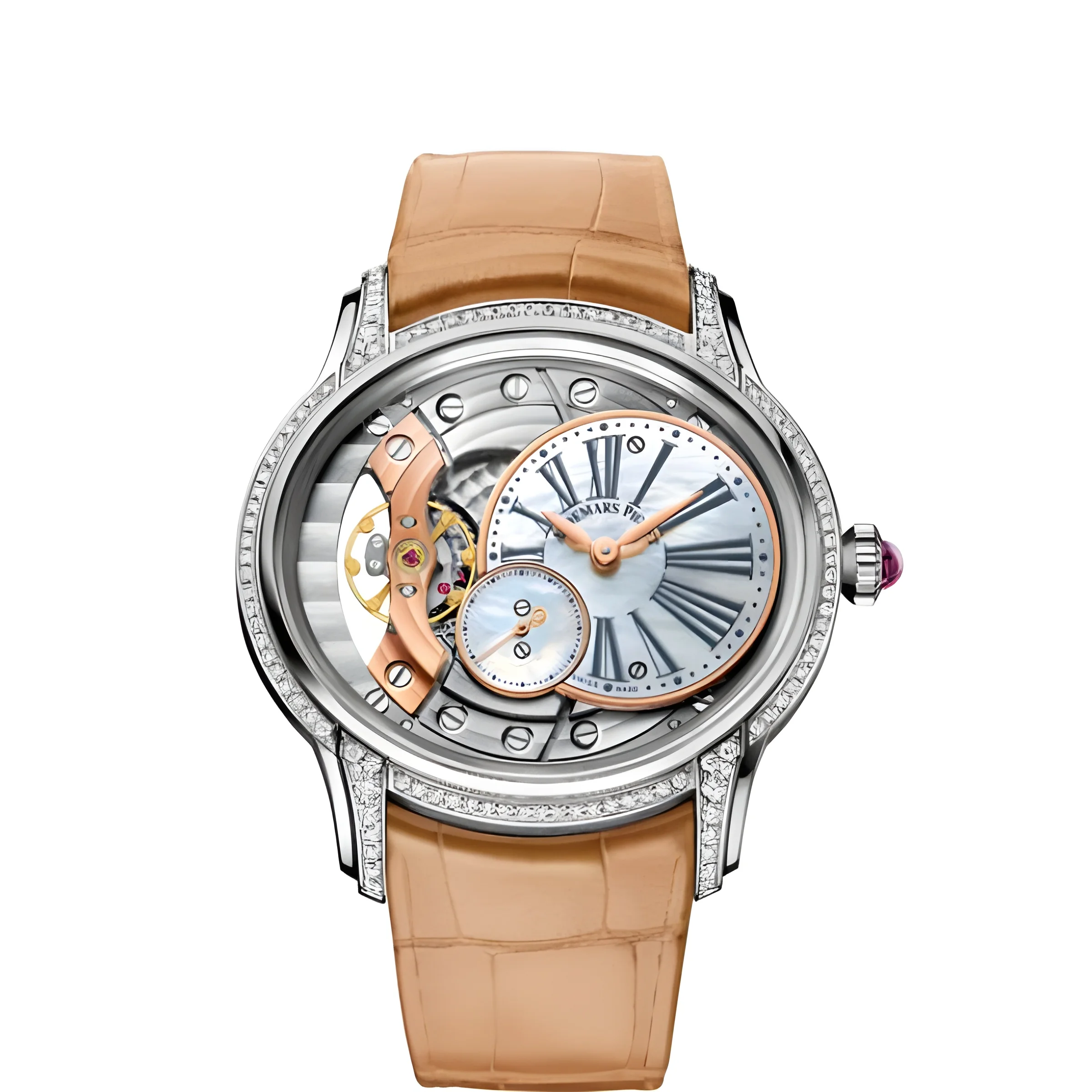
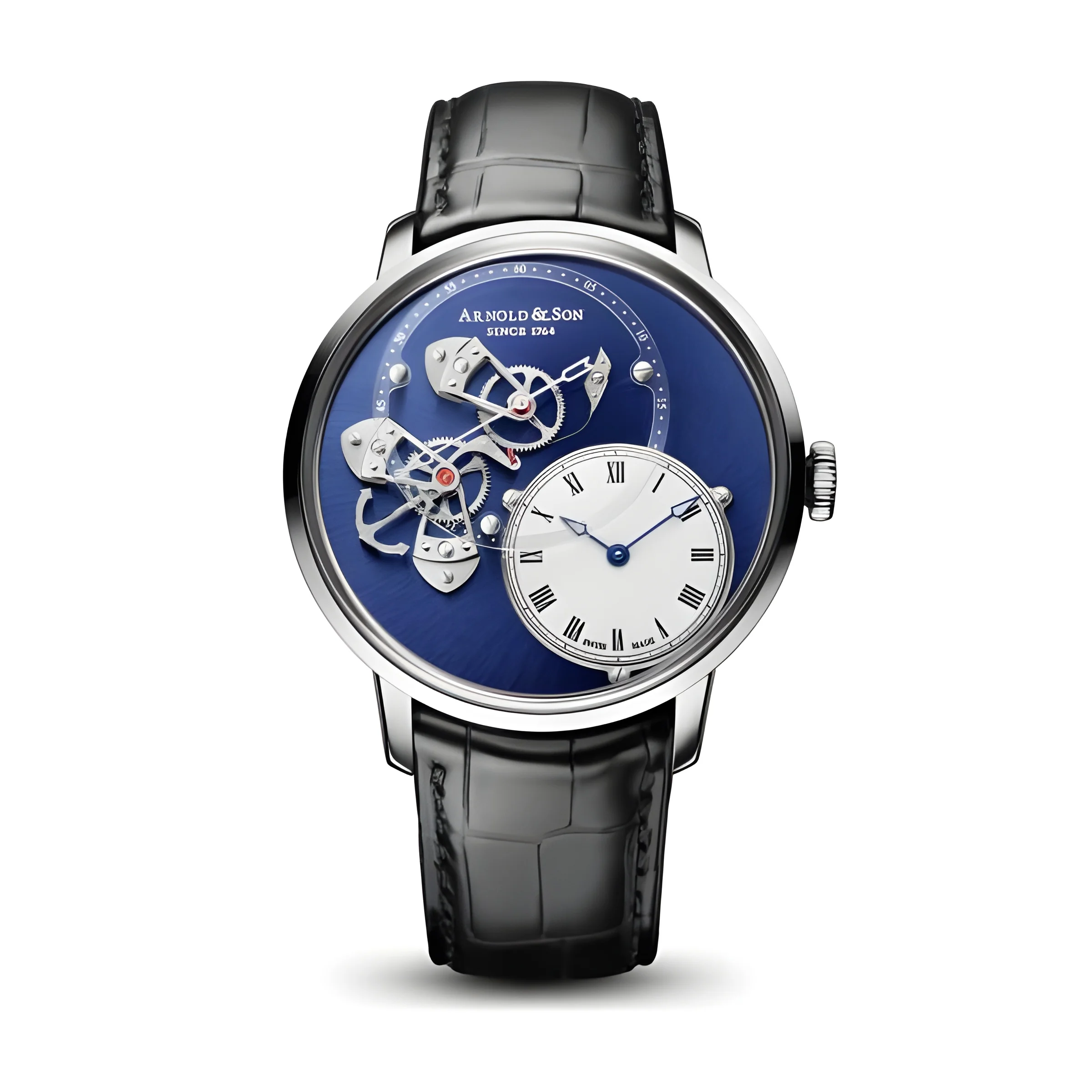
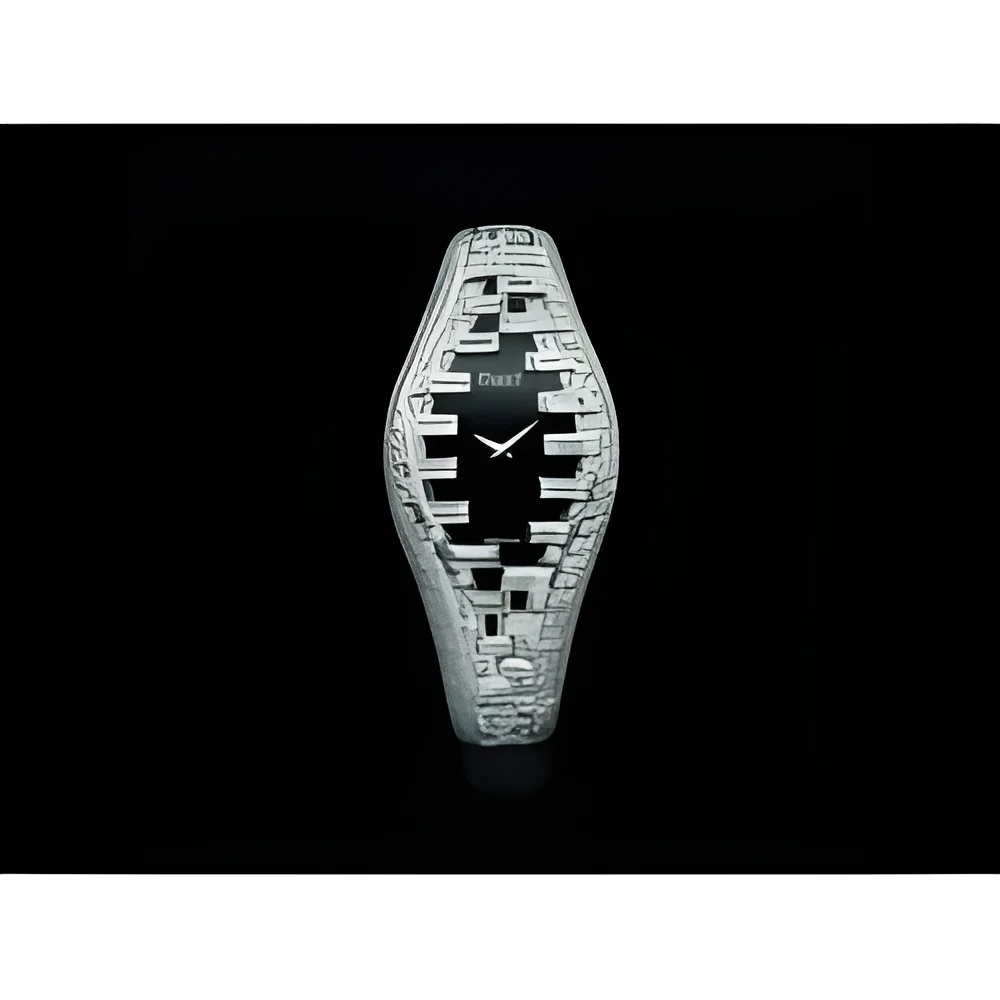
Smart wearables include fitness trackers and smartwatches that monitor health metrics and provide notifications. These devices are popular among health-conscious consumers and often feature activity tracking and heart rate monitoring.
Smart Home Devices
Smart home devices comprise products like smart speakers, thermostats, and security cameras that enhance home automation. These gadgets enable users to control various aspects of their home environment remotely, contributing to convenience and energy efficiency.
Portable Electronics
Portable electronics, such as wireless earbuds and portable chargers, offer on-the-go convenience for consumers. These gadgets are essential for individuals seeking functionality while traveling or commuting.
Home Health Devices
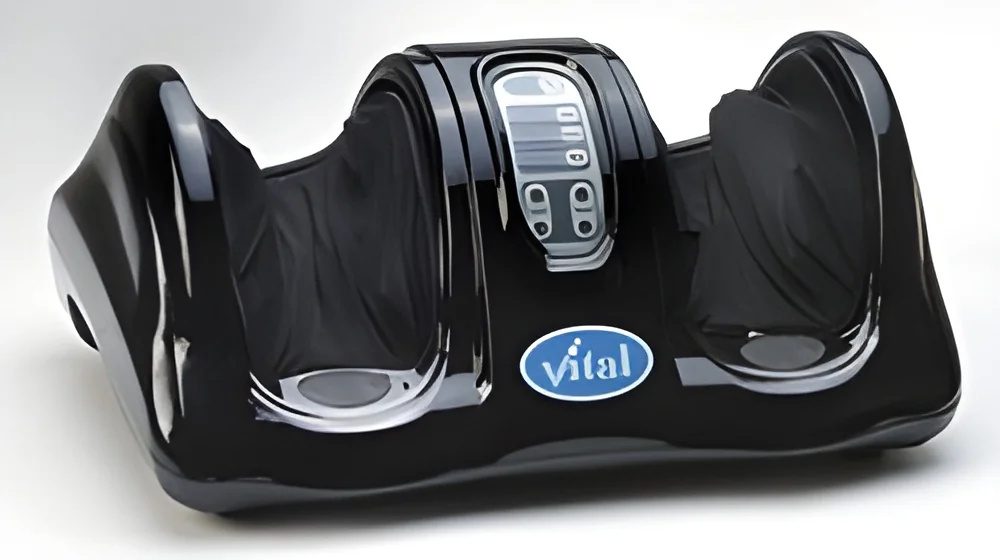
Devices such as smart scales and blood pressure monitors fall into the home health category. They enable users to track vital health information and manage their wellness conveniently.
𝗕𝗲𝗻𝗲𝗳𝗶𝘁𝘀 𝗮𝗻𝗱 𝗔𝗱𝘃𝗮𝗻𝘁𝗮𝗴𝗲𝘀
Lifestyle gadgets offer numerous benefits that can significantly enhance user experience and satisfaction.
1. Increased Convenience: Lifestyle gadgets streamline everyday tasks, allowing users to manage their time and activities more efficiently.
2. Enhanced Productivity: Many gadgets are designed to improve productivity in both personal and professional settings, helping users accomplish more in less time.
3. Health Monitoring: Health-focused gadgets provide valuable insights into users' health and wellness, encouraging healthier lifestyles through tracking and reminders.
4. Customization: Many lifestyle gadgets offer customization options, allowing users to tailor features and settings according to their preferences.
5. Connectivity: Gadgets with connectivity options enhance user experiences by allowing seamless integration with other devices and applications.
6. Energy Efficiency: Smart home gadgets contribute to energy savings by optimizing energy use, leading to reduced utility bills and a smaller environmental footprint.
𝗕𝘂𝘆𝗶𝗻𝗴 𝗚𝘂𝗶𝗱𝗲 𝗳𝗼𝗿 𝗕𝟮𝗕 𝗕𝘂𝘆𝗲𝗿𝘀
When sourcing lifestyle gadgets, businesses should consider several critical factors to ensure they make informed purchasing decisions.
1. Quality Assessment: Evaluating the quality of lifestyle gadgets is crucial. Buyers should look for manufacturers that meet industry standards and offer warranties or guarantees.
2. Supplier Verification: It is essential to vet suppliers thoroughly. This includes checking references, reviewing company reputation, and ensuring they have a track record of reliability and quality.
3. Pricing and MOQ: Understanding the pricing structure and minimum order quantities is vital for budget management. Businesses should compare costs across multiple suppliers to find the best value.
4. Delivery and Lead Times: Logistics play a significant role in sourcing. Buyers should inquire about delivery schedules and lead times to ensure timely availability of products.
5. Compliance Requirements: Familiarity with relevant compliance and regulatory requirements is essential. Buyers should ensure that products meet industry standards and certifications to avoid legal issues.
𝗖𝗼𝗺𝗽𝗹𝗶𝗮𝗻𝗰𝗲 𝗮𝗻𝗱 𝗖𝗲𝗿𝘁𝗶𝗳𝗶𝗰𝗮𝘁𝗶𝗼𝗻𝘀
In the lifestyle gadgets industry, compliance with quality standards and certifications is crucial for ensuring product safety and reliability.
ISO 9001 is a key quality management standard that many manufacturers aim to meet. This certification demonstrates a commitment to quality in production processes, enhancing consumer trust.
Additionally, CE certification is essential for gadgets sold in the European market. This certification indicates that products meet safety, health, and environmental protection standards established by the European Union.
Manufacturers should also adhere to safety and testing requirements that ensure gadgets are safe for consumer use. This includes rigorous testing for electrical safety and performance reliability.
Regional compliance considerations may vary, impacting how lifestyle gadgets are marketed and sold in different geographic areas. Businesses should be aware of these regulations to ensure compliance and avoid potential penalties.
𝗪𝗵𝘆 𝗦𝗼𝘂𝗿𝗰𝗲 𝗟𝗶𝗳𝗲𝘀𝘁𝘆𝗹𝗲 𝗚𝗮𝗱𝗴𝗲𝘁𝘀 𝗳𝗿𝗼𝗺 𝗣𝗲𝗽𝗮𝗴𝗼𝗿𝗮?
Pepagora provides a trusted platform for sourcing lifestyle gadgets, offering several key advantages for B2B buyers.
Verified Supplier Network: Pepagora has a robust network of verified suppliers, ensuring that businesses can find reliable partners for their gadget sourcing needs. This network enhances trust and reduces the risk of purchasing substandard products.
Streamlined RFQ Process: The platform simplifies the request for quotation (RFQ) process, making it easy for buyers to compare prices and product offerings from multiple suppliers. This efficiency can lead to better purchasing decisions.
Trade Assurance and Support: Pepagora offers trade assurance, protecting buyers throughout the purchasing process. This includes support for resolving disputes and ensuring timely delivery of quality products.
Regional Coverage: With a geographic reach spanning India, the GCC, and Southeast Asia, Pepagora connects buyers with suppliers across diverse markets. This coverage provides businesses with access to a wide range of lifestyle gadgets tailored to various regional preferences.

 IN
IN