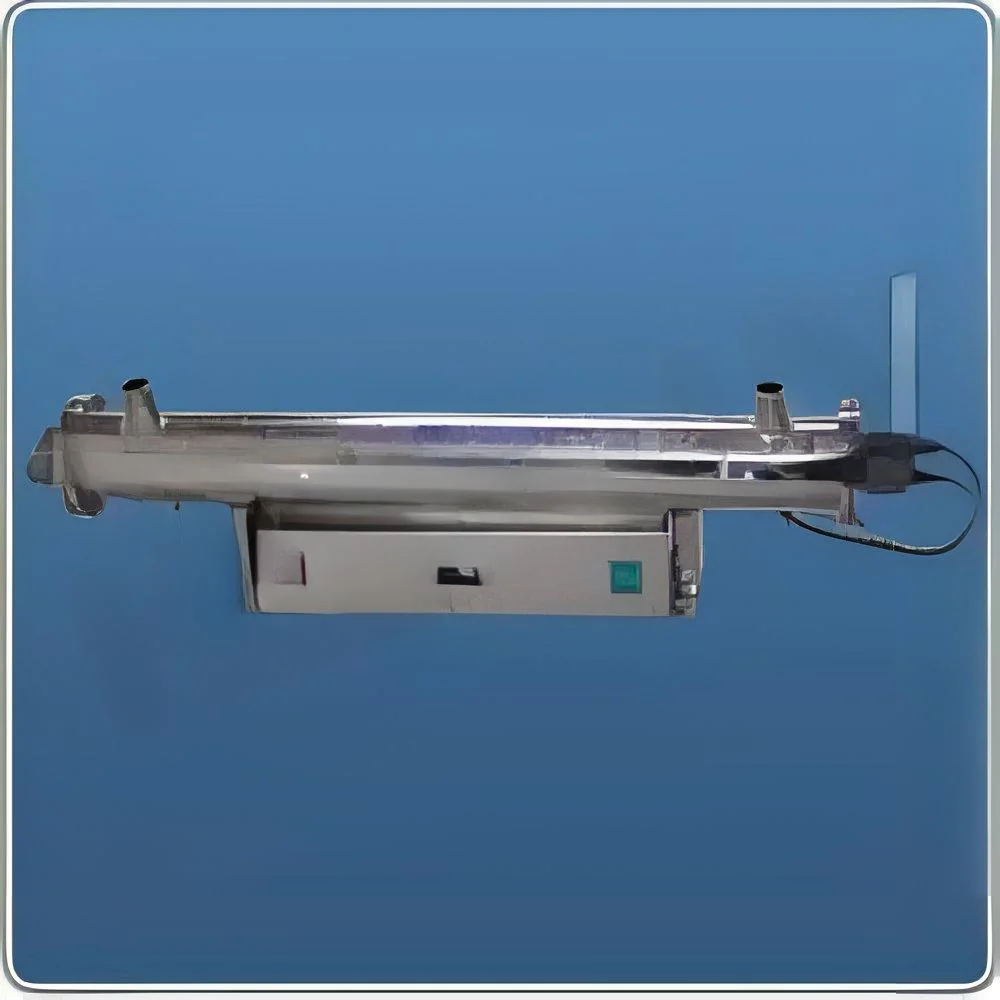
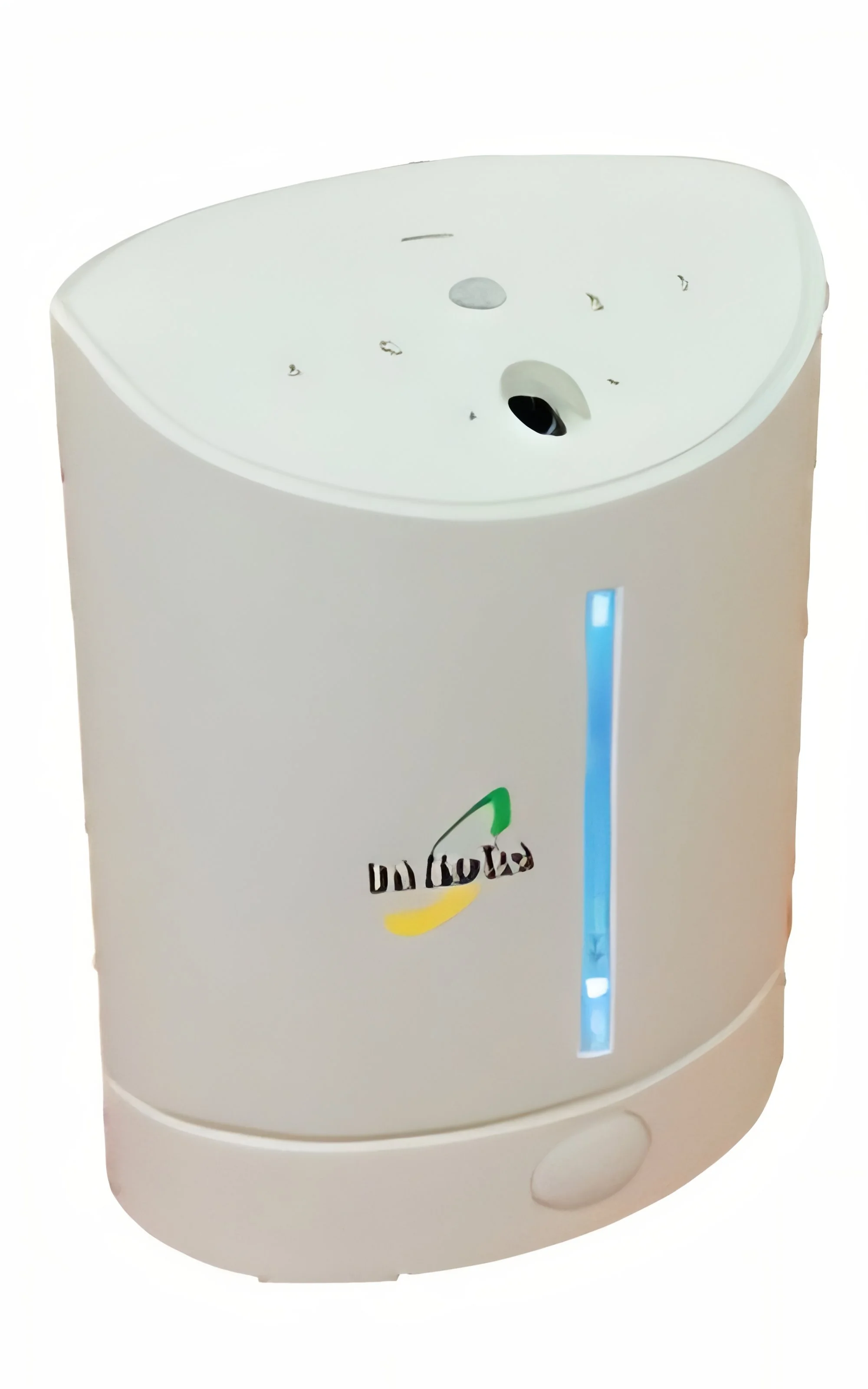
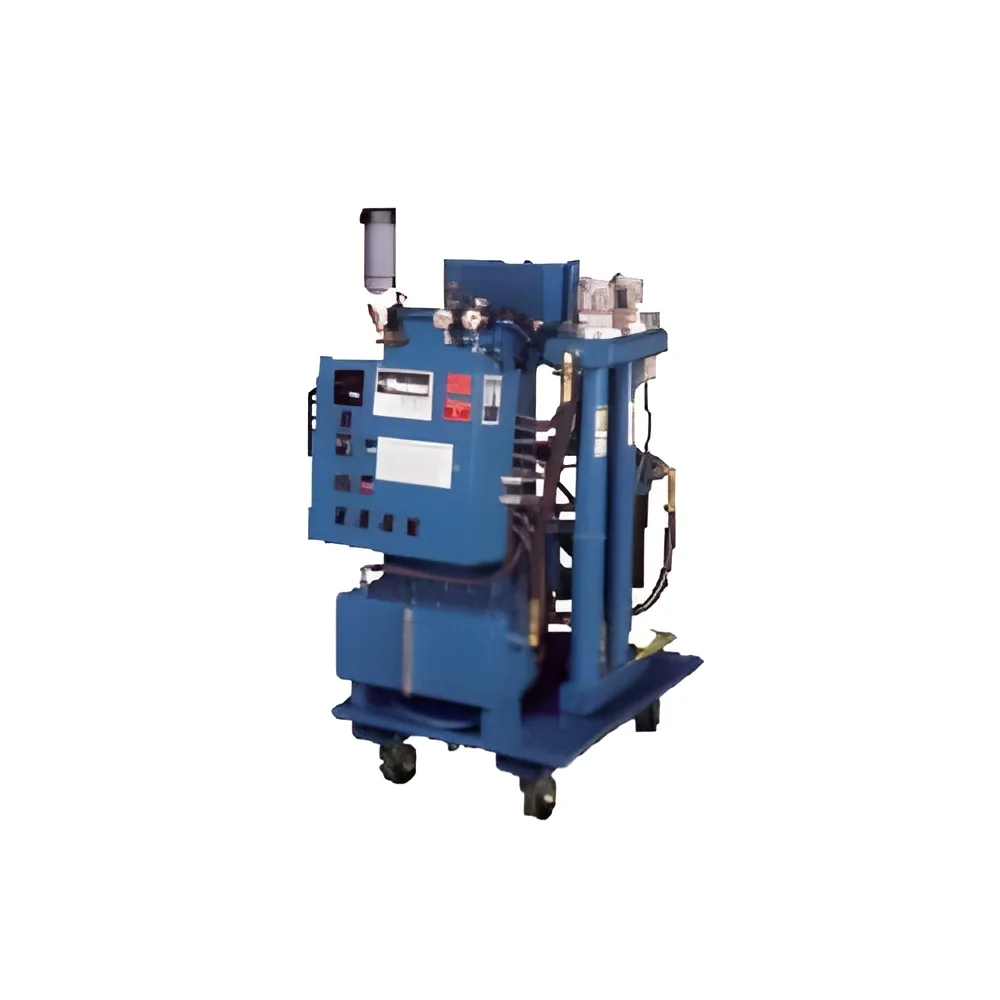
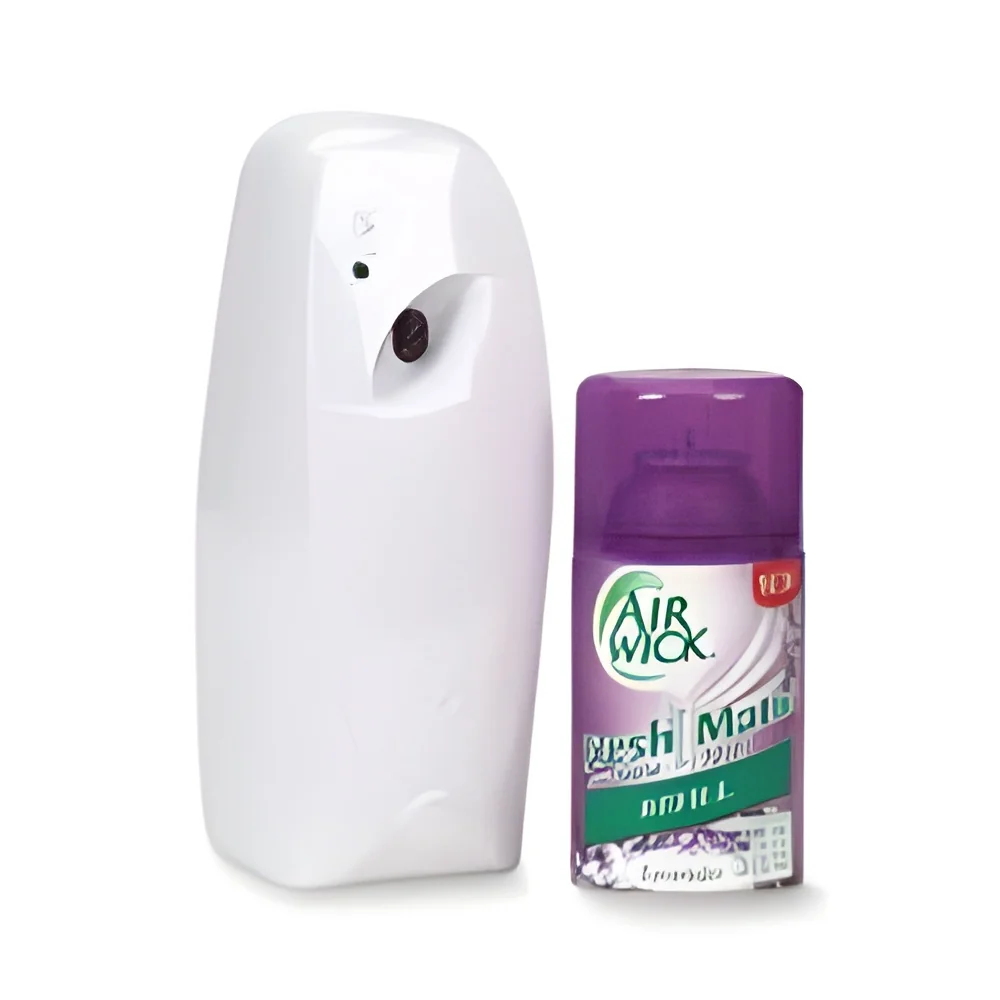
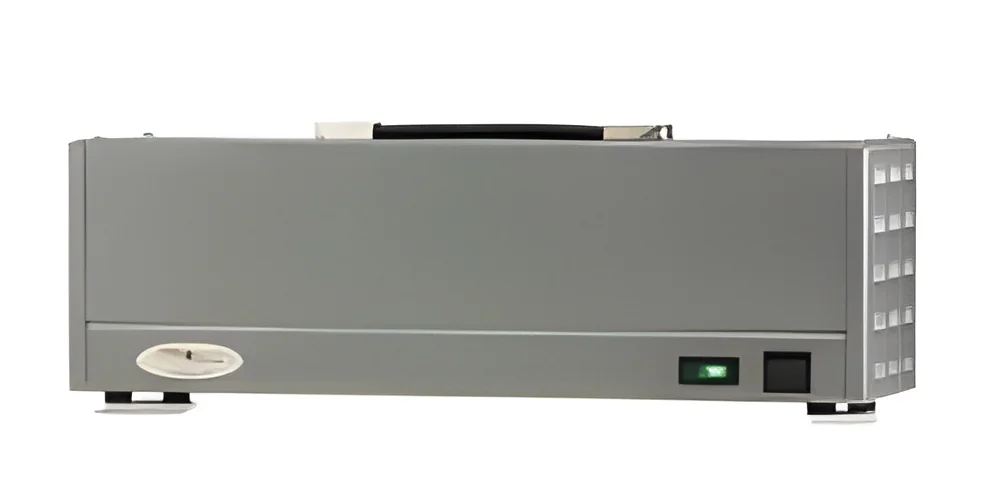
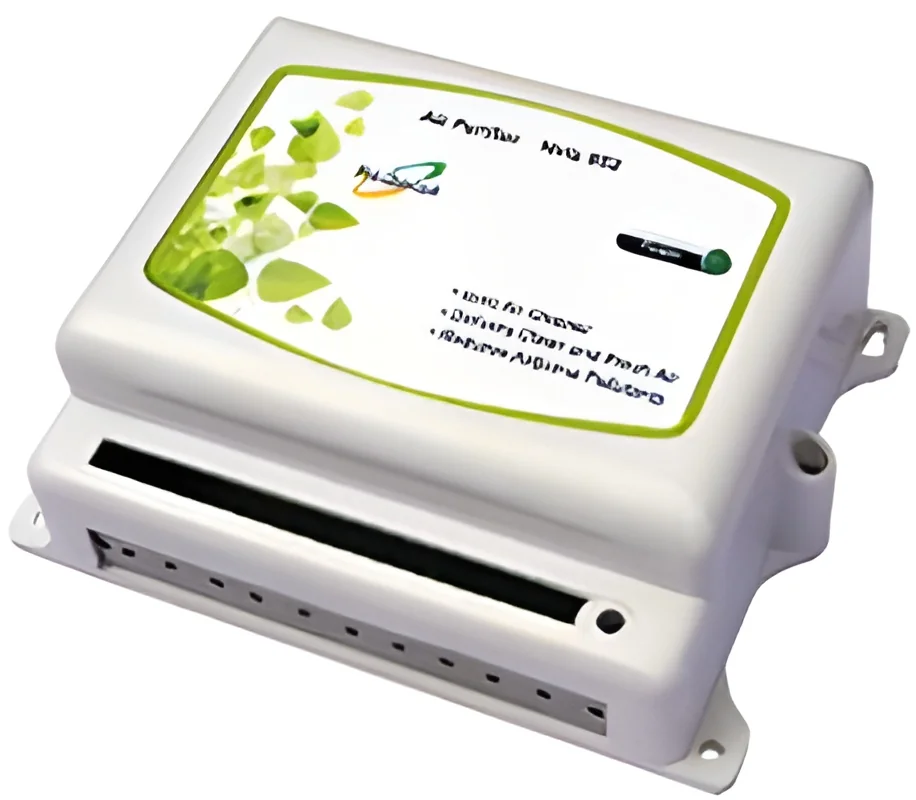
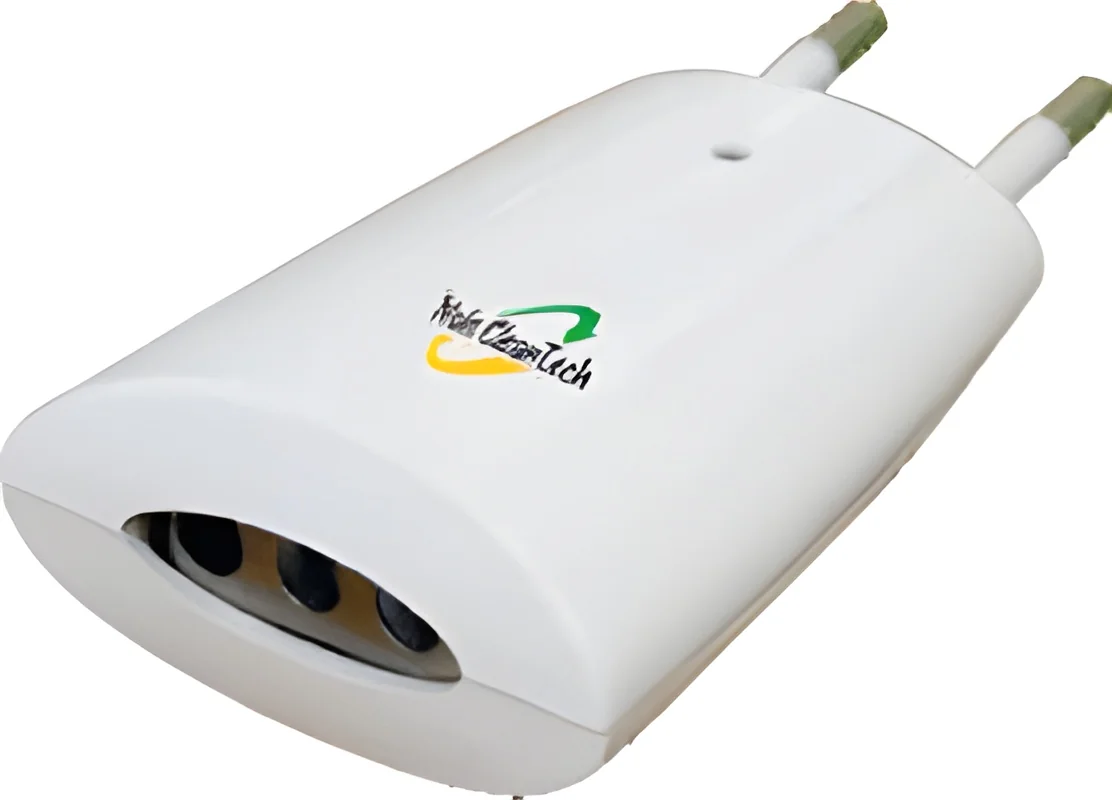
What are Portable Air Purifiers?
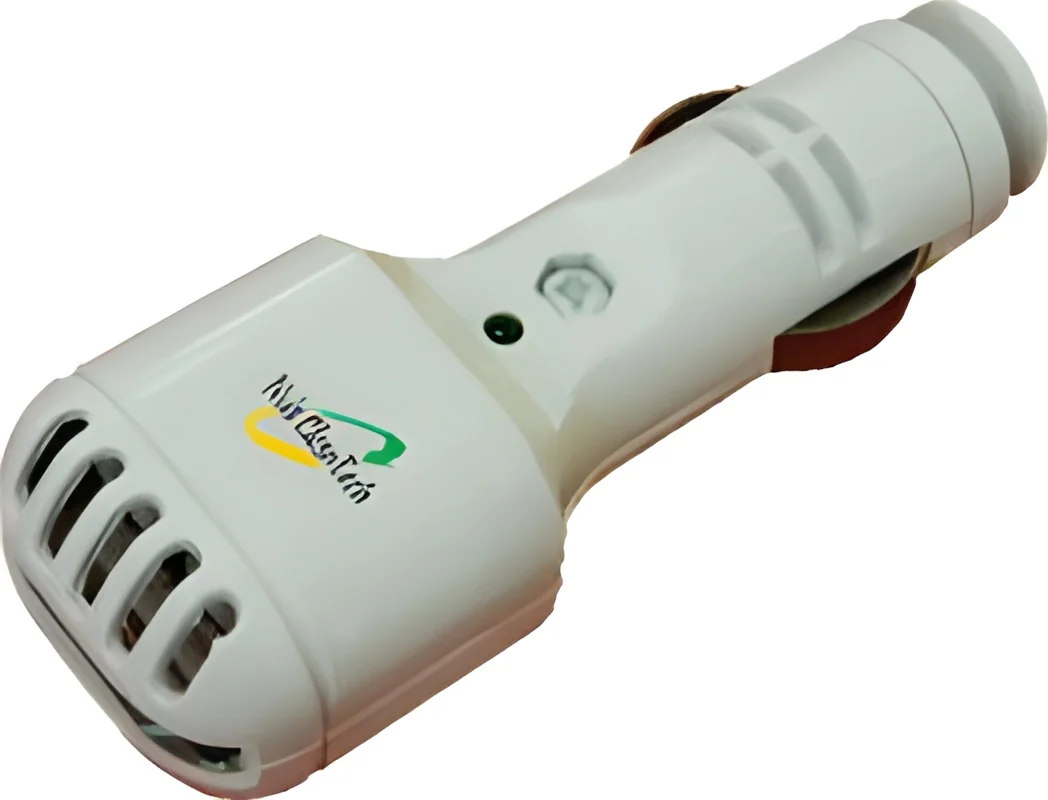
Portable air purifiers are compact devices designed to remove contaminants from the air in indoor spaces. They utilize various filtration technologies, such as HEPA filters, activated carbon, and UV light, to trap particles, allergens, and pollutants. The main advantage of these units is their mobility, allowing users to easily move them between different areas as needed, making them ideal for personal or small-scale applications.
These devices are primarily used in settings where air quality is a concern, such as offices, homes, hospitals, and schools. Businesses often deploy portable air purifiers to enhance employee health and comfort, reduce absenteeism, and improve overall productivity. As air quality regulations tighten globally, the demand for such devices is steadily increasing across various industries, making them a relevant solution in today's market.
Key Features and Specifications
Portable air purifiers come equipped with various features that enhance their effectiveness and usability. Understanding these specifications is essential for making informed decisions when purchasing.
Key specifications include:
1. Filtration System
- HEPA filters capture 99.97% of particles down to 0.3 microns
- Activated carbon filters reduce odors and chemical pollutants
2. CADR (Clean Air Delivery Rate)
- Indicates the volume of filtered air delivered per minute
- Measured in cubic feet per minute (CFM)
3. Noise Level
- Measured in decibels (dB)
- Typical range is between 20 dB to 60 dB for quiet operation
4. Coverage Area
- Indicates the maximum room size the purifier can effectively service
- Common ranges are from 100 square feet to 800 square feet
5. Power Consumption
- Measured in watts (W)
- Energy-efficient models typically use less than 50W
6. Filter Replacement Indicator
- Alerts users when filters need to be changed
- Ensures optimal performance and air quality
7. Portability Features
- Lightweight design and built-in handles for easy transport
- Some models may include wheels for additional mobility
In summary, understanding the features and specifications of portable air purifiers can help buyers choose the right products for their specific needs.
Common Applications and Use Cases
Portable air purifiers serve a wide range of industries and environments where air quality is a priority.
1. Office Spaces: In corporate environments, these purifiers help reduce dust, pollen, and other allergens, contributing to a healthier workplace.
2. Healthcare Facilities: Hospitals and clinics use portable air purifiers to minimize airborne pathogens and improve patient outcomes.
3. Educational Institutions: Schools employ these devices to create a more conducive learning environment by reducing allergens and pollutants.
4. Hospitality Sector: Hotels use air purifiers to enhance guest comfort by improving room air quality.
5. Residential Homes: Homeowners invest in portable air purifiers to tackle allergens, pet dander, and odors, especially in urban areas.
6. Retail Stores: Businesses utilize air purifiers to maintain a pleasant shopping experience by ensuring clean air for customers.
7. Manufacturing Facilities: In industrial settings, these purifiers help to reduce airborne contaminants, enhancing worker safety and health.
Product Variants and Subcategories
Portable air purifiers come in various designs and functionalities to cater to different user needs.
Compact Models
These are designed for small spaces, making them ideal for personal use or in small offices. They are lightweight and easy to transport.
High-Performance Models
These variants offer advanced filtration technologies and higher CADR ratings, suitable for larger areas or environments with higher pollution levels.
Smart Air Purifiers
Equipped with smart technology, these models can be controlled via mobile apps, allowing users to monitor air quality and adjust settings remotely.
Battery-Operated Units
These purifiers are ideal for outdoor activities or areas without power sources. They provide flexibility and convenience for users on the go.
Benefits and Advantages
Investing in portable air purifiers provides several notable benefits.
1. Improved Air Quality: They effectively remove allergens, dust, and pollutants, leading to cleaner and healthier air.
2. Enhanced Comfort: By reducing odors and irritants, these devices create a more pleasant indoor environment.
3. Increased Productivity: Cleaner air can lead to better focus and productivity in office settings, benefiting both employees and employers.
4. Health Benefits: Regular use can decrease respiratory issues and allergies, contributing to overall health.
5. Versatility: Their portable nature allows for use in various settings, from homes to offices and beyond.
6. Cost-Effective Solution: Many models are energy-efficient, leading to lower electricity bills while providing significant air quality improvements.
Buying Guide for B2B Buyers
When sourcing portable air purifiers for business needs, several factors should be taken into account.
1. Quality Assessment: Look for models that meet industry standards and have positive reviews regarding performance and durability. Ensure that the materials used are of high quality to guarantee longevity.
2. Supplier Verification: It's crucial to vet suppliers to ensure they are reputable and reliable. Check for certifications, customer feedback, and their history in the market.
3. Pricing and MOQ: Understand the pricing structure and minimum order quantities (MOQ) as they can vary significantly between suppliers. Compare prices while considering the features offered.
4. Delivery and Lead Times: Ensure that suppliers can meet your delivery timelines. Understand the lead times involved in processing orders to avoid disruptions.
5. Compliance Requirements: Familiarize yourself with any relevant regulations or certifications required for air purifiers in your region, such as CE certification for safety and performance.
Compliance and Certifications
Portable air purifiers must adhere to various quality standards and regulations to ensure safety and effectiveness.
ISO 9001 is a common quality management standard that ensures consistent product quality and customer satisfaction. Manufacturers often seek this certification to demonstrate their commitment to quality.
CE marking indicates that a product meets European health, safety, and environmental protection standards. This certification is important for products sold in European markets.
Safety and testing requirements are crucial for ensuring that air purifiers operate without causing harm. This includes electrical safety, emissions testing, and performance benchmarks.
Additionally, regional compliance considerations may vary. Buyers should be aware of local regulations regarding air quality and product safety to ensure that the purifiers they source meet all necessary requirements.
Why Source Portable Air Purifiers from Pepagora?
Pepagora offers a reliable platform for sourcing portable air purifiers, providing several key advantages to B2B buyers.
Verified Supplier Network: Pepagora ensures that all suppliers are thoroughly vetted, providing buyers with confidence in the quality and reliability of their purchases.
Streamlined RFQ Process: The request for quotation (RFQ) system simplifies the procurement process. Buyers can easily compare multiple quotes from different suppliers, saving time and effort.
Trade Assurance and Support: Buyers benefit from trade assurance features that protect their investments. Pepagora provides support throughout the purchasing process, ensuring a smooth transaction.
Regional Coverage: Pepagora has a strong presence in India, the Gulf Cooperation Council (GCC) countries, and Southeast Asia, making it an excellent choice for businesses looking to source portable air purifiers across these regions.

 IN
IN