
 IN
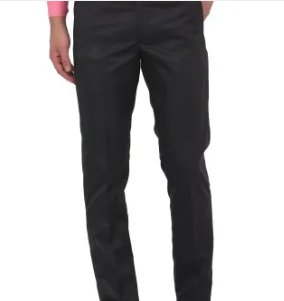
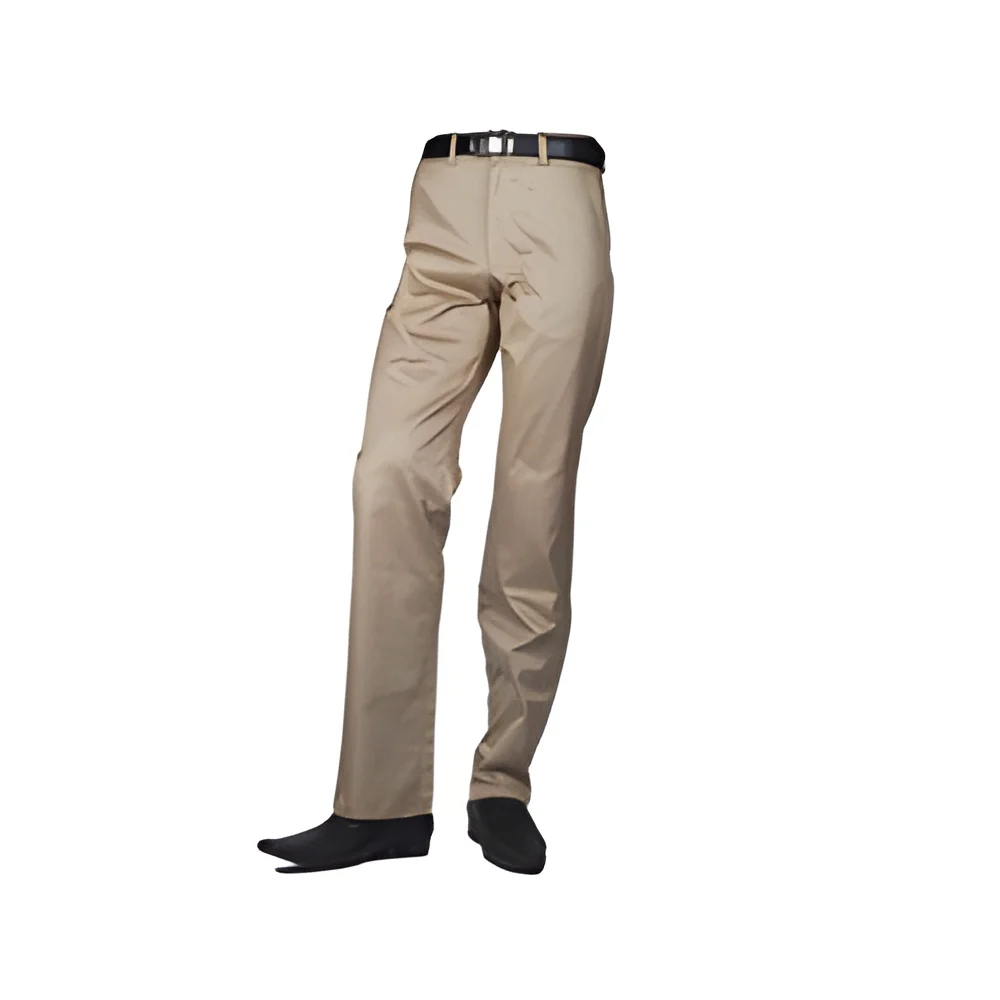
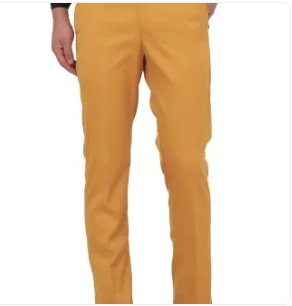
Formal Wear
92 products available
𝗪𝗵𝗮𝘁 𝗮𝗿𝗲 𝗙𝗼𝗿𝗺𝗮𝗹 𝗪𝗲𝗮𝗿?
Formal wear refers to a specific category of clothing that is designed for formal occasions and events. This type of attire typically includes garments such as suits, tuxedos, and formal dresses. Formal wear is characterized by its tailored fit, quality fabrics, and sophisticated designs. It is often associated with high-level business meetings, weddings, galas, and other significant social events where a polished appearance is necessary.
The primary uses of formal wear extend beyond personal occasions, as businesses often require employees to dress in formal attire for professional gatherings and client meetings. Industries such as hospitality, finance, and corporate sectors place a high value on formal attire, as it reflects professionalism and attention to detail. The market for formal wear continues to evolve, incorporating trends while maintaining classic styles that cater to various tastes and preferences.
As the demand for formal wear grows in the global market, suppliers and manufacturers are adapting to meet customer needs. This is particularly relevant in regions experiencing economic growth, where corporate cultures are becoming more formalized. In this context, formal wear is not just a personal choice but a business necessity that contributes to branding and company image.
𝗞𝗲𝘆 𝗙𝗲𝗮𝘁𝘂𝗿𝗲𝘀 𝗮𝗻𝗱 𝗦𝗽𝗲𝗰𝗶𝗳𝗶𝗰𝗮𝘁𝗶𝗼𝗻𝘀
Formal wear is distinguished by several key features that contribute to its elegance and functionality. These specifications ensure that the garments not only look professional but also fit well and withstand wear.
Key specifications include:
1. Fabric Quality
- High-quality materials such as wool, silk, and cotton are commonly used.
- Fabrics should offer durability, breathability, and comfort.
2. Tailoring
- Custom tailoring options are available to ensure a perfect fit.
- Professional tailoring enhances the overall appearance and comfort.
3. Design Elements
- Classic styles include single-breasted and double-breasted suits.
- Tuxedos often feature satin lapels and unique detailing.
4. Color Options
- Traditional colors include black, navy, and charcoal.
- Seasonal colors may vary, including shades like burgundy and forest green.
5. Size Range
- Formal wear is available in various sizes, including tailored and plus sizes.
- Measurements are critical for proper fitting.
6. Accessories
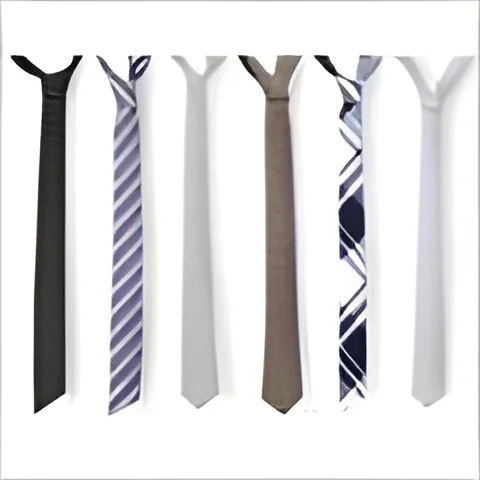
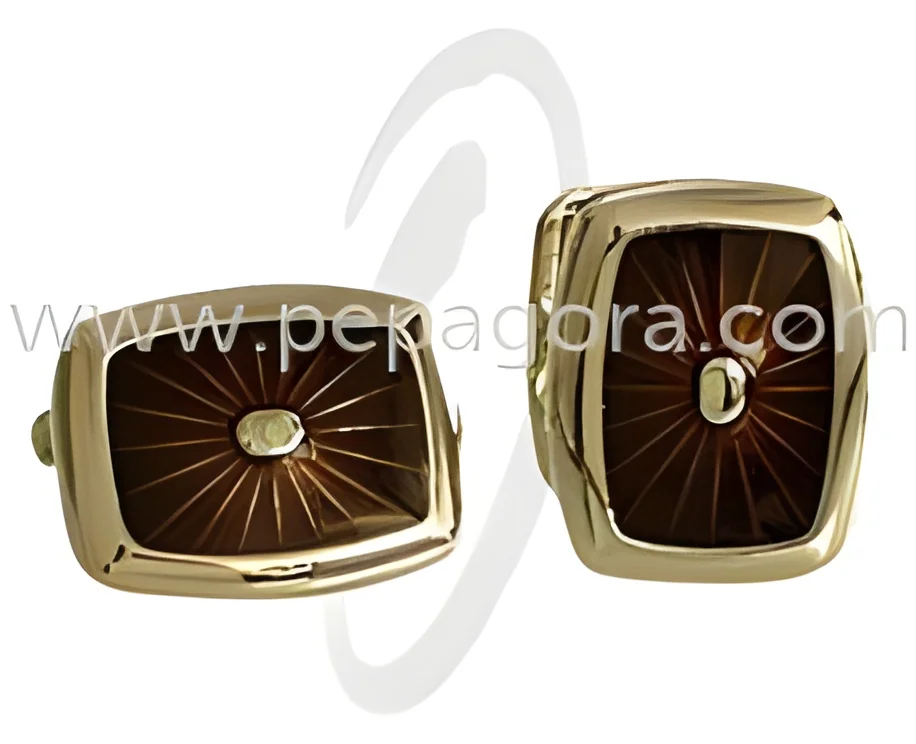
- Complementary accessories such as ties, cufflinks, and pocket squares are often included.
- Accessories enhance the formal look while allowing for personal expression.
7. Care Instructions
- Specific care guidelines are provided to maintain fabric integrity.
- Dry cleaning is often recommended for best results.
8. Certification
- Compliance with industry standards such as CE certification ensures quality and safety.
In summary, formal wear combines exquisite design with practical features to cater to various professional and social settings.
𝗖𝗼𝗺𝗺𝗼𝗻 𝗔𝗽𝗽𝗹𝗶𝗰𝗮𝘁𝗶𝗼𝗻𝘀 𝗮𝗻𝗱 𝗨𝘀𝗲 𝗖𝗮𝘀𝗲𝘀
Formal wear serves a wide range of industries, adapting to the specific needs of each sector.
1. Corporate Sector: Employees in finance and law firms often wear formal suits for meetings and client interactions. This attire helps convey professionalism and trustworthiness.
2. Hospitality Industry: Hotel staff and event coordinators wear formal attire to enhance the guest experience. A polished appearance is essential for maintaining high service standards.
3. Education Sector: Formal wear is often required for faculty members during graduations and official ceremonies. This attire signifies respect and authority.
4. Entertainment Industry: Actors and performers wear formal clothing at award shows and red carpet events. The attire helps create a glamorous and sophisticated public image.
5. Healthcare Sector: Medical professionals may wear formal attire during high-profile events or conferences, projecting professionalism and competence.
6. Non-Profit Organizations: Fundraising events often require formal wear to encourage contributions and create a sense of importance around the cause.
7. Government and Public Services: Officials and representatives may wear formal clothing during public engagements and ceremonies, reflecting the seriousness of their roles.
𝗣𝗿𝗼𝗱𝘂𝗰𝘁 𝗩𝗮𝗿𝗶𝗮𝗻𝘁𝘀 𝗮𝗻𝗱 𝗦𝘂𝗯𝗰𝗮𝘁𝗲𝗴𝗼𝗿𝗶𝗲𝘀
Formal wear encompasses various styles and designs to cater to different preferences and occasions. While specific subcategories are not available, the diversity within formal wear allows for customization and personalization.
Classic Suit
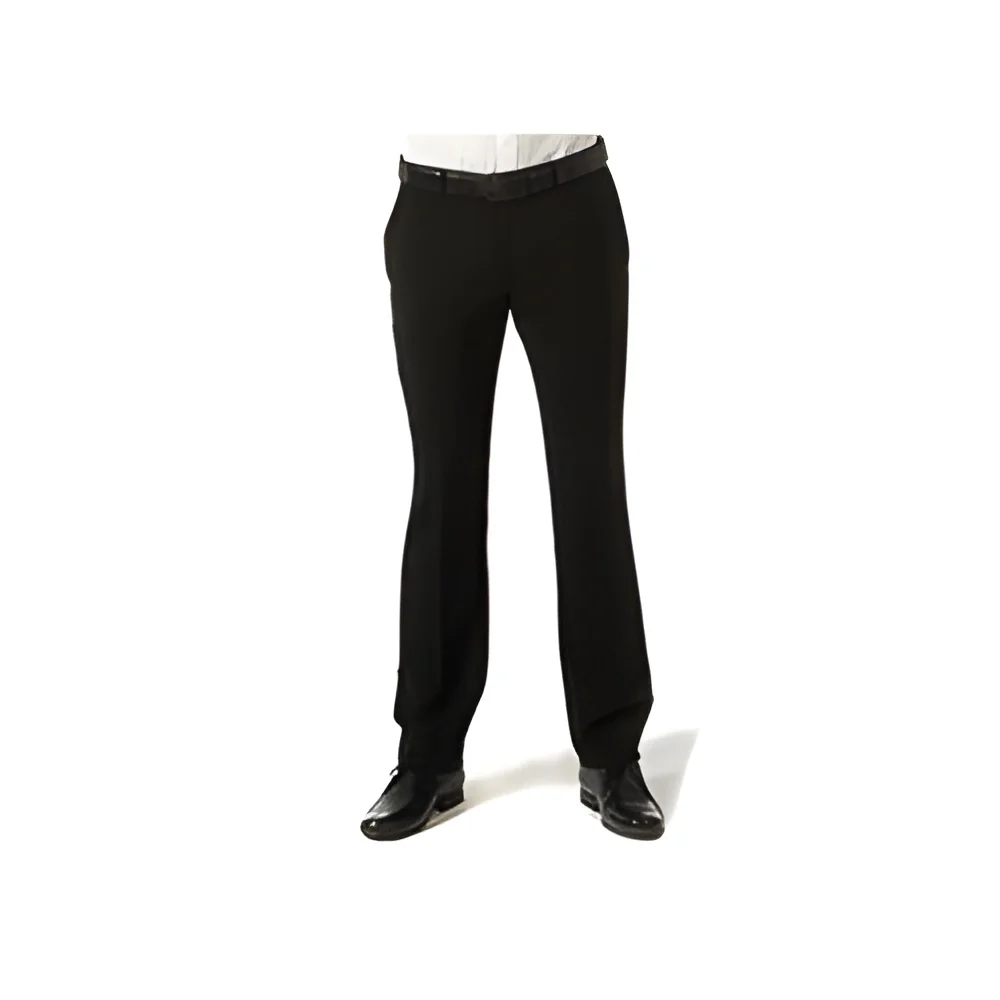
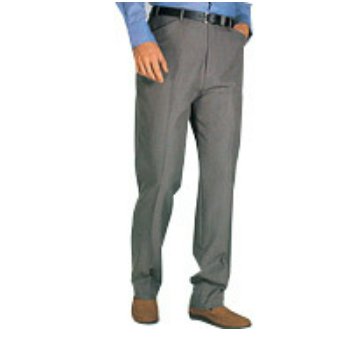
This timeless variant includes a tailored jacket and trousers, typically made from high-quality wool or blends. It is suitable for business meetings and formal events.
Tuxedo
The tuxedo variant is characterized by its satin lapels and is often worn for black-tie events. It exudes sophistication and is a popular choice for weddings and galas.
Evening Dress
Formal evening dresses are designed for women attending upscale events. These dresses often feature intricate designs, embellishments, and elegant fabrics.
Business Attire
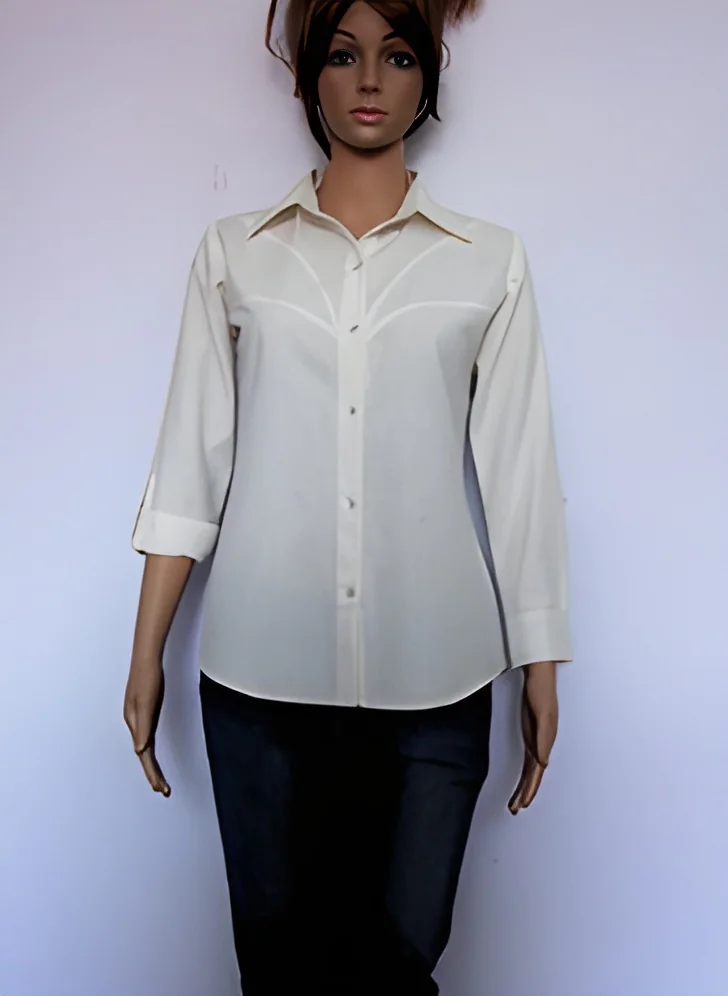
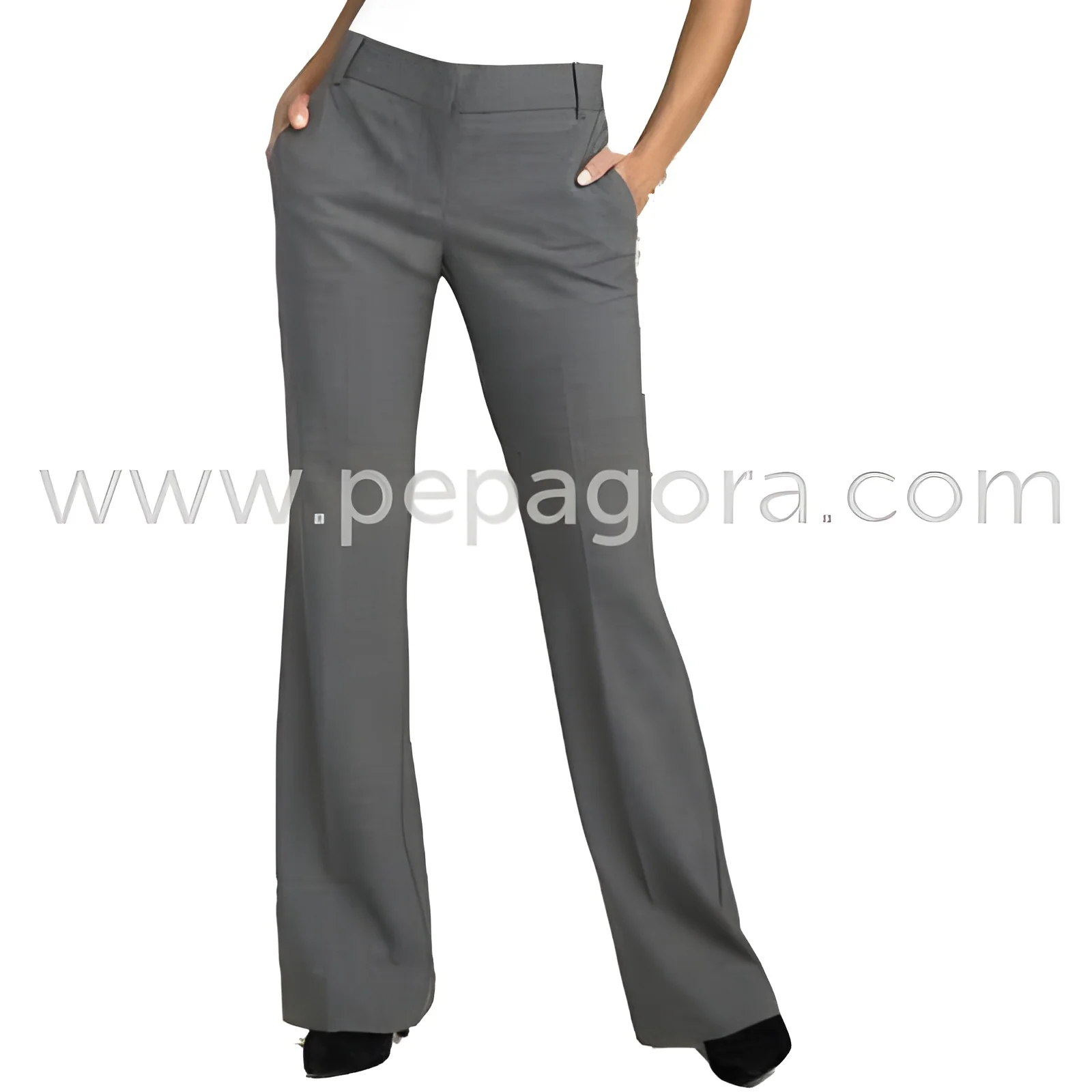
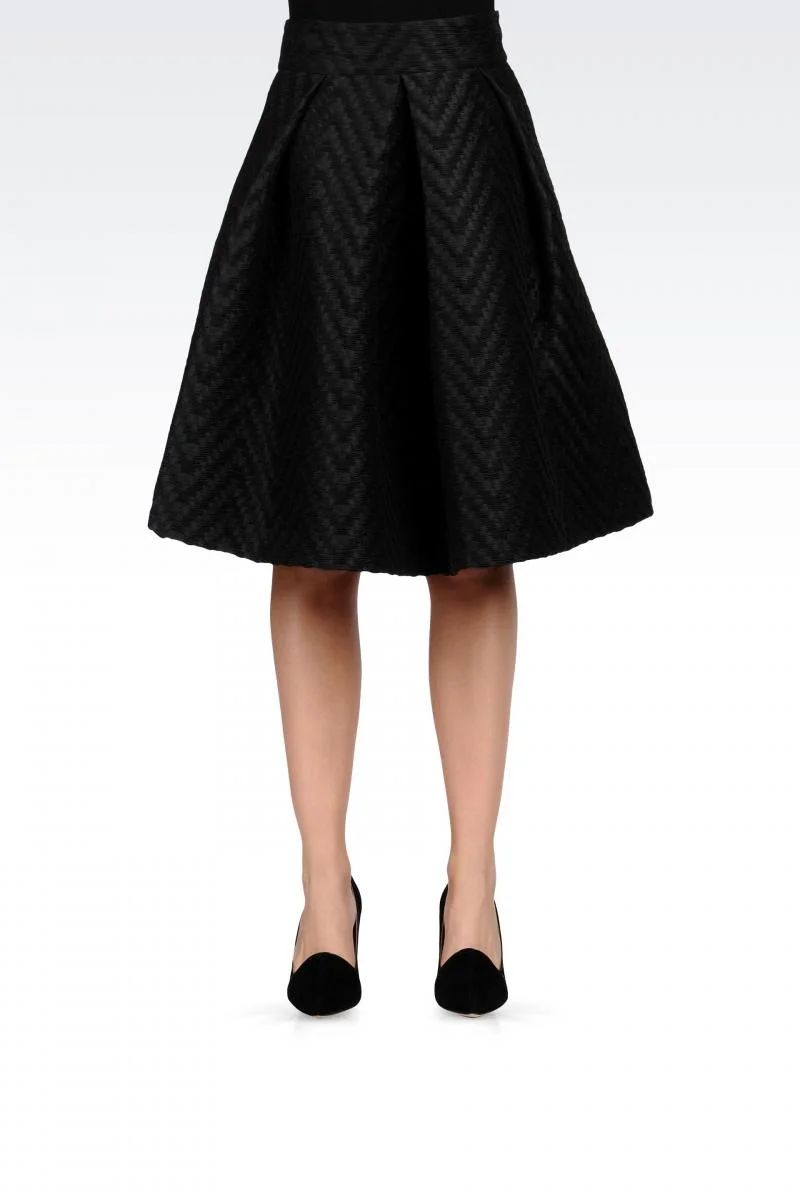
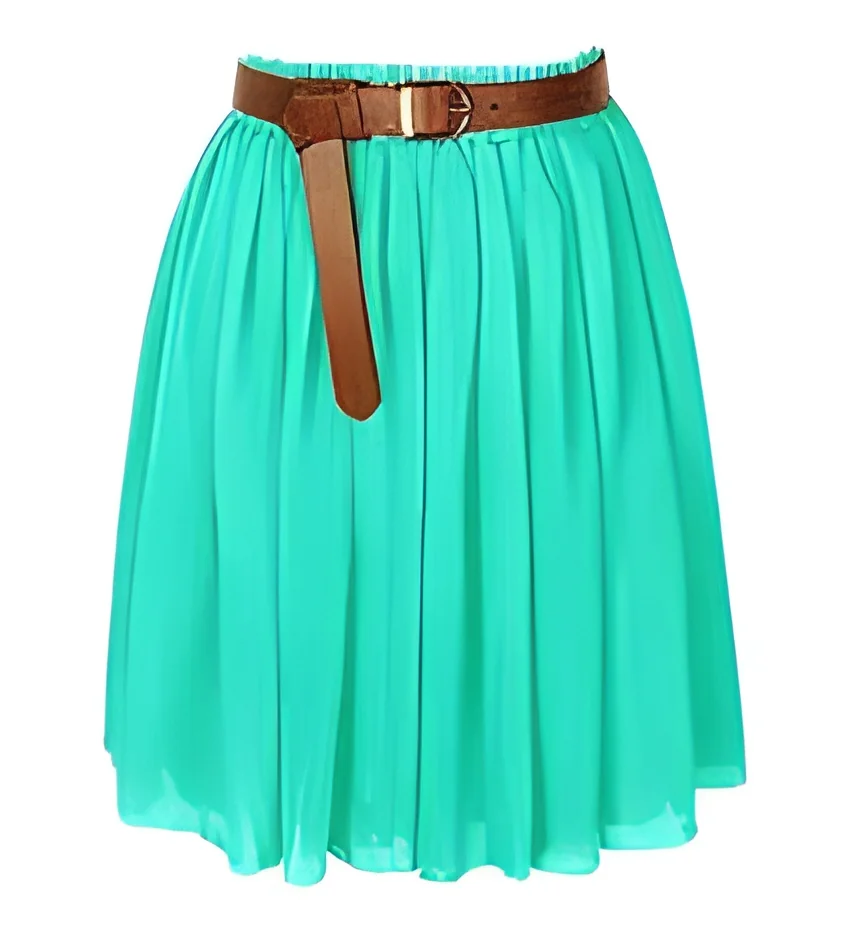
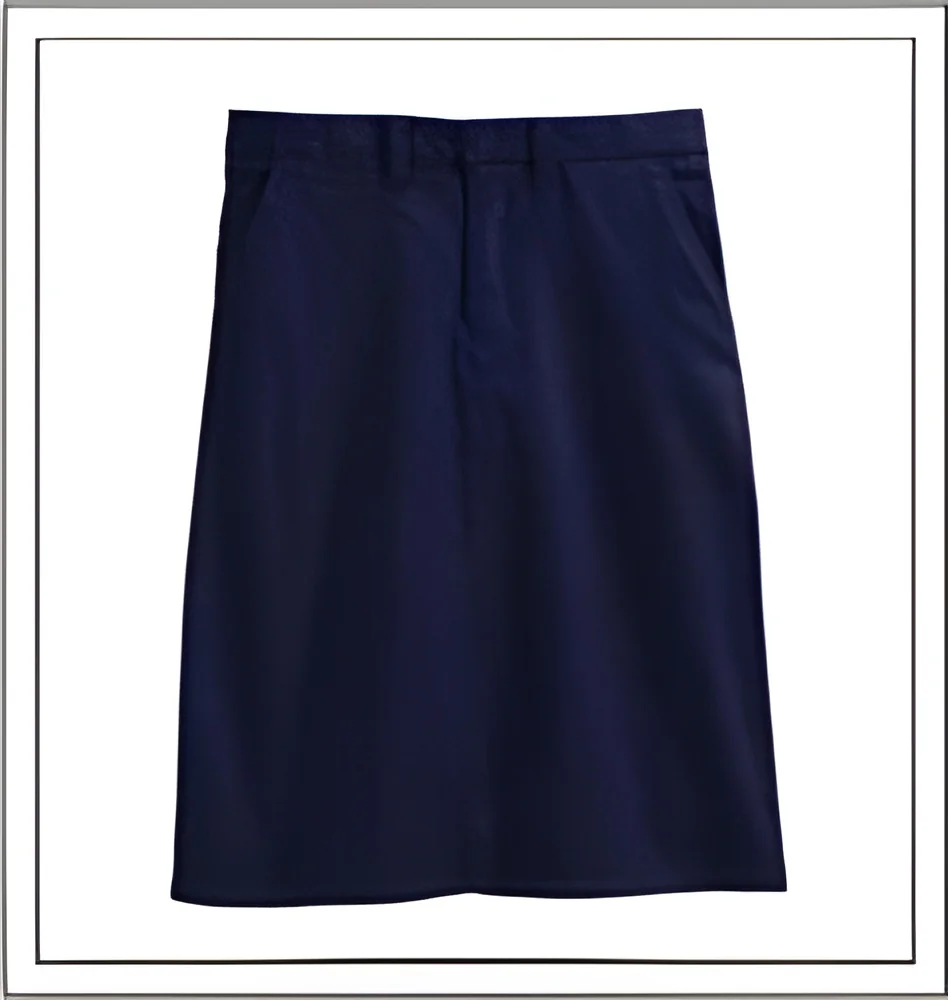
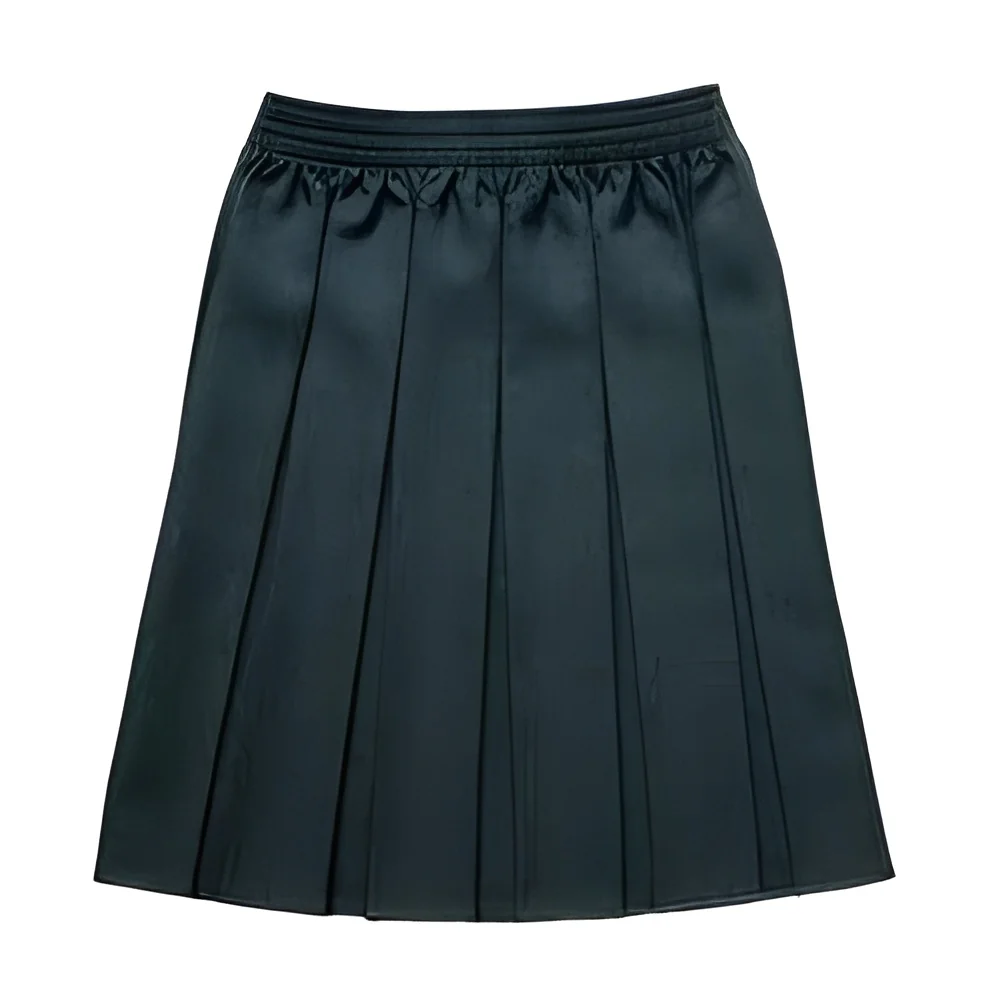
This variant includes smart blouses, skirts, and tailored trousers suitable for corporate environments. It balances style and professionalism.
Cocktail Attire
While slightly less formal, cocktail attire is still sophisticated and appropriate for semi-formal events. It typically includes dresses and suits designed for evening wear.
𝗕𝗲𝗻𝗲𝗳𝗶𝘁𝘀 𝗮𝗻𝗱 𝗔𝗱𝘃𝗮𝗻𝘁𝗮𝗴𝗲𝘀
Choosing formal wear offers several advantages that can enhance personal and professional image.
1. Professional Image: Formal wear conveys professionalism and seriousness, making it essential for business settings.
2. Confidence Boost: Wearing well-fitted formal attire can enhance self-esteem and confidence during important events.
3. Versatility: Formal wear can be adapted for various occasions, from business meetings to weddings, providing value for investment.
4. Quality Craftsmanship: High-quality formal wear is designed to last, offering durability and comfort over time.
5. Positive First Impressions: A polished appearance creates a lasting impression on clients and colleagues, positively impacting business relationships.
6. Brand Representation: For businesses, formal wear can reflect company values and culture, contributing to branding efforts.
𝗕𝘂𝘆𝗶𝗻𝗴 𝗚𝘂𝗶𝗱𝗲 𝗳𝗼𝗿 𝗕𝟮𝗕 𝗕𝘂𝘆𝗲𝗿𝘀
When sourcing formal wear for business purposes, several critical factors should be considered to ensure the best choices are made.
1. Quality Assessment: Evaluate the fabric and construction of the garments. Look for reputable brands known for their craftsmanship and durability.
2. Supplier Verification: Vet suppliers by checking their credentials, reviews, and history in the industry. Reliable suppliers can offer consistent quality and service.
3. Pricing and MOQ: Understand pricing structures and minimum order quantities. This information is vital for budget planning and inventory management.
4. Delivery and Lead Times: Inquire about shipping options and lead times to ensure timely delivery of orders. Efficient logistics are crucial for meeting business needs.
5. Compliance Requirements: Ensure that the formal wear meets relevant industry standards and certifications. Compliance with regulations is essential for legal and safety considerations.
𝗖𝗼𝗺𝗽𝗹𝗶𝗮𝗻𝗰𝗲 𝗮𝗻𝗱 𝗖𝗲𝗿𝘁𝗶𝗳𝗶𝗰𝗮𝘁𝗶𝗼𝗻𝘀
Compliance and certifications play a significant role in the formal wear industry, ensuring that products meet established standards of quality and safety.
Relevant quality standards, such as ISO 9001, ensure that manufacturers adhere to effective quality management systems. This certification guarantees that formal wear products are consistently produced to meet customer expectations.
Additionally, industry certifications such as CE are important, particularly for products sold in European markets. The CE mark indicates that the product meets European safety and health requirements.
Safety and testing requirements are also crucial, especially for garments that may involve specific use cases where durability and integrity are essential. Testing for fabric strength and wear can ensure that formal wear performs well under varying conditions.
Regional compliance considerations may differ, so it is important for manufacturers and suppliers to be aware of local regulations governing textile production and sales.
𝗪𝗵𝘆 𝗦𝗼𝘂𝗿𝗰𝗲 𝗙𝗼𝗿𝗺𝗮𝗹 𝗪𝗲𝗮𝗿 𝗳𝗿𝗼𝗺 𝗣𝗲𝗽𝗮𝗴𝗼𝗿𝗮?
Pepagora provides a trusted platform for sourcing formal wear, offering several key advantages that benefit B2B buyers.
Verified Supplier Network: Pepagora connects buyers with a network of verified suppliers. This network ensures that businesses can access high-quality formal wear from reputable manufacturers.
Streamlined RFQ Process: The platform features a streamlined request for quotation (RFQ) process that simplifies sourcing. Buyers can quickly obtain competitive quotes from multiple suppliers, saving time and effort.
Trade Assurance and Support: Pepagora offers trade assurance and support, protecting buyers throughout the procurement process. This assurance fosters confidence in transactions and builds long-term supplier relationships.
Regional Coverage: With a strong geographic reach in India, the GCC, and Southeast Asia, Pepagora provides access to a diverse range of formal wear options suited to various markets. This regional coverage enhances sourcing flexibility for businesses looking to expand their formal wear offerings.

Frequently Asked Questions
What are Formal Wear?
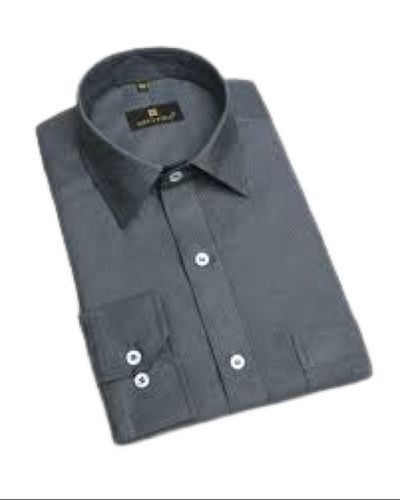
Formal wear refers to clothing designed for formal occasions, typically characterized by sophisticated styles and high-quality fabrics. This category includes items such as suits, tuxedos, dress shirts, formal dresses, and accessories suitable for events like weddings, business meetings, and formal gatherings.
What are the different types of Formal Wear?
The different types of formal wear include business suits, tuxedos, evening gowns, cocktail dresses, and dress shirts. Each type is designed for specific formal occasions, with varying levels of formality and style, catering to both men and women.
How do I choose the right Formal Wear?
Choosing the right formal wear involves considering the occasion, dress code, and personal style. It is crucial to select the appropriate fit and color that complements your body type, while also taking into account the fabric and comfort for the event.
What are the standard specifications for Formal Wear?
Standard specifications for formal wear often include materials like wool, silk, and cotton, with attention to details such as stitching and finishing. Fit, color, and style variations are also key specifications, depending on the specific type of formal wear being produced.
What is the price range for Formal Wear?
The price range for formal wear can vary significantly based on the brand, fabric quality, and design complexity. Generally, prices can range from a few thousand rupees for basic options to several tens of thousands for high-end designer pieces.
What quality standards apply to Formal Wear?
Quality standards for formal wear typically include durability, fabric quality, and craftsmanship. Items should meet specific criteria for stitching, finishing, and materials used to ensure that they are suitable for formal occasions and long-lasting.
Where can I find Formal Wear suppliers in India?
You can find formal wear suppliers in India through online B2B marketplaces like Pepagora, trade shows, or industry directories. These platforms provide access to various manufacturers and wholesalers specializing in formal wear.
Can Formal Wear be customized?
Yes, formal wear can often be customized to meet specific preferences regarding fit, fabric, color, and design. Many suppliers and manufacturers offer customization services to cater to individual needs and requirements.
What is the typical minimum order quantity for Formal Wear?
The typical minimum order quantity (MOQ) for formal wear can vary by supplier and product type, but it generally ranges from 50 to 100 pieces. Larger orders may be required for customizations or specific styles.
What is the typical lead time for Formal Wear?
The typical lead time for formal wear can range from 2 to 6 weeks, depending on the complexity of the order and customization requirements. Suppliers usually provide estimated delivery timelines based on their production schedules.
Why Businesses Trust Pepagora
Thousands of companies trust Pepagora to source smarter and sell faster
Expand Your Sales Globally

Source Smarter,Grow Faster
