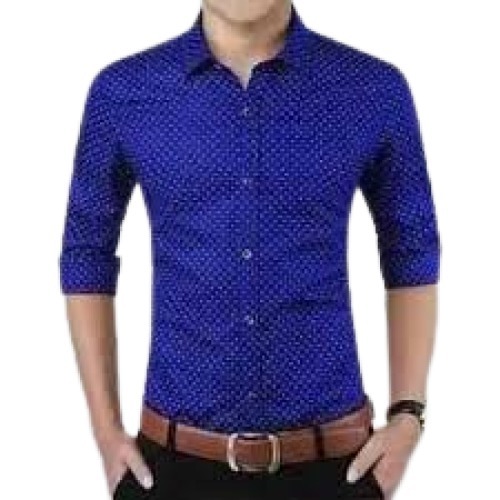
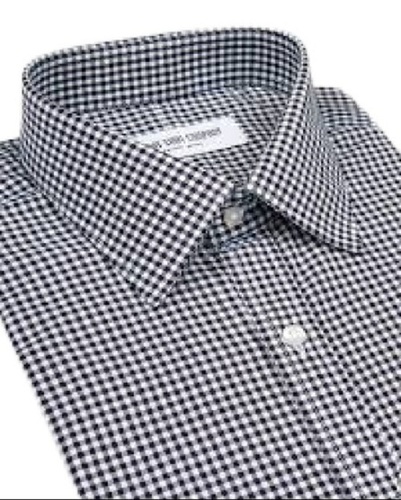
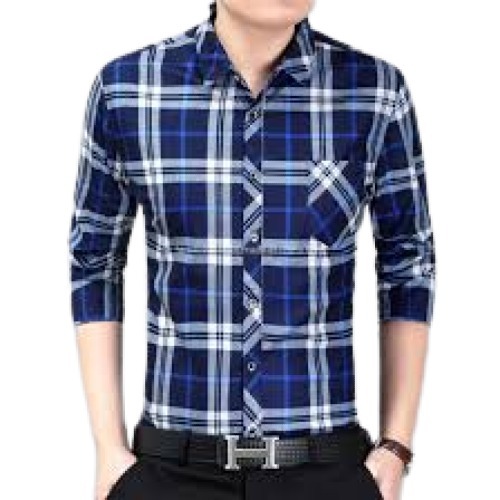
What are Men's Formal Shirts?
Men's formal shirts are tailored garments designed for professional settings, often characterized by their structured silhouette and polished appearance. Typically made from quality fabrics such as cotton, polyester, or blends, these shirts come in a variety of styles, colors, and patterns, allowing for both versatility and sophistication in men's business attire. Their construction includes features like a stiff collar, button-down front, and long sleeves, making them suitable for various formal occasions.
The primary uses of men's formal shirts are in corporate environments, business meetings, and formal events. They are integral to professional wardrobes, serving as a key component of suits or business casual outfits. In many industries, wearing a formal shirt reflects professionalism and adherence to company dress codes. This product is relevant in sectors such as finance, law, consulting, and hospitality, where first impressions and a polished appearance are crucial.
The market for men's formal shirts continues to grow, driven by trends in workplace attire and the increasing importance of personal branding. As companies adopt more formal dress codes, the demand for quality shirts remains strong. Additionally, the rise of online retailing has expanded access to a wider range of options, making it easier for businesses to source formal shirts that meet their specific needs.
Key Features and Specifications
Men's formal shirts are distinguished by several key features that enhance their functionality and appeal. The specifications vary by brand and model, but common attributes include fabric type, fit, and additional design elements.
Key specifications include:
1. Fabric Type
- Typically made from cotton, polyester, or cotton-polyester blends.
- Offers comfort, breathability, and ease of care.
2. Fit
- Available in various fits such as slim, regular, and relaxed.
- Ensures a tailored appearance while accommodating different body types.
3. Collar Style
- Common styles include spread, point, and button-down collars.
- Affects the overall look and formality of the shirt.
4. Sleeve Length
- Generally comes in long sleeves, with options for short sleeves in some collections.
- Long sleeves are preferred for formal settings.
5. Color and Pattern Options
- Available in solid colors, stripes, checks, and other patterns.
- Allows for personalization according to business branding or individual preference.
6. Care Instructions
- Machine washable or dry-clean only, depending on fabric.
- Easy maintenance is a key factor for busy professionals.
7. Button Quality
- High-quality plastic or natural buttons are commonly used.
- Affects the durability of the shirt over time.
8. Price Range
- Prices vary widely based on fabric quality and brand reputation.
- Typically ranges from budget-friendly options to premium offerings.
Men's formal shirts combine style and functionality, making them a staple in professional wardrobes. Their specifications cater to diverse preferences, ensuring a suitable choice for every professional context.
Common Applications and Use Cases
Men's formal shirts find applications across various industries, emphasizing their versatility and necessity in the corporate world.
1. Corporate Sector: In corporate settings, these shirts are essential for daily office wear and important meetings, reflecting professionalism and attention to detail.
2. Hospitality Industry: Waitstaff and hotel personnel often wear formal shirts as part of their uniforms to maintain a polished appearance that aligns with the service culture.
3. Finance and Banking: Professionals in finance frequently wear formal shirts to convey trust and reliability, essential traits in client-facing roles.
4. Legal Profession: Lawyers and legal assistants opt for formal shirts in courtrooms and client meetings to uphold a respectful and authoritative image.
5. Education Sector: Educators in private institutions may choose formal shirts for meetings, conferences, and formal events, emphasizing a commitment to professionalism.
6. Event Management: Staff at formal events, such as weddings and corporate functions, wear these shirts to ensure a cohesive and professional look.
7. Consulting: Consultants often wear formal shirts during client engagements, portraying a sophisticated image that complements their advisory role.
Product Variants and Subcategories
Men's formal shirts offer a range of styles and features to meet different needs and preferences. This diversity allows buyers to choose products that best fit their requirements.
Classic Fit Shirt
The classic fit shirt is designed for comfort, providing ample room in the chest and waist. It is ideal for individuals who prefer a more relaxed fit while maintaining a professional appearance.
Slim Fit Shirt
The slim fit shirt is tailored closer to the body, offering a contemporary look. It is popular among younger professionals and those who prefer a more modern aesthetic.
Button-Down Collar Shirt
This variant features a collar that is fastened down with small buttons. It is versatile and can be worn in both formal and semi-formal settings.
French Cuff Shirt
French cuff shirts are designed for formal occasions and require cufflinks for fastening. They add a touch of elegance and are often chosen for business events and weddings.
Benefits and Advantages
Men's formal shirts provide several key benefits that make them a valuable addition to any professional wardrobe.
1. Versatility: These shirts can be worn in a variety of settings, from formal business meetings to casual Friday events, enhancing their usability.
2. Professional Appearance: Wearing a formal shirt instills confidence and projects a polished image, which is crucial in making positive first impressions.
3. Comfort: High-quality fabrics ensure breathability and comfort, allowing professionals to feel at ease throughout their workday.
4. Easy Maintenance: Many formal shirts are designed for easy care, enabling busy professionals to maintain a neat appearance with minimal effort.
5. Variety of Styles: The availability of different fits, colors, and patterns allows individuals to express their personal style while adhering to professional standards.
6. Durability: Quality construction and materials ensure that these shirts withstand regular wear and laundering, providing long-term value.
Buying Guide for B2B Buyers
When sourcing men's formal shirts, businesses should consider several important factors to ensure they make informed purchasing decisions.
1. Quality Assessment: Evaluate the fabric quality and stitching details. Look for durable materials that maintain their appearance after multiple washes.
2. Supplier Verification: Conduct thorough research on potential suppliers. Check for reviews, ratings, and their track record in delivering quality products.
3. Pricing and MOQ: Understand the pricing structure and minimum order quantities. Compare costs across different suppliers to find a balance between quality and price.
4. Delivery and Lead Times: Clarify the expected delivery timelines. Ensure that suppliers can meet your deadlines, especially for bulk orders.
5. Compliance Requirements: Be aware of any industry-specific regulations or quality standards that the shirts must meet. Verify supplier compliance with relevant certifications.
Compliance and Certifications
Men's formal shirts must adhere to various quality standards and certifications to ensure they meet industry expectations.
ISO 9001 is a widely recognized standard for quality management systems. Manufacturers that comply with ISO 9001 demonstrate their commitment to quality assurance and continuous improvement.
The CE mark indicates that products comply with European safety and health requirements. For men's formal shirts, this certification ensures that materials used are safe for wear.
Safety and testing requirements may vary by region and market. Manufacturers should conduct appropriate testing for fabric durability, colorfastness, and overall garment quality.
Regional compliance considerations include understanding local regulations regarding textile manufacturing and labor practices. This is crucial for ensuring ethical sourcing and production.
Why Source Men's Formal Shirts from Pepagora?
Pepagora provides a trusted platform for sourcing men's formal shirts, offering several key advantages for B2B buyers.
Verified Supplier Network: Pepagora connects businesses with a network of verified suppliers, ensuring quality and reliability. Each supplier undergoes a rigorous vetting process to maintain high standards.
Streamlined RFQ Process: The platform features a user-friendly Request for Quotation (RFQ) system. Buyers can easily request quotes from multiple suppliers, simplifying the procurement process.
Trade Assurance and Support: Pepagora offers trade assurance to protect buyers against potential risks during transactions. This includes support in case of disputes or quality issues.
Regional Coverage: With a strong presence in India, the Gulf Cooperation Council (GCC), and Southeast Asia, Pepagora provides extensive regional coverage. This allows businesses to source formal shirts conveniently and efficiently across these markets.

 IN
IN