𝗪𝗵𝗮𝘁 𝗮𝗿𝗲 𝗙𝗶𝗿𝗲 𝗦𝗮𝗳𝗲𝘁𝘆 𝗘𝗾𝘂𝗶𝗽𝗺𝗲𝗻𝘁 𝗳𝗼𝗿 𝗢𝗳𝗳𝗶𝗰𝗲𝘀?
Fire safety equipment for offices includes a range of tools and devices designed to prevent, control, and mitigate fire hazards in workplace environments. This equipment is essential for ensuring the safety of employees and protecting company assets. Common types of fire safety equipment include fire extinguishers, smoke detectors, fire alarms, and emergency lighting systems. Each type plays a crucial role in fire prevention and emergency response.
These products are primarily used in various business settings such as corporate offices, manufacturing facilities, and retail spaces. Their applications include early detection of fires, providing alerts to occupants, and enabling effective fire suppression. As fire safety regulations become increasingly stringent, businesses must invest in reliable fire safety equipment to comply with legal requirements and maintain a safe working environment.
The relevance of fire safety equipment in the market is underscored by the growing awareness of workplace safety and the potential financial ramifications of fire incidents. As industries evolve, the demand for advanced fire safety solutions continues to increase, making it essential for businesses to stay informed about the latest technologies and compliance standards in fire safety.
𝗞𝗲𝘆 𝗙𝗲𝗮𝘁𝘂𝗿𝗲𝘀 𝗮𝗻𝗱 𝗦𝗽𝗲𝗰𝗶𝗳𝗶𝗰𝗮𝘁𝗶𝗼𝗻𝘀
Fire safety equipment for offices boasts several critical features and specifications that enhance its functionality and effectiveness. Understanding these specifications is vital for businesses looking to purchase reliable products.
Key specifications include:
1. Fire Extinguishers
- Available in different types (water, foam, dry chemical)
- Varying capacities typically from 2 kg to 50 kg
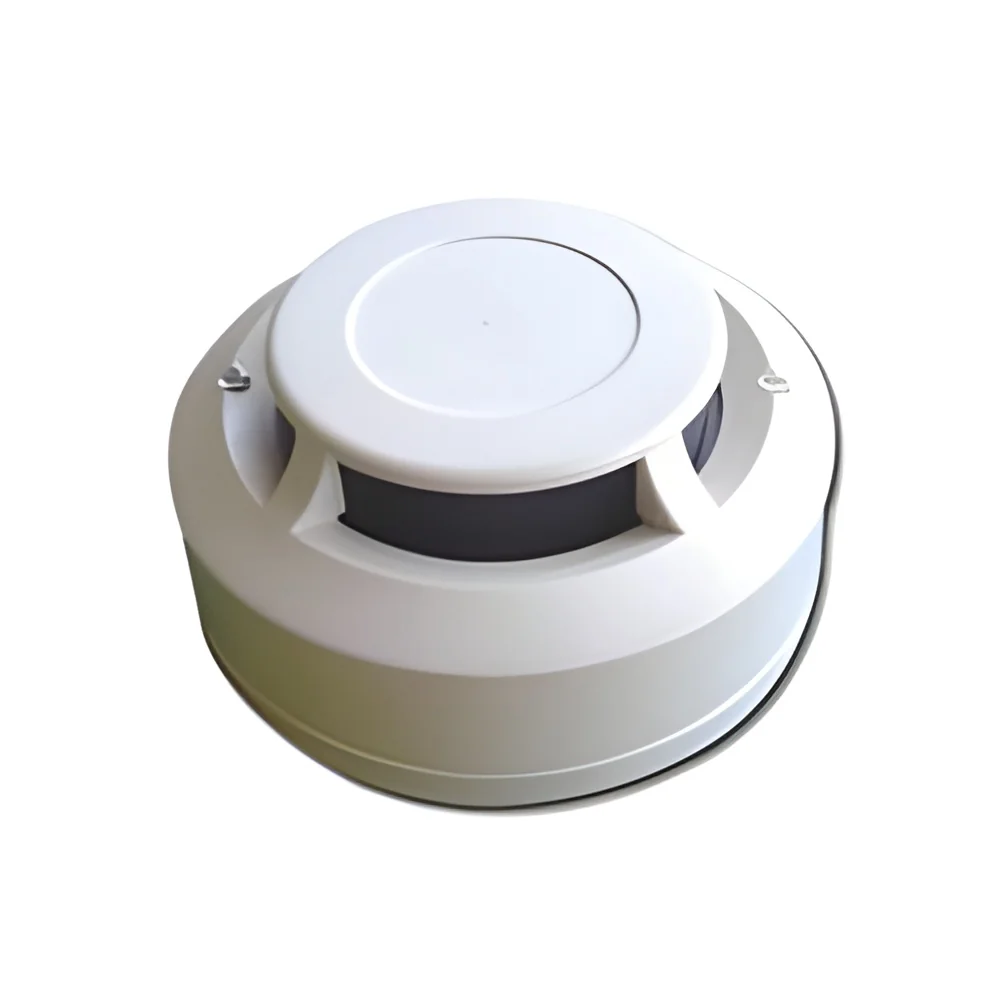
2. Smoke Detectors
- Types include ionization and photoelectric
- Sensitivity ranges from 0.1 to 0.5% per foot
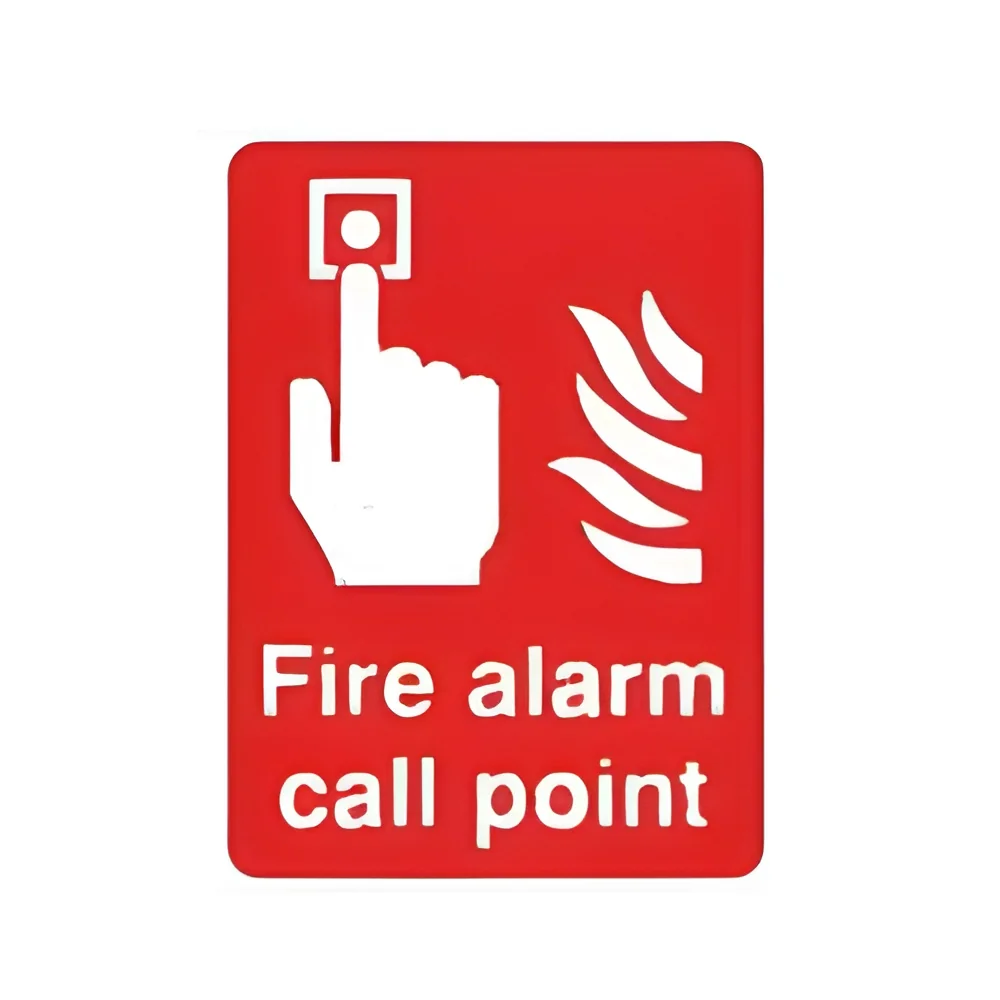
3. Fire Alarms
- Can be manual or automatic systems
- Range of detection technologies including heat, smoke, and flame
4. Emergency Lighting
- LED-based systems with battery backup
- Minimum illumination levels of 1 lux at floor level
5. Fire Blankets
- Made from fire-resistant materials
- Sizes typically range from 1.2m x 1.2m to 2m x 2m
6. Hose Reels
- Standard lengths range from 30 to 60 meters
- Designed for easy deployment and use
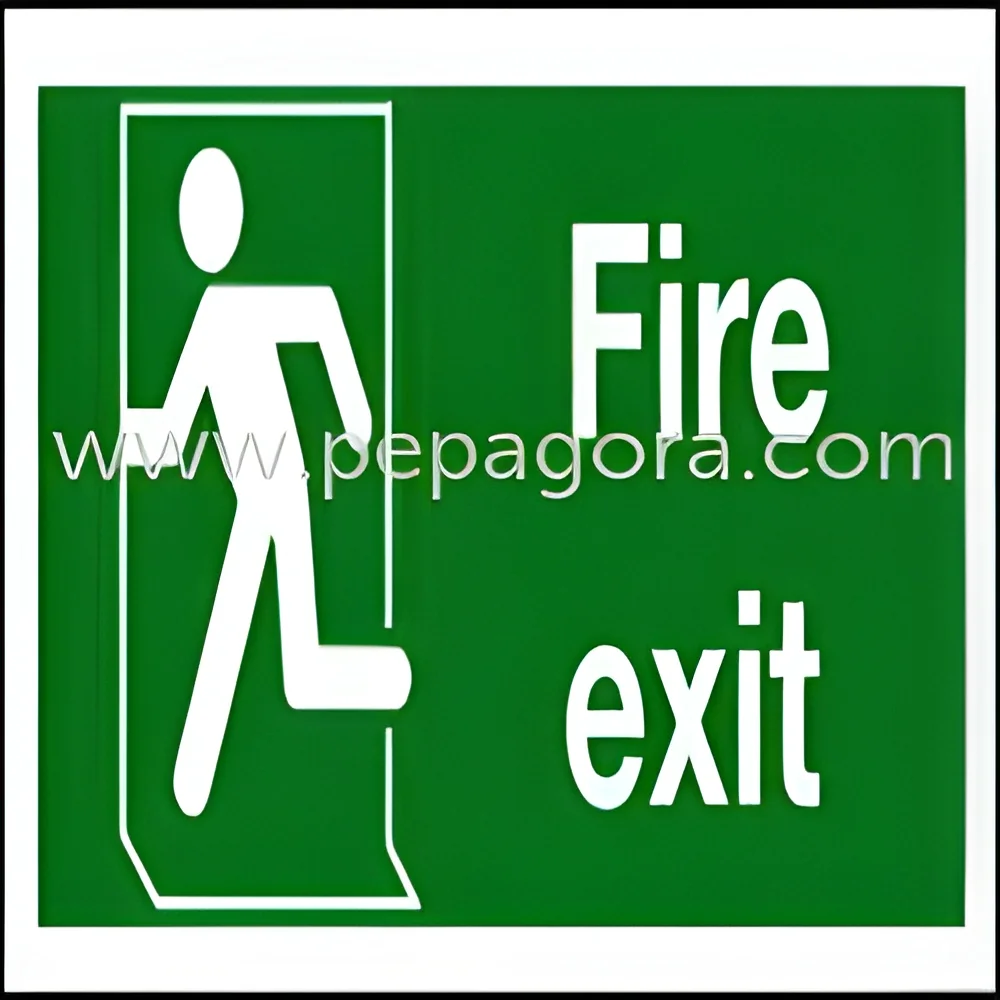
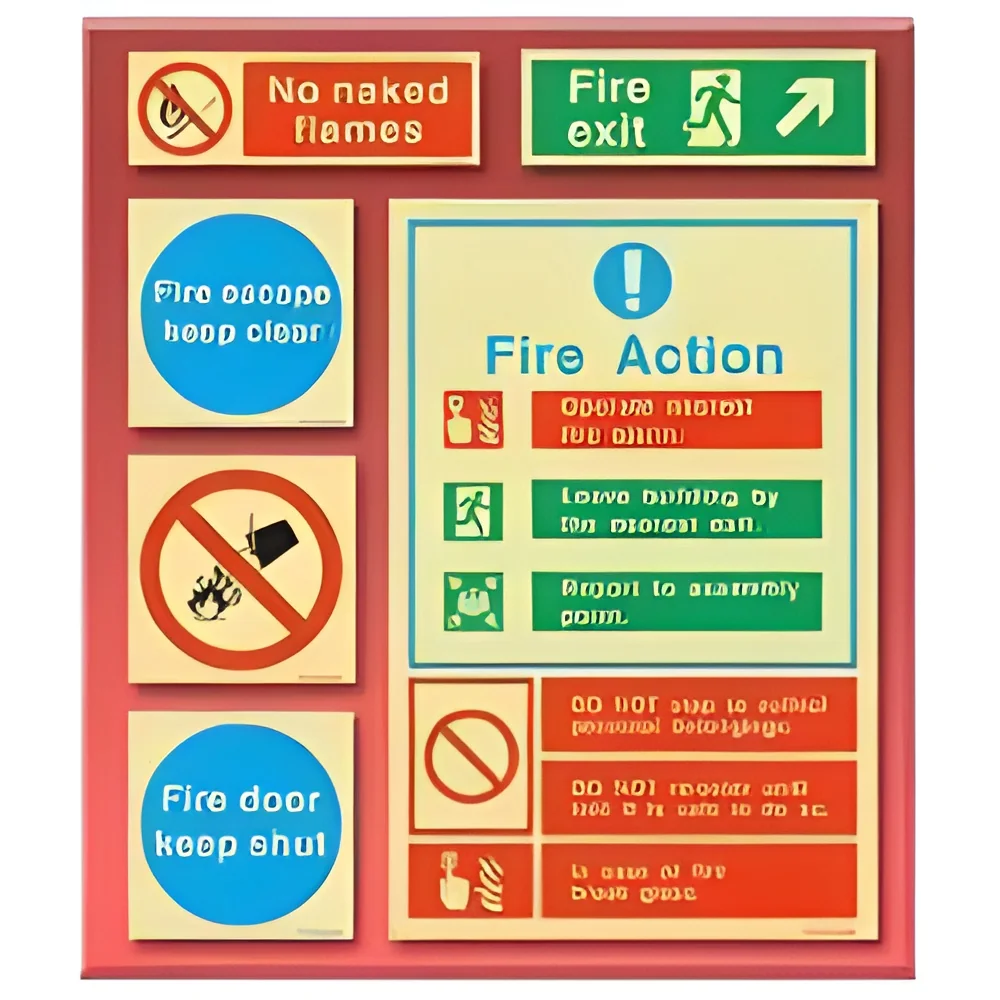
7. Signage
- Made of durable materials with high visibility
- Complies with local regulations for fire safety signage
8. Fire Safety Training Equipment
- Includes practice extinguishers and training modules
- Designed to meet ANSI and OSHA standards
In summary, understanding the features and specifications of fire safety equipment is crucial for businesses to ensure compliance and enhance workplace safety.
𝗖𝗼𝗺𝗺𝗼𝗻 𝗔𝗽𝗽𝗹𝗶𝗰𝗮𝘁𝗶𝗼𝗻𝘀 𝗮𝗻𝗱 𝗨𝘀𝗲 𝗖𝗮𝘀𝗲𝘀
Fire safety equipment is utilized across various industries to maintain safety standards and protect personnel.
1. Corporate Offices: Fire safety equipment ensures that employees are alerted to potential hazards and can respond appropriately in emergencies, thereby reducing risks of injury and property damage.
2. Manufacturing Facilities: These environments often contain flammable materials, making effective fire safety equipment crucial for early detection and suppression of fires.
3. Retail Stores: Fire safety equipment in retail settings helps protect both staff and customers, ensuring a safe shopping environment and minimizing liability.
4. Educational Institutions: Schools and universities require fire safety equipment to protect students and staff, as well as to comply with safety regulations.
5. Healthcare Facilities: Hospitals and clinics need specialized fire safety equipment to safeguard vulnerable populations and sensitive medical equipment.
6. Hospitality Industry: Hotels and restaurants utilize fire safety equipment to protect guests and employees, ensuring compliance with safety regulations.
7. Warehousing and Logistics: Fire safety in warehouses is critical due to the volume of goods stored, requiring robust systems to manage potential fire risks.
𝗣𝗿𝗼𝗱𝘂𝗰𝘁 𝗩𝗮𝗿𝗶𝗮𝗻𝘁𝘀 𝗮𝗻𝗱 𝗦𝘂𝗯𝗰𝗮𝘁𝗲𝗴𝗼𝗿𝗶𝗲𝘀
Fire safety equipment comes in a variety of forms to suit different applications and environments.
Fire Extinguishers
These devices are essential for immediate fire suppression. They are available in various types, including water, foam, and dry chemical, each suited for specific fire classes. Their portability makes them ideal for office settings.
Smoke Detectors
Smoke detectors are crucial for early fire detection. They can be either ionization or photoelectric, offering different sensitivity levels based on the environment in which they are installed.
Fire Alarms
Fire alarms provide audible alerts during a fire incident, allowing for timely evacuation. They can be integrated with other systems to enhance responsiveness in emergencies.
Emergency Lighting
These systems ensure that evacuation routes remain illuminated during a power outage or fire, making them vital for office safety.
𝗕𝗲𝗻𝗲𝗳𝗶𝘁𝘀 𝗮𝗻𝗱 𝗔𝗱𝘃𝗮𝗻𝘁𝗮𝗴𝗲𝘀
Investing in fire safety equipment offers numerous benefits to businesses.
1. Enhanced Safety: Fire safety equipment provides essential protection for employees and assets, reducing the risk of injury and loss.
2. Regulatory Compliance: Proper equipment ensures businesses adhere to fire safety regulations, avoiding fines and legal repercussions.
3. Peace of Mind: Knowing that adequate fire safety measures are in place fosters a safe working environment, boosting employee morale.
4. Cost Efficiency: Early detection and suppression of fires can significantly lower potential damage costs and insurance premiums.
5. Training Opportunities: Fire safety equipment often comes with training resources, helping staff understand emergency procedures and proper equipment usage.
6. Increased Productivity: A safe work environment minimizes disruptions, allowing employees to focus on their tasks without safety concerns.
𝗕𝘂𝘆𝗶𝗻𝗴 𝗚𝘂𝗶𝗱𝗲 𝗳𝗼𝗿 𝗕𝟮𝗕 𝗕𝘂𝘆𝗲𝗿𝘀
When sourcing fire safety equipment for offices, several factors should be considered to ensure effective purchasing decisions.
1. Quality Assessment: Evaluate the quality of products by checking for industry certifications and adherence to recognized safety standards. This ensures reliability and effectiveness during emergencies.
2. Supplier Verification: Vet suppliers to confirm their credibility and reliability. Look for reviews, references, and evidence of past performance to ensure they meet your expectations.
3. Pricing and MOQ: Understand the pricing structure and minimum order quantities to align with your budget and needs. Compare multiple suppliers for the best value.
4. Delivery and Lead Times: Inquire about logistics and expected delivery times. Timely delivery is critical, especially for compliance with safety regulations.
5. Compliance Requirements: Familiarize yourself with local regulations regarding fire safety equipment. Ensure that the products you choose meet all necessary compliance standards.
𝗖𝗼𝗺𝗽𝗹𝗶𝗮𝗻𝗰𝗲 𝗮𝗻𝗱 𝗖𝗲𝗿𝘁𝗶𝗳𝗶𝗰𝗮𝘁𝗶𝗼𝗻𝘀
Fire safety equipment must comply with relevant quality standards and certifications to ensure reliability and effectiveness.
ISO 9001 is a widely recognized quality management standard that applies to many fire safety products. Adhering to this standard guarantees a consistent level of quality in manufacturing processes.
The CE certification signifies that a product meets European safety standards, ensuring that fire safety equipment is suitable for use in various markets.
Safety and testing requirements are critical in evaluating fire safety equipment. Products should pass rigorous testing to ensure performance under emergency conditions.
Regional compliance considerations also play a role, as different regions may have specific regulations regarding fire safety equipment. Understanding these requirements ensures that businesses remain compliant.
𝗪𝗵𝘆 𝗦𝗼𝘂𝗿𝗰𝗲 𝗙𝗶𝗿𝗲 𝗦𝗮𝗳𝗲𝘁𝘆 𝗘𝗾𝘂𝗶𝗽𝗺𝗲𝗻𝘁 𝗳𝗼𝗿 𝗢𝗳𝗳𝗶𝗰𝗲𝘀 𝗳𝗿𝗼𝗺 𝗣𝗲𝗽𝗮𝗴𝗼𝗿𝗮?
Pepagora offers a trusted platform for sourcing fire safety equipment for offices, providing several key advantages to B2B buyers.
Verified Supplier Network: Pepagora connects buyers with a network of verified suppliers, ensuring that all products meet high-quality standards and compliance requirements. This reduces the risk associated with purchasing subpar equipment.
Streamlined RFQ Process: The quotation system simplifies the sourcing process, allowing buyers to request multiple quotes efficiently. This saves time and helps in making informed purchasing decisions.
Trade Assurance and Support: Pepagora provides buyer protection through its trade assurance policies. This support ensures that transactions are secure and that buyers receive the products as expected.
Regional Coverage: With a wide geographic reach, including India, GCC, and Southeast Asia, Pepagora enables businesses to find local suppliers that meet their specific needs, enhancing accessibility and convenience.

 IN
IN