𝗪𝗵𝗮𝘁 𝗮𝗿𝗲 𝗘𝗹𝗲𝗰𝘁𝗿𝗼𝗻𝗶𝗰 𝗗𝗲𝘀𝗶𝗴𝗻 & 𝗣𝗿𝗼𝘁𝗼𝘁𝘆𝗽𝗶𝗻𝗴 𝗦𝗲𝗿𝘃𝗶𝗰𝗲𝘀?
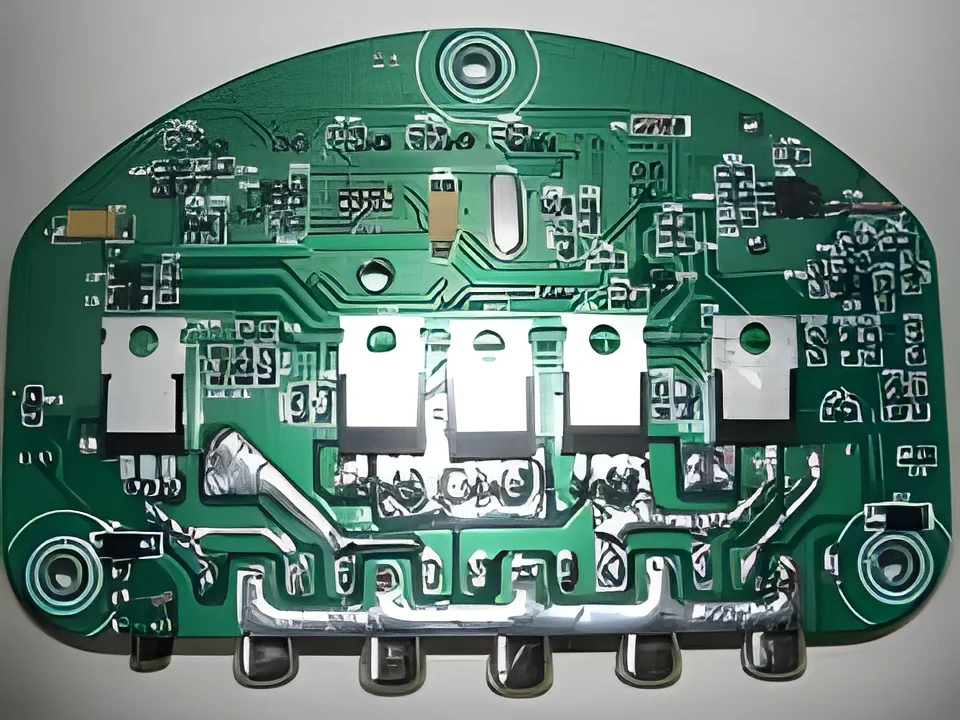
Electronic Design and Prototyping Services encompass a range of specialized offerings that help businesses design and develop electronic products. These services typically involve creating schematic designs, developing printed circuit boards (PCBs), and producing prototypes. The goal is to transform concepts into functional electronic devices, ensuring that designs meet necessary specifications and market requirements.
These services are commonly utilized across various industries, including consumer electronics, automotive, medical devices, and telecommunications. Businesses leverage these services to accelerate product development cycles, reduce time-to-market, and enhance innovation. By collaborating with experienced providers, companies can refine designs, test prototypes, and ensure that their products are reliable and effective.
In today's competitive market, the demand for Electronic Design and Prototyping Services is growing. Rapid technological advancements and the increasing complexity of electronic devices require specialized knowledge and resources. Companies that invest in these services can stay ahead of the curve, responding quickly to market trends and consumer needs.
𝗞𝗲𝘆 𝗙𝗲𝗮𝘁𝘂𝗿𝗲𝘀 𝗮𝗻𝗱 𝗦𝗽𝗲𝗰𝗶𝗳𝗶𝗰𝗮𝘁𝗶𝗼𝗻𝘀
Electronic Design and Prototyping Services offer a variety of features designed to meet the needs of businesses in different sectors. These features ensure that the design and prototyping process is efficient, accurate, and cost-effective.
Key specifications include:
1. Schematic Design
- Creation of detailed circuit diagrams.
- Ensures accurate representation of electronic components.
2. PCB Design
- Development of printed circuit boards with optimal layout.
- Supports various board sizes and complexities.
3. Rapid Prototyping
- Quick turnaround time for prototype development.
- Allows for iterative testing and design adjustments.
4. Compliance Testing
- Assessment of prototypes against industry standards.
- Ensures products meet safety and regulatory requirements.
5. Customization Options
- Flexibility to adapt designs based on client specifications.
- Tailored solutions to meet specific market needs.
6. Design for Manufacturability (DFM)
- Strategies to optimize designs for efficient manufacturing.
- Reduces production costs and improves scalability.
7. Design Verification
- Comprehensive testing of designs before production.
- Ensures functionality and reliability of the final product.
8. Support and Consultation
- Expert guidance throughout the design and prototyping process.
- Assistance in navigating technical challenges and decisions.
These features collectively enhance the efficiency and effectiveness of the design process, ensuring successful product outcomes.
𝗖𝗼𝗺𝗺𝗼𝗻 𝗔𝗽𝗽𝗹𝗶𝗰𝗮𝘁𝗶𝗼𝗻𝘀 𝗮𝗻𝗱 𝗨𝘀𝗲 𝗖𝗮𝘀𝗲𝘀
Electronic Design and Prototyping Services are utilized across a multitude of industries, each with specific applications that benefit from these services.
1. Consumer Electronics: Businesses develop devices such as smartphones, tablets, and smart home gadgets, requiring innovative designs and rapid prototyping to meet consumer demands.
2. Automotive: Companies create advanced electronic systems for vehicles, including infotainment systems and safety features, necessitating rigorous testing and compliance with industry standards.
3. Medical Devices: The healthcare sector relies on precise electronic designs for diagnostic and therapeutic equipment, ensuring reliability and adherence to regulatory requirements.
4. Telecommunications: Providers design components for communication devices, focusing on speed and efficiency to support evolving technologies in networking and mobile communications.
5. Industrial Automation: Businesses develop control systems and sensors that enhance manufacturing processes, requiring robust and reliable electronic designs.
6. Aerospace: Companies create navigation and communication systems that must meet stringent compliance standards for safety and functionality.
7. IoT Devices: The Internet of Things industry demands innovative designs for interconnected devices, requiring rapid prototyping and verification to ensure seamless integration.
𝗣𝗿𝗼𝗱𝘂𝗰𝘁 𝗩𝗮𝗿𝗶𝗮𝗻𝘁𝘀 𝗮𝗻𝗱 𝗦𝘂𝗯𝗰𝗮𝘁𝗲𝗴𝗼𝗿𝗶𝗲𝘀
Electronic Design and Prototyping Services encompass a diverse range of offerings tailored to different business needs. While specific subcategories are not available, the services can be adapted for various project scopes and requirements.
Custom Prototyping Services: This variant focuses on creating prototypes based on unique client specifications. It includes rapid iterations and adjustments based on testing outcomes.
Full-service Design Solutions: This variant provides end-to-end support, from initial concept through to final prototype production. It is ideal for businesses looking for comprehensive assistance.
Consultative Services: This variant offers expert consulting in design and manufacturing processes. It helps clients navigate technical challenges and optimize their product development strategy.
𝗕𝗲𝗻𝗲𝗳𝗶𝘁𝘀 𝗮𝗻𝗱 𝗔𝗱𝘃𝗮𝗻𝘁𝗮𝗴𝗲𝘀
Investing in Electronic Design and Prototyping Services offers numerous advantages for businesses seeking to innovate and improve their product offerings.
Key benefits include:
1. Accelerated Time-to-Market: Streamlined design and prototyping processes enable quicker product launches, helping businesses stay competitive.
2. Cost Efficiency: Early identification of design flaws reduces the risk of expensive changes during production, leading to overall cost savings.
3. Enhanced Product Quality: Rigorous testing and iterative design help ensure that products meet high standards of quality and reliability.
4. Increased Innovation: Access to expert knowledge and advanced technologies fosters innovation, allowing businesses to develop cutting-edge products.
5. Custom Solutions: Tailored services ensure that specific client needs and market demands are met, enhancing customer satisfaction.
6. Risk Mitigation: Comprehensive testing and compliance checks reduce the risk of product failures and regulatory issues.
𝗕𝘂𝘆𝗶𝗻𝗴 𝗚𝘂𝗶𝗱𝗲 𝗳𝗼𝗿 𝗕𝟮𝗕 𝗕𝘂𝘆𝗲𝗿𝘀
When sourcing Electronic Design and Prototyping Services, businesses should take several factors into account to ensure they select the right provider.
1. Quality Assessment: It is essential to evaluate the quality of the services offered. Look for providers with a track record of successful projects and positive client feedback.
2. Supplier Verification: Conduct thorough vetting of suppliers to ensure they have the necessary expertise, resources, and certifications. This step is crucial for maintaining project integrity.
3. Pricing and MOQ: Understand the pricing structure and minimum order quantities. This information will help in budgeting and aligning with business needs.
4. Delivery and Lead Times: Inquire about delivery schedules and lead times for prototypes. Timely delivery is critical for maintaining project timelines.
5. Compliance Requirements: Ensure that the provider is knowledgeable about industry regulations and standards. Compliance is vital for product safety and market acceptance.
𝗖𝗼𝗺𝗽𝗹𝗶𝗮𝗻𝗰𝗲 𝗮𝗻𝗱 𝗖𝗲𝗿𝘁𝗶𝗳𝗶𝗰𝗮𝘁𝗶𝗼𝗻𝘀
Electronic Design and Prototyping Services are subject to various compliance standards and certifications to ensure quality and safety. Key quality standards such as ISO 9001 help maintain a consistent level of quality across services. Compliance with these standards indicates that a provider has established an effective quality management system.
Industry certifications like CE are essential for products intended for the European market. This certification demonstrates that products meet safety and environmental protection requirements. Adhering to safety and testing requirements is also crucial, particularly in sectors like medical devices and automotive.
Regional compliance considerations may vary, as different countries have specific regulations governing electronic products. It is important for businesses to work with providers who are knowledgeable about the regulatory landscape in the regions where they operate.
𝗪𝗵𝘆 𝗦𝗼𝘂𝗿𝗰𝗲 𝗘𝗹𝗲𝗰𝘁𝗿𝗼𝗻𝗶𝗰 𝗗𝗲𝘀𝗶𝗴𝗻 & 𝗣𝗿𝗼𝘁𝗼𝘁𝘆𝗽𝗶𝗻𝗴 𝗦𝗲𝗿𝘃𝗶𝗰𝗲𝘀 𝗳𝗿𝗼𝗺 𝗣𝗲𝗽𝗮𝗴𝗼𝗿𝗮?
Pepagora stands out as a trusted platform for sourcing Electronic Design and Prototyping Services, offering several key advantages to businesses.
Verified Supplier Network: Pepagora connects buyers with a network of verified suppliers who have been thoroughly vetted for their capabilities and expertise. This ensures that businesses can confidently select providers that meet their specific needs.
Streamlined RFQ Process: The platform features a user-friendly Request for Quotation (RFQ) system that simplifies the process of obtaining quotes from multiple suppliers. This efficiency saves time and helps businesses make informed decisions.
Trade Assurance and Support: Pepagora provides buyer protection through trade assurance policies. This feature offers peace of mind, ensuring that businesses can source services with confidence, knowing they are backed by support from the platform.
Regional Coverage: Pepagora's reach extends across India, the GCC, and Southeast Asia, making it an excellent choice for businesses operating in these regions. The platform facilitates connections across diverse markets, helping companies find the right partners for their electronic design and prototyping needs.

 IN
IN