What are Power Electronics Design?
Power electronics design refers to the engineering discipline focused on the design and development of electronic circuits and systems that control and convert electrical power. This field encompasses a wide range of technologies and applications, from power supply units to advanced motor drives. The primary goal of power electronics design is to improve the efficiency, reliability, and performance of electrical systems in various industrial and commercial settings.
The applications of power electronics design are vast, impacting industries such as automotive, telecommunications, renewable energy, and industrial automation. Businesses leverage power electronics for various purposes, including energy conversion, motor control, and power management. As energy efficiency becomes a priority globally, the relevance of power electronics design continues to grow, driving innovation and market demand.
Key Features and Specifications
Power electronics design is characterized by several key features and specifications that define its functionality and performance. Understanding these specifications is crucial for selecting the right solutions for specific applications.
Key specifications include:
1. Efficiency
- Measures how well a power converter or system transforms input power to output power.
- Typical efficiency rates can range from 90% to over 98%, depending on the technology used.
2. Voltage Range
- Indicates the range of input and output voltages the system can handle.
- Common ranges are from 5V to 800V, depending on the application requirements.
3. Current Rating
- Refers to the maximum current that can be safely handled by the design.
- Ratings can vary from a few milliamps in low-power applications to thousands of amps in industrial systems.
4. Thermal Performance
- Addresses how well the design manages heat dissipation.
- Effective thermal management is essential for reliability and longevity.
5. Control Topologies
- Describes various control methods employed in power electronics design, such as PWM (Pulse Width Modulation) and linear regulation.
- Different topologies impact efficiency and performance across applications.
6. Switching Frequency
- Refers to how often the power switch is turned on and off in a given time frame.
- Typical frequencies can range from a few kHz to several MHz.
7. Size and Form Factor
- Indicates the physical dimensions and constraints of the design.
- Compact designs are often critical for space-constrained applications.
8. Safety Features
- Includes protections such as over-voltage, over-current, and thermal shutdown mechanisms.
- Essential for ensuring the safe operation of power electronics systems.
In summary, understanding these key features and specifications is vital for businesses looking to implement power electronics solutions effectively.
Common Applications and Use Cases
Power electronics design is utilized across various industries, each with distinct applications that benefit from its capabilities.
1. Automotive: Power electronics are integral in electric and hybrid vehicles, managing battery systems, and controlling electric motors for propulsion and ancillary functions.
2. Telecommunications: In telecom networks, power electronics design is essential for power supplies, signal amplification, and energy management systems that ensure reliable operation.
3. Renewable Energy: Power electronics play a crucial role in solar inverters and wind turbine systems, converting generated energy into usable electrical power and enhancing grid connectivity.
4. Industrial Automation: Automated manufacturing processes rely on power electronics for motor control, energy management, and process optimization, improving efficiency and productivity.
5. Consumer Electronics: Power adapters and chargers for devices such as laptops and smartphones utilize power electronics to ensure efficient energy conversion and management.
6. Aerospace: In aerospace applications, power electronics are used in avionics and propulsion systems, ensuring reliable performance under stringent conditions.
7. Medical Devices: Power electronics design is critical in medical equipment for precise power regulation and reliability, impacting patient care and safety.
Product Variants and Subcategories
Power electronics design encompasses a variety of product types, each tailored to meet specific industry needs.
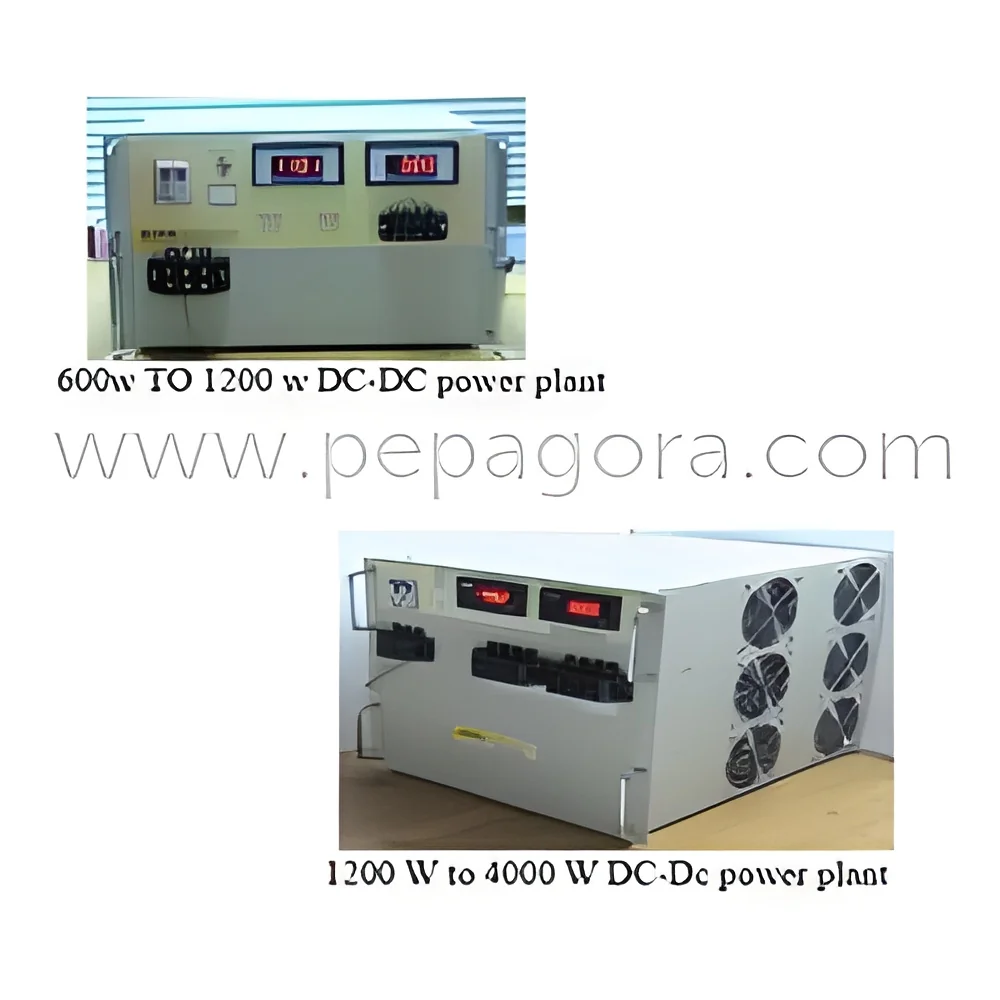
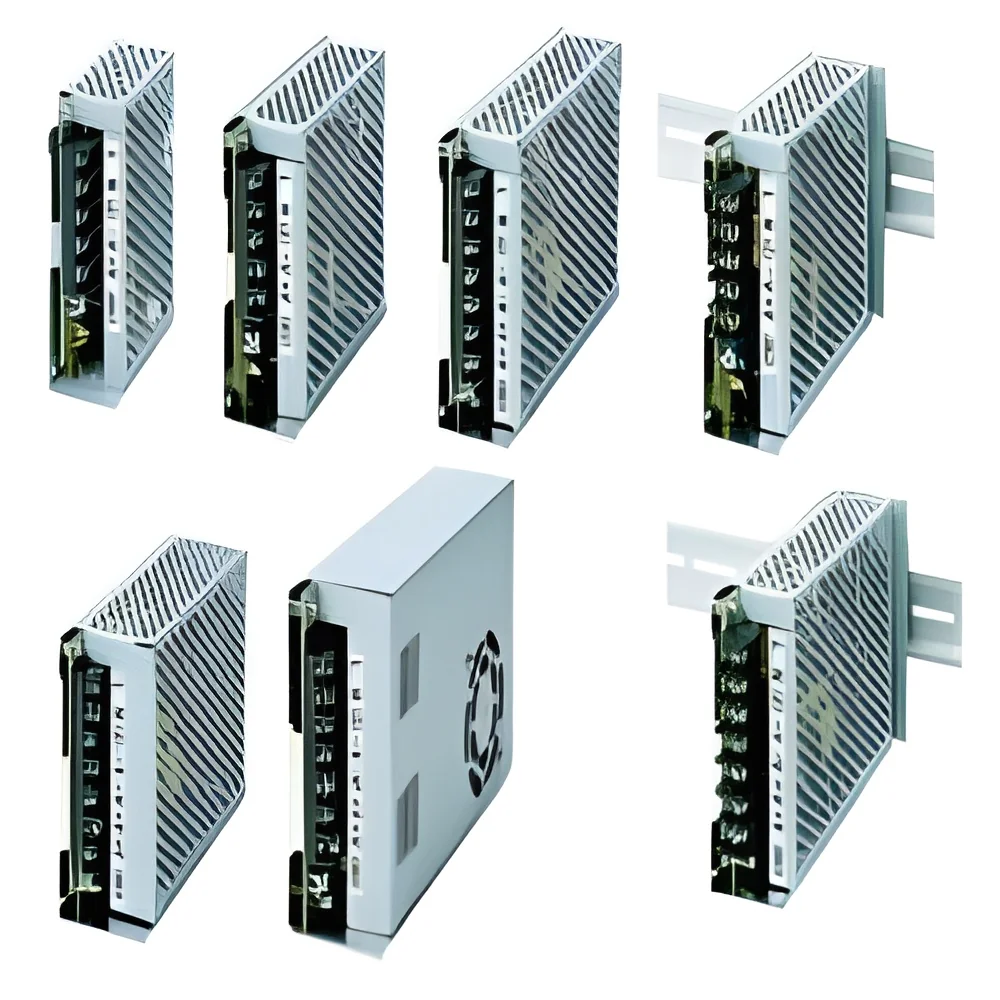
Power Supply Units (PSUs): These devices convert electrical power from one form to another, ensuring stable voltage and current for various applications, from consumer electronics to industrial machinery.
Motor Drives: Designed to control the speed and torque of electric motors, motor drives are essential in automation and robotics, enhancing operational efficiency.
Inverter Systems: These systems convert direct current (DC) to alternating current (AC), widely used in renewable energy applications, such as solar power systems.
Charge Controllers: Charge controllers manage the charging and discharging of batteries in applications like solar energy systems, ensuring optimal battery performance and lifespan.
Benefits and Advantages
Implementing power electronics design offers numerous benefits that enhance operational efficiency and reliability.
Key benefits include:
1. Improved Energy Efficiency: High-efficiency designs reduce energy consumption and lower operational costs, making them environmentally friendly.
2. Enhanced Performance: Advanced control methods lead to better performance in applications such as motor drives and renewable energy systems.
3. Compact Design: Modern power electronics are often designed to be compact, saving space in applications where size is a constraint.
4. Versatile Applications: Power electronics can be tailored for a wide range of industries, providing flexible solutions for diverse needs.
5. Reliability and Longevity: Well-designed power electronics systems typically feature protective mechanisms, ensuring reliable performance over time.
Buying Guide for B2B Buyers
When sourcing power electronics design, it is essential to consider several key factors to ensure the right choice for your business needs.
1. Quality Assessment: Evaluate the quality of the product through certifications and standards compliance. Look for suppliers that adhere to recognized quality management systems.
2. Supplier Verification: Conduct thorough checks on potential suppliers to verify their reputation and experience in the industry. This can include reviewing customer testimonials and industry references.
3. Pricing and MOQ: Consider the pricing structures and minimum order quantities (MOQ) offered by suppliers. Ensure that the pricing aligns with your budget while still meeting quality expectations.
4. Delivery and Lead Times: Confirm the delivery schedules and lead times to ensure that the products meet your project timelines and operational requirements.
5. Compliance Requirements: Ensure that the products comply with relevant industry regulations and standards. This is critical for maintaining safety and performance in your applications.
Compliance and Certifications
Compliance and certifications are critical aspects of power electronics design, ensuring that products meet safety and performance standards.
Relevant quality standards such as ISO 9001 ensure that manufacturers maintain consistent quality management practices. This certification indicates a commitment to quality and customer satisfaction.
In addition, certifications like CE signify that the products meet European safety and environmental protection requirements. This is essential for accessing markets in the European Union.
Safety and testing requirements are paramount in the design and manufacture of power electronics. Products must undergo rigorous testing to ensure they perform as intended under various conditions.
Regional compliance considerations must also be taken into account, as different regions may have specific regulations that govern power electronics design. Understanding these requirements helps manufacturers and suppliers navigate the complexities of global markets.
Why Source Power Electronics Design from Pepagora?
Pepagora provides a trusted platform for sourcing power electronics design with several key advantages that benefit businesses.
Verified Supplier Network: Pepagora boasts a network of thoroughly vetted suppliers, ensuring that all listed manufacturers adhere to high standards of quality and reliability. This network facilitates better sourcing decisions for buyers.
Streamlined RFQ Process: The platform offers a user-friendly request for quotation (RFQ) process, simplifying the way buyers can connect with suppliers. This efficiency saves time and enhances the procurement experience.
Trade Assurance and Support: Pepagora provides trade assurance to protect buyers throughout the purchasing process. This support includes assistance with disputes and ensuring that products meet the agreed-upon specifications.
Regional Coverage: With a strong presence in India, the Gulf Cooperation Council (GCC), and Southeast Asia, Pepagora offers extensive regional coverage. This geographical reach enables businesses to access a diverse range of suppliers and solutions tailored to their local markets.

 IN
IN