𝗪𝗵𝗮𝘁 𝗮𝗿𝗲 𝗗𝗮𝘁𝗮 𝗕𝗮𝗰𝗸𝘂𝗽 & 𝗗𝗶𝘀𝗮𝘀𝘁𝗲𝗿 𝗥𝗲𝗰𝗼𝘃𝗲𝗿𝘆?
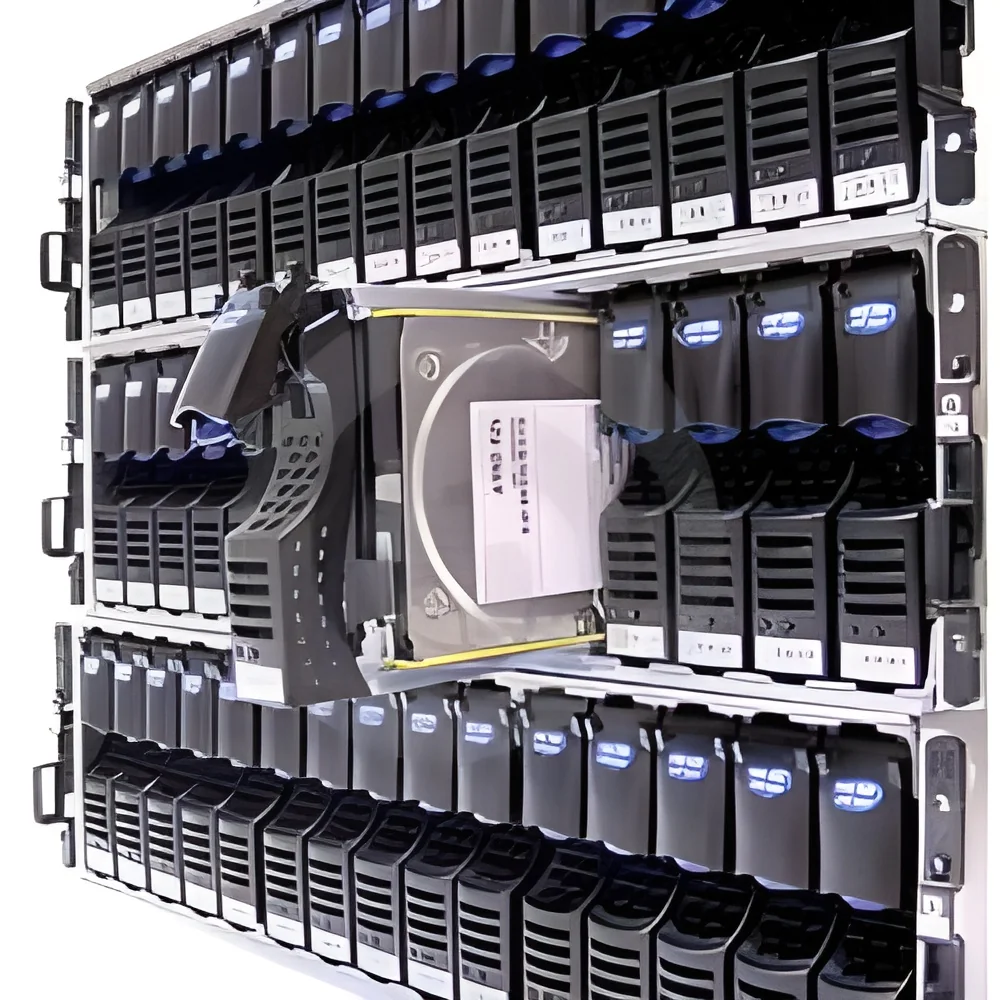
Data Backup and Disaster Recovery (DBDR) are essential components of an organization's data management strategy. Data backup refers to the process of creating copies of data that can be restored in the event of loss, corruption, or disaster. Disaster recovery focuses on the protocols and procedures for recovering and maintaining critical business operations after a disruptive event. Together, these practices ensure that businesses can quickly recover from unforeseen incidents, minimizing downtime and protecting vital information.
The primary uses of data backup and disaster recovery span a wide range of business applications. Companies utilize these systems to protect sensitive information, ensure regulatory compliance, and maintain operational continuity. In an increasingly digital world, where data breaches and system failures are common, effective DBDR solutions are crucial for safeguarding assets and maintaining customer trust. Organizations across various sectors, including finance, healthcare, and manufacturing, rely on these solutions to mitigate risks associated with data loss.
In the current market context, the demand for robust data backup and disaster recovery solutions continues to grow. As businesses increasingly adopt cloud storage and digital workflows, they face new challenges related to data management. The rise of cyber threats and the need for compliance with data protection regulations further emphasize the importance of DBDR solutions. Industry players must stay ahead by investing in advanced technologies and strategies that can protect their data assets.
𝗞𝗲𝘆 𝗙𝗲𝗮𝘁𝘂𝗿𝗲𝘀 𝗮𝗻𝗱 𝗦𝗽𝗲𝗰𝗶𝗳𝗶𝗰𝗮𝘁𝗶𝗼𝗻𝘀
Data Backup and Disaster Recovery solutions come equipped with various features and specifications designed to meet diverse business needs. These features ensure comprehensive protection for data assets while enabling efficient recovery processes.
Key specifications include:
1. Data Backup Frequency
- Determines how often data is backed up, which can range from real-time to scheduled intervals.
2. Recovery Time Objective (RTO)
- The target time frame for restoring systems after a disaster, usually measured in hours or minutes.
3. Recovery Point Objective (RPO)
- The maximum acceptable amount of data loss measured in time, guiding backup frequency decisions.
4. Storage Options
- Different storage solutions include on-premises, cloud-based, or hybrid environments, each with unique benefits.
5. Data Encryption
- Essential for ensuring data security, protecting backups during transit and storage to prevent unauthorized access.
6. Compliance Capabilities
- Features that help organizations meet regulatory requirements for data protection and privacy.
7. Monitoring and Reporting
- Tools that provide insights into backup status, system performance, and alerts for potential issues.
8. Support and Maintenance
- Availability of technical support and regular updates to ensure the system operates effectively.
In summary, understanding the key features and specifications of data backup and disaster recovery solutions is essential for businesses looking to safeguard their data and maintain operational efficiency.
𝗖𝗼𝗺𝗺𝗼𝗻 𝗔𝗽𝗽𝗹𝗶𝗰𝗮𝘁𝗶𝗼𝗻𝘀 𝗮𝗻𝗱 𝗨𝘀𝗲 𝗖𝗮𝘀𝗲𝘀
Data Backup and Disaster Recovery solutions are utilized across various industries, addressing unique challenges and requirements.
1. Healthcare: In the healthcare sector, DBDR solutions are vital for protecting patient records and ensuring compliance with regulations like HIPAA. Quick recovery is essential during system outages to maintain patient care.
2. Finance: Financial institutions rely on data backup for safeguarding sensitive financial data. These solutions enable rapid recovery from cyberattacks or system failures to ensure business continuity.
3. Manufacturing: In manufacturing, DBDR systems ensure that production data and operational processes remain intact. Quick recovery is crucial to minimize downtime and lost revenue.
4. Retail: Retail businesses depend on data backup to protect customer information and sales data. Disaster recovery plans help to quickly restore operations after disruptions, ensuring customer trust.
5. Education: Educational institutions use DBDR solutions to protect student records and academic data. These systems help maintain continuity in the event of data loss or system failures.
6. Government: Government agencies require robust data protection to secure sensitive information and comply with regulations. DBDR solutions help ensure continuity of services during emergencies.
7. Logistics: In logistics, DBDR solutions protect critical supply chain data. Fast recovery capabilities are needed to prevent delays and maintain service levels.
𝗣𝗿𝗼𝗱𝘂𝗰𝘁 𝗩𝗮𝗿𝗶𝗮𝗻𝘁𝘀 𝗮𝗻𝗱 𝗦𝘂𝗯𝗰𝗮𝘁𝗲𝗴𝗼𝗿𝗶𝗲𝘀
Data Backup and Disaster Recovery solutions come in various forms to cater to different business needs.
Cloud-Based Solutions: These solutions allow businesses to back up their data to remote servers, ensuring accessibility and security. Cloud-based DBDR offers flexibility and scalability, making it suitable for businesses of all sizes.
On-Premises Solutions: These provide organizations with complete control over their data. On-premises DBDR systems are often preferred by businesses with strict compliance requirements and the infrastructure to support them.
Hybrid Solutions: Combining both cloud and on-premises elements, hybrid solutions offer the advantages of both worlds. They provide flexibility, enhanced security, and improved data recovery options.
Managed Services: For businesses looking for a hands-off approach, managed DBDR services offer expertise and support, ensuring data is protected without requiring in-house management.
𝗕𝗲𝗻𝗲𝗳𝗶𝘁𝘀 𝗮𝗻𝗱 𝗔𝗱𝘃𝗮𝗻𝘁𝗮𝗴𝗲𝘀
Investing in Data Backup and Disaster Recovery solutions provides numerous advantages for businesses.
Key benefits include:
1. Data Protection: Comprehensive backup systems safeguard against data loss due to system failures, cyber threats, or natural disasters.
2. Business Continuity: Effective disaster recovery plans ensure rapid restoration of operations, minimizing downtime and preserving revenue.
3. Compliance Assurance: DBDR solutions help organizations meet regulatory requirements, reducing the risk of fines and legal issues.
4. Cost Efficiency: By preventing data loss and minimizing downtime, DBDR solutions can lead to significant cost savings for businesses in the long run.
5. Increased Confidence: Knowing that data is securely backed up and can be quickly recovered boosts stakeholder confidence and strengthens customer relationships.
6. Scalability: Many DBDR solutions are designed to grow with the business, providing the flexibility to adapt to changing data needs.
𝗕𝘂𝘆𝗶𝗻𝗴 𝗚𝘂𝗶𝗱𝗲 𝗳𝗼𝗿 𝗕𝟮𝗕 𝗕𝘂𝘆𝗲𝗿𝘀
When sourcing Data Backup and Disaster Recovery solutions, several key factors should be considered.
1. Quality Assessment: Evaluate the technology and features offered by potential solutions. Look for reviews and case studies to determine reliability and effectiveness.
2. Supplier Verification: Conduct thorough research on suppliers. Ensure they have a proven track record and are capable of delivering high-quality products and services.
3. Pricing and MOQ: Understand the pricing structures and minimum order quantities. Compare options to find the best value while ensuring quality.
4. Delivery and Lead Times: Confirm delivery times and lead times for implementation. Timely deployment is crucial for minimizing disruption.
5. Compliance Requirements: Assess whether the solution meets industry-specific compliance requirements. This is vital for organizations handling sensitive data.
𝗖𝗼𝗺𝗽𝗹𝗶𝗮𝗻𝗰𝗲 𝗮𝗻𝗱 𝗖𝗲𝗿𝘁𝗶𝗳𝗶𝗰𝗮𝘁𝗶𝗼𝗻𝘀
Data Backup and Disaster Recovery solutions must adhere to various compliance and certification standards to ensure reliability and safety.
Relevant quality standards include ISO 9001, which focuses on quality management systems, and CE marking, which indicates conformity with health, safety, and environmental protection standards within the European Economic Area.
Industry certifications ensure that DBDR solutions meet specific safety and performance criteria. Organizations should look for compliance with industry best practices and standards relevant to their sector.
Additionally, understanding regional compliance considerations is vital, as data protection laws vary by location. Companies must ensure that their DBDR solutions align with local regulations to avoid legal repercussions.
𝗪𝗵𝘆 𝗦𝗼𝘂𝗿𝗰𝗲 𝗗𝗮𝘁𝗮 𝗕𝗮𝗰𝗸𝘂𝗽 & 𝗗𝗶𝘀𝗮𝘀𝘁𝗲𝗿 𝗥𝗲𝗰𝗼𝘃𝗲𝗿𝘆 𝗳𝗿𝗼𝗺 𝗣𝗲𝗽𝗮𝗴𝗼𝗿𝗮?
Pepagora offers a trusted platform for sourcing Data Backup and Disaster Recovery solutions, providing several key advantages.
Verified Supplier Network: Pepagora connects buyers with verified suppliers, ensuring that organizations can find reliable partners for their data protection needs. This network enhances confidence in the quality of products and services.
Streamlined RFQ Process: The Request for Quotation (RFQ) system simplifies the procurement process. Buyers can easily request quotes from multiple suppliers, allowing for informed decision-making based on competitive pricing and service offerings.
Trade Assurance and Support: Pepagora prioritizes buyer protection through trade assurance measures. This support enhances the purchasing experience, providing peace of mind when investing in critical data management solutions.
Regional Coverage: With a focus on regions such as India, GCC, and Southeast Asia, Pepagora facilitates access to local suppliers. This regional coverage ensures that buyers can meet their specific needs while benefiting from local market insights and support.

 IN
IN