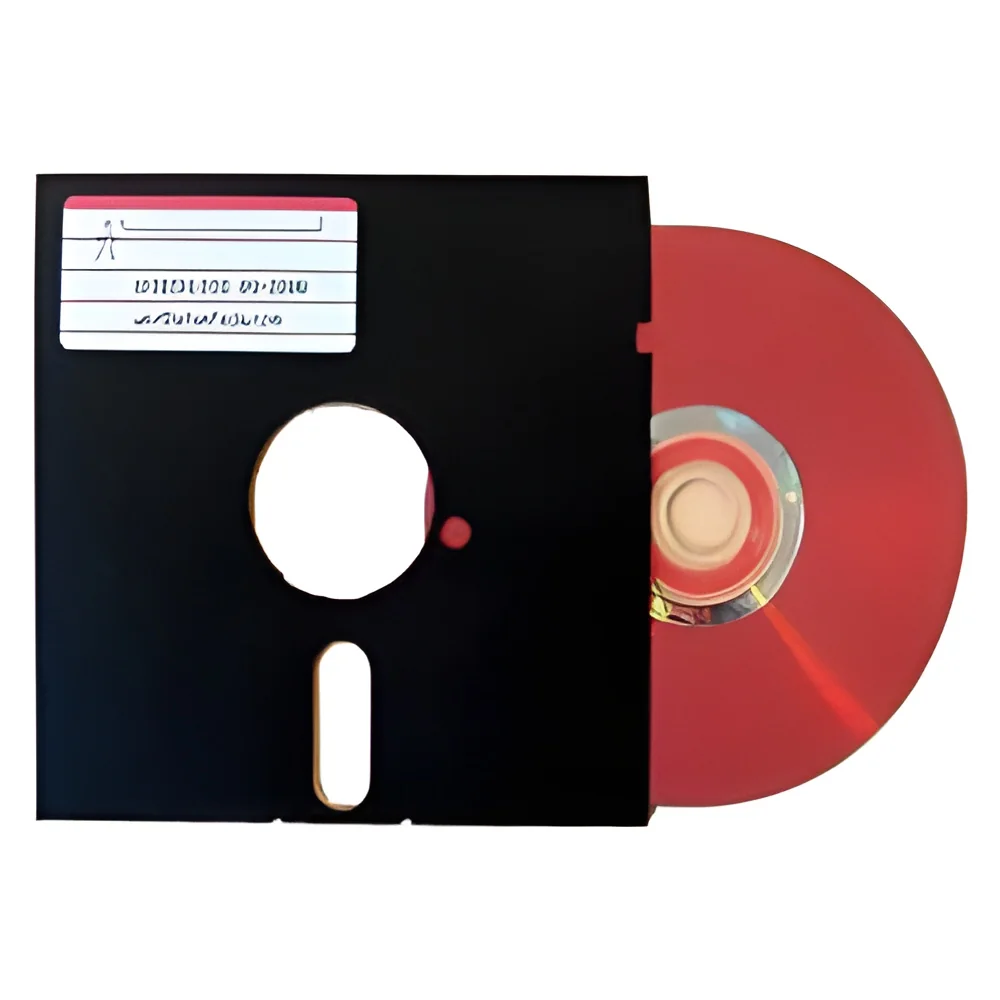
What are Data Archiving & Retention Services?
Data archiving and retention services involve the systematic storage and management of data to ensure its availability, security, and compliance with regulatory requirements. These services allow businesses to efficiently manage their data lifecycle, including the retention of historical data for future reference and retrieval. By archiving data, organizations can reduce the burden on primary storage systems, enhance performance, and ensure that critical information is preserved for legal or operational needs.
Primarily, data archiving and retention services are utilized across various industries to meet compliance standards, improve data retrieval processes, and manage storage costs. Businesses may use these services to store records for regulatory compliance, such as financial data, customer information, and employee records. The archiving process not only helps in safeguarding sensitive information but also facilitates easier access and retrieval, thereby improving operational efficiency.
In today's digital landscape, the relevance of data archiving and retention services is growing, particularly as data volumes continue to expand. Organizations must navigate a complex regulatory environment that mandates specific data retention periods. This context underscores the importance of choosing robust solutions that align with industry standards and best practices, ensuring that companies remain compliant while optimizing their data management strategies.
Key Features and Specifications
Data archiving and retention services come with several key features designed to meet the needs of businesses in managing their data effectively. These specifications provide an overview of what to expect from such services.
Key specifications include:
1. Data Storage Options
- Services may offer cloud-based or on-premises storage solutions.
- Scalability options allow businesses to adjust storage capacity as needed.
2. Data Retrieval Speed
- Fast retrieval times for archived data ensure minimal disruption.
- Options for indexing and search functionalities enhance user experience.
3. Compliance Support
- Services are aligned with industry regulations such as GDPR, HIPAA, and others.
- Regular audits and reporting features help maintain compliance.
4. Security Features
- Encryption methods protect stored data from unauthorized access.
- Access controls and user authentication safeguard sensitive information.
5. Data Lifecycle Management
- Automated policies for data retention and deletion help streamline processes.
- Organizations can customize retention policies based on their needs.
6. Reporting and Analytics
- Built-in analytics tools provide insights into data usage and access patterns.
- Reporting capabilities assist in compliance documentation and audits.
7. Integration Capabilities
- Services can integrate with existing IT infrastructure and applications.
- Compatibility with various data formats ensures a seamless experience.
8. Customer Support
- Technical support is available to assist with implementation and troubleshooting.
- Ongoing training resources help staff effectively utilize the services.
In summary, the right data archiving and retention services should offer robust features that address both operational needs and compliance requirements, ensuring businesses can manage their data efficiently and securely.
Common Applications and Use Cases
Data archiving and retention services find applications across a wide range of industries, each with unique data management needs.
1. Financial Services: Financial institutions utilize these services to preserve transaction records and client data in compliance with regulatory standards. This ensures that they can respond to audits and inquiries efficiently.
2. Healthcare: Hospitals and clinics rely on data archiving to maintain patient records and comply with regulations like HIPAA. Proper archiving ensures that sensitive medical information is securely stored and easily retrievable.
3. Legal: Law firms use data retention services to manage case files and compliance documents. These services facilitate the secure storage of sensitive legal information that may need to be referenced in future cases.
4. Education: Educational institutions archive student records, transcripts, and administrative documents. This ensures compliance with educational regulations while providing easy access to historical data.
5. Manufacturing: Manufacturers archive production data and compliance documents to meet industry regulations. This helps maintain quality standards and supports operational efficiency.
6. Retail: Retailers utilize data archiving to manage customer information, sales records, and inventory data. This supports marketing efforts and enhances customer service.
7. Government: Government agencies rely on data retention services to store records and documents required for transparency and accountability. This is crucial for meeting public information requests.
In conclusion, data archiving and retention services are essential across various sectors, enabling organizations to comply with regulations while optimizing data management.
Product Variants and Subcategories
Data archiving and retention services offer a variety of options to cater to different business needs. Each variant provides unique features and applications that can be tailored to specific requirements.
Cloud-Based Archiving Solutions
These solutions provide scalable storage options accessible from anywhere. They are ideal for businesses looking to minimize on-premises infrastructure while ensuring data is securely stored in the cloud.
On-Premises Archiving Solutions
This variant offers organizations complete control over their data storage environment. It is suitable for companies with strict security policies or those that prefer to keep sensitive data within their own facilities.
Hybrid Archiving Solutions
Hybrid solutions combine both cloud and on-premises storage, allowing businesses to leverage the benefits of both. This approach offers flexibility and scalability while ensuring data security.
Compliance-Focused Archiving Services
Designed specifically for industries with stringent regulatory requirements, these services prioritize compliance features. They provide tailored retention policies and reporting capabilities to meet industry standards.
Automated Data Management Solutions
These services use automation to streamline data retention and deletion processes. They help organizations reduce manual efforts and ensure compliance with retention policies.
In summary, the diversity of data archiving and retention service variants enables businesses to select solutions that best fit their operational and regulatory needs.
Benefits and Advantages
Investing in data archiving and retention services brings several advantages to businesses seeking to optimize their data management processes.
Key benefits include:
1. Cost Savings: By archiving data, organizations can reduce storage costs and improve the efficiency of their primary storage systems.
2. Improved Compliance: These services help ensure that businesses meet regulatory requirements, minimizing the risk of penalties or legal issues.
3. Enhanced Data Retrieval: Fast and efficient retrieval processes improve operational efficiency and enable quicker decision-making.
4. Data Security: Robust security features protect sensitive information from unauthorized access and data breaches.
5. Streamlined Data Management: Automated retention policies simplify data management, reducing the burden on IT teams.
6. Scalability: Archiving solutions can easily adapt to changing data volumes, allowing businesses to scale their storage needs effectively.
In conclusion, the benefits of data archiving and retention services significantly contribute to an organization’s ability to manage its data effectively while ensuring compliance and security.
Buying Guide for B2B Buyers
When sourcing data archiving and retention services, it is essential for B2B buyers to consider several factors to ensure they select the right solution.
1. Quality Assessment: Evaluate the service provider’s reputation and the quality of their solutions. Look for customer reviews and case studies to gauge their effectiveness.
2. Supplier Verification: Conduct thorough background checks on potential suppliers. Verify their certifications, compliance with industry standards, and customer support capabilities.
3. Pricing and MOQ: Understand the pricing structure and any minimum order quantities. Compare costs among different providers to find a service that fits your budget without compromising quality.
4. Delivery and Lead Times: Consider the logistics involved in implementing the service. Ensure that the provider can meet your timeline and deliver a solution that aligns with your operational needs.
5. Compliance Requirements: Assess the provider’s understanding of industry regulations. Ensure they can support your compliance needs with proper documentation and reporting features.
In summary, careful consideration of these factors can significantly influence the success of sourcing data archiving and retention services.
Compliance and Certifications
Data archiving and retention services must adhere to various compliance requirements and quality standards. These standards ensure that services meet the necessary benchmarks for security, efficiency, and reliability.
Relevant quality standards for these services include ISO 9001, which focuses on maintaining quality management systems. Compliance with ISO standards indicates that a service provider follows systematic processes to ensure quality across all operations.
Additionally, industry certifications such as CE signify that the services meet European health, safety, and environmental protection standards. This certification assures buyers of the reliability and safety of the services offered.
Safety and testing requirements are also critical. Providers must ensure that their services undergo rigorous testing to protect against data breaches and ensure data integrity.
Regional compliance considerations are essential, especially for businesses operating in multiple jurisdictions. Providers should be familiar with varying regulations, such as GDPR in Europe or HIPAA in the U.S., to ensure that their services are compliant with local laws.
In summary, compliance with quality standards and certifications is vital for data archiving and retention services, ensuring that organizations can trust the solutions they implement.
Why Source Data Archiving & Retention Services from Pepagora?
Pepagora provides a trusted platform for sourcing data archiving and retention services with several key advantages. Our commitment to quality and reliability sets us apart in the market.
Verified Supplier Network: We maintain a network of thoroughly vetted suppliers who meet strict standards for quality and compliance. This ensures that buyers have access to reliable services from reputable providers.
Streamlined RFQ Process: Our quotation system simplifies the sourcing process, allowing buyers to easily request quotes from multiple suppliers. This efficiency helps organizations find the best options for their needs in a timely manner.
Trade Assurance and Support: Pepagora offers trade assurance to protect buyers throughout the purchasing process. Our dedicated support team is available to assist with any inquiries, ensuring a smooth experience from start to finish.
Regional Coverage: With a strong presence in India, the GCC, and Southeast Asia, Pepagora connects businesses with local suppliers, facilitating easier communication and logistics. This regional focus enhances the sourcing experience for businesses across these areas.
In conclusion, sourcing data archiving and retention services from Pepagora provides businesses with a reliable, efficient, and supported process, ensuring they can effectively manage their data needs.

 IN
IN