𝗪𝗵𝗮𝘁 𝗮𝗿𝗲 𝗕𝗿𝗼𝗰𝗵𝘂𝗿𝗲𝘀, 𝗙𝗹𝘆𝗲𝗿𝘀 & 𝗖𝗮𝘁𝗮𝗹𝗼𝗴𝘂𝗲𝘀?
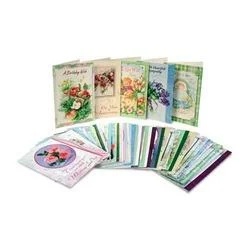
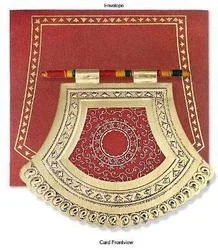
Brochures, flyers, and catalogues are essential marketing tools used by businesses to communicate their products and services. A brochure is a folded document that provides a detailed overview of a company’s offerings, typically containing images and descriptive text. Flyers are single-page advertisements that are often used for promotions or events, while catalogues are comprehensive collections of products or services, often organized by categories for easy navigation.
These materials are widely used across various industries for marketing and informational purposes. They help businesses present their brand identity, showcase their product range, and inform potential customers about features and benefits. Brochures, flyers, and catalogues play a crucial role in sales strategies, trade shows, and direct mail campaigns, effectively reaching target audiences and enhancing brand visibility.
In the current market context, the relevance of printed materials remains strong despite the digital age. Many businesses still rely on tangible formats to engage customers and facilitate decision-making processes. Industries such as retail, manufacturing, and services utilize these tools to maintain a competitive edge and build relationships with clients.
𝗞𝗲𝘆 𝗙𝗲𝗮𝘁𝘂𝗿𝗲𝘀 𝗮𝗻𝗱 𝗦𝗽𝗲𝗰𝗶𝗳𝗶𝗰𝗮𝘁𝗶𝗼𝗻𝘀
Brochures, flyers, and catalogues come with various features and specifications that define their quality and effectiveness. These specifications cater to different business needs while ensuring that the materials serve their purpose in marketing and communication.
Key specifications include:
1. Material Type
- Common materials include glossy paper, matte paper, and recycled paper.
- Weight typically ranges from 100 to 300 gsm, depending on the type and design.
2. Size and Dimensions
- Standard sizes include A4, A5, and custom dimensions based on specific requirements.
- Fold types for brochures can include bi-fold, tri-fold, or z-fold.
3. Printing Quality
- High-resolution printing is essential for clear images and text.
- Full-color printing is standard, with options for spot colors available.
4. Binding Options
- Binding methods may include saddle stitching, perfect binding, or spiral binding.
- Choices depend on the thickness and intended usage of the catalogue.
5. Customization Options
- Businesses can choose to customize layouts, colors, and branding elements.
- Personalization options may include variable data printing for targeted messages.
6. Finishing Options
- Finishing techniques such as lamination, UV coating, or embossing enhance durability and aesthetics.
- These options can help protect the printed materials from wear and tear.
7. Minimum Order Quantity (MOQ)
- MOQs can vary based on the supplier, often ranging from 100 to 500 pieces.
- Bulk orders may offer cost savings for businesses.
In summary, understanding these key features and specifications is vital for businesses when selecting brochures, flyers, and catalogues tailored to their marketing needs.
𝗖𝗼𝗺𝗺𝗼𝗻 𝗔𝗽𝗽𝗹𝗶𝗰𝗮𝘁𝗶𝗼𝗻𝘀 𝗮𝗻𝗱 𝗨𝘀𝗲 𝗖𝗮𝘀𝗲𝘀
Brochures, flyers, and catalogues are utilized across various industries for effective communication and promotion.
1. Retail: Retail businesses use brochures to showcase seasonal promotions, new arrivals, and special discounts. Flyers are often distributed to drive traffic to stores during sales events.
2. Manufacturing: Manufacturers employ catalogues to present their product lines, specifications, and pricing. These tools help potential clients understand the range of products available for various applications.
3. Hospitality: Hotels and restaurants utilize brochures to highlight services, dining options, and amenities. Flyers can promote special events or offers to attract customers.
4. Healthcare: Healthcare providers use brochures to inform patients about services, health programs, and wellness tips. These materials enhance patient education and engagement.
5. Education: Educational institutions rely on catalogues to outline courses, programs, and admission procedures. Brochures are used during recruitment fairs to attract prospective students.
6. Real Estate: Real estate agencies create brochures to market properties, showcasing images and details to potential buyers. Flyers are often used for open house events.
7. Nonprofit Organizations: Nonprofits utilize brochures to communicate their missions, fundraising events, and community impact. Flyers are effective for spreading awareness about initiatives.
𝗣𝗿𝗼𝗱𝘂𝗰𝘁 𝗩𝗮𝗿𝗶𝗮𝗻𝘁𝘀 𝗮𝗻𝗱 𝗦𝘂𝗯𝗰𝗮𝘁𝗲𝗴𝗼𝗿𝗶𝗲𝘀
Brochures, flyers, and catalogues are diverse products that cater to various marketing needs. While specific variants are not detailed, businesses can explore several options based on design, size, and purpose.
Standard Brochure
This variant is typically tri-fold and printed on high-quality paper. It is often used for general marketing purposes, providing an overview of products and services in a compact format.
Promotional Flyer
A single-page design, promotional flyers are ideal for quick announcements and event promotions. They are commonly distributed at events or placed in strategic locations to capture attention.
Product Catalogue
A comprehensive document, product catalogues include detailed descriptions, specifications, and images of a company's offerings. They are essential for businesses looking to provide in-depth product information to clients.
𝗕𝗲𝗻𝗲𝗳𝗶𝘁𝘀 𝗮𝗻𝗱 𝗔𝗱𝘃𝗮𝗻𝘁𝗮𝗴𝗲𝘀
Using brochures, flyers, and catalogues offers numerous benefits to businesses looking to enhance their marketing efforts.
Key benefits include:
1. Increased Visibility: These materials help businesses stand out in a crowded market by effectively showcasing their brand and offerings.
2. Customer Engagement: Brochures and catalogues provide valuable information that can engage potential customers and drive interest in products.
3. Cost-Effective Marketing: Compared to digital advertising, printed materials can reach a wide audience at a lower cost, especially when produced in bulk.
4. Tangible Presence: Physical materials allow customers to hold and interact with the information, fostering a stronger connection to the brand.
5. Versatile Distribution: Brochures, flyers, and catalogues can be distributed through various channels, including direct mail, trade shows, and in-store displays.
6. Customizable Content: Businesses can tailor the content to meet specific customer needs, enhancing the effectiveness of their message.
𝗕𝘂𝘆𝗶𝗻𝗴 𝗚𝘂𝗶𝗱𝗲 𝗳𝗼𝗿 𝗕𝟮𝗕 𝗕𝘂𝘆𝗲𝗿𝘀
When sourcing brochures, flyers, and catalogues, B2B buyers should consider several key factors to make informed decisions.
1. Quality Assessment: Assess the quality of materials and printing to ensure durability and professional appearance. Look for samples from suppliers to evaluate their work.
2. Supplier Verification: Vet potential suppliers by checking reviews, testimonials, and case studies. Responsiveness and customer service are also essential indicators of reliability.
3. Pricing and MOQ: Understand the pricing structure and minimum order quantities. Compare costs across suppliers to identify the best options for your budget.
4. Delivery and Lead Times: Inquire about delivery times and logistics to ensure that materials arrive when needed. Timely delivery is crucial for promotional campaigns.
5. Compliance Requirements: Ensure that the materials meet any industry-specific compliance standards, such as environmental regulations or safety certifications.
𝗖𝗼𝗺𝗽𝗹𝗶𝗮𝗻𝗰𝗲 𝗮𝗻𝗱 𝗖𝗲𝗿𝘁𝗶𝗳𝗶𝗰𝗮𝘁𝗶𝗼𝗻𝘀
Brochures, flyers, and catalogues must adhere to relevant standards and certifications to ensure quality and safety in production.
ISO 9001 is a quality management standard that ensures consistent quality in products and services. Adhering to this standard can enhance customer satisfaction and operational efficiency.
CE certification indicates compliance with European health, safety, and environmental protection standards. It is crucial for businesses operating in regions with strict regulatory requirements.
Safety and testing requirements should be considered during the production process to ensure that the materials do not pose risks to users. This is particularly relevant for industries like healthcare and education.
Regional compliance considerations may vary depending on local laws and regulations. Buyers should be aware of these requirements to avoid legal issues and ensure product acceptance in their respective markets.
𝗪𝗵𝘆 𝗦𝗼𝘂𝗿𝗰𝗲 𝗕𝗿𝗼𝗰𝗵𝘂𝗿𝗲𝘀, 𝗙𝗹𝘆𝗲𝗿𝘀 & 𝗖𝗮𝘁𝗮𝗹𝗼𝗴𝘂𝗲𝘀 𝗳𝗿𝗼𝗺 𝗣𝗲𝗽𝗮𝗴𝗼𝗿𝗮?
Pepagora offers a trusted platform for sourcing brochures, flyers, and catalogues, providing several key advantages to businesses.
Verified Supplier Network: Pepagora connects buyers with a network of verified suppliers, ensuring quality and reliability in sourcing. Each supplier undergoes thorough vetting to maintain high standards.
Streamlined RFQ Process: The Request for Quotation (RFQ) process is user-friendly, allowing businesses to request quotes from multiple suppliers quickly. This efficiency helps buyers make informed decisions based on competitive pricing and features.
Trade Assurance and Support: Pepagora offers trade assurance to protect buyers during transactions. This includes support for resolving issues, ensuring peace of mind throughout the purchasing process.
Regional Coverage: With a presence in India, GCC, and Southeast Asia, Pepagora provides extensive regional coverage, making it easier for businesses to find local suppliers and navigate logistics efficiently. This geographic reach enhances the ability to meet diverse market needs.

 IN
IN

 India
India