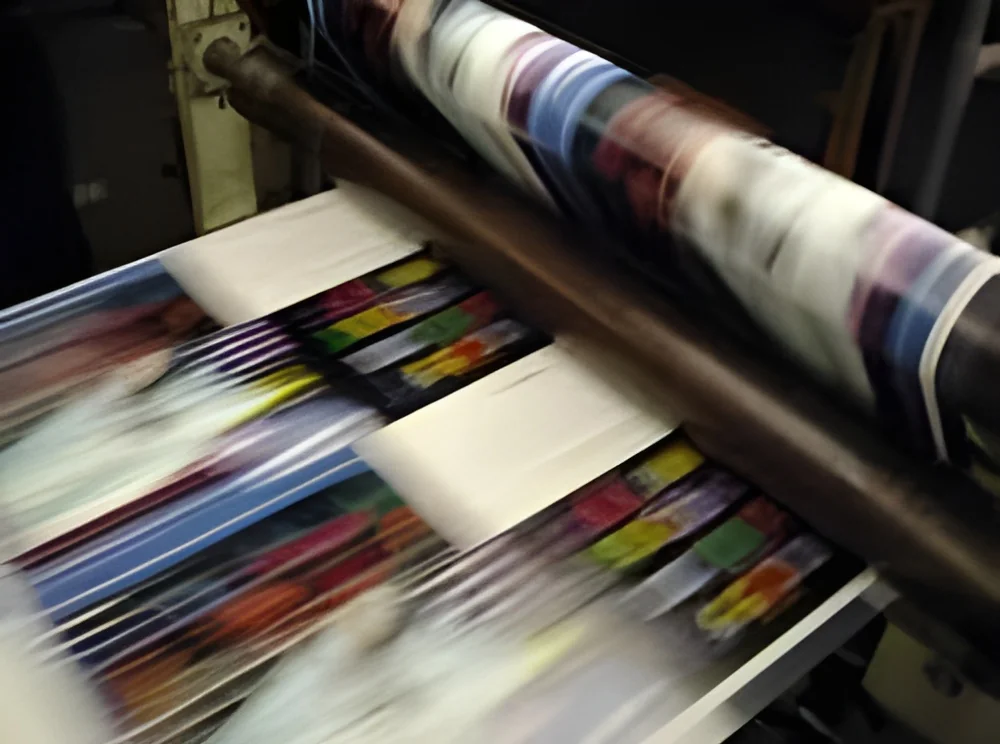
What are Offset Printed Brochures?
Offset printed brochures are high-quality marketing materials produced using the offset printing technique. This method involves transferring ink from a plate to a rubber blanket and then onto the paper, allowing for vibrant colors and detailed images. Offset printing is renowned for its ability to produce large quantities of printed materials efficiently while maintaining consistent color accuracy and sharpness.
These brochures are primarily used by businesses to communicate information about their products, services, or brand to potential customers. They serve as valuable tools in marketing campaigns, trade shows, and corporate events. Brochures can be designed for various purposes, including product launches, informational handouts, or promotional materials. Their versatility makes them a staple in many industries, from retail to manufacturing.
In the current market, offset printed brochures hold significant relevance as businesses increasingly seek tangible marketing strategies. While digital marketing continues to grow, printed materials remain effective in establishing a physical presence and delivering detailed information. Companies that invest in offset printed brochures can enhance their brand visibility and engage their target audience more effectively.
Key Features and Specifications
Offset printed brochures come with several key features that make them a preferred choice for businesses. Their specifications can vary based on client needs, but common aspects include paper quality, ink type, and finishing options.
Key specifications include:
1. Paper Type
- Commonly used paper types include glossy, matte, and uncoated paper.
- Weights typically range from 130 to 300 gsm.
2. Print Quality
- High-resolution printing ensures sharp text and vivid colors.
- Typically, a minimum of 300 DPI (dots per inch) is used for optimal results.
3. Size Options
- Standard sizes include A4, A5, and custom dimensions as per client requirements.
- Folding options can include bi-fold, tri-fold, or z-fold designs.
4. Color Printing
- Full-color (CMYK) printing is standard, allowing for rich and vibrant graphics.
- Spot color options are available for specific branding needs.
5. Finishing Options
- Common finishes include UV coating, lamination, and embossing for enhanced durability and appearance.
- Additional options may include perforations for easy tearing.
6. Customization
- Brochures can be tailored to specific branding needs, including custom designs and layouts.
- Businesses can choose to include variable data printing for personalized marketing.
7. Turnaround Time
- Production time typically ranges from a few days to a couple of weeks, depending on complexity and order size.
Offset printed brochures offer a wide range of specifications tailored to meet diverse marketing needs.
Common Applications and Use Cases
Offset printed brochures are utilized across various industries, providing essential information and promotional content.
1. Retail: Retailers often use brochures to showcase new products, special promotions, and store layouts to attract customers.
2. Healthcare: Medical institutions and pharmaceutical companies utilize brochures to inform patients about services, medications, and health tips.
3. Education: Schools and universities create brochures to provide prospective students with information on programs, admissions, and campus life.
4. Travel and Tourism: Travel agencies use brochures to highlight destinations, travel packages, and itineraries, enticing travelers to book trips.
5. Real Estate: Real estate agents distribute brochures to showcase properties, including detailed descriptions, photos, and pricing information.
6. Manufacturing: Manufacturers produce brochures to explain complex products, features, and applications to potential clients.
7. Non-Profits: Non-profit organizations create brochures to raise awareness about their mission, programs, and fundraising efforts.
Product Variants and Subcategories
Offset printed brochures come in diverse formats to cater to different marketing strategies. Each variant serves specific needs and applications.
Standard Brochure
This is the most common variant, featuring a simple fold and a clear layout. It typically includes product details and branding elements, making it ideal for general marketing purposes.
Tri-Fold Brochure
This variant consists of three panels, allowing for organized content distribution. It is particularly effective for presenting step-by-step information or multiple product lines.
Z-Fold Brochure
The z-fold format provides a creative way to present information. It works well for timelines or sequential content, capturing the reader's attention through its unique layout.
Benefits and Advantages
Offset printed brochures offer numerous benefits that can enhance a company's marketing efforts.
Key benefits include:
1. High-Quality Print: The offset printing process delivers exceptional print quality, ensuring vibrant colors and sharp images that attract attention.
2. Cost-Effective for Large Runs: Offset printing becomes more economical as quantities increase, making it ideal for bulk printing.
3. Customization Options: Businesses can create personalized brochures that align with their branding and marketing strategies.
4. Tangibility: Printed brochures provide a physical medium that can leave a lasting impression on potential customers.
5. Versatile Marketing Tool: They can be used in various settings, from trade shows to direct mail campaigns, enhancing brand visibility.
6. Information-Rich: Brochures can convey detailed information in an organized manner, making it easier for customers to understand products and services.
Buying Guide for B2B Buyers
When sourcing offset printed brochures, businesses should consider several critical factors to ensure they select the right product for their marketing needs.
1. Quality Assessment: Evaluate the printing quality by requesting samples. Look for color accuracy, paper weight, and overall finish to ensure the product meets expectations.
2. Supplier Verification: Vet potential suppliers by checking reviews and their experience in the industry. Confirm their capability to handle your specific requirements.
3. Pricing and MOQ: Request quotes from multiple suppliers to compare prices. Be aware of minimum order quantities, which can impact overall costs.
4. Delivery and Lead Times: Discuss delivery timelines upfront to ensure the brochures arrive when needed for marketing campaigns.
5. Compliance Requirements: Ensure that the materials used meet any relevant industry standards or regulations, especially in specific sectors like healthcare or food.
Compliance and Certifications
Offset printed brochures are subject to various quality standards and regulations that ensure their reliability and safety.
Relevant quality standards, such as ISO 9001, provide guidelines for maintaining quality management systems in the printing process. Adhering to these standards ensures that businesses can deliver consistent and reliable products.
Industry certifications, including CE, indicate that the brochures meet necessary safety and environmental regulations. This is particularly important for companies in regulated industries.
Safety and testing requirements often involve evaluating the materials used in the printing process to ensure they are safe for handling and use. Businesses should also consider regional compliance obligations that may vary by location, ensuring that their brochures meet local regulations.
Why Source Offset Printed Brochures from Pepagora?
Pepagora offers an exceptional platform for sourcing offset printed brochures, providing several key advantages to B2B buyers.
Verified Supplier Network: Pepagora connects businesses with a network of verified suppliers. This ensures that buyers can access high-quality products from reputable manufacturers.
Streamlined RFQ Process: The request for quotation process on Pepagora is designed to be user-friendly. Buyers can quickly submit their requirements and receive competitive quotes from multiple suppliers.
Trade Assurance and Support: Pepagora provides trade assurance features that protect buyers during transactions. This includes support services to assist with any issues that may arise.
Regional Coverage: With a broad geographic reach across India, the GCC, and Southeast Asia, Pepagora ensures that businesses from various regions can find suitable suppliers for their offset printed brochures. This extensive coverage helps facilitate timely and efficient sourcing.

 IN
IN