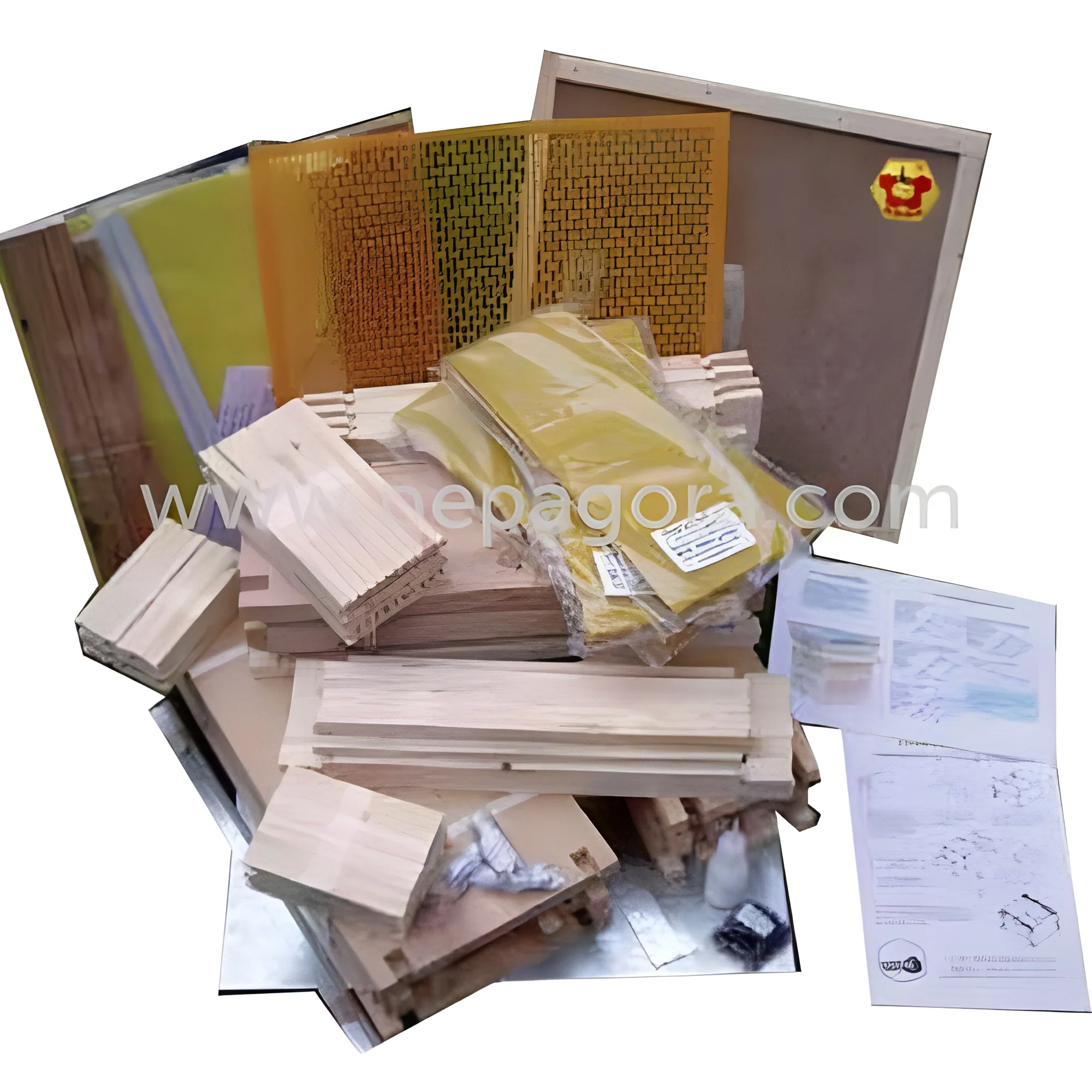
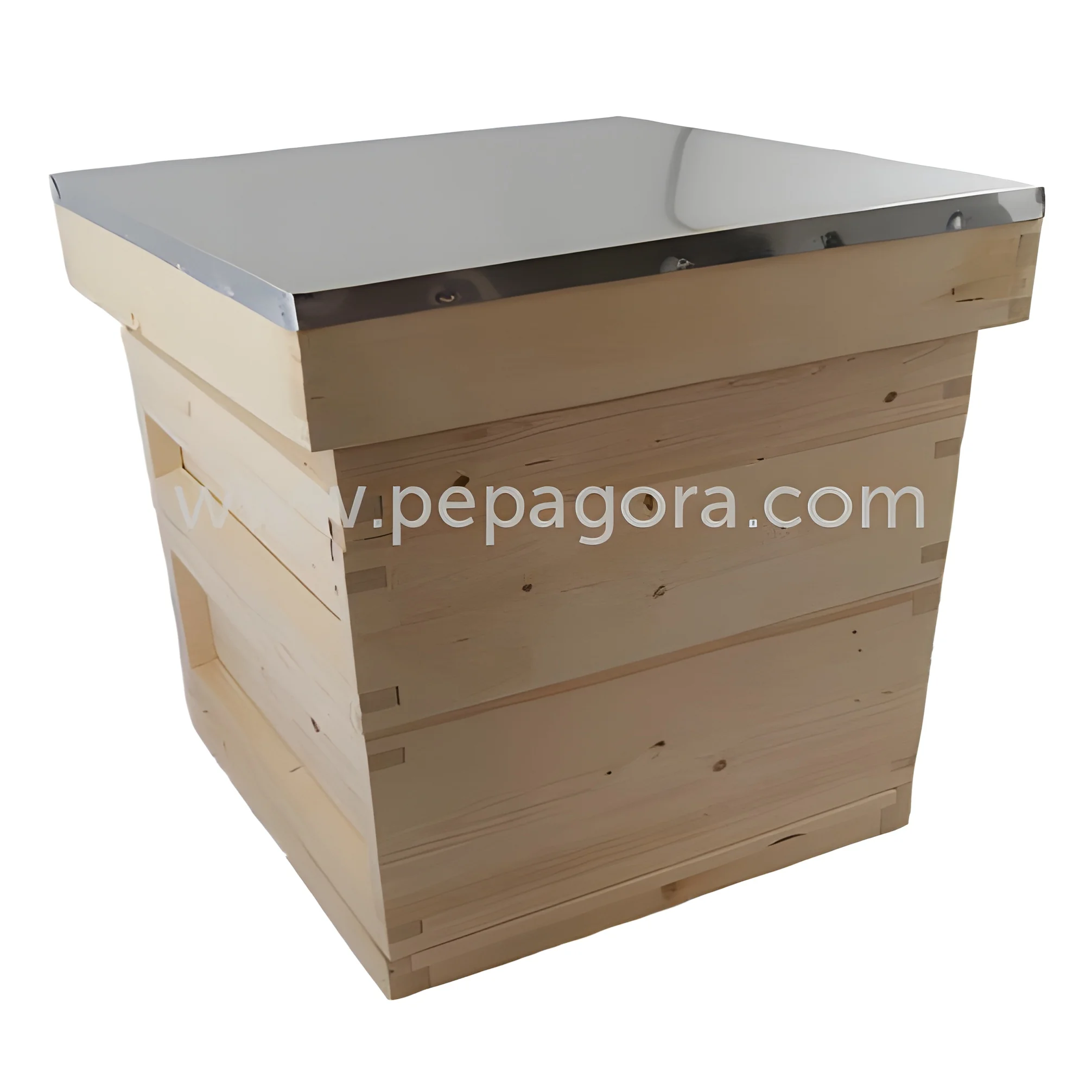
𝗪𝗵𝗮𝘁 𝗮𝗿𝗲 𝗕𝗲𝗲𝗸𝗲𝗲𝗽𝗶𝗻𝗴 𝗦𝘂𝗽𝗽𝗹𝗶𝗲𝘀?
Beekeeping supplies are essential tools and equipment used by beekeepers to manage and maintain bee colonies. These supplies include hives, protective clothing, tools for honey extraction, and feeding accessories. They play a critical role in ensuring the health and productivity of bees, which are vital for pollination and honey production.
The primary uses of beekeeping supplies revolve around the care and management of bee colonies. Beekeepers utilize these supplies for various tasks, including hive inspection, honey harvesting, and disease control. Businesses involved in agriculture, food production, and environmental conservation also rely on these supplies to support pollination and enhance crop yields.
In terms of industry relevance, the demand for beekeeping supplies has been steadily increasing due to the growing awareness of the importance of bees in the ecosystem. The market for these supplies is expanding as more individuals and businesses recognize the benefits of beekeeping, both for personal use and commercial purposes.
𝗞𝗲𝘆 𝗙𝗲𝗮𝘁𝘂𝗿𝗲𝘀 𝗮𝗻𝗱 𝗦𝗽𝗲𝗰𝗶𝗳𝗶𝗰𝗮𝘁𝗶𝗼𝗻𝘀
Beekeeping supplies come with various features and specifications that ensure they meet the needs of beekeepers. Understanding these specifications is crucial for selecting the right products for your operations.
Key specifications include:
1. Hive Type
- Options include Langstroth, Top Bar, and Warre hives.
- Each type varies in construction and management style.
2. Material
- Common materials include wood, plastic, and metal.
- Materials impact durability, insulation, and maintenance.
3. Protective Clothing
- Includes bee suits, gloves, and veils.
- Designed to offer safety and comfort while working with bees.
4. Honey Extractors
- Available in manual and electric models.
- Capacity ranges from small to commercial sizes.
5. Feeders
- Types include entrance, frame, and top feeders.
- Used to provide supplemental nourishment to bees.
6. Tools
- Essential tools include hive tools, smokers, and bee brushes.
- These tools assist in hive management and maintenance.
7. Ventilation Features
- Some hives come with built-in ventilation systems.
- Helps regulate temperature and humidity within the hive.
8. Certifications
- Compliance with CE standards ensures safety and quality.
- Certifications can vary based on regional requirements.
In summary, the specifications of beekeeping supplies are diverse, catering to different needs and preferences of beekeepers. Understanding these details helps in making informed purchasing decisions.
𝗖𝗼𝗺𝗺𝗼𝗻 𝗔𝗽𝗽𝗹𝗶𝗰𝗮𝘁𝗶𝗼𝗻𝘀 𝗮𝗻𝗱 𝗨𝘀𝗲 𝗖𝗮𝘀𝗲𝘀
Beekeeping supplies serve various industries beyond just hobbyist beekeepers.
1. Agriculture: Farmers use beekeeping supplies to enhance pollination, leading to higher crop yields. Beekeeping practices can significantly improve the production of fruits, vegetables, and nuts.
2. Food Production: Honey producers rely on specialized equipment for harvesting and processing honey. Beekeeping supplies ensure that honey is extracted efficiently while maintaining quality.
3. Environmental Conservation: Organizations focused on biodiversity and conservation utilize beekeeping supplies to promote pollinator health. These efforts support ecosystem balance and preservation.
4. Education: Schools and educational programs may use beekeeping supplies for teaching purposes. Demonstrations on bee biology and environmental science often involve practical beekeeping equipment.
5. Research: Scientific institutions may require beekeeping supplies for studies on bee behavior and health. These supplies enable researchers to conduct field studies effectively.
6. Organic Farming: Organic farmers often incorporate beekeeping supplies into their practices. These supplies help maintain sustainable agricultural practices and support pollinator populations.
7. Local Crafts: Artisans and small businesses may use beekeeping supplies for handmade honey products and beeswax crafts. These products often appeal to eco-conscious consumers.
𝗣𝗿𝗼𝗱𝘂𝗰𝘁 𝗩𝗮𝗿𝗶𝗮𝗻𝘁𝘀 𝗮𝗻𝗱 𝗦𝘂𝗯𝗰𝗮𝘁𝗲𝗴𝗼𝗿𝗶𝗲𝘀
Beekeeping supplies encompass a range of products to meet diverse needs. Each variant offers unique features to enhance the beekeeping experience.
Langstroth Hive
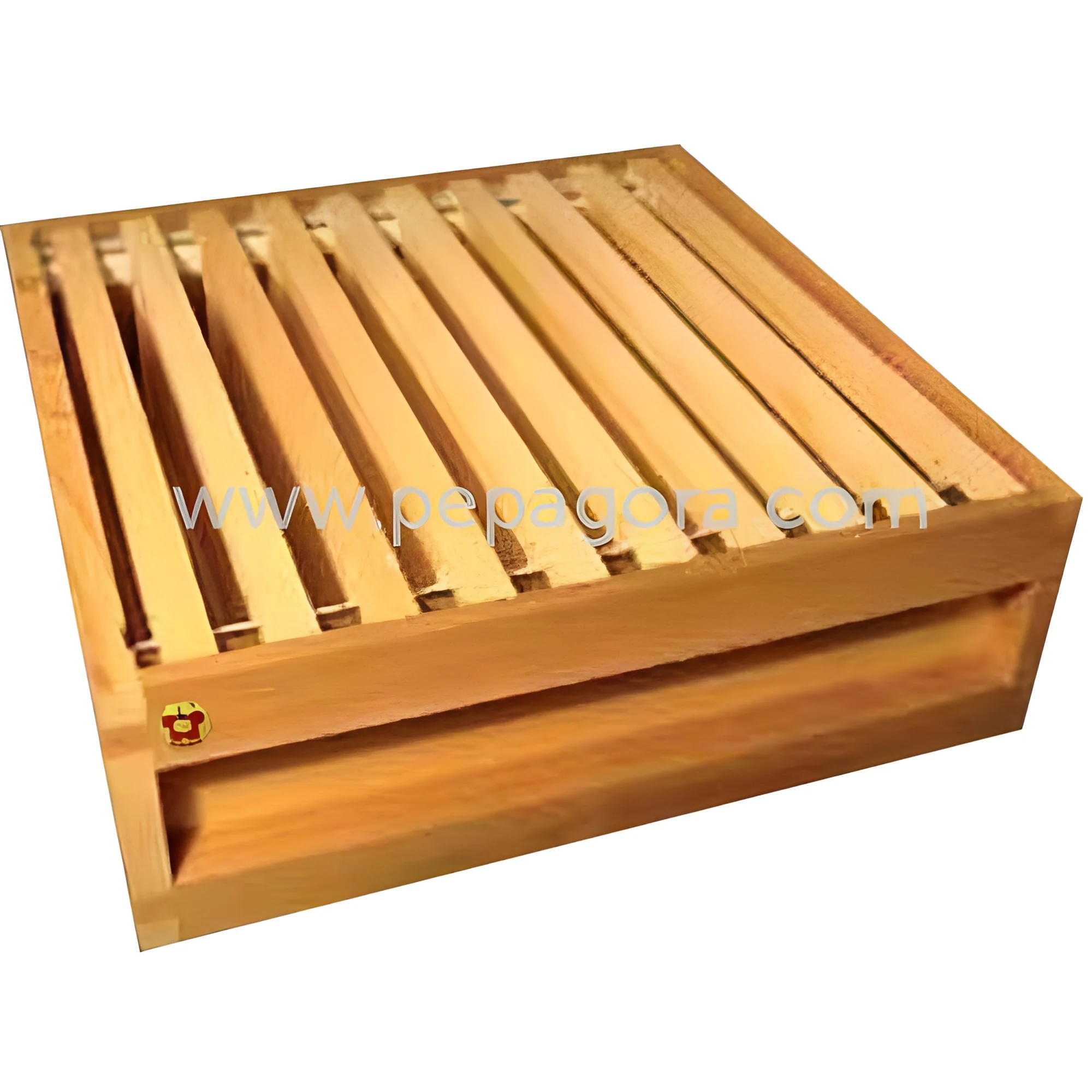
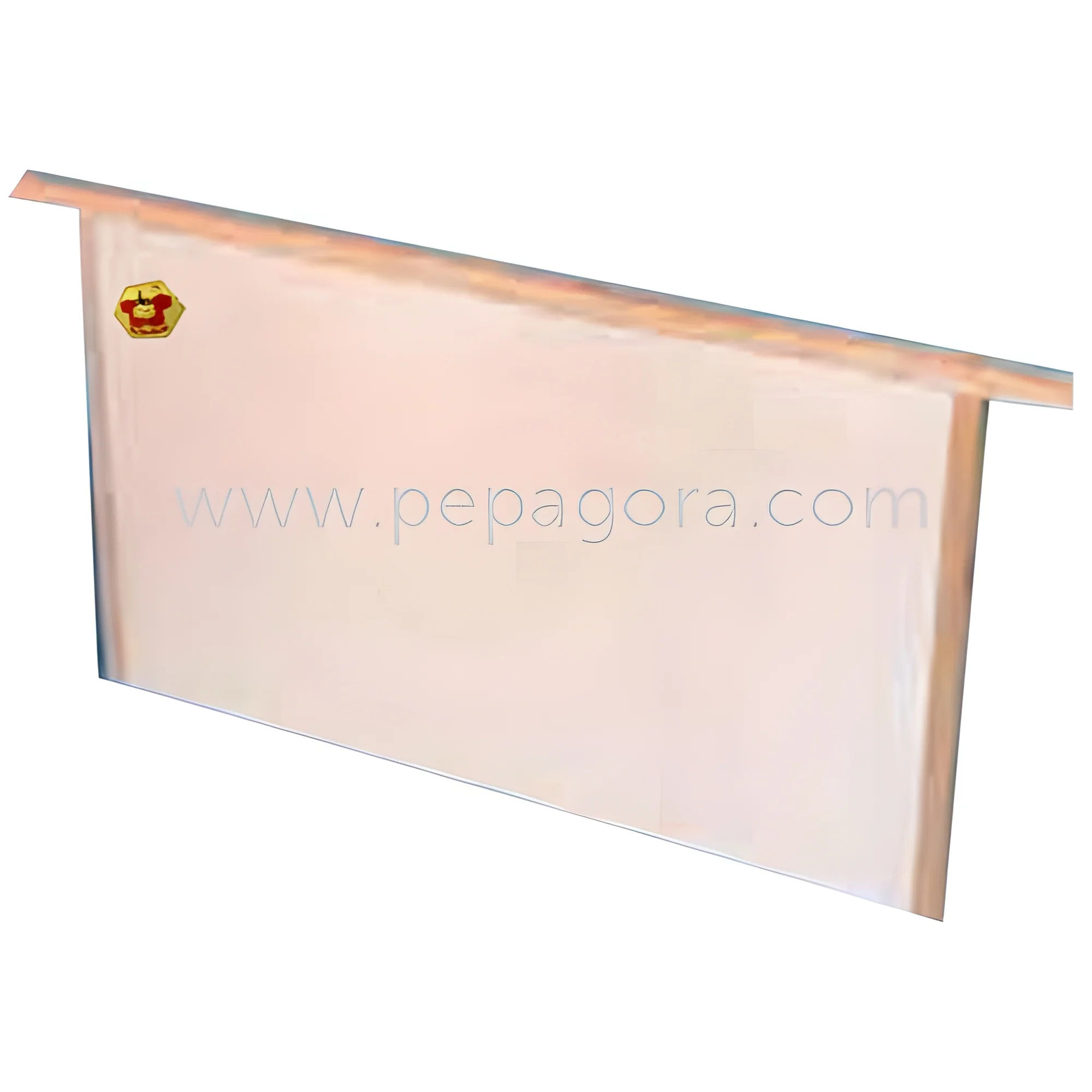
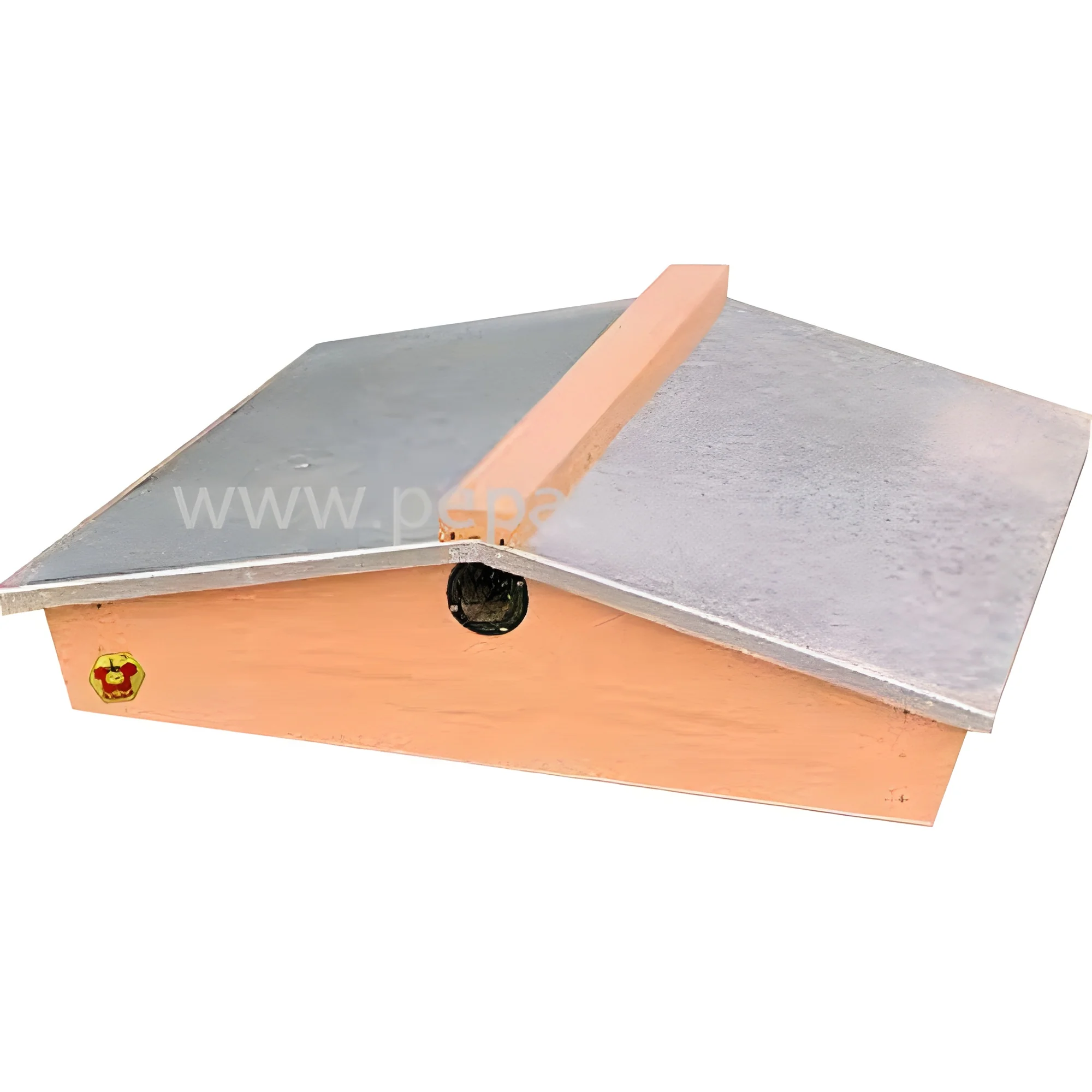
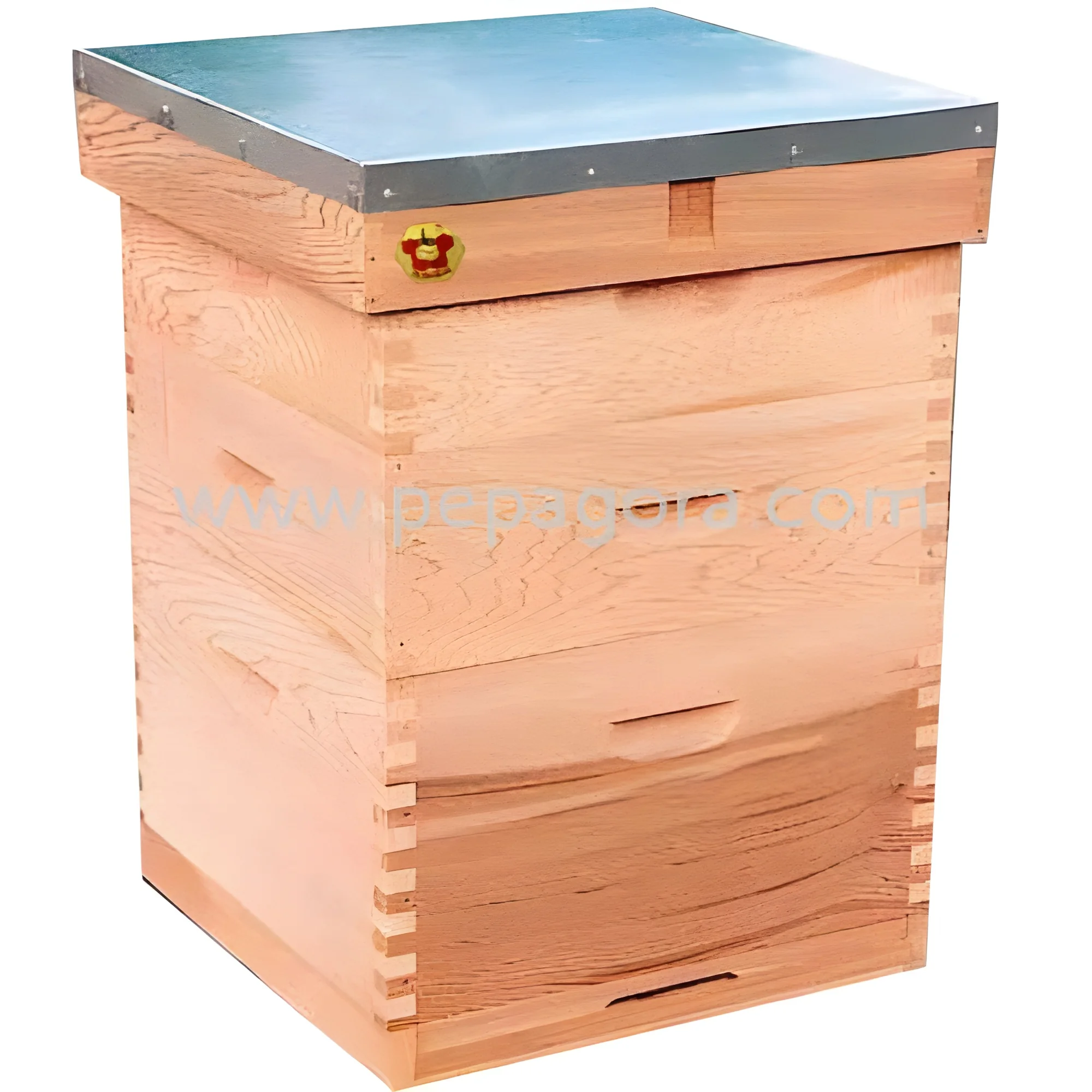
The Langstroth hive is the most common type of beehive. Its design includes removable frames that make it easy to inspect and harvest honey. This hive is suitable for both novice and experienced beekeepers.
Top Bar Hive
The top bar hive features a horizontal design that allows bees to build their comb naturally. It is favored by those who prefer a more hands-off approach to beekeeping, promoting a more natural lifestyle for the bees.
Honey Extractor
A honey extractor is a crucial tool for honey production. Available in manual and electric models, it allows beekeepers to extract honey without damaging the comb. This equipment is essential for maximizing honey yields.
Bee Feeder
Bee feeders are used to provide supplemental nutrition to bee colonies. Various types are available, including entrance and top feeders, to cater to different hive setups and feeding needs.
Protective Gear
Protective gear includes bee suits, gloves, and veils. These products ensure safety when working with bees, minimizing the risk of stings and enhancing the overall beekeeping experience.
𝗕𝗲𝗻𝗲𝗳𝗶𝘁𝘀 𝗮𝗻𝗱 𝗔𝗱𝘃𝗮𝗻𝘁𝗮𝗴𝗲𝘀
Beekeeping supplies offer numerous benefits to beekeepers and related industries.
1. Enhanced Hive Management: Quality supplies facilitate effective hive inspections and management, leading to healthier bee colonies.
2. Increased Honey Production: Utilizing the right tools, such as honey extractors, can significantly boost honey yield and efficiency in harvesting.
3. Improved Pollination: Beekeeping supplies help maintain strong bee populations, which are essential for effective pollination of crops.
4. Safety and Protection: Protective gear ensures safety during hive management, reducing the risk of stings and allergic reactions.
5. Sustainability: Engaging in beekeeping promotes environmental sustainability by supporting local ecosystems and biodiversity.
6. Educational Opportunities: Beekeeping supplies can be used for educational purposes, fostering awareness and appreciation for pollinators.
𝗕𝘂𝘆𝗶𝗻𝗴 𝗚𝘂𝗶𝗱𝗲 𝗳𝗼𝗿 𝗕𝟮𝗕 𝗕𝘂𝘆𝗲𝗿𝘀
When sourcing beekeeping supplies, it’s essential to consider several key factors to ensure you make the right purchasing decisions.
1. Quality Assessment: Evaluate the quality of materials and construction. Look for suppliers who provide clear product specifications and quality certifications.
2. Supplier Verification: Verify the credibility of suppliers by checking their track record, customer reviews, and industry reputation. This helps ensure reliable partnerships.
3. Pricing and MOQ: Understand the price range for different supplies and inquire about minimum order quantities. Compare prices across various suppliers for the best deal.
4. Delivery and Lead Times: Consider logistics and delivery timelines when placing orders. Ensure that suppliers can meet your scheduling needs.
5. Compliance Requirements: Be aware of any regulatory standards applicable to beekeeping supplies in your region. Compliance with safety and quality standards is crucial for effective operations.
𝗖𝗼𝗺𝗽𝗹𝗶𝗮𝗻𝗰𝗲 𝗮𝗻𝗱 𝗖𝗲𝗿𝘁𝗶𝗳𝗶𝗰𝗮𝘁𝗶𝗼𝗻𝘀
Beekeeping supplies must adhere to various compliance and certification standards to ensure safety and quality in production and use. Relevant quality standards include ISO 9001, which focuses on quality management systems, and Hazard Analysis Critical Control Point (HACCP), which ensures safety in food production processes.
Additionally, many beekeeping products require compliance with Good Distribution Practices (GDP) to ensure that they are stored and transported safely. CE certification is also important for products sold in the European market, indicating that they meet health, safety, and environmental protection standards.
Regional compliance considerations may vary, so it is essential for buyers to familiarize themselves with local regulations. This includes understanding specific requirements for beekeeping equipment and ensuring that all products sourced meet these standards to maintain safety and quality.
𝗪𝗵𝘆 𝗦𝗼𝘂𝗿𝗰𝗲 𝗕𝗲𝗲𝗸𝗲𝗲𝗽𝗶𝗻𝗴 𝗦𝘂𝗽𝗽𝗹𝗶𝗲𝘀 𝗳𝗿𝗼𝗺 𝗣𝗲𝗽𝗮𝗴𝗼𝗿𝗮?
Pepagora offers a trusted platform for sourcing beekeeping supplies with several key advantages that benefit B2B buyers.
Verified Supplier Network: Pepagora maintains a rigorous verification process for suppliers, ensuring that businesses can source high-quality products from reputable manufacturers. This network is crucial for establishing reliable partnerships in the industry.
Streamlined RFQ Process: The Request for Quotation (RFQ) system simplifies the procurement process. Buyers can easily submit requests and receive competitive quotes, enabling informed decision-making.
Trade Assurance and Support: Pepagora provides trade assurance to protect buyers, ensuring that transactions are secure and that suppliers fulfill their commitments. This support adds an extra layer of confidence when sourcing supplies.
Regional Coverage: With a reach across India, the GCC, and Southeast Asia, Pepagora connects buyers with suppliers in key markets. This geographic diversity allows businesses to tap into a wide range of products and innovations in beekeeping.

 IN
IN