
 IN
Hive Tools
1 products available
What are Hive Tools?
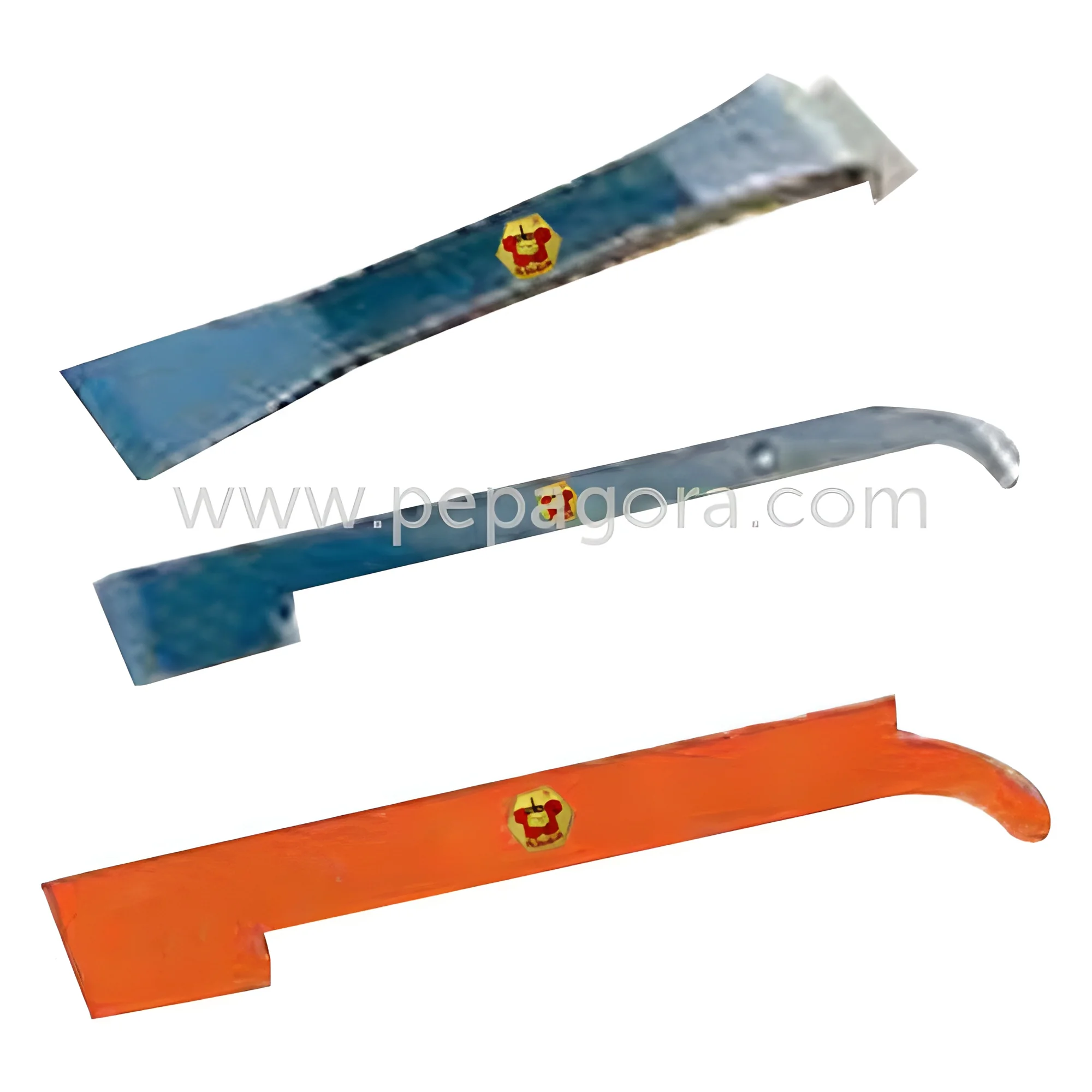
Hive tools are specialized instruments designed for the effective management and maintenance of beehives. These tools are essential for beekeepers, allowing them to perform a variety of tasks related to hive health, honey extraction, and overall hive inspection. The design of hive tools typically incorporates features that promote efficiency and safety, thus making the beekeeping process more manageable.
The primary uses of hive tools include opening hives, inspecting frames, scraping off propolis and wax, and handling bees with minimal disturbance. These tools are vital for both amateur and professional beekeepers, enabling them to monitor bee health, manage colonies, and harvest honey. In addition, hive tools play a critical role in maintaining hygienic conditions within hives, which is essential for the health of bee populations.
In the current market context, the demand for hive tools is rising due to the increasing popularity of beekeeping as a hobby and a sustainable agricultural practice. With growing awareness about the importance of pollinators in food production and environmental health, the hive tool industry is poised for growth. Businesses engaged in beekeeping supply are likely to benefit from the expanding market for these essential tools.
Key Features and Specifications
Hive tools come equipped with a range of features designed to enhance usability and performance. Understanding these specifications is crucial for selecting the right tools for your beekeeping needs.
Key specifications include:
1. Material Quality
- Typically made from durable stainless steel or high-grade plastic.
- Ensures longevity and resistance to rust and corrosion.
2. Ergonomic Design
- Features a comfortable grip to reduce hand fatigue during use.
- Lightweight construction for easy handling.
3. Multi-Functionality
- Combines several functions like scraping, prying, and lifting.
- Versatile use reduces the need for multiple tools.
4. Size Variability
- Available in various sizes to suit different hive types.
- Smaller tools for hobbyists and larger tools for commercial use.
5. Safety Features
- Rounded edges to minimize the risk of injury.
- Non-slip handles for better control.
6. Maintenance Ease
- Simple to clean and maintain, ensuring hygiene in beekeeping practices.
- Some tools are dishwasher safe.
7. Customization Options
- Potential for branding or personalization for businesses.
- Custom sizes available upon request.
In summary, selecting hive tools with the right specifications ensures efficient beekeeping practices and enhances the overall productivity of honey production.
Common Applications and Use Cases
Hive tools are utilized across various industries beyond traditional beekeeping.
1. Agriculture: Farmers use hive tools for pollination services, enhancing crop yields by ensuring healthy bee populations.
2. Eco-Tourism: Establishments offering beekeeping experiences rely on these tools for demonstrations and hands-on activities.
3. Education: Schools and educational programs use hive tools to teach about ecology, agriculture, and the importance of bees.
4. Research: Entomologists and researchers utilize these tools for studying bee behavior and health in laboratory and field settings.
5. Organic Farming: Organic growers employ hive tools as part of sustainable practices to enhance biodiversity and crop productivity.
6. Honey Production: Commercial honey producers depend on efficient tools for large-scale honey extraction and hive management.
7. Beekeeping Associations: Community groups and associations use hive tools for training sessions and workshops to promote responsible beekeeping.
Product Variants and Subcategories
While specific subcategories are not available, hive tools come in various forms catering to different beekeeping needs.
Bee Hive Scraper
This variant is designed specifically for removing excess wax and propolis from hive frames. Its sharp edge allows for efficient cleaning without damaging the hive.
Frame Grip
This tool is essential for safely lifting frames out of the hive. It ensures that beekeepers can handle frames without harming the bees or the structure of the hive.
Hive Tool with Measurement
Some hive tools include built-in measurements for precise handling of frames and honeycomb, aiding in proper hive inspections and management.
Reusable Gloves
Though not a tool per se, these gloves are important for handling bees safely. They provide protection while allowing for dexterity in managing hives.
Benefits and Advantages
Using high-quality hive tools offers several advantages that can enhance beekeeping practices.
1. Improved Efficiency: Streamlined tasks such as honey extraction and hive inspection lead to better time management for beekeepers.
2. Enhanced Safety: Ergonomically designed tools reduce the risk of injury and ensure safe handling of bees.
3. Increased Productivity: Effective hive management tools contribute to healthier colonies and higher honey yields.
4. Cost-Effectiveness: Durable materials mean less frequent replacements, resulting in long-term savings for beekeepers.
5. Versatility: Multi-functional tools reduce the need for multiple purchases, simplifying the beekeeper's toolkit.
6. Better Hive Health: Regular maintenance supported by quality tools promotes overall hive health and reduces disease risks.
Buying Guide for B2B Buyers
When sourcing hive tools, it is essential for B2B buyers to consider several key factors to ensure they make informed decisions.
1. Quality Assessment: Evaluate tools based on materials used, construction quality, and user reviews. High-quality tools will provide better longevity and performance.
2. Supplier Verification: Vet potential suppliers by checking their reputation, certifications, and customer feedback. Ensure they have a track record of reliable service.
3. Pricing and MOQ: Consider the cost of tools along with the minimum order quantity. Compare prices among suppliers to find competitive options that meet your budget.
4. Delivery and Lead Times: Discuss logistics and lead times with suppliers to ensure timely delivery of tools. Plan ahead to avoid delays in your beekeeping operations.
5. Compliance Requirements: Be aware of any regional regulations or certifications required for beekeeping tools. Ensure that your suppliers comply with necessary safety and quality standards.
Compliance and Certifications
Compliance with quality standards is crucial for hive tools to ensure safe and effective use in beekeeping practices. Relevant quality standards include ISO 9001, which addresses quality management systems, and CE marking, which indicates conformity with health, safety, and environmental protection standards in Europe.
Industry-specific certifications can also play a significant role in promoting the reliability of hive tools. Compliance with these certifications ensures that the tools meet rigorous safety and performance criteria.
In addition, safety testing requirements must be met to ensure that hive tools do not pose risks to users or bees. This includes material safety tests and performance assessments. Regional considerations may also apply, with different countries or areas having specific regulations governing the sale and use of beekeeping tools.
Why Source Hive Tools from Pepagora?
Pepagora provides a trusted platform for sourcing hive tools, offering several key advantages that cater to the needs of B2B buyers.
Verified Supplier Network: Pepagora ensures that all suppliers are thoroughly vetted, providing buyers with confidence in the quality and reliability of the products offered. This network allows businesses to connect with reputable manufacturers and distributors.
Streamlined RFQ Process: The platform features a user-friendly request for quotation (RFQ) process, enabling buyers to easily compare prices and specifications from multiple suppliers. This transparency supports informed purchasing decisions.
Trade Assurance and Support: Pepagora offers trade assurance, protecting buyers from potential risks associated with transactions. Dedicated support teams are available to assist throughout the purchasing process, ensuring a smooth experience.
Regional Coverage: With a strong presence in India, the GCC, and Southeast Asia, Pepagora offers extensive geographic reach. This allows buyers to access a wide range of hive tools tailored to their local markets, making sourcing more efficient and effective.

Frequently Asked Questions
What are Hive Tools?
Hive tools are specialized equipment used in beekeeping to manage and maintain bee colonies. They include various instruments designed for tasks such as hive inspection, honey extraction, and general hive management.
What are the different types of Hive Tools?
There are several types of hive tools, including hive smokers, bee brushes, hive tools (for prying apart hive boxes), honey extractors, and pollen traps. Each of these tools serves a specific function in the maintenance and management of beehives.
How do I choose the right Hive Tools?
Choosing the right hive tools depends on your specific needs and the type of beekeeping you engage in. Consider factors such as the scale of your operation, the species of bees you are working with, and your level of experience when selecting tools.
What are the standard specifications for Hive Tools?
Standard specifications for hive tools typically include material durability, ergonomic design, and size. Most hive tools are made from stainless steel or high-quality plastic to ensure longevity and ease of use.
What is the price range for Hive Tools?
The price range for hive tools can vary widely based on the type and quality of the tool. Generally, you can expect to pay anywhere from a few hundred to several thousand Indian Rupees, depending on the specific tools you are purchasing.
What quality standards apply to Hive Tools?
Quality standards for hive tools often include durability, safety in handling, and non-toxicity, especially for tools that come into direct contact with honey. Manufacturers may adhere to specific industry standards to ensure their products meet the necessary criteria.
Where can I find Hive Tools suppliers in India?
You can find hive tools suppliers in India through online marketplaces, local agricultural supply stores, and specialized beekeeping equipment retailers. Platforms like Pepagora.com can connect you with reputable suppliers.
Can Hive Tools be customized?
Yes, many manufacturers offer customization options for hive tools, including branding, specific design alterations, and adjustments to size or material. It is advisable to discuss your requirements with suppliers to explore available options.
What is the typical minimum order quantity for Hive Tools?
The typical minimum order quantity (MOQ) for hive tools can vary depending on the supplier and the type of tool. Generally, MOQs range from a single unit for standard tools to larger quantities for specialized or customized items.
What is the typical lead time for Hive Tools?
The typical lead time for hive tools can range from a few days to several weeks, depending on the supplier's inventory and the complexity of the order. It is recommended to confirm lead times directly with the supplier during the ordering process.
Why Businesses Trust Pepagora
Thousands of companies trust Pepagora to source smarter and sell faster
Expand Your Sales Globally

Source Smarter,Grow Faster
