
 IN
Agrochemicals & Biostimulants
58 products available
𝗪𝗵𝗮𝘁 𝗮𝗿𝗲 𝗔𝗴𝗿𝗼𝗰𝗵𝗲𝗺𝗶𝗰𝗮𝗹𝘀 & 𝗕𝗶𝗼𝘀𝘁𝗶𝗺𝘂𝗹𝗮𝗻𝘁𝘀?
Agrochemicals refer to a variety of chemical products used in agriculture to enhance crop yield, protect against pests and diseases, and improve soil fertility. These products include fertilizers, pesticides, herbicides, and fungicides, which are essential for modern agricultural practices. Biostimulants, on the other hand, are substances that enhance plant growth and health by stimulating natural processes. They often consist of natural ingredients such as plant extracts, microorganisms, or organic substances.
The primary uses of agrochemicals and biostimulants in agriculture include pest management, nutrient delivery, and soil enhancement. Businesses in the agricultural sector utilize these products to ensure higher productivity and sustainability. Agrochemicals are pivotal in safeguarding crops from various threats, while biostimulants support plant resilience and enhance nutrient uptake, often leading to improved crop quality and yield. In the current market context, the demand for these products is increasing due to the rising global population and the need for efficient food production methods.
𝗞𝗲𝘆 𝗙𝗲𝗮𝘁𝘂𝗿𝗲𝘀 𝗮𝗻𝗱 𝗦𝗽𝗲𝗰𝗶𝗳𝗶𝗰𝗮𝘁𝗶𝗼𝗻𝘀
Agrochemicals and biostimulants come with a range of features that cater to specific agricultural needs. Understanding these specifications is crucial for making informed decisions.
Key specifications include:
1. Composition
- Agrochemicals may contain active ingredients such as nitrogen, phosphorus, or potassium.
- Biostimulants often include natural compounds or beneficial microbes.
2. Application Methods
- Products can be applied through soil incorporation, foliar spraying, or seed treatment.
- Different methods may affect efficiency and efficacy.
3. Efficacy Range
- Effectiveness varies based on crop type, environmental conditions, and application timing.
- Testing may define optimal usage rates.
4. Safety Standards
- Compliance with safety regulations is essential for all agrochemical and biostimulant products.
- Certifications like CE and UL indicate adherence to safety protocols.
5. Shelf Life
- Shelf life can vary widely among products, affecting storage and usage planning.
- Proper storage conditions are crucial for maintaining product integrity.
6. Environmental Impact
- Biostimulants are often favored for their lower environmental impact compared to traditional agrochemicals.
- Regulations may dictate permissible limits of residues in produce.
7. Compatibility
- Some products may not be compatible with certain fertilizers or pesticides.
- Understanding compatibility is vital for combined applications.
8. Packaging Options
- Available in various sizes, from small containers for home use to bulk packaging for large operations.
- Packaging should ensure product stability and ease of use.
In summary, selecting the right agrochemicals and biostimulants involves understanding their unique features and specifications, which can significantly affect agricultural outcomes.
𝗖𝗼𝗺𝗺𝗼𝗻 𝗔𝗽𝗽𝗹𝗶𝗰𝗮𝘁𝗶𝗼𝗻𝘀 𝗮𝗻𝗱 𝗨𝘀𝗲 𝗖𝗮𝘀𝗲𝘀
Agrochemicals and biostimulants find applications across various industries. Their versatility makes them indispensable in modern agriculture.
1. Crop Production: These products are fundamental in maximizing crop yields and quality. They protect against pests and diseases while providing essential nutrients.
2. Horticulture: In ornamental and fruit production, agrochemicals help maintain plant health and aesthetic quality. Biostimulants enhance flowering and fruit development.
3. Turf Management: Golf courses and sports fields utilize agrochemicals for pest control and biostimulants for improved grass health and resilience.
4. Greenhouse Cultivation: Controlled environments leverage agrochemicals and biostimulants to optimize plant growth and manage disease in a confined setting.
5. Organic Farming: Biostimulants play a critical role in organic agriculture, offering a natural approach to enhancing soil health without synthetic chemicals.
6. Hydroponics: In soilless systems, precise nutrient delivery through agrochemicals and biostimulants can significantly enhance plant growth.
7. Forestry: Agrochemicals are used to manage pests and diseases in forestry, ensuring healthy tree growth and sustainable timber production.
𝗣𝗿𝗼𝗱𝘂𝗰𝘁 𝗩𝗮𝗿𝗶𝗮𝗻𝘁𝘀 𝗮𝗻𝗱 𝗦𝘂𝗯𝗰𝗮𝘁𝗲𝗴𝗼𝗿𝗶𝗲𝘀
The market for agrochemicals and biostimulants is diverse, catering to various agricultural needs.
Liquid Fertilizers
These formulations are designed for easy application through irrigation systems or foliar spraying. They provide essential nutrients quickly and efficiently.
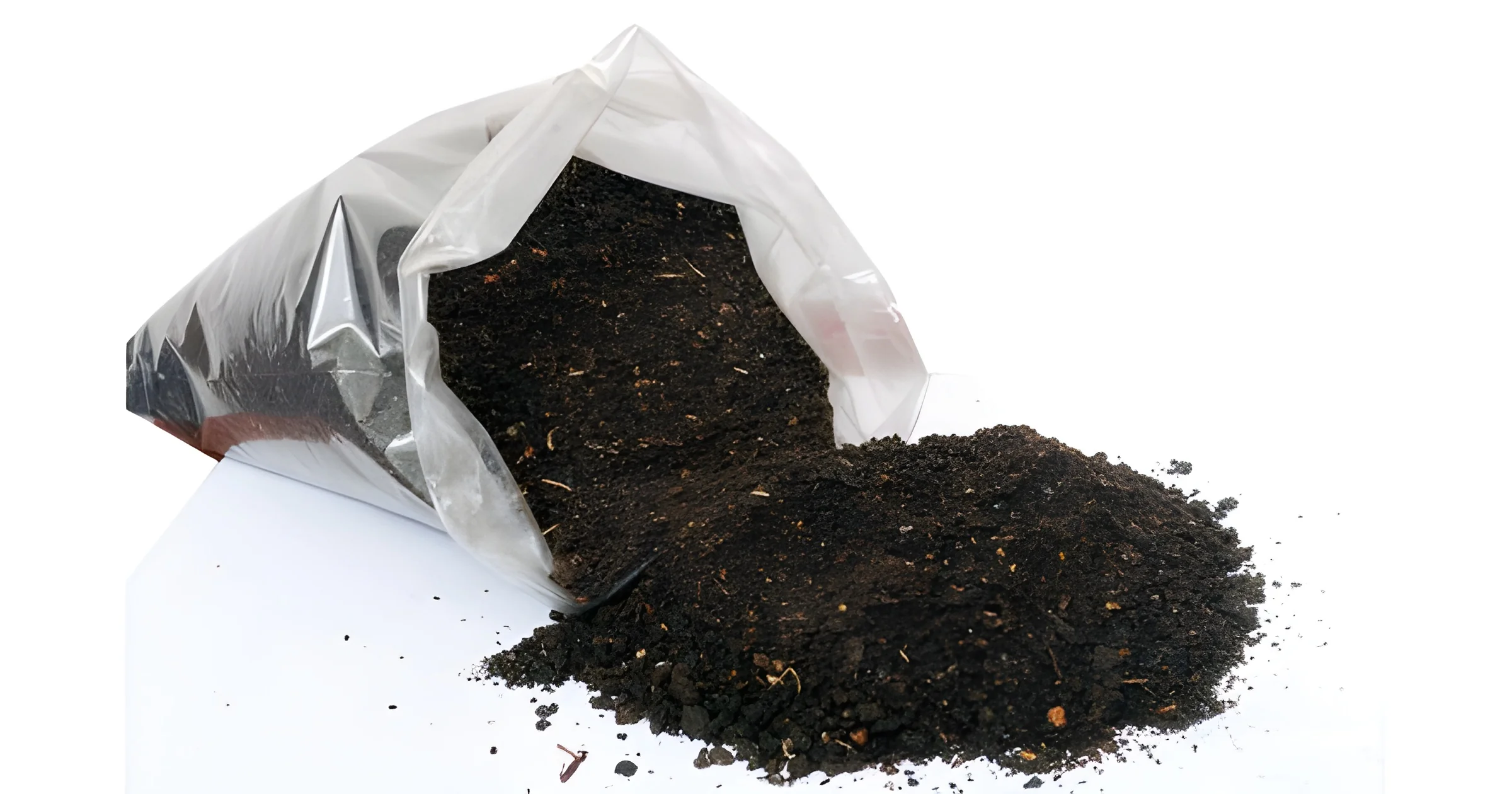
Granular Fertilizers
Granular options are ideal for slow-release nutrient delivery. They are suitable for soil application and provide sustained nutrition over time.
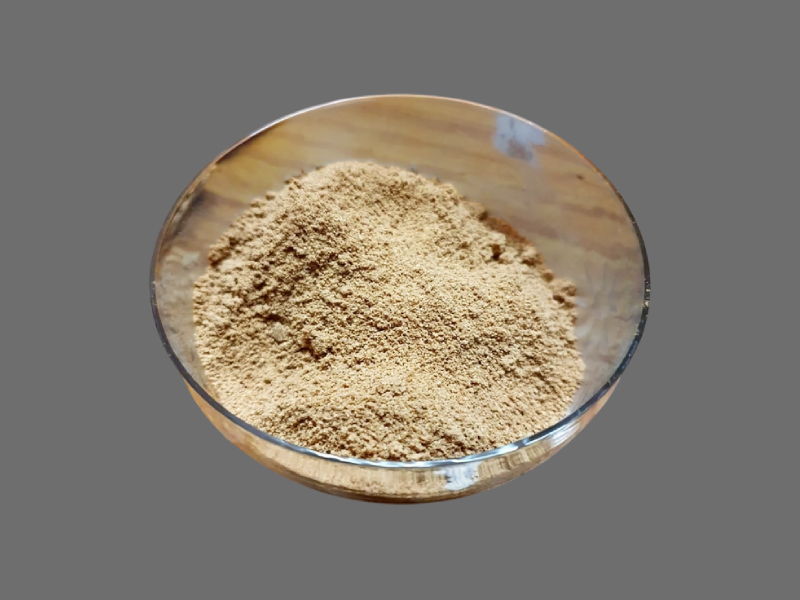
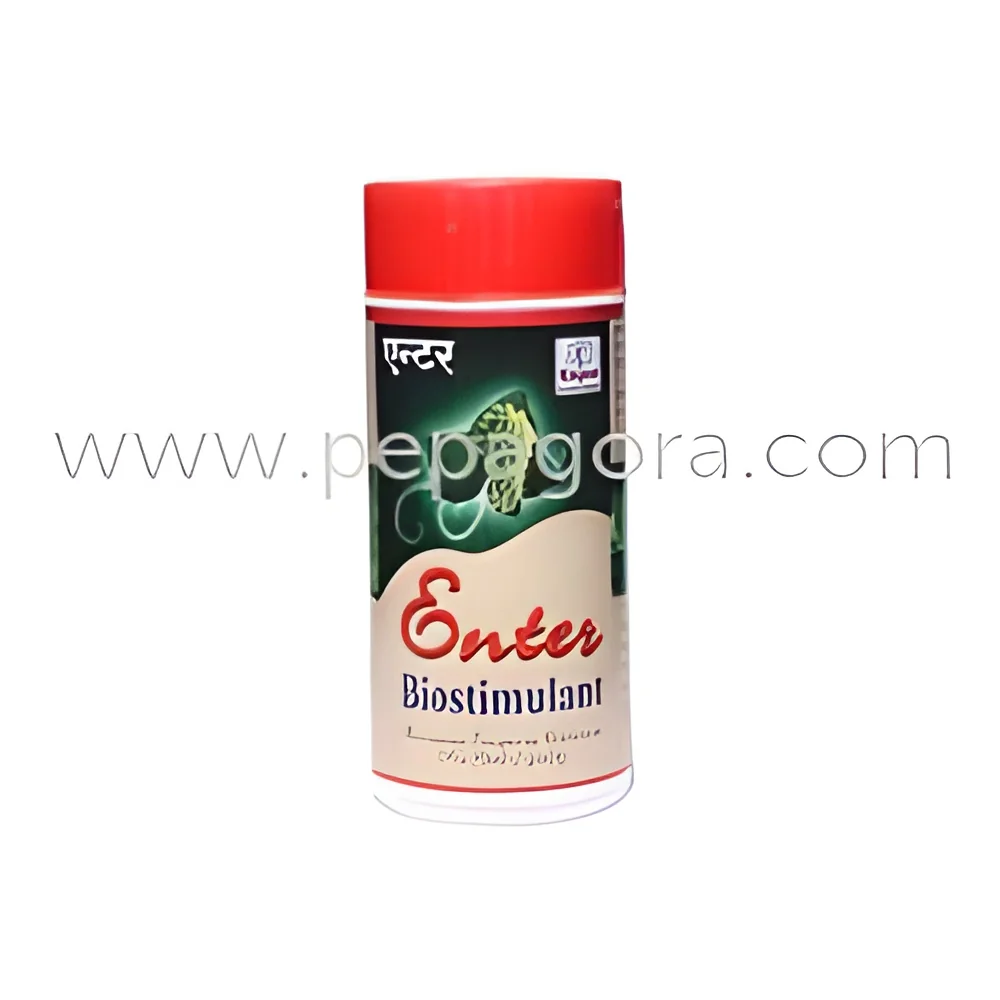
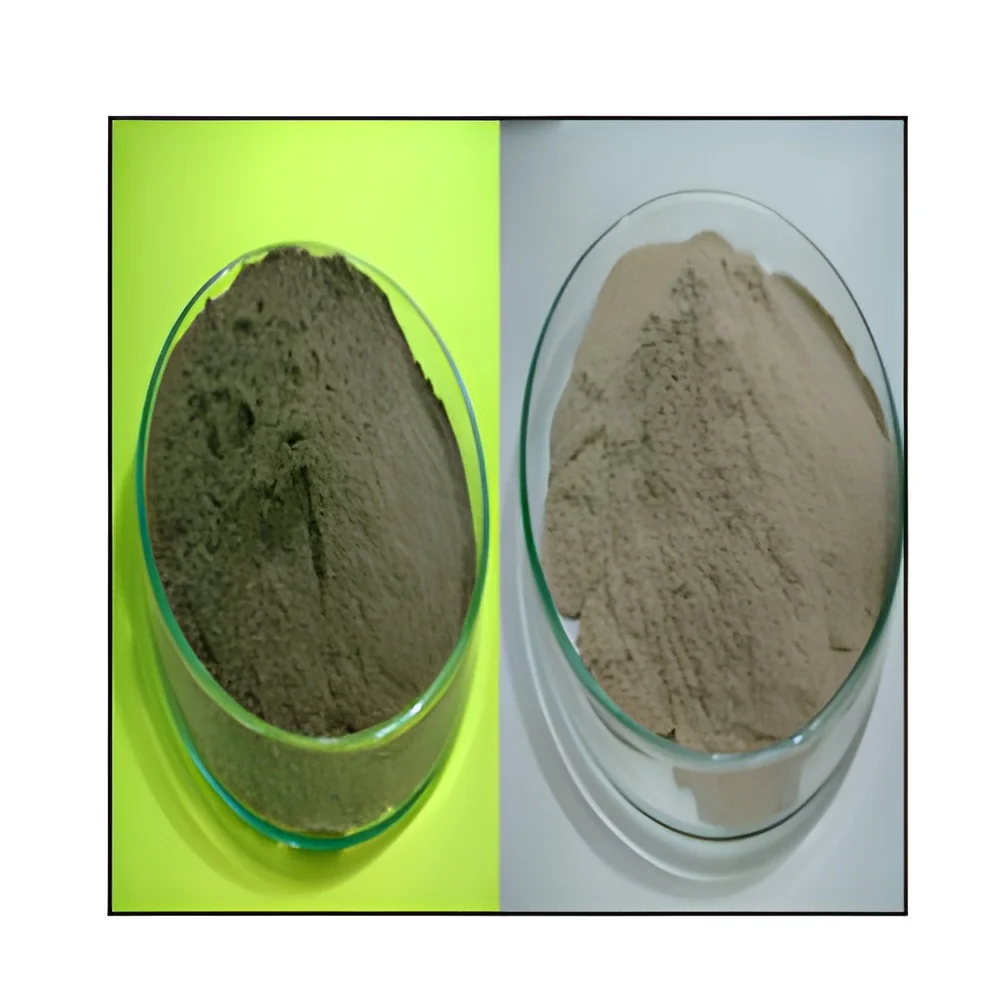
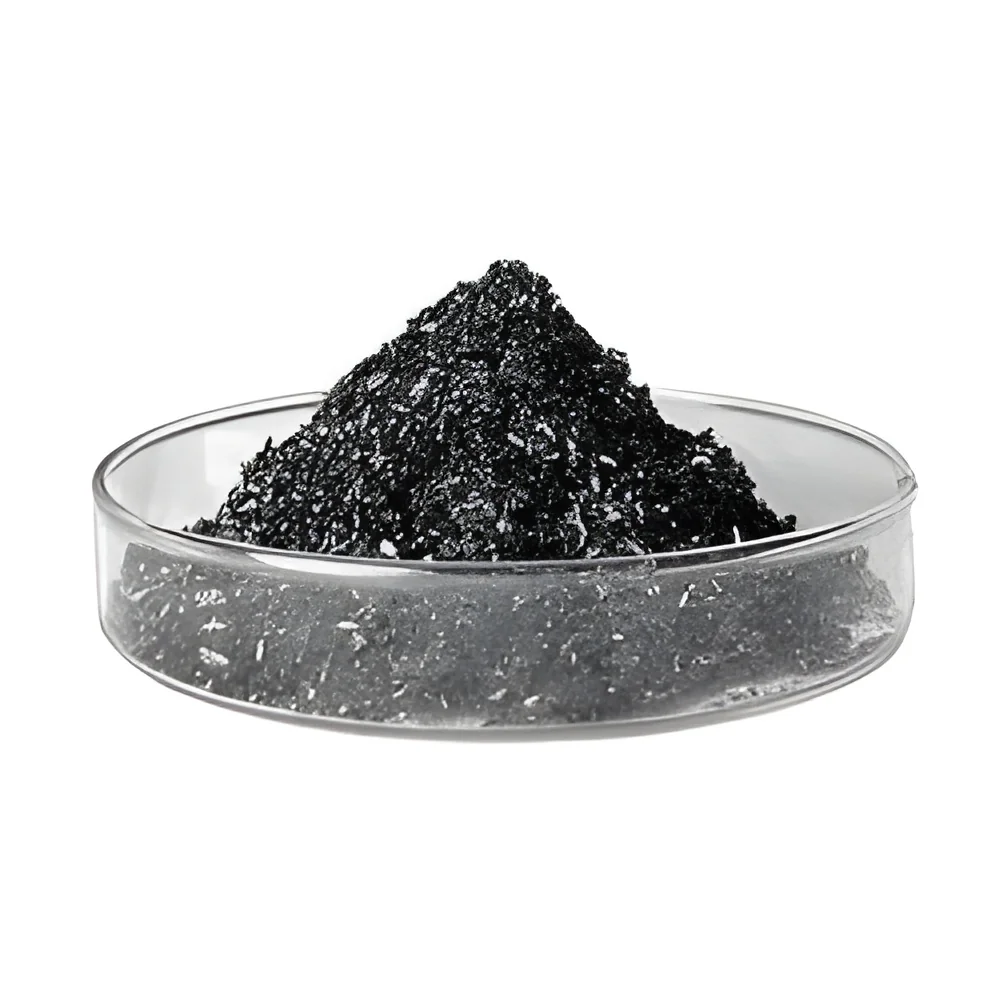
Biostimulant Powders
These powdered formulations can be mixed with water for application. They support soil health and enhance plant growth through natural processes.
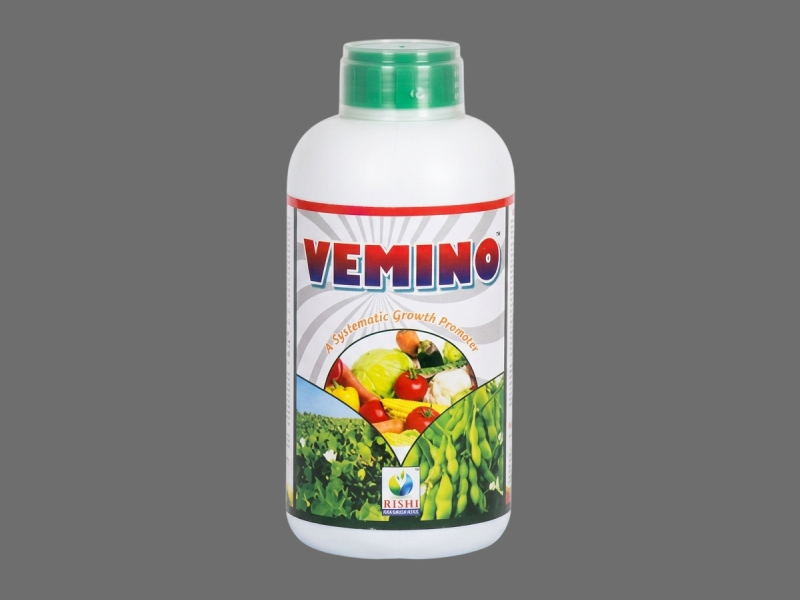
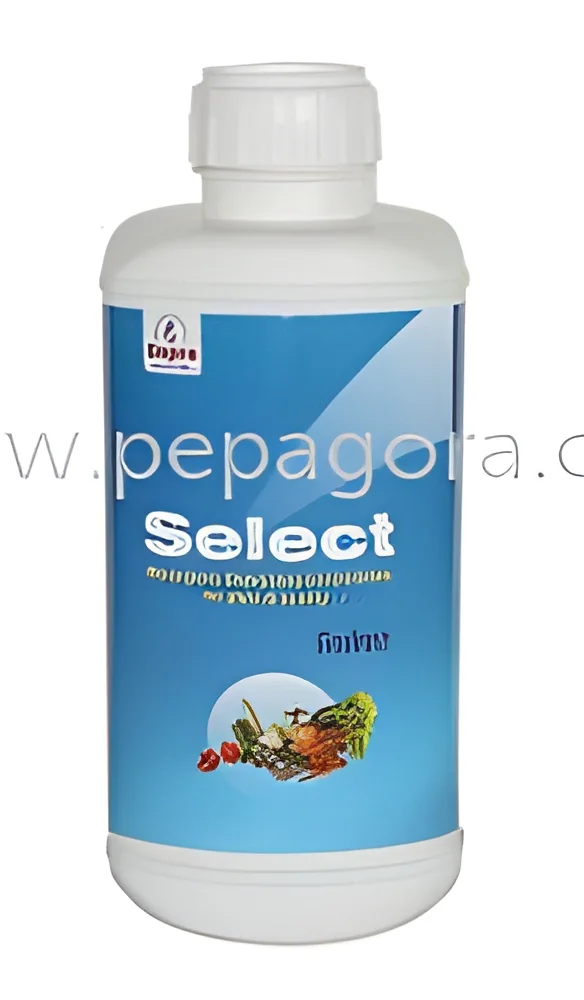
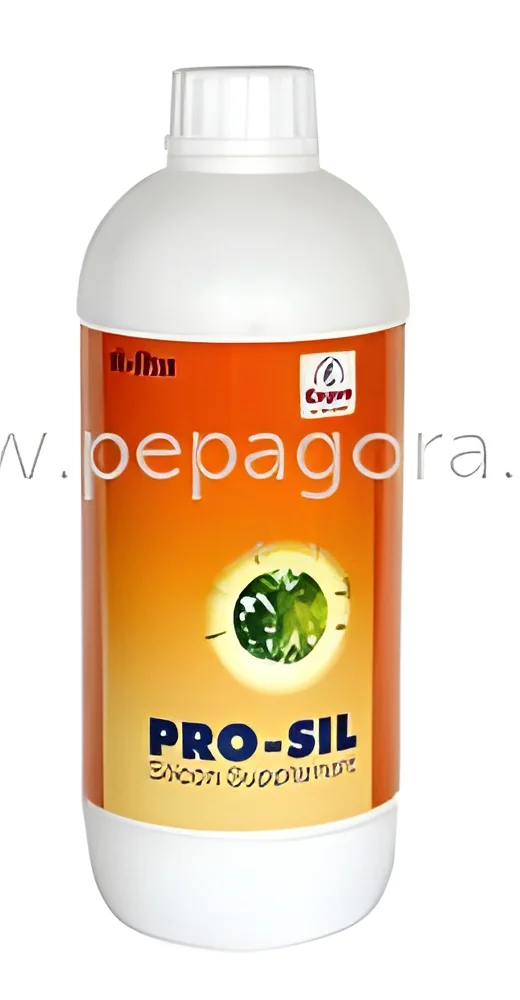
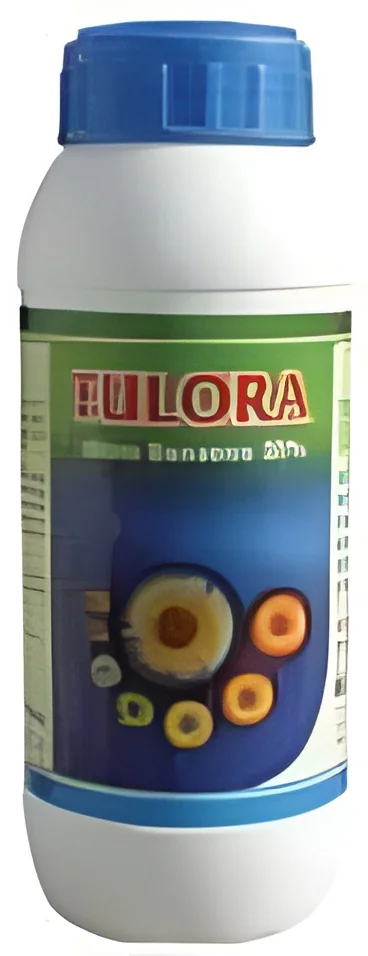
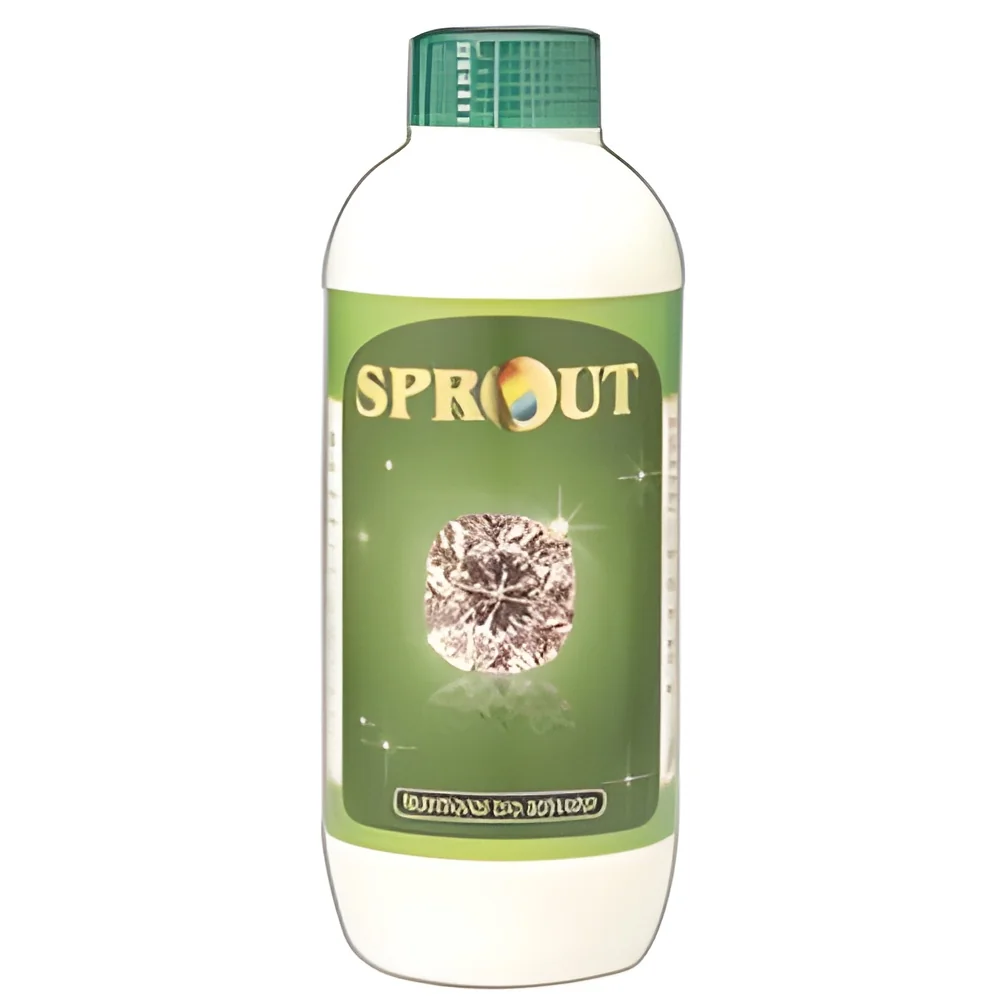
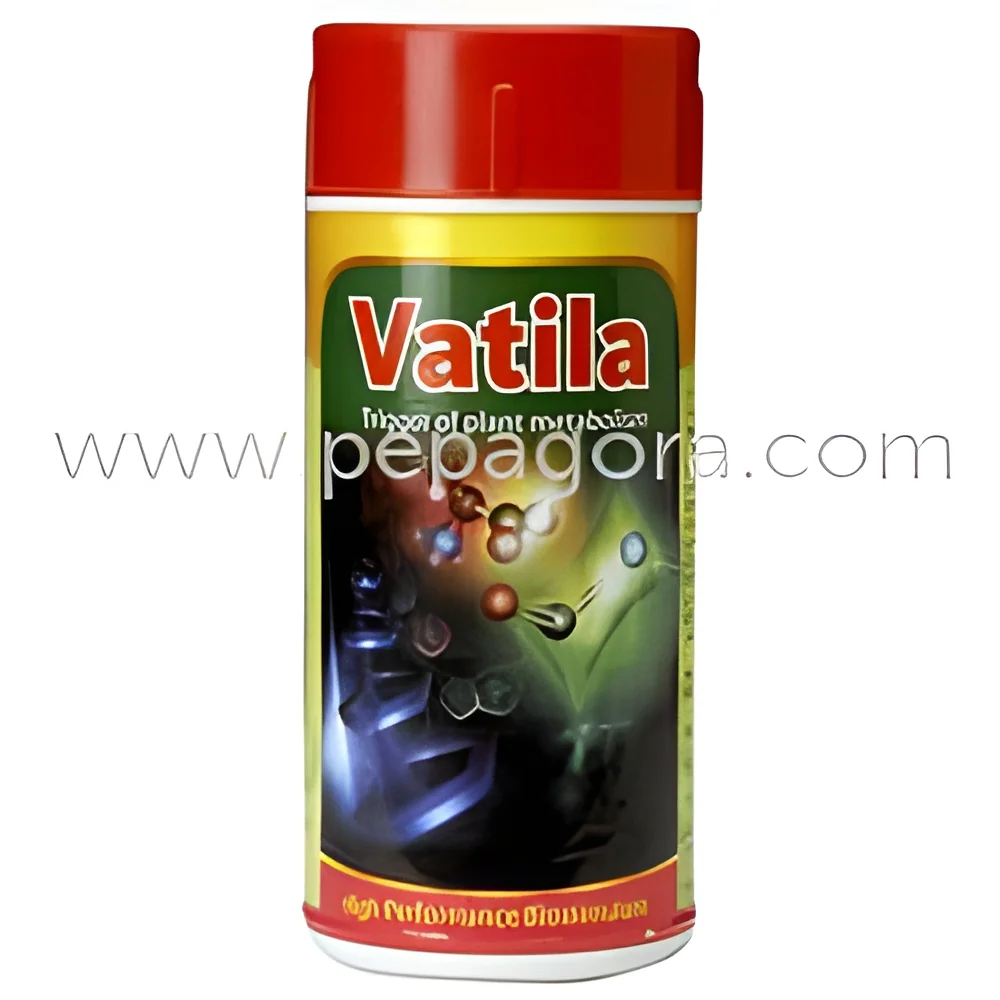
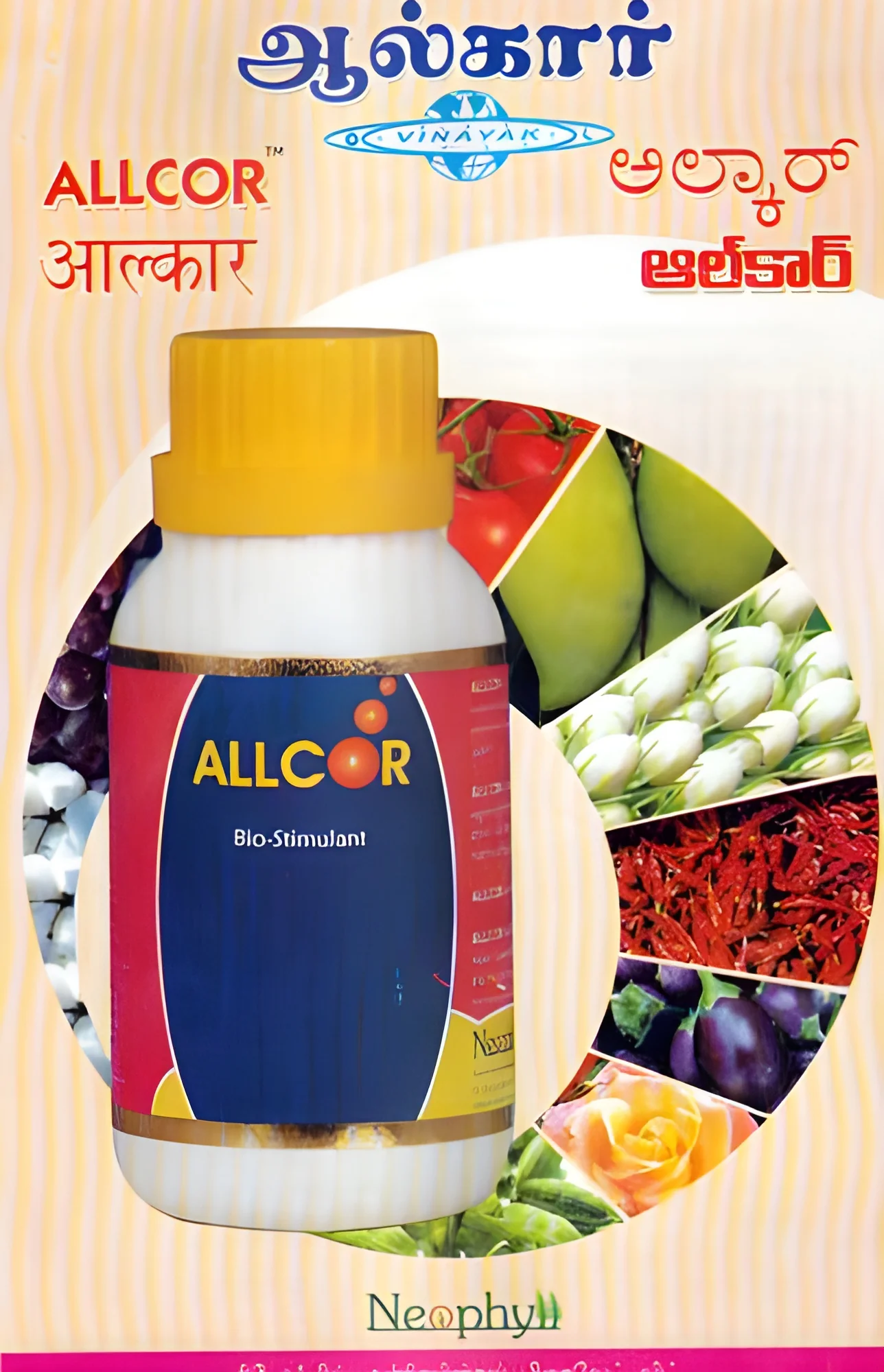
Liquid Biostimulants
Similar to liquid fertilizers, these biostimulants are easy to apply and effective in enhancing nutrient uptake and plant resilience.
𝗕𝗲𝗻𝗲𝗳𝗶𝘁𝘀 𝗮𝗻𝗱 𝗔𝗱𝘃𝗮𝗻𝘁𝗮𝗴𝗲𝘀
Utilizing agrochemicals and biostimulants offers numerous benefits to agricultural operations.
1. Enhanced Crop Yield: These products significantly increase the quantity and quality of harvested crops, leading to better profitability.
2. Pest and Disease Management: Agrochemicals provide effective solutions for controlling pests and diseases, reducing crop losses.
3. Improved Soil Health: Biostimulants contribute to healthier soil ecosystems, promoting beneficial microbial activity and nutrient availability.
4. Sustainable Practices: Many biostimulants are derived from natural sources, supporting sustainable agricultural practices and reducing environmental impact.
5. Cost Efficiency: Higher yields and improved crop quality can lead to lower production costs per unit, enhancing overall profitability.
6. Versatility: These products can be tailored to specific crops and conditions, making them suitable for diverse agricultural applications.
𝗕𝘂𝘆𝗶𝗻𝗴 𝗚𝘂𝗶𝗱𝗲 𝗳𝗼𝗿 𝗕𝟮𝗕 𝗕𝘂𝘆𝗲𝗿𝘀
When sourcing agrochemicals and biostimulants, it is essential to consider several factors to ensure quality and effectiveness.
1. Quality Assessment: Look for products that meet industry standards and have undergone rigorous testing. Verify the ingredient composition and efficacy.
2. Supplier Verification: Vet suppliers to ensure they have a reliable track record and adhere to safety and quality standards. Consider partnerships with well-established manufacturers.
3. Pricing and MOQ: Understand pricing structures and minimum order quantities. Compare costs across different suppliers to find the best value.
4. Delivery and Lead Times: Consider logistics and shipping times when placing orders. Ensure that suppliers can meet your operational timelines.
5. Compliance Requirements: Be aware of regulatory requirements pertaining to agrochemicals and biostimulants in your region. Ensure that products comply with local and international standards.
𝗖𝗼𝗺𝗽𝗹𝗶𝗮𝗻𝗰𝗲 𝗮𝗻𝗱 𝗖𝗲𝗿𝘁𝗶𝗳𝗶𝗰𝗮𝘁𝗶𝗼𝗻𝘀
Agrochemicals and biostimulants must adhere to various compliance and certification standards to ensure safety and efficacy.
Relevant quality standards include ISO 9001, which ensures a consistent quality management system, and HACCP for food safety management. GDP guidelines also play a role in ensuring good distribution practices.
Industry certifications such as CE and UL provide assurance that products meet safety and quality requirements. These certifications are crucial for gaining customer trust and meeting regulatory expectations.
Safety and testing requirements are paramount, especially in sectors like agriculture where human and environmental health are at stake. Products often undergo rigorous testing to evaluate their effects and ensure they do not pose risks.
Regional compliance considerations may vary significantly depending on the geographical area. Understanding these regulations is essential for successful market entry and product acceptance.
𝗪𝗵𝘆 𝗦𝗼𝘂𝗿𝗰𝗲 𝗔𝗴𝗿𝗼𝗰𝗵𝗲𝗺𝗶𝗰𝗮𝗹𝘀 & 𝗕𝗶𝗼𝘀𝘁𝗶𝗺𝘂𝗹𝗮𝗻𝘁𝘀 𝗳𝗿𝗼𝗺 𝗣𝗲𝗽𝗮𝗴𝗼𝗿𝗮?
Pepagora offers a trusted platform for sourcing agrochemicals and biostimulants, providing numerous advantages to B2B buyers.
Verified Supplier Network: We ensure that all suppliers on our platform are thoroughly vetted. This verification process builds trust and ensures access to quality products.
Streamlined RFQ Process: Our easy-to-use request for quotation (RFQ) system simplifies the sourcing process. Buyers can quickly obtain quotes and compare options from multiple suppliers.
Trade Assurance and Support: Pepagora offers trade assurance, providing buyers with protection throughout the transaction process. Our support team is available to assist with any inquiries or issues.
Regional Coverage: With a strong presence in India, the GCC, and Southeast Asia, Pepagora connects buyers to a wide range of suppliers across multiple regions, enhancing market access and operational efficiency.


 India

 India
 India
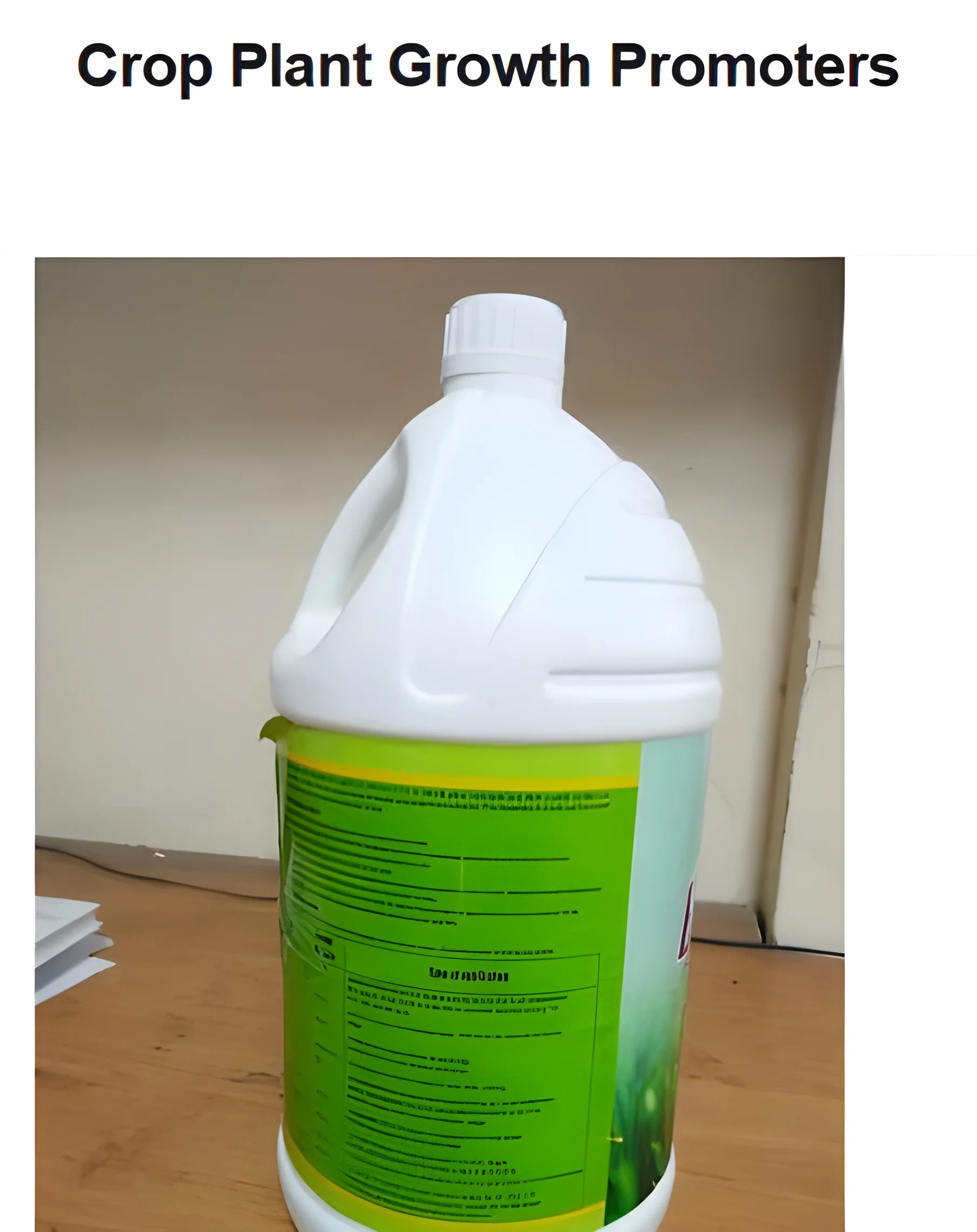
 India
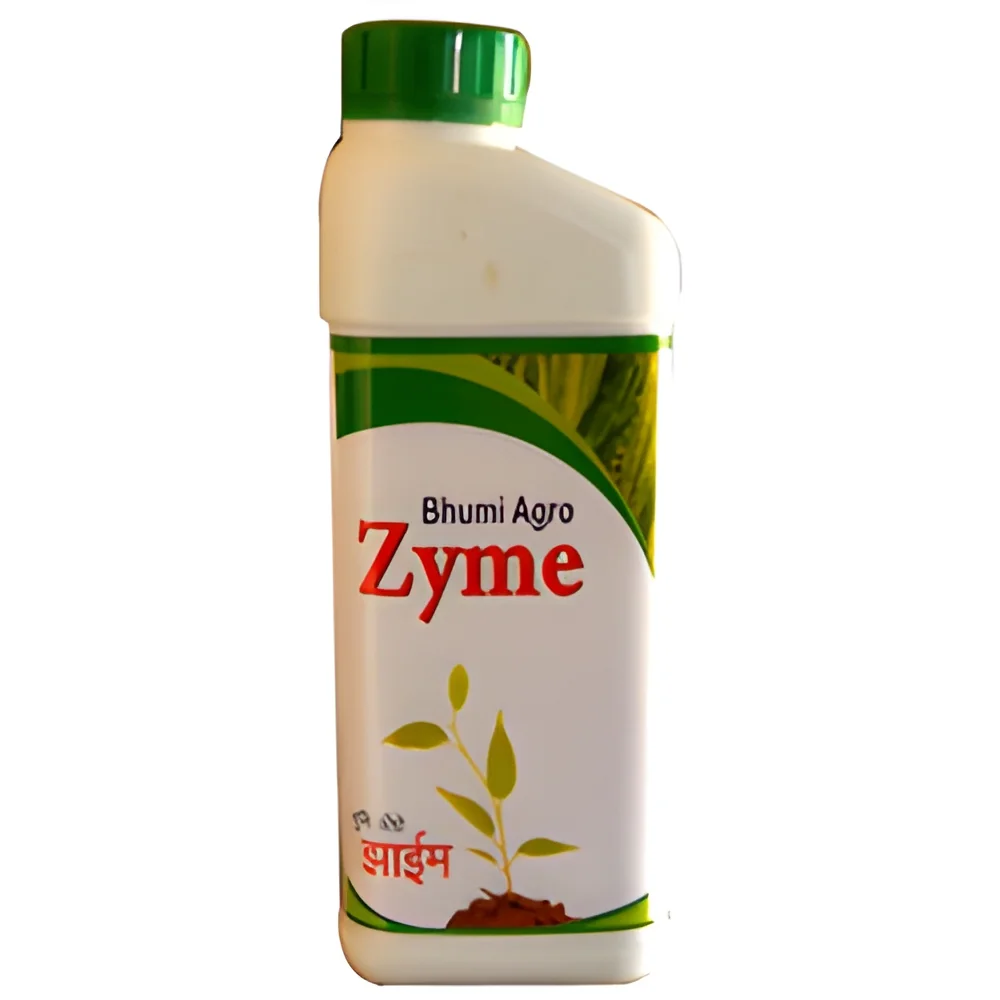
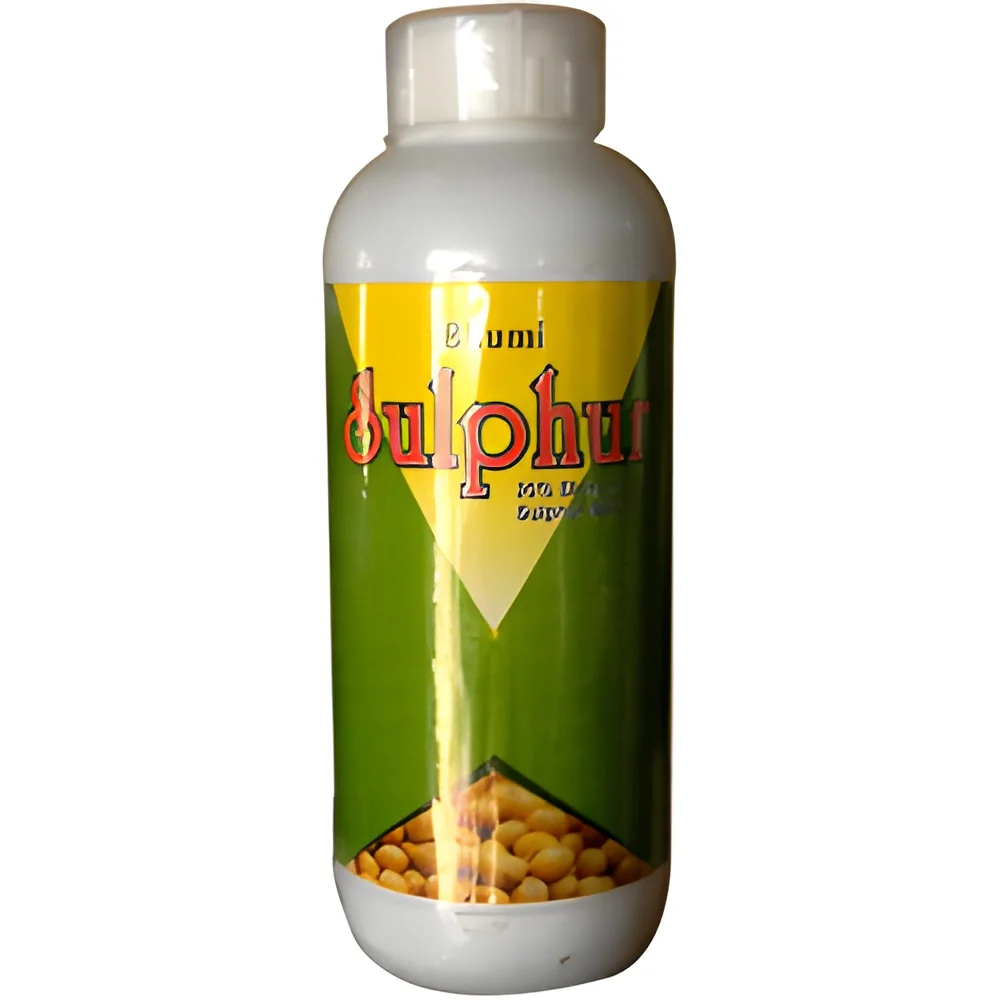
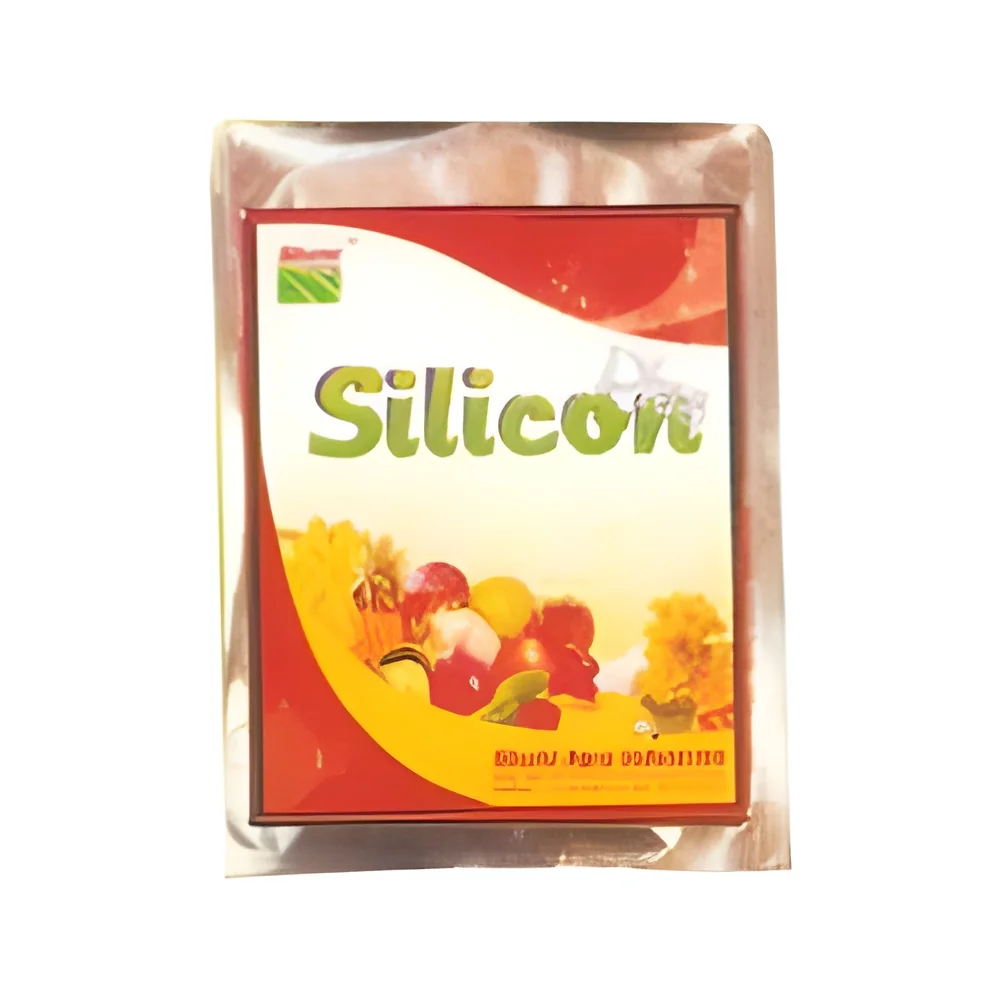 India
 India
 India
 India
 India
 India
 India
 India

 India
 India
 India

 India
 India

 India
 India
 India
 India
 India
 India
 India

 India
Frequently Asked Questions
What are Agrochemicals & Biostimulants?
Agrochemicals refer to a wide range of chemical products used in agriculture to enhance crop productivity, including fertilizers, pesticides, and herbicides. Biostimulants, on the other hand, are natural substances that stimulate plant growth and resilience, improving nutrient uptake and overall health.
What are the different types of Agrochemicals & Biostimulants?
The main types of agrochemicals include fertilizers, pesticides, herbicides, and fungicides. Biostimulants can be categorized into natural extracts, microbial inoculants, and organic amendments, each serving distinct roles in promoting plant growth and health.
How do I choose the right Agrochemicals & Biostimulants?
Choosing the right agrochemicals and biostimulants involves assessing the specific needs of your crops, soil conditions, and local climate. It is advisable to consult with agricultural experts or conduct soil tests to determine the most suitable products for your farming practices.
What are the standard specifications for Agrochemicals & Biostimulants?
Standard specifications for agrochemicals and biostimulants typically include active ingredient concentration, pH levels, and solubility. Additionally, safety data, efficacy, and environmental impact assessments are critical components of the specifications.
What is the price range for Agrochemicals & Biostimulants?
The price range for agrochemicals and biostimulants can vary widely based on the type, brand, and quantity purchased. Generally, prices may start from a few hundred rupees per liter or kilogram and can go up to several thousand rupees for specialized formulations.
What quality standards apply to Agrochemicals & Biostimulants?
Quality standards for agrochemicals and biostimulants are governed by regulations set by agencies such as the Central Insecticides Board and Registration Committee in India. Compliance with safety, efficacy, and environmental sustainability criteria is essential for product registration.
Where can I find Agrochemicals & Biostimulants suppliers in India?
Agrochemicals and biostimulants suppliers in India can be found through various channels, including online B2B marketplaces like Pepagora, agricultural fairs, and trade exhibitions. Additionally, local agricultural cooperatives and industry associations may provide useful contacts.
Can Agrochemicals & Biostimulants be customized?
Yes, many manufacturers offer customization options for agrochemicals and biostimulants to meet specific agricultural needs. This may include tailored formulations based on crop requirements, soil health, or specific environmental conditions.
What is the typical minimum order quantity for Agrochemicals & Biostimulants?
The typical minimum order quantity (MOQ) for agrochemicals and biostimulants varies by supplier and product type. Generally, MOQs can range from 1 liter or kilogram for small-scale purchases to larger quantities for bulk orders.
What is the typical lead time for Agrochemicals & Biostimulants?
The typical lead time for agrochemicals and biostimulants can vary based on the supplier and product availability. Generally, lead times range from a few days to several weeks, especially for custom formulations or bulk orders.
Why Businesses Trust Pepagora
Thousands of companies trust Pepagora to source smarter and sell faster
Expand Your Sales Globally

Source Smarter,Grow Faster
