
 IN
Ethylene Releasers
2 products available
What are Ethylene Releasers?
Ethylene releasers are chemical agents used to accelerate the ripening process of fruits and vegetables by releasing ethylene gas. Ethylene is a natural plant hormone that regulates various physiological processes, including fruit ripening, flower wilting, and leaf fall. When introduced to an environment, ethylene releasers enhance the rate of ripening by promoting cellular processes that lead to the softening and flavor development of produce.
These products find primary applications in the agricultural and food processing industries. They are widely used by farmers, packers, and distributors to ensure that fruits and vegetables reach their optimal ripeness before reaching consumers. By controlling the ripening process, businesses can reduce waste, improve shelf life, and enhance the overall quality of their products. The demand for ethylene releasers is growing, driven by the increasing need for efficient post-harvest management and the global expansion of supply chains.
In today's market, the significance of ethylene releasers is underscored by the pressure on suppliers to deliver fresh produce year-round. As consumer preferences shift toward convenience and quality, the ability to ripen fruits and vegetables at the right time has become crucial. This trend creates opportunities for businesses to leverage ethylene releasers to enhance their product offerings and improve their competitive edge in the marketplace.
Key Features and Specifications
Ethylene releasers are designed with specific features and specifications to meet the needs of various industries. These products are formulated for effective and efficient ripening control, providing businesses with reliable solutions for their agricultural and food processing needs.
Key specifications include:
1. Release Mechanism
- Controlled release of ethylene gas
- Ensures uniform ripening over time
2. Application Method
- Can be used in gas form or incorporated into packaging
- Flexible application for different types of produce
3. Effectiveness Duration
- Varies based on product formulation
- Typically lasts from several days to a few weeks
4. Temperature Range
- Optimal performance usually within specific temperature limits
- Data not available on exact temperature ranges
5. Humidity Control
- Designed to function effectively in varying humidity levels
- Data not available on specific humidity parameters
6. Monitoring Features
- Some products may offer monitoring capabilities
- Data not available on specific monitoring features
In summary, ethylene releasers are characterized by their effective release mechanisms, application methods, and duration of effectiveness, making them essential tools for the agricultural and food industries.
Common Applications and Use Cases
Ethylene releasers are versatile products with various applications across different industries.
1. Agriculture: Farmers utilize ethylene releasers to manage the ripening of fruits, ensuring that they reach the market at peak quality.
2. Food Processing: Processors use these agents to control ripening in fruits that undergo further processing, such as canning or freezing.
3. Cold Chain Logistics: Distributors apply ethylene releasers during transportation to maintain quality and extend shelf life.
4. Grocery Retail: Retailers use these products to ensure that fruits and vegetables are ripe and ready for sale, enhancing customer satisfaction.
5. Export Markets: Exporters leverage ethylene releasers to synchronize ripening for international shipments, ensuring products arrive fresh.
6. Research and Development: Laboratories study ethylene releasers to innovate new applications and improve existing formulations.
7. Floriculture: Used to manage the timing of flowering in ornamental plants, enhancing marketability.
Product Variants and Subcategories
Ethylene releasers come in various formulations to cater to different market needs.
Ethylene Gas Generators
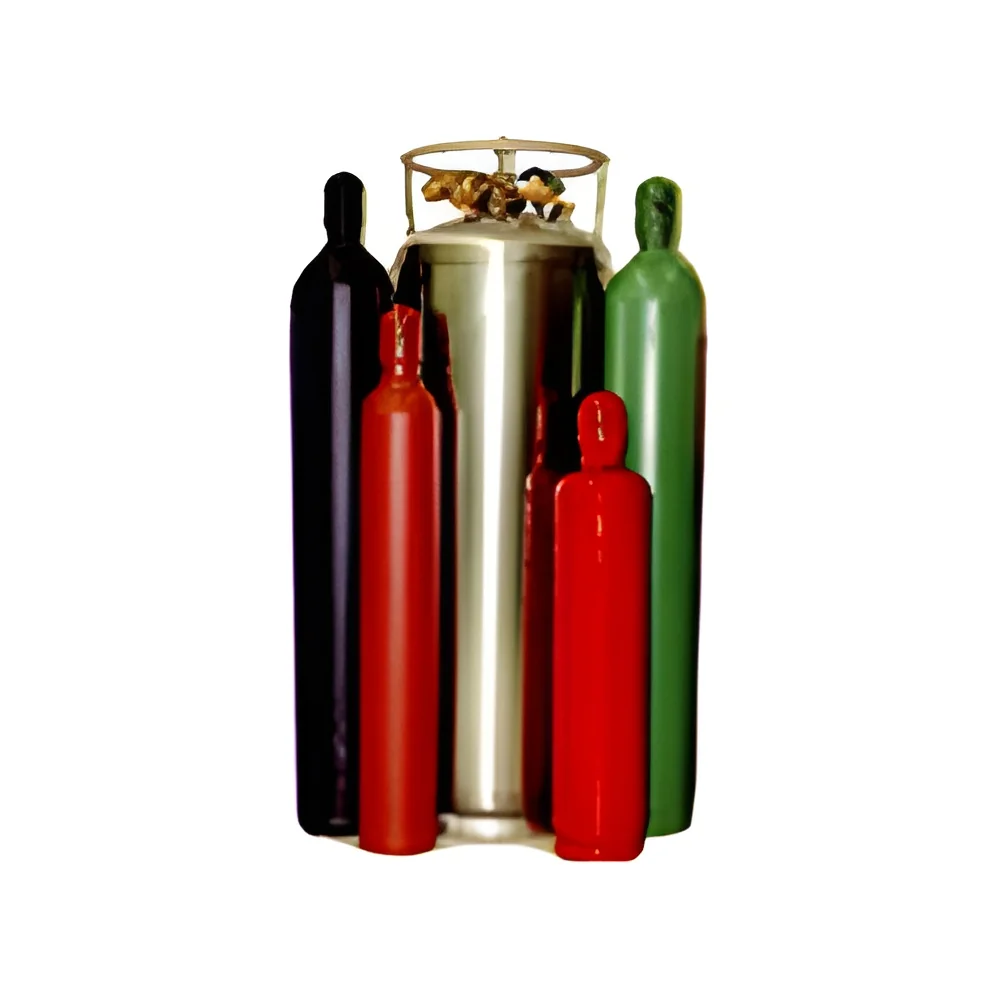
These devices release ethylene gas into storage areas, effectively ripening large quantities of produce. They are widely used in warehouses and distribution centers.
Ethylene Tablets
These tablets dissolve and release ethylene gas over time, providing a convenient option for smaller scale operations, such as local farms or markets.
Ethylene Liquid Solutions
Liquid formulations can be mixed with water for applications in agricultural settings. They offer versatility and ease of use for farmers.
Benefits and Advantages
Choosing ethylene releasers provides numerous benefits for businesses in the agricultural and food sectors.
1. Enhanced Ripening Control: They allow for precise management of the ripening process, leading to better quality produce.
2. Reduced Waste: By controlling ripening, businesses can minimize spoilage and waste, improving overall efficiency.
3. Extended Shelf Life: Ethylene releasers help maintain the quality of fruits and vegetables for longer periods, benefiting distributors and retailers.
4. Improved Marketability: Ripe produce attracts consumers, enhancing sales and customer satisfaction.
5. Flexibility in Application: Various application methods make it easy for businesses to integrate ethylene releasers into existing processes.
6. Cost-Effective Solutions: By reducing waste and improving quality, ethylene releasers can lead to significant cost savings for businesses.
Buying Guide for B2B Buyers
When sourcing ethylene releasers, it is essential to consider several factors to ensure you select the right product for your needs.
1. Quality Assessment: Evaluate the quality of the ethylene releasers based on supplier credentials and product reviews. High-quality products will offer better performance and reliability.
2. Supplier Verification: Vet potential suppliers by checking their reputation in the industry. Look for certifications and customer testimonials to ensure they meet your standards.
3. Pricing and MOQ: Understand the price range for ethylene releasers and inquire about minimum order quantities. Compare options to find a solution that fits your budget.
4. Delivery and Lead Times: Inquire about delivery schedules and lead times to ensure timely access to the products, especially if you have specific ripening needs.
5. Compliance Requirements: Ensure that the products comply with relevant safety and quality standards in your region. Familiarize yourself with any regulatory considerations that may apply.
Compliance and Certifications
Ethylene releasers are subject to various quality standards and regulations to ensure their safety and effectiveness. Compliance with ISO 9001 standards is critical for manufacturers in ensuring consistent quality management processes.
Additionally, ethylene releasers may need to adhere to HACCP (Hazard Analysis and Critical Control Points) protocols, particularly in food processing applications. This ensures that the products do not introduce any hazards to food safety.
CE certification is also relevant for products sold in the European market, indicating compliance with health, safety, and environmental protection standards.
Safety and testing requirements must be met to ensure that ethylene releasers do not pose risks to users or consumers. It is essential to consider regional compliance standards, as regulations may vary based on location.
Why Source Ethylene Releasers from Pepagora?
Pepagora offers a trusted platform for sourcing ethylene releasers with several key advantages that stand out in the market.
Verified Supplier Network: Pepagora ensures that all suppliers in its network are thoroughly vetted for quality and reliability. This provides buyers with confidence in their sourcing decisions.
Streamlined RFQ Process: The platform simplifies the request for quotation process, allowing buyers to receive competitive pricing and timely responses from suppliers.
Trade Assurance and Support: Pepagora offers buyer protection through its trade assurance programs. This ensures that transactions are secure, and support is available throughout the purchasing process.
Regional Coverage: With a strong presence in India, the GCC, and Southeast Asia, Pepagora provides extensive regional coverage, making it easier for businesses to access ethylene releasers tailored to their local markets.


Frequently Asked Questions
What are Ethylene Releasers?
Ethylene releasers are substances that promote the production of ethylene gas, a natural plant hormone. This gas plays a crucial role in the ripening process of fruits and is used widely in agriculture to enhance the maturation of crops.
What are the different types of Ethylene Releasers?
There are various types of ethylene releasers, including synthetic compounds and natural sources. Common examples include ethephon and calcium carbide, which are used to accelerate fruit ripening and improve the quality of harvested crops.
How do I choose the right Ethylene Releasers?
Choosing the right ethylene releasers depends on your specific agricultural needs, such as the type of fruit and the intended ripening period. It is advisable to consult with suppliers or agricultural experts to determine which product best suits your requirements.
What are the standard specifications for Ethylene Releasers?
Standard specifications for ethylene releasers typically include purity levels, chemical composition, and effectiveness in promoting ethylene production. It is essential to review product datasheets from manufacturers for specific technical details.
What is the price range for Ethylene Releasers?
The price of ethylene releasers can vary widely based on the type, quality, and supplier. Generally, you can expect prices to range from a few hundred to several thousand INR per kilogram.
What quality standards apply to Ethylene Releasers?
Ethylene releasers should meet specific quality standards set by regulatory bodies. Common standards include safety regulations, efficacy testing, and compliance with agricultural chemical guidelines to ensure they are safe for use in food production.
Where can I find Ethylene Releasers suppliers in India?
You can find ethylene releasers suppliers in India through B2B marketplaces like Pepagora.com, trade shows, and agricultural supply companies. Online directories and industry associations are also good resources for locating reputable suppliers.
Can Ethylene Releasers be customized?
Yes, many manufacturers offer customization options for ethylene releasers based on specific agricultural needs. Custom formulations may be developed to enhance performance for particular crops or conditions.
What is the typical minimum order quantity for Ethylene Releasers?
The minimum order quantity (MOQ) for ethylene releasers can vary among suppliers but often ranges from 10 to 100 kilograms. It is advisable to check with individual suppliers for their specific MOQ requirements.
What is the typical lead time for Ethylene Releasers?
The typical lead time for ethylene releasers can vary based on supplier capabilities and order size. Generally, lead times range from 1 to 4 weeks, depending on availability and production schedules.
Why Businesses Trust Pepagora
Thousands of companies trust Pepagora to source smarter and sell faster
Expand Your Sales Globally

Source Smarter,Grow Faster
