What are USB Hubs & Charging Stations?
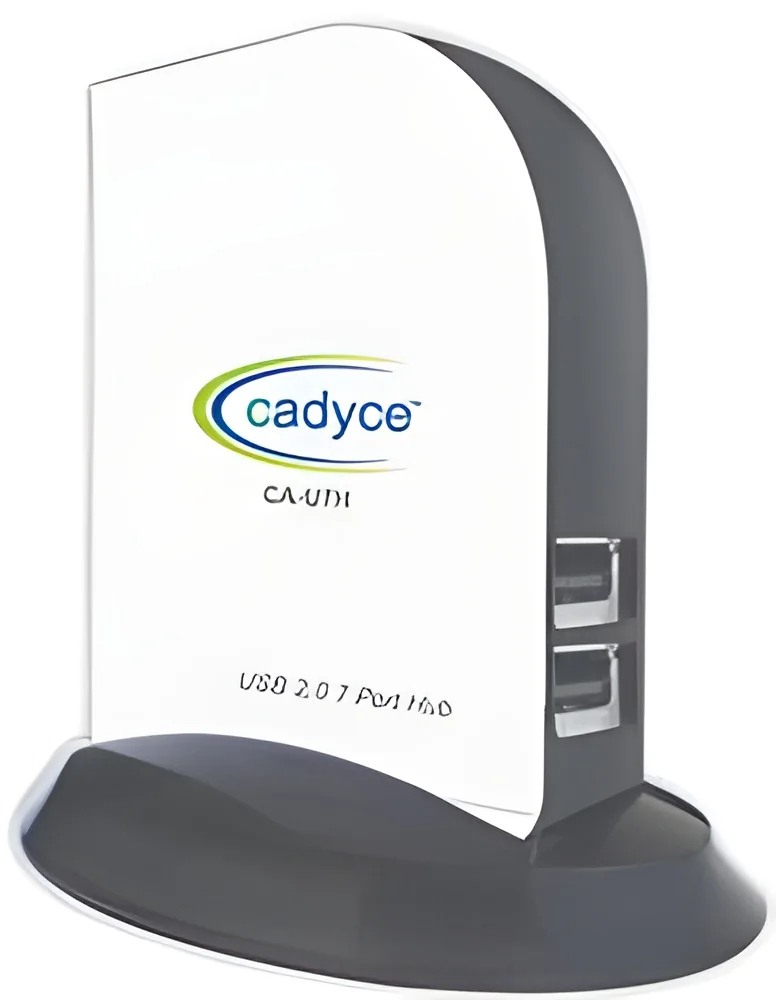
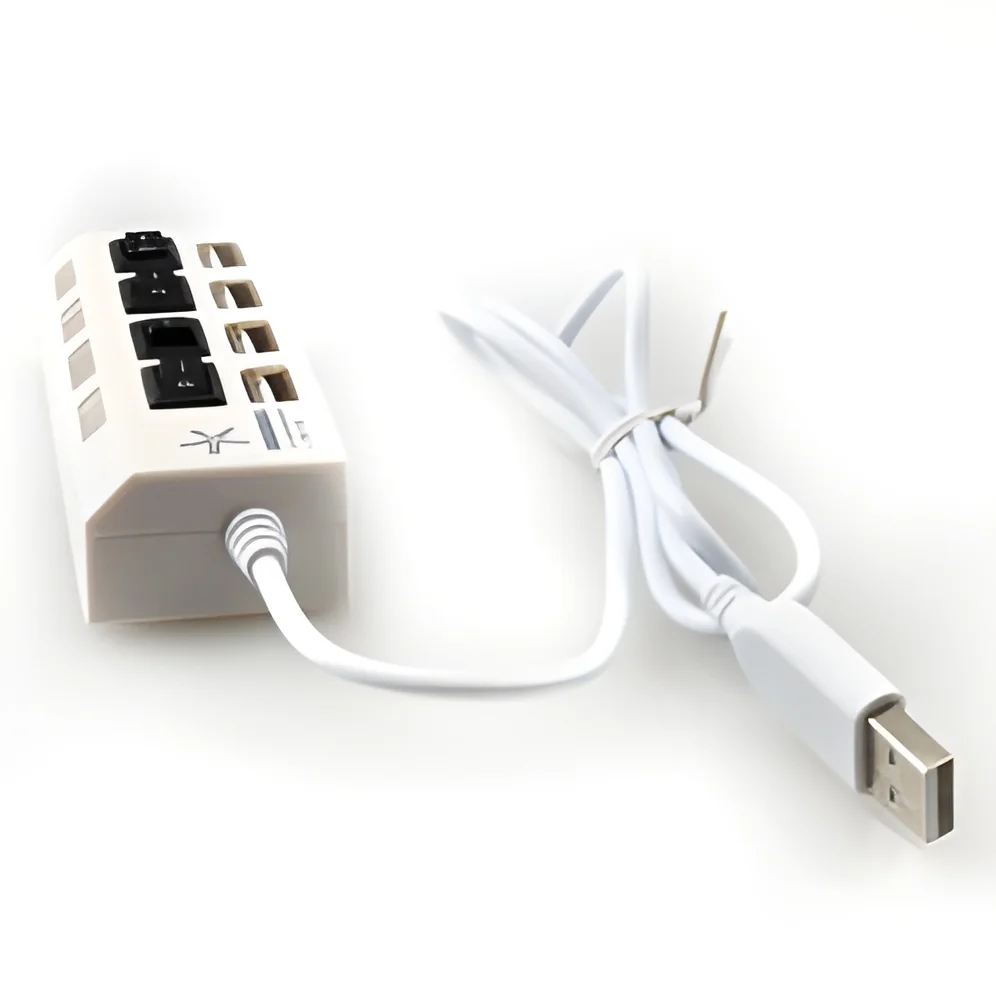
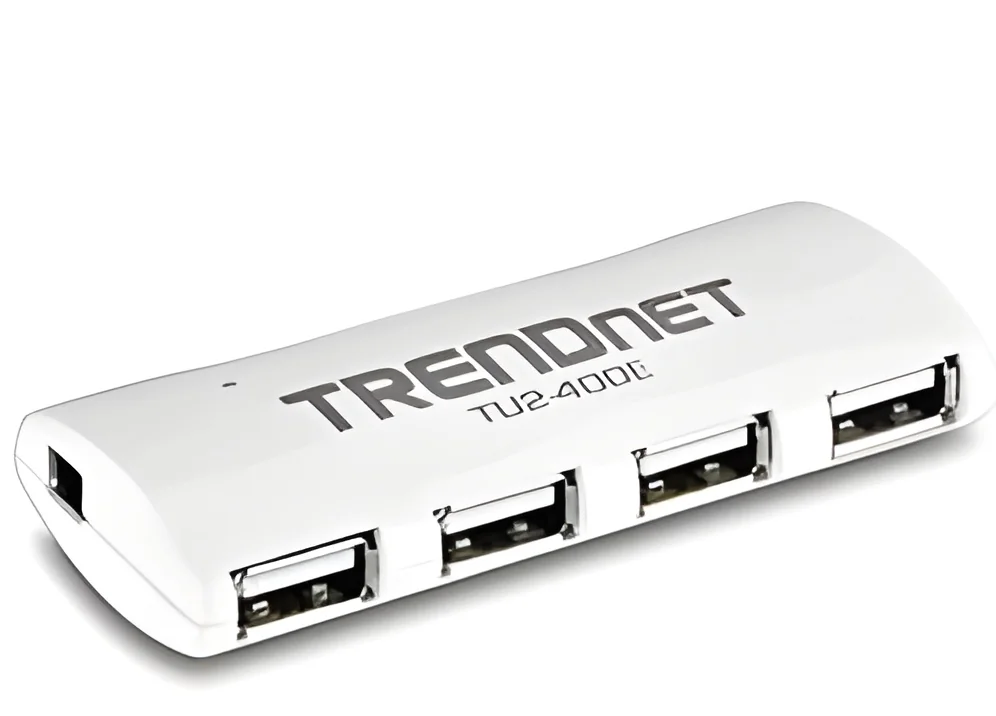
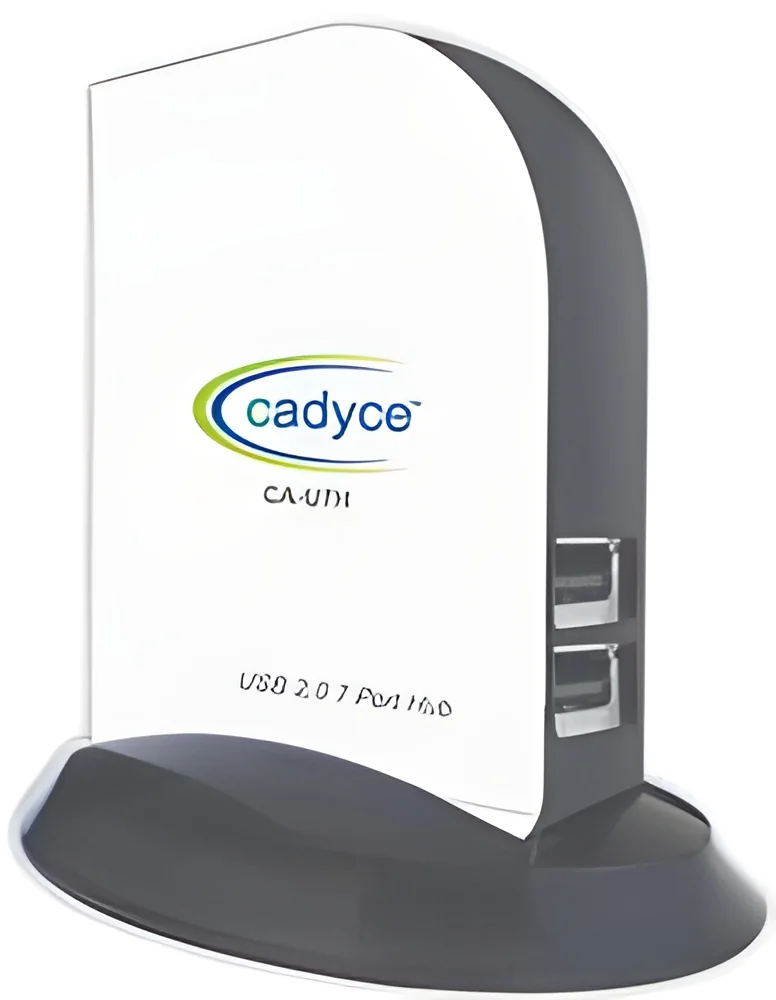
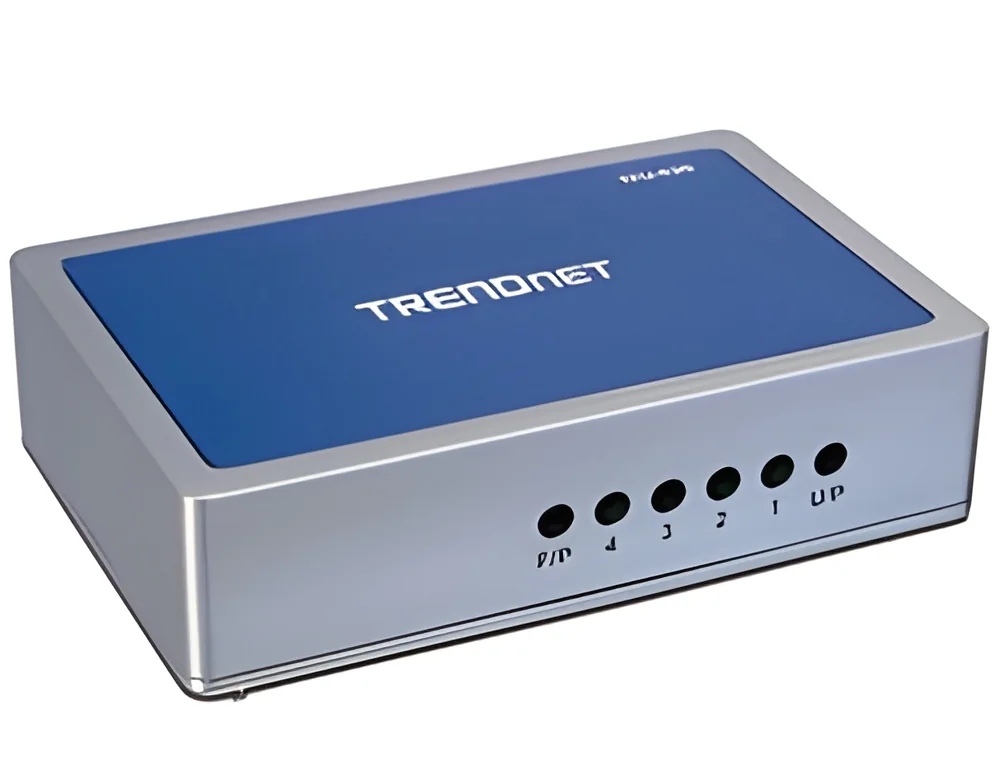
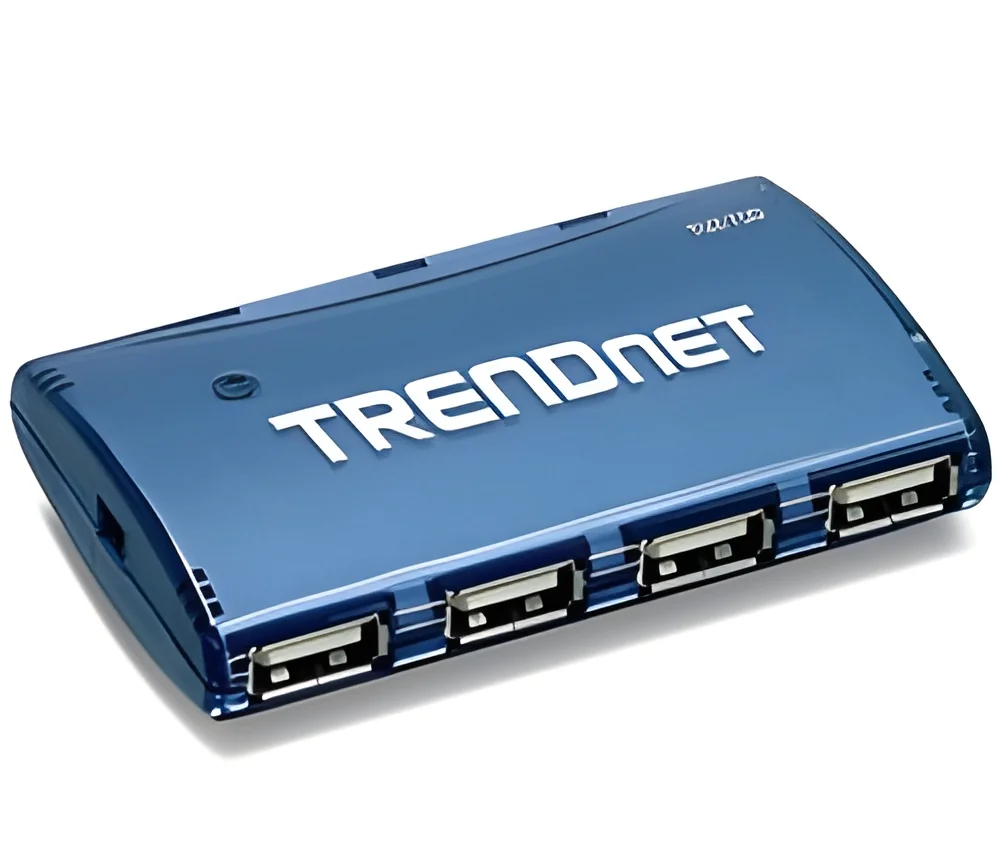
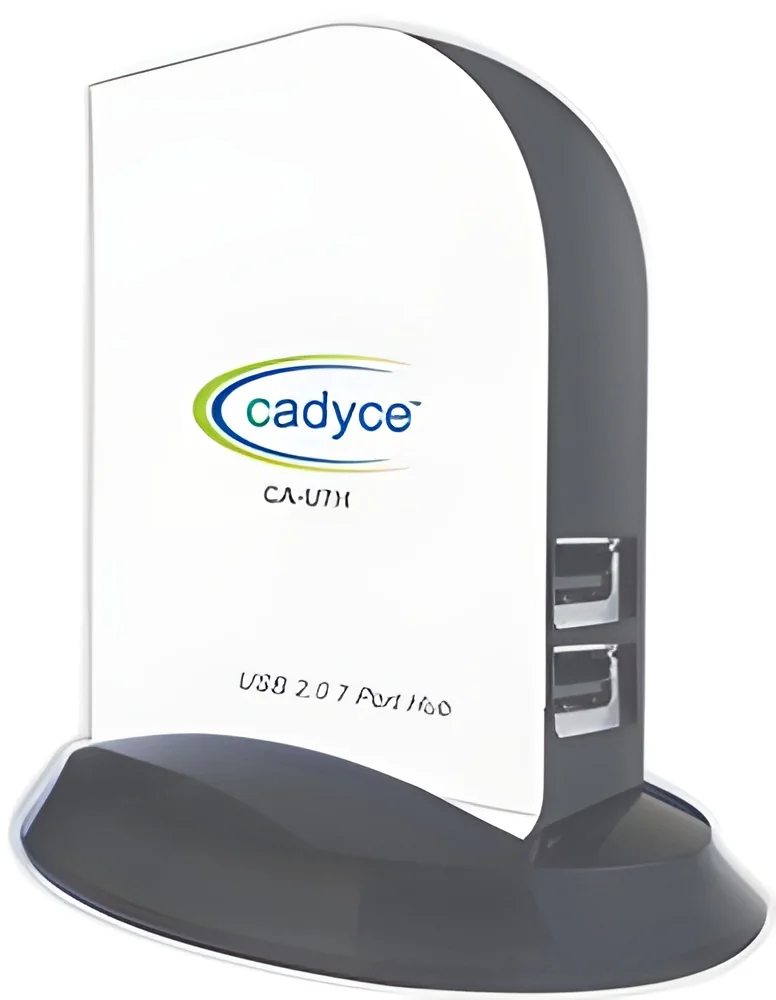
USB hubs and charging stations are essential devices that expand the connectivity options for computers and other electronic equipment. A USB hub allows multiple USB devices to connect to a single port, enabling users to connect peripherals such as keyboards, mice, and external drives simultaneously. Charging stations, on the other hand, are designed to power and charge multiple devices at once, typically featuring multiple USB ports or wireless charging capabilities. Together, they enhance the efficiency of workspaces by simplifying connectivity and reducing clutter.
Businesses across various sectors utilize USB hubs and charging stations for their convenience and functionality. In office environments, they facilitate the connection of multiple devices to a workstation, improving productivity. In retail settings, charging stations can provide customers with a place to recharge their mobile devices, enhancing customer experience. Additionally, educational institutions use these devices to streamline technology in classrooms, allowing students to connect their devices for charging and data transfer. The growing reliance on electronic devices in all industries highlights the increasing relevance of USB hubs and charging stations in the market.
Key Features and Specifications
USB hubs and charging stations come with a variety of features that cater to different user needs. Understanding these specifications is crucial for selecting the right product for your business.
Key specifications include:
1. Number of Ports
- Indicates how many devices can be connected simultaneously.
- Ranges typically from 4 to 12 ports.
2. Power Output
- Refers to the charging capability of the device.
- Common outputs range from 5V/2A to 5V/3A per port.
3. USB Standard
- Determines the data transfer speed.
- USB 2.0 (480 Mbps) and USB 3.0 (5 Gbps) are common standards.
4. Compatibility
- Indicates the types of devices that can be connected.
- Most hubs are compatible with both Windows and Mac systems.
5. Design and Portability
- Refers to the size and weight of the device.
- Options range from compact and lightweight to larger desktop models.
6. Surge Protection
- Protects connected devices from voltage spikes.
- Many hubs include built-in surge protection features.
7. LED Indicators
- Displays the operational status of the hub or charging station.
- Often includes indicators for power and individual port activity.
8. Material and Build Quality
- Factors in the durability and lifespan of the product.
- Common materials include plastic and aluminum.
In summary, selecting the right USB hub or charging station involves understanding these specifications to ensure compatibility and performance that meet business needs.
Common Applications and Use Cases
USB hubs and charging stations serve a wide range of industries, each with specific applications.
1. Office Environments: In corporate settings, these devices enhance productivity by allowing multiple devices to connect to a single workstation. Employees can easily charge their smartphones while using other peripherals.
2. Retail Stores: Retailers use charging stations to improve customer experience by providing a convenient way for shoppers to charge their mobile devices while browsing.
3. Educational Institutions: Schools and universities benefit by providing students with charging solutions for their laptops and tablets, ensuring that devices remain powered throughout the day.
4. Healthcare Facilities: Medical staff utilize USB hubs to connect various medical devices, ensuring seamless data transfer and charging.
5. Event Management: At conferences and expos, charging stations are essential for keeping devices powered, allowing attendees to stay connected.
6. Manufacturing and Warehousing: In these industries, USB hubs facilitate the connection of multiple devices to computers for inventory management and data tracking.
7. Home Office: With the rise of remote work, home offices increasingly rely on USB hubs and charging stations for organization and efficiency.
Product Variants and Subcategories
USB hubs and charging stations come in various models to meet different needs and environments.
Compact USB Hubs
These are designed for portability, making them ideal for professionals on the go. They typically feature several USB ports in a lightweight design, allowing users to connect multiple devices without taking up much space.
Multi-Port Charging Stations
These stations cater to environments needing simultaneous charging for multiple devices. They often include fast charging capabilities and can power smartphones, tablets, and laptops, making them suitable for busy offices or public spaces.
Desktop USB Hubs
These larger hubs are intended for stationary use, offering more ports and additional features such as surge protection and data transfer capabilities. They are well-suited for office environments where multiple devices need to be connected at once.
Wireless Charging Stations
These stations allow for the charging of compatible devices without cables. They are increasingly popular in both corporate and retail environments, providing a clutter-free charging solution.
Benefits and Advantages
USB hubs and charging stations offer several advantages that can significantly enhance user experience and operational efficiency.
1. Increased Connectivity: They allow multiple devices to connect to a single source, reducing the need for multiple cables and outlets.
2. Enhanced Productivity: By enabling simultaneous connections, users can work more efficiently and manage multiple tasks at once.
3. Convenience: Charging stations provide a central location for device charging, making it easy for users to keep their devices powered.
4. Space-Saving Design: Many models are compact and lightweight, minimizing desk clutter and maximizing workspace efficiency.
5. Fast Charging Capabilities: Many charging stations offer rapid charging options, ensuring devices are charged quickly and ready for use.
6. Improved Organization: By centralizing connections and charging points, businesses can maintain a tidy and organized workspace.
Buying Guide for B2B Buyers
When sourcing USB hubs and charging stations, it is essential for B2B buyers to consider several factors to ensure they make informed purchasing decisions.
1. Quality Assessment: Evaluate the build quality and material of the devices. Look for products that meet industry standards and have positive reviews regarding durability and reliability.
2. Supplier Verification: Vet suppliers by checking their reputation, customer feedback, and compliance with industry certifications. Reliable suppliers will provide transparency about their products and services.
3. Pricing and MOQ: Understand the pricing structure and any minimum order quantities. Consider bulk purchasing options for cost savings while ensuring quality is not compromised.
4. Delivery and Lead Times: Inquire about logistics, including delivery times and shipping options. It is important to align delivery schedules with business needs.
5. Compliance Requirements: Ensure that the products meet necessary regulatory and safety standards. Confirm that the devices have appropriate certifications, such as CE, before making a purchase.
Compliance and Certifications
USB hubs and charging stations must adhere to specific quality and safety standards to ensure reliability and performance. Relevant standards include ISO 9001, which focuses on quality management systems, and CE marking, which indicates compliance with European safety requirements.
Compliance with safety and testing standards is crucial to protect users and connected devices. This often involves rigorous testing to ensure that devices can handle electrical loads without risk of overheating or failure.
Regional compliance considerations may vary, especially for products sold in different markets. It is vital to verify that the products meet local regulations, which can include electromagnetic compatibility and environmental impact assessments. Ensuring compliance not only enhances product safety but also builds trust with consumers.
Why Source USB Hubs & Charging Stations from Pepagora?
Pepagora serves as a trusted platform for sourcing USB hubs and charging stations, offering numerous key advantages to B2B buyers.
Verified Supplier Network: Pepagora has established a reliable network of verified suppliers, ensuring that buyers can connect with reputable manufacturers who provide quality products.
Streamlined RFQ Process: The platform features an efficient Request for Quotation (RFQ) system that simplifies the procurement process. Buyers can easily compare quotations from multiple suppliers to make informed decisions.
Trade Assurance and Support: Pepagora prioritizes buyer protection through trade assurance programs. This offers peace of mind, knowing that transactions are safeguarded and disputes can be resolved effectively.
Regional Coverage: With a strong presence in India, the GCC, and Southeast Asia, Pepagora provides access to a wide array of suppliers and products tailored to meet diverse market needs. This geographic reach allows businesses to source products that align with local preferences and standards.

 IN
IN