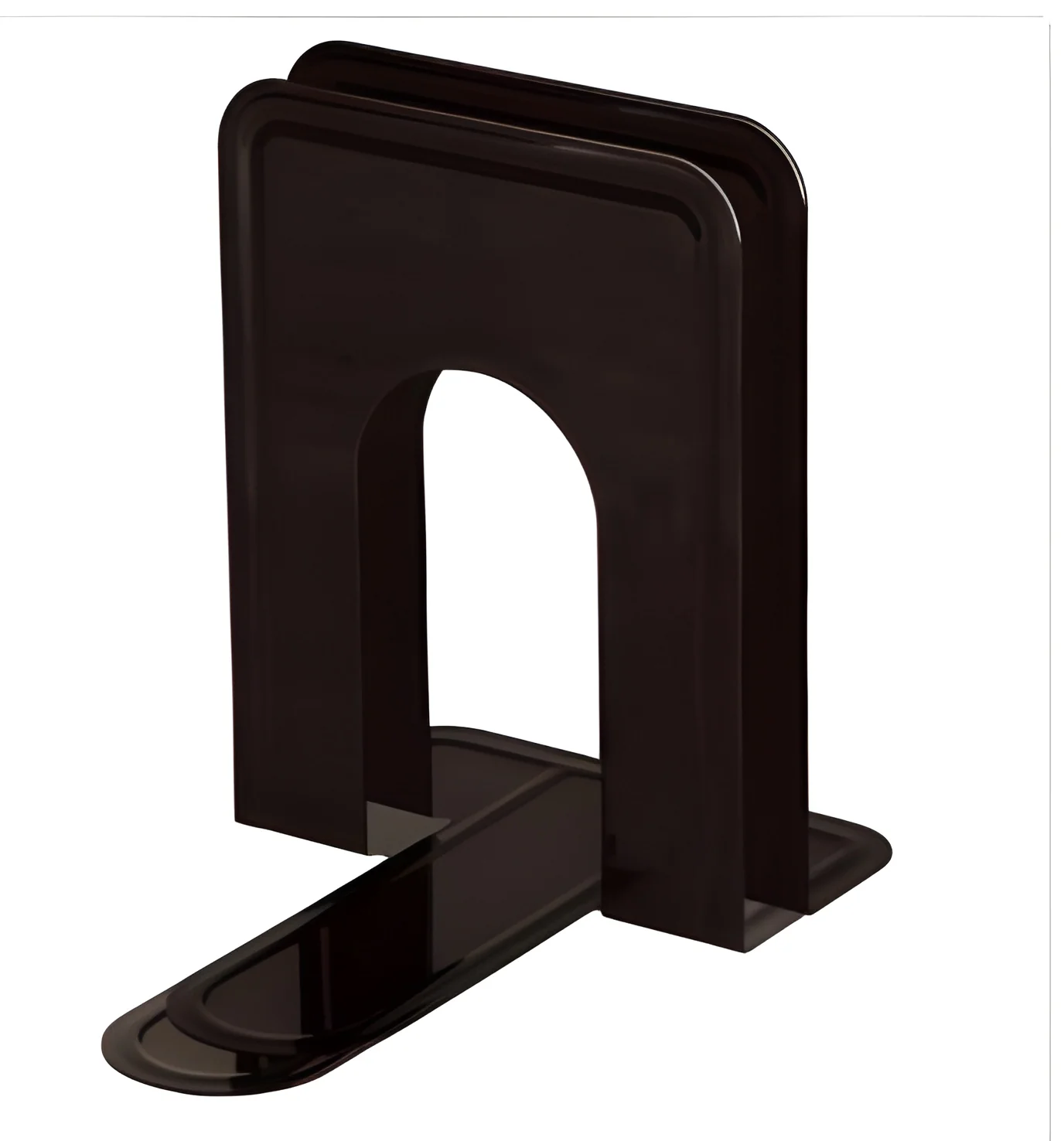
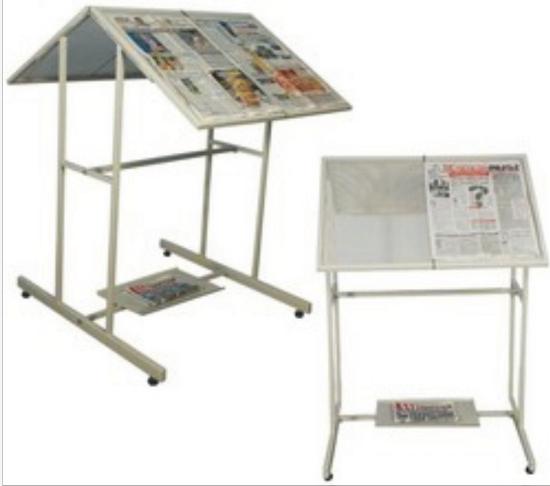
What are Document Stands?
Document stands are essential tools designed to hold various types of documents, books, tablets, or electronic devices securely in place for easy viewing. These stands come in various shapes, sizes, and materials, catering to different needs within work environments. Their primary purpose is to enhance ergonomics by providing an optimal viewing angle, reducing neck strain and improving productivity during reading or writing tasks.
The primary uses of document stands span across multiple industries including education, healthcare, and corporate environments. In educational settings, they assist teachers and students in displaying materials during presentations. Healthcare professionals use document stands to keep patient records and charts visible while maintaining a hands-free approach. In corporate offices, they serve a critical role by organizing paperwork, reports, and reference materials for employees.
In a market context, the relevance of document stands continues to grow as more businesses prioritize ergonomic solutions for their workforce. With an increasing focus on employee wellbeing and productivity, the demand for efficient document management tools has surged. This trend highlights the importance of investing in quality document stands that meet industry standards and provide long-lasting usability.
Key Features and Specifications
Document stands offer a variety of features that enhance their functionality and usability. When selecting a document stand, it is essential to consider specifications that align with your business needs.
Key specifications include:
1. Material
- Document stands are often made from materials such as plastic, metal, or wood.
- Each material provides different durability, weight, and aesthetic options.
2. Adjustable Height
- Many document stands feature adjustable heights to accommodate various users and preferences.
- Height adjustments typically range from 5 to 15 inches.
3. Stability
- A stable base is crucial for ensuring that the documents remain in place.
- Stands may include non-slip features or weighted bases for added security.
4. Portability
- Lightweight and foldable designs enhance portability for users who travel frequently.
- Some models may include carrying handles for ease of transport.
5. Compatibility
- Document stands must accommodate different sizes of documents or devices, such as A4, letter, or tablets.
- Compatibility with various devices ensures versatility in usage.
6. Surface Area
- The stand's surface area should be sufficient to hold multiple documents or larger materials securely.
- Larger surface areas can support books or binders effectively.
7. Ergonomic Design
- An ergonomic design promotes comfort during prolonged use.
- Features like tilt adjustments can further enhance user experience.
8. Finishing
- Aesthetic finishes, such as matte or glossy options, can affect the stand's overall appearance.
- Finishing can also impact durability and ease of cleaning.
In summary, understanding the key features and specifications of document stands enables businesses to choose the right products that enhance productivity and comfort for their teams.
Common Applications and Use Cases
Document stands are versatile tools that find applications across various industries.
1. Education: In classrooms, document stands are used by teachers to display lesson materials, allowing easy access for students and promoting interactive learning.
2. Healthcare: Medical professionals rely on document stands to keep patient charts and documents easily visible, facilitating better communication with patients and colleagues.
3. Corporate Offices: Document stands help organize important paperwork during meetings or presentations, ensuring that information is readily accessible to all participants.
4. Libraries: In libraries, document stands support books and reference materials, enhancing the user experience for patrons conducting research.
5. Retail: Retail environments use document stands to display promotional materials or product information, helping customers make informed purchasing decisions.
6. Workshops: In workshops, document stands hold instructional materials or safety guidelines, ensuring that all participants can follow along during training sessions.
7. Events and Conferences: At trade shows or conferences, document stands are employed to showcase brochures, flyers, or schedules, improving attendee engagement and information dissemination.
Product Variants and Subcategories
Document stands come in various designs to meet different user needs and preferences. The diversity in product variants allows businesses to choose the most appropriate type for their specific applications.
Adjustable Document Stands
These stands allow users to modify the angle and height for optimal viewing comfort. They are particularly useful in environments where multiple users interact with the documents, such as classrooms or collaborative workspaces.
Portable Document Stands
Designed for ease of transport, portable document stands are lightweight and often foldable. They are ideal for professionals who travel frequently or for use in temporary setups, such as trade shows or outdoor events.
Multi-Function Document Stands
These stands go beyond holding documents and can support tablets or electronic devices. They usually offer additional features like built-in storage for pens or notepads, making them suitable for busy office environments.
Benefits and Advantages
Choosing the right document stands can bring several advantages to businesses seeking to enhance their operational efficiency.
1. Improved Ergonomics: Document stands promote better posture and reduce strain on the neck and eyes, contributing to overall employee health.
2. Increased Productivity: By keeping documents easily accessible, employees can work more efficiently, reducing the time spent searching for materials.
3. Enhanced Organization: Document stands help maintain a clutter-free workspace by providing designated areas for essential documents.
4. Versatility: Many document stands can accommodate different document sizes and types, making them suitable for various tasks and settings.
5. Cost-Effective: Investing in quality document stands can lead to long-term savings by reducing the need for frequent replacements and enhancing the longevity of the products.
6. Professional Appearance: Utilizing document stands in meetings or presentations can elevate the overall professionalism of the setting, leaving a positive impression on clients and stakeholders.
Buying Guide for B2B Buyers
When sourcing document stands for your business, several factors should be considered to ensure you make an informed purchase.
1. Quality Assessment: Evaluate the materials and build quality of the document stands. Consider durability, weight capacity, and user reviews to determine whether they meet your expectations.
2. Supplier Verification: Vet potential suppliers to ensure they have a good reputation and track record in delivering quality products. Look for certifications or industry recognitions that validate their credibility.
3. Pricing and MOQ: Understand the pricing structure and minimum order quantities required by suppliers. Compare quotes from multiple vendors to find competitive pricing without compromising quality.
4. Delivery and Lead Times: Inquire about the expected delivery times and any logistical challenges that may arise. Timely delivery is crucial for maintaining business operations.
5. Compliance Requirements: Ensure that the document stands comply with any relevant industry regulations or standards. This may include safety certifications or specific quality benchmarks.
Compliance and Certifications
Document stands are subject to certain quality standards and certifications that ensure their reliability and safety in various applications. Compliance with ISO 9001, which focuses on quality management systems, is important for manufacturers to demonstrate their commitment to producing high-quality products.
Additionally, CE certification is relevant for products sold within the European Economic Area. This certification assures users that the product meets safety and environmental requirements.
Safety and testing requirements are critical, particularly in healthcare and educational settings. Document stands must be tested to ensure stability and durability, minimizing the risk of accidents.
Finally, regional compliance considerations may vary, with some countries having specific regulations regarding materials used in the production of document stands. Businesses should stay informed about these requirements to ensure compliance.
Why Source Document Stands from Pepagora?
Pepagora provides a trusted platform for sourcing document stands, offering several key advantages that benefit B2B buyers.
Verified Supplier Network: Pepagora connects you with a network of verified suppliers, ensuring that you receive high-quality products from reputable manufacturers. This verification process minimizes the risk of subpar purchases.
Streamlined RFQ Process: The platform features an efficient request-for-quotation (RFQ) system that simplifies the procurement process. Buyers can easily submit their requirements and receive competitive quotes from multiple suppliers.
Trade Assurance and Support: Pepagora offers trade assurance that protects buyers by ensuring that suppliers meet their commitments. This support fosters trust and confidence in transactions, allowing businesses to focus on their core operations.
Regional Coverage: With a broad geographic reach across India, the GCC, and Southeast Asia, Pepagora provides access to a diverse market of suppliers. This regional coverage allows businesses to find the right document stands to meet their specific needs while benefitting from local market insights.

 IN
IN