
 IN
Uniform & Workwear Exporters
3 products available
What are Uniform & Workwear Exporters?
Uniform and workwear exporters are companies that specialize in the production and distribution of professional attire designed for various industries. These exporters cater to businesses that require specific uniforms and workwear to maintain a cohesive brand image, ensure employee safety, and comply with industry regulations. The clothing provided can range from basic work shirts and pants to specialized protective gear.
The primary uses of uniforms and workwear span multiple sectors, including healthcare, hospitality, construction, and manufacturing. Businesses in these sectors often mandate specific attire to promote professionalism and safety in the workplace. For instance, healthcare workers wear scrubs, while construction workers might require high-visibility vests and helmets. The relevance of uniform and workwear exporters has grown in recent years due to increased emphasis on workplace safety and branding, making them essential partners for many organizations.
As the market continues to evolve, the demand for high-quality, durable, and compliant workwear has led to increased competition among exporters. This competition drives innovation in fabric technology and design, further enhancing the capabilities of uniforms and workwear in various applications across industries.
Key Features and Specifications
Uniform and workwear exporters provide a range of features and specifications to meet diverse business needs. Understanding these specifications can help buyers make informed decisions when sourcing products.
Key specifications include:
1. Fabric Quality
- Made from durable and high-performance materials
- Includes options like cotton, polyester, and blends
2. Safety Standards
- Compliance with industry-specific safety regulations
- Certifications such as CE for protective gear
3. Customization Options
- Ability to tailor designs, colors, and logos
- Options for personalized fit and style
4. Sizing Range
- Comprehensive size options for all body types
- Availability of plus sizes and custom measurements
5. Moisture-Wicking Properties
- Fabrics designed to manage perspiration
- Provides comfort in various working conditions
6. Breathability
- Materials that allow air circulation
- Enhances comfort during prolonged wear
7. Durability
- Designed for long-lasting use
- Resistant to wear and tear from daily activities
8. Care Instructions
- Easy to clean and maintain
- Usually machine washable for convenience
These features collectively ensure that uniforms and workwear not only serve practical purposes but also enhance employee comfort and satisfaction.
Common Applications and Use Cases
Uniforms and workwear are utilized across various industries, each with specific applications tailored to their unique environments.
1. Healthcare: In hospitals and clinics, staff members wear scrubs to maintain hygiene and professionalism. Specialty uniforms like surgical gowns are also critical for specific procedures.
2. Hospitality: Hotels and restaurants often provide uniforms for their employees, including front-of-house staff and kitchen personnel, to reinforce brand identity and maintain a polished appearance.
3. Construction: Workers in construction sites require protective clothing such as helmets, safety boots, and high-visibility jackets to ensure safety and compliance with regulations.
4. Manufacturing: Employees in manufacturing plants often wear uniforms that provide comfort and protection from hazardous materials and machinery.
5. Retail: Retail staff frequently wear branded uniforms to promote the brand and create a cohesive shopping experience for customers.
6. Transportation: Drivers and logistics personnel often wear uniforms that enhance visibility and promote safety while on the road.
7. Education: School staff and students may wear uniforms to promote discipline and unity within educational institutions.
Product Variants and Subcategories
The diversity of uniforms and workwear allows for various product variants, catering to the specific needs of different sectors.
Work Shirts: These are available in various styles, including short-sleeve and long-sleeve options. They often feature breathable fabrics and can be customized with company logos.
Safety Vests: Common in construction and industrial settings, these vests are designed with high-visibility materials and reflectors to ensure worker safety.
Work Pants: Designed for durability, these pants often include reinforced seams and pockets for tools. They come in various styles such as cargo and tactical.
Lab Coats: Utilized in healthcare and laboratory settings, these coats provide protection and can be made from stain-resistant materials.
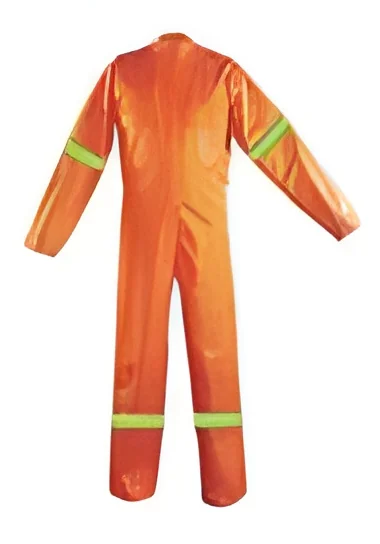
Coveralls: Common in industrial applications, coveralls provide full-body protection and can include features like built-in pockets and reinforced knees.
Benefits and Advantages
Sourcing uniforms and workwear from reliable exporters offers numerous advantages for businesses.
Key benefits include:
1. Enhanced Professionalism: Uniforms promote a professional image, which can improve customer perception and brand loyalty.
2. Safety Compliance: Proper workwear ensures compliance with industry safety standards, reducing the risk of accidents and liabilities.
3. Employee Comfort: High-quality materials and designs enhance comfort, contributing to employee satisfaction and productivity.
4. Custom Branding: Customization options allow businesses to reinforce their brand identity through uniforms.
5. Cost-Effectiveness: Reliable exporters often provide competitive pricing and bulk purchasing options, making it cost-effective for businesses.
6. Streamlined Procurement: Partnering with established exporters simplifies sourcing processes and ensures timely delivery of products.
Buying Guide for B2B Buyers
When sourcing uniform and workwear exporters, businesses should consider several essential factors to ensure they select the right partners.
1. Quality Assessment: Evaluate the fabric quality and durability of products. Request samples to assess how the materials hold up under various conditions.
2. Supplier Verification: Conduct thorough research on potential suppliers to verify their credibility and reliability. Look for reviews and testimonials from other customers.
3. Pricing and MOQ: Understand pricing structures and minimum order quantities (MOQ) to ensure they fit within budget and purchasing capabilities.
4. Delivery and Lead Times: Discuss delivery schedules and lead times to ensure that products can be received in a timely manner for business needs.
5. Compliance Requirements: Familiarize yourself with relevant industry regulations and ensure that the exporter meets all necessary compliance standards.
Compliance and Certifications
Uniform and workwear exporters must adhere to various compliance and certification standards to ensure product quality and safety.
Quality standards such as ISO 9001 establish a framework for quality management systems, ensuring that products meet customer expectations consistently. Compliance with HACCP (Hazard Analysis Critical Control Point) is essential in industries like food service, where safety and hygiene are paramount.
The CE certification signifies that products meet European health and safety standards, particularly for protective gear and workwear. Safety and testing requirements often include material testing for durability, flame resistance, and other specific protections based on industry needs.
Regional compliance considerations are important as different countries may have unique regulations governing workwear and uniforms. Exporters must stay informed about these regulations to ensure their products are market-ready.
Why Source Uniform & Workwear Exporters from Pepagora?
Pepagora provides a trusted platform for sourcing uniform and workwear exporters, catering to the needs of diverse industries with several key advantages.
Verified Supplier Network: Pepagora boasts a network of verified suppliers committed to maintaining high product standards and reliability. This verification process ensures that buyers can trust the quality of the products offered.
Streamlined RFQ Process: The platform facilitates a streamlined Request for Quotation (RFQ) process, allowing buyers to easily request and compare quotes from multiple suppliers. This efficiency helps businesses make informed purchasing decisions quickly.
Trade Assurance and Support: Pepagora offers trade assurance, providing buyers with protection throughout the purchasing process. This support helps to mitigate risks associated with international sourcing.
Regional Coverage: With a strong presence in India, the GCC, and Southeast Asia, Pepagora enables businesses to access a wide array of uniform and workwear exporters, ensuring regional needs are met effectively.
By choosing Pepagora, businesses can confidently source high-quality uniforms and workwear that meet their specific requirements while ensuring a seamless procurement experience.


 India
 India
Frequently Asked Questions
What are Uniform & Workwear Exporters?
Uniform & Workwear Exporters are businesses that specialize in manufacturing and selling uniforms and workwear for various industries. These exporters cater to the needs of businesses by providing functional and durable clothing designed for specific work environments.
What are the different types of Uniform & Workwear Exporters?
There are several types of Uniform & Workwear Exporters, including those that focus on corporate uniforms, industrial workwear, medical scrubs, hospitality uniforms, and safety apparel. Each type serves different sectors and has unique requirements based on the nature of the work.
How do I choose the right Uniform & Workwear Exporters?
To choose the right Uniform & Workwear Exporters, consider factors such as their industry experience, product quality, range of customization options, and customer reviews. It is also important to evaluate their pricing and delivery timelines to ensure they meet your specific needs.
What are the standard specifications for Uniform & Workwear Exporters?
Standard specifications for Uniform & Workwear Exporters typically include fabric quality, durability, breathability, and compliance with safety regulations. Additionally, sizing options and colorfastness are essential considerations to meet the diverse needs of workers.
What is the price range for Uniform & Workwear Exporters?
The price range for Uniform & Workwear Exporters can vary widely depending on the type of garment, materials used, and customization options. Generally, basic uniforms may start at a lower price point, while specialized workwear can be significantly more expensive.
What quality standards apply to Uniform & Workwear Exporters?
Quality standards for Uniform & Workwear Exporters often include compliance with ISO certifications, safety regulations, and industry-specific standards. Exporters should also ensure that their products undergo rigorous testing for durability and performance.
Where can I find Uniform & Workwear Exporters suppliers in India?
You can find Uniform & Workwear Exporters suppliers in India through online B2B marketplaces, industry trade shows, and local business directories. Pepagora.com is a useful platform for connecting with reliable exporters and manufacturers in this sector.
Can Uniform & Workwear Exporters be customized?
Yes, many Uniform & Workwear Exporters offer customization options tailored to your brand needs. This can include logo embroidery, specific color choices, and alterations to fit or style, ensuring the uniforms meet your organization's requirements.
What is the typical minimum order quantity for Uniform & Workwear Exporters?
The typical minimum order quantity (MOQ) for Uniform & Workwear Exporters can vary, but it often ranges from 50 to 100 pieces per style. It is advisable to check with individual suppliers for their specific MOQ policies.
What is the typical lead time for Uniform & Workwear Exporters?
The typical lead time for Uniform & Workwear Exporters can range from 2 to 6 weeks, depending on factors such as order size, customization requirements, and the manufacturer's production schedule. Always confirm the lead time with your chosen exporter.
Why Businesses Trust Pepagora
Thousands of companies trust Pepagora to source smarter and sell faster
Expand Your Sales Globally

Source Smarter,Grow Faster
