๐ช๐ต๐ฎ๐ ๐ฎ๐ฟ๐ฒ ๐๐ผ๐บ๐ฒ ๐ง๐ฒ๐
๐๐ถ๐น๐ฒ ๐๐
๐ฝ๐ผ๐ฟ๐๐ฒ๐ฟ๐?
Home textile exporters are specialized companies that manufacture and distribute a range of textile products for residential use. These products typically include items such as bed linens, curtains, upholstery fabrics, towels, and other soft furnishings. The role of these exporters is crucial, as they bridge the gap between manufacturers and international buyers, facilitating trade in high-quality textile goods.
The primary applications of home textiles are found in the hospitality, retail, and interior design sectors. Hotels, for example, rely on home textile exporters for their bedding and curtain needs, ensuring that they meet both aesthetic and functional requirements. Retail stores offer various home textiles sourced from these exporters, catering to consumer demand for quality and design. Furthermore, interior designers often collaborate with exporters to source unique fabrics that enhance residential spaces.
In the context of the global market, home textile exporters play an essential role in the textile industry. They respond to the increasing consumer preferences for quality and sustainability, adapting to trends and innovations in textile manufacturing. As a result, they contribute significantly to the economic growth of the regions they operate in while promoting local craftsmanship on a global scale.
๐๐ฒ๐ ๐๐ฒ๐ฎ๐๐๐ฟ๐ฒ๐ ๐ฎ๐ป๐ฑ ๐ฆ๐ฝ๐ฒ๐ฐ๐ถ๐ณ๐ถ๐ฐ๐ฎ๐๐ถ๐ผ๐ป๐
Home textile exporters offer a variety of products that come with distinct features and specifications. These specifications ensure that the products meet the diverse needs of their clientele.
Key specifications include:
1. Fabric Composition
- Common materials include cotton, polyester, linen, and blends.
- Each fabric has distinct properties such as durability, softness, and breathability.
2. Thread Count
- A higher thread count indicates a denser and more durable fabric.
- Typical thread counts range from 200 to 1000 for bed linens.
3. Color Fastness
- This measures how well the fabric retains its color after washing.
- High color fastness is crucial for maintaining product appearance.
4. Fabric Weight
- Measured in grams per square meter (GSM), indicating thickness.
- Common weights range from lightweight (100-200 GSM) to heavy (400+ GSM).
5. Finishing Techniques
- Includes processes such as dyeing, printing, and coating.
- Enhances the aesthetic appeal and functionality of the textiles.
6. Eco-Friendly Options
- Availability of organic and sustainable fabric choices.
- Certifications such as Global Organic Textile Standard (GOTS) may apply.
7. Customization
- Options for custom designs, sizes, and patterns.
- Important for businesses looking to differentiate their offerings.
8. Compliance with Safety Standards
- Adherence to relevant safety and health regulations.
- Ensures products are safe for use in homes and commercial settings.
In summary, these specifications are critical as they influence product quality, performance, and compliance with customer expectations.
๐๐ผ๐บ๐บ๐ผ๐ป ๐๐ฝ๐ฝ๐น๐ถ๐ฐ๐ฎ๐๐ถ๐ผ๐ป๐ ๐ฎ๐ป๐ฑ ๐จ๐๐ฒ ๐๐ฎ๐๐ฒ๐
Home textile exporters cater to a variety of industries, providing essential textile products tailored to their specific needs.
1. Hospitality: Hotels and resorts utilize high-quality linens, towels, and curtains to enhance guest experiences and maintain brand standards.
2. Retail: Home goods stores source diverse textile products to meet consumer demands, offering a wide range of designs and materials.
3. Interior Design: Designers often seek unique fabrics for upholstery, drapery, and decorative pillows to create tailored living spaces.
4. Healthcare: Hospitals and clinics require durable and easy-to-clean textiles for bedding, uniforms, and patient care products.
5. Education: Schools and universities purchase textiles for dormitories, common areas, and sports facilities, emphasizing both durability and style.
6. Event Management: Companies specializing in events and weddings source custom textiles for table linens, chair covers, and decorative drapes.
7. E-commerce: Online retailers leverage home textile exporters to offer a broad selection of products, enhancing customer convenience and choice.
๐ฃ๐ฟ๐ผ๐ฑ๐๐ฐ๐ ๐ฉ๐ฎ๐ฟ๐ถ๐ฎ๐ป๐๐ ๐ฎ๐ป๐ฑ ๐ฆ๐๐ฏ๐ฐ๐ฎ๐๐ฒ๐ด๐ผ๐ฟ๐ถ๐ฒ๐
Home textiles are diverse, with various product variants available to meet different customer requirements.
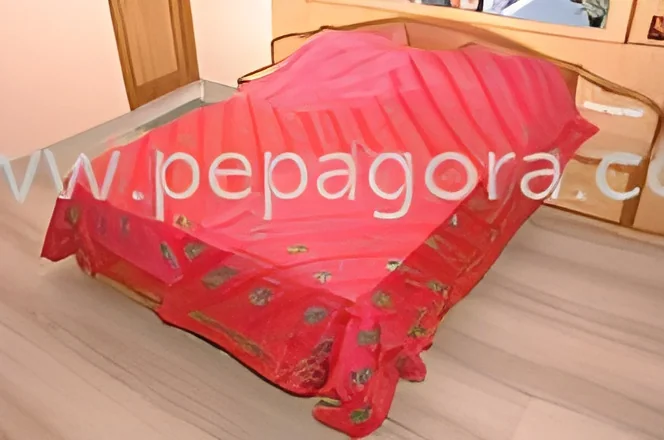
Bed Linens: This variant includes sheets, pillowcases, and duvet covers, available in various fabrics and thread counts to suit different tastes and budgets.
Curtains: Offered in a wide range of styles, fabrics, and colors, curtains are essential for both aesthetic appeal and light control in homes.
Towels: These products vary in size, weight, and absorption capacity, catering to different uses such as bath, kitchen, and spa towels.
Upholstery Fabrics: High-quality fabrics for furniture applications ensure durability and aesthetic appeal, suitable for both residential and commercial settings.
Cushions and Throws: Decorative items that add comfort and style to living spaces, available in various patterns and materials.
๐๐ฒ๐ป๐ฒ๐ณ๐ถ๐๐ ๐ฎ๐ป๐ฑ ๐๐ฑ๐๐ฎ๐ป๐๐ฎ๐ด๐ฒ๐
Sourcing home textiles from exporters provides several significant advantages to businesses.
1. Quality Assurance: Exporters often adhere to stringent quality standards, ensuring high-quality products.
2. Competitive Pricing: By sourcing directly from exporters, businesses can often obtain better pricing compared to domestic suppliers.
3. Diverse Product Range: Exporters typically offer a wide variety of textiles, allowing buyers to find products that meet their specific needs.
4. Customization Options: Many exporters provide the ability to customize products, enabling businesses to create unique offerings.
5. Timely Delivery: Established exporters have streamlined logistics, ensuring that orders are fulfilled on time.
6. Access to Global Trends: Exporters often stay ahead of market trends, providing buyers with access to the latest designs and innovations.
๐๐๐๐ถ๐ป๐ด ๐๐๐ถ๐ฑ๐ฒ ๐ณ๐ผ๐ฟ ๐๐ฎ๐ ๐๐๐๐ฒ๐ฟ๐
When sourcing from home textile exporters, several factors should be taken into consideration to make informed decisions.
1. Quality Assessment: Evaluate the fabric quality by requesting samples and specifications. Look for certifications that indicate adherence to industry standards.
2. Supplier Verification: Conduct thorough background checks on suppliers. This includes reviewing their reputation, customer feedback, and production capabilities.
3. Pricing and MOQ: Compare pricing structures and understand the minimum order quantities required by exporters to ensure they align with your business needs.
4. Delivery and Lead Times: Inquire about logistics and delivery times to ensure that products will arrive when needed to avoid operational disruptions.
5. Compliance Requirements: Ensure that the textiles meet any regional compliance and safety standards that may apply to your market.
๐๐ผ๐บ๐ฝ๐น๐ถ๐ฎ๐ป๐ฐ๐ฒ ๐ฎ๐ป๐ฑ ๐๐ฒ๐ฟ๐๐ถ๐ณ๐ถ๐ฐ๐ฎ๐๐ถ๐ผ๐ป๐
Home textile exporters must adhere to various compliance standards to ensure product safety and quality. Key standards include ISO 9001, which focuses on quality management systems and continuous improvement.
Industry certifications such as CE mark indicate conformity with health, safety, and environmental protection standards within the European Economic Area.
Testing for safety requirements involves assessing textiles for harmful substances, ensuring that products are safe for consumer use.
Regional compliance considerations may vary based on local regulations and market requirements, making it essential for exporters to be aware of and address these factors.
๐ช๐ต๐ ๐ฆ๐ผ๐๐ฟ๐ฐ๐ฒ ๐๐ผ๐บ๐ฒ ๐ง๐ฒ๐
๐๐ถ๐น๐ฒ ๐๐
๐ฝ๐ผ๐ฟ๐๐ฒ๐ฟ๐ ๐ณ๐ฟ๐ผ๐บ ๐ฃ๐ฒ๐ฝ๐ฎ๐ด๐ผ๐ฟ๐ฎ?
Pepagora serves as a trusted platform for sourcing home textile exporters, offering numerous advantages to buyers.
The verified supplier network ensures that all listed exporters have undergone a rigorous vetting process, providing buyers with confidence in their sourcing decisions.
The streamlined RFQ process allows buyers to request quotations quickly and efficiently, making it easier to compare options and select the best supplier for their needs.
Pepagora also provides trade assurance and support, ensuring that buyers are protected throughout the purchasing process, from negotiation to delivery.
With a wide regional coverage spanning India, the GCC, and Southeast Asia, Pepagora connects buyers with exporters across a vast geographic area, facilitating access to diverse textile products and suppliers.