What are Turkish Cotton Towels?
Turkish cotton towels, also known as peshtemals, are traditional textiles made from high-quality cotton grown in Turkey. These towels are characterized by their unique weave, which provides a balance of softness, absorbency, and lightweight durability. The use of long-staple cotton fibers results in a smoother texture and increased longevity compared to standard cotton towels.
These towels are primarily used in various settings, including spas, hotels, and wellness centers, where comfort and elegance are paramount. Their lightweight nature makes them ideal for travel and outdoor activities as well. Additionally, Turkish cotton towels are increasingly popular in retail markets, appealing to consumers who value both functionality and aesthetic appeal. The growing demand for sustainable and high-quality textiles further drives their relevance in the market.
Key Features and Specifications
Turkish cotton towels are known for their exceptional qualities and practical specifications. These features make them suitable for a variety of applications in both personal and commercial settings.
Key specifications include:
1. Material Quality
- Made from 100% premium Turkish cotton
- Long-staple fibers enhance softness and durability
2. Size Variability
- Available in multiple sizes, typically ranging from 30 x 60 inches to larger beach towel dimensions
- Provides versatility for different uses
3. Weave Type
- Traditional flat weave offers quick drying and lightweight properties
- Ensures compact storage and ease of transport
4. Absorbency
- Highly absorbent, capable of soaking up moisture effectively
- Retains functionality even after multiple washes
5. Eco-Friendly Production
- Produced using sustainable methods with minimal environmental impact
- Free from harmful chemicals and dyes
6. Color and Design Options
- Available in a wide range of colors and patterns
- Customizable options for branding and personalization
7. Care Instructions
- Machine washable and easy to care for
- Retains softness and color after repeated washing
In summary, Turkish cotton towels combine quality materials and thoughtful design, making them an excellent choice for various industries and personal use.
Common Applications and Use Cases
Turkish cotton towels are versatile and find applications across numerous industries.
1. Hospitality: Hotels and resorts utilize these towels for their guests due to their luxurious feel and aesthetic appeal. They are often provided in bathrooms and pools.
2. Wellness Centers: Spas and wellness facilities favor Turkish cotton towels for their absorbency and softness, enhancing the guest experience during treatments.
3. Retail: Many boutiques and online platforms sell these towels as premium lifestyle products, appealing to consumers looking for quality and style.
4. Outdoor Activities: Ideal for picnics, beach outings, and travel, these towels are lightweight and compact, making them easy to carry.
5. Gym and Fitness: Fitness centers offer Turkish cotton towels to members for their absorbent properties and stylish design, encouraging a more upscale gym experience.
6. Home Use: Many households prefer these towels for their bathrooms and kitchens due to their durability and aesthetic qualities.
7. Promotional Items: Businesses often use customized Turkish cotton towels as promotional products, combining practicality with branding opportunities.
Product Variants and Subcategories
Turkish cotton towels offer a range of variants that cater to different needs and preferences.
Classic Peshtemal
This traditional variant features a flat weave design, making it lightweight and compact. It is highly absorbent and dries quickly, making it ideal for beach use or everyday home applications.
Jacquard Towel
The Jacquard variant is characterized by intricate patterns woven into the fabric. These towels provide a luxurious appearance and are often used in high-end hotel settings or as decorative pieces in bathrooms.
Hammam Towel
Designed specifically for Turkish baths, the Hammam towel is larger and features a more absorbent weave. It serves both functional and aesthetic purposes in spa and wellness environments.
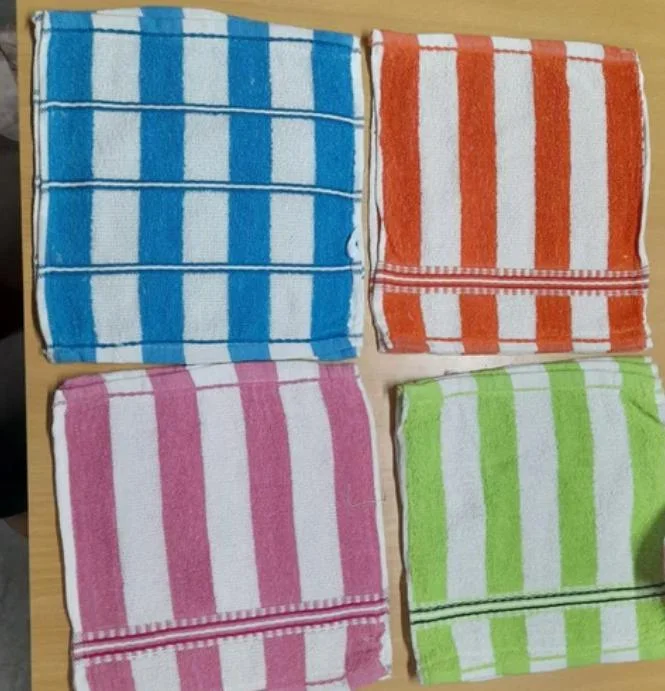
Striped Towel
This variant showcases bold stripes, adding a modern touch to the traditional design. Striped towels are popular for use in contemporary settings, including gyms and pools.
Benefits and Advantages
Turkish cotton towels provide numerous benefits that make them an attractive choice for businesses and consumers alike.
1. Superior Absorbency: These towels efficiently soak up water, making them ideal for drying off after showers or swims.
2. Lightweight and Portable: The thin design allows for easy packing and transport, suitable for travel and outdoor activities.
3. Quick Drying: Their unique weave ensures rapid drying, reducing the risk of mildew and odors.
4. Long-Lasting Durability: Made from high-quality cotton, these towels withstand frequent washing without losing their texture or color.
5. Eco-Friendly: Sustainable production practices and natural materials make them a more environmentally friendly option compared to synthetic towels.
6. Stylish Variety: With a range of colors and designs, Turkish cotton towels can enhance any decor or setting.
Buying Guide for B2B Buyers
When sourcing Turkish cotton towels for business needs, several key factors should be considered.
1. Quality Assessment: Evaluate the quality of the cotton and the weave. Look for long-staple fibers and ensure the towels pass absorbency tests.
2. Supplier Verification: Verify suppliers by checking their production practices and quality certifications. It's essential to partner with reliable manufacturers.
3. Pricing and MOQ: Understand the pricing structure and minimum order quantities. This helps in budgeting and ensures you meet your inventory needs effectively.
4. Delivery and Lead Times: Discuss delivery schedules and lead times to ensure timely availability of products for your business operations.
5. Compliance Requirements: Be aware of any regulatory standards or certifications required for textiles in your region to ensure compliance.
Compliance and Certifications
Turkish cotton towels are subject to various quality standards and certifications that enhance their marketability and safety.
Relevant quality standards such as ISO 9001 ensure that manufacturers adhere to consistent quality management practices. This certification signifies that the towels meet international standards of quality and performance.
Industry certifications like CE indicate compliance with European safety standards, assuring buyers of the product's safety in use.
Safety and testing requirements may also include checks for harmful substances, ensuring that the towels are safe for human use.
Regional compliance considerations can vary significantly, so it's crucial to understand the specific regulations that apply to textiles in each market area.
Why Source Turkish Cotton Towels from Pepagora?
Pepagora serves as a trusted platform for sourcing high-quality Turkish cotton towels, offering several advantages that benefit B2B buyers.
Verified Supplier Network: Pepagora connects buyers with a network of verified suppliers who adhere to stringent quality standards. This ensures that businesses receive genuine products that meet their requirements.
Streamlined RFQ Process: The platform features a streamlined Request for Quotation (RFQ) process, allowing buyers to receive competitive quotes from multiple suppliers efficiently. This simplifies the purchasing process and saves valuable time.
Trade Assurance and Support: Pepagora provides trade assurance, which protects buyers against potential issues during transactions. The platform offers customer support to assist with any inquiries, ensuring a smooth purchasing experience.
Regional Coverage: With a broad geographic reach across India, the GCC, and Southeast Asia, Pepagora facilitates easy access to quality Turkish cotton towels, catering to various market demands and preferences.

 IN
IN