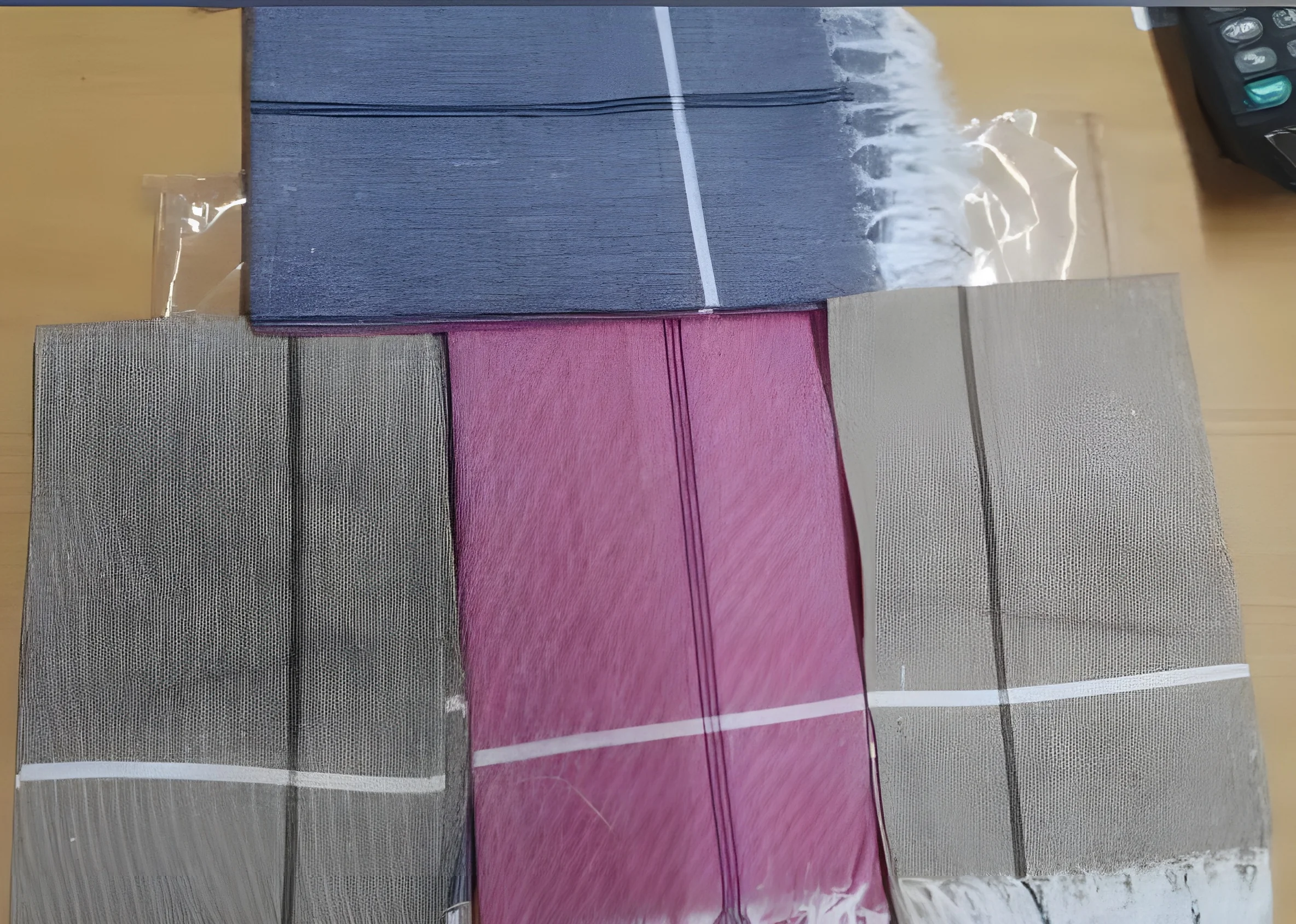
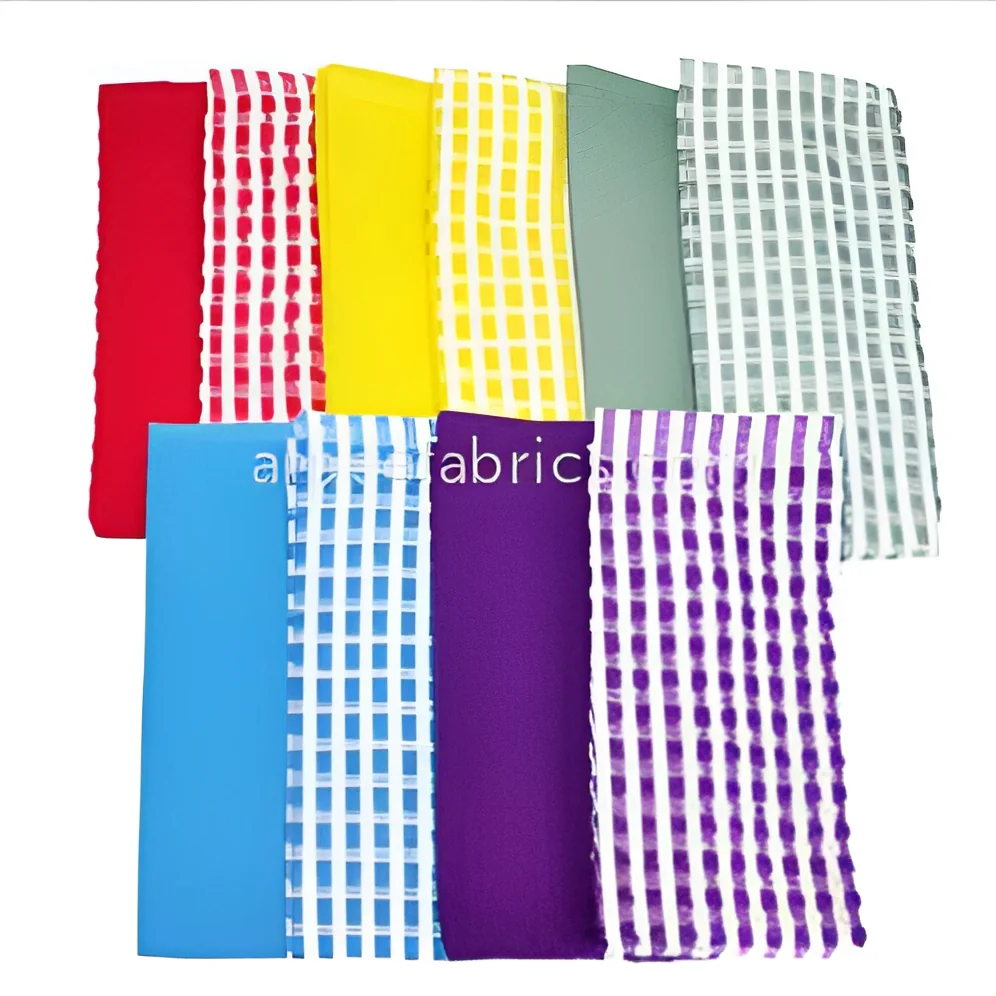
What are Hand Towels?
Hand towels are small pieces of absorbent cloth primarily used for drying hands after washing. They are commonly made from materials such as cotton, linen, or a blend of synthetic fibers designed to maximize absorbency and comfort. Their size typically ranges from 15 to 20 inches in length and 12 to 15 inches in width, making them easy to handle and store in various settings.
These towels serve a variety of important functions in both commercial and residential environments. In businesses such as restaurants, healthcare facilities, and gyms, hand towels are essential for maintaining hygiene. They help prevent the spread of germs and bacteria by enabling users to dry their hands thoroughly after washing. The demand for hand towels continues to grow as businesses increasingly prioritize cleanliness and customer satisfaction.
In the context of market relevance, hand towels are a staple in the hospitality and healthcare industries. Their consistent use reflects broader trends in cleanliness and personal hygiene. With a growing awareness of health issues, the hand towel market is expanding, offering numerous opportunities for suppliers and manufacturers.
Key Features and Specifications
When evaluating hand towels, several key features and specifications come into play. These aspects determine the quality, usability, and overall performance of the towels in various settings.
Key specifications include:
1. Material Type
- Cotton, linen, or synthetic blends
- Offers different absorbency and comfort levels
2. Size
- Typical dimensions range from 15 to 20 inches in length
- Width usually falls between 12 to 15 inches
3. Absorbency Rate
- Measured by the ability to soak up moisture quickly
- Varies depending on the material composition
4. Weight
- Commonly measured in grams per square meter (GSM)
- Heavier towels generally offer more durability and absorbency
5. Durability
- Resistance to wear and tear over time
- Quality fabrics enhance longevity
6. Color and Design
- Available in a variety of colors and patterns
- Customizable options for branding purposes
7. Drying Time
- The time it takes for the towel to dry after use
- Influences the frequency of laundering required
In summary, understanding these specifications helps businesses choose the right hand towels for their specific needs, ensuring they meet both performance and aesthetic requirements.
Common Applications and Use Cases
Hand towels are versatile products used across multiple industries. Their applications vary widely based on the specific needs of each sector.
1. Hospitality: Hotels and restaurants use hand towels in bathrooms and dining areas to enhance guest experience and maintain hygiene.
2. Healthcare: Medical facilities rely on hand towels to promote cleanliness among staff and patients, especially in surgical and patient care environments.
3. Fitness: Gyms and sports centers provide hand towels for patrons to maintain personal hygiene during workouts.
4. Food Service: Restaurants utilize hand towels for food preparation and service areas to ensure cleanliness and safety.
5. Educational Institutions: Schools and universities stock hand towels in restrooms to encourage proper handwashing habits among students.
6. Spas and Salons: These businesses use hand towels in treatment areas for both hygiene and comfort, enhancing the overall customer experience.
7. Industrial Settings: Factories and workshops rely on hand towels for cleaning hands during maintenance and assembly tasks, contributing to workplace safety.
Product Variants and Subcategories
Hand towels come in various forms to meet the diverse needs of different markets. This diversity allows businesses to select the most appropriate products for their specific applications.
Cotton Hand Towels: These towels are made entirely from cotton, offering superior absorbency and softness. They are ideal for environments where comfort and quality are paramount, such as hotels and spas.
Disposable Hand Towels: Made from paper or other single-use materials, these towels are designed for convenience and hygiene. They are commonly found in food service and healthcare settings, where minimizing cross-contamination is essential.
Microfiber Hand Towels: Known for their exceptional absorbency and quick-drying properties, microfiber towels are used in various sectors, including automotive and cleaning industries, where effectiveness and efficiency are crucial.
Benefits and Advantages
Hand towels provide numerous benefits that make them an essential product in various industries. Their advantages extend beyond basic functionality.
1. Enhanced Hygiene: Hand towels promote proper handwashing practices, reducing the spread of germs and bacteria in commercial settings.
2. Cost-Effective: Durable hand towels can withstand repeated use and laundering, making them a long-term investment for businesses.
3. Versatility: Suitable for multiple applications, hand towels can be used in restrooms, kitchens, and cleaning areas.
4. Customization Options: Businesses can brand their towels with logos or colors, enhancing their image and customer experience.
5. Environmental Considerations: Many hand towels are made from sustainable materials, appealing to eco-conscious consumers.
6. Improved Customer Satisfaction: Providing high-quality hand towels in public facilities enhances the overall experience for customers and guests.
Buying Guide for B2B Buyers
When purchasing hand towels for business use, it is important to consider several key factors to ensure the best selection.
1. Quality Assessment: Evaluate the material and construction of hand towels. Look for options that offer durability and absorbency to reduce the frequency of replacement.
2. Supplier Verification: Research potential suppliers to ensure they meet quality standards and have a good reputation in the industry. Request samples if necessary.
3. Pricing and MOQ: Understand the pricing structure and any minimum order quantities that may apply. This can impact budget planning and inventory management.
4. Delivery and Lead Times: Confirm the expected delivery times and logistics to ensure timely availability of the towels for your business operations.
5. Compliance Requirements: Ensure that the hand towels meet any relevant industry standards or regulations, particularly in healthcare and food service sectors.
Compliance and Certifications
Hand towels must adhere to various quality standards and certifications to ensure safety and effectiveness.
Relevant quality standards include ISO 9001, which focuses on quality management systems, ensuring that products are consistently manufactured to meet customer requirements.
In addition to ISO standards, hand towels may also comply with HACCP (Hazard Analysis and Critical Control Points) guidelines in food-related applications, ensuring that hygiene protocols are maintained.
CE certification signifies that the products meet European health, safety, and environmental protection standards, which is crucial for businesses operating within the EU.
Safety and testing requirements may vary by region, and it is essential to verify that products comply with local regulations to avoid legal complications.
Why Source Hand Towels from Pepagora?
Pepagora provides a reliable platform for sourcing hand towels with several advantages that benefit B2B buyers.
With a verified supplier network, buyers can trust that they are engaging with reputable manufacturers and suppliers who meet industry standards for quality and service.
The streamlined RFQ (Request for Quotation) process simplifies procurement, allowing businesses to receive competitive quotes quickly and efficiently.
Trade assurance and support further enhance the buyer experience, offering protection against potential issues during the transaction process.
Furthermore, Pepagora's regional coverage extends throughout India, the GCC, and Southeast Asia, ensuring that businesses can efficiently source hand towels regardless of their location. This geographic reach facilitates better pricing and availability for various types of hand towels suitable for diverse applications.

 IN
IN