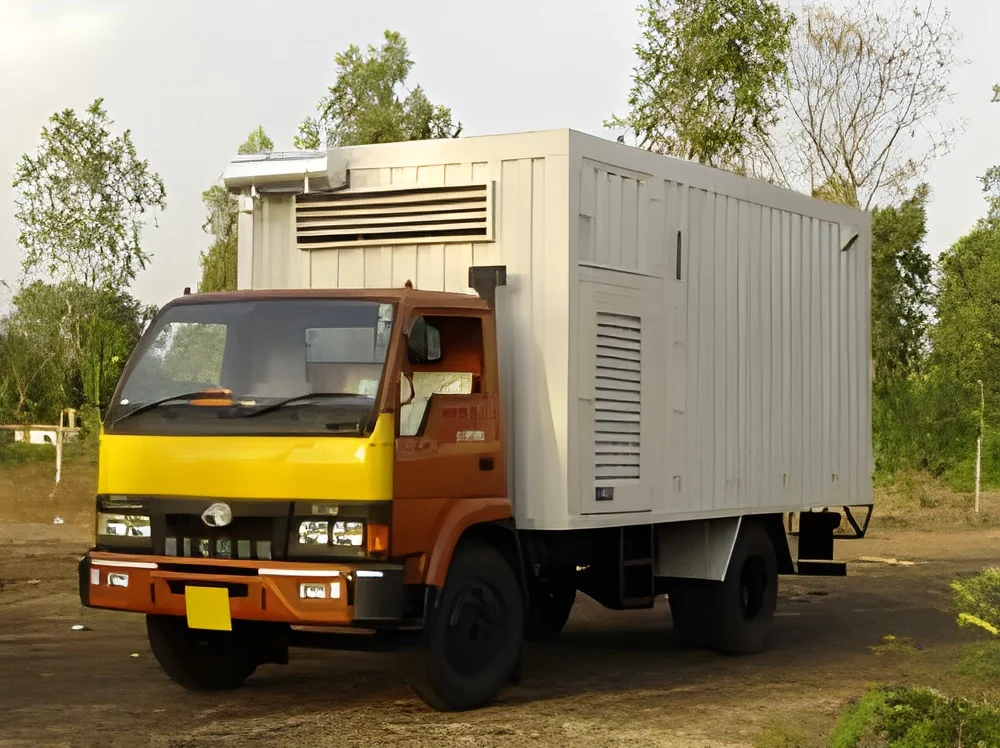
What are Temperature-Controlled Logistics?
Temperature-controlled logistics refers to the management and transportation of goods that require specific temperature conditions throughout their journey. This process ensures that sensitive products, such as pharmaceuticals, perishables, and chemicals, are maintained within a designated temperature range to preserve their quality and safety. Temperature-controlled logistics involves specialized equipment, methods, and monitoring systems to regulate and track these conditions.
The primary applications of temperature-controlled logistics span various industries, including food and beverage, healthcare, and chemicals. In the food industry, for example, temperature control is critical for maintaining the freshness and safety of perishable items during transportation. In healthcare, pharmaceuticals and vaccines often require strict temperature management to ensure efficacy. The relevance of temperature-controlled logistics is growing, driven by increasing regulations and consumer demand for quality assurance in product handling.
Key Features and Specifications
Temperature-controlled logistics systems are designed to meet stringent requirements in temperature management and monitoring. Their specifications often include a range of features that enhance reliability and performance.
Key specifications include:
1. Temperature Range
- Typically maintained between 2°C to 8°C for refrigerated logistics.
- Certain applications may require frozen temperatures, typically below -18°C.
2. Humidity Control
- Systems may include humidity regulation features.
- Essential for products like pharmaceuticals that are sensitive to moisture.
3. Monitoring Features
- Real-time tracking of temperature and humidity levels.
- Alerts for deviations from set parameters to ensure product integrity.
4. Container Types
- Options may include refrigerated trucks, insulated containers, and temperature-controlled warehouses.
- Varying sizes to accommodate different volumes of goods.
5. Packaging Solutions
- Specialized packaging materials designed for thermal insulation.
- Options for active and passive temperature control.
6. Compliance Standards
- Equipment and processes often adhere to industry standards like GDP (Good Distribution Practice).
- Ensures that temperature-sensitive products are handled correctly.
7. Energy Efficiency
- Design features aimed at reducing energy consumption during transportation and storage.
- Sustainable practices are increasingly important in logistics management.
8. Geographic Coverage
- Services available for regional, national, and international logistics.
- Important for businesses that operate across borders.
Temperature-controlled logistics systems play a crucial role in various supply chains, ensuring that products remain safe and effective throughout their journey.
Common Applications and Use Cases
Temperature-controlled logistics is vital across multiple sectors that require precise environmental conditions for product safety and quality.
1. Food and Beverage: Perishable items such as fruits, vegetables, dairy, and meat products require strict temperature controls to prevent spoilage and ensure food safety.
2. Pharmaceuticals: Many medications, especially vaccines and biologics, must be stored and transported at specific temperatures to maintain their efficacy.
3. Chemicals: Certain chemicals are sensitive to temperature changes, making controlled logistics essential to prevent degradation.
4. Biotechnology: Biological samples and reagents often need temperature control to preserve their viability during transport.
5. Cosmetics: Some cosmetic products contain ingredients that can degrade or change properties if not kept within a specific temperature range.
6. Agriculture: Fresh produce and flowers must be transported under temperature-controlled conditions to maintain freshness and quality.
7. Electronics: Sensitive electronic components may require climate-controlled environments during shipping to prevent damage.
Product Variants and Subcategories
Temperature-controlled logistics encompasses a variety of product offerings designed to meet diverse industry needs. Each variant addresses specific requirements and operational contexts.
Refrigerated Transport Solutions
These solutions include refrigerated trucks and shipping containers that maintain a cold chain for perishable goods. They are equipped with advanced monitoring systems to ensure temperature compliance during transit.
Cold Storage Facilities
These facilities provide temperature-controlled environments for storing perishable items. They are often used by businesses in the food and pharmaceutical industries to keep products safe until distribution.
Insulated Packaging Solutions
These packaging options are designed to maintain temperature during short-term transport. They often utilize advanced insulation materials and can be customized for specific products.
Climate-Controlled Warehousing
These warehouses offer regulated conditions for long-term storage of sensitive items. They are crucial for industries that require strict adherence to temperature and humidity levels.
Benefits and Advantages
Temperature-controlled logistics offers numerous benefits that enhance product safety and operational efficiency.
Key benefits include:
1. Quality Assurance: Maintains the integrity of temperature-sensitive goods, ensuring they meet quality standards.
2. Regulatory Compliance: Helps businesses comply with industry regulations and standards related to temperature management.
3. Reduced Waste: Prevents spoilage and waste of perishable goods, leading to cost savings and improved sustainability.
4. Increased Customer Satisfaction: Ensures that products arrive in optimal condition, boosting customer trust and loyalty.
5. Enhanced Tracking: Real-time monitoring allows for immediate response to potential temperature deviations, minimizing risks.
6. Competitive Advantage: Implementing temperature-controlled logistics can differentiate a business in the marketplace, especially in industries with stringent quality demands.
Buying Guide for B2B Buyers
When sourcing temperature-controlled logistics solutions, B2B buyers should consider a variety of factors to ensure they select the right provider.
1. Quality Assessment: Evaluate the quality of equipment and facilities to ensure they meet industry standards. Look for certifications that indicate compliance with safety and quality regulations.
2. Supplier Verification: Conduct thorough vetting of suppliers to ensure they have a proven track record in temperature-controlled logistics. Check references and previous performance reviews.
3. Pricing and MOQ: Consider the cost of services and minimum order quantities required by suppliers. Balance quality with budget constraints to find the best fit for your needs.
4. Delivery and Lead Times: Assess the logistics capabilities of suppliers, including their ability to meet required delivery schedules. Timely delivery is crucial in temperature-sensitive industries.
5. Compliance Requirements: Ensure that the logistics provider understands and adheres to relevant regulations in your industry, such as GDP for pharmaceuticals or food safety standards.
Compliance and Certifications
Compliance with quality standards and certifications is essential for temperature-controlled logistics providers to ensure product safety and integrity. Key standards often include ISO 9001, which focuses on quality management systems, and HACCP, which emphasizes risk management in food safety.
Industry certifications such as CE signify that products and services meet European health, safety, and environmental protection standards. These certifications provide assurance to clients about the reliability of services offered.
Additionally, temperature-controlled logistics must adhere to safety and testing requirements to guarantee that temperature-sensitive products are handled appropriately. Regional compliance considerations may also play a role, as different areas may have specific regulations governing the transportation and storage of sensitive goods.
Why Source Temperature-Controlled Logistics from Pepagora?
Pepagora provides a trusted platform for sourcing temperature-controlled logistics with several key advantages that benefit B2B buyers.
Verified Supplier Network: The platform features a network of verified suppliers, ensuring that businesses can connect with reputable providers who meet industry standards and requirements.
Streamlined RFQ Process: Pepagora offers a streamlined request for quotation (RFQ) process that simplifies the sourcing journey. Buyers can quickly compare quotes and services from multiple suppliers.
Trade Assurance and Support: The platform provides trade assurance, protecting buyers throughout the transaction process. Support is available to address any concerns or queries, ensuring a smooth experience.
Regional Coverage: Pepagora offers extensive geographic reach across India, the GCC, and Southeast Asia, making it easier for businesses to find local suppliers that can meet their specific temperature-controlled logistics needs.

 IN
IN