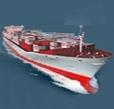
What are Sea Freight Services?
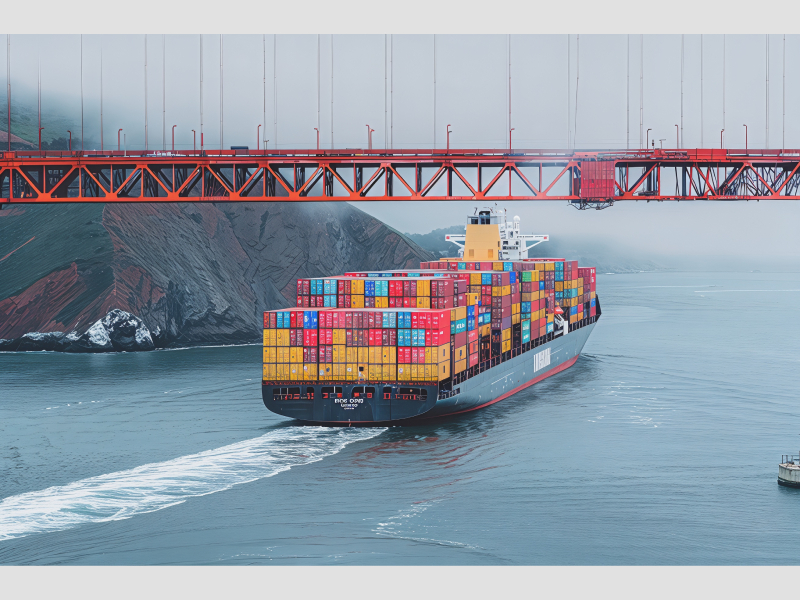
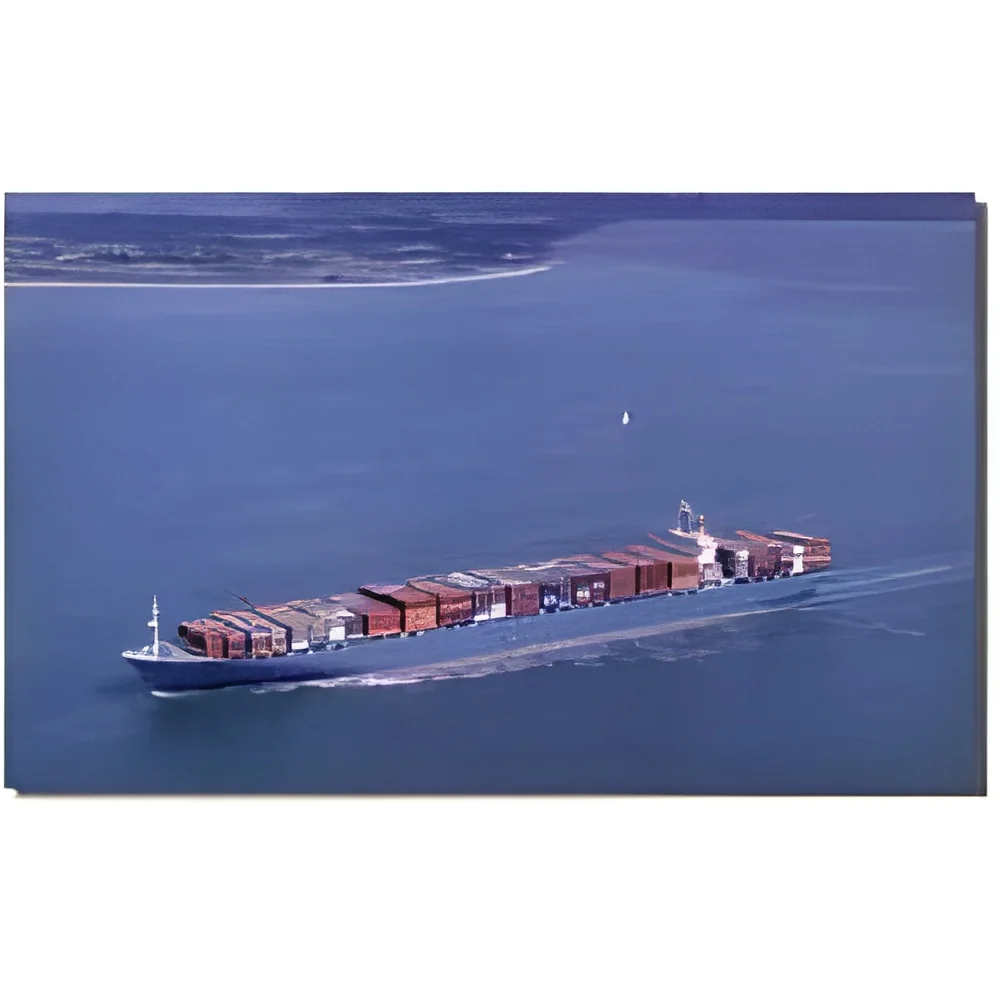
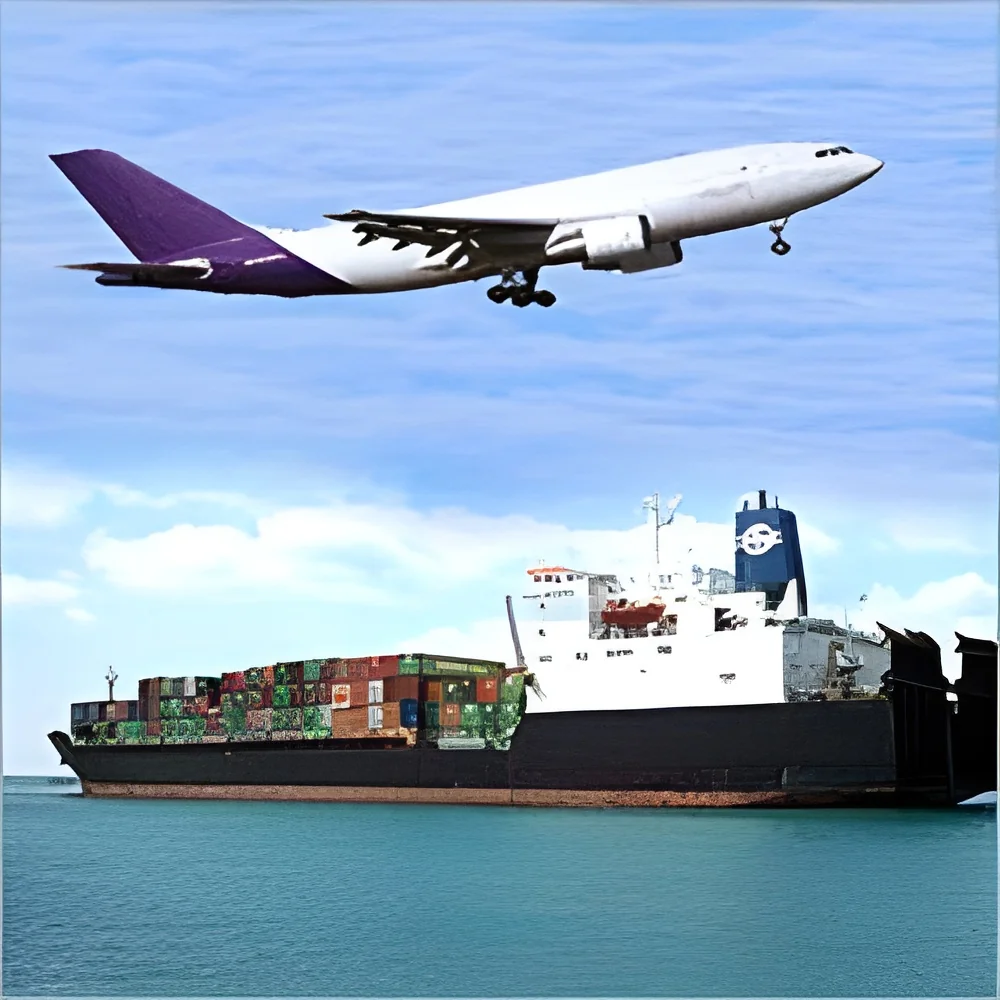
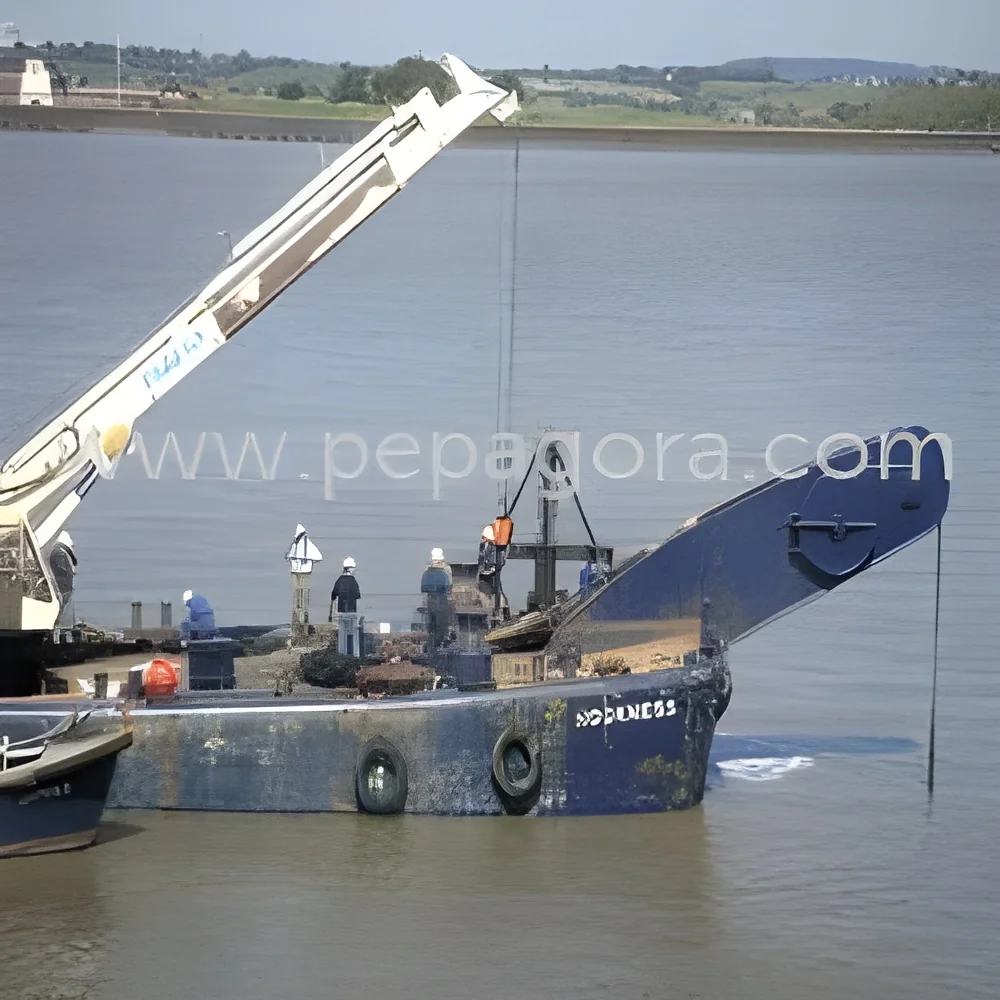
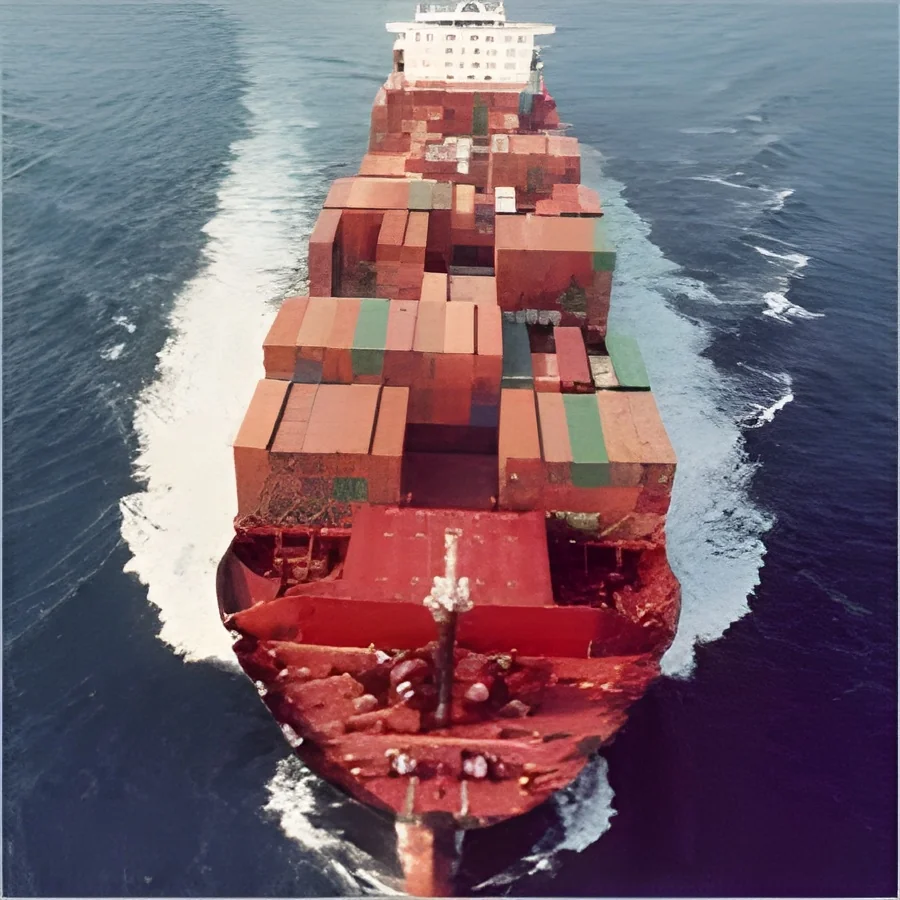
Sea freight services refer to the transport of goods by sea using cargo ships. This logistics method is essential for international trade as it allows businesses to ship large quantities of goods over long distances efficiently. Sea freight is often preferred for its cost-effectiveness, especially for bulk shipments. By using cargo containers, businesses can transport everything from raw materials to finished products across oceans.
These services are primarily utilized by manufacturers, wholesalers, and retailers looking to import or export goods globally. The applications range from shipping industrial machinery to delivering consumer goods. As globalization continues to expand, sea freight has become increasingly relevant in connecting markets and facilitating trade. Companies leverage sea freight services to optimize their supply chains, reduce transportation costs, and improve delivery times.
Key Features and Specifications
Sea freight services offer a variety of features tailored to meet the diverse needs of businesses. They are designed to ensure safe, reliable, and efficient transportation of goods by sea.
Key specifications include:
1. Container Types
- Standard containers, refrigerated containers, and flat rack containers are available.
- These containers can accommodate various cargo sizes and types.
2. Shipping Routes
- Services cover major international shipping routes.
- Flexibility in routing allows for both direct and transshipment options.
3. Transit Times
- Transit times can vary based on destination and shipping schedule.
- Typical sea freight transit times range from a few days to several weeks.
4. Tracking Capabilities
- Advanced tracking systems allow real-time monitoring of shipments.
- Customers can access updates on their cargo’s location and status.
5. Customs Clearance
- Services include assistance with customs documentation.
- Expertise in navigating international trade regulations ensures smooth clearance.
6. Insurance Options
- Businesses can opt for cargo insurance to protect against loss or damage.
- Coverage options vary based on the value and nature of the goods.
7. Load Capacity
- Ships can carry large volumes of cargo, with capacities ranging from hundreds to thousands of tons.
- Flexibility in load sizes accommodates various business needs.
8. Environmental Compliance
- Many sea freight services adhere to environmental regulations.
- Sustainable practices are increasingly integrated into shipping operations.
In summary, sea freight services provide a reliable and economical means of transporting goods internationally, making them a crucial component of global trade.
Common Applications and Use Cases
Sea freight services are utilized across various industries, enabling efficient transportation of goods.
1. Manufacturing: Manufacturers often rely on sea freight to import raw materials and export finished products. This method allows for bulk shipments, reducing overall costs.
2. Retail: Retailers use sea freight to transport large shipments of inventory from overseas suppliers. This helps maintain stock levels and meet consumer demand.
3. Energy: The energy sector frequently requires sea freight for transporting heavy machinery and equipment necessary for operations in remote locations.
4. Automotive: Automotive manufacturers depend on sea freight to deliver parts and components from global suppliers, ensuring production lines run smoothly.
5. Agriculture: Agricultural producers use sea freight to export perishable goods like fruits and vegetables, ensuring they reach international markets quickly.
6. Pharmaceuticals: The pharmaceutical industry often employs sea freight for shipping bulk medications and equipment, ensuring compliance with regulatory standards.
7. Construction: Construction companies utilize sea freight to import materials such as steel, concrete, and machinery for large projects.
Product Variants and Subcategories
While specific product variants are not available, sea freight services cater to various logistical needs through diverse shipping options.
Containerized Shipping
This variant involves transporting goods in standardized containers, ensuring safe and efficient loading and unloading. It is suitable for a wide range of products, from electronics to clothing.
Bulk Shipping
Bulk shipping is designed for transporting large quantities of unpackaged goods, such as grains or minerals. This method is efficient for industries dealing with raw materials.
Reefer Services
Reefer services utilize refrigerated containers to transport perishable goods. This variant is ideal for industries like food and pharmaceuticals that require temperature-controlled environments.
Benefits and Advantages
Sea freight services offer numerous benefits for businesses looking to enhance their logistics operations.
Key benefits include:
1. Cost-Effectiveness: Sea freight is generally more affordable than air freight, especially for bulk shipments. This helps businesses save on transportation costs.
2. Capacity: Ships can carry large volumes of cargo, making sea freight ideal for businesses with substantial shipping needs.
3. Environmental Impact: Sea freight typically has a lower carbon footprint compared to other transportation methods, aligning with sustainability goals.
4. Flexibility: Sea freight services offer various shipping options and routes, providing businesses with flexibility in logistics planning.
5. Security: Shipping goods in containers reduces the risk of damage or loss during transit, enhancing the security of shipments.
6. Global Reach: Sea freight connects businesses to international markets, facilitating trade and expansion opportunities.
Buying Guide for B2B Buyers
When considering sea freight services, it is essential for B2B buyers to evaluate several factors to ensure they choose the right provider.
1. Quality Assessment: Ensure that the service provider meets quality standards and has a track record of reliable service. Look for reviews and testimonials from other businesses.
2. Supplier Verification: Vet potential suppliers by checking their credentials and experience in the industry. This helps to avoid delays and issues during shipping.
3. Pricing and MOQ: Understand the pricing structure and any minimum order quantities required by the supplier. This will help in budgeting and planning shipments.
4. Delivery and Lead Times: Inquire about the expected delivery times and lead times for various shipping routes. This information is crucial for supply chain management.
5. Compliance Requirements: Ensure that the service provider complies with relevant regulations and standards for shipping goods. This includes customs documentation and safety regulations.
Compliance and Certifications
Sea freight services must adhere to various quality standards and industry certifications to ensure the safe and efficient transport of goods.
Key relevant quality standards include ISO 9001, which focuses on quality management systems, ensuring that service providers meet customer needs consistently. Additionally, HACCP is vital for businesses dealing with food products, as it ensures food safety throughout the shipping process.
Industry certifications such as CE indicate compliance with European standards, which can enhance credibility in international markets. Safety and testing requirements are also crucial, with many providers implementing strict protocols to safeguard shipments.
Regional compliance considerations vary, with different countries having specific regulations that must be met. It is essential for providers to stay updated on these requirements to avoid delays and penalties.
Why Source Sea Freight Services from Pepagora?
Pepagora offers a trusted platform for sourcing sea freight services, providing businesses with several key advantages.
Verified Supplier Network: Pepagora ensures that all suppliers in its network are verified, giving businesses confidence in the reliability and quality of the services they engage.
Streamlined RFQ Process: The request for quotation process is designed to be user-friendly, allowing businesses to receive competitive quotes from multiple suppliers quickly. This efficiency helps in making informed decisions.
Trade Assurance and Support: Pepagora provides trade assurance to protect buyers, ensuring that they receive their shipments as promised. The platform also offers support throughout the shipping process, assisting with any issues that may arise.
Regional Coverage: Pepagora covers a broad geographic area, including India, the GCC, and Southeast Asia. This extensive reach allows businesses to connect with suppliers across key markets, facilitating smoother transactions and logistics management.

 IN
IN