What are Surface Ornamentation Design (Embroidery, Prints)?
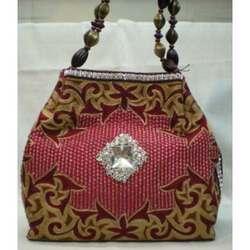
Surface ornamentation design encompasses a range of decorative techniques used to enhance the visual appeal of textiles and other materials. This includes embroidery and prints, which can be applied to clothing, home textiles, and various accessories. Embroidery involves stitching designs onto fabric, while prints utilize ink or dye to create patterns and images on the surface. These techniques not only add aesthetic value but also contribute to the branding and identity of products.
The primary uses of surface ornamentation design are seen in fashion, interior design, and promotional items. Businesses leverage these techniques to differentiate their products in a competitive market. For instance, customized embroidery can create a unique brand identity for corporate apparel, while vibrant prints can enhance the attractiveness of home furnishings. As consumer preferences shift towards personalization and unique designs, the relevance of these ornamentation techniques continues to grow.
In terms of market context, the global demand for surface ornamentation is on the rise, driven by the fashion industry's continual evolution. With consumers increasingly seeking out bespoke and unique pieces, businesses are integrating advanced technologies and innovative designs to meet these demands. The industry also faces challenges such as sustainability and the need for eco-friendly practices, pushing manufacturers to adopt more responsible production methods.
𝗞𝗲𝘆 𝗙𝗲𝗮𝘁𝘂𝗿𝗲𝘀 𝗮𝗻𝗱 𝗦𝗽𝗲𝗰𝗶𝗳𝗶𝗰𝗮𝘁𝗶𝗼𝗻𝘀
Surface ornamentation design products come with various features and specifications that ensure quality and versatility in use. Understanding these specifications is crucial for businesses looking to source reliable products.
Key specifications include:
1. Design Variety
- Offers a wide range of patterns and styles
- Options for custom designs to meet specific brand requirements
2. Material Compatibility
- Suitable for various fabric types including cotton, polyester, and blends
- Flexibility in application on different surfaces such as clothing and home decor
3. Durability
- High resistance to fading and wear
- Ability to withstand multiple washes without compromising quality
4. Production Techniques
- Utilizes both traditional and modern techniques, such as digital printing and machine embroidery
- Options for hand-stitched designs for a premium finish
5. Color Range
- Extensive palette available to match branding needs
- Custom color matching services available upon request
6. Environmental Compliance
- Adherence to eco-friendly practices in production
- Use of non-toxic inks and sustainable materials
7. Customization Options
- Personalized designs available to enhance brand identity
- Ability to incorporate logos and specific motifs
8. Lead Time and Production Capacity
- Quick turnaround times for small and large orders
- Scalable production capabilities to meet varying demand
In summary, understanding these key features and specifications can help businesses make informed decisions when selecting surface ornamentation design products.
𝗖𝗼𝗺𝗺𝗼𝗻 𝗔𝗽𝗽𝗹𝗶𝗰𝗮𝘁𝗶𝗼𝗻𝘀 𝗮𝗻𝗱 𝗨𝘀𝗲 𝗖𝗮𝘀𝗲𝘀
Surface ornamentation design is utilized across multiple sectors, showcasing its versatility and appeal.
1. Fashion Industry: Embroidery and prints are heavily used in clothing lines to create unique garments that stand out in the market. Custom designs can reflect brand identity and cater to specific customer demographics.
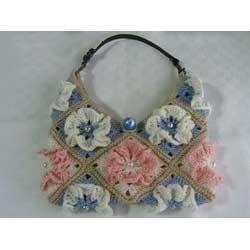
2. Home Textiles: Items such as curtains, cushions, and bed linens often feature intricate embroidery or vibrant prints to enhance interior aesthetics. This customization allows homeowners to express personal style.
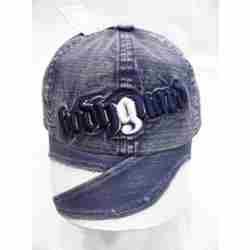
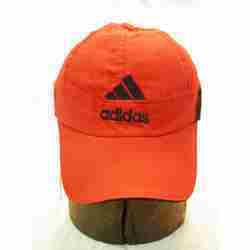
3. Promotional Products: Businesses utilize printed designs on merchandise like tote bags and hats for branding purposes. These items serve as effective marketing tools while providing functional use.
4. Sporting Goods: Apparel and equipment in the sports sector frequently employ surface ornamentation for team branding and sponsorship visibility. This creates a cohesive identity for teams and organizations.
5. Hospitality Sector: Hotels and restaurants use embroidered linens and printed uniforms to create a polished and professional appearance. This attention to detail can enhance customer experience and brand perception.
6. Craft and DIY Markets: Hobbyists and artisans often utilize surface ornamentation techniques for personal projects, allowing for creativity and innovation in crafting.
7. Automotive Industry: Custom embroidery on upholstery and prints on promotional materials are used to enhance branding and aesthetics in vehicles.
𝗣𝗿𝗼𝗱𝘂𝗰𝘁 𝗩𝗮𝗿𝗶𝗮𝗻𝘁𝘀 𝗮𝗻𝗱 𝗦𝘂𝗯𝗰𝗮𝘁𝗲𝗴𝗼𝗿𝗶𝗲𝘀
Surface ornamentation design is diverse, offering various options to cater to different business needs.
Embroidery Design
This variant involves stitching intricate patterns on fabric. It offers durability and a premium look, making it ideal for high-end fashion and corporate branding.
Digital Prints
Utilizing advanced printing technology, digital prints allow for vibrant colors and detailed designs. This variant is perfect for creating unique patterns that can be easily customized.
Screen Printing
A traditional method that remains popular, screen printing is ideal for bulk production. It is used extensively for promotional items and apparel, providing cost-effective solutions for businesses.
Heat Transfer Prints
This technique involves applying designs onto fabric using heat. It is commonly used for sports jerseys and promotional apparel, allowing for colorful and detailed graphics.
𝗕𝗲𝗻𝗲𝗳𝗶𝘁𝘀 𝗮𝗻𝗱 𝗔𝗱𝘃𝗮𝗻𝘁𝗮𝗴𝗲𝘀
Choosing surface ornamentation design offers numerous benefits for businesses looking to enhance their products.
1. Enhanced Aesthetics: Unique designs improve the visual appeal of products, attracting more customers and increasing sales.
2. Brand Differentiation: Custom embroidery and prints allow businesses to stand out in a saturated market, reinforcing brand identity and loyalty.
3. Versatility: Suitable for various applications, these designs can be used across multiple industries and product categories.
4. Customization: The ability to personalize designs helps businesses cater to specific customer preferences and trends.
5. Durability: High-quality materials and techniques ensure longevity, reducing the need for replacements and saving costs over time.
6. Increased Value: Products with unique ornamentation often command higher prices, improving profit margins for businesses.
𝗕𝘂𝘆𝗶𝗻𝗴 𝗚𝘂𝗶𝗱𝗲 𝗳𝗼𝗿 𝗕𝟮𝗕 𝗕𝘂𝘆𝗲𝗿𝘀
When sourcing surface ornamentation design products, buyers must consider several key factors to ensure they make informed decisions.
1. Quality Assessment: Evaluate the quality of materials and techniques used in production. Look for samples to assess durability and visual appeal.
2. Supplier Verification: Vet suppliers for reliability and reputation. Research their history, customer feedback, and certifications to ensure they meet industry standards.
3. Pricing and MOQ: Understand the pricing structure and minimum order quantities. Consider bulk order discounts and ensure the pricing aligns with budget constraints.
4. Delivery and Lead Times: Discuss logistics, including delivery timelines and the supplier's ability to meet deadlines. Timely delivery is essential for maintaining production schedules.
5. Compliance Requirements: Ensure that the products meet relevant regulatory standards. This includes safety certifications and environmental compliance to mitigate risks.
𝗖𝗼𝗺𝗽𝗹𝗶𝗮𝗻𝗰𝗲 𝗮𝗻𝗱 𝗖𝗲𝗿𝘁𝗶𝗳𝗶𝗰𝗮𝘁𝗶𝗼𝗻𝘀
In the realm of surface ornamentation design, compliance and certification are vital for ensuring product quality and safety.
Relevant quality standards such as ISO 9001 provide a framework for quality management systems, ensuring that manufacturers consistently deliver high-quality products. This standard is crucial for maintaining customer satisfaction and operational efficiency.
Industry certifications like CE indicate that products meet European safety and environmental requirements. These certifications help businesses demonstrate compliance and can enhance marketability in regions where such standards are mandated.
Safety and testing requirements are also important. Manufacturers should adhere to guidelines that ensure products are safe for use, especially in sectors such as fashion and home textiles where consumer safety is paramount.
Regional compliance considerations vary by market. Businesses should familiarize themselves with local regulations to avoid pitfalls and ensure that their products are accepted in target markets.
Why Source Surface Ornamentation Design (Embroidery, Prints) from Pepagora?
Pepagora stands out as a trusted platform for sourcing surface ornamentation design products, offering businesses several key advantages.
Verified Supplier Network: Pepagora connects buyers with a network of verified suppliers, ensuring that all parties meet strict quality standards. This reduces the risk associated with sourcing and provides peace of mind.
Streamlined RFQ Process: The request for quotation (RFQ) system simplifies the procurement process, allowing buyers to easily compare prices and offerings from multiple suppliers. This transparency fosters informed decision-making.
Trade Assurance and Support: Pepagora provides buyer protection through trade assurance programs, ensuring that transactions are secure and that buyers receive the products as promised. This support enhances trust between buyers and suppliers.
Regional Coverage: With a strong presence in India, the Gulf Cooperation Council (GCC), and Southeast Asia, Pepagora offers extensive geographic reach. This allows businesses to tap into diverse markets and access a wide range of products and suppliers.
By choosing Pepagora for surface ornamentation design needs, businesses can benefit from a reliable sourcing experience that prioritizes quality, efficiency, and support.

 IN
IN
 India
India