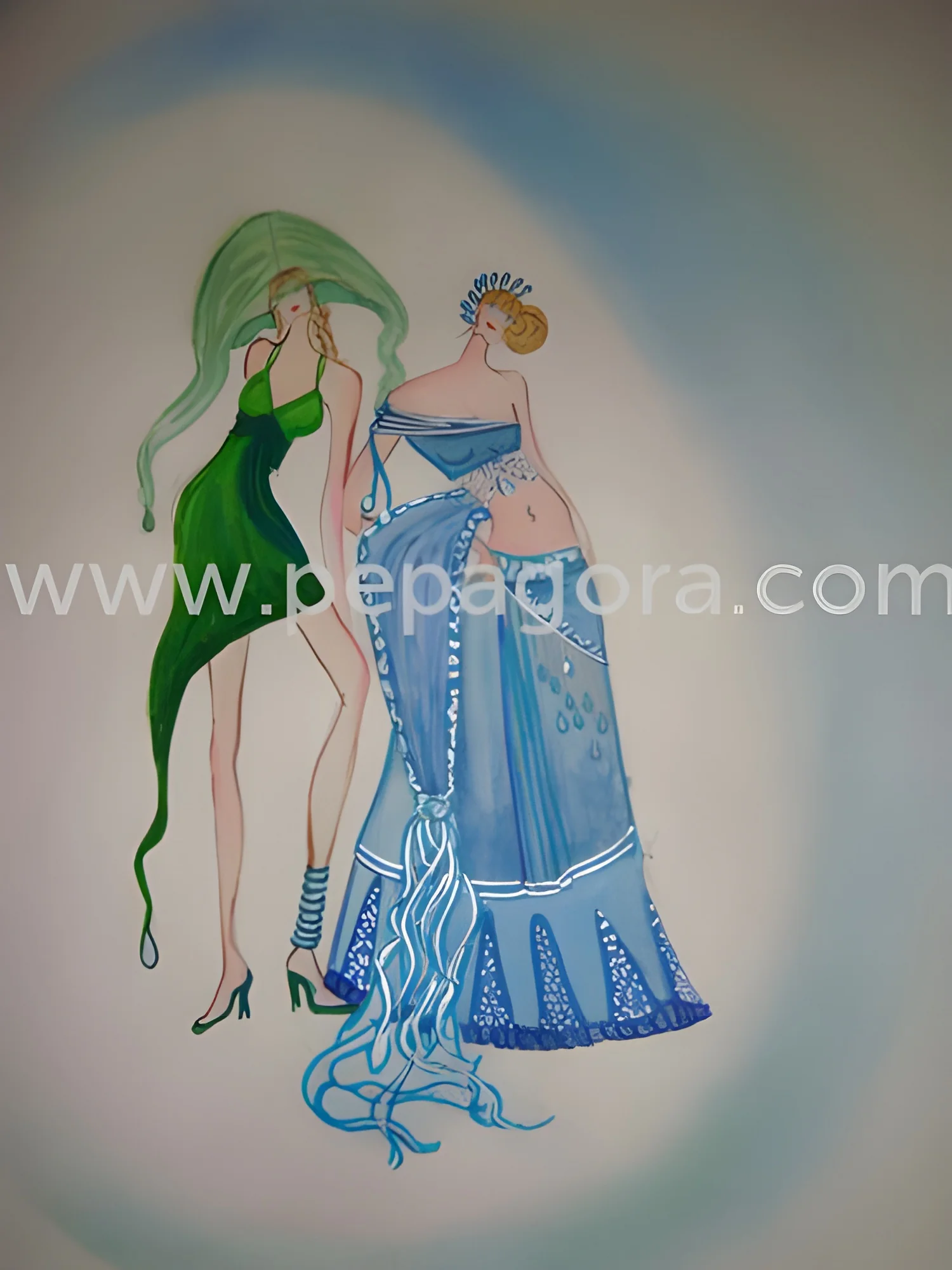
What are Fashion Sketching & Concept Design?
Fashion sketching and concept design are essential components in the fashion industry, serving as the visual foundation for clothing and accessory development. This process involves creating detailed illustrations that communicate ideas, styles, and themes for various fashion lines. Designers utilize a variety of artistic techniques to bring their concepts to life, allowing for creativity and innovation during the product development phase.
The primary uses of fashion sketching and concept design include the initial conceptualization of fashion collections, showcasing designs to potential buyers, and securing funding for new lines. Businesses often rely on these sketches as a means of visual storytelling, which helps convey the essence of a collection even before the actual garments are created. This practice is crucial for fashion houses, startups, and manufacturers looking to establish a strong market presence.
In today’s competitive market, the relevance of fashion sketching and concept design cannot be overstated. As trends rapidly evolve, companies must adapt quickly. Effective sketches not only provide a blueprint for production but also serve as marketing tools that can captivate audiences and inspire collaborations. Understanding these elements is vital for any business aiming to succeed in the dynamic world of fashion.
Key Features and Specifications
Fashion sketching and concept design come with several key features that enhance their utility in the fashion industry. These specifications outline what to expect when engaging in this creative process, ensuring that businesses can achieve their design goals effectively.
Key specifications include:
1. Artistic Technique
- Various styles such as hand-drawn and digital illustrations
- Flexibility to adapt to different fashion aesthetics
2. Detail Level
- High-resolution images for clarity
- Comprehensive representation of color, texture, and fabric
3. Software Compatibility
- Integration with design software like Adobe Illustrator and Photoshop
- Ability to export in multiple formats for diverse applications
4. Customization Options
- Tailored designs to meet specific brand requirements
- Options for revisions based on client feedback
5. Presentation Quality
- Professional layout for client presentations
- Inclusion of mood boards and fabric swatches
6. Collaboration Features
- Options for team collaboration tools
- Ability to share designs with stakeholders easily
In summary, these features and specifications are crucial for ensuring that fashion sketching and concept design meet the needs of modern fashion businesses. They enable designers to effectively communicate their visions and facilitate smooth transitions from concept to production.
Common Applications and Use Cases
Fashion sketching and concept design are used across various industries, showcasing their versatility and importance.
1. Fashion Design: Designers use sketches to visualize and refine their ideas before production, ensuring that their collections resonate with trends and customer preferences.
2. Retail: Retailers utilize concept designs for marketing campaigns and to communicate new product lines to consumers, enhancing their promotional strategies.
3. Costume Design: In film and theater, concept sketches are essential for developing costumes that align with characters and settings, allowing for creative expression in performance arts.
4. Textile Manufacturing: Manufacturers rely on fashion sketches to understand the intended use of fabrics, guiding production and ensuring quality control.
5. E-commerce: Online fashion brands use concept designs to create engaging product listings, helping customers visualize items before making a purchase.
6. Education: Fashion schools incorporate sketching and concept design into their curricula, teaching students the fundamentals of visual communication in fashion.
7. Event Planning: Event stylists use fashion sketches to design themed events, ensuring that the aesthetic aligns with the desired atmosphere.
Product Variants and Subcategories
Fashion sketching and concept design offer a range of variants to cater to different needs and preferences in the fashion industry. Each variant serves unique functions and applications.
Digital Sketching Tools
These tools allow designers to create and edit sketches using digital platforms. They often come with features like layers, color palettes, and easy sharing options, streamlining the design process.
Hand-drawn Sketches
This variant emphasizes traditional artistic techniques, providing a personal touch to designs. Hand-drawn sketches are often used in presentations to showcase the designer's unique style and creativity.
3D Fashion Design Software
These advanced tools enable designers to create three-dimensional representations of their sketches, providing a more realistic view of how garments will look when worn. This can improve accuracy in the design process.
Virtual Reality Fashion Prototypes
Using VR technology, designers can create immersive experiences for clients, allowing them to interact with designs in a virtual environment before production begins. This innovative approach enhances client engagement and decision-making.
Benefits and Advantages
Fashion sketching and concept design provide numerous benefits that can significantly impact the success of fashion businesses.
1. Enhanced Communication: Clear visual representations help convey design ideas effectively among teams and clients, reducing misunderstandings.
2. Increased Creativity: The sketching process encourages experimentation with styles and concepts, fostering innovation in fashion design.
3. Cost Efficiency: By visualizing designs before production, businesses can identify potential issues early, minimizing costly mistakes and revisions.
4. Market Responsiveness: Quick turnaround times for sketches allow brands to remain agile and adapt to changing market trends.
5. Improved Marketing Strategies: High-quality sketches serve as powerful marketing tools, attracting potential customers and investors.
6. Streamlined Collaboration: Digital tools facilitate easy sharing and collaboration among designers, clients, and manufacturers, enhancing workflow efficiency.
Buying Guide for B2B Buyers
When sourcing fashion sketching and concept design services, buyers should consider several key factors to ensure they make informed decisions.
1. Quality Assessment: Evaluate the quality of sketches by reviewing the portfolio of potential designers. Look for consistency in detail, creativity, and technical execution.
2. Supplier Verification: Conduct background checks on suppliers to verify their credibility and experience in the fashion industry. Request references from previous clients to gauge satisfaction levels.
3. Pricing and MOQ: Consider the cost of services and any minimum order quantities. Compare pricing among suppliers while ensuring that quality is not compromised.
4. Delivery and Lead Times: Inquire about the expected delivery timelines for sketches and designs. Understanding lead times can help in planning production schedules effectively.
5. Compliance Requirements: Ensure that the supplier adheres to relevant industry standards and regulations, particularly if the designs will be used in specific markets.
Compliance and Certifications
Compliance and certifications play a crucial role in the quality assurance of fashion sketching and concept design. Adhering to recognized standards ensures that the designs meet market expectations and safety requirements.
ISO 9001 is a widely recognized quality management standard that ensures consistent quality in products and services. Suppliers of fashion sketching services should ideally be certified to this standard to demonstrate their commitment to quality and continuous improvement.
The CE marking is another important certification that indicates compliance with European safety standards. This certification can be particularly relevant if the designs are intended for markets within the European Union.
Safety and testing requirements should also be considered, particularly with regard to the materials and processes used in the design. Ensuring that the designs comply with safety standards protects both the brand and consumers.
Regional compliance considerations may vary, so it is essential for businesses to stay informed about local regulations and industry standards in their target markets.
Why Source Fashion Sketching & Concept Design from Pepagora?
Pepagora provides a trusted platform for sourcing fashion sketching and concept design, offering several key advantages for businesses looking to enhance their design capabilities.
Verified Supplier Network: Pepagora has a comprehensive network of verified suppliers, ensuring that businesses can connect with reputable designers who have a proven track record in the industry. This saves time and resources in the sourcing process.
Streamlined RFQ Process: The platform simplifies the request for quotation process, allowing buyers to submit their project requirements easily. This feature accelerates the connection between buyers and suppliers, facilitating quicker decision-making.
Trade Assurance and Support: Pepagora offers trade assurance, protecting buyers throughout the sourcing process. This includes support for resolving disputes and ensuring that transactions are secure and reliable.
Regional Coverage: With a focus on markets in India, the Gulf Cooperation Council (GCC), and Southeast Asia, Pepagora provides extensive regional coverage. This allows businesses to access a diverse pool of talent while catering to local market needs.

 IN
IN