What are Soil & Groundwater Testing Services?
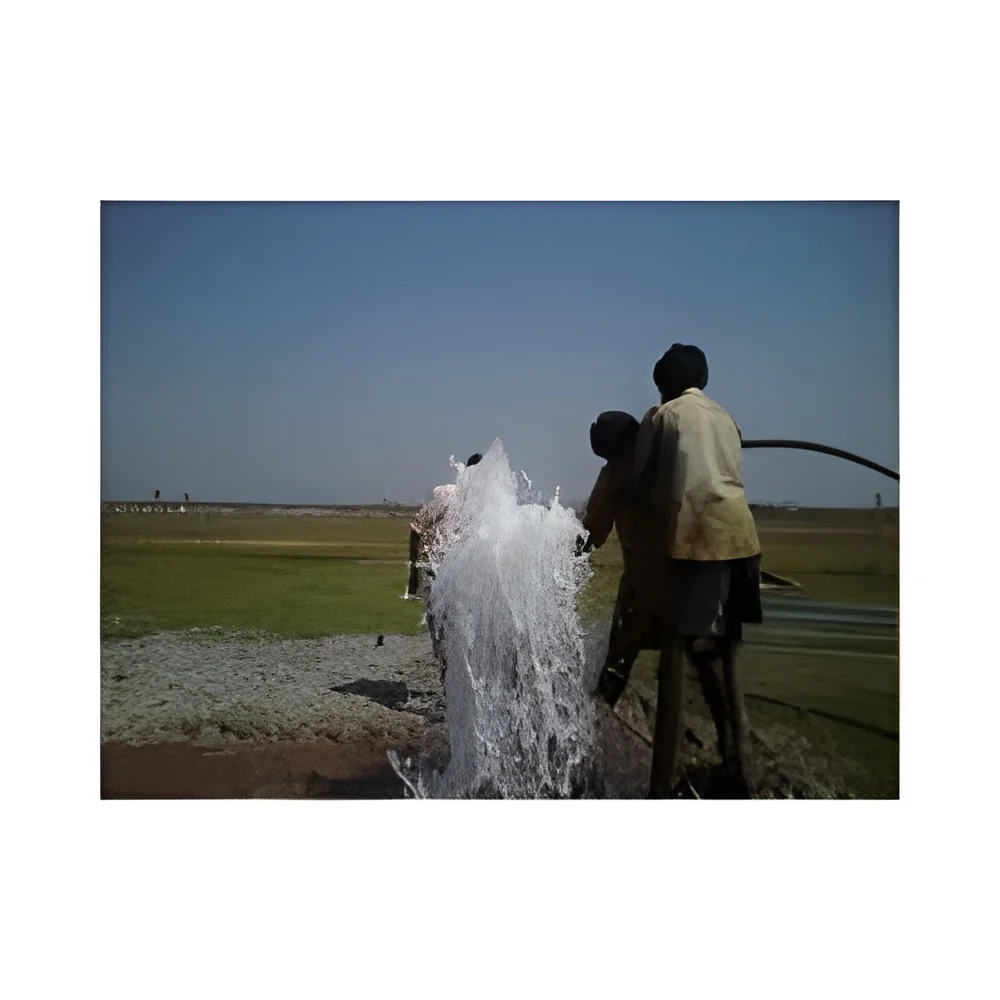
Soil and groundwater testing services encompass the assessment and analysis of soil and water samples to determine their properties and the presence of contaminants. These services typically involve collecting samples from designated sites, analyzing them in laboratories, and providing detailed reports on the findings. The main goal is to evaluate the environmental conditions, ensure safety, and support regulatory compliance for various projects.
These services are crucial for a range of applications, including construction, agriculture, waste management, and environmental remediation. Businesses use soil and groundwater testing to assess potential risks associated with contamination, evaluate the suitability of sites for development, and comply with environmental regulations. As industries increasingly focus on sustainability and environmental protection, the demand for reliable testing services continues to grow.
In the current market, soil and groundwater testing services play a significant role in promoting environmental stewardship. Companies are often required to demonstrate compliance with local, national, and international standards. As environmental regulations tighten, the need for accurate testing and analysis becomes essential for businesses to operate responsibly and sustainably.
Key Features and Specifications
Soil and groundwater testing services are characterized by various features and specifications that ensure accurate and reliable results. These services are tailored to meet the specific needs of different industries while adhering to safety and quality standards.
Key specifications include:
1. Sample Collection Techniques
- Use of various methodologies such as drilling, augering, and hand sampling
- Ensures representative samples for analysis
2. Laboratory Analysis Methods
- Utilization of advanced technologies, including gas chromatography and mass spectrometry
- Provides detailed chemical and physical properties of samples
3. Contaminant Detection Capabilities
- Ability to identify a wide range of contaminants such as heavy metals, pesticides, and hydrocarbons
- Meets industry-specific testing requirements
4. Reporting and Documentation
- Comprehensive reports detailing findings, methodologies, and recommendations
- Adheres to regulatory guidelines for documentation
5. Turnaround Time
- Standard turnaround times range from a few days to several weeks based on analysis complexity
- Quick response for urgent testing needs
6. Compliance with Standards
- Services often comply with ISO 9001 and CE regulations
- Ensures high-quality testing and reporting
7. Field Testing Options
- Availability of on-site testing for immediate results
- Useful for preliminary assessments and rapid decision-making
8. Environmental Impact Assessments
- Inclusion of assessments to evaluate ecological risks associated with contaminants
- Supports environmental management strategies
In summary, soil and groundwater testing services offer a range of features designed to provide accurate, reliable, and compliant results essential for various industrial applications.
Common Applications and Use Cases
Soil and groundwater testing services find application across multiple industries, each with unique requirements.
1. Construction: These services are critical for assessing site suitability, ensuring that construction projects do not disturb contaminated land and comply with safety regulations.
2. Agriculture: Farmers and agricultural businesses utilize testing services to evaluate soil health, optimize crop yields, and mitigate contamination risks from fertilizers and pesticides.
3. Environmental Remediation: Companies involved in cleaning up contaminated sites rely on testing services to monitor progress and ensure that remediation efforts are effective.
4. Oil and Gas: The oil and gas industry conducts testing to assess the impact of drilling and extraction activities on soil and groundwater quality.
5. Waste Management: Testing services are used to evaluate the environmental impact of landfills and waste disposal sites, ensuring compliance with regulations.
6. Mining: Mining operations conduct soil and groundwater testing to monitor potential contamination of surrounding environments from mining activities.
7. Real Estate Development: Developers perform environmental assessments to identify potential hazards and navigate regulatory requirements before acquiring land.
In conclusion, soil and groundwater testing services serve a diverse range of industries, highlighting their importance in managing environmental impacts and ensuring compliance.
Product Variants and Subcategories
The landscape of soil and groundwater testing services is diverse, catering to various industry needs and regulations. Although specific subcategories are not available, there are different types of services that can be tailored to meet client requirements.
Laboratory Testing Services
These services offer detailed analysis of soil and groundwater samples in a controlled laboratory environment. They provide comprehensive reports on contaminant levels and physical properties, essential for compliance and risk assessment.
On-Site Testing Services
On-site testing allows for immediate results and quick decision-making. This variant is particularly useful in situations requiring rapid assessments, such as in emergency response scenarios.
Integrated Environmental Assessments
These services combine soil and groundwater testing with ecological evaluations to provide a holistic understanding of environmental conditions. They are often used in larger projects that require thorough impact assessments.
Long-Term Monitoring Services
Long-term monitoring is essential for sites with known contamination or ongoing industrial activities. These services involve regular testing to track changes over time and ensure compliance with environmental regulations.
Benefits and Advantages
Soil and groundwater testing services offer numerous benefits that are critical for businesses across various sectors.
Key benefits include:
1. Regulatory Compliance: These services help businesses meet legal requirements and avoid penalties associated with environmental regulations.
2. Risk Assessment: Comprehensive testing identifies potential risks associated with contaminants, allowing businesses to make informed decisions.
3. Enhanced Environmental Stewardship: Regular testing promotes responsible management of natural resources, contributing to sustainability efforts.
4. Improved Project Planning: Accurate testing enables better planning and execution of projects, minimizing delays and reducing costs associated with unforeseen issues.
5. Public Health Protection: By identifying harmful contaminants, these services help protect public health and safety in communities.
6. Increased Property Value: Environmental assessments can enhance property values by ensuring that land is safe and compliant, making it more attractive to buyers.
In summary, the advantages of soil and groundwater testing services are vital for businesses aiming to operate responsibly and efficiently within their industries.
Buying Guide for B2B Buyers
When sourcing soil and groundwater testing services, businesses should consider several key factors to ensure they select the right provider.
1. Quality Assessment: Evaluate the quality of testing services by reviewing past results and client testimonials. Ensure the provider adheres to recognized standards and uses accredited laboratories.
2. Supplier Verification: Conduct thorough research to verify the credentials and reputation of suppliers. Look for certifications and experience in the industry to ensure reliability.
3. Pricing and MOQ: Compare pricing structures and minimum order quantities among different suppliers. Consider the total cost of services, including any additional fees for expedited analysis.
4. Delivery and Lead Times: Assess the provider's ability to meet deadlines, especially for time-sensitive projects. Confirm turnaround times for reports and analysis to avoid delays.
5. Compliance Requirements: Ensure that the testing services meet all relevant regulatory and compliance standards specific to the industry and region. This will help mitigate legal risks.
In conclusion, thorough evaluation of these factors will aid B2B buyers in selecting the most suitable soil and groundwater testing services for their needs.
Compliance and Certifications
Soil and groundwater testing services must adhere to various standards and certifications to ensure quality and reliability. Key quality standards include ISO 9001, which focuses on maintaining effective quality management systems, and CE certification, indicating compliance with European safety standards.
In addition to these standards, testing services must meet specific safety and testing requirements relevant to the industry. This includes proper handling procedures for hazardous materials and compliance with local and national regulations.
Regional compliance considerations also play a significant role in soil and groundwater testing. Different regions may have unique environmental laws and guidelines that must be followed. Understanding these regulations is crucial for businesses to operate legally and responsibly.
In summary, adherence to relevant quality standards and certifications is essential for soil and groundwater testing services. This ensures that businesses receive accurate, reliable, and compliant results.
Why Source Soil & Groundwater Testing Services from Pepagora?
Pepagora offers a trusted platform for sourcing soil and groundwater testing services, providing businesses with several key advantages.
Verified Supplier Network: Pepagora collaborates with a network of verified suppliers, ensuring that clients receive services from reputable providers with a proven track record in the industry. This network enhances the reliability of the testing services offered.
Streamlined RFQ Process: The platform features a streamlined request for quotation (RFQ) process, allowing businesses to easily compare offerings from various suppliers. This simplifies the sourcing process and helps clients select the best services to meet their needs.
Trade Assurance and Support: Pepagora provides trade assurance and support to buyers, ensuring protection throughout the purchasing process. This includes assistance with any disputes or issues that may arise, fostering confidence in the platform.
Regional Coverage: With a focus on regions such as India, the GCC, and Southeast Asia, Pepagora offers extensive geographic reach. This enables businesses to access localized testing services tailored to their specific regulatory and environmental requirements.
In conclusion, sourcing soil and groundwater testing services from Pepagora provides businesses with a reliable and efficient means to ensure compliance and make informed decisions regarding environmental management.

 IN
IN