What are Soap Dispensers & Dishes?
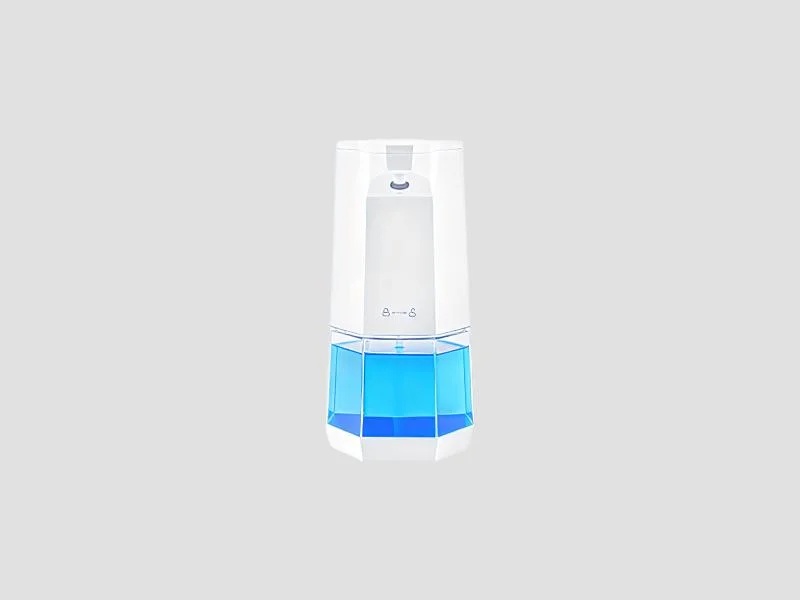
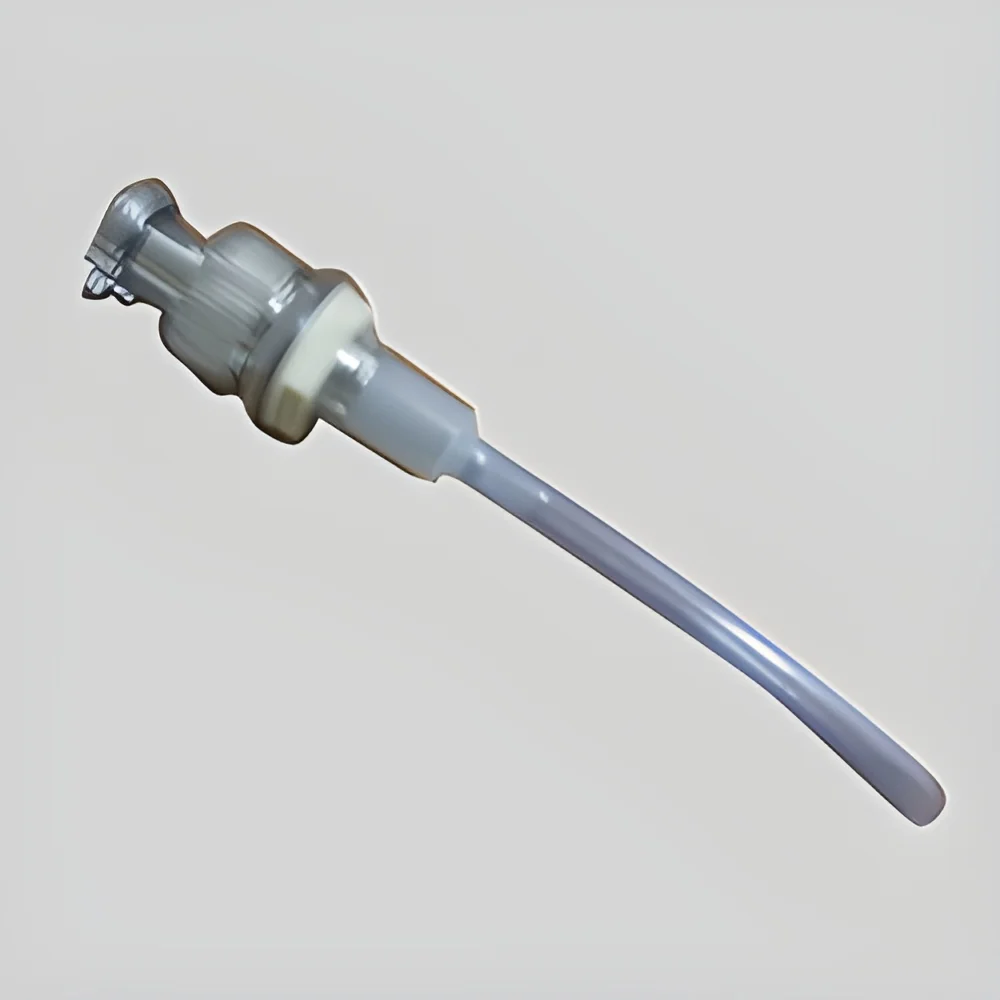
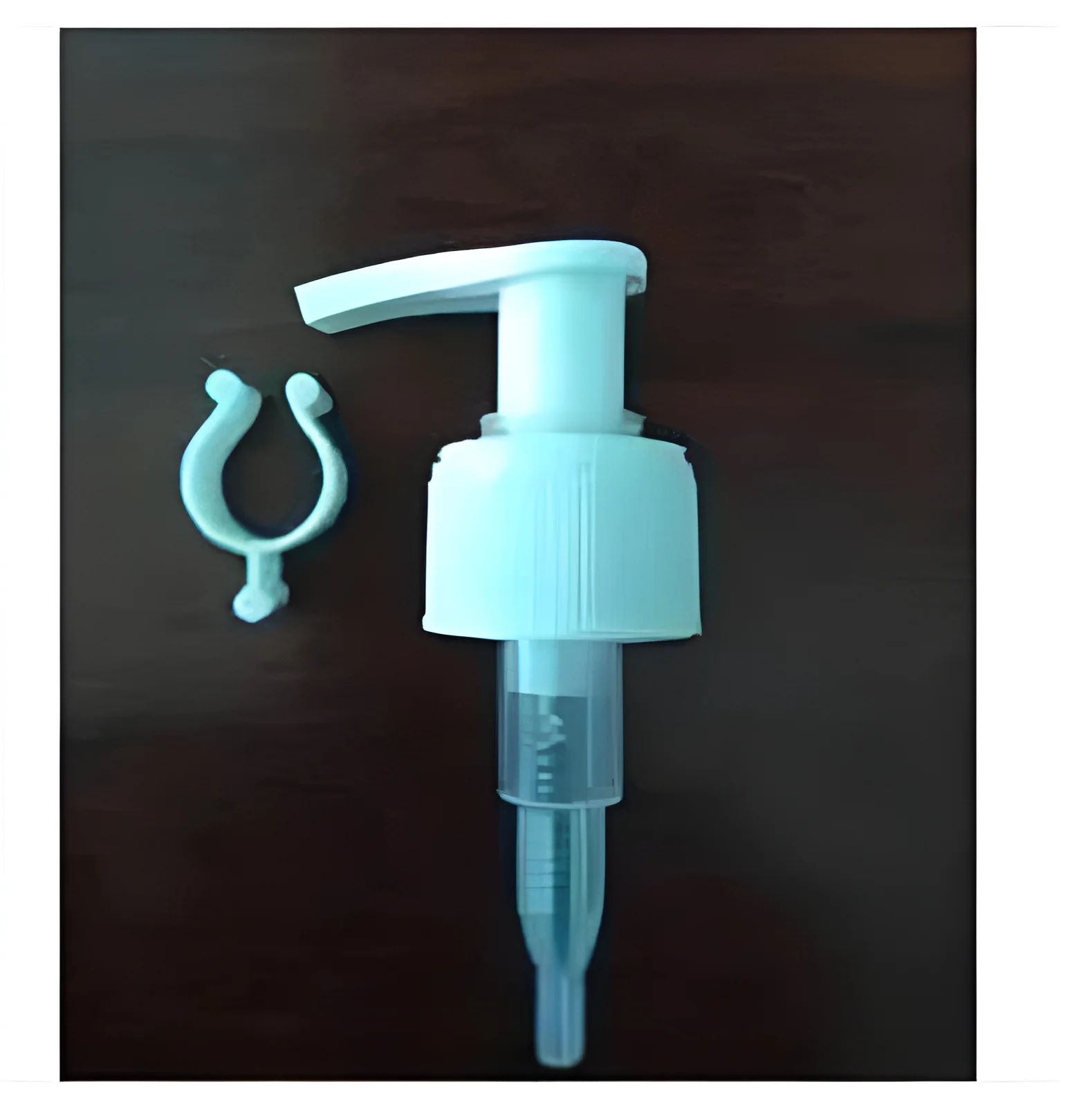
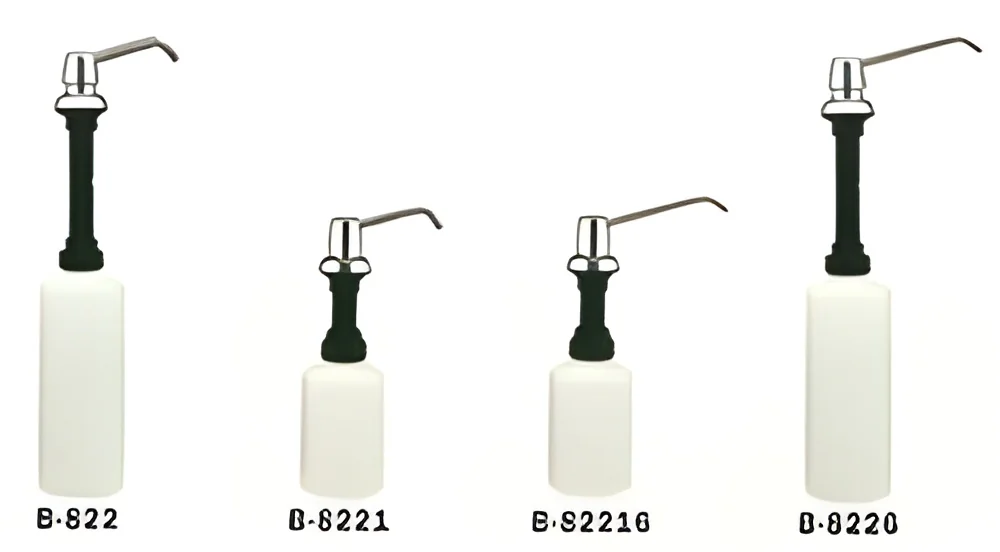
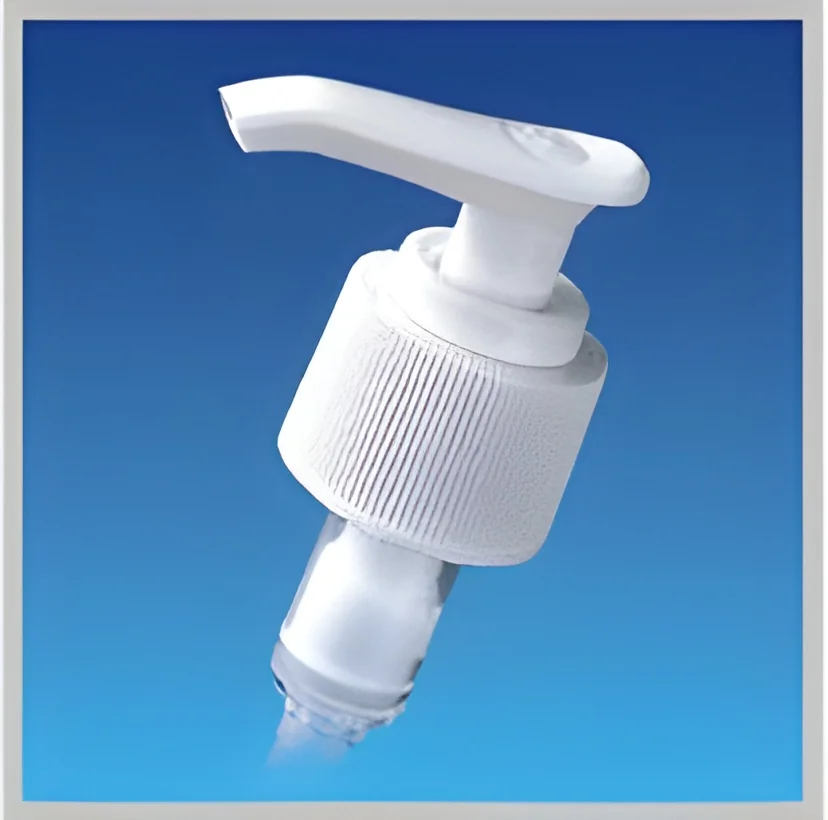
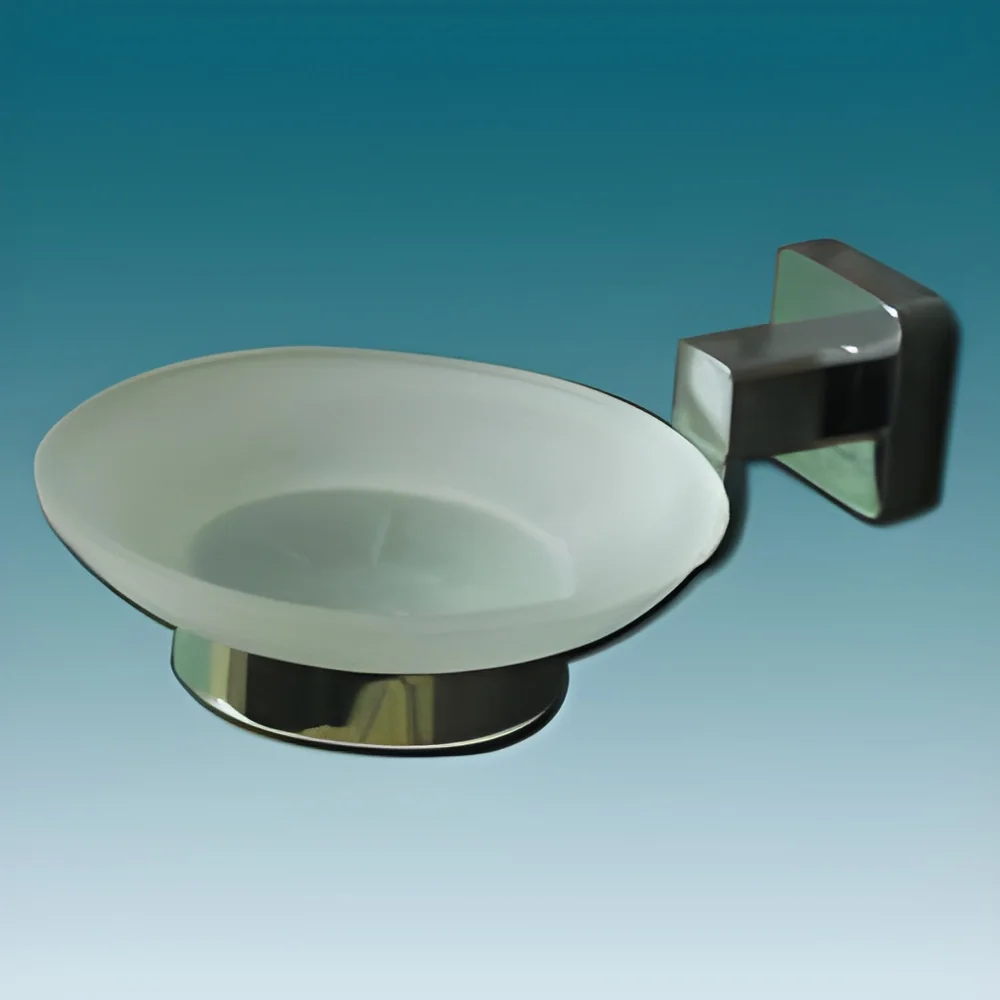
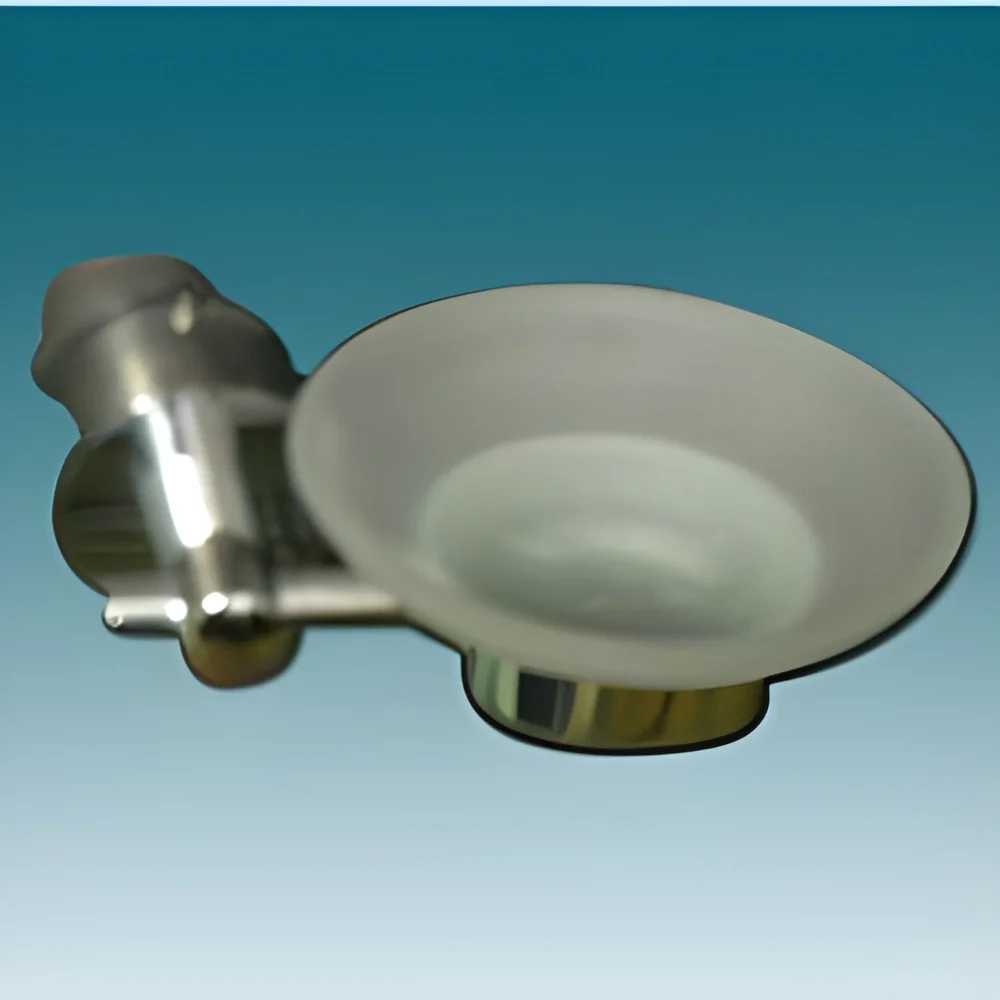
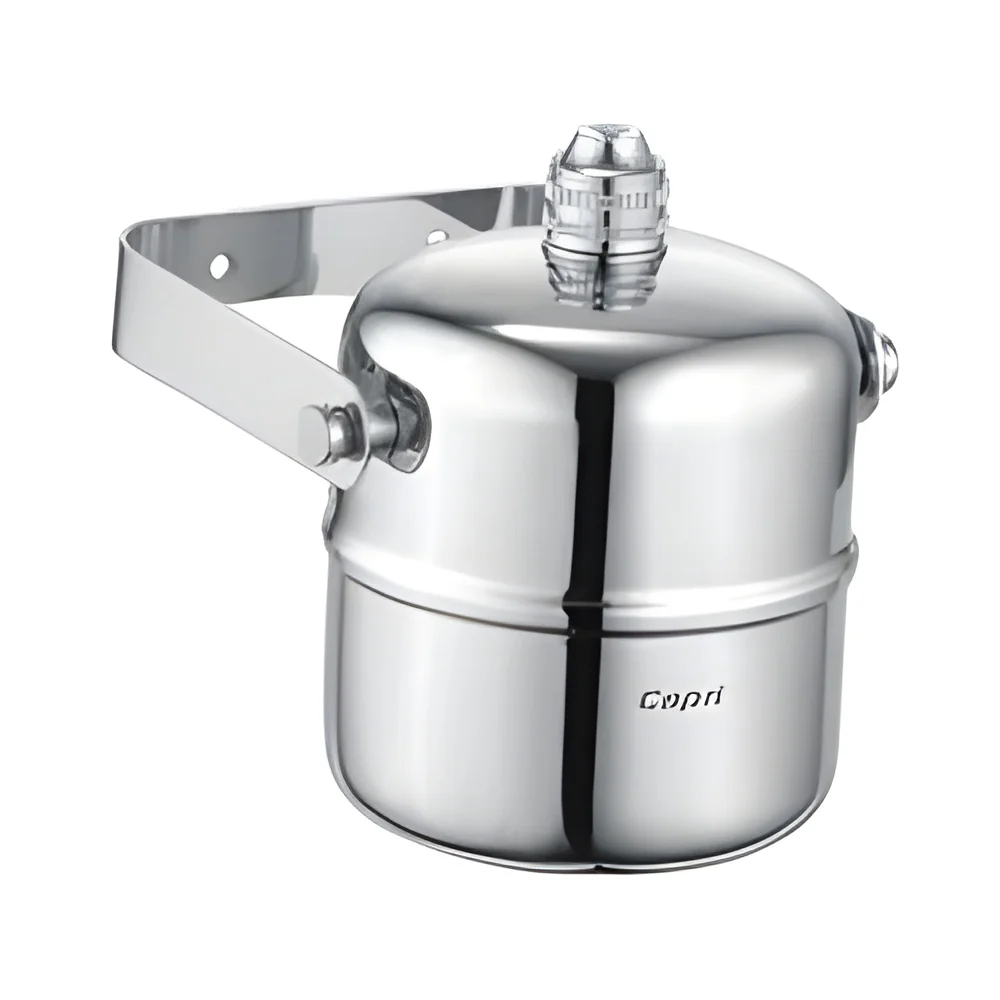
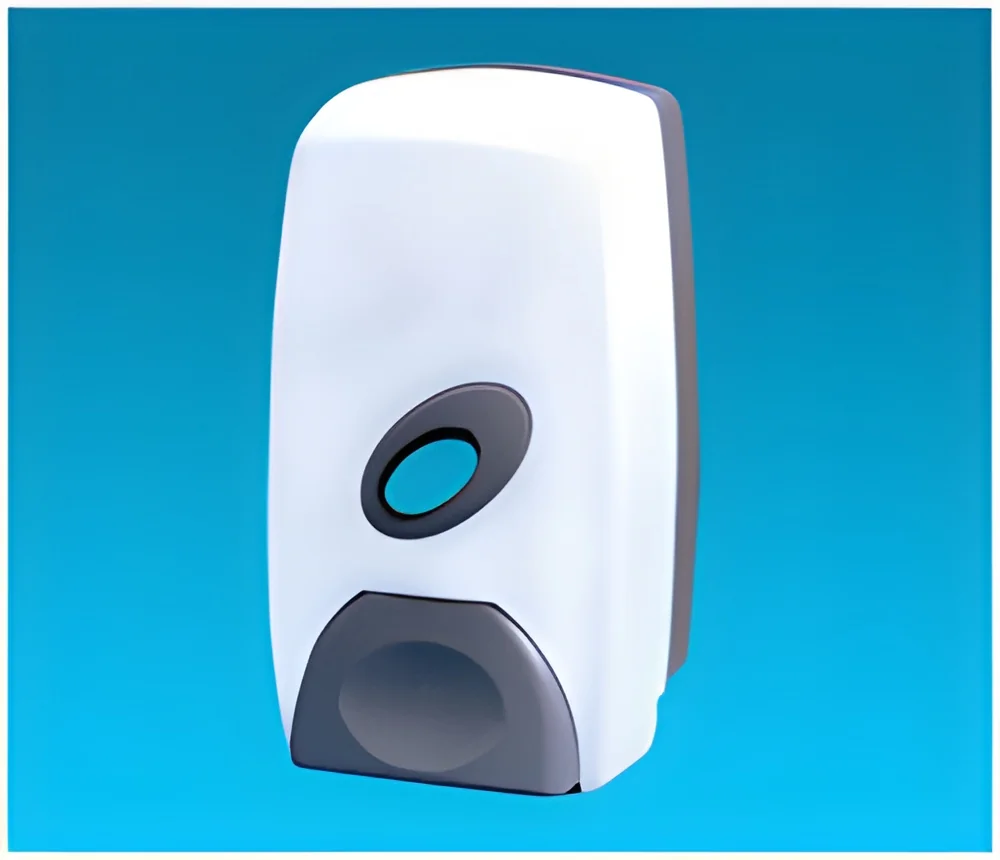
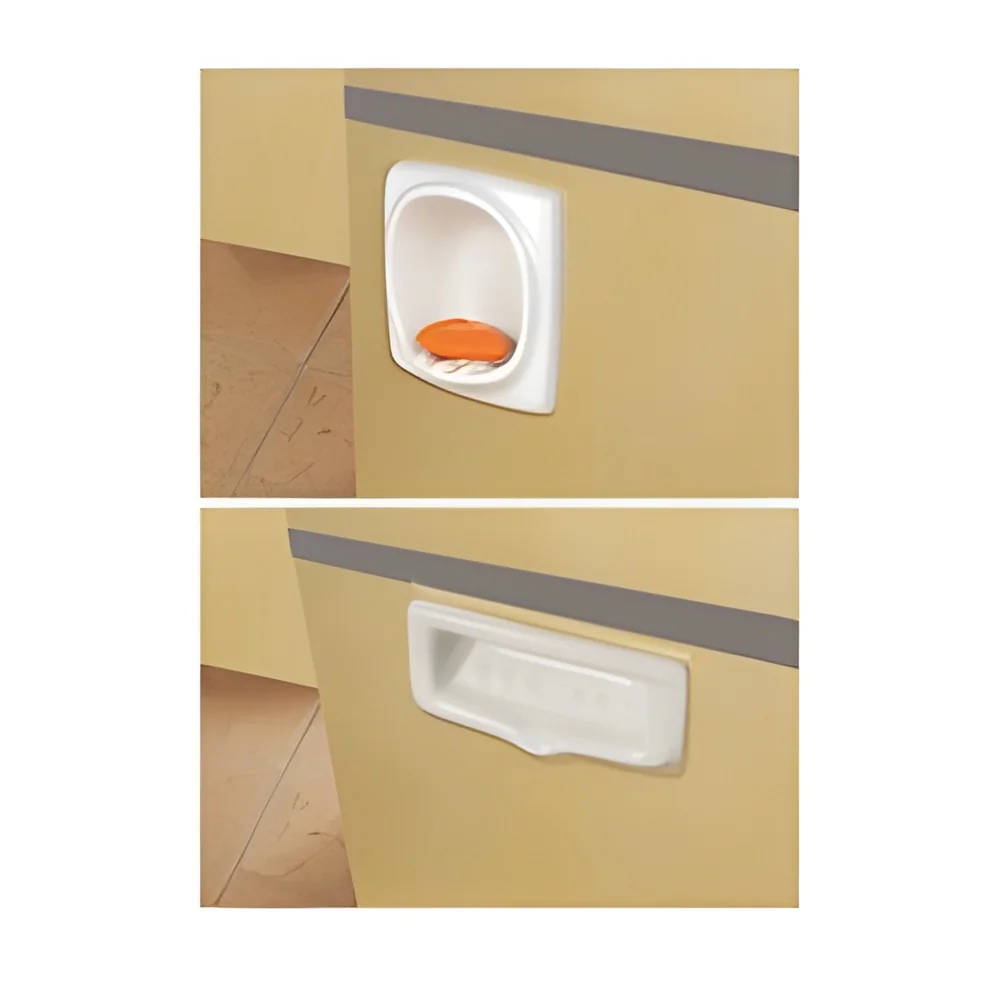
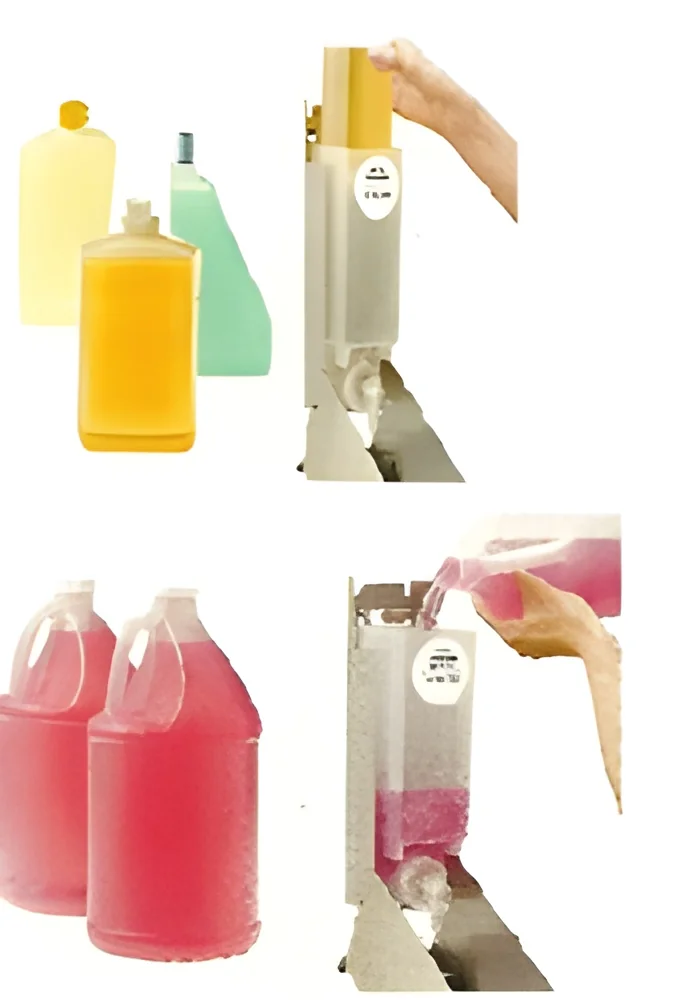
Soap dispensers and dishes are essential hygiene products designed to facilitate the easy and efficient dispensing of soap, whether liquid or bar soap. Soap dispensers can come in various forms, including manual, automatic, and wall-mounted options, allowing for a range of applications in different settings. Dishes are typically used to hold bar soaps, providing a convenient spot for users to access soap while ensuring cleanliness and organization.
These products are commonly utilized in various commercial environments such as healthcare facilities, offices, restaurants, and educational institutions. Their primary function is to promote hygiene and sanitation by making soap easily accessible, thereby encouraging frequent handwashing. The use of soap dispensers and dishes is crucial in industries where hygiene standards are a top priority, such as food service and healthcare.
In the current market context, the demand for soap dispensers and dishes is influenced by the increasing awareness of health and hygiene practices. With the growing emphasis on cleanliness, especially post-pandemic, businesses are investing in high-quality soap dispensers and dishes to enhance their sanitation measures. This has led to a diverse market with a range of options catering to varying needs and preferences.
Key Features and Specifications
Soap dispensers and dishes come with various features tailored to enhance their functionality and efficiency. When considering these products, it is essential to evaluate their specifications to ensure they meet specific business needs.
Key specifications include:
1. Dispensing Mechanism
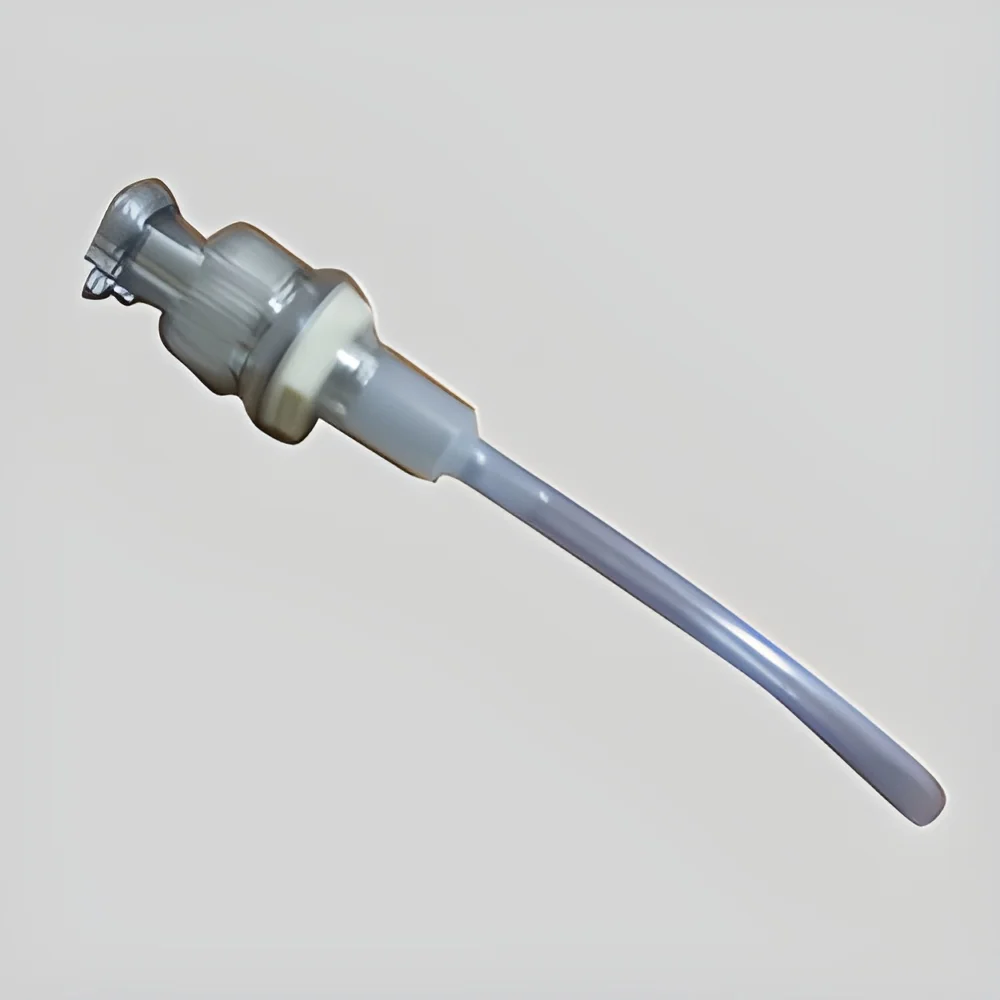
- Options include manual pump, touchless sensor, and gravity-fed systems
- Each type has varying ease of use and maintenance requirements
2. Capacity
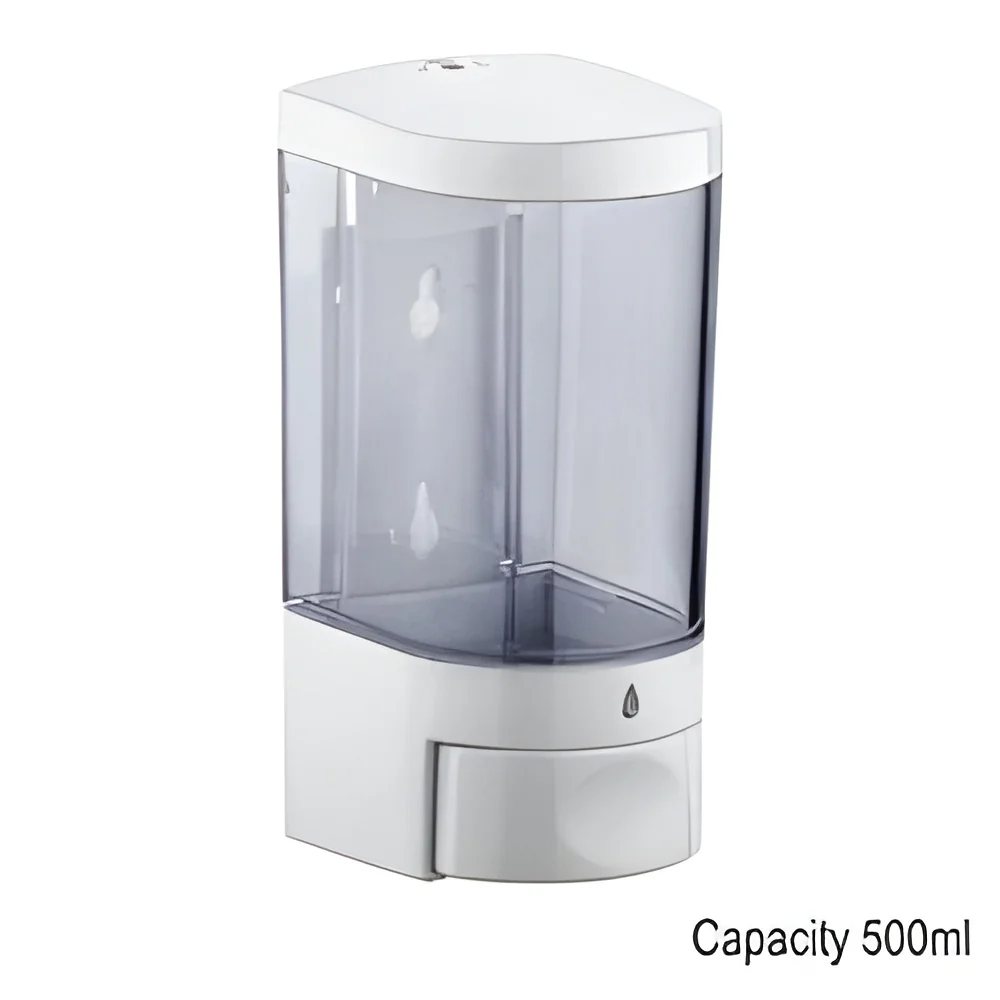
- Ranges typically from 300 ml to over 1 liter for dispensers
- Larger capacities reduce the frequency of refilling
3. Material
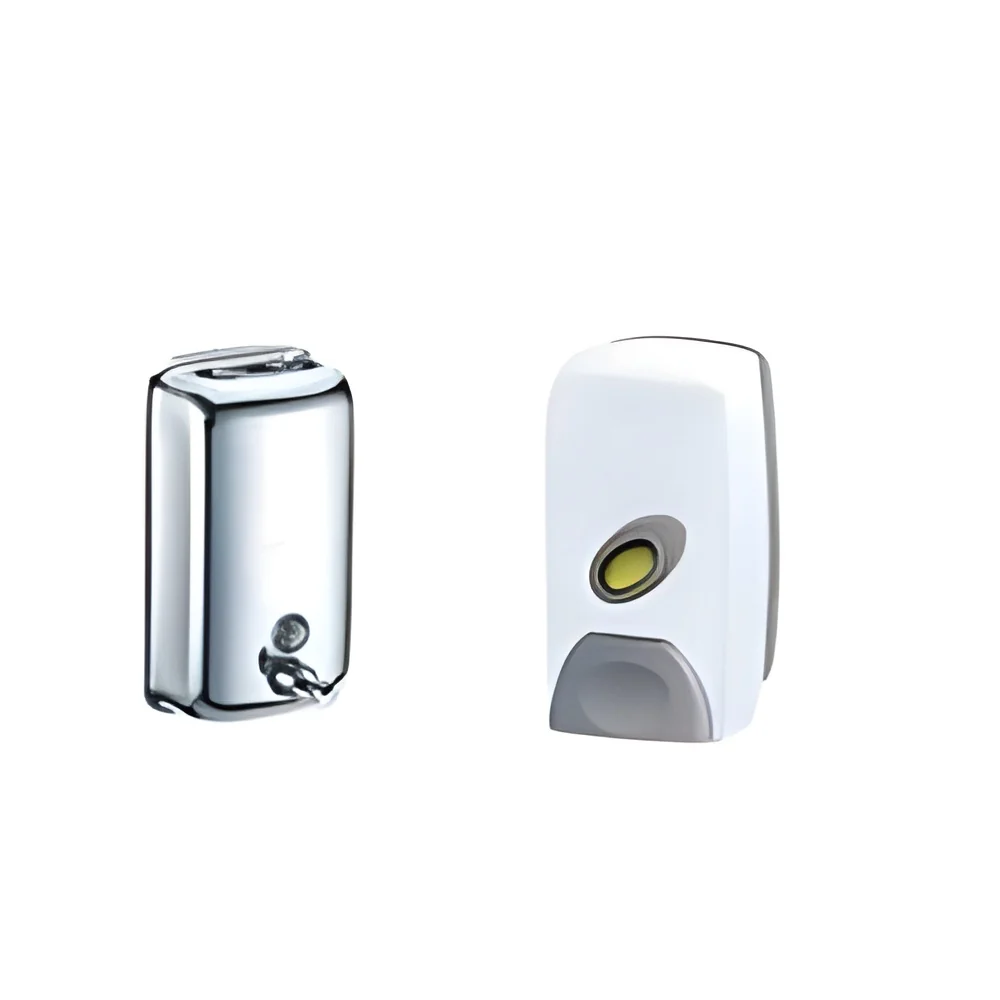
- Common materials include plastic, stainless steel, and ceramic
- Each material offers different levels of durability and aesthetic appeal
4. Design
- Varieties include wall-mounted, countertop, and freestanding designs
- Design affects space utilization and user accessibility
5. Ease of Cleaning
- Some products feature removable components for easier cleaning
- A smooth surface finish can enhance hygiene maintenance
6. Compatibility
- Consideration for compatibility with various soap types (liquid, foam, bar)
- Ensures flexibility in product usage
7. Safety Features
- Some dispensers include childproof locks or tamper-resistant designs
- Enhances safety in environments with children or vulnerable populations
8. Compliance with Standards
- Many products adhere to industry standards for hygiene and safety
- Ensures reliability in commercial usage
In summary, selecting a soap dispenser or dish requires understanding both its features and specifications to ensure it meets the operational requirements of your business.
Common Applications and Use Cases
Soap dispensers and dishes are widely used across numerous industries, highlighting their versatility and importance in maintaining hygiene standards.
1. Healthcare: In hospitals and clinics, soap dispensers are essential to promote hand hygiene among staff and patients, reducing the risk of infections.
2. Food Service: Restaurants and kitchens utilize dispensers to ensure staff have easy access to soap for frequent handwashing, aligning with health regulations.
3. Education: Schools and universities implement soap dispensers in restrooms and cafeterias to encourage cleanliness among students and staff.
4. Hospitality: Hotels and resorts provide soap dispensers and dishes in guest bathrooms to enhance the guest experience through convenience and hygiene.
5. Corporate Offices: Businesses install soap dispensers in common areas and restrooms to promote a culture of health and wellness among employees.
6. Retail: Stores often place dispensers near checkout counters and public restrooms to ensure customers have access to soap, reinforcing brand commitment to hygiene.
7. Manufacturing: Factories and warehouses implement dispensers in break rooms and restrooms to maintain employee safety and hygiene standards.
Product Variants and Subcategories
While there are no specific subcategories available, soap dispensers and dishes can vary significantly in design, functionality, and material, catering to different market segments.
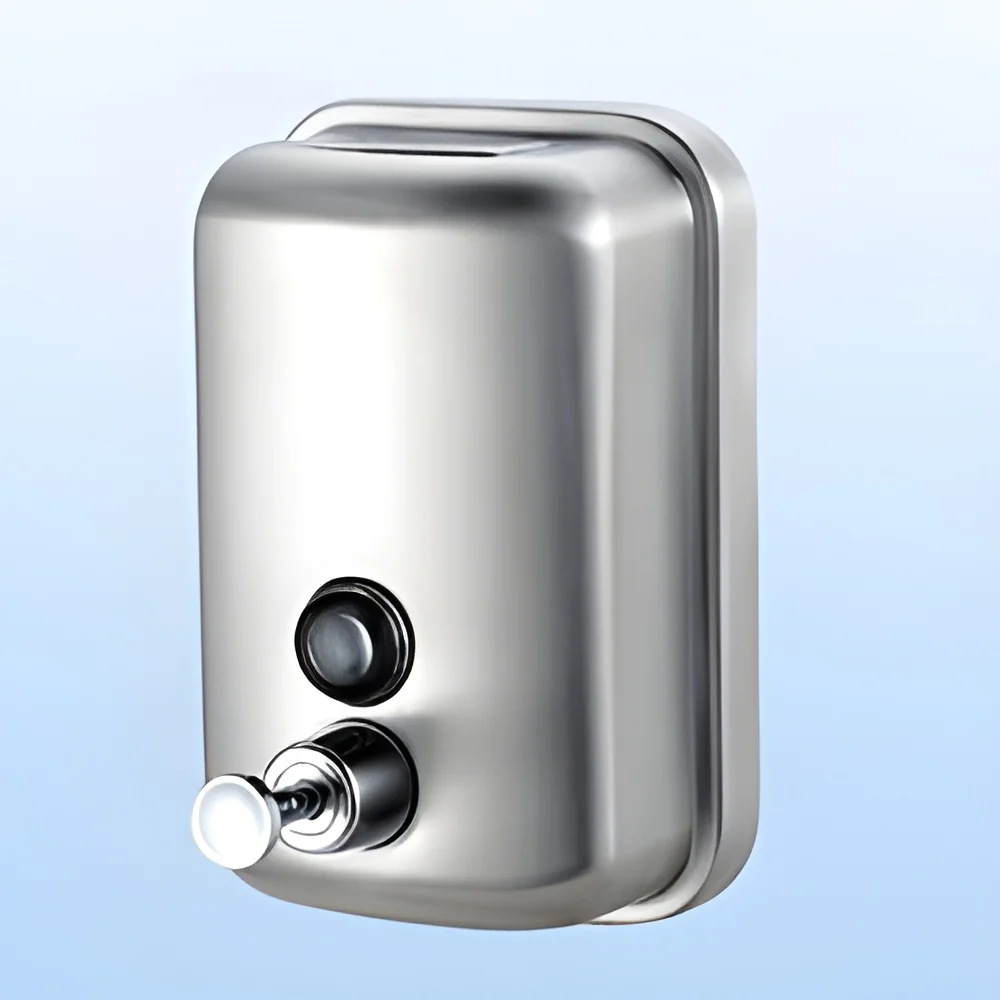
Wall-Mounted Dispensers: These dispensers are fixed to walls, saving counter space and providing easy access to soap in high-traffic areas. They are ideal for restrooms and kitchens where space is a concern.
Countertop Dispensers: These are portable and can be placed anywhere on a flat surface. They are often used in both commercial and residential settings, offering flexibility in positioning.
Automatic Dispensers: Equipped with sensors, these dispensers provide touch-free operation, making them ideal for environments where hygiene is critical, such as hospitals and restaurants.
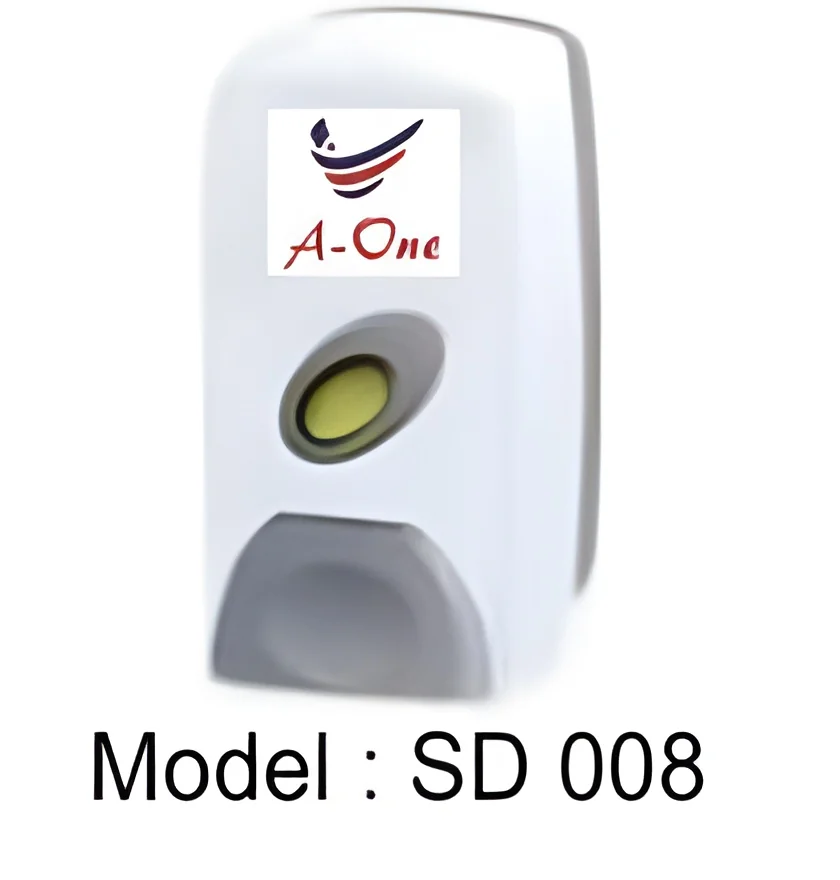
Manual Pump Dispensers: These are simple to use and cost-effective, making them suitable for various applications where budget constraints are a consideration.
Benefits and Advantages
Investing in soap dispensers and dishes presents several advantages for businesses.
1. Enhanced Hygiene: Providing easy access to soap encourages regular handwashing, significantly reducing the spread of germs and improving overall health.
2. Cost Efficiency: By using refillable dispensers, businesses can reduce the need for single-use soap containers, leading to lower long-term costs.
3. Improved Customer Experience: Well-placed dispensers enhance the perception of cleanliness, positively impacting customer satisfaction and loyalty.
4. Versatility: With various designs and types available, businesses can select products that fit their specific needs and aesthetics.
5. Compliance with Regulations: Utilizing quality soap dispensers and dishes helps businesses meet health and safety regulations, reducing the risk of penalties.
6. Environmental Considerations: Many modern dispensers are designed with eco-friendly materials and refill options, appealing to environmentally conscious consumers.
Buying Guide for B2B Buyers
When sourcing soap dispensers and dishes, it is vital for B2B buyers to consider several key factors to ensure they make informed purchasing decisions.
1. Quality Assessment: Evaluate the materials and construction of the dispensers and dishes. Look for products that are durable and easy to maintain, as these will provide better long-term value.
2. Supplier Verification: Conduct thorough research on potential suppliers. Check for customer reviews, industry reputation, and their ability to meet your specific needs.
3. Pricing and MOQ: Consider the cost per unit and the minimum order quantity (MOQ). Ensure that the pricing aligns with your budget while also providing the necessary quality.
4. Delivery and Lead Times: Discuss delivery schedules and lead times with suppliers. Understanding these logistics is crucial to maintaining inventory and meeting customer demands.
5. Compliance Requirements: Confirm that the products meet relevant health and safety regulations in your region. This includes quality standards and certifications that ensure reliability.
Compliance and Certifications
Compliance with industry standards and certifications is essential when selecting soap dispensers and dishes. Relevant quality standards include ISO 9001, which focuses on effective quality management systems. HACCP (Hazard Analysis Critical Control Point) is also important in food service industries to ensure safety and hygiene.
Additionally, the CE marking indicates that the products meet European health, safety, and environmental protection standards. It is essential to ensure that the soap dispensers and dishes you select comply with these regulations to guarantee product safety and reliability.
Safety and testing requirements are also critical, particularly in environments where hygiene is paramount, such as healthcare and food service. Furthermore, regional compliance considerations may vary, so it is important to understand specific local regulations that apply to your market.
Why Source Soap Dispensers & Dishes from Pepagora?
Pepagora provides a trusted platform for sourcing soap dispensers and dishes, offering several key advantages that set it apart from competitors.
Verified Supplier Network: Pepagora connects buyers with a network of verified suppliers, ensuring that all products meet high-quality standards. This verification process helps buyers make informed choices without the hassle of extensive research.
Streamlined RFQ Process: The platform features a user-friendly request for quotation (RFQ) process, allowing buyers to easily communicate their needs and receive competitive quotes. This efficiency simplifies the purchasing process for businesses.
Trade Assurance and Support: Pepagora offers trade assurance, providing buyers with added protection during transactions. This support helps to ensure that buyers receive the products as described and on time.
Regional Coverage: With a strong presence in India, the GCC, and Southeast Asia, Pepagora has the geographic reach to serve diverse markets. This coverage allows businesses to access a wide range of products and suppliers tailored to their specific needs.

 IN
IN