
 IN
Hand Dryers
8 products available
What are Hand Dryers?
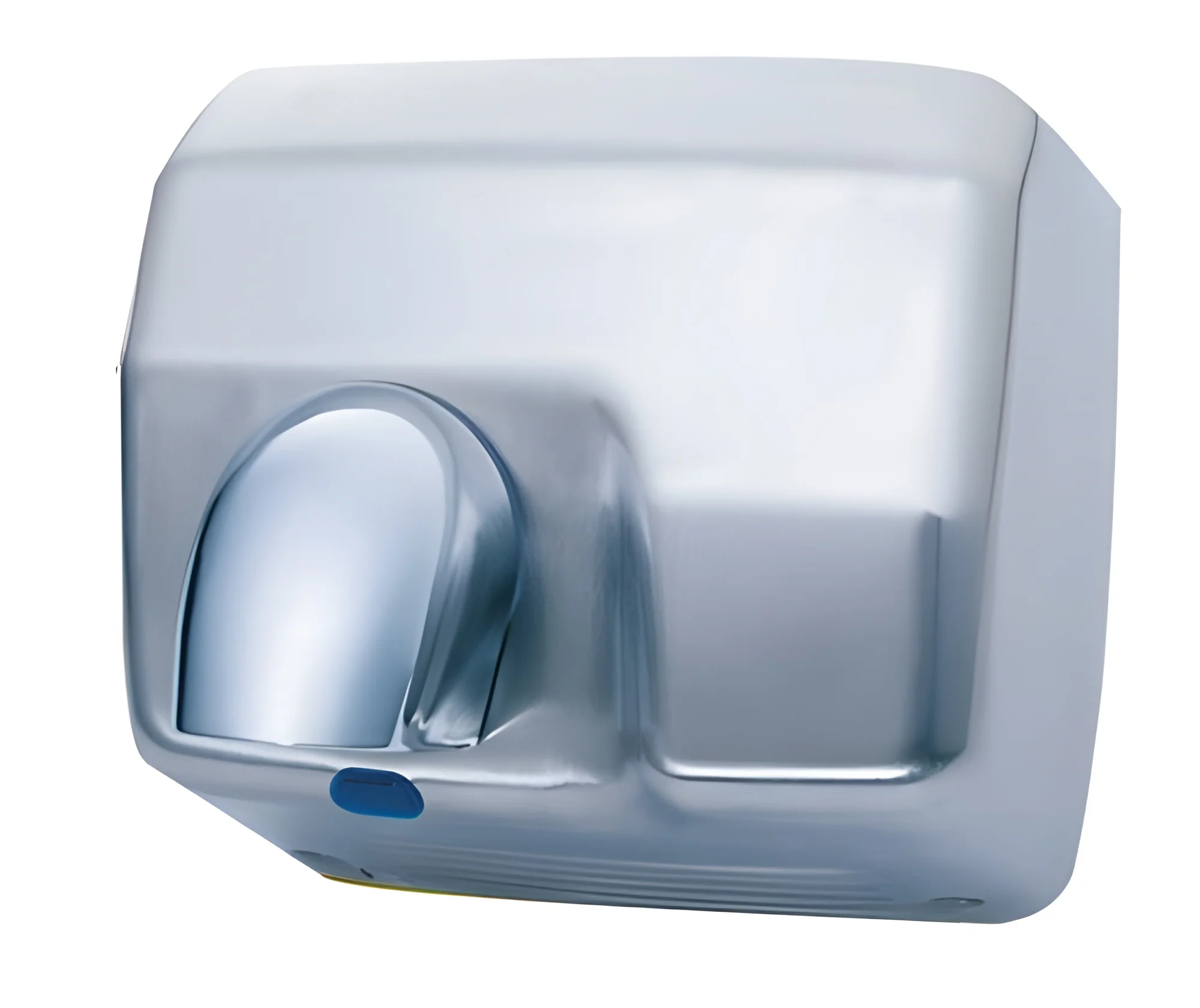
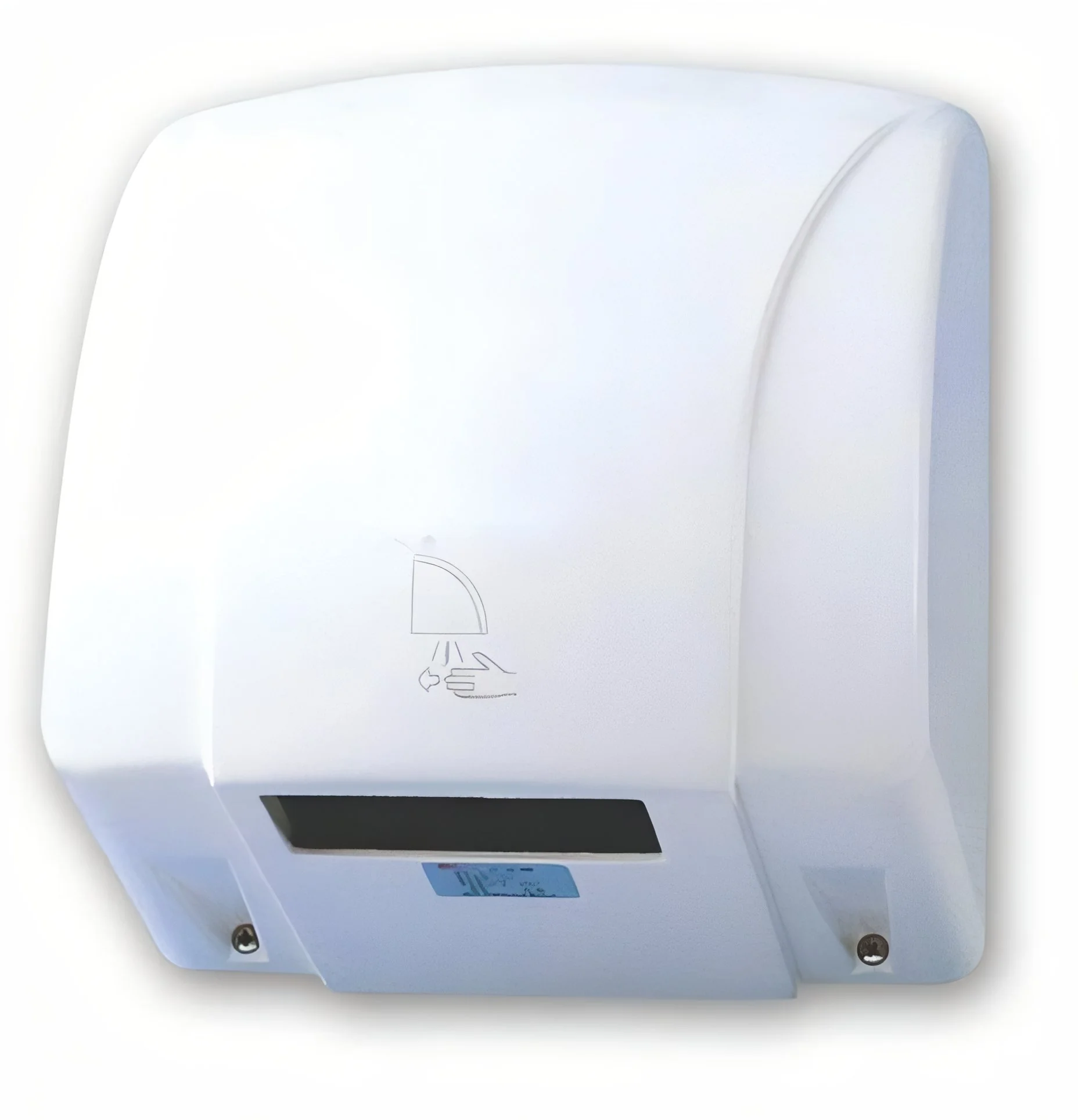
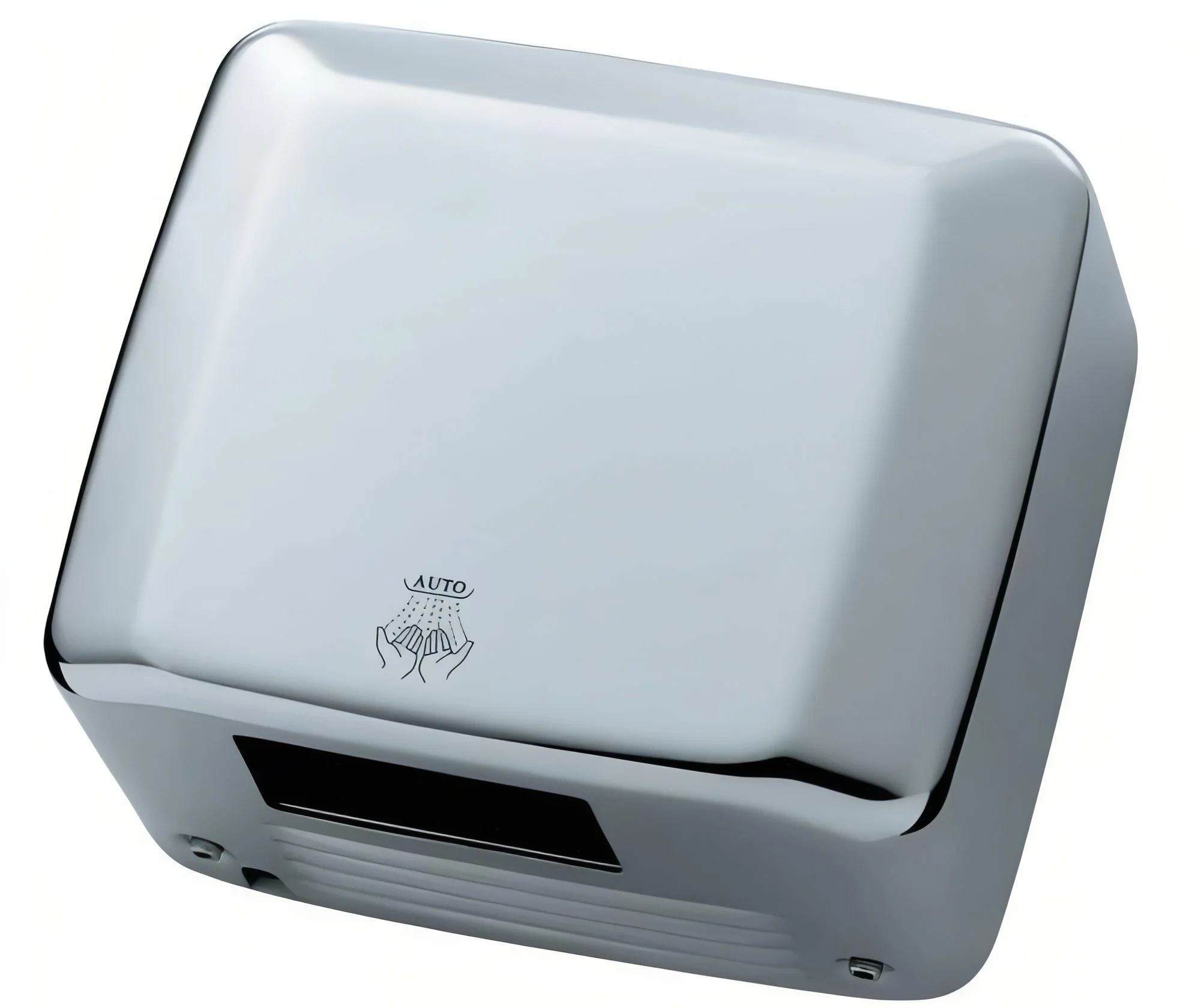
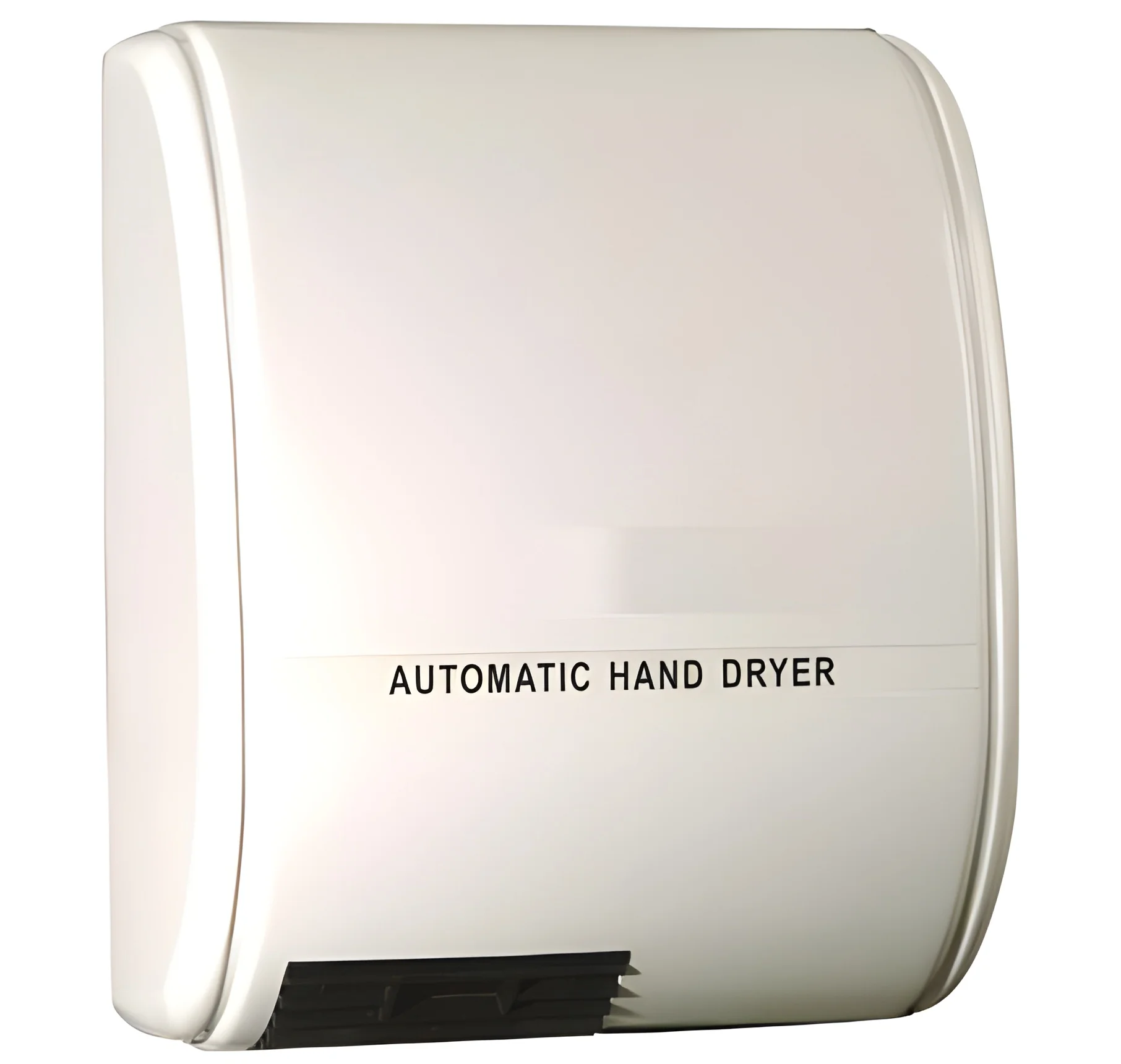
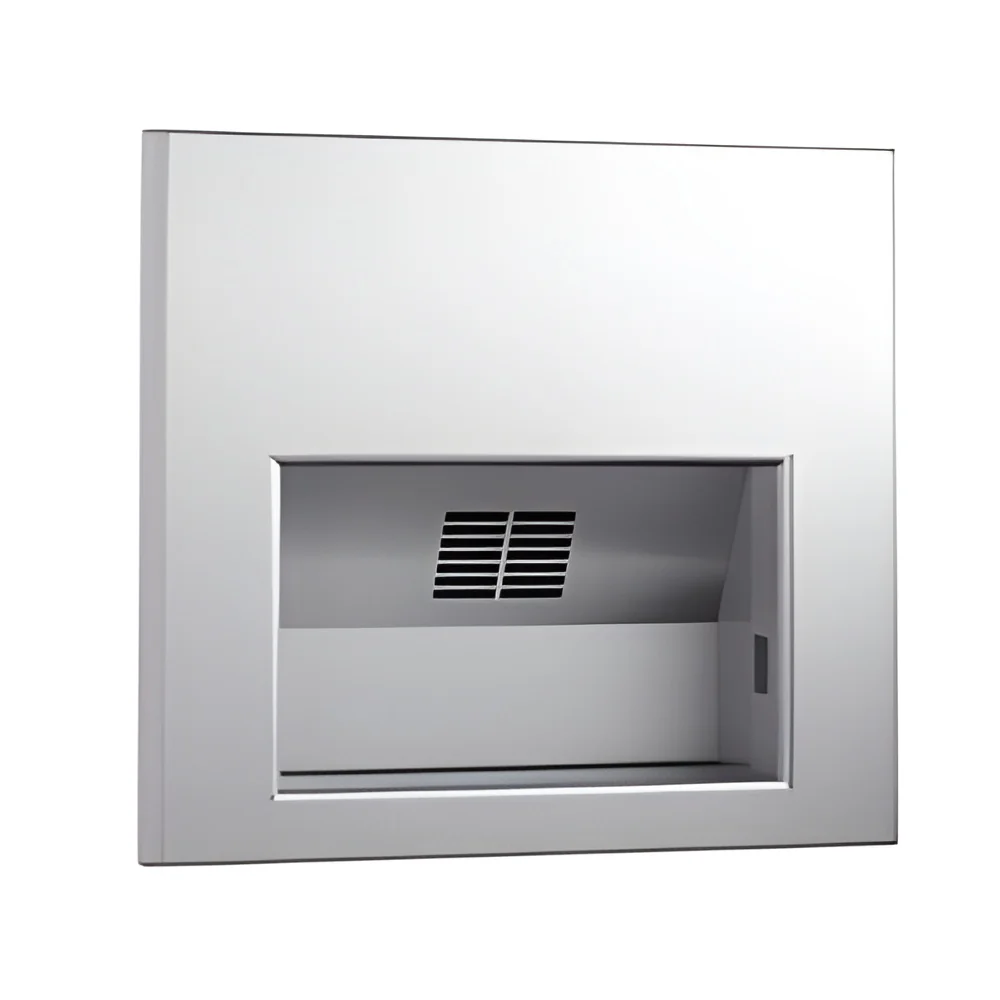
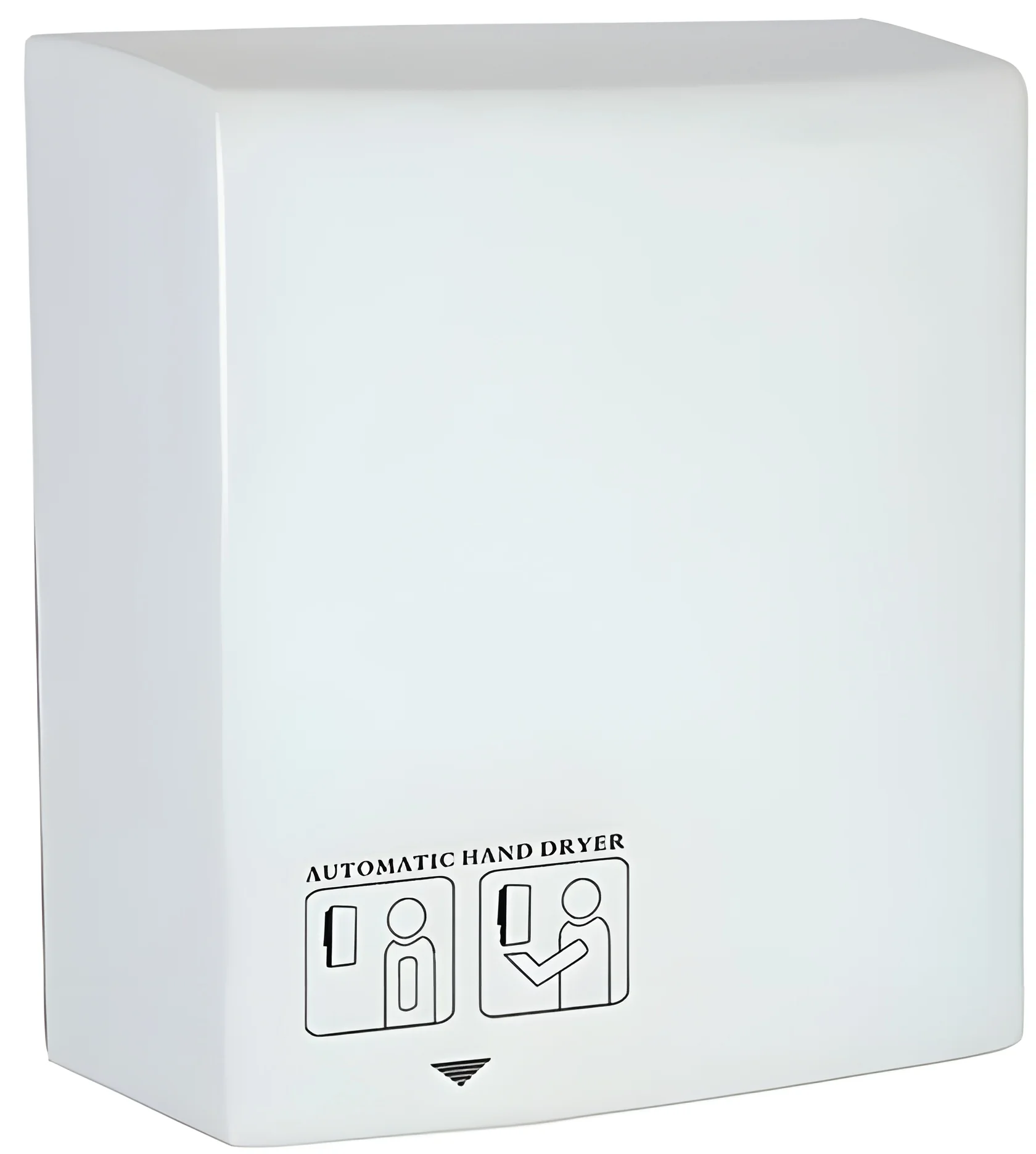
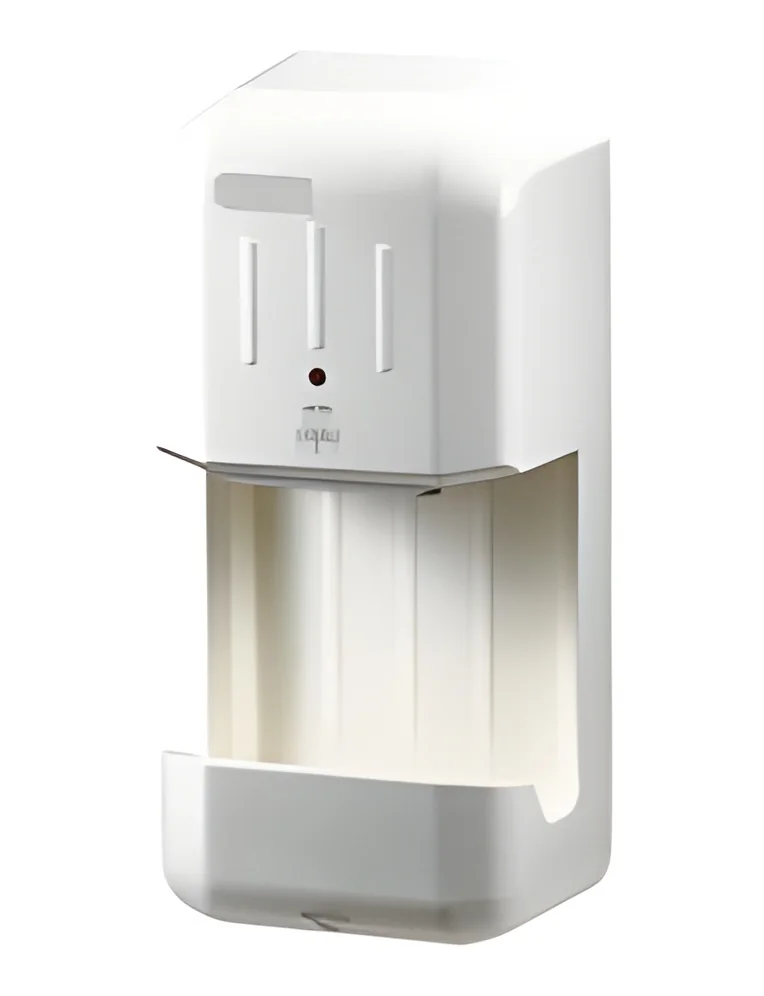
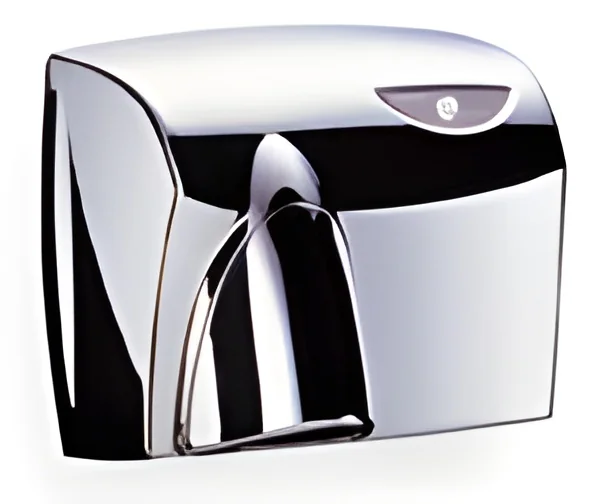
Hand dryers are electrical devices designed to quickly remove moisture from hands after washing. They utilize a stream of warm or hot air to evaporate water, promoting hygiene while reducing the need for paper towels. Hand dryers are an eco-friendly alternative, contributing to waste reduction in public restrooms and facilities.
These devices are commonly found in various settings, including offices, restaurants, schools, hospitals, and public restrooms. Their primary function is to provide a fast and efficient means of drying hands, essential for maintaining cleanliness and preventing the spread of germs. With the growing awareness of hygiene and environmental sustainability, hand dryers have gained significant traction across multiple sectors.
In today's market, hand dryers are increasingly relevant due to rising health standards and the push for sustainable practices. Businesses are opting for these devices not only for their functionality but also for their long-term cost-effectiveness. The global hand dryer market continues to evolve, with advancements in technology and design catering to diverse consumer needs.
Key Features and Specifications
Hand dryers come equipped with various features designed to enhance user experience and operational efficiency. Understanding these specifications is crucial for businesses looking to invest in the right product.
Key specifications include:
1. Power Consumption
- Hand dryers typically range from 800 to 2,000 watts.
- Higher wattage models dry hands faster but may consume more energy.
2. Drying Time
- Most hand dryers offer drying times between 10 to 30 seconds.
- Faster drying times improve user satisfaction and restroom efficiency.
3. Noise Level
- Noise levels can vary from 60 to 90 decibels.
- Quiet models are preferable in settings like offices and libraries.
4. Material Construction
- Hand dryers are often made from stainless steel or durable plastic.
- Stainless steel models are more resistant to vandalism and wear.
5. Sensor Technology
- Touchless sensor activation is available in many models.
- This feature enhances hygiene and reduces the risk of cross-contamination.
6. Heating Elements
- Some dryers feature adjustable heating elements for user comfort.
- Options include warm air or high-speed models that reduce heat reliance.
7. Energy Efficiency
- Energy-efficient models consume less power while maintaining performance.
- Look for products with eco-friendly certifications.
8. Installation Type
- Hand dryers can be wall-mounted or freestanding.
- Wall-mounted units save space and are easier to maintain.
In summary, understanding the features and specifications of hand dryers can guide businesses in selecting the best product for their specific needs.
Common Applications and Use Cases
Hand dryers are versatile devices used in a variety of industries, enhancing hygiene and convenience.
1. Hospitality Sector: Restaurants and hotels use hand dryers in restrooms to provide guests with a quick and efficient way to dry their hands, promoting cleanliness.
2. Healthcare Facilities: Hospitals and clinics benefit from touchless hand dryers to minimize germ transmission among patients and staff.
3. Educational Institutions: Schools and universities install hand dryers to encourage students to practice good hygiene habits, especially during flu season.
4. Corporate Offices: Many businesses implement hand dryers in employee restrooms to enhance workplace hygiene and reduce paper towel waste.
5. Retail Environments: Stores and shopping malls use hand dryers to provide customers with a quick and efficient hand-drying solution.
6. Public Spaces: Airports, train stations, and parks utilize hand dryers to accommodate the needs of large crowds, offering a sanitary option for hand drying.
7. Industrial Settings: Manufacturing and warehouse facilities may use hand dryers in break rooms or rest areas to promote cleanliness among workers.
Product Variants and Subcategories
Hand dryers come in various models, catering to different needs and preferences in commercial settings.
High-Speed Hand Dryers: These models feature powerful motors that can dry hands in as little as 10 seconds. They are ideal for high-traffic areas where quick service is essential.
Touchless Hand Dryers: Equipped with sensor technology, these dryers activate automatically, providing a hygienic experience without the need for physical contact. They are suitable for healthcare and food service environments.
Compact Hand Dryers: Designed for smaller spaces, these models are easy to install and provide effective hand drying without taking up much room. They are perfect for restrooms in cafes and small offices.
Energy-Efficient Hand Dryers: These units are built to minimize power consumption while maintaining performance. They are an excellent choice for businesses looking to reduce operating costs.
Benefits and Advantages
Investing in hand dryers offers several benefits that can significantly impact business operations.
1. Cost Savings: Hand dryers reduce the ongoing costs associated with paper towel purchases, leading to significant savings over time.
2. Environmental Impact: By eliminating the need for paper towels, hand dryers contribute to reduced waste and a lower carbon footprint, promoting sustainability.
3. Improved Hygiene: Touchless models enhance cleanliness by minimizing contact with surfaces, reducing the spread of germs in public spaces.
4. User Convenience: Fast drying times and easy operation improve user satisfaction, making hand dryers a preferred choice for restrooms.
5. Low Maintenance: Hand dryers generally require less maintenance compared to paper towel dispensers, saving time and resources.
6. Versatile Designs: With various styles available, hand dryers can complement different restroom aesthetics, enhancing overall facility appearance.
Buying Guide for B2B Buyers
When sourcing hand dryers, businesses should consider several important factors to ensure they make informed purchasing decisions.
1. Quality Assessment: Evaluate the build quality and materials of the hand dryer. Look for durable options that can withstand heavy use over time.
2. Supplier Verification: Research potential suppliers to confirm their reliability and reputation. Check for customer reviews and industry certifications.
3. Pricing and MOQ: Understand the pricing structures and minimum order quantities (MOQ) from suppliers. This information is crucial for budgeting and inventory management.
4. Delivery and Lead Times: Inquire about the expected delivery times and logistics arrangements. Timely delivery is essential for maintaining operations.
5. Compliance Requirements: Ensure the selected hand dryers meet relevant industry standards and regulations. Compliance with safety and quality standards is critical for operational integrity.
Compliance and Certifications
Hand dryers must adhere to various compliance and certification standards to ensure safety and quality in their operation.
Relevant quality standards include ISO 9001, which focuses on quality management systems, ensuring that manufacturers meet customer expectations consistently. Additionally, HACCP and GDP guidelines may apply in food-related environments, emphasizing hygiene and safety.
Industry certifications such as CE mark indicate that the product complies with European health and safety standards. This certification is crucial for businesses operating in or exporting to regions requiring such compliance.
Safety and testing requirements should be a priority for manufacturers, ensuring that products are tested for electrical safety and performance. Regional compliance considerations may vary, so businesses should be aware of local regulations governing hand dryer installations and operations.
Why Source Hand Dryers from Pepagora?
Pepagora provides a trusted platform for sourcing hand dryers, offering several key advantages to B2B buyers.
Verified Supplier Network: Pepagora features a comprehensive network of verified suppliers, ensuring that buyers can connect with reputable manufacturers that meet their quality standards.
Streamlined RFQ Process: The platform simplifies the request for quotation (RFQ) process, allowing buyers to compare offers easily and choose the most suitable options for their needs.
Trade Assurance and Support: With Pepagora, buyers benefit from trade assurance programs that protect their purchases, providing peace of mind throughout the transaction process.
Regional Coverage: Pepagora operates across India, the GCC, and Southeast Asia, making it easier for businesses to access hand dryers suited to their regional requirements and specifications.

Frequently Asked Questions
What are Hand Dryers?
Hand dryers are electrical devices used in public restrooms and other facilities to dry hands quickly after washing. They utilize a stream of warm or room temperature air to evaporate moisture from the hands, providing a hygienic and efficient alternative to paper towels.
What are the different types of Hand Dryers?
There are primarily two types of hand dryers: traditional hand dryers that blow warm air and high-speed hand dryers that use a jet of air to dry hands quickly. Some models are automatic and equipped with sensors, while others require manual operation.
How do I choose the right Hand Dryers?
When selecting hand dryers, consider factors such as drying speed, noise level, energy efficiency, and installation requirements. Additionally, assess the volume of usage in your facility to determine the appropriate model that meets your needs.
What are the standard specifications for Hand Dryers?
Standard specifications for hand dryers typically include power consumption (watts), drying time (seconds), noise level (decibels), and dimensions. Other specifications may involve the materials used, motor type, and any additional features such as HEPA filters.
What is the price range for Hand Dryers?
The price range for hand dryers can vary significantly depending on features and brand. Generally, basic models start around INR 5,000, while high-speed and advanced models can cost upwards of INR 15,000 or more.
What quality standards apply to Hand Dryers?
Hand dryers should comply with safety and quality standards such as those set by the Bureau of Indian Standards (BIS) and international standards like CE or UL certification. These standards ensure the devices are safe to use and function reliably in various environments.
Where can I find Hand Dryers suppliers in India?
You can find hand dryer suppliers in India through B2B marketplaces, trade shows, and industry-specific directories. Websites like Pepagora.com provide a comprehensive list of manufacturers and suppliers for various types of hand dryers.
Can Hand Dryers be customized?
Yes, many manufacturers offer customization options for hand dryers, including design, color, and specific features. Customization may help align the product with your branding or meet specific operational requirements.
What is the typical minimum order quantity for Hand Dryers?
The minimum order quantity (MOQ) for hand dryers varies by supplier and model. Generally, MOQs can range from a few units to several dozen, depending on the manufacturer and the type of hand dryer being ordered.
What is the typical lead time for Hand Dryers?
The typical lead time for hand dryers can vary based on the supplier and order size. Generally, standard orders may take 2 to 4 weeks for delivery, while customized products might require longer lead times.
Why Businesses Trust Pepagora
Thousands of companies trust Pepagora to source smarter and sell faster
Expand Your Sales Globally

Source Smarter,Grow Faster
