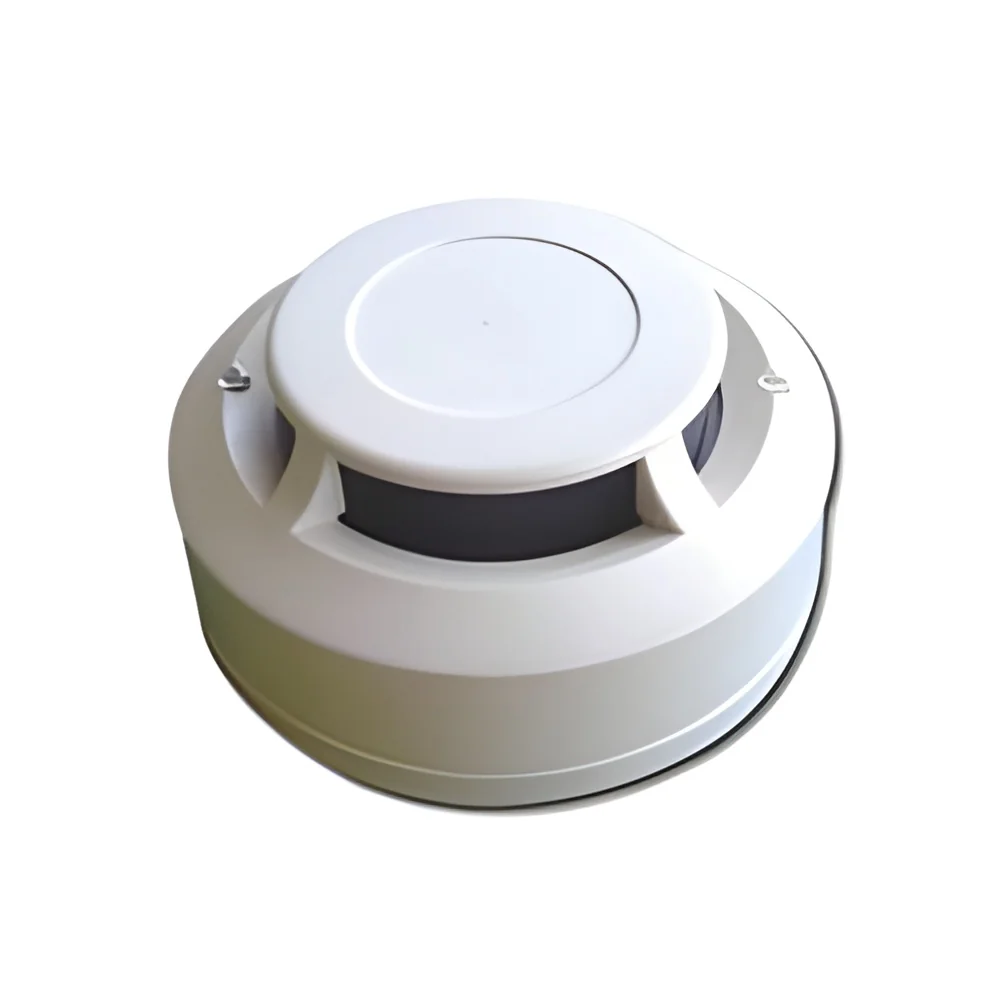
What are Smoke Detectors?
Smoke detectors are devices designed to detect smoke as an indicator of fire. These essential safety instruments employ various technologies to monitor the air for smoke particles. When smoke is detected, the device emits a loud alarm to alert occupants of a potential fire hazard. This early warning system is crucial for ensuring the safety of individuals and property in both residential and commercial settings.
The primary use of smoke detectors extends across various industries, including residential homes, commercial buildings, manufacturing facilities, and healthcare environments. In these settings, smoke detectors play a vital role in fire safety measures and compliance with local fire codes. Their reliable performance can significantly minimize the risk of fire-related injuries and property damage, making them a necessary investment for any organization or household.
In the current market context, the demand for smoke detectors continues to grow as fire safety regulations become stricter globally. Many businesses are now prioritizing fire prevention measures, which has led to advancements in smoke detection technologies. Consequently, the market features a diverse range of products tailored to meet various needs and compliance standards.
Key Features and Specifications
Smoke detectors come equipped with several features that enhance their functionality and reliability. Understanding these features is essential for selecting the right device for specific applications.
Key specifications include:
1. Detection Technology
- Photoelectric or ionization sensing technologies
- Each technology offers different sensitivity levels to various types of smoke
2. Alarm Volume
- Typically ranges from 85 to 120 decibels
- Ensures the alarm is loud enough to alert occupants in noisy environments
3. Power Source
- Battery-operated or hardwired options
- Battery life can vary from 9 to 10 years, depending on the model
4. Connectivity
- Options for wired or wireless interconnectivity
- Wireless models can communicate with other alarms for synchronized alerts
5. Sensitivity Levels
- Adjustable sensitivity settings for varied environments
- Helps reduce false alarms while maintaining effective smoke detection
6. Testing and Maintenance Features
- Built-in self-test functionality
- Easy maintenance options for ensuring optimal performance
In summary, understanding these key features and specifications is vital for businesses and individuals looking to invest in smoke detectors that will best serve their safety needs.
Common Applications and Use Cases
Smoke detectors are versatile devices used across various industries, each with specific applications that enhance safety protocols.
1. Residential Homes: Smoke detectors are a standard safety feature in homes, providing essential early warning signs to families in case of fire.
2. Commercial Buildings: In offices and retail spaces, smoke detectors ensure the safety of employees and customers while meeting insurance and fire code requirements.
3. Manufacturing Facilities: Smoke detectors in industrial settings help protect valuable equipment and personnel by quickly detecting smoke from potential fires.
4. Healthcare Environments: Hospitals and clinics use smoke detectors to ensure patient safety, especially in areas with sensitive equipment and high foot traffic.
5. Educational Institutions: Schools and universities implement smoke detectors to protect students and staff, as well as comply with safety regulations.
6. Hospitality Industry: Hotels and restaurants utilize smoke detectors to provide a safe environment for guests and staff while adhering to local fire safety laws.
Product Variants and Subcategories
Smoke detectors come in various forms to meet different safety requirements and preferences. Each variant offers unique features suited for specific environments.
Ionization Smoke Detector: This variant is effective at detecting fast-burning fires. It uses radioactive material to sense changes in air quality and is commonly used in homes and businesses.
Photoelectric Smoke Detector: This type is designed to detect smoldering fires and is less prone to false alarms. It is ideal for use in areas with high cooking activity, such as kitchens.
Combination Smoke and Carbon Monoxide Detector: This dual-function device detects both smoke and carbon monoxide, providing comprehensive safety coverage in residential and commercial spaces.
Benefits and Advantages
Investing in smoke detectors offers numerous benefits for safety and compliance. Understanding these advantages can help buyers make informed decisions.
1. Enhanced Safety: Smoke detectors provide critical early warning signals, helping to protect lives and property from fire hazards.
2. Regulatory Compliance: Many local fire codes require smoke detectors in buildings, ensuring compliance with safety regulations and reducing liability.
3. Insurance Benefits: Installing smoke detectors can lead to lower insurance premiums, as they reduce the risk of fire damage.
4. Increased Property Value: Homes and businesses equipped with smoke detectors may be perceived as safer, potentially increasing their market value.
5. Peace of Mind: Knowing that smoke detectors are in place allows occupants to feel safer in their environment, contributing to overall well-being.
Buying Guide for B2B Buyers
When sourcing smoke detectors, it is essential for businesses to consider various factors to ensure they are making the right choice.
1. Quality Assessment: Evaluate the quality of smoke detectors by reviewing certifications, testing standards, and customer feedback. High-quality devices will provide reliable performance.
2. Supplier Verification: Vet potential suppliers by checking their reputation, industry experience, and customer service capabilities. This helps ensure a positive purchasing experience.
3. Pricing and MOQ: Consider the pricing structures and minimum order quantities offered by suppliers. This information is crucial for budgeting and inventory management.
4. Delivery and Lead Times: Discuss logistics with suppliers to understand delivery timelines and ensure that products will arrive when needed.
5. Compliance Requirements: Verify that smoke detectors meet local and regional compliance standards, such as CE certifications, to avoid legal issues and ensure safety.
Compliance and Certifications
Smoke detectors must adhere to various compliance and certification standards to ensure their effectiveness and safety. Key quality standards include ISO 9001, which focuses on quality management systems. Compliance with the Hazard Analysis and Critical Control Points (HACCP) ensures that products meet safety requirements throughout the manufacturing process.
Additionally, smoke detectors often carry the CE certification, indicating that they meet European Union safety, health, and environmental protection standards. Safety and testing requirements should also be strictly followed to ensure that smoke detectors function correctly under various conditions.
Regional compliance considerations may vary, so it is essential for buyers to understand local regulations regarding smoke detectors to ensure proper installation and functionality.
Why Source Smoke Detectors from Pepagora?
Pepagora offers a reliable platform for sourcing smoke detectors, presenting several key advantages for B2B buyers.
Verified Supplier Network: Pepagora connects buyers with a network of verified suppliers, ensuring that businesses can source high-quality smoke detectors with confidence.
Streamlined RFQ Process: The request for quotation (RFQ) system simplifies the procurement process, allowing buyers to easily compare offers and make informed purchasing decisions.
Trade Assurance and Support: Pepagora provides buyer protection through trade assurance, giving businesses peace of mind when investing in smoke detectors.
Regional Coverage: With a strong presence in India, the GCC, and Southeast Asia, Pepagora offers extensive geographic reach, enabling businesses to find smoke detectors that meet their specific needs and requirements.

 IN
IN