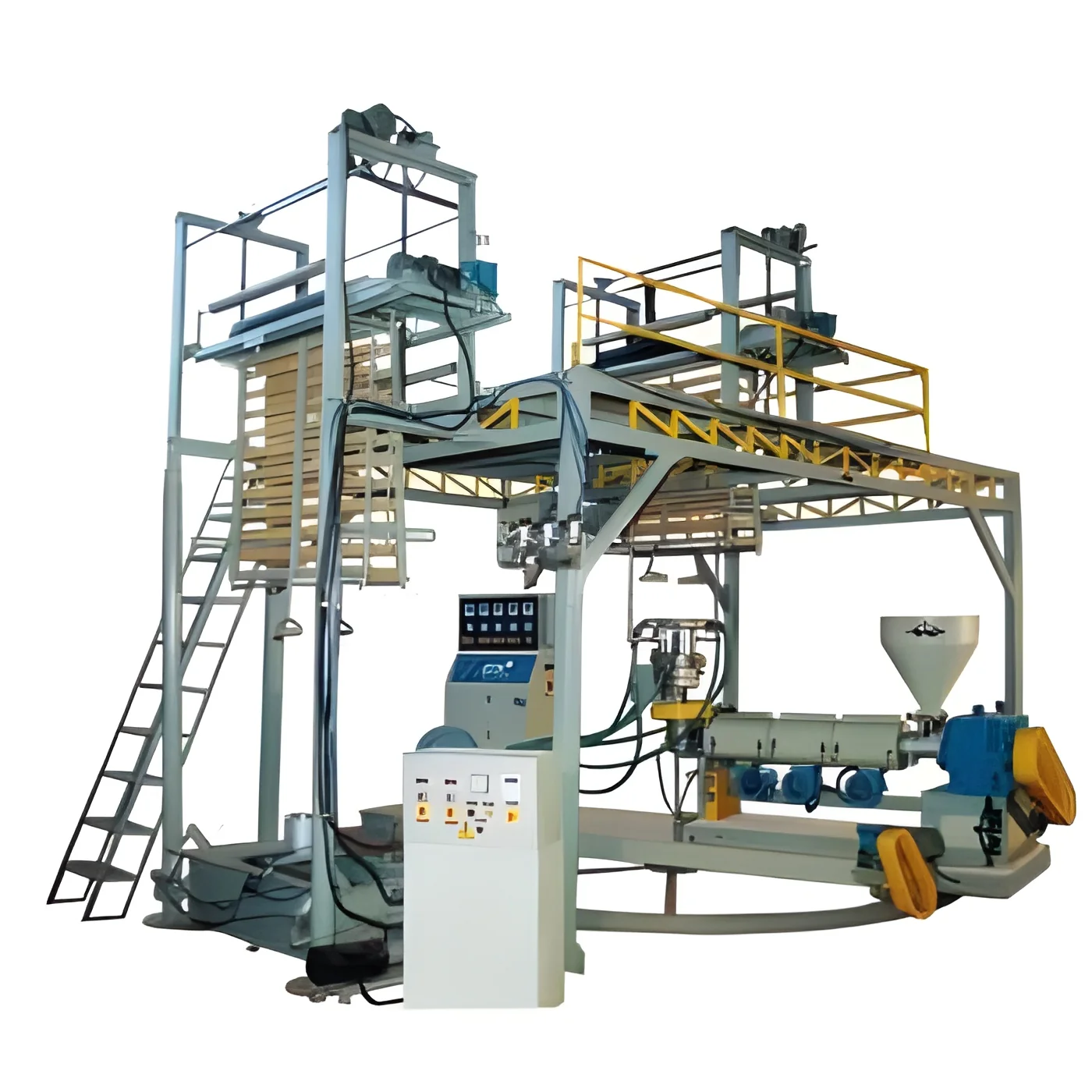
What are Shrink Wrapping Machines for Industrial Use?
Shrink wrapping machines for industrial use are specialized packaging systems designed to encase products in a plastic film that is then heated to shrink tightly around the item. This process provides a secure, protective layer that helps safeguard products from dust, moisture, and damage during transportation and storage. These machines are integral in various manufacturing and distribution settings, where efficiency and product integrity are paramount.
The primary applications of shrink wrapping machines include packaging food items, consumer goods, electronics, and industrial components. Businesses utilize these machines to enhance the safety and presentation of their products. By using shrink wrapping, companies can optimize their packing process, reduce waste, and improve shelf life. As industries increasingly focus on automation and efficiency, shrink wrapping machines have become essential tools to maintain competitive advantage in the market.
In the current industrial landscape, shrink wrapping machines are gaining traction due to the rising demand for efficient packaging solutions. With growing concerns about product safety and sustainability, the market for these machines continues to expand. Industries are investing in advanced technology to meet consumer expectations and regulatory requirements, thereby driving innovation within this sector.
Key Features and Specifications
Shrink wrapping machines come equipped with various features aimed at enhancing performance and efficiency. When considering a machine, it is essential to review its specifications to ensure it meets your operational needs.
Key specifications include:
1. Film Type
- Compatibility with various film materials such as PVC, PE, and POF
- Ability to handle different thicknesses and widths for diverse applications
2. Production Speed
- Measured in packs per minute (PPM)
- Ranges typically from 10 to 40 PPM, depending on the model
3. Machine Dimensions
- Overall machine size and footprint for space planning
- Weight specifications for installation considerations
4. Power Requirements
- Voltage and wattage needed for efficient operation
- Options for energy-efficient models
5. Control Systems
- User-friendly interfaces with programmable settings
- Integration capabilities with existing production lines
6. Temperature Control
- Precise temperature settings for optimal shrinking
- Range of heating elements to accommodate different products
7. Safety Features
- Emergency stop buttons and safety guards
- Compliance with safety standards to protect operators
8. Maintenance Needs
- Frequency and type of maintenance required
- Availability of spare parts and service support
In summary, understanding the features and specifications of shrink wrapping machines is vital for making an informed purchasing decision. The right machine can significantly enhance productivity and product safety.
Common Applications and Use Cases
Shrink wrapping machines serve various industries by providing efficient packaging solutions that protect products during transport and storage.
1. Food and Beverage: These machines are widely used to package perishable goods, ensuring freshness and extending shelf life. Shrink wrapping helps prevent contamination and maintains product integrity.
2. Consumer Goods: Companies use shrink wrapping for retail products including toys, cosmetics, and electronics. This packaging enhances presentation while keeping items secure on store shelves.
3. Pharmaceuticals: Shrink wrapping is essential in the pharmaceutical industry for packaging medications and medical devices. It ensures tamper evidence and compliance with stringent regulatory standards.
4. Industrial Components: Manufacturers often use shrink wrapping to package parts and equipment, protecting them from corrosion and damage during shipping.
5. E-commerce: With the growth of online shopping, shrink wrapping machines are increasingly used to secure products for delivery, enhancing customer satisfaction through reliable packaging.
6. Printing and Publishing: Shrink wrapping is used to bundle books, magazines, and brochures, allowing for organized display and protection from environmental factors.
7. Electronics: This industry benefits from shrink wrapping to package sensitive devices, safeguarding them from moisture and physical damage.
Product Variants and Subcategories
Shrink wrapping machines come in various types to meet different packaging needs. Each variant offers unique features tailored for specific applications.
Automatic Shrink Wrapping Machines
These machines are designed for high-volume production environments. They provide automated processes for wrapping items quickly, reducing labor costs and increasing efficiency.
Semi-Automatic Shrink Wrapping Machines
These machines require some manual input but significantly streamline the wrapping process. They are ideal for businesses with moderate production demands, balancing automation with flexibility.
L-Sealers
L-sealers are compact machines that seal the film around the product in an L-shape before shrinking. They are suitable for smaller items and are often used in retail packaging.
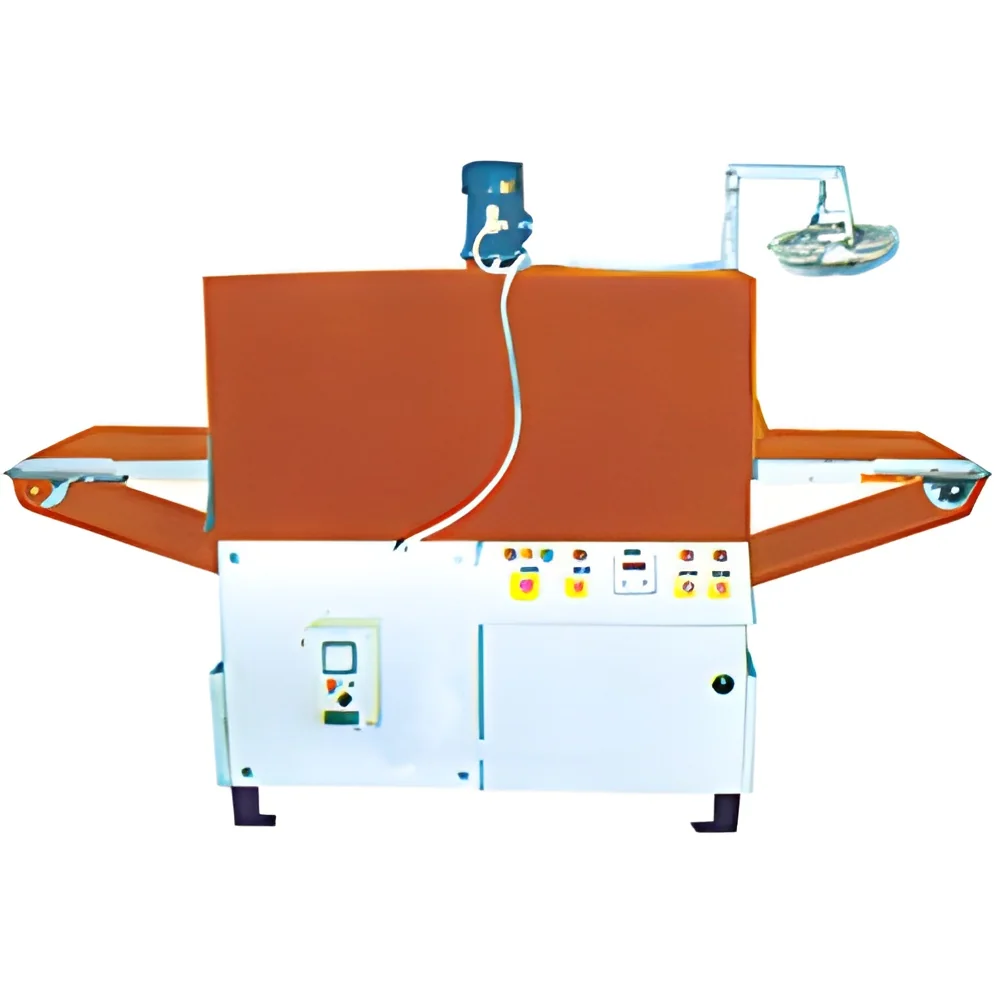
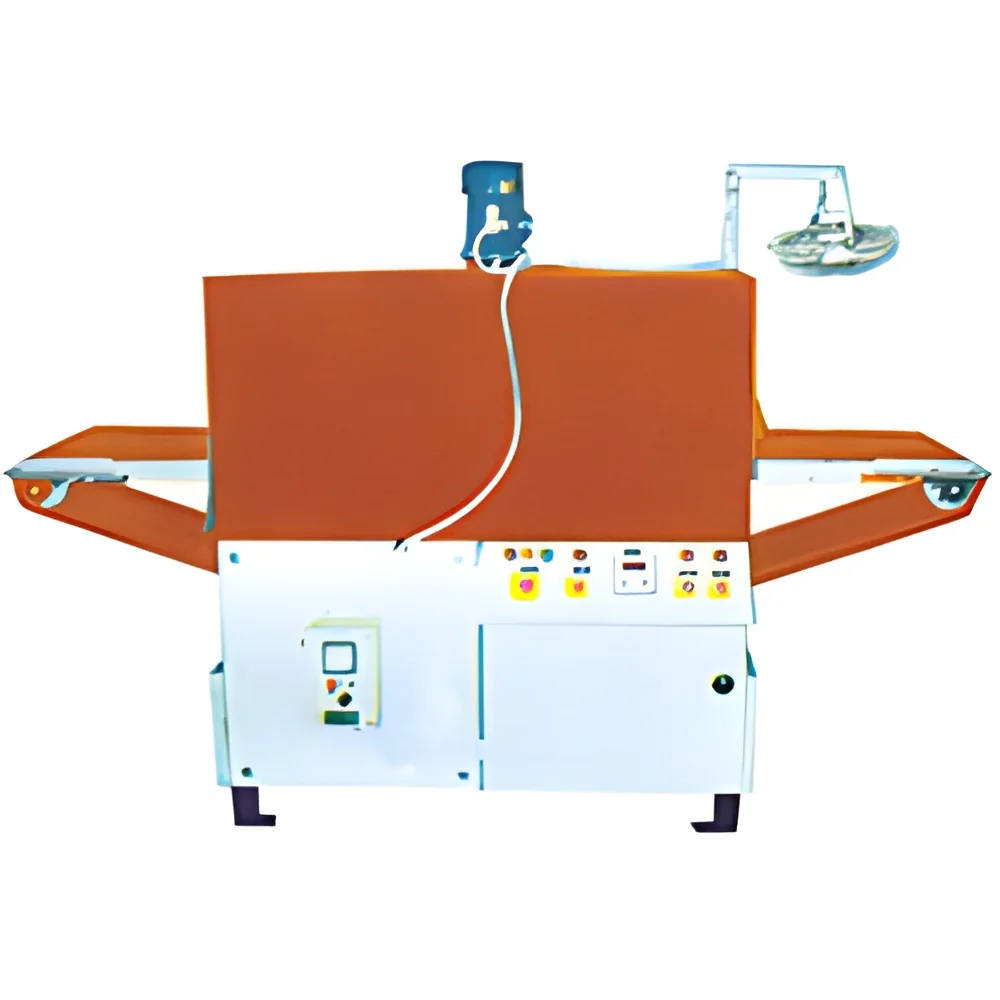
Shrink Tunnels
Often used in conjunction with sealing machines, shrink tunnels heat the wrapped products to shrink the film tightly. They are essential for achieving a professional finish and ensuring product protection.
Benefits and Advantages
Investing in shrink wrapping machines provides numerous advantages for businesses looking to enhance their packaging processes.
1. Enhanced Product Protection: Shrink wrapping provides a tight seal that protects products from moisture, dust, and physical damage during transportation.
2. Improved Shelf Life: The airtight seal helps maintain freshness and extends the shelf life of perishable goods, particularly in the food industry.
3. Cost-Effective Packaging: Shrink wrapping can reduce material waste and lower packaging costs, making it an economical choice for businesses.
4. Increased Efficiency: Automated shrink wrapping machines improve production speed, allowing companies to meet higher demand with less labor.
5. Customizable Packaging: Shrink wrapping allows for a variety of shapes and sizes, accommodating diverse product dimensions and enhancing branding opportunities.
6. Tamper Evidence: Shrink wrapping provides a visible indication of tampering, which is particularly important in the food and pharmaceuticals sectors.
Buying Guide for B2B Buyers
When sourcing shrink wrapping machines for industrial use, it’s essential to consider several critical factors to ensure you choose the right equipment for your business needs.
1. Quality Assessment: Evaluate the machine's build quality and performance standards. Look for certifications and reviews from other users to gauge reliability.
2. Supplier Verification: Vet potential suppliers by checking their industry reputation and history. Verify their compliance with relevant standards and certifications.
3. Pricing and MOQ: Understand the pricing structure and inquire about minimum order quantities. Compare costs across different suppliers to find the best value.
4. Delivery and Lead Times: Clarify logistics, including lead times for delivery. Ensure that the supplier can meet your production schedule and operational needs.
5. Compliance Requirements: Familiarize yourself with any regulatory compliance that applies to your industry. Ensure the machines meet safety and quality standards relevant to your operations.
Compliance and Certifications
Shrink wrapping machines must adhere to certain quality standards and certifications to ensure safety and reliability in industrial environments. Common quality standards include ISO 9001, which focuses on quality management systems, and HACCP, which ensures food safety through systematic preventive approaches.
Additionally, many machines carry CE certification, indicating compliance with European health, safety, and environmental protection standards. This certification is vital for machines that will be used in the European market.
Safety and testing requirements are also critical, as machines must be designed to protect operators and minimize risks during operation. Regular testing and maintenance should be enforced to ensure ongoing compliance with safety standards.
Regional compliance considerations may vary, necessitating awareness of local regulations governing packaging machinery. Businesses should ensure their chosen shrink wrapping machines comply with all relevant local laws and regulations.
Why Source Shrink Wrapping Machines for Industrial Use from Pepagora?
Pepagora provides a trusted platform for sourcing shrink wrapping machines for industrial use, offering several key advantages to B2B buyers.
Verified Supplier Network: Pepagora connects businesses with vetted suppliers, ensuring that buyers can access high-quality machines from reputable sources. This network reduces the risk of purchasing substandard equipment.
Streamlined RFQ Process: The platform simplifies the request for quotation process, allowing buyers to quickly receive competitive quotes from multiple suppliers. This efficiency saves time and supports informed decision-making.
Trade Assurance and Support: Pepagora offers buyer protection through trade assurance, ensuring that transactions are secure. The support team is available to assist throughout the purchasing process, addressing any concerns that may arise.
Regional Coverage: With a broad geographic reach, including India, the GCC, and Southeast Asia, Pepagora facilitates access to a diverse range of suppliers and machines suited to various industrial needs. This expansive coverage ensures that buyers can find suitable options regardless of their location.
By choosing Pepagora, businesses can confidently navigate the market for shrink wrapping machines, ensuring they find the right equipment to enhance their packaging processes.

 IN
IN