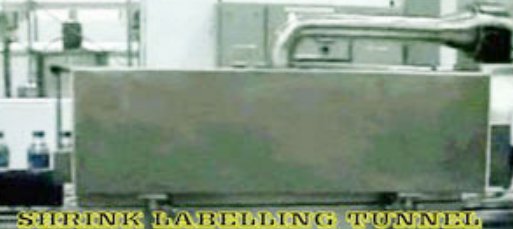
What are Shrink Sleeve Labeling Machines?
Shrink sleeve labeling machines are specialized equipment designed to apply shrink sleeves onto products, typically bottles and containers. These machines utilize heat to conform the sleeve tightly around the product, creating a secure and visually appealing label. The process not only enhances the product’s appearance but also provides tamper evidence and product information, making it a popular choice in various industries.
These machines are widely used in sectors such as food and beverage, cosmetics, pharmaceuticals, and consumer goods. They are ideal for products where a full-body label is desirable, allowing for creative branding and marketing opportunities. The adaptability of shrink sleeve labeling machines makes them suitable for both high-speed production lines and smaller operations, providing businesses with flexibility in their labeling processes.
With the increasing demand for visually engaging packaging and the need for secure labeling solutions, shrink sleeve labeling machines have become essential in the industrial landscape. Their relevance in the market is amplified by the growth of e-commerce and the emphasis on product presentation, making them a vital investment for businesses looking to enhance their packaging capabilities.
Key Features and Specifications
Shrink sleeve labeling machines offer a range of features tailored to improve efficiency and output quality. Understanding these features helps buyers select the right machine for their needs. Key specifications include:
1. Labeling Speed
- The speed at which the machine can apply labels to products.
- Typical ranges from 30 to 600 bottles per minute, depending on the model.
2. Label Size Compatibility
- The range of label sizes that the machine can accommodate.
- Can handle labels from small pouches to large wrap-around sleeves.
3. Product Size Range
- The range of product dimensions that the machine can effectively label.
- Suitable for various shapes including cylindrical, oval, and square containers.
4. Heating Method
- The technology used to shrink the labels onto the products.
- Options include steam, electric, or hot air systems.
5. Control System
- The type of controls used to operate the machine.
- Can include manual, semi-automatic, or fully automated systems.
6. Material Compatibility
- The types of label materials that can be used.
- Typically compatible with PVC, PET, and biodegradable films.
7. Changeover Time
- The time required to switch from one product or label type to another.
- Efficient designs may allow for quick adjustments, often under 30 minutes.
8. Safety Features
- Built-in mechanisms to ensure safe operation.
- May include emergency stop buttons, safety guards, and automatic shutdown features.
These specifications provide a comprehensive overview of what to expect from shrink sleeve labeling machines and help businesses make informed purchasing decisions.
Common Applications and Use Cases
Shrink sleeve labeling machines are versatile tools used across various industries. Their adaptability allows for a wide range of applications.
1. Food and Beverage: These machines are commonly used to label bottles of water, sauces, and beverages. The shrink sleeves provide tamper-evident seals and vibrant graphics that enhance branding.
2. Cosmetics and Personal Care: In this sector, shrink sleeves are ideal for labeling products such as shampoos, lotions, and creams. The full-body labels allow for intricate designs that attract consumers.
3. Pharmaceuticals: Shrink sleeve labeling is critical for pharmaceutical products, ensuring compliance with labeling regulations while providing a professional appearance.
4. Household Products: Cleaning supplies and other household items often utilize shrink sleeves for labeling, ensuring product information is clearly displayed and visually appealing.
5. Electronics: Many electronics and accessories use shrink sleeves for branding, ensuring that the product information is secure and well-presented.
This broad usage illustrates the importance of shrink sleeve labeling machines in enhancing product presentation and compliance across multiple sectors.
Product Variants and Subcategories
Shrink sleeve labeling machines come in various configurations to meet different production needs. While specific subcategories are not available, the diversity in features allows businesses to select machines that best fit their operational requirements.
Automatic Shrink Sleeve Labeling Machines
These machines are designed for high-volume production. They provide fast labeling speeds and are equipped with advanced automation for minimal manual intervention.
Semi-Automatic Shrink Sleeve Labeling Machines
Ideal for smaller operations, these machines require some manual setup but offer flexibility for various product sizes. They are suitable for businesses with lower production rates.
Manual Shrink Sleeve Labeling Machines
These are entry-level machines designed for small batches or startups. They are cost-effective and perfect for businesses that need to label a limited number of products.
Benefits and Advantages
Investing in shrink sleeve labeling machines delivers numerous advantages for businesses.
1. Enhanced Branding: Shrink sleeves offer full-body coverage for eye-catching designs that can significantly improve product visibility on shelves.
2. Tamper Evidence: The shrink sleeve provides a secure seal that indicates if a product has been tampered with, helping to ensure consumer safety.
3. Versatility: These machines can handle a variety of product shapes and sizes, making them suitable for diverse product lines.
4. Cost Efficiency: Automatic machines can increase production speed and reduce labor costs, leading to improved overall efficiency.
5. Ease of Use: Modern machines are designed for straightforward operation, reducing the learning curve for new users.
6. Compliance: Shrink sleeves can be printed with necessary regulatory information, aiding in compliance with industry standards.
These benefits make shrink sleeve labeling machines a valuable asset for any business looking to enhance its packaging solutions.
Buying Guide for B2B Buyers
When considering the purchase of shrink sleeve labeling machines, buyers should evaluate several key factors to ensure they choose the right equipment.
1. Quality Assessment: Look for machines that meet industry standards and have a proven track record of reliability. Consider factors such as durability and ease of maintenance.
2. Supplier Verification: Vet potential suppliers to ensure they have a solid reputation. Check for reviews, testimonials, and any certifications that indicate quality and service reliability.
3. Pricing and MOQ: Understand the pricing structure and minimum order quantities. Compare quotes from different suppliers to ensure competitive pricing without compromising quality.
4. Delivery and Lead Times: Discuss delivery timelines and lead times to ensure the machine can be integrated into your production schedule without delays.
5. Compliance Requirements: Ensure the machine complies with relevant regulations and industry standards. This could include safety certifications and operational guidelines.
By considering these factors, B2B buyers can make informed decisions that align with their operational needs.
Compliance and Certifications
Compliance and certifications are critical aspects of shrink sleeve labeling machines. Adhering to relevant quality standards ensures that manufacturers deliver reliable products.
Many machines comply with ISO 9001, a standard that outlines quality management principles aimed at enhancing customer satisfaction through effective processes. This certification indicates that the manufacturer has implemented a quality management system.
In addition, machines often meet HACCP (Hazard Analysis Critical Control Point) guidelines, especially in food and beverage applications, ensuring safety throughout the production process.
CE certification is another important compliance mark, indicating that the machine meets EU safety, health, and environmental protection requirements.
It is also essential to consider regional compliance, as different markets may have specific regulations governing labeling and packaging. Ensuring that the machine adheres to these requirements helps businesses avoid potential legal issues.
Why Source Shrink Sleeve Labeling Machines from Pepagora?
Pepagora offers a reliable platform for sourcing shrink sleeve labeling machines, providing several key advantages for B2B buyers.
Verified Supplier Network: Pepagora ensures that all suppliers on its platform are thoroughly vetted. This verification process helps buyers find trustworthy manufacturers who meet quality and service expectations.
Streamlined RFQ Process: The request for quotation (RFQ) system on Pepagora simplifies the procurement process. Buyers can easily request quotes from multiple suppliers, enabling them to compare options and make informed purchasing decisions.
Trade Assurance and Support: Pepagora provides trade assurance to protect buyers against potential risks. This support includes assistance with logistics and payment security, ensuring a smooth transaction.
Regional Coverage: With a strong presence in India and the GCC, as well as expanding into Southeast Asia, Pepagora connects buyers with suppliers across various regions, facilitating access to global markets.
By sourcing shrink sleeve labeling machines through Pepagora, businesses can enhance their operational efficiency while ensuring high standards of quality and service.

 IN
IN