
 IN
Serving Bowls
33 products available
What are Serving Bowls?
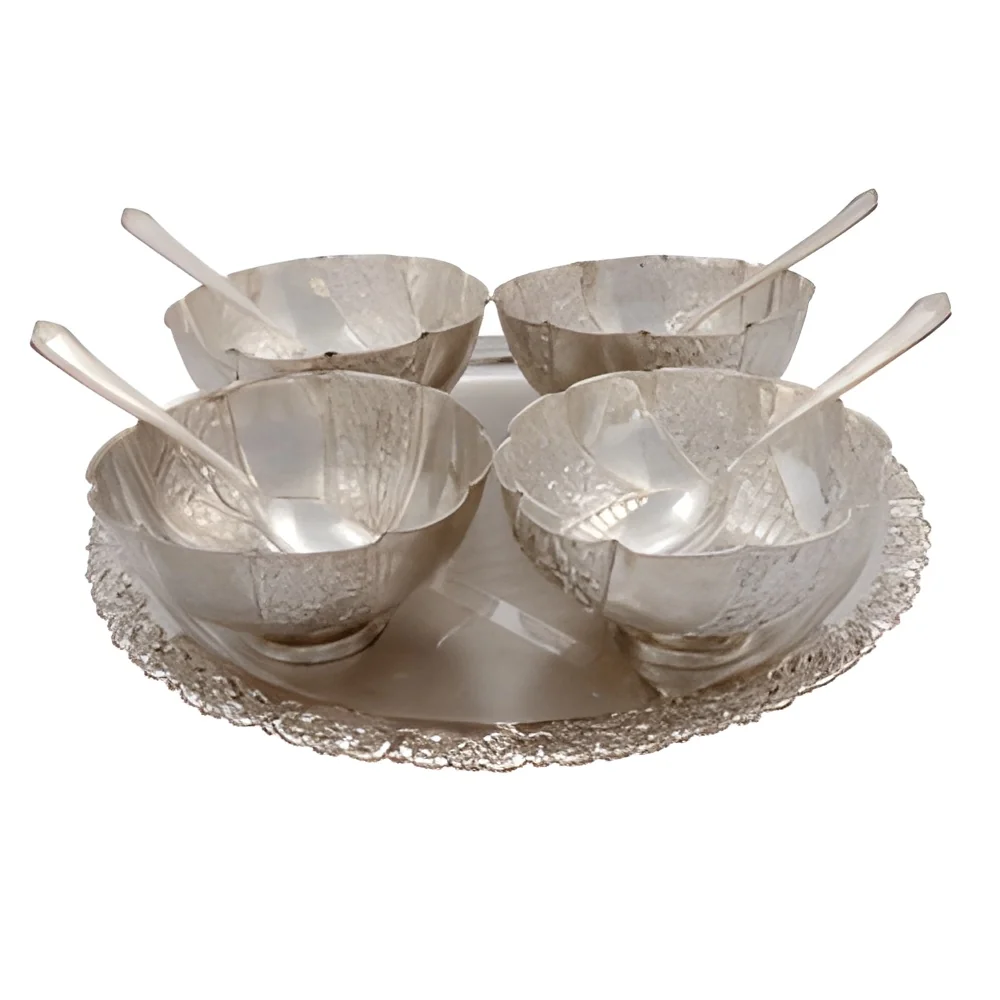
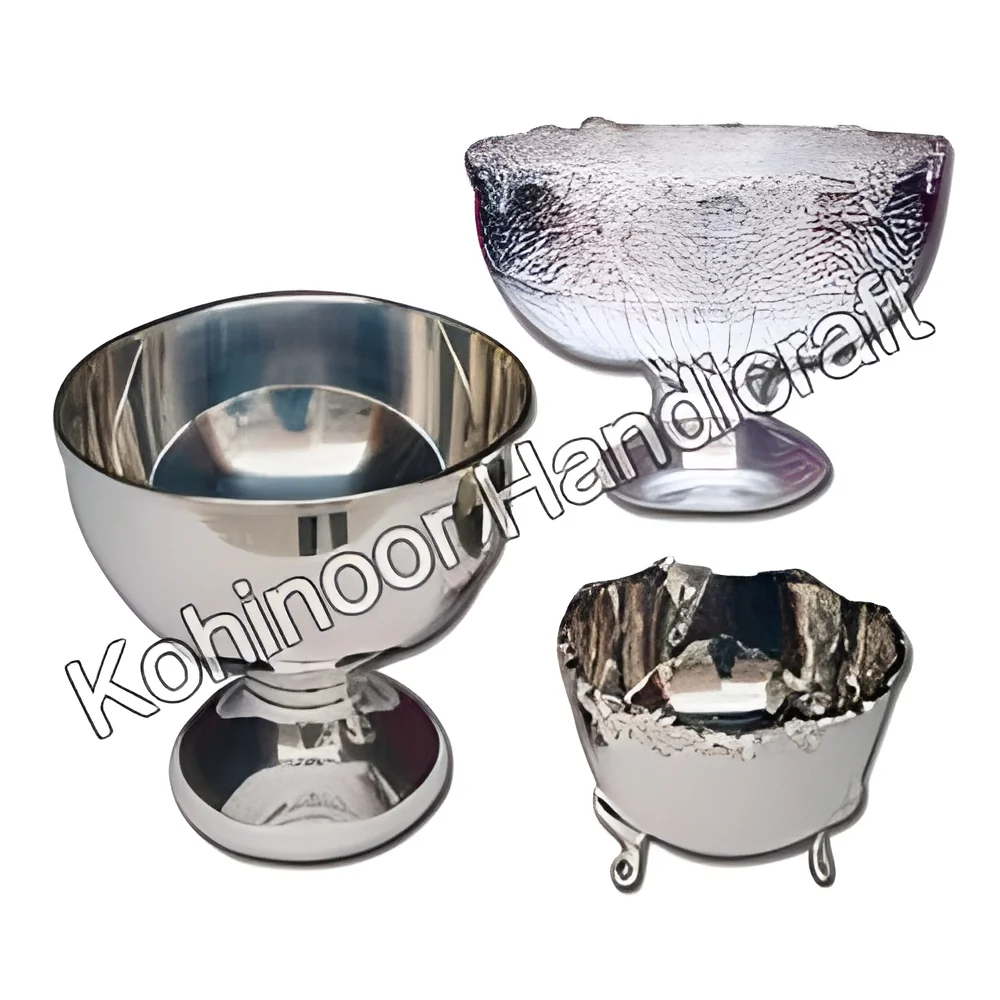
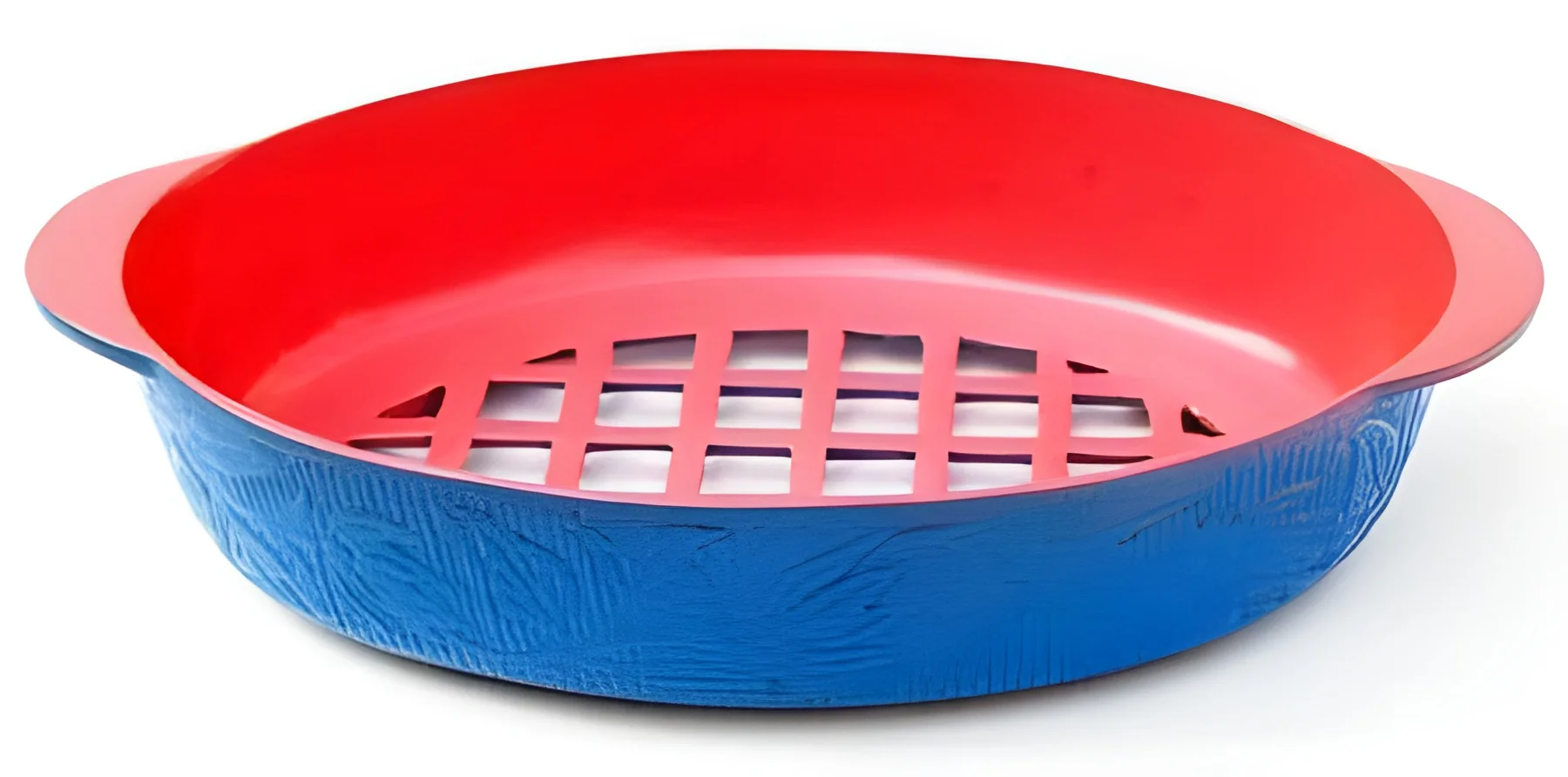
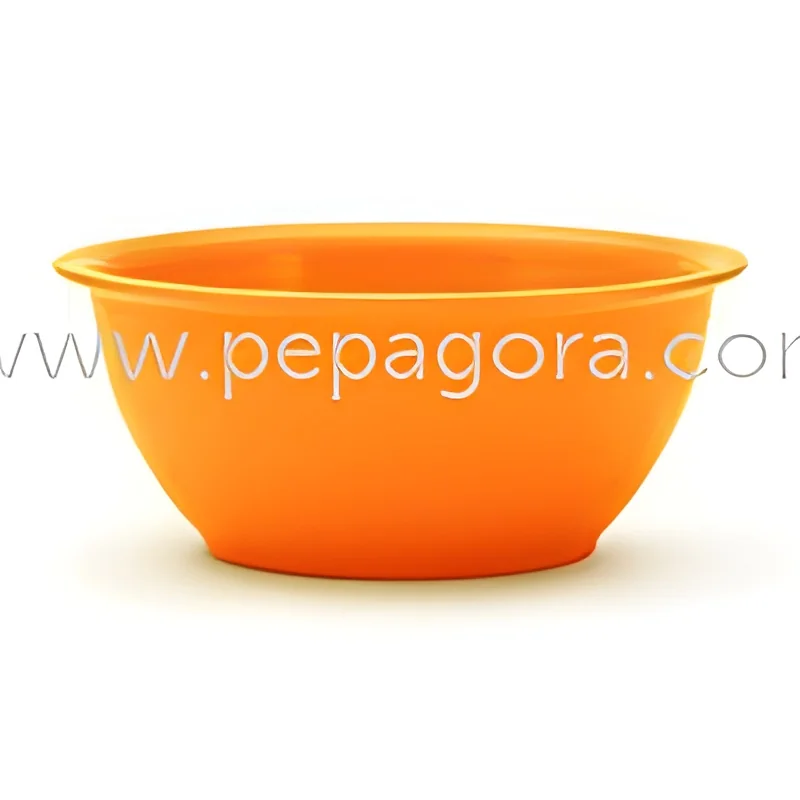
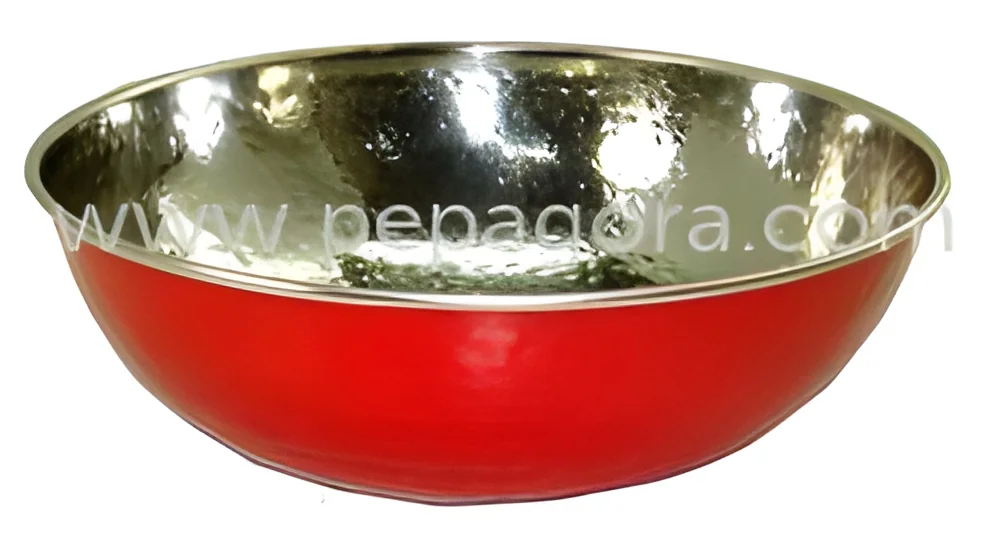
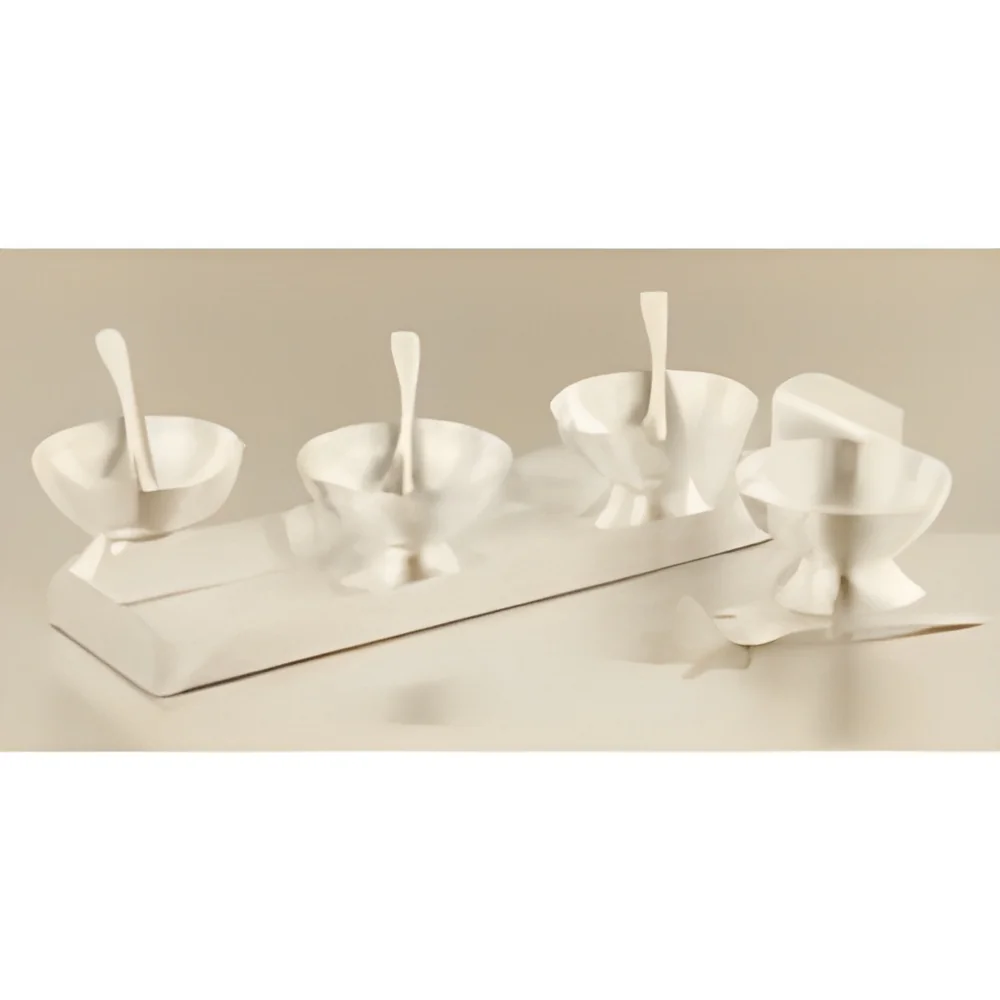
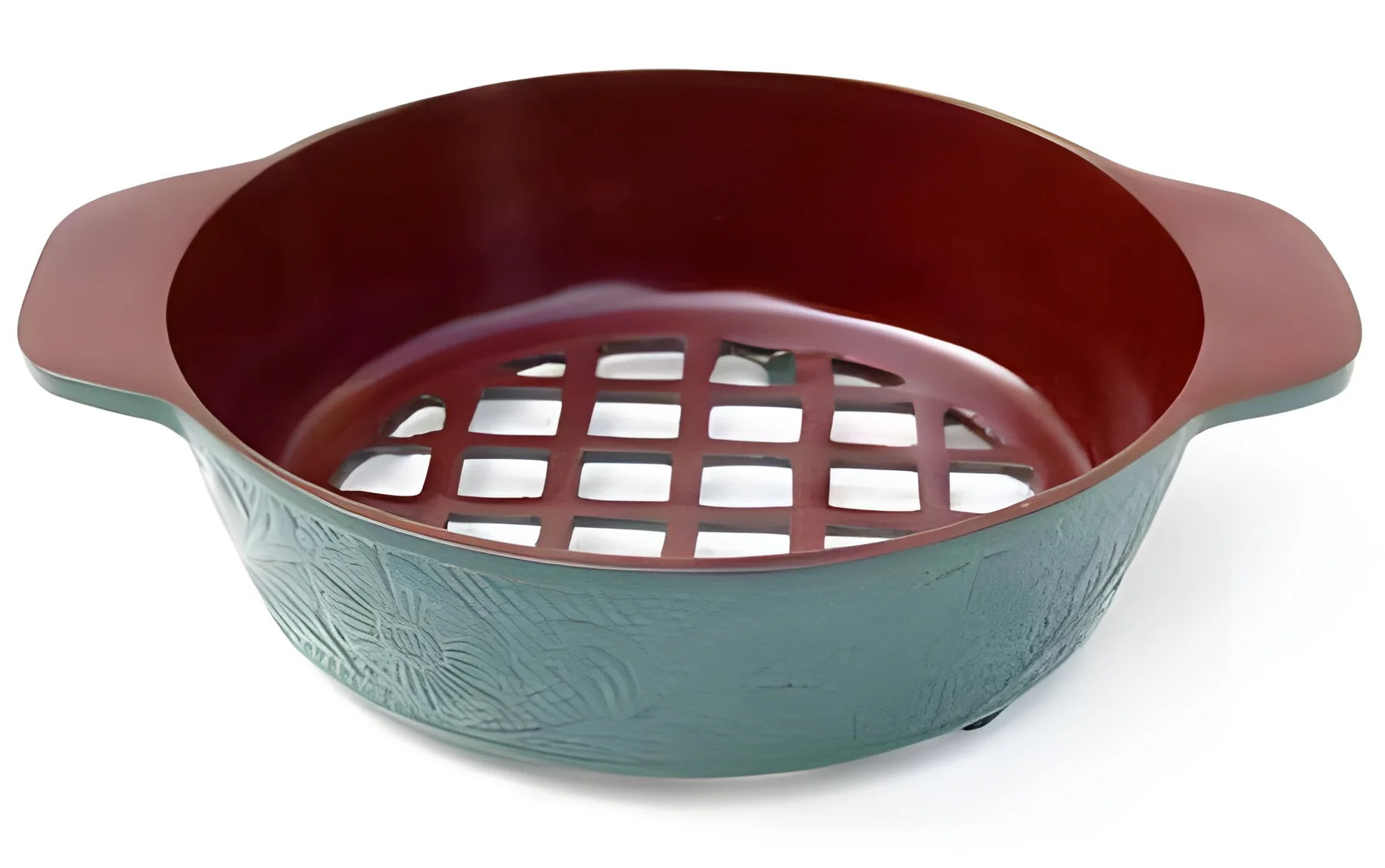
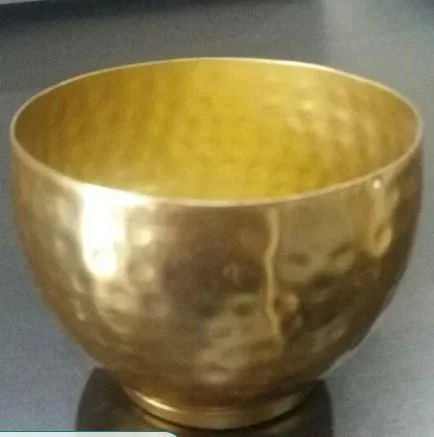
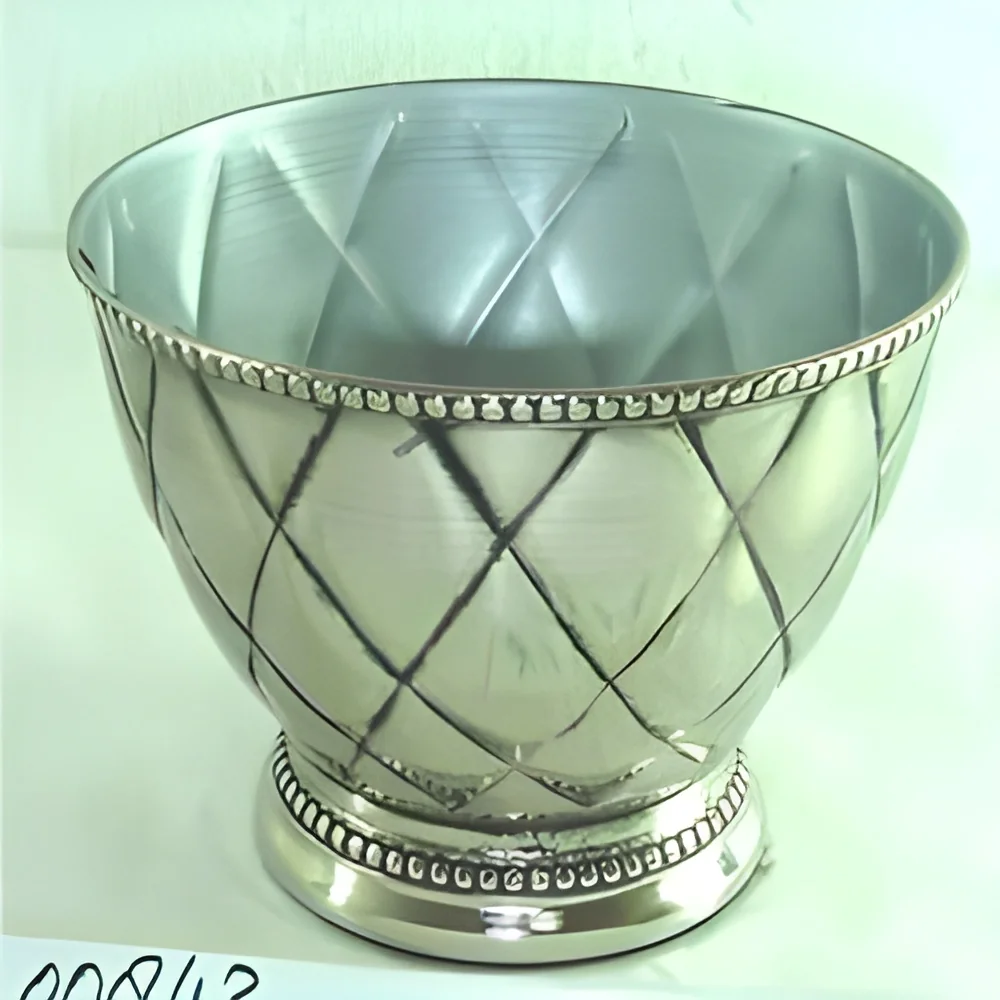
Serving bowls are versatile kitchenware designed to hold and present food in various settings, from casual dining to formal events. These bowls come in a range of sizes, materials, and designs, allowing them to cater to diverse culinary needs. Typically round or oval in shape, serving bowls can be crafted from materials such as ceramic, glass, stainless steel, or plastic, each offering unique aesthetic and functional benefits.
In a business context, serving bowls are commonly used in the food service industry, catering businesses, and restaurants. They play a crucial role in food presentation, enhancing the dining experience for customers. Additionally, serving bowls are utilized in buffets and events, where they facilitate easy access to a variety of dishes. The market for serving bowls continues to grow, driven by trends in food presentation and the increasing focus on dining aesthetics.
Key Features and Specifications
When considering serving bowls, it is important to understand their features and specifications. These products are designed to meet the needs of various businesses while ensuring durability and functionality.
Key specifications include:
1. Material
- Common materials include ceramic, glass, stainless steel, and plastic.
- Each material offers different aesthetic and functional properties, such as heat resistance or ease of cleaning.
2. Size
- Serving bowls come in various sizes, ranging from small (1-2 quarts) to large (5-10 quarts).
- The size chosen often depends on the type of dish being served and the number of guests.
3. Shape
- Available shapes include round, oval, and square.
- The shape can impact both presentation and space efficiency.
4. Design
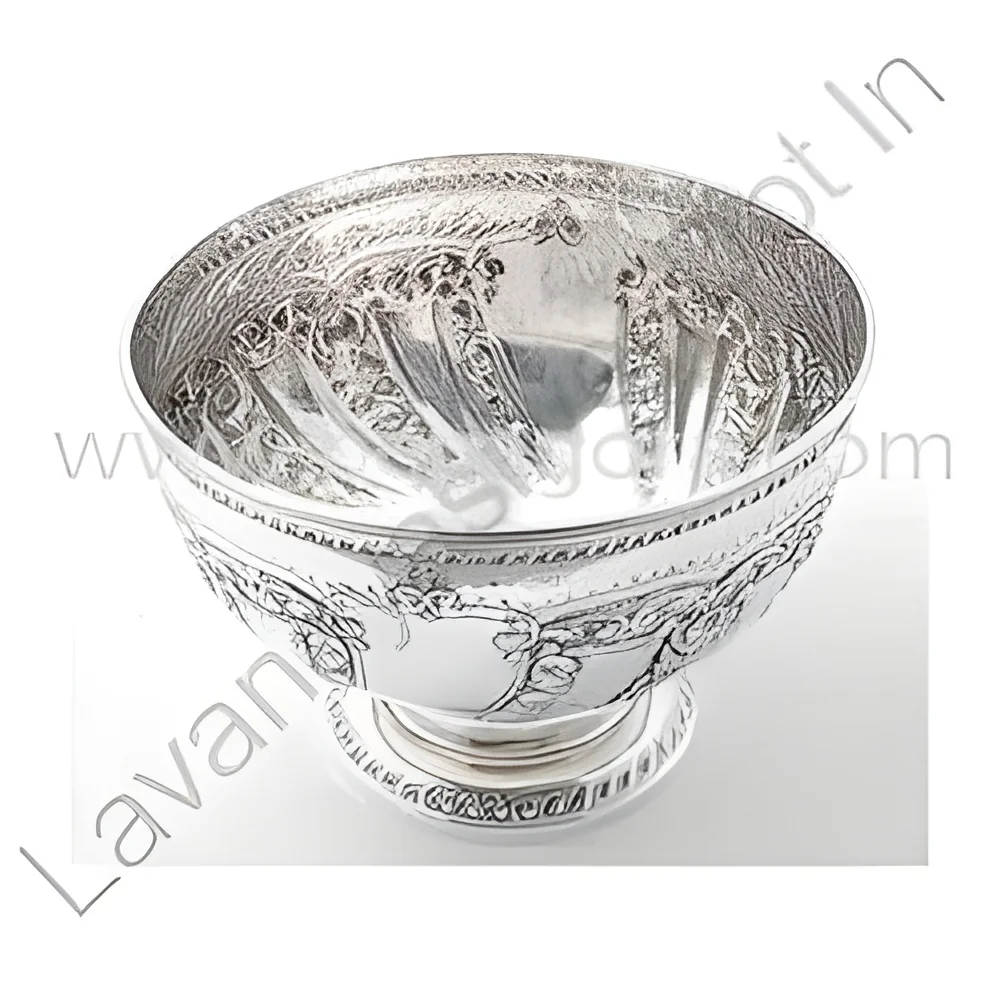
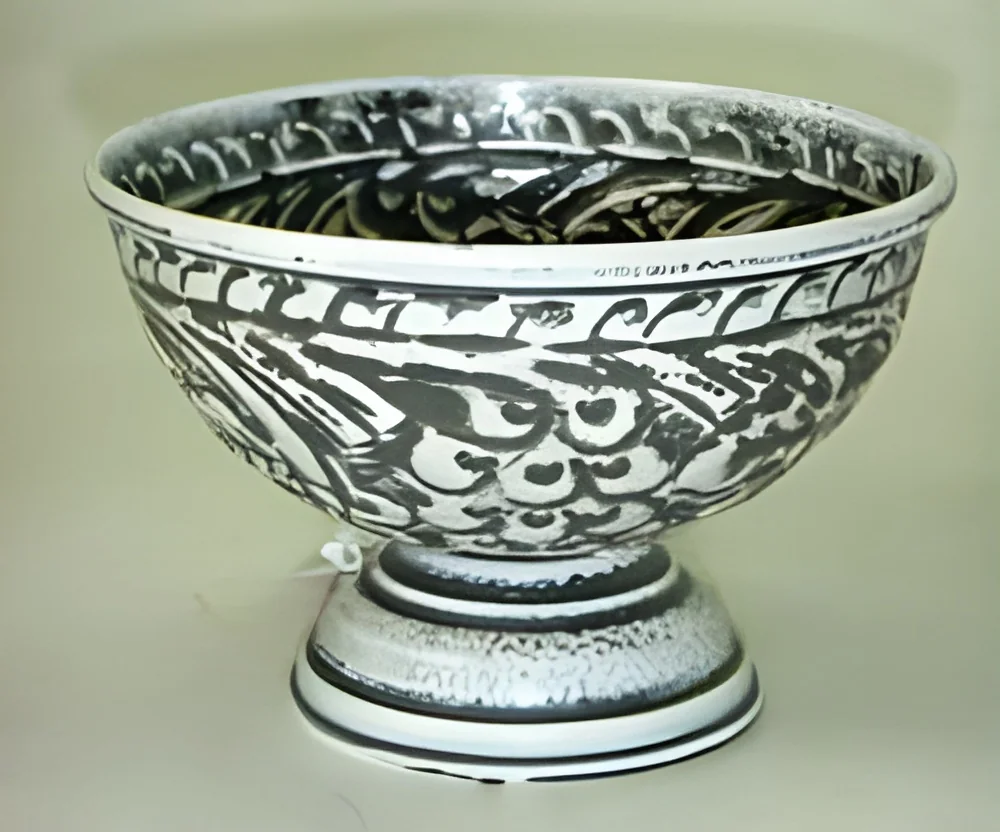
- Designs may vary from simple and functional to ornate and decorative.
- Aesthetic appeal can enhance the overall dining experience.
5. Temperature Resistance
- Many serving bowls are designed to withstand high temperatures.
- This feature is essential for serving hot dishes directly from the oven or stove.
6. Dishwasher Safe
- Some serving bowls are dishwasher safe, making them easier to clean.
- This feature is particularly beneficial in commercial settings with high turnover.
7. Stackability
- Certain designs allow for easy stacking, saving storage space.
- This is advantageous for businesses with limited kitchen space.
8. Customization Options
- Many suppliers offer customization, allowing businesses to add branding or specific designs.
- This can enhance brand visibility in catering or food service environments.
In summary, understanding the features and specifications of serving bowls is crucial for businesses looking to enhance their food presentation and service efficiency.
Common Applications and Use Cases
Serving bowls find applications across various industries, showcasing their versatility.
1. Food Service: In restaurants and cafes, serving bowls are essential for presenting dishes to customers. They enhance the dining experience and make food visually appealing.
2. Catering: Catering companies use serving bowls to display a variety of dishes at events. They allow guests to serve themselves, facilitating a buffet-style service.
3. Hospitality: Hotels and resorts often use serving bowls in their dining areas for breakfast buffets or special events, providing an attractive way to serve food.
4. Retail: Grocery stores and specialty food shops may use serving bowls for in-store sampling or food displays, drawing attention to products.
5. Home Goods: Retailers sell serving bowls as part of kitchenware collections, appealing to consumers looking to enhance their home dining experiences.
6. Event Planning: Event planners often incorporate serving bowls into their designs for weddings and corporate functions, ensuring that food presentation aligns with the event's theme.
7. Educational Institutions: Schools and universities utilize serving bowls in cafeterias, allowing for efficient food service during meal times.
Product Variants and Subcategories
Serving bowls come in various designs and materials, catering to different business needs.
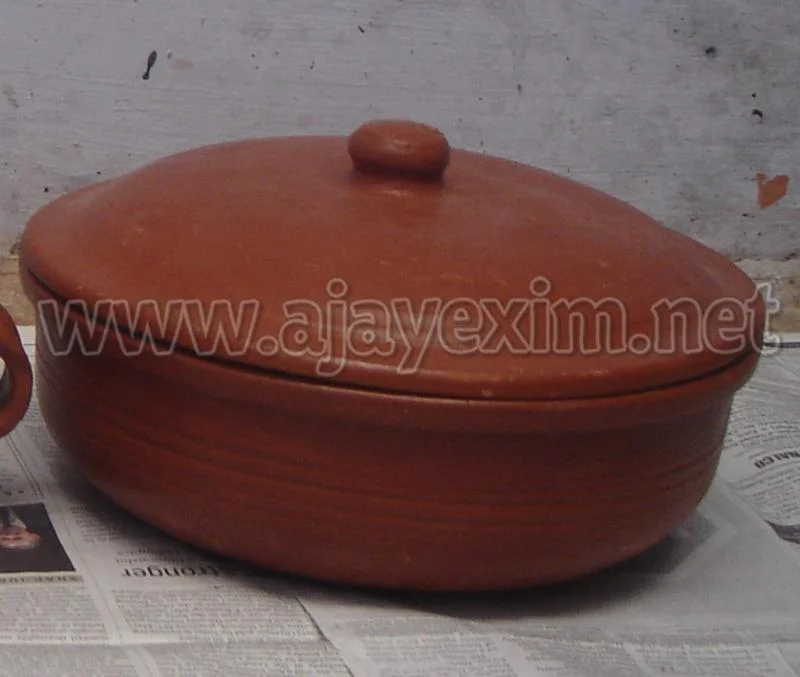
Ceramic Serving Bowls
These bowls are known for their elegant appearance and are often used in fine dining settings. They come in various colors and patterns, adding a decorative touch to any table.
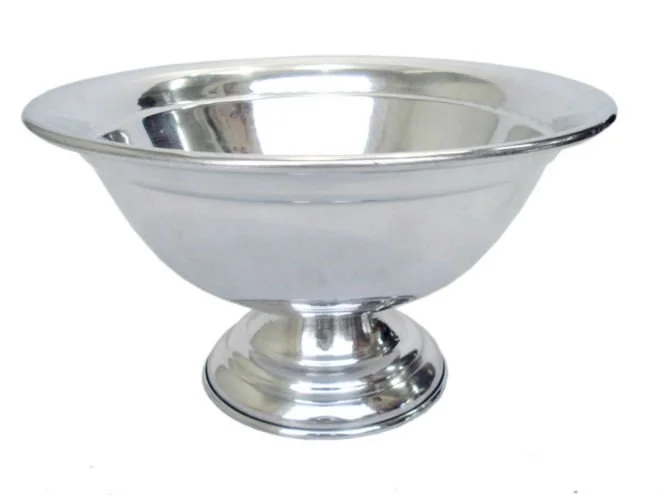
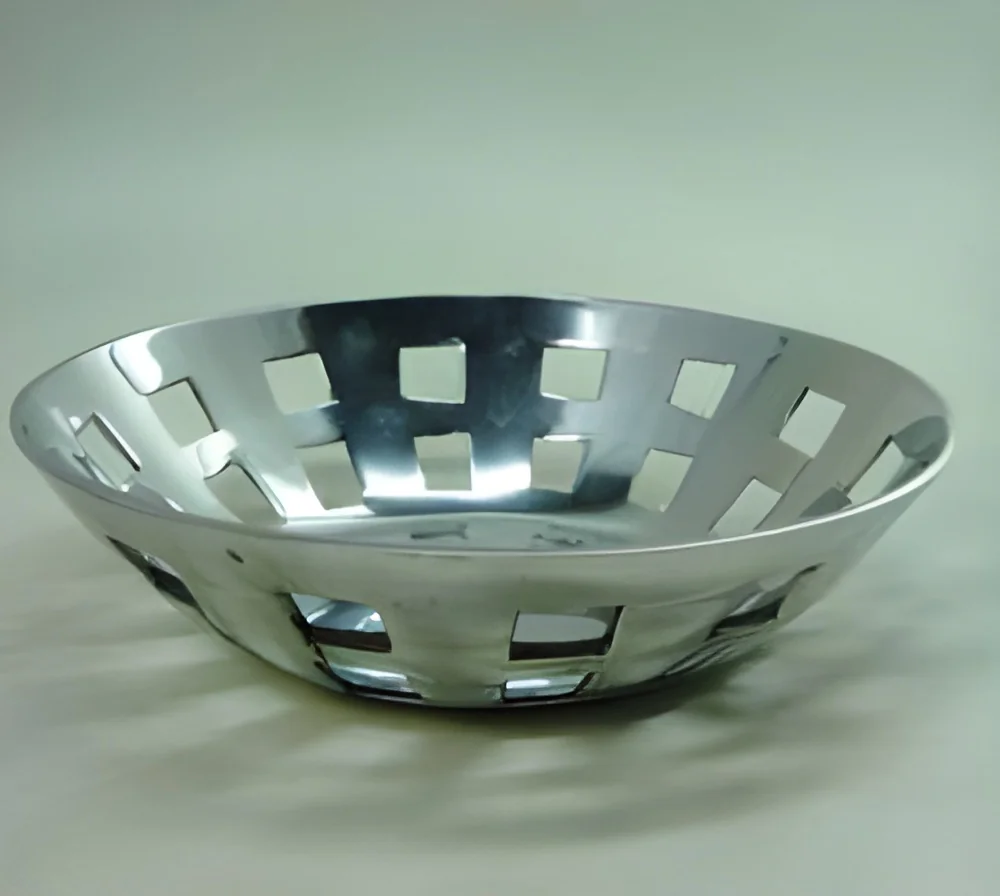
Stainless Steel Serving Bowls
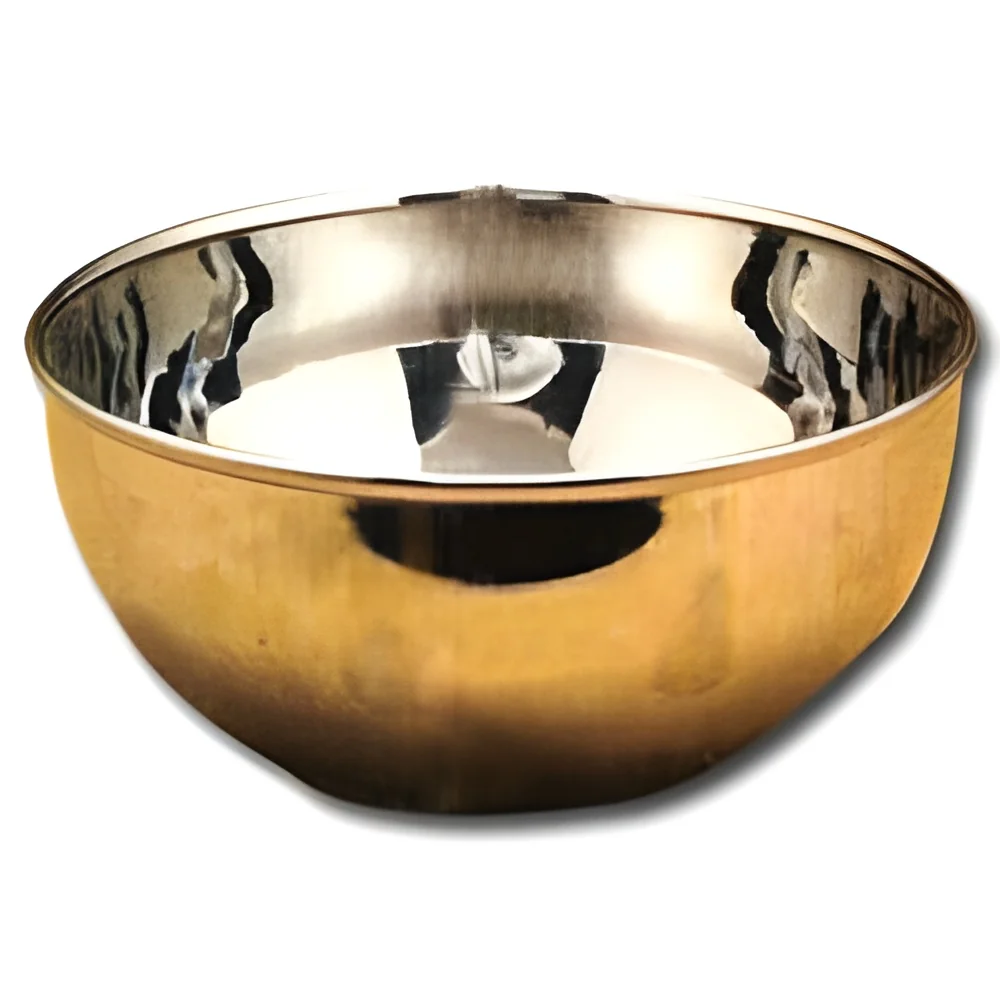
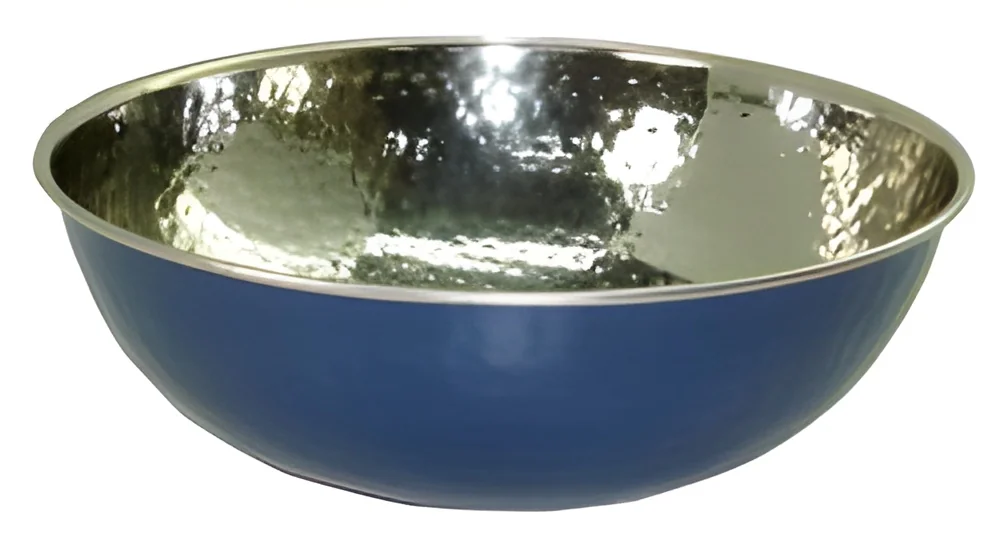
Durable and easy to clean, stainless steel bowls are ideal for commercial kitchens. They are resistant to staining and can withstand high temperatures, making them suitable for a variety of dishes.
Glass Serving Bowls
Glass bowls provide a sleek and modern look, making them popular for buffet displays. They are often used for salads, desserts, and other visually appealing dishes.
Plastic Serving Bowls
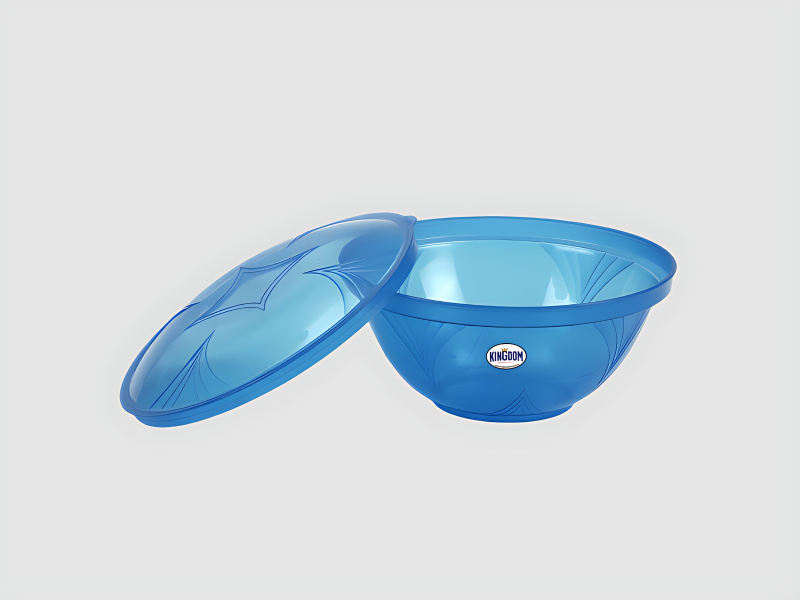
Lightweight and versatile, plastic serving bowls are perfect for outdoor events and casual dining. They are often available in vibrant colors and are easy to transport.
Benefits and Advantages
Sourcing serving bowls offers numerous advantages for businesses.
1. Enhanced Presentation: Serving bowls improve the visual appeal of dishes, making them more enticing to customers.
2. Versatility: These bowls can be used for a variety of food types, from salads to desserts, making them a practical choice for any food service business.
3. Durability: Many serving bowls are designed to withstand frequent use and cleaning, ensuring longevity in commercial settings.
4. Ease of Use: Serving bowls allow for simple self-service, enhancing customer experience in buffet-style settings.
5. Customization: Businesses can personalize serving bowls with branding or unique designs, helping to reinforce brand identity.
6. Space Efficiency: Many serving bowls are stackable, saving valuable storage space in kitchens and dining areas.
Buying Guide for B2B Buyers
When sourcing serving bowls, it is essential to consider several factors to ensure the right choice for your business needs.
1. Quality Assessment: Evaluate the materials and construction of the bowls. High-quality materials will ensure durability and longevity, especially in a commercial setting.
2. Supplier Verification: Vet suppliers thoroughly to ensure they provide reliable products. Check for reviews, certifications, and their history in the industry.
3. Pricing and MOQ: Understand the pricing structure and minimum order quantities (MOQ) required by suppliers. This will help in budget planning and inventory management.
4. Delivery and Lead Times: Discuss logistics with suppliers to ensure timely delivery. Consider the lead times necessary for your business operations.
5. Compliance Requirements: Be aware of any industry-specific regulations or standards that the serving bowls must meet, such as food safety standards.
Compliance and Certifications
Serving bowls must adhere to various quality standards and certifications to ensure safety and reliability. Common quality standards include ISO 9001, which outlines requirements for a quality management system. Additionally, HACCP (Hazard Analysis and Critical Control Points) is crucial in the food industry, focusing on food safety management.
Certifications like CE indicate that products meet European safety standards. It is essential for businesses to ensure that their serving bowls comply with relevant safety and testing requirements, particularly in food service settings. Regional compliance considerations may vary, so it is important to be aware of local regulations regarding food-safe materials and manufacturing processes.
Why Source Serving Bowls from Pepagora?
Pepagora offers a trusted platform for sourcing serving bowls, bringing several key advantages to B2B buyers.
Verified Supplier Network: Pepagora has a comprehensive network of verified suppliers, ensuring that buyers can find high-quality products with confidence. Each supplier undergoes a thorough vetting process to ensure reliability.
Streamlined RFQ Process: The Request for Quotation (RFQ) system simplifies the sourcing process, allowing businesses to easily compare offers from multiple suppliers. This efficiency helps save time and facilitates better purchasing decisions.
Trade Assurance and Support: Pepagora provides buyer protection through trade assurance, ensuring that transactions are secure. Their customer support team is available to assist buyers with any inquiries or issues that may arise.
Regional Coverage: With a strong presence in India, the GCC, and Southeast Asia, Pepagora offers geographic reach that supports businesses looking to source serving bowls from reliable suppliers across these regions. This broad coverage ensures that buyers can access a diverse range of products tailored to their specific needs.









Frequently Asked Questions
What are Serving Bowls?
Serving bowls are large bowls designed for serving food at the table. They are typically used to hold salads, pasta, rice, or other dishes meant to be shared among multiple people.
What are the different types of Serving Bowls?
Serving bowls come in various types, including ceramic, glass, metal, and plastic. Each type offers different aesthetic qualities and functional benefits, catering to diverse dining settings and preferences.
How do I choose the right Serving Bowls?
When choosing serving bowls, consider the size, material, and design that best fits your needs. Additionally, think about the occasion and the food types you will serve to ensure the bowls complement the meal.
What are the standard specifications for Serving Bowls?
Standard specifications for serving bowls include size, capacity, and material composition. Most serving bowls range from 8 to 16 inches in diameter and can hold anywhere from 2 to 8 quarts, depending on their intended use.
What is the price range for Serving Bowls?
The price of serving bowls can vary widely based on material and design, typically ranging from INR 200 to INR 5000 or more. Budget-friendly options are available, as well as high-end designer pieces.
What quality standards apply to Serving Bowls?
Quality standards for serving bowls often include durability, safety for food contact, and resistance to staining or chipping. Compliance with food safety regulations is essential to ensure that the materials used are safe for serving food.
Where can I find Serving Bowls suppliers in India?
You can find serving bowls suppliers in India through various B2B marketplaces, trade fairs, and online directories. Websites like Pepagora.com offer listings of manufacturers and suppliers specializing in serving bowls.
Can Serving Bowls be customized?
Yes, many manufacturers offer customization options for serving bowls, including personalized designs, materials, and sizes. Customization may require a minimum order quantity and can cater to specific branding needs.
What is the typical minimum order quantity for Serving Bowls?
The minimum order quantity (MOQ) for serving bowls can vary by supplier but often ranges from 50 to 100 pieces. It's advisable to check with specific manufacturers for their MOQ requirements.
What is the typical lead time for Serving Bowls?
The typical lead time for serving bowls depends on the supplier and order size, usually ranging from 2 to 6 weeks. Custom orders may require longer lead times, so it's best to confirm with the supplier.
Why Businesses Trust Pepagora
Thousands of companies trust Pepagora to source smarter and sell faster
Expand Your Sales Globally

Source Smarter,Grow Faster
