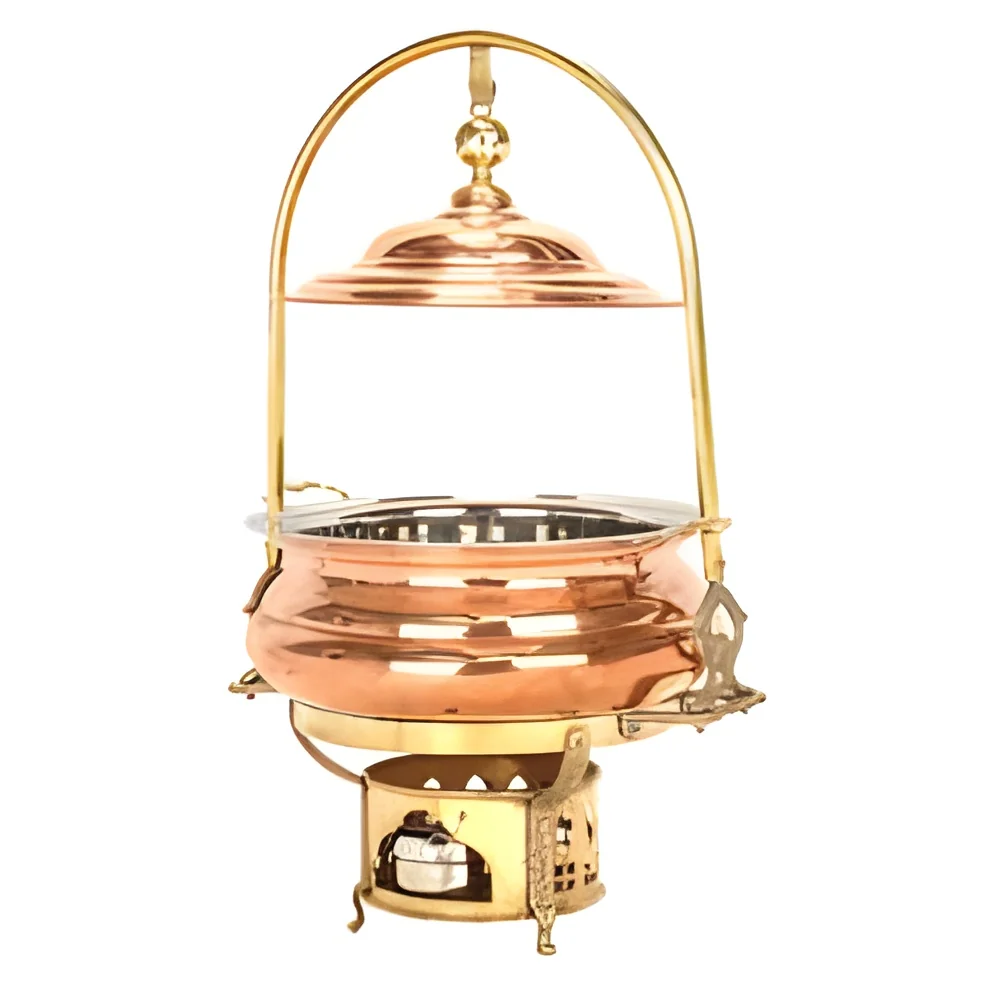
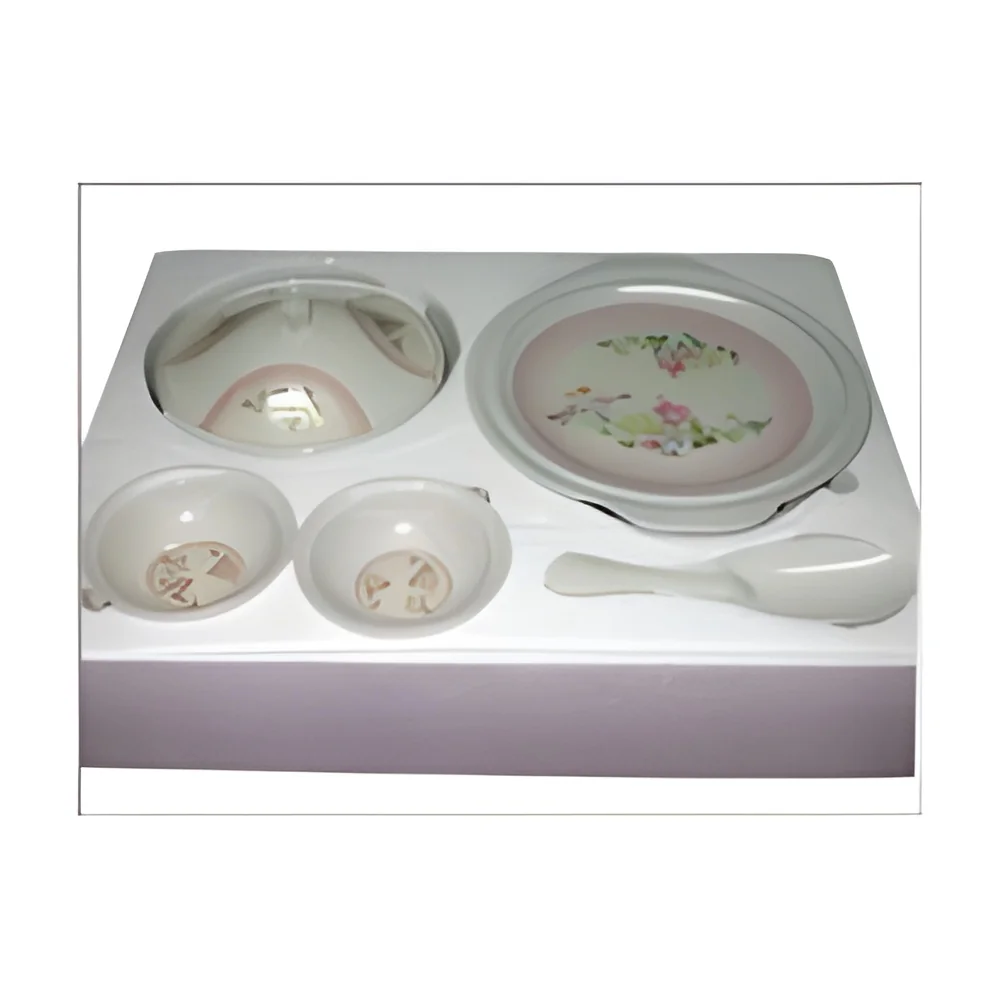
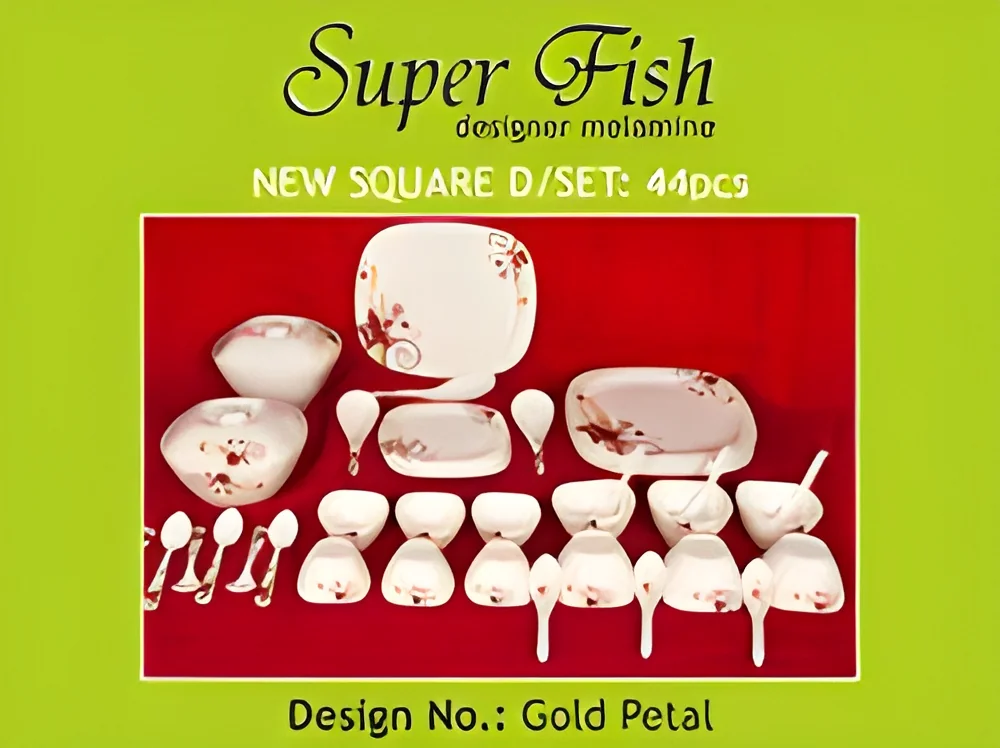
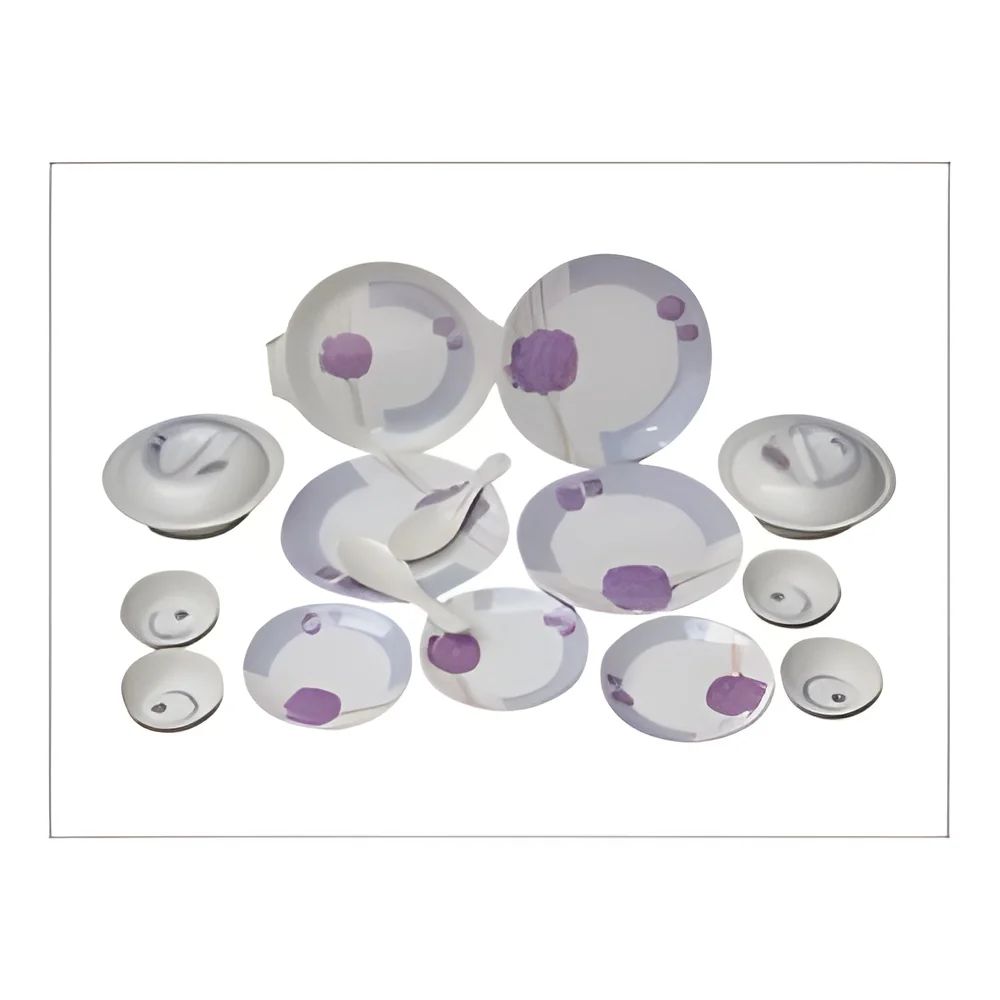
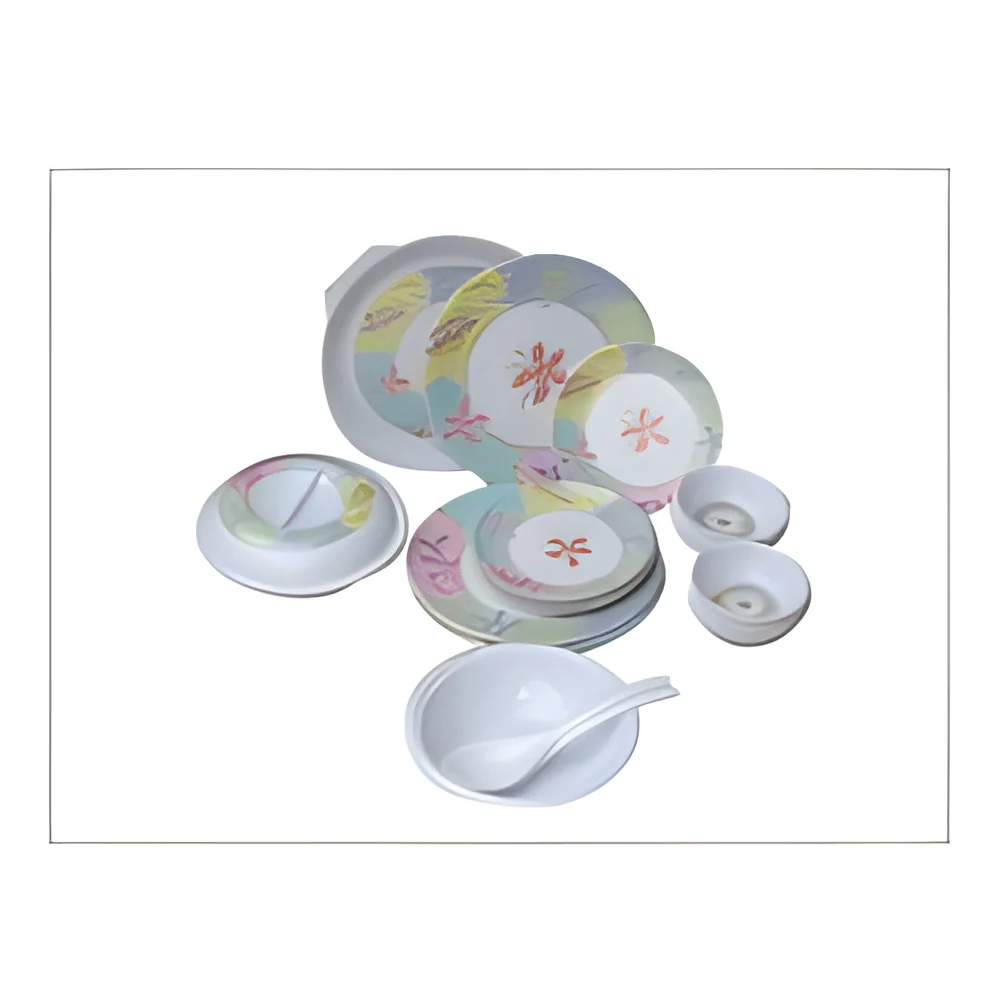
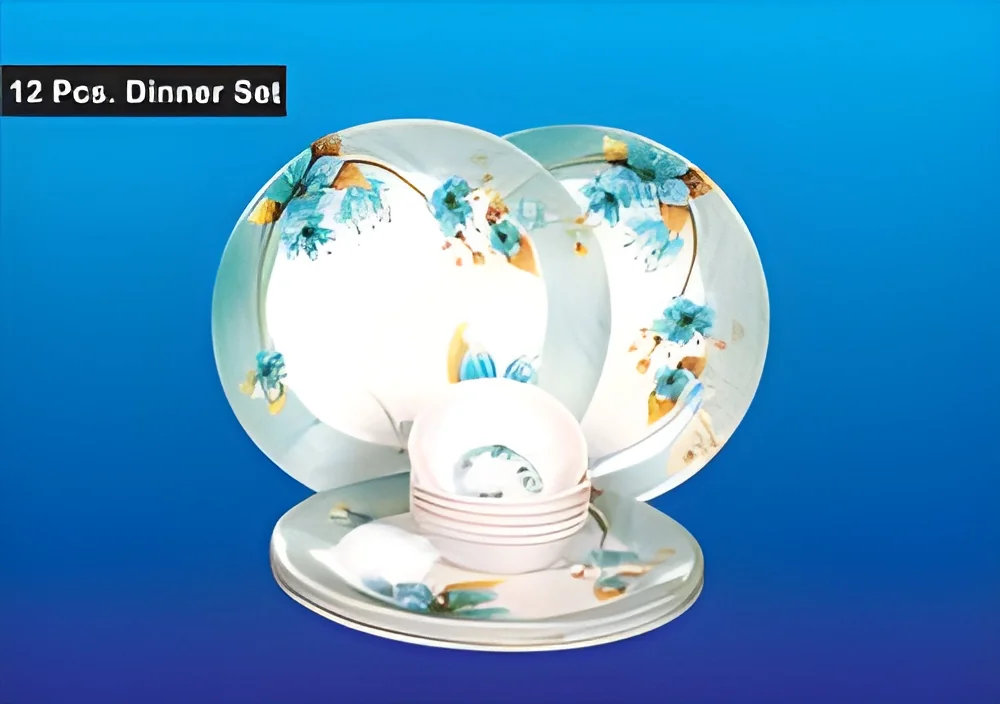
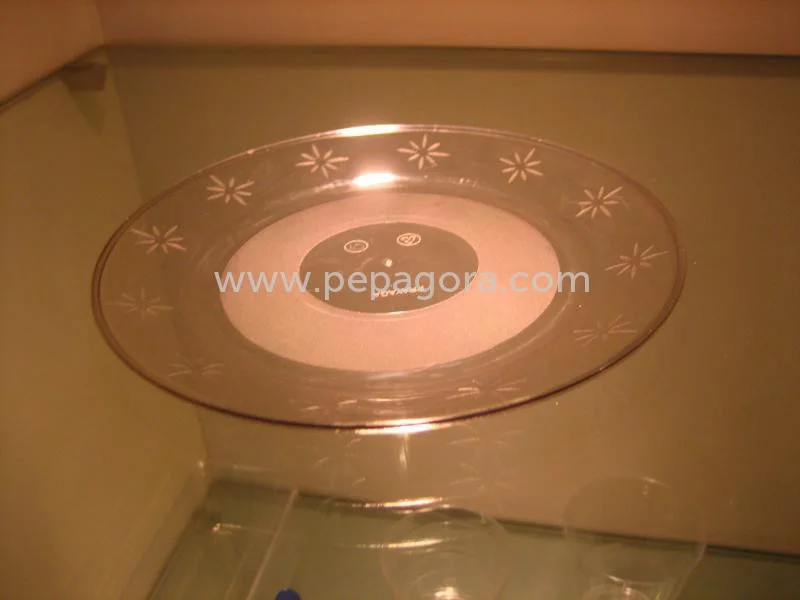
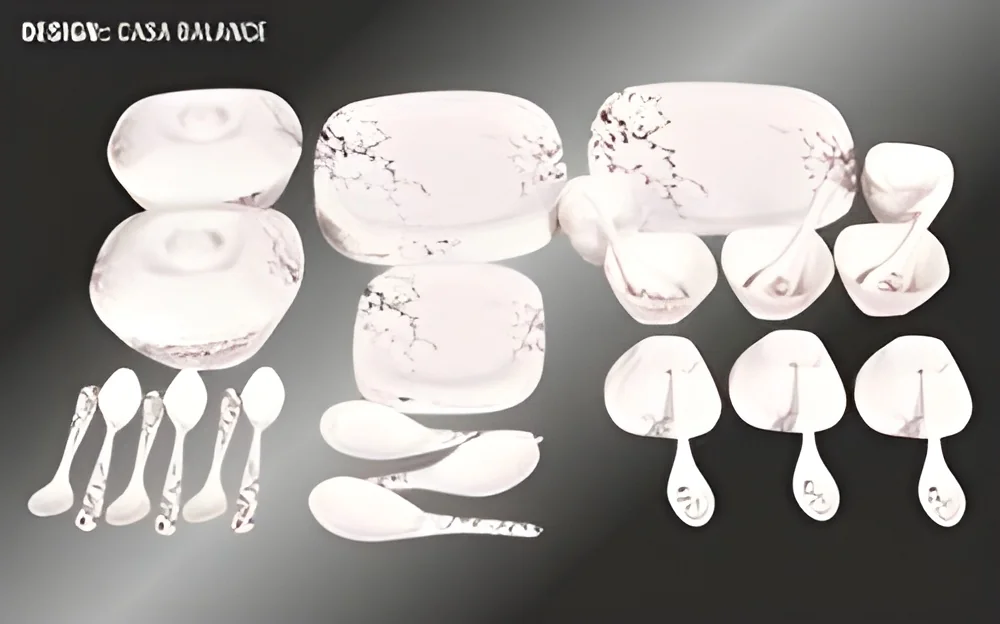
What are Dinner Plates?
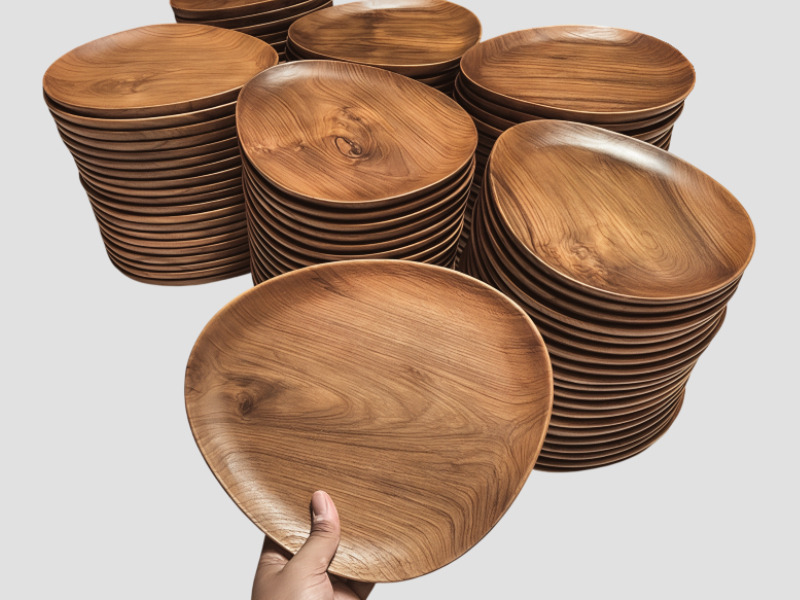
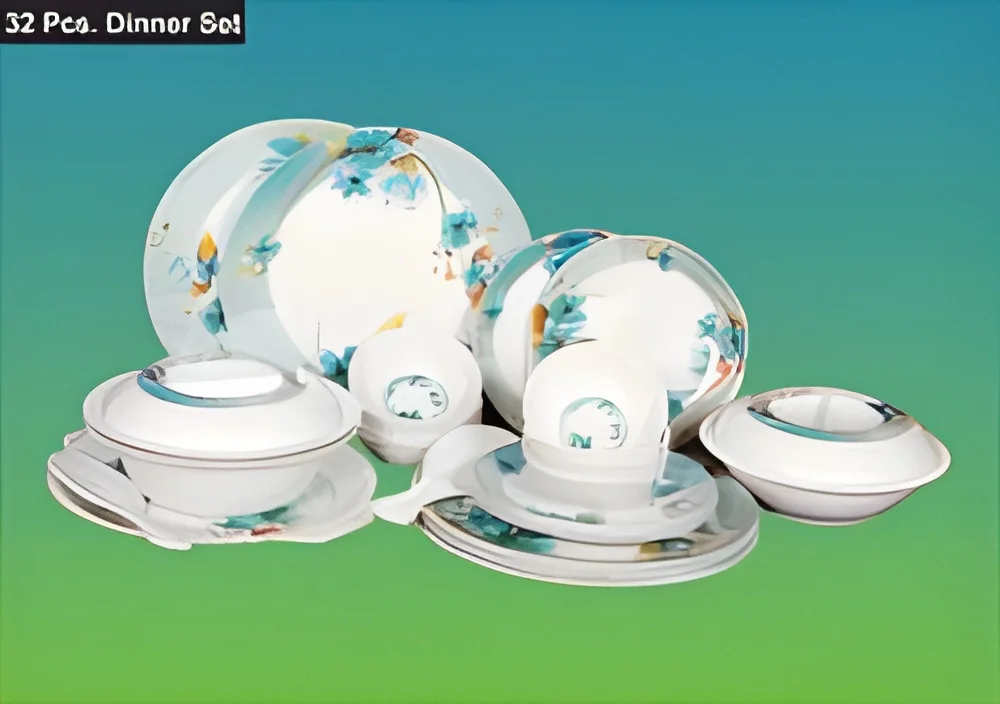
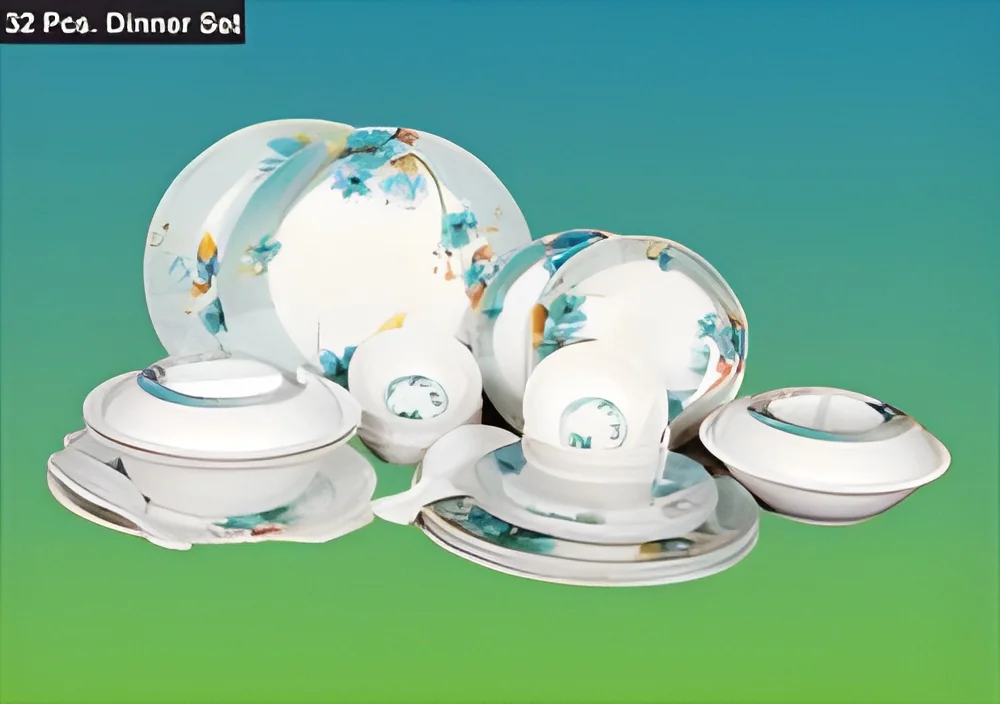
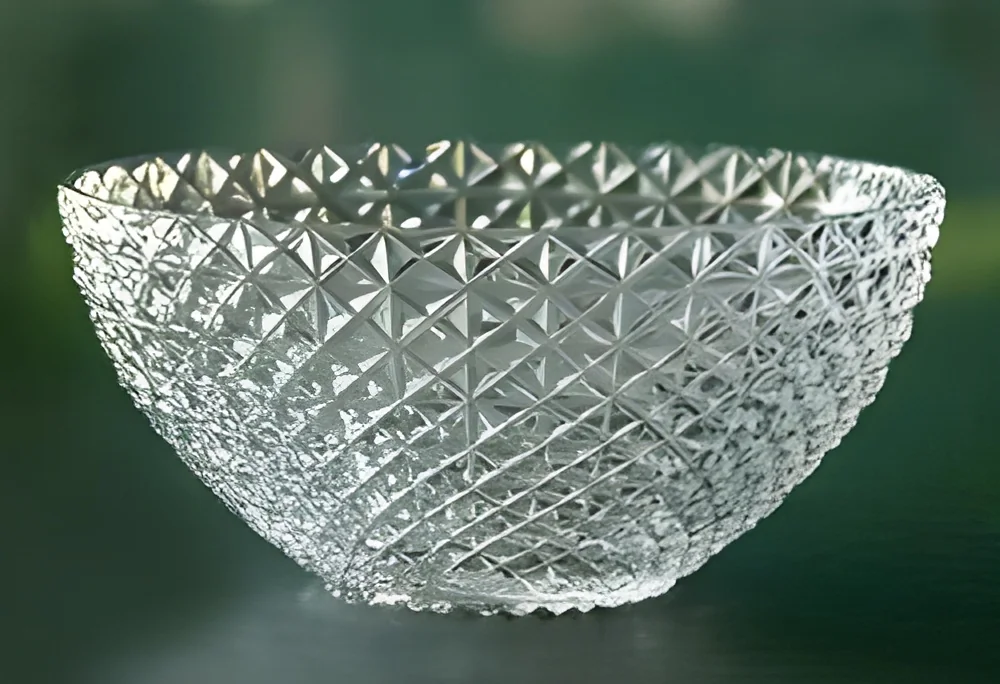
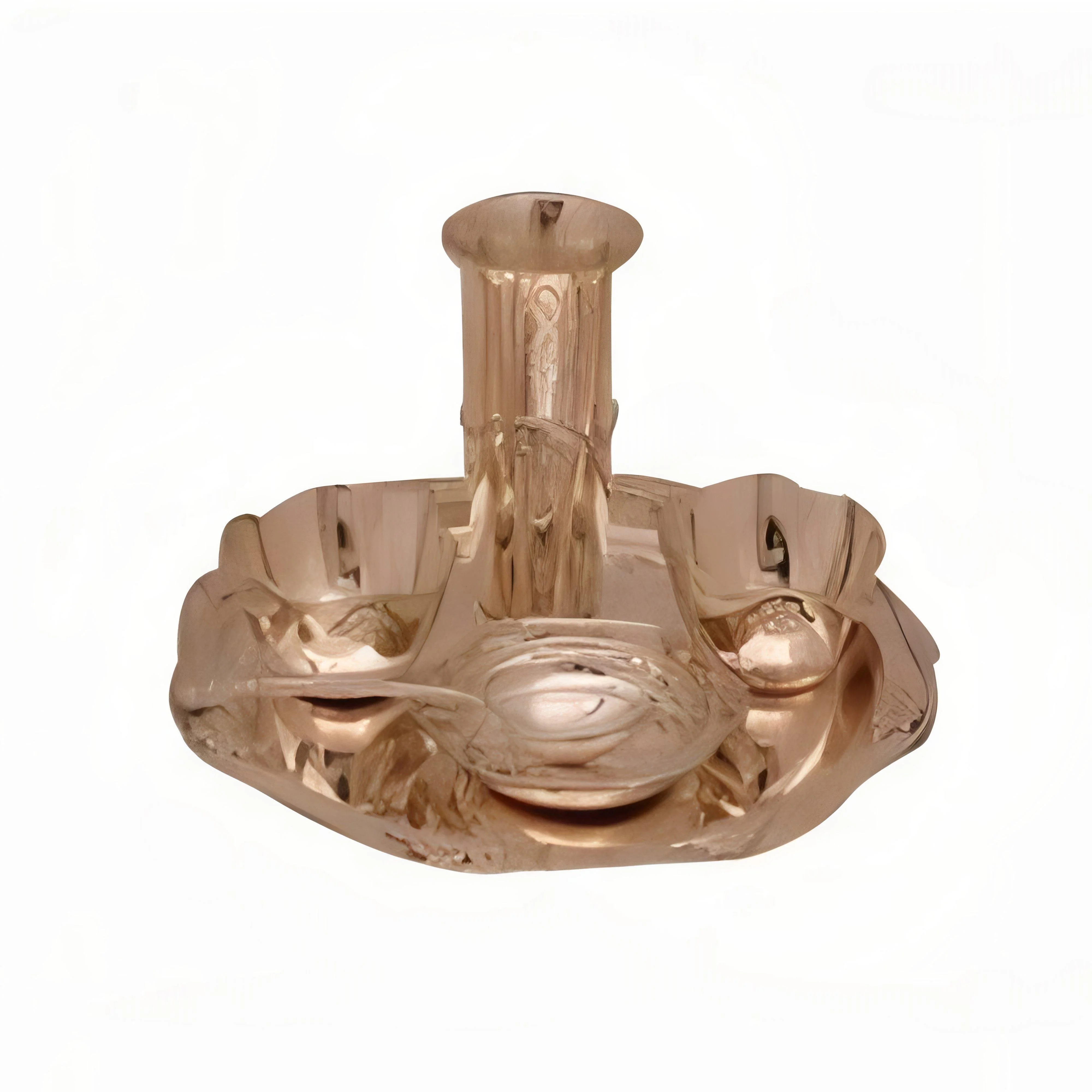
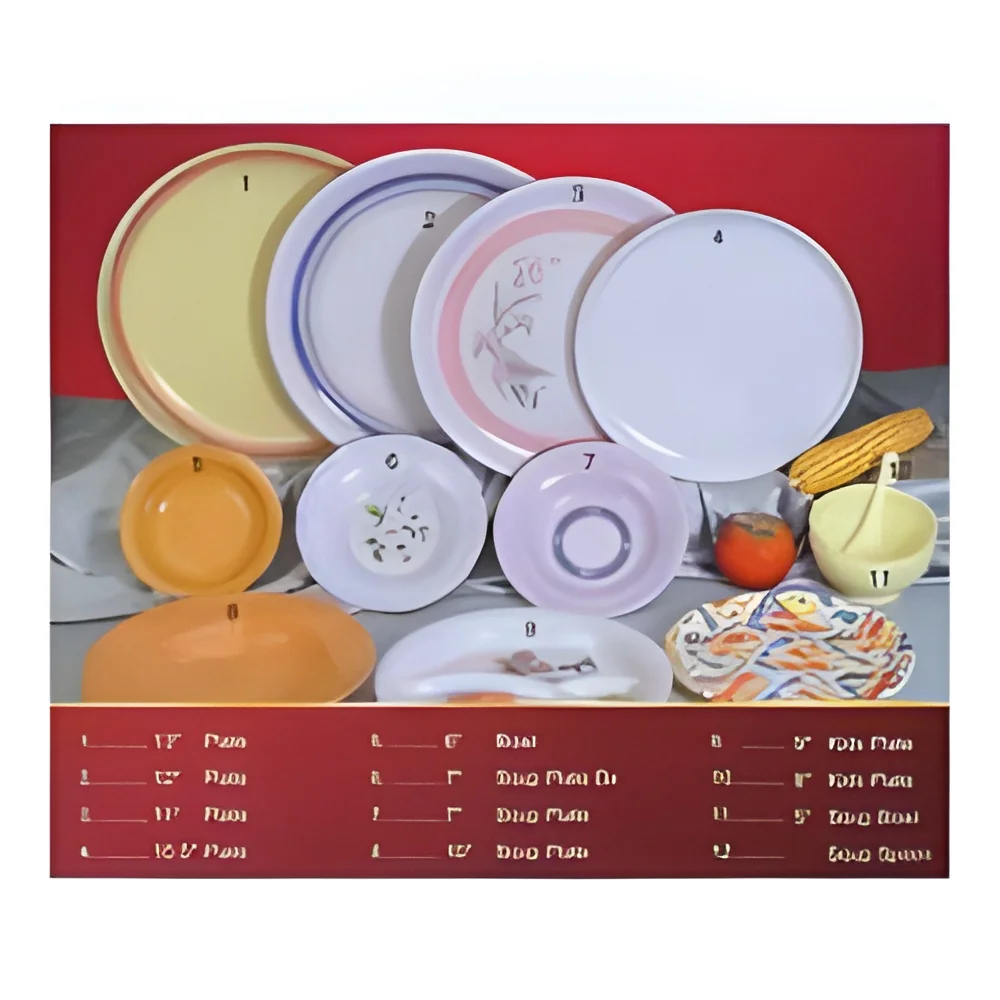
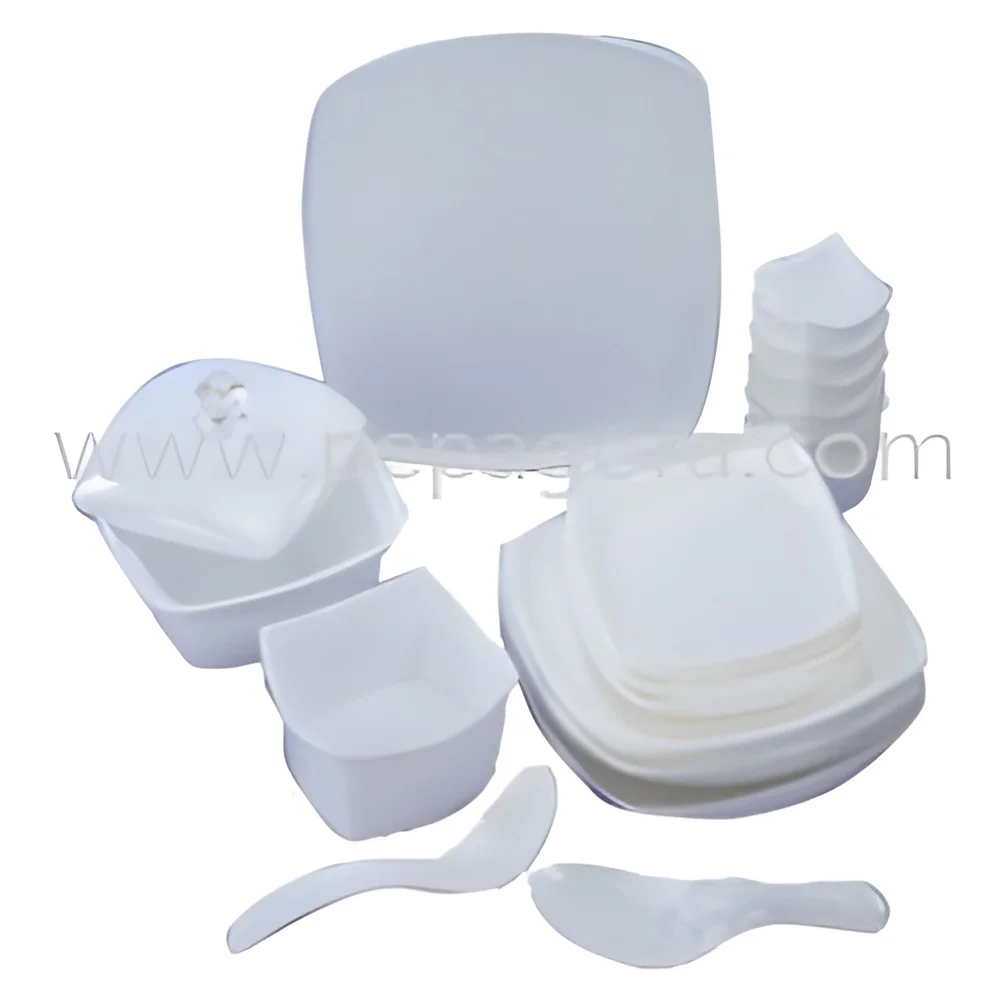
Dinner plates are essential tableware used primarily for serving main courses during meals. They are typically larger than salad plates or dessert plates and come in various materials, including porcelain, ceramic, glass, and melamine. The standard diameter of dinner plates ranges from 10 to 12 inches, providing ample space for a variety of food items. Their design can vary from simple and functional to ornate and decorative, catering to different dining experiences.
In the business context, dinner plates are utilized in restaurants, catering services, hotels, and institutional dining facilities. They are fundamental for presenting meals in an appealing manner, enhancing the overall dining experience. The market for dinner plates is dynamic, reflecting trends in dining aesthetics and material innovations, which are influenced by consumer preferences and sustainability considerations.
The relevance of dinner plates in the industrial sector is significant, as they are integral to food presentation and service. With the growth of the hospitality industry and the rising demand for quality dining experiences, the market for dinner plates continues to expand, offering opportunities for manufacturers and suppliers to innovate and meet diverse customer needs.
Key Features and Specifications
Dinner plates come with several key features and specifications that make them suitable for various dining environments. They are designed to be durable and easy to clean, often suitable for both casual and formal settings. The choice of material can impact their aesthetic appeal and functionality.
Key specifications include:
1. Material
- Common materials include porcelain, ceramic, melamine, and glass.
- Each material offers different benefits in terms of durability, weight, and aesthetic appeal.
2. Size
- Standard dinner plates usually range from 10 to 12 inches in diameter.
- Size can affect portion presentation and overall dining experience.
3. Weight
- Plates can vary in weight based on the material used.
- Heavier plates may provide a more premium feel, while lighter plates are easier to handle.
4. Design
- Designs range from classic to contemporary, with options for decorative patterns and colors.
- Custom designs may be available for branding purposes.
5. Dishwasher and Microwave Safe
- Many dinner plates are designed to be dishwasher and microwave safe for convenience.
- This feature is essential for both commercial and residential use.
6. Stackability
- Plates should be stackable for efficient storage and space-saving.
- Stackable designs are especially important in busy kitchens.
7. Non-porous Surface
- A non-porous surface is crucial for preventing stains and odors.
- This feature enhances hygiene and durability.
In summary, the specifications of dinner plates are critical in determining their suitability for different applications, impacting user experience and operational efficiency.
Common Applications and Use Cases
Dinner plates are versatile and find applications across various industries.
1. Restaurants: Dinner plates are a staple in restaurants, used for serving main dishes. Their design can influence customer perceptions and enhance the dining experience.
2. Catering Services: Catering businesses rely on dinner plates to present meals at events. The choice of plates can affect the overall aesthetics of the food presentation.
3. Hotels: Hotels use dinner plates in their dining areas, ensuring a consistent and quality dining experience for guests. Custom designs may be used to reflect the hotel's brand.
4. Institutional Dining: Schools, hospitals, and corporate cafeterias use dinner plates for meal service, requiring durable and easy-to-clean options to accommodate high volumes.
5. Food Delivery Services: With the rise of food delivery, dinner plates are often used for packaging meals, requiring materials that can maintain food temperature and presentation.
6. Home Use: Many consumers use dinner plates for everyday meals at home, so styles that appeal to domestic buyers are also in demand.
7. Events and Parties: For special occasions, decorative dinner plates can enhance the table setting, making them popular for weddings and celebrations.
Product Variants and Subcategories
Dinner plates come in various styles and designs to suit different customer preferences and applications.
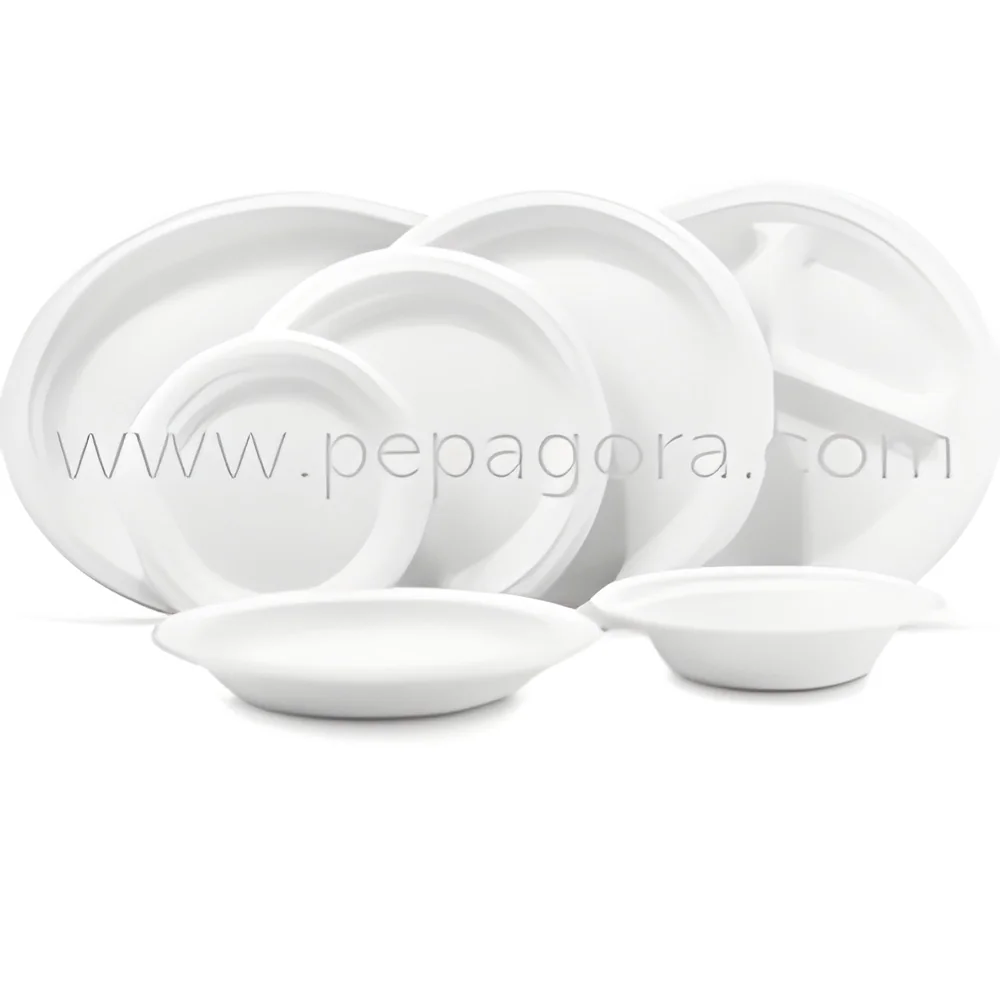
Classic Dinner Plates: These plates typically feature a simple design, often in white or neutral colors. They are perfect for formal dining settings and can easily complement any table decor.
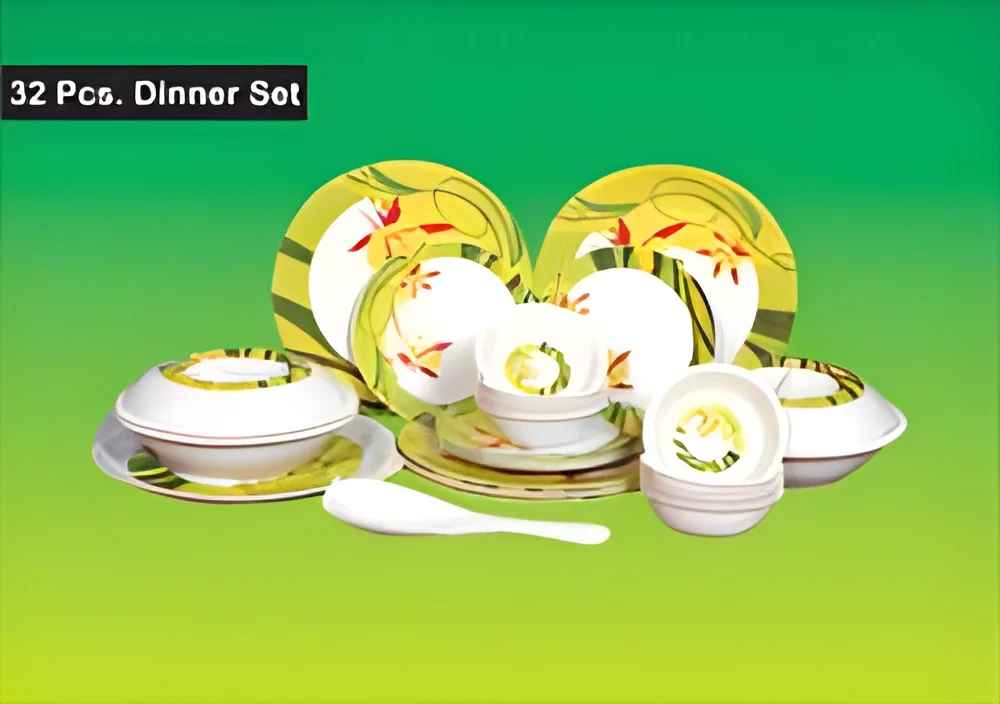
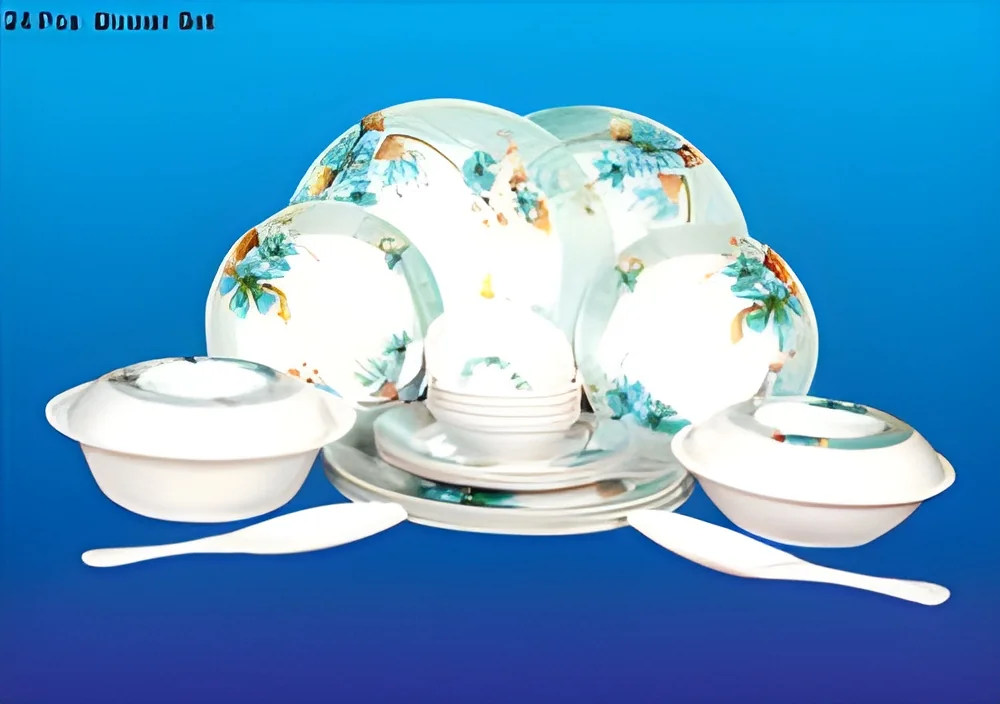
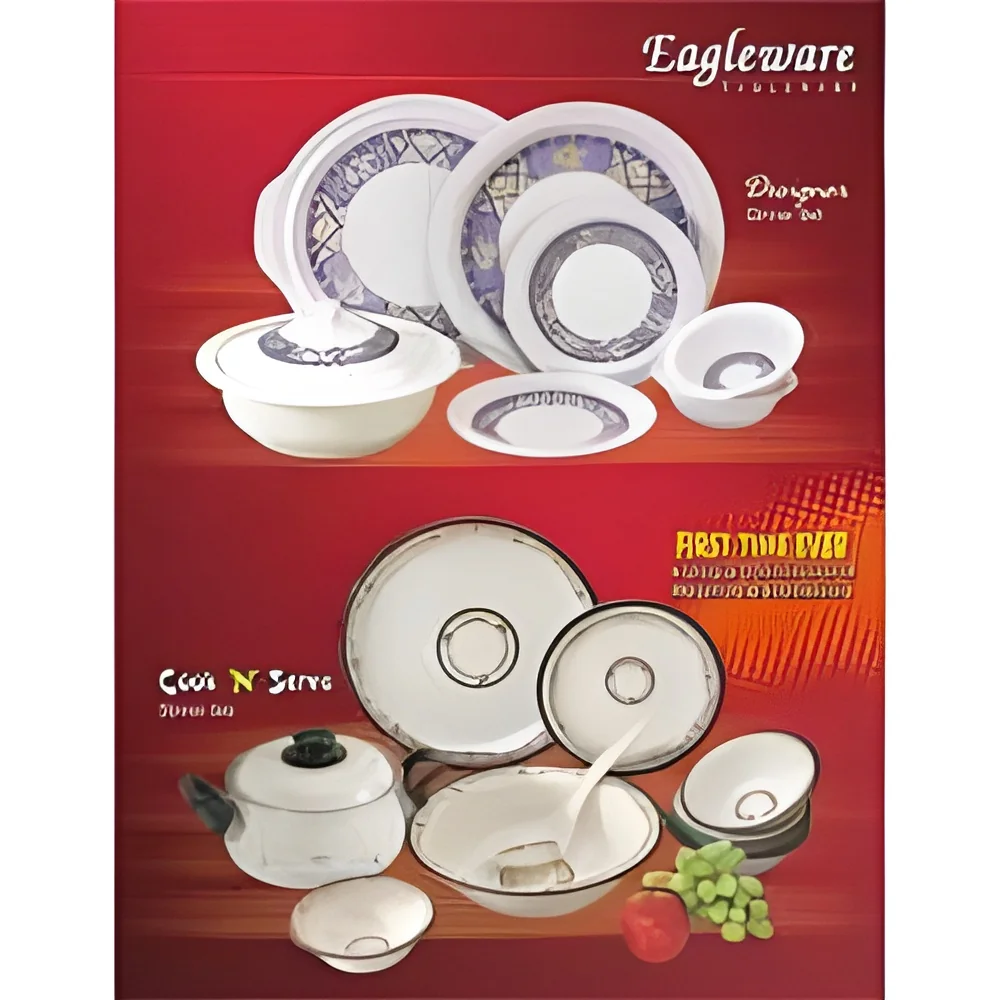
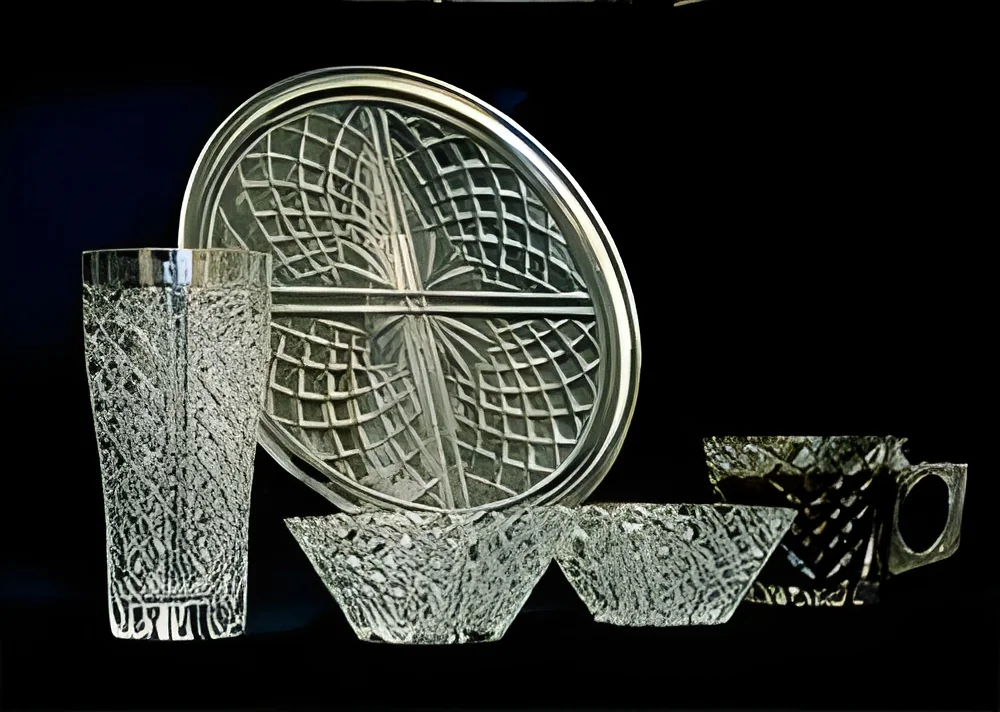
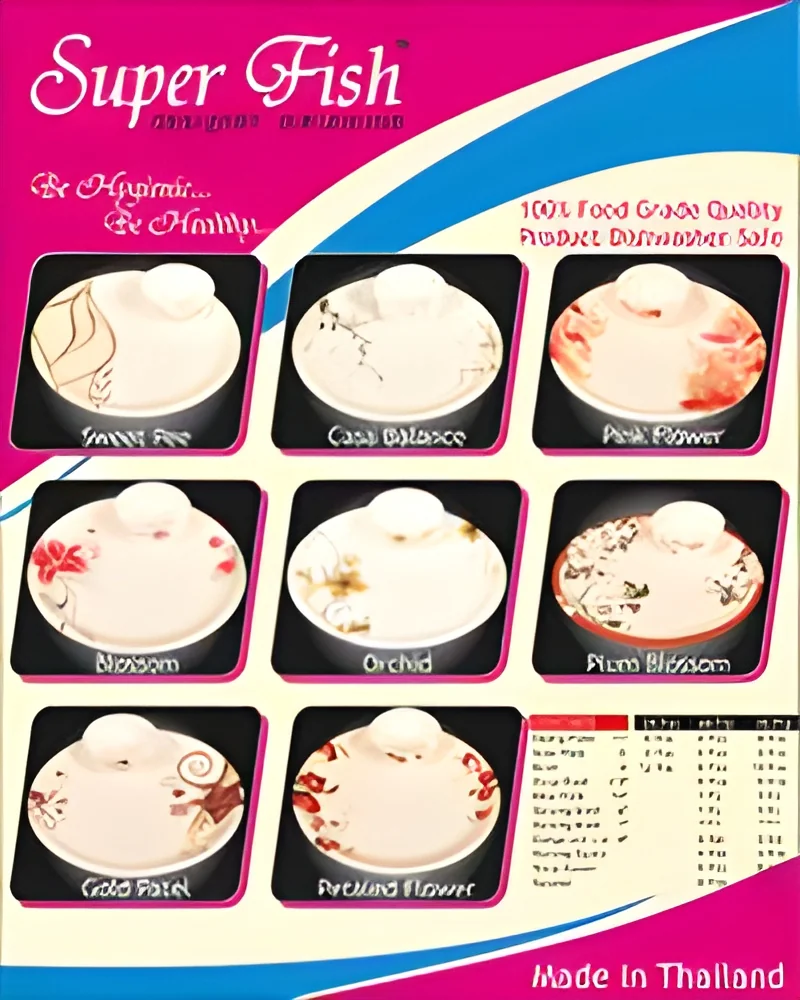
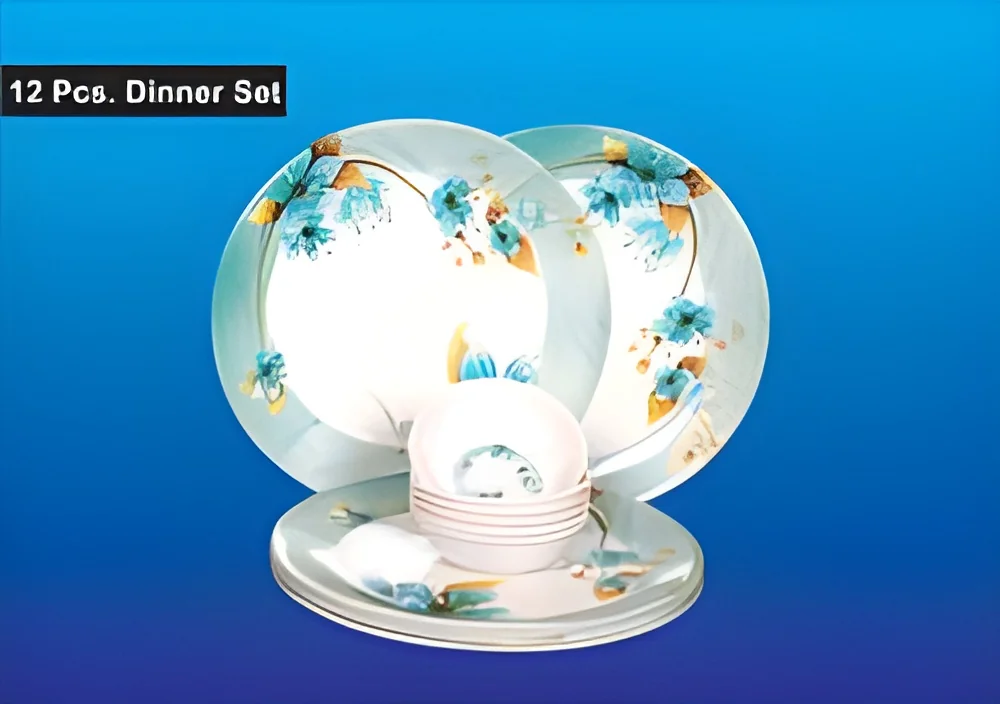
Decorative Dinner Plates: These plates showcase intricate designs and vibrant colors, making them ideal for special occasions. They enhance the visual appeal of a meal and are often used in events or upscale dining experiences.
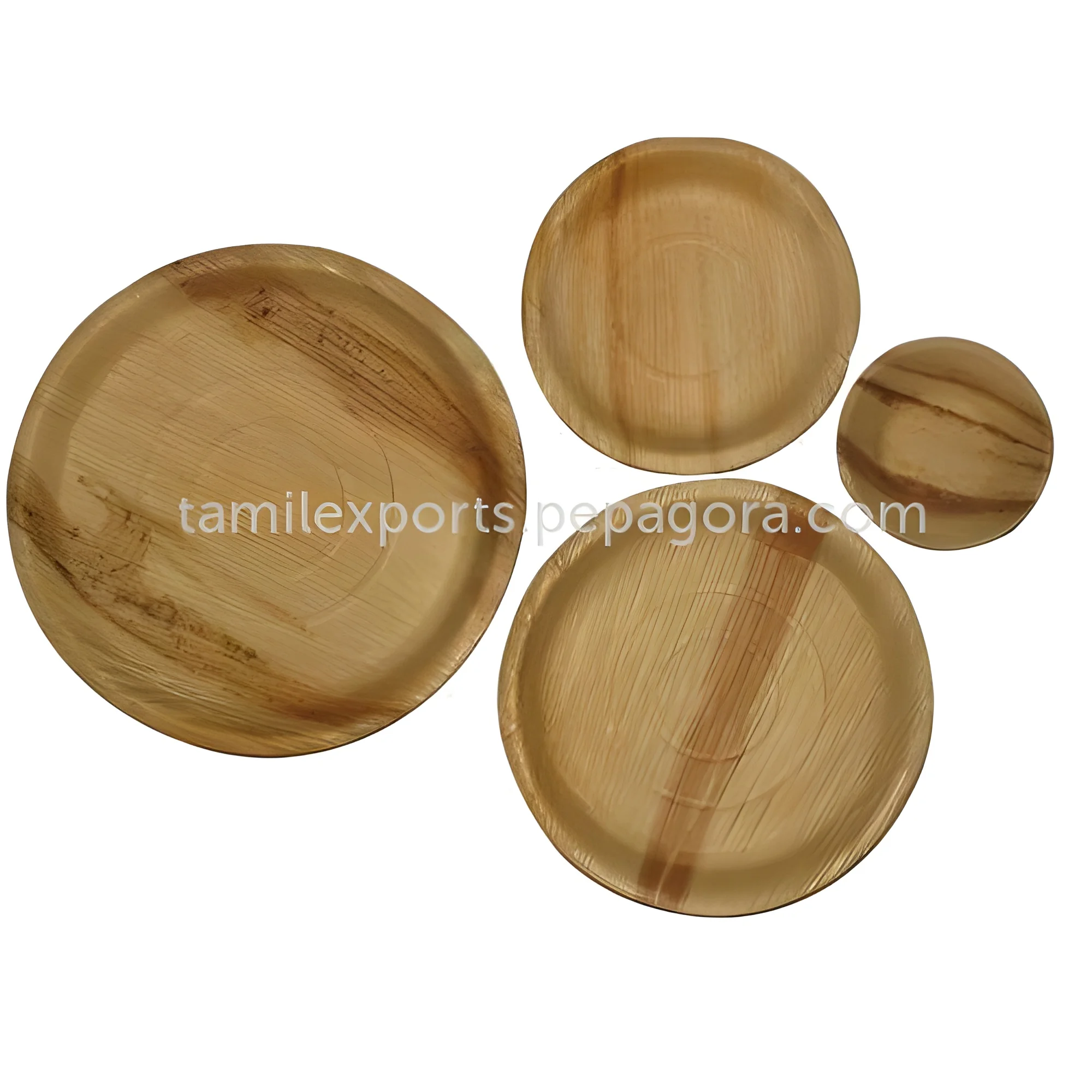
Eco-friendly Dinner Plates: Made from sustainable materials, these plates appeal to environmentally conscious businesses and consumers. They are often biodegradable or recyclable, aligning with green initiatives.
Custom Dinner Plates: Many businesses opt for custom dinner plates featuring their logo or design. This personalization helps with branding and enhances customer engagement.
Benefits and Advantages
Dinner plates offer several key benefits that make them a crucial addition to any dining setup.
1. Enhanced Presentation: Dinner plates improve the visual appeal of meals, making dishes look more appetizing. This can enhance customer satisfaction in restaurants and catering services.
2. Versatility: They can be used in various settings, from casual family dinners to formal events, making them a flexible choice for any dining occasion.
3. Durability: Quality dinner plates are designed to withstand regular use and are often resistant to chipping and cracking, ensuring longevity.
4. Easy Maintenance: Many dinner plates are dishwasher and microwave safe, simplifying cleaning and food reheating processes for busy kitchens.
5. Customization Options: Businesses can personalize dinner plates to reflect their brand identity, creating a unique dining experience for customers.
6. Compliance with Health Standards: Dinner plates made from food-safe materials ensure adherence to health and safety regulations, which is crucial for businesses in the food service industry.
Buying Guide for B2B Buyers
When sourcing dinner plates for business use, several factors should be considered to ensure the best choice for your needs.
1. Quality Assessment: Evaluate the quality of materials used in the plates. High-quality plates should be durable, non-porous, and resistant to chipping. Look for certifications that verify quality standards.
2. Supplier Verification: It's essential to vet suppliers for reliability and reputation. Check reviews, certifications, and their history in the market to ensure they provide quality products consistently.
3. Pricing and MOQ: Consider the cost per unit and the minimum order quantity (MOQ) required by the supplier. Balance your budget with your needs to find the best value.
4. Delivery and Lead Times: Understand the logistics involved in sourcing dinner plates. Inquire about delivery times and ensure they align with your operational needs.
5. Compliance Requirements: Ensure that the dinner plates meet relevant health and safety regulations. This includes certifications like CE and adherence to local compliance standards.
Compliance and Certifications
Dinner plates must adhere to various quality standards and certifications, ensuring they are safe for food contact and suitable for commercial use.
ISO 9001 is a relevant quality management standard that ensures consistent quality in manufacturing processes. Compliance with this standard indicates that the manufacturer follows best practices in production.
HACCP (Hazard Analysis Critical Control Point) certification is crucial for food safety, ensuring that products have been produced in a manner that minimizes risks to health.
CE marking indicates compliance with European health, safety, and environmental requirements. It is essential for plates sold within the European market.
Safety testing requirements vary by region but generally include assessments to ensure that materials used do not leach harmful substances into food.
Regional compliance considerations may include local regulations regarding food service products. It is vital for manufacturers and suppliers to be aware of and adhere to these standards.
Why Source Dinner Plates from Pepagora?
Pepagora provides a trusted platform for sourcing dinner plates, offering several key advantages that benefit B2B buyers.
Verified Supplier Network: Pepagora connects buyers with a network of verified suppliers, ensuring that you can source quality dinner plates from reputable manufacturers. This network enhances trust and reduces the risk associated with procurement.
Streamlined RFQ Process: The Request for Quotation (RFQ) process on Pepagora is designed to be efficient, allowing buyers to easily compare quotes from multiple suppliers. This transparency helps in making informed purchasing decisions.
Trade Assurance and Support: Pepagora offers trade assurance to protect buyers against potential issues related to order fulfillment. This support can be crucial for maintaining smooth operations and minimizing risks.
Regional Coverage: With a strong presence in India, the Gulf Cooperation Council (GCC), and Southeast Asia, Pepagora provides broad geographic coverage. This ensures that buyers can access a diverse range of dinner plates suitable for various markets and customer preferences.

 IN
IN