
 IN
Renewable Energy Feasibility Studies
2 products available
What are Renewable Energy Feasibility Studies?
Renewable Energy Feasibility Studies are comprehensive assessments that evaluate the viability of implementing renewable energy projects. These studies analyze various factors such as site conditions, technology options, financial implications, and regulatory requirements. The goal is to determine if a project is technically and economically feasible, ensuring that stakeholders can make informed decisions.
These studies are essential for businesses looking to invest in renewable energy solutions, such as solar, wind, hydro, or biomass projects. They provide insights into potential energy production, cost savings, and environmental benefits. Companies use these studies to secure financing, comply with regulations, and ensure alignment with sustainability goals.
In today's market, where sustainability is increasingly prioritized, Renewable Energy Feasibility Studies have become vital for industries aiming to reduce their carbon footprint. With governments and organizations pushing for cleaner energy sources, the demand for such studies is growing rapidly. They not only help businesses understand the implications of renewable energy investments but also position them competitively in a shifting energy landscape.
Key Features and Specifications
Renewable Energy Feasibility Studies come with several key features and specifications that enhance their effectiveness and reliability. These features are designed to provide clients with a thorough understanding of their renewable energy options.
Key specifications include:
1. Site Assessment
- Evaluation of geographical and environmental factors
- Consideration of local climate and resource availability
2. Technology Analysis
- In-depth review of available renewable technologies
- Comparison of efficiency and suitability for specific projects
3. Financial Modeling
- Detailed cost analysis including capital and operational expenses
- Projections for return on investment and payback periods
4. Regulatory Review
- Examination of local, state, and federal regulations
- Identification of necessary permits and compliance requirements
5. Risk Assessment
- Analysis of potential project risks and mitigation strategies
- Evaluation of market fluctuations and technology advancements
6. Stakeholder Engagement
- Identification of key stakeholders and their interests
- Strategies for collaboration and communication
7. Reporting and Documentation
- Comprehensive reporting of findings and recommendations
- Documentation to support financing and regulatory processes
In summary, these specifications ensure that Renewable Energy Feasibility Studies provide a holistic view of project viability, offering essential insights into technical, financial, and regulatory aspects.
Common Applications and Use Cases
Renewable Energy Feasibility Studies serve various industries seeking to adopt sustainable energy solutions.
1. Manufacturing: These studies help manufacturing companies evaluate on-site renewable energy generation, such as solar panels, to reduce energy costs and enhance sustainability.
2. Agriculture: Agricultural businesses can use feasibility studies to assess the integration of renewable energy solutions for irrigation systems and processing facilities, improving operational efficiency.
3. Real Estate Development: Developers utilize these studies to incorporate renewable energy solutions in new projects, attracting environmentally conscious buyers and complying with green building standards.
4. Government: Public sector entities rely on feasibility studies to ensure that renewable energy initiatives align with governmental sustainability policies and funding requirements.
5. Healthcare: Hospitals and healthcare facilities can leverage these studies to assess renewable energy options that can lower energy costs and improve energy resilience.
6. Education: Educational institutions often use feasibility studies to explore renewable energy projects that enhance their sustainability initiatives and reduce operational costs.
7. Utilities: Energy providers can use these assessments to evaluate the feasibility of large-scale renewable energy projects, ensuring they meet future energy demand sustainably.
Product Variants and Subcategories
Renewable Energy Feasibility Studies encompass a diverse range of offerings tailored to specific project needs.
Solar Feasibility Study
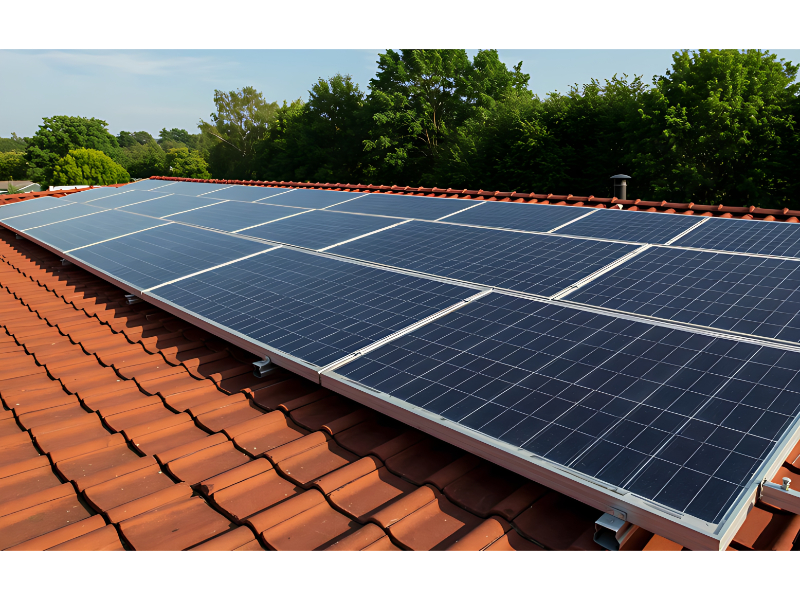
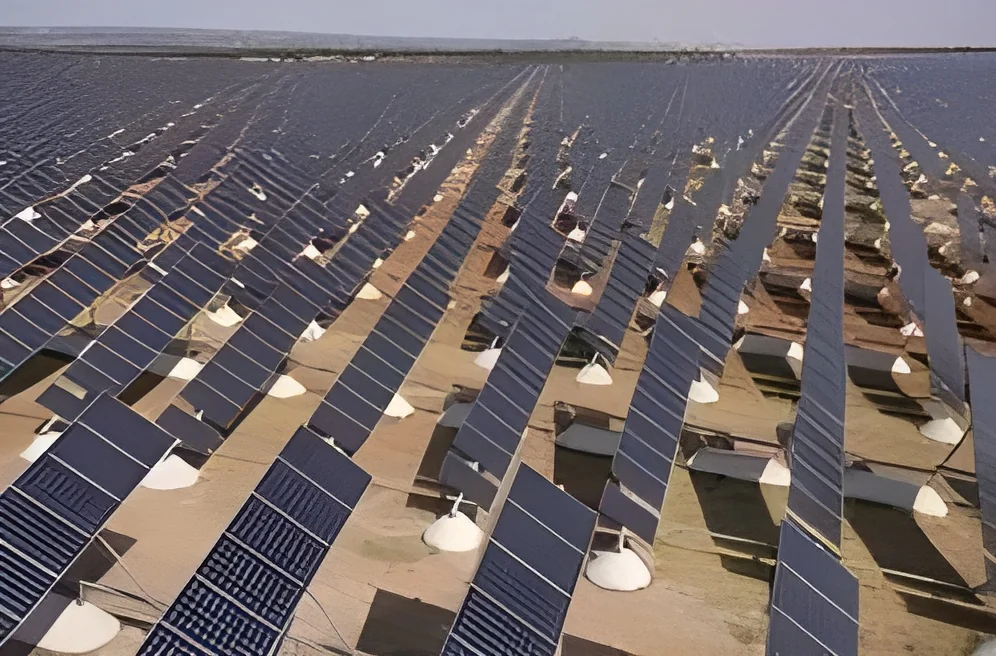
This variant focuses on analyzing the potential for solar energy projects. It includes site assessments, technology evaluations, and financial projections related to solar installations.
Wind Feasibility Study
This variant assesses the viability of wind energy projects. It provides insights into wind resource assessments, turbine technology options, and regulatory considerations.
Hydro Feasibility Study
This variant evaluates the potential for hydroelectric power generation. It includes assessments of water resources, environmental impacts, and infrastructure requirements.
Biomass Feasibility Study
This variant focuses on projects that utilize organic materials for energy production. It examines feedstock availability, conversion technologies, and market opportunities.
Benefits and Advantages
Renewable Energy Feasibility Studies offer numerous benefits for businesses considering renewable energy investments.
Key benefits include:
1. Informed Decision-Making: These studies provide critical data that allows businesses to make educated decisions regarding renewable energy investments.
2. Cost Savings: By evaluating different energy solutions, companies can identify the most cost-effective options, leading to significant savings on energy expenses.
3. Risk Mitigation: Through comprehensive risk assessments, businesses can anticipate potential challenges and develop strategies to minimize risks associated with renewable energy projects.
4. Regulatory Compliance: Feasibility studies ensure that projects align with local and national regulations, facilitating smoother permitting processes.
5. Enhanced Sustainability: These studies help organizations align their energy strategies with sustainability goals, improving their corporate image and stakeholder relations.
6. Competitive Advantage: By adopting renewable energy solutions, companies can position themselves as leaders in sustainability, attracting environmentally conscious customers.
Buying Guide for B2B Buyers
When sourcing Renewable Energy Feasibility Studies, it is essential to consider several factors to ensure a successful engagement.
1. Quality Assessment: Look for studies that adhere to industry best practices and are conducted by experienced professionals. Ensure the methodology used is robust and comprehensive.
2. Supplier Verification: Vet suppliers by reviewing their credentials, past projects, and client testimonials. A reliable supplier will have a proven track record in conducting feasibility studies.
3. Pricing and MOQ: Understand the cost structure of the studies and any minimum order quantities. Balance quality against budget constraints to find the best value.
4. Delivery and Lead Times: Discuss timelines for the completion of feasibility studies. Ensure that the supplier can meet your deadlines without compromising quality.
5. Compliance Requirements: Verify that the studies address all relevant regulatory and compliance standards. This will help avoid delays in project implementation.
Compliance and Certifications
Compliance and certifications are essential components of Renewable Energy Feasibility Studies. They ensure that studies are conducted according to recognized standards and regulations.
Relevant quality standards, such as ISO 9001, ensure that the study processes meet international quality management criteria. Adherence to these standards indicates a commitment to delivering quality outcomes.
Industry certifications, such as CE marking, signify compliance with European safety and environmental standards. This recognition helps build trust with stakeholders and regulatory bodies.
Safety and testing requirements are critical to ensuring that all aspects of the feasibility study are conducted with the highest safety standards in mind. This includes evaluating environmental impacts and ensuring compliance with safety regulations.
Regional compliance considerations are also important. Different regions may have specific regulations affecting renewable energy projects. Understanding these requirements is vital for the feasibility study's success.
Why Source Renewable Energy Feasibility Studies from Pepagora?
Pepagora provides a trusted platform for sourcing Renewable Energy Feasibility Studies, offering several key advantages to businesses.
Verified Supplier Network: Pepagora has established a network of verified suppliers with extensive experience in conducting feasibility studies. This ensures that clients receive high-quality assessments tailored to their specific needs.
Streamlined RFQ Process: The request for quotation (RFQ) process is designed to be straightforward and efficient, allowing businesses to quickly obtain quotes from multiple suppliers. This competitive approach helps clients secure the best pricing and service.
Trade Assurance and Support: Pepagora offers buyer protection through trade assurance, ensuring that clients receive the quality and service promised by suppliers. This support adds an extra layer of confidence to the purchasing process.
Regional Coverage: With a strong presence in India, the GCC, and Southeast Asia, Pepagora can connect businesses with local suppliers who understand regional market dynamics. This geographic reach enhances the relevance and applicability of feasibility studies across different contexts.



 India
Frequently Asked Questions
What are Renewable Energy Feasibility Studies?
Renewable Energy Feasibility Studies are assessments conducted to evaluate the viability of implementing renewable energy projects. These studies analyze various factors including resource availability, technology options, economic feasibility, and environmental impacts.
What are the different types of Renewable Energy Feasibility Studies?
There are several types of Renewable Energy Feasibility Studies, including solar, wind, biomass, and hydro feasibility studies. Each type focuses on the specific resources and technologies relevant to that particular renewable energy source.
How do I choose the right Renewable Energy Feasibility Studies?
Choosing the right Renewable Energy Feasibility Study involves assessing your project's specific needs and goals. Consider factors such as the type of renewable energy, the location, and the expertise of the consultants or firms providing the study.
What are the standard specifications for Renewable Energy Feasibility Studies?
Standard specifications for Renewable Energy Feasibility Studies typically include a detailed analysis of resource assessments, economic analysis, environmental impact assessments, and risk evaluations. These specifications ensure comprehensive coverage of all relevant factors for project success.
What is the price range for Renewable Energy Feasibility Studies?
The price range for Renewable Energy Feasibility Studies can vary widely based on the project's complexity and scope. Generally, costs may range from a few thousand to several lakhs of Indian Rupees, depending on the specific requirements and expertise involved.
What quality standards apply to Renewable Energy Feasibility Studies?
Quality standards for Renewable Energy Feasibility Studies are often guided by international norms, including ISO standards and industry best practices. These standards ensure that the studies are thorough, accurate, and reliable for decision-making.
Where can I find Renewable Energy Feasibility Studies suppliers in India?
You can find Renewable Energy Feasibility Studies suppliers in India through online B2B marketplaces, industry directories, and renewable energy associations. Websites like Pepagora.com provide a platform to connect with various suppliers and manufacturers in this field.
Can Renewable Energy Feasibility Studies be customized?
Yes, Renewable Energy Feasibility Studies can be customized to meet the specific needs of a project. Customization may include tailored assessments based on unique site conditions, technology preferences, and financial models.
What is the typical minimum order quantity for Renewable Energy Feasibility Studies?
The typical minimum order quantity (MOQ) for Renewable Energy Feasibility Studies can vary depending on the supplier and the project's scale. Some firms may accept single-study requests, while others may have a minimum number of studies required for cost-effectiveness.
What is the typical lead time for Renewable Energy Feasibility Studies?
The typical lead time for Renewable Energy Feasibility Studies ranges from a few weeks to several months, depending on the complexity of the study and the availability of data. Early engagement with suppliers can help in better planning and timely delivery.
Why Businesses Trust Pepagora
Thousands of companies trust Pepagora to source smarter and sell faster
Expand Your Sales Globally

Source Smarter,Grow Faster
