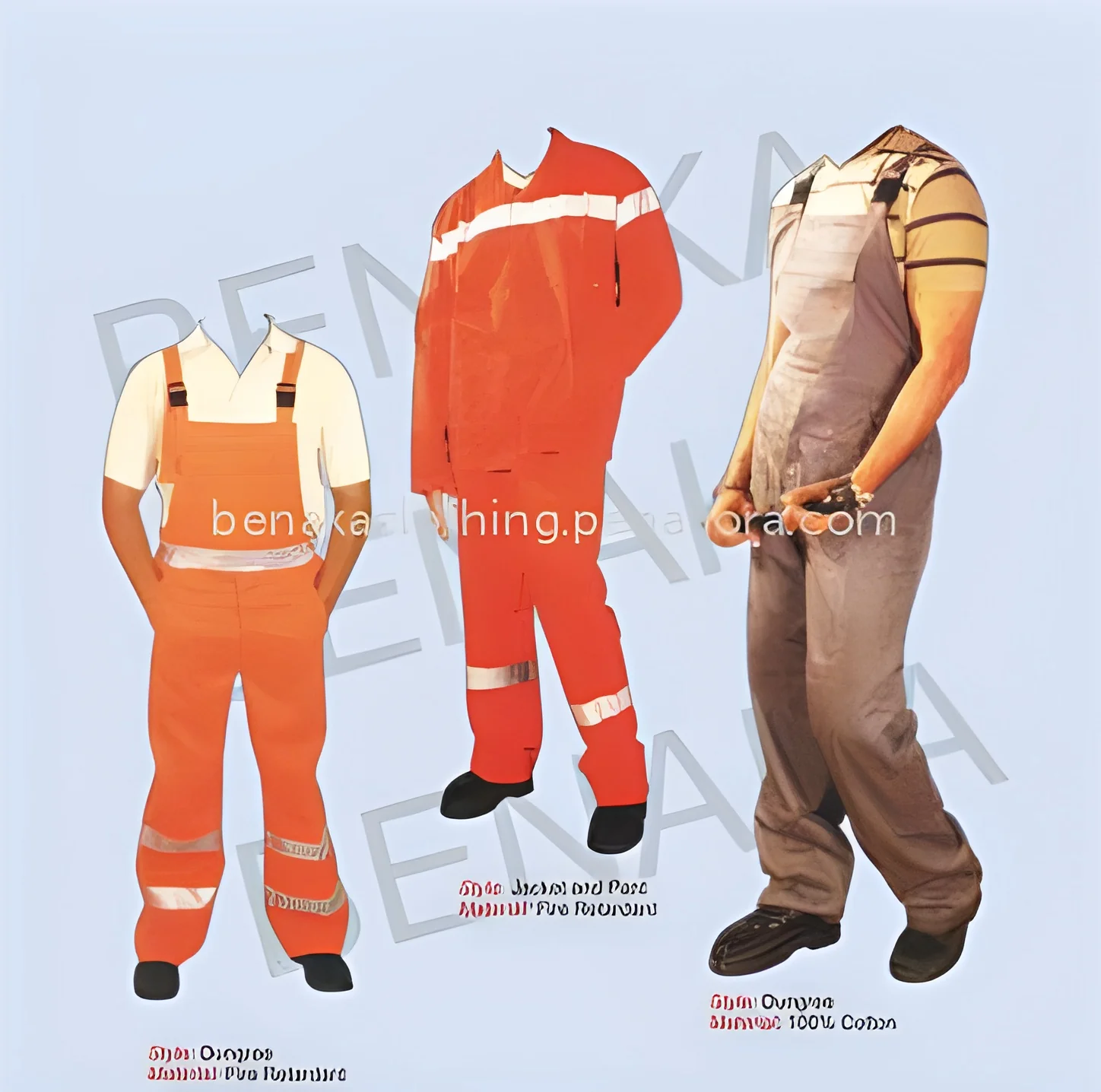
What are Recycled Workwear & Uniforms?
Recycled workwear and uniforms are garments made from recycled materials, designed for use in various industrial and commercial settings. These products are created by repurposing textiles that would otherwise contribute to waste, thus promoting sustainability within the fashion and textile industries. Recycled workwear not only serves functional purposes but also represents a commitment to environmental responsibility.
These uniforms and workwear are primarily used in industries such as manufacturing, construction, healthcare, and hospitality. Businesses often opt for these uniforms to ensure staff are both presentable and equipped for their roles. The adoption of recycled materials reflects an organization's dedication to sustainability, making it a key consideration in procurement processes. As market demand for environmentally friendly products continues to rise, the relevance of recycled workwear in various sectors becomes increasingly significant.
The growing awareness of environmental issues has led many companies to seek sustainable solutions in their operations. This trend places recycled workwear at the forefront of industry practices, helping businesses enhance their corporate social responsibility profiles while meeting the expectations of eco-conscious consumers and clients.
Key Features and Specifications
Recycled workwear and uniforms offer several features that make them appealing to businesses focused on sustainability and functionality. These specifications are crucial in determining the quality and suitability of the products for various applications.
Key specifications include:
1. Material Composition
- Typically made from 100% recycled fabrics or blends
- Common materials include recycled polyester and organic cotton
2. Durability
- Designed to withstand rigorous working conditions
- High tensile strength and resistance to wear and tear
3. Comfort
- Breathable fabric for moisture control
- Ergonomic designs for ease of movement
4. Customization Options
- Available for branding with company logos
- Various colors and styles to fit corporate identities
5. Eco-Friendly Certifications
- Compliance with environmental standards
- Certified by organizations promoting sustainable practices
6. Maintenance Requirements
- Machine washable for ease of care
- Quick-drying capabilities
7. Fit and Sizing
- Available in a range of sizes for all body types
- Tailored fits for both male and female employees
8. Safety Features
- Options for high visibility and flame resistance
- Incorporation of pockets and tool loops for functionality
Recycled workwear and uniforms are not only practical but also contribute to a company's sustainability goals.
Common Applications and Use Cases
Recycled workwear and uniforms find applications across various industries, highlighting their versatility and functionality.
1. Manufacturing: In manufacturing settings, these uniforms are used to protect workers from hazardous materials while promoting a cohesive brand image.
2. Construction: Construction teams benefit from durable workwear that withstands harsh conditions and provides safety features like high visibility.
3. Healthcare: In healthcare environments, recycled uniforms help maintain hygiene while being comfortable and easy to clean.
4. Hospitality: Hotels and restaurants use recycled uniforms to present a professional appearance while showcasing their commitment to sustainability.
5. Retail: Retail staff utilize these uniforms to align with corporate social responsibility initiatives and enhance customer perception.
6. Transportation: Delivery and logistics companies use recycled workwear to ensure their workforce is identifiable and comfortable during long hours.
7. Agriculture: In agricultural settings, durable and breathable recycled uniforms are essential for outdoor work, providing protection from various elements.
Product Variants and Subcategories
Recycled workwear and uniforms come in various styles and designs to meet the unique needs of different sectors.
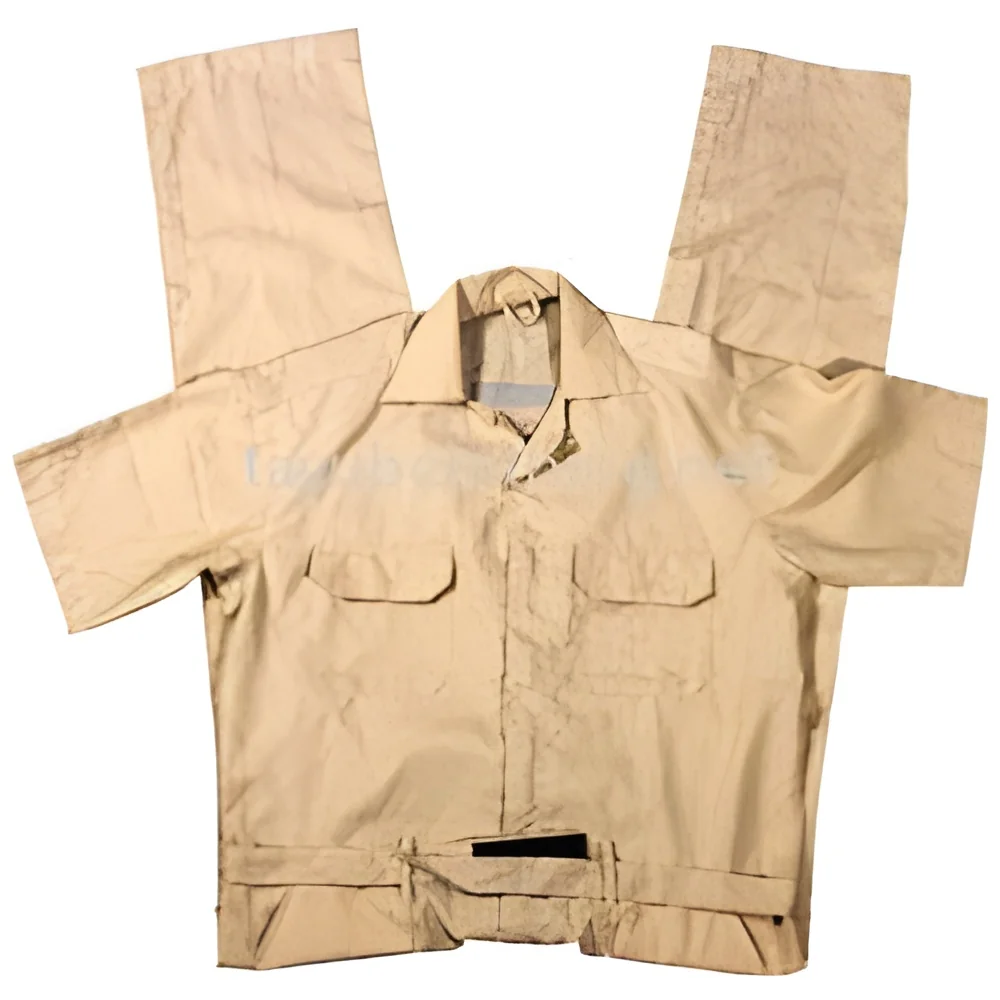
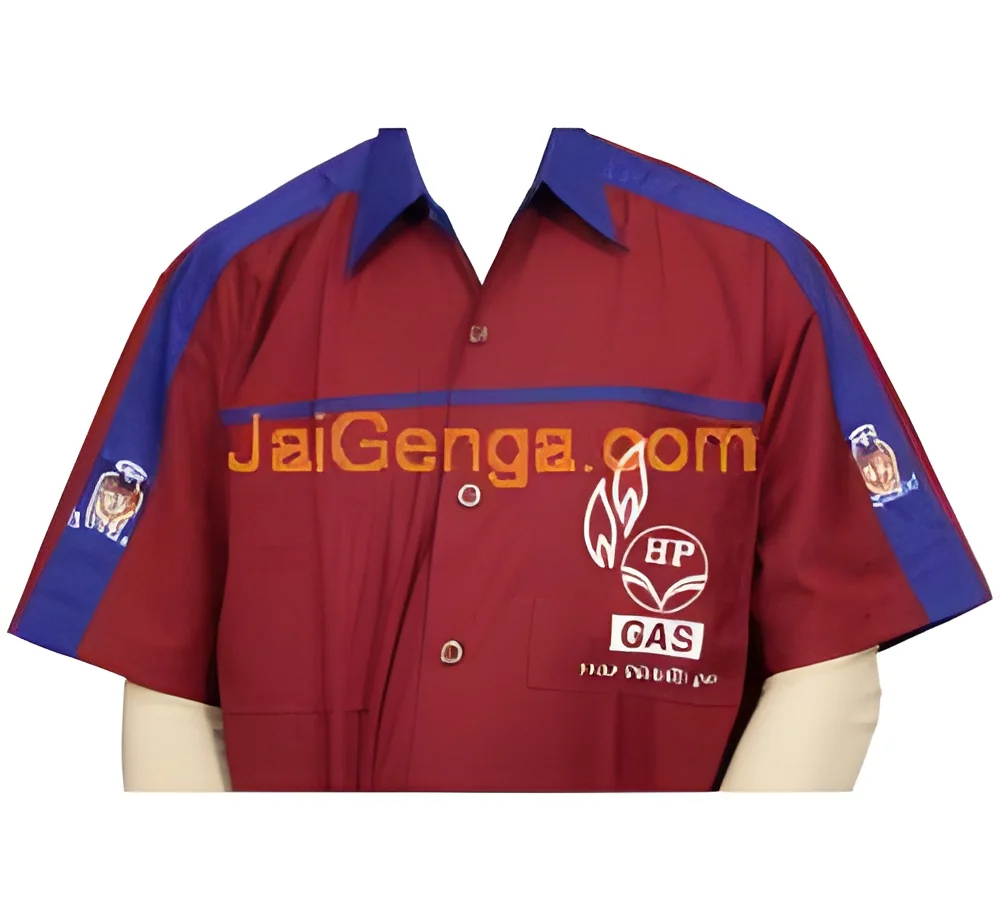
Work Shirts
These shirts are designed for comfort and durability, often featuring moisture-wicking properties. They are ideal for outdoor workers and come in various colors suitable for branding.
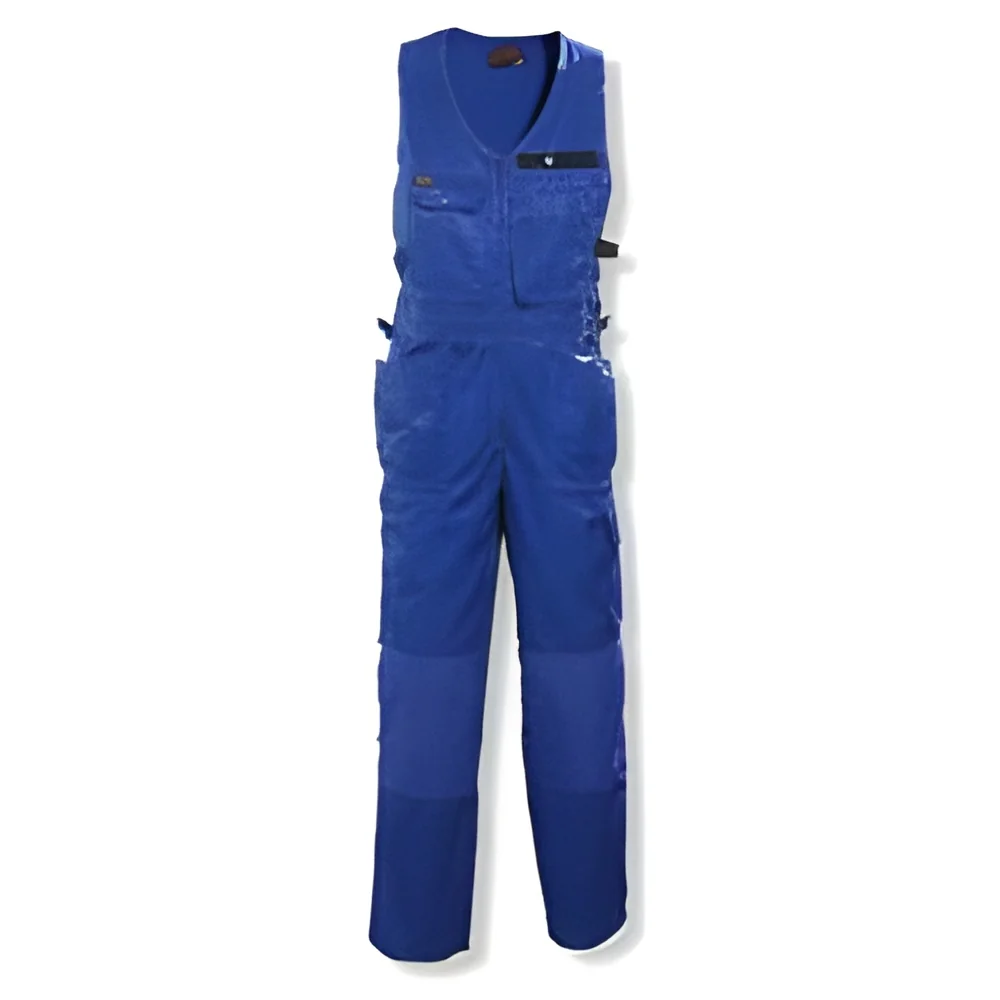
Work Pants
Constructed with reinforced seams and pockets, these pants offer both functionality and comfort. They are perfect for tradespeople who require sturdy clothing for their jobs.
Outerwear
Recycled jackets and vests provide warmth and protection in colder climates. Many options include reflective detailing for safety in low-light conditions.
Footwear
Sustainable footwear options made from recycled materials offer comfort and safety for workers. They are designed for long hours on their feet.
Benefits and Advantages
Choosing recycled workwear and uniforms provides numerous advantages for businesses seeking to enhance their operations and image.
1. Environmental Impact: Using recycled materials significantly reduces waste and resource consumption, contributing to a more sustainable future.
2. Cost Savings: While upfront costs may vary, businesses often realize savings through reduced waste management expenses and potential tax incentives.
3. Employee Satisfaction: Providing comfortable and stylish workwear can enhance morale and job satisfaction among employees.
4. Brand Image: Companies that utilize recycled workwear demonstrate a commitment to sustainability, which can improve their public perception and attract eco-conscious customers.
5. Compliance with Regulations: Many industries are moving towards stringent environmental regulations, and using recycled materials can help ensure compliance.
6. Innovation: Investing in recycled workwear encourages innovation within the supply chain and product development, fostering a culture of sustainability.
Buying Guide for B2B Buyers
When considering the purchase of recycled workwear and uniforms, several important factors should be evaluated to ensure a successful acquisition.
1. Quality Assessment: Buyers should assess the quality of materials and construction. Look for certifications that ensure the garments meet industry standards.
2. Supplier Verification: It is crucial to vet suppliers thoroughly. Check for their reputation, production capabilities, and commitment to sustainable practices.
3. Pricing and MOQ: Understand the pricing structure and minimum order quantities. This will help in budgeting and ensure sufficient stock levels for operations.
4. Delivery and Lead Times: Evaluate the supplier's delivery capabilities. Timely delivery is essential to maintain workflow and meet business demands.
5. Compliance Requirements: Ensure that the uniforms meet all necessary regulations and compliance standards specific to your industry.
Compliance and Certifications
Recycled workwear and uniforms must adhere to various compliance and certification standards to ensure quality and safety.
One important standard is ISO 9001, which outlines quality management systems ensuring consistent quality in products and services. Adherence to this standard indicates that a supplier is committed to maintaining high-quality workwear.
Industry certifications such as CE are also vital, as they signify compliance with European health, safety, and environmental protection standards. This is particularly important for businesses in markets that require CE marking for textiles.
Safety and testing requirements are essential to verify that the workwear meets specific performance criteria, including durability, comfort, and protective features. Additionally, regional compliance considerations may vary, necessitating that suppliers are knowledgeable about local regulations governing textile products.
Why Source Recycled Workwear & Uniforms from Pepagora?
Pepagora stands out as a trusted platform for sourcing recycled workwear and uniforms, offering several key advantages to B2B buyers.
Verified Supplier Network: Pepagora has a robust network of verified suppliers who meet strict quality and sustainability standards. This ensures that buyers can source high-quality recycled workwear with confidence.
Streamlined RFQ Process: The platform simplifies the request for quotation process, allowing buyers to easily compare prices and specifications from multiple suppliers. This efficiency saves time and facilitates informed purchasing decisions.
Trade Assurance and Support: Pepagora offers trade assurance, providing buyers with protection against potential issues during transactions. This support gives peace of mind when sourcing recycled workwear.
Regional Coverage: With a presence in India, GCC, and Southeast Asia, Pepagora provides extensive geographic reach. This allows businesses across various regions to access sustainable workwear solutions tailored to their needs.

 IN
IN

 India
India