𝗪𝗵𝗮𝘁 𝗮𝗿𝗲 𝗥𝗲𝗰𝘆𝗰𝗹𝗲𝗱 𝗔𝗽𝗽𝗮𝗿𝗲𝗹?
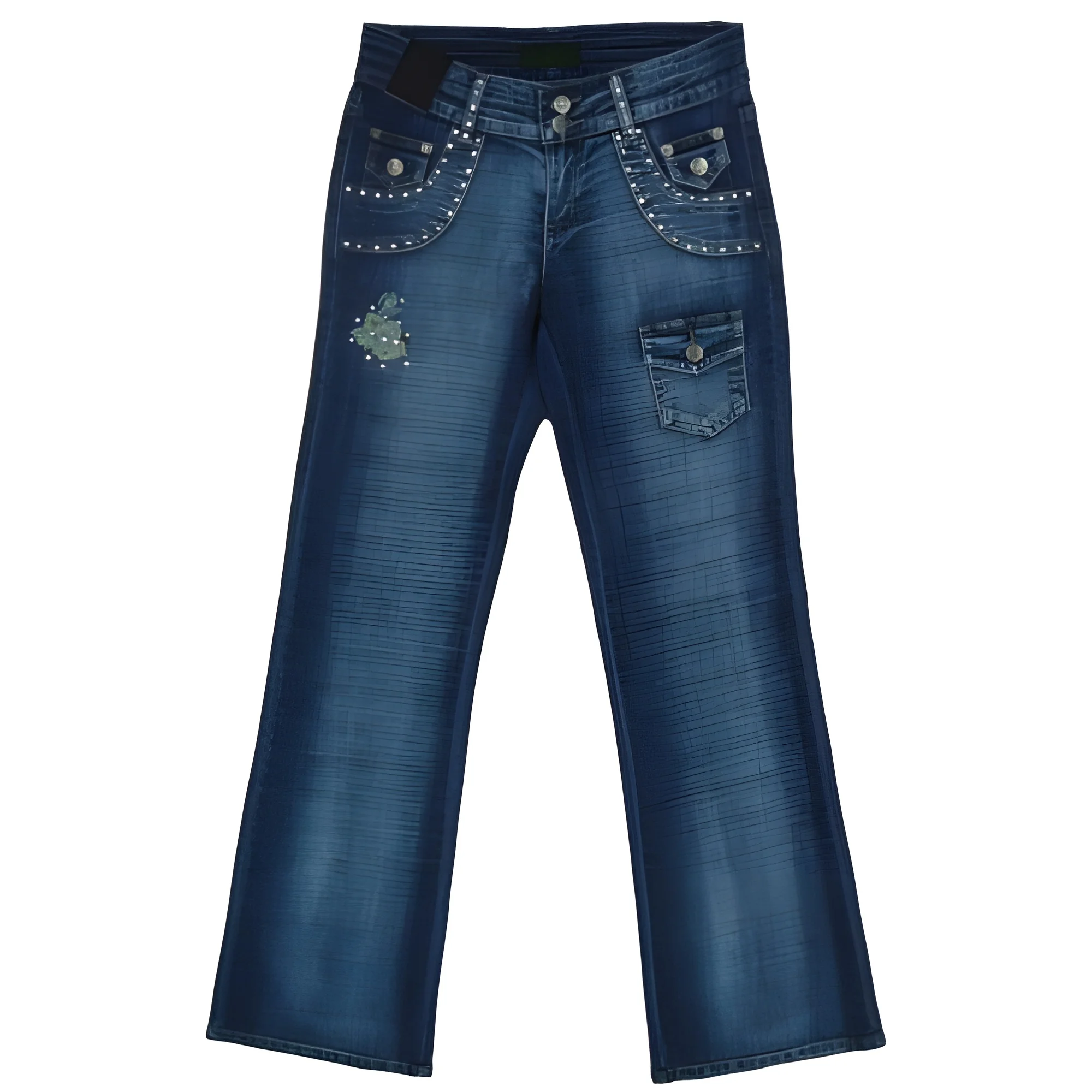
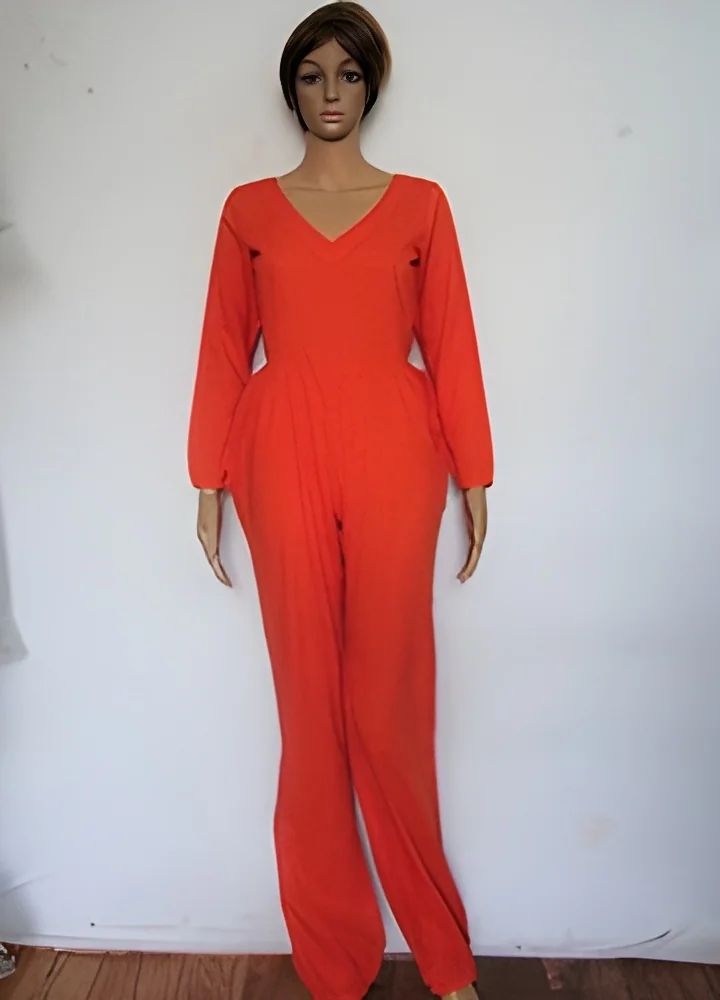
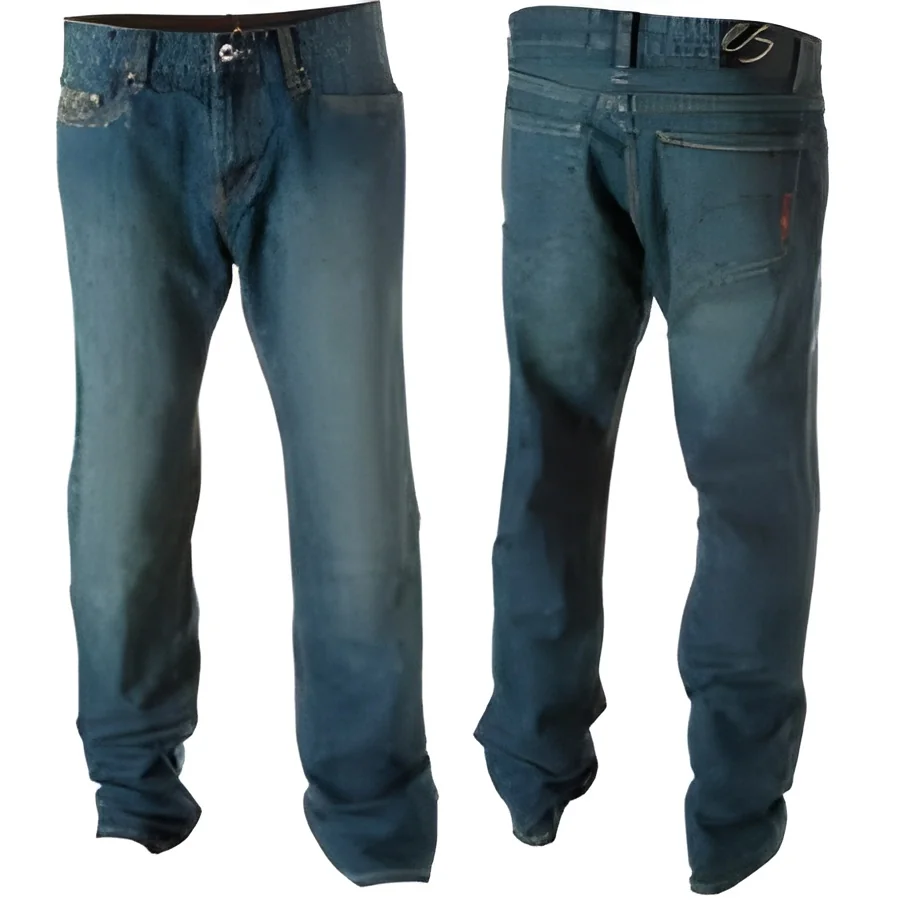
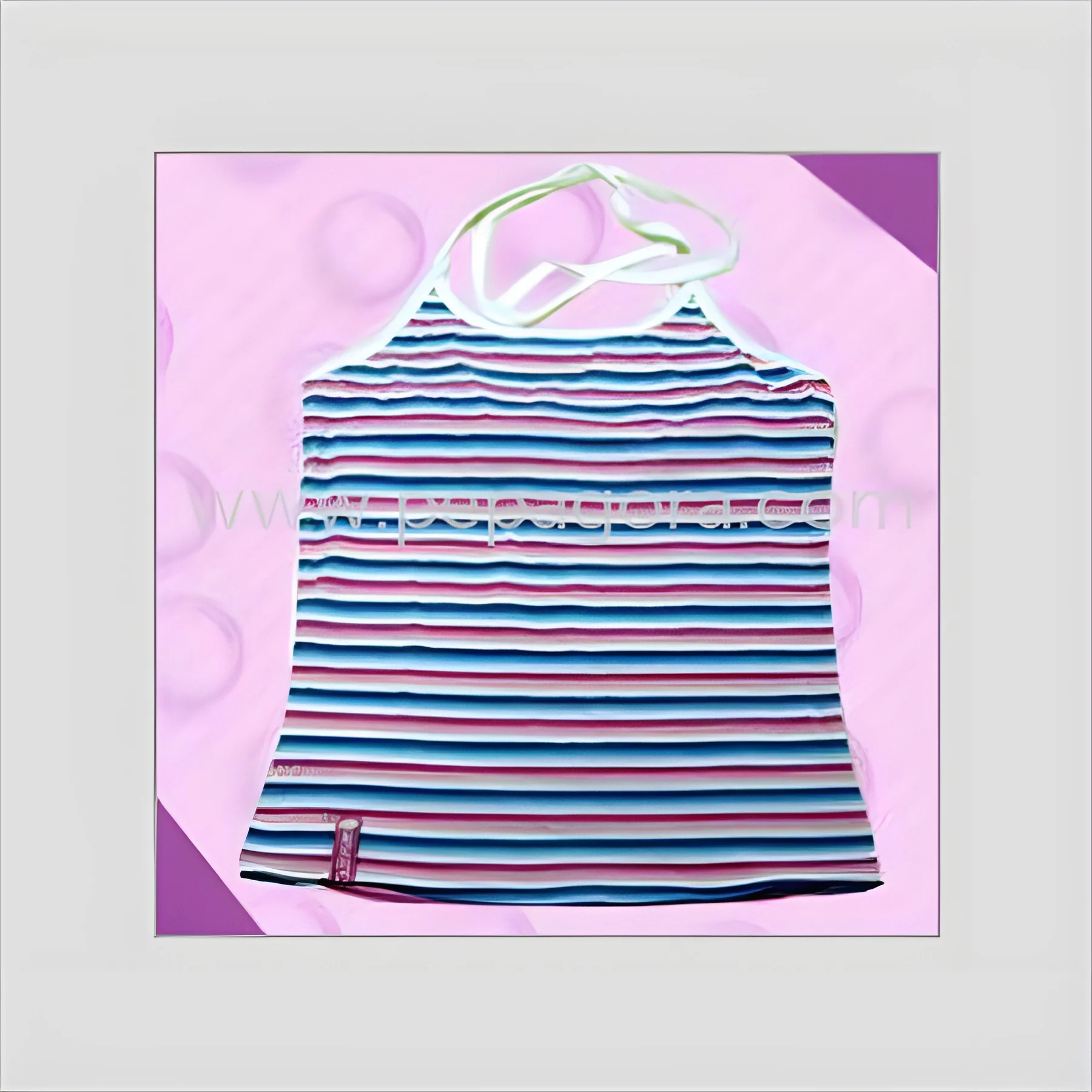
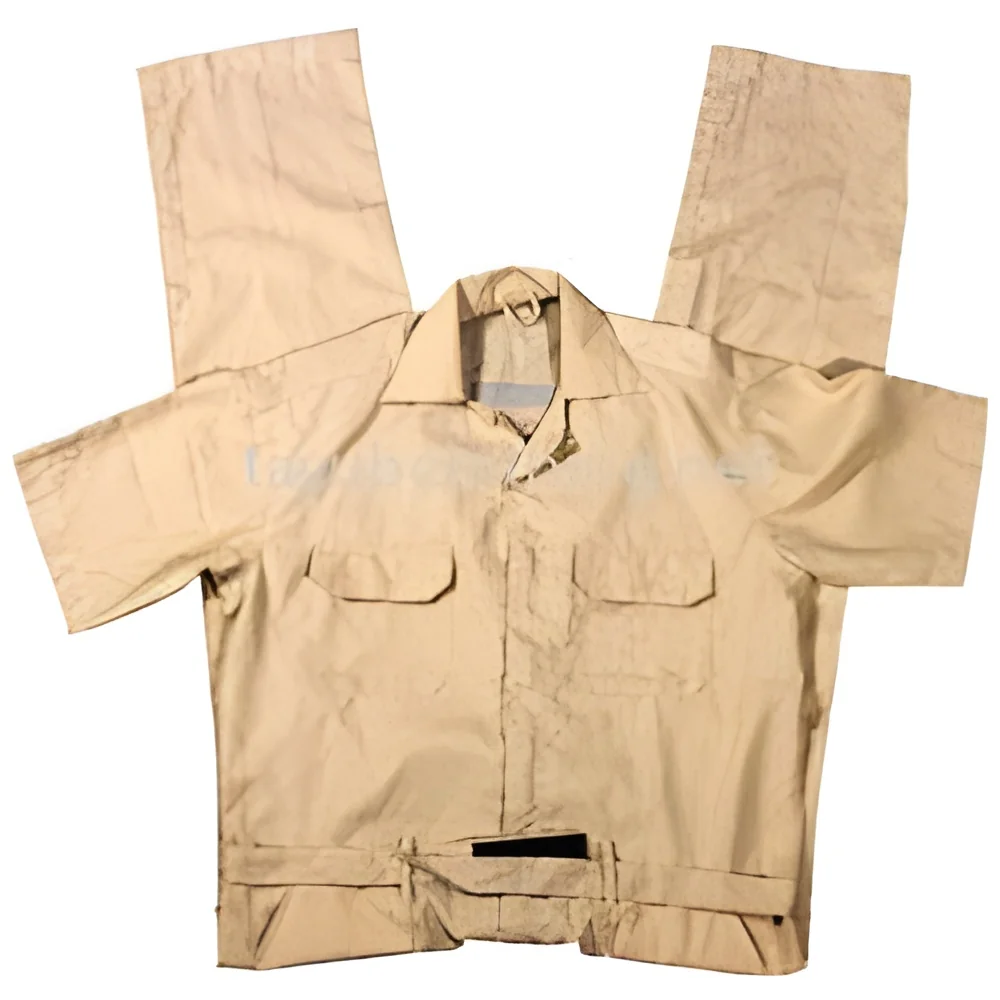
Recycled apparel refers to clothing and textile products made from post-consumer or post-industrial waste materials. These materials are processed and transformed into new fabrics, which are then used to create garments. The process contributes significantly to reducing waste in landfills and promotes sustainability in the fashion and textile industries. By utilizing existing materials, recycled apparel helps minimize the environmental impact associated with traditional garment production.
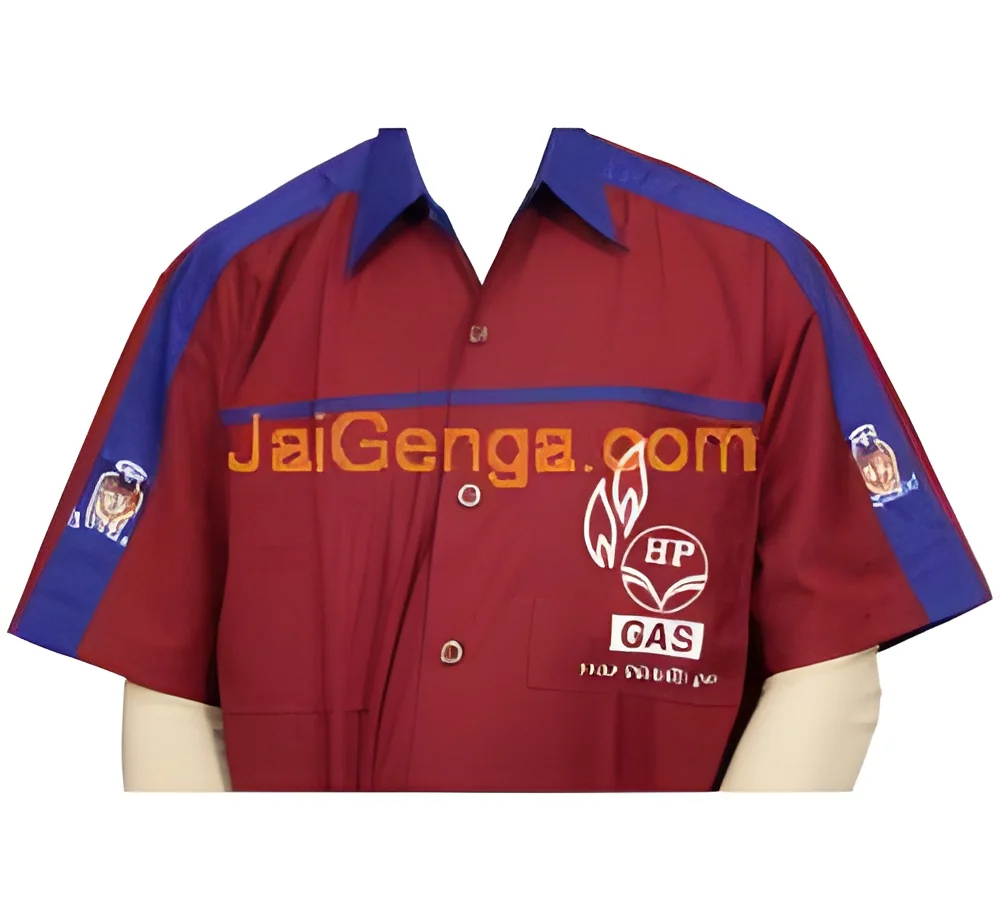
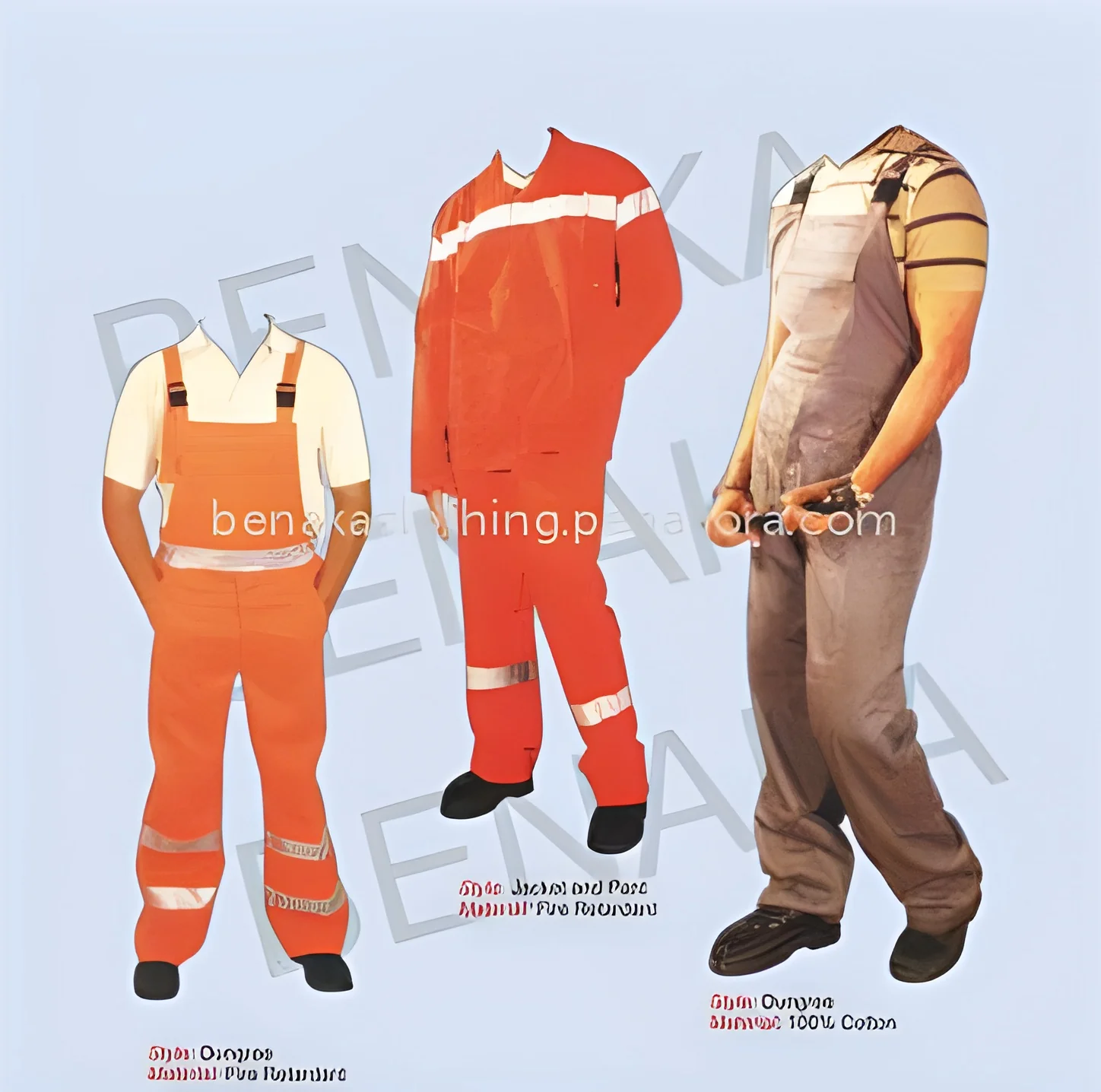
Recycled apparel finds primary uses in various sectors, including fashion retail, corporate wear, and promotional merchandise. Businesses leverage these products to meet consumer demand for eco-friendly alternatives while showcasing their commitment to sustainability. Recycled apparel can also be integrated into uniforms and workwear, aligning organizational values with environmental responsibility. The market for recycled textiles is expanding rapidly, driven by increased awareness of environmental issues and a push towards circular economy practices.
The relevance of recycled apparel in today's market is underscored by growing consumer interest in sustainable fashion. As brands strive to reduce their carbon footprints, the adoption of recycled materials has become a key strategy. This trend is reflected in the rising number of certifications and standards that validate the sustainability claims of recycled products. The industry is on a transformative path, with recycled apparel playing a pivotal role in shaping future manufacturing practices.
𝗞𝗲𝘆 𝗙𝗲𝗮𝘁𝘂𝗿𝗲𝘀 𝗮𝗻𝗱 𝗦𝗽𝗲𝗰𝗶𝗳𝗶𝗰𝗮𝘁𝗶𝗼𝗻𝘀
Recycled apparel comes with a range of features and specifications that cater to both consumer preferences and industry standards. Understanding these specifications can help businesses make informed purchasing decisions.
Key specifications include:
1. Fabric Composition
- Typically made from recycled polyester, cotton, or blends.
- Composition percentages may vary based on the product type.
2. Durability
- Designed to withstand regular wear and tear.
- Quality assurance tests ensure longevity and performance.
3. Moisture Management
- Some fabrics are engineered for better moisture-wicking properties.
- Essential for activewear applications.
4. Color Fastness
- Ensures colors remain vibrant after washing.
- Tested against fading and bleed.
5. Size Range
- Available in various sizes to accommodate different body types.
- Standardized size charts for consistency.
6. Eco-Certifications
- May include certifications such as CE.
- Verifies the product's adherence to environmental standards.
7. Production Lead Time
- Varies depending on the supplier and order size.
- Important for planning inventory and delivery.
8. Customization Options
- Availability of branding or design customization.
- Offers businesses the chance to tailor products to their needs.
Recycled apparel is not only an environmentally friendly choice but also offers performance features that meet market demands.
𝗖𝗼𝗺𝗺𝗼𝗻 𝗔𝗽𝗽𝗹𝗶𝗰𝗮𝘁𝗶𝗼𝗻𝘀 𝗮𝗻𝗱 𝗨𝘀𝗲 𝗖𝗮𝘀𝗲𝘀
Recycled apparel is versatile and serves various industries effectively.
1. Fashion Retail: Sustainable fashion brands use recycled apparel to create collections that appeal to eco-conscious consumers. This allows them to differentiate themselves in a competitive market.
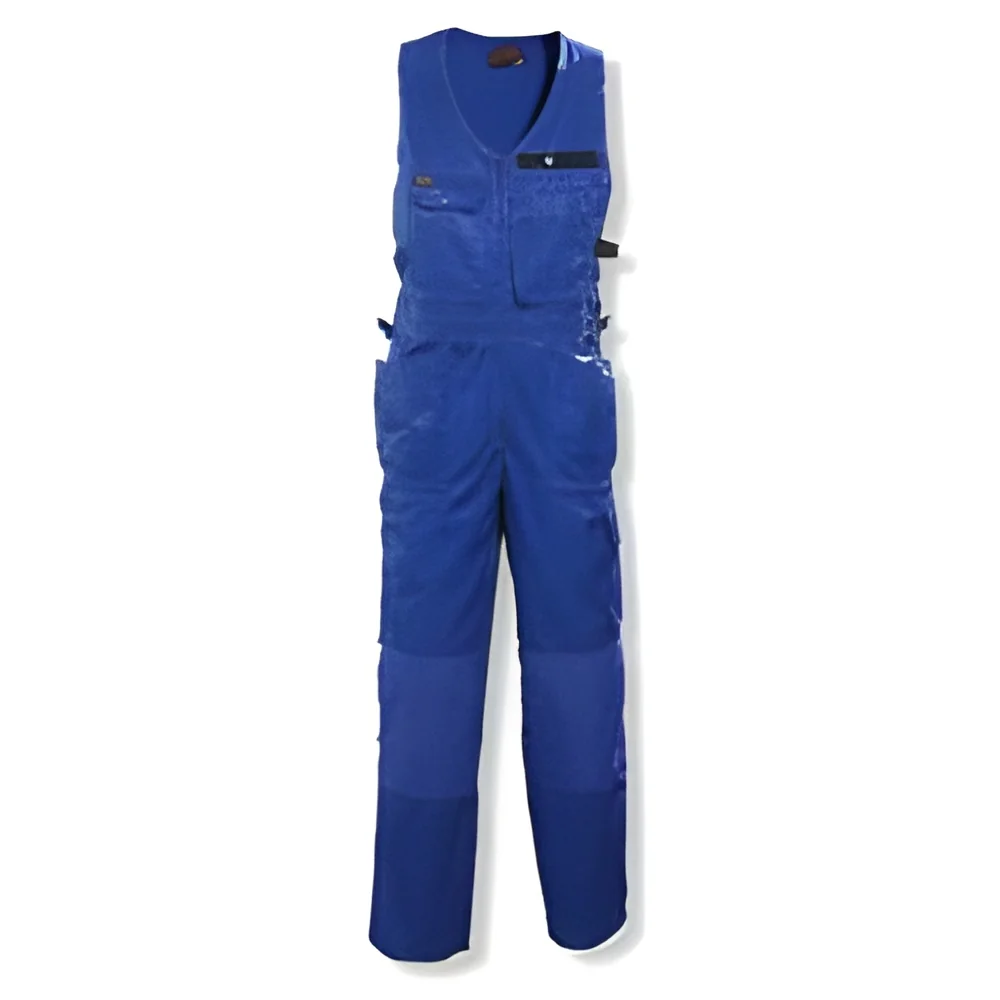
2. Corporate Wear: Companies are increasingly adopting recycled apparel for uniforms and corporate gifts. This enhances their brand image and reflects their commitment to sustainability.
3. Sports and Activewear: The moisture-wicking properties of certain recycled fabrics make them ideal for sportswear. Brands targeting athletes find these materials beneficial for performance.
4. Promotional Merchandise: Businesses can utilize recycled apparel for branded promotional items. This not only promotes their brand but also aligns with sustainable values.
5. Educational Institutions: Schools and universities may opt for recycled apparel for uniforms or merchandise. This fosters a culture of environmental awareness among students.
6. Non-Profit Organizations: Many NGOs use recycled apparel for fundraising events or awareness campaigns. This helps them promote their mission while supporting sustainability.
7. Hospitality Industry: Hotels and resorts can integrate recycled apparel into their staff uniforms, showcasing their environmental commitment to guests.
𝗣𝗿𝗼𝗱𝘂𝗰𝘁 𝗩𝗮𝗿𝗶𝗮𝗻𝘁𝘀 𝗮𝗻𝗱 𝗦𝘂𝗯𝗰𝗮𝘁𝗲𝗴𝗼𝗿𝗶𝗲𝘀
Recycled apparel encompasses a diverse range of products tailored to meet specific needs and preferences.
T-Shirts
Recycled t-shirts are popular choices for casual wear and promotional events. Made from soft, breathable materials, they often feature eco-friendly inks for printing logos or designs.
Hoodies
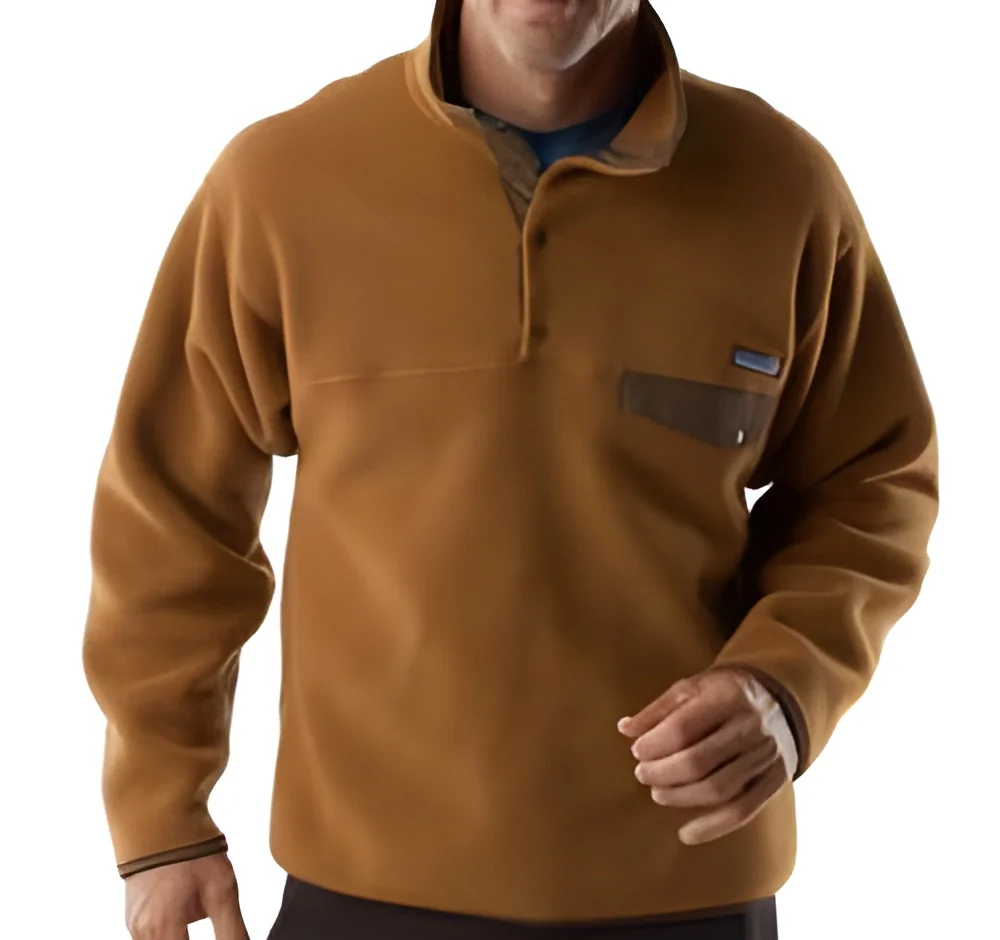
Recycled hoodies provide warmth and comfort, making them ideal for outdoor activities. They are available in various styles, catering to different fashion trends.
Activewear
Recycled activewear includes leggings, sports bras, and tops designed for fitness enthusiasts. These garments often feature moisture-wicking technology and stretchability for enhanced performance.
Outerwear
Recycled jackets and coats offer protection from the elements. Many are insulated with recycled materials, combining functionality with sustainability.
Accessories
Recycled apparel also includes accessories such as bags and hats. These items can complement clothing lines and provide additional eco-friendly options for consumers.
𝗕𝗲𝗻𝗲𝗳𝗶𝘁𝘀 𝗮𝗻𝗱 𝗔𝗱𝘃𝗮𝗻𝘁𝗮𝗴𝗲𝘀
Choosing recycled apparel offers several distinct advantages for businesses and consumers alike.
Key benefits include:
1. Environmental Impact: Utilizing recycled materials significantly reduces waste and resource consumption, making it a more sustainable choice.
2. Brand Differentiation: Companies that offer recycled apparel can stand out in the market, attracting eco-conscious consumers and enhancing brand loyalty.
3. Cost-Effective: While initial costs may vary, recycled apparel can lead to long-term savings by reducing material sourcing expenses.
4. Compliance with Regulations: Sourcing recycled apparel can help businesses meet environmental regulations and standards, ensuring compliance.
5. Consumer Demand: The growing interest in sustainable products means that businesses can cater to a larger market segment by offering recycled options.
6. Innovation Opportunities: The recycled apparel market is continually evolving, providing businesses with opportunities to innovate and develop new products.
𝗕𝘂𝘆𝗶𝗻𝗴 𝗚𝘂𝗶𝗱𝗲 𝗳𝗼𝗿 𝗕𝟮𝗕 𝗕𝘂𝘆𝗲𝗿𝘀
When sourcing recycled apparel, it is essential to consider several key factors to ensure quality and reliability.
1. Quality Assessment: Evaluate the fabric composition, durability, and performance features. Request samples to assess the quality before making bulk purchases.
2. Supplier Verification: Vet suppliers by checking their certifications, customer reviews, and track records. Building relationships with reputable suppliers is crucial for ongoing business success.
3. Pricing and MOQ: Understand the pricing structure and minimum order quantities (MOQ). Negotiate terms that align with your budget and inventory needs.
4. Delivery and Lead Times: Clarify delivery schedules and lead times during the ordering process. This helps in planning inventory management effectively.
5. Compliance Requirements: Ensure that the recycled apparel meets your industry’s compliance and certification standards. This is vital for maintaining credibility and trust with consumers.
𝗖𝗼𝗺𝗽𝗹𝗶𝗮𝗻𝗰𝗲 𝗮𝗻𝗱 𝗖𝗲𝗿𝘁𝗶𝗳𝗶𝗰𝗮𝘁𝗶𝗼𝗻𝘀
Recycled apparel must adhere to various quality standards and certifications to ensure safety and environmental responsibility.
Relevant quality standards include ISO 9001, which ensures consistency in quality management systems across suppliers. Compliance with HACCP (Hazard Analysis Critical Control Points) is essential for food-related apparel, while GDP (Good Distribution Practices) ensures that products are stored and transported safely.
Industry certifications, such as CE, indicate that the recycled apparel complies with European health, safety, and environmental protection standards. These certifications validate the products' claims, providing assurance to buyers.
Safety and testing requirements are crucial in ensuring that the apparel is free from harmful substances. Regular testing for chemical residues and physical performance characteristics is necessary to meet regulatory needs.
Regional compliance considerations may vary based on local legislation. Buyers should be aware of specific regulations applicable in their region to ensure the products sourced meet all necessary requirements.
𝗪𝗵𝘆 𝗦𝗼𝘂𝗿𝗰𝗲 𝗥𝗲𝗰𝘆𝗰𝗹𝗲𝗱 𝗔𝗽𝗽𝗮𝗿𝗲𝗹 𝗳𝗿𝗼𝗺 𝗣𝗲𝗽𝗮𝗴𝗼𝗿𝗮?
Pepagora is a trusted platform for sourcing recycled apparel, offering several key advantages for businesses.
Verified Supplier Network: Pepagora connects buyers with a network of verified suppliers who adhere to strict quality and sustainability standards. This ensures that businesses can trust their sourcing decisions.
Streamlined RFQ Process: The platform features a user-friendly request for quotation (RFQ) system that simplifies the procurement process. Buyers can easily compare options and select the best fit for their needs.
Trade Assurance and Support: Pepagora provides robust buyer protection through its trade assurance program. This program offers support in case of any disputes or issues, ensuring a secure purchasing experience.
Regional Coverage: With a strong presence in regions like India, the GCC, and Southeast Asia, Pepagora can cater to diverse business needs. This geographic reach allows companies to access a wide range of recycled apparel options tailored to their market demands.

 IN
IN