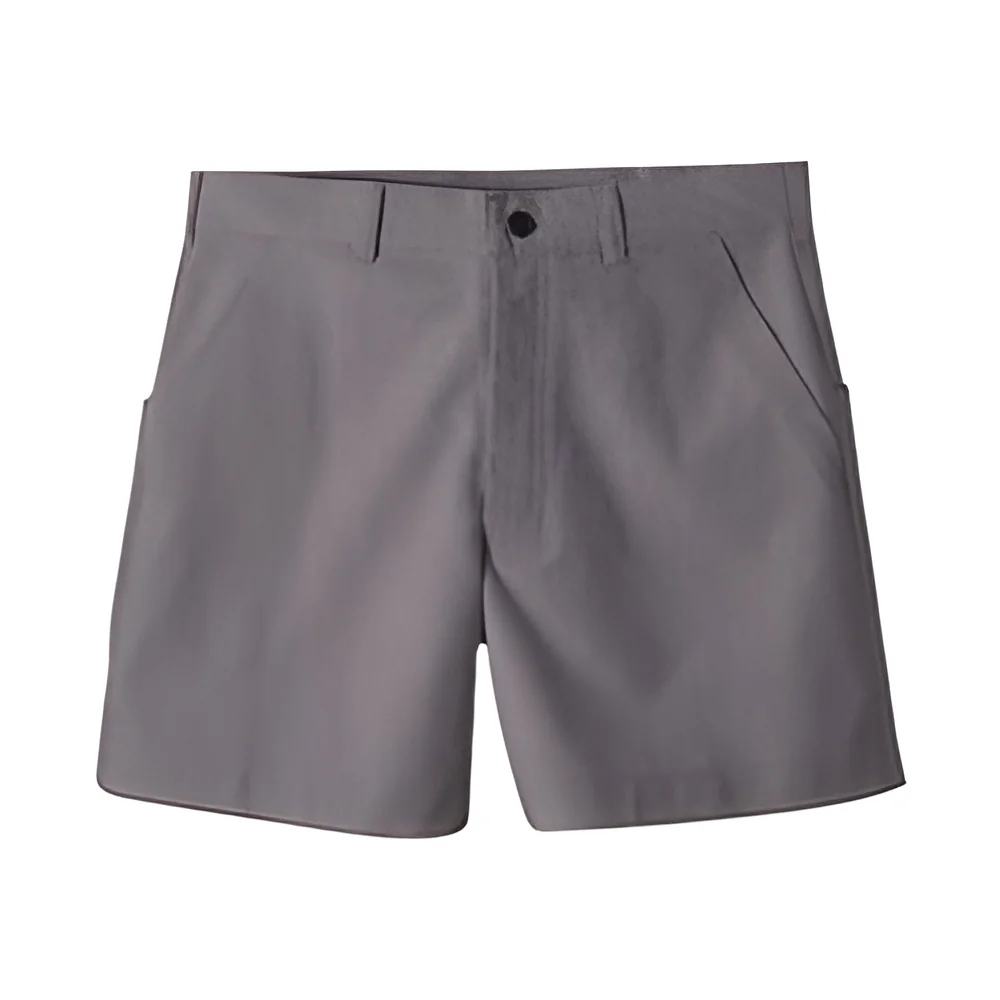
What are Recycled School Uniforms?
Recycled school uniforms are garments made from repurposed materials, specifically designed for educational institutions. These uniforms are created by processing discarded textiles, which are then transformed into new clothing items. This sustainable approach not only reduces waste but also conserves natural resources typically used in the production of new fabrics. By utilizing recycled materials, manufacturers contribute to environmental preservation while providing functional and stylish clothing options for students.
The primary applications of recycled school uniforms are within educational settings, where schools seek to promote sustainability while maintaining a uniform appearance among students. These uniforms are designed to withstand the demands of everyday school activities, ensuring durability and comfort. As schools increasingly embrace eco-friendly practices, the demand for recycled uniforms is growing, reflecting a broader shift toward sustainability in the apparel industry. This trend highlights the importance of responsible sourcing and manufacturing in today’s market.
Key Features and Specifications
Recycled school uniforms offer a range of features that cater to the needs of educational institutions while promoting sustainability. These garments are designed with both functionality and eco-friendliness in mind.
Key specifications include:
1. Material Composition
- Made from 100% recycled polyester or cotton.
- Provides a durable and breathable fabric suitable for daily wear.
2. Color Retention
- Designed to resist fading, maintaining vibrant colors through multiple washes.
- Offers a wide range of color options to meet school branding needs.
3. Size Range
- Available in various sizes to accommodate students from kindergarten through high school.
- Includes options for both standard and custom sizing.
4. Weight
- Lightweight designs for comfort during active school days.
- Fabric weight typically ranges between 150-200 grams per square meter.
5. Care Instructions
- Machine washable with low maintenance required.
- Designed to withstand regular washing without significant shrinkage.
6. Ethical Manufacturing
- Produced under fair labor practices.
- Adheres to environmental standards during the manufacturing process.
7. Customization Options
- Possibility for school logos and names to be embroidered or printed.
- Allows schools to personalize uniforms for identity and branding.
8. Eco-Friendly Certifications
- Certified by recognized environmental standards.
- Ensures products meet sustainability benchmarks.
In summary, recycled school uniforms combine functionality with eco-consciousness, making them an ideal choice for schools looking to promote a sustainable image.
Common Applications and Use Cases
Recycled school uniforms serve a variety of industries, primarily focusing on educational institutions.
1. Primary Education: These uniforms are often used in elementary schools, where comfort and durability are essential for active young students.
2. Secondary Education: Middle and high schools benefit from recycled uniforms, which provide a polished look while supporting eco-friendly initiatives.
3. Charter Schools: Many charter schools adopt recycled uniforms to align with their values of sustainability and community responsibility.
4. Private Schools: Some private institutions use recycled uniforms to enhance their image while reducing their environmental footprint.
5. International Schools: Schools with diverse student bodies often opt for recycled uniforms to promote inclusivity and sustainability simultaneously.
6. Sports Teams: School sports teams may use recycled materials for their uniforms, reinforcing a commitment to environmental stewardship.
7. Summer Camps: Camps that focus on outdoor activities often choose recycled uniforms for their practicality and ease of care.
Product Variants and Subcategories
Recycled school uniforms come in various styles and designs to meet the diverse needs of schools and students.
Standard Polo Shirts
These polo shirts are made from recycled materials and are ideal for casual school days. They are designed for comfort and ease of movement, making them perfect for younger students.
Dress Shirts
Recycled dress shirts offer a more formal option for special occasions and school events. They maintain a professional appearance while adhering to sustainable practices.
Shorts and Trousers
Recycled shorts and trousers provide students with comfortable options for warmer weather or physical activities. Their durability ensures they can withstand regular wear and tear.
Jackets and Sweaters
Recycled jackets and sweaters are suitable for cooler climates and can be layered easily. These items provide warmth while continuing to support eco-friendly initiatives.
Benefits and Advantages
Recycled school uniforms present numerous advantages for schools and students alike.
Key benefits include:
1. Environmental Impact: Utilizing recycled materials significantly reduces waste and conserves resources, promoting a sustainable approach to fashion.
2. Cost-Effectiveness: Recycled uniforms can often be more affordable than new garments, providing schools with budget-friendly options.
3. Durability: Designed to withstand the rigors of daily school life, these uniforms offer long-lasting wear.
4. Comfort: Made from breathable materials, these uniforms ensure comfort for students throughout the school day.
5. Brand Image: Schools can enhance their reputation by adopting eco-friendly practices and promoting sustainability.
6. Customization: The ability to personalize uniforms allows schools to maintain their unique identity while encouraging environmental responsibility.
Buying Guide for B2B Buyers
When sourcing recycled school uniforms, B2B buyers should consider several key factors to ensure they make informed decisions.
1. Quality Assessment: Evaluate the fabric quality and durability to ensure the uniforms can withstand frequent use. Look for samples or reviews from other institutions to gauge performance.
2. Supplier Verification: Vet suppliers thoroughly to confirm their commitment to ethical manufacturing practices and environmental standards. Check for certifications that validate their claims.
3. Pricing and MOQ: Understand the pricing structure and minimum order quantities to align with budget constraints. Compare multiple suppliers to find the best value.
4. Delivery and Lead Times: Inquire about logistics and lead times to ensure uniforms can be delivered on schedule, especially before the start of the school year.
5. Compliance Requirements: Ensure that the uniforms meet relevant local regulations and standards for school apparel. This includes safety and environmental compliance.
Compliance and Certifications
Recycled school uniforms must adhere to various compliance and certification standards to ensure quality and safety.
Relevant quality standards include ISO 9001, which emphasizes a quality management system ensuring consistent quality in products and services. Additionally, HACCP (Hazard Analysis and Critical Control Points) may apply in terms of safety during the manufacturing process, particularly when it involves handling textiles.
Industry certifications such as CE validate that products meet European safety standards, showcasing a commitment to quality and safety in manufacturing.
Safety and testing requirements may vary by region, and manufacturers should ensure their products are tested for harmful substances in line with regulations. Regional compliance considerations are crucial, as different areas may have specific requirements for educational apparel that must be addressed.
Why Source Recycled School Uniforms from Pepagora?
Pepagora offers a trusted platform for sourcing recycled school uniforms, providing several key advantages for B2B buyers.
Verified Supplier Network: Pepagora carefully vets suppliers to ensure they meet stringent quality and ethical standards. This network allows buyers to source uniforms with confidence, knowing they are supporting responsible manufacturing practices.
Streamlined RFQ Process: The request for quotation (RFQ) process on Pepagora is designed to be straightforward, allowing buyers to easily compare options and make informed decisions without unnecessary complications.
Trade Assurance and Support: Pepagora provides trade assurance, protecting buyers throughout the purchasing process. This support includes assistance with any issues that may arise, ensuring a smooth transaction experience.
Regional Coverage: With a strong presence in India, the GCC, and Southeast Asia, Pepagora offers extensive geographic reach. This enables buyers to access a diverse range of suppliers and products tailored to their specific regional needs.

 IN
IN