
 IN
Ready-to-Eat Parathas & Rotis
4 products available
What are Ready-to-Eat Parathas & Rotis?
Ready-to-Eat Parathas and Rotis are traditional Indian flatbreads that have been pre-cooked and packaged for immediate consumption. They are designed for convenience, allowing businesses to offer authentic Indian cuisine without the labor-intensive preparation. These products are typically made from wheat flour, which gives them a soft texture and delightful flavor.
These ready-to-eat options are widely used in various sectors, including restaurants, catering services, and food distribution companies. They provide a quick solution for meal preparation, enabling businesses to serve delicious meals efficiently. As the demand for convenient and authentic food options continues to grow, ready-to-eat parathas and rotis have become increasingly relevant in the food industry. Their ability to cater to a diverse clientele makes them a valuable addition to any food service menu.
Key Features and Specifications
Ready-to-Eat Parathas and Rotis come with several key features that enhance their usability and appeal. These specifications ensure a consistent and high-quality product that meets industry standards.
Key specifications include:
1. Ingredients
- Made from high-quality wheat flour.
- May include additional ingredients like oil and salt for flavor.
2. Shelf Life
- Typically have a shelf life of 6-12 months when stored properly.
- Requires refrigeration or freezing to maintain freshness after opening.
3. Packaging
- Available in vacuum-sealed or airtight packaging to prolong shelf life.
- Pack sizes can range from individual servings to bulk packaging.
4. Preparation Method
- Ready to eat after minimal heating (e.g., microwave or skillet).
- Can be reheated directly from frozen or thawed.
5. Nutritional Information
- Contains essential nutrients, including carbohydrates and proteins.
- May vary based on specific recipes and added ingredients.
6. Allergen Information
- Common allergens include gluten; specific allergen information should be provided.
7. Compliance Standards
- Follows industry regulations and safety standards like CE certification.
In summary, these features provide essential information for businesses looking to incorporate ready-to-eat parathas and rotis into their offerings.
Common Applications and Use Cases
Ready-to-Eat Parathas and Rotis serve a variety of industries, making them versatile food products.
1. Restaurants: Many restaurants use these products to save time in food preparation while offering authentic Indian dishes on their menus.
2. Catering Services: Catering companies can easily include ready-to-eat parathas and rotis in their buffet spreads, providing guests with quick meal options.
3. Retail Food Outlets: Grocery stores often stock these items in their frozen food sections to cater to customers seeking convenient meal solutions.
4. Meal Kit Services: Companies providing meal kits can include these flatbreads as easy-to-prepare components, enhancing their product offerings.
5. Food Trucks: Mobile food vendors leverage ready-to-eat parathas and rotis for quick service, appealing to customers on-the-go.
6. Institutional Feeding: Schools and hospitals may use these products in their meal programs to offer nutritious and convenient food options.
7. Online Food Delivery: Businesses in the food delivery sector can benefit from the simplicity of including these items in their menus, appealing to a broad audience.
Product Variants and Subcategories
The diversity of Ready-to-Eat Parathas and Rotis allows businesses to choose from various options to meet customer preferences.
Plain Paratha: This classic variant features a traditional recipe and is ideal for pairing with various curries or chutneys. Its simple flavor profile makes it a versatile option for many dishes.
Whole Wheat Roti: Made with whole wheat flour, this variant offers a healthier alternative. It is popular among health-conscious consumers looking for nutritious meal options.
Stuffed Paratha: Filled with ingredients like potatoes, paneer, or vegetables, this variant provides added flavor and nutrition. It serves as a complete meal option and is popular in both retail and restaurant settings.
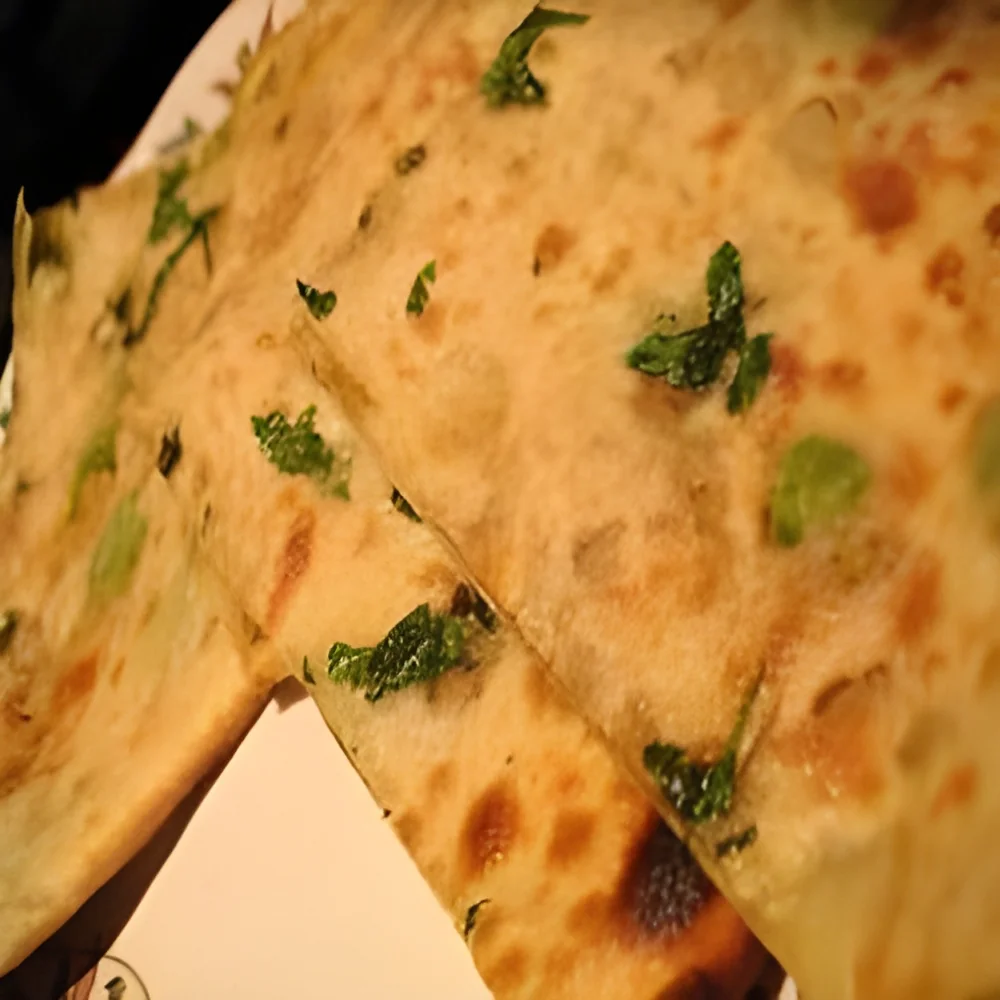
Garlic Roti: Infused with garlic, this variant offers a unique taste that complements many dishes. It is often favored for its aromatic flavor and is an excellent choice for enhancing meal experiences.
Benefits and Advantages
The advantages of Ready-to-Eat Parathas and Rotis make them an appealing choice for businesses.
Key benefits include:
1. Time-Saving: These products eliminate the need for extensive preparation, allowing businesses to serve meals quickly.
2. Consistent Quality: Ready-to-eat options ensure consistent taste and texture, meeting customer expectations every time.
3. Versatility: Parathas and rotis can be paired with various dishes, making them suitable for diverse menus.
4. Cost-Effective: With reduced labor costs and minimized food waste, businesses can improve their bottom line.
5. Nutritional Value: These flatbreads provide essential carbohydrates and can be enriched with fiber and other nutrients.
6. Consumer Appeal: The convenience of ready-to-eat options attracts busy consumers looking for quick meal solutions.
Buying Guide for B2B Buyers
When sourcing Ready-to-Eat Parathas and Rotis, businesses should consider several factors to make informed purchasing decisions.
1. Quality Assessment: Evaluate the quality of ingredients used in the products. Look for suppliers who provide detailed nutritional information and allergen disclosures.
2. Supplier Verification: It is crucial to vet suppliers to ensure they comply with industry standards and possess necessary certifications. Check their reputation and reliability.
3. Pricing and MOQ: Understand the pricing structure and minimum order quantities. Compare prices across multiple suppliers to find the best deal while ensuring quality.
4. Delivery and Lead Times: Inquire about lead times for orders and the logistics involved in delivery. Timely delivery is essential for maintaining inventory and meeting customer demands.
5. Compliance Requirements: Ensure that the products meet local and international compliance standards. This includes safety regulations and certifications that may be necessary for specific markets.
Compliance and Certifications
Ready-to-Eat Parathas and Rotis are subject to various quality standards and certifications that ensure safety and compliance within the food industry.
ISO 9001 is a quality management standard that guarantees consistent production processes and adherence to quality control measures. Compliance with HACCP (Hazard Analysis Critical Control Point) ensures that food safety risks are identified and managed throughout the production process.
Additionally, CE certification indicates that the products meet European health, safety, and environmental protection standards. Regular safety testing is conducted to assess the quality and safety of the food products.
Regional compliance considerations may vary, and businesses should be aware of specific regulations applicable to their market. This includes understanding labeling requirements, nutritional disclosures, and allergen information.
Why Source Ready-to-Eat Parathas & Rotis from Pepagora?
Pepagora provides a trusted platform for sourcing Ready-to-Eat Parathas and Rotis, offering several key advantages for businesses.
Verified Supplier Network: Pepagora connects buyers with a network of verified suppliers, ensuring that businesses can source high-quality products with confidence. Each supplier undergoes thorough vetting to maintain industry standards.
Streamlined RFQ Process: The platform simplifies the request for quotation process, allowing buyers to quickly compare prices and specifications from multiple suppliers. This efficiency saves time and facilitates informed purchasing decisions.
Trade Assurance and Support: Pepagora offers trade assurance to protect buyers, ensuring successful transactions and providing support throughout the sourcing process. This includes assistance with any potential disputes.
Regional Coverage: With a geographic reach extending across India, the GCC, and Southeast Asia, Pepagora caters to a wide range of businesses. This regional focus allows for tailored solutions that meet specific market needs while ensuring timely delivery and service.



 India
 India
Frequently Asked Questions
What are Ready-to-Eat Parathas & Rotis?
Ready-to-Eat Parathas & Rotis are pre-cooked Indian flatbreads that require minimal preparation before consumption. They are typically frozen or packaged for convenience, allowing consumers to heat and serve them quickly.
What are the different types of Ready-to-Eat Parathas & Rotis?
There are various types of Ready-to-Eat Parathas & Rotis, including plain parathas, stuffed parathas (such as aloo, paneer, or gobi), and different styles of rotis like whole wheat or missi roti. Each type caters to different taste preferences and dietary needs.
How do I choose the right Ready-to-Eat Parathas & Rotis?
When selecting Ready-to-Eat Parathas & Rotis, consider factors such as flavor preferences, dietary restrictions, and the intended use (e.g., meal or snack). Additionally, check the ingredient list for any allergens or preservatives that may not align with your dietary needs.
What are the standard specifications for Ready-to-Eat Parathas & Rotis?
Standard specifications for Ready-to-Eat Parathas & Rotis typically include dimensions, weight, packaging type, shelf life, and ingredient quality. Manufacturers may also specify cooking instructions and nutritional information on the packaging.
What is the price range for Ready-to-Eat Parathas & Rotis?
The price range for Ready-to-Eat Parathas & Rotis can vary based on brand, type, and packaging. Generally, prices can range from INR 50 to INR 200 for a pack, depending on the quantity and quality of the product.
What quality standards apply to Ready-to-Eat Parathas & Rotis?
Quality standards for Ready-to-Eat Parathas & Rotis include adherence to food safety regulations, hygiene standards, and proper labeling. Manufacturers may also comply with standards set by organizations such as FSSAI (Food Safety and Standards Authority of India) to ensure product safety and quality.
Where can I find Ready-to-Eat Parathas & Rotis suppliers in India?
You can find suppliers of Ready-to-Eat Parathas & Rotis through B2B marketplaces like Pepagora.com, food trade shows, and industry directories. Additionally, researching online can help locate manufacturers and wholesalers in your region.
Can Ready-to-Eat Parathas & Rotis be customized?
Yes, many manufacturers offer customization options for Ready-to-Eat Parathas & Rotis. This can include variations in flavors, ingredients, or packaging to meet specific customer requirements or dietary preferences.
What is the typical minimum order quantity for Ready-to-Eat Parathas & Rotis?
The typical minimum order quantity (MOQ) for Ready-to-Eat Parathas & Rotis varies by supplier but generally ranges from 100 to 500 units. It's advisable to confirm with the supplier for their specific MOQ requirements.
What is the typical lead time for Ready-to-Eat Parathas & Rotis?
The typical lead time for Ready-to-Eat Parathas & Rotis can range from a few days to several weeks, depending on the supplier and order size. It's best to communicate directly with the supplier to get an accurate estimate for your order.
Why Businesses Trust Pepagora
Thousands of companies trust Pepagora to source smarter and sell faster
Expand Your Sales Globally

Source Smarter,Grow Faster
