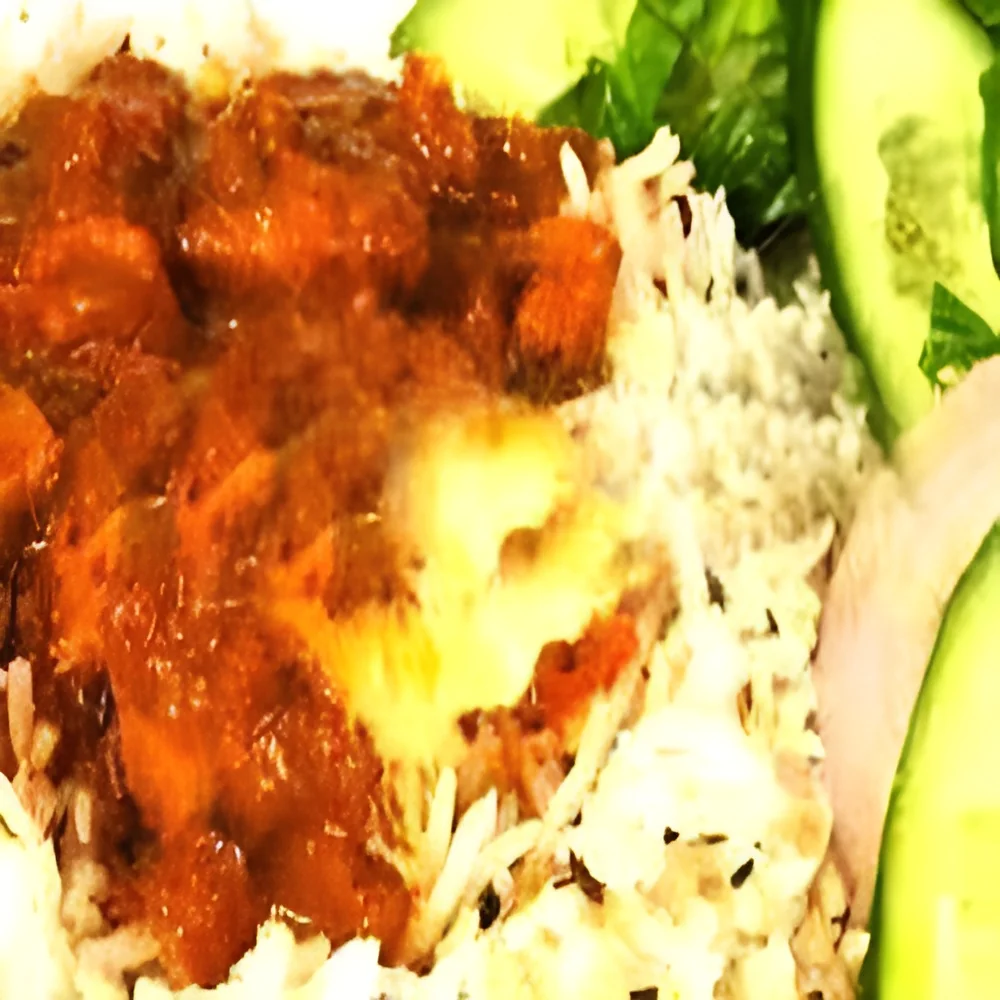
Key Features and Specifications
Frozen ready meals come with a variety of features designed to meet the needs of B2B buyers. These specifications ensure that the products are not only convenient but also maintain high quality and safety standards.
Key specifications include:
1. Packaging Type
- Meals are typically packaged in vacuum-sealed containers or trays to prevent freezer burn and maintain freshness.
- Options may include microwavable packaging for ease of use.
2. Shelf Life
- Most frozen meals have a shelf life ranging from 12 to 24 months when stored at appropriate temperatures.
- This duration provides flexibility for inventory management.
3. Portion Size
- Meals are available in various portion sizes to cater to different customer needs, from individual servings to larger family-style portions.
- This allows businesses to choose according to their target market.
4. Nutritional Information
- Each meal is labeled with detailed nutritional information, including calorie count, protein content, and allergen warnings.
- This transparency supports informed purchasing decisions.
5. Cuisine Variety
- Options include a wide selection of dishes from Indian, Asian, and Western cuisines, catering to diverse tastes.
- This variety helps businesses appeal to a broader customer base.
6. Preparation Method
- Meals can be prepared through various methods such as microwaving, baking, or steaming, offering flexibility in preparation.
- This feature accommodates different kitchen setups.
7. Dietary Options
- Some meals cater to specific dietary restrictions, including vegetarian, vegan, gluten-free, and low-calorie options.
- This inclusivity broadens market appeal.
8. Compliance with Safety Standards
- Products adhere to food safety regulations, ensuring they are safe for consumption.
- Compliance with industry standards such as CE certification is essential for market acceptance.
In summary, frozen ready meals offer a range of features and specifications that cater to the demands of modern consumers and businesses. Their convenience, variety, and adherence to safety standards make them a valuable product in the food industry.
Common Applications and Use Cases
Frozen ready meals find applications across numerous sectors, making them a versatile option for businesses.
1. Restaurants: Many restaurants use frozen ready meals to supplement their menus, especially during peak hours, allowing for faster service without compromising quality.
2. Catering Services: Catering companies utilize these meals to provide consistent and high-quality food for events, ensuring that they can serve large groups efficiently.
3. Healthcare Facilities: Hospitals and nursing homes often rely on frozen meals to provide nutritious options for patients, particularly those with dietary restrictions.
4. Educational Institutions: Schools and universities use frozen ready meals in their cafeterias to offer students quick and diverse meal choices.
5. Food Trucks: Mobile food vendors benefit from the convenience of frozen meals, which require minimal preparation and can be served quickly.
6. Convenience Stores: Many convenience stores stock frozen ready meals as a quick meal option for customers on the go, enhancing their product offerings.
7. Meal Delivery Services: Companies specializing in meal delivery can provide frozen options to ensure freshness and quality during transport.
Product Variants and Subcategories
The diversity of frozen ready meals allows businesses to select options that best fit their target market and operational needs.
Indian Cuisine: This variant includes popular dishes such as butter chicken, paneer tikka, and biryani. These meals are rich in flavor and often come with accompanying sauces or sides, making them a favorite among consumers seeking authentic Indian flavors.
Asian Cuisine: Frozen meals in this category feature dishes like stir-fried noodles, dumplings, and curries. They often incorporate a variety of vegetables and proteins, appealing to those who enjoy Asian culinary traditions.
Western Cuisine: This variant includes classic dishes such as lasagna, meatloaf, and shepherd's pie. These meals offer familiar flavors and comfort food options that resonate with a broad audience.
Benefits and Advantages
Frozen ready meals offer numerous benefits that can significantly enhance business operations.
1. Convenience: These meals require minimal preparation, allowing businesses to serve customers quickly and efficiently.
2. Cost-Effectiveness: By reducing food waste and minimizing labor costs, frozen meals present a financially savvy option for many establishments.
3. Consistent Quality: Frozen meals maintain their taste and nutritional value, ensuring that each serving meets customer expectations.
4. Variety of Choices: The availability of different cuisines and dietary options allows businesses to cater to diverse customer preferences.
5. Long Shelf Life: With proper storage, frozen meals can be kept for extended periods, providing flexibility in inventory management.
6. Reduced Preparation Time: Businesses can save valuable kitchen time, allowing staff to focus on other critical tasks.
Buying Guide for B2B Buyers
When sourcing frozen ready meals, businesses should consider several key factors to ensure they make informed purchasing decisions.
1. Quality Assessment: Evaluate the quality of meals through sampling and checking for certifications. Ensure that the meals meet your standards for taste and presentation.
2. Supplier Verification: Vet suppliers to confirm their reliability and reputation in the market. Look for feedback from other businesses and check for compliance with industry standards.
3. Pricing and MOQ: Understand the pricing structure and minimum order quantities (MOQ) required by suppliers. This information is crucial for budgeting and inventory planning.
4. Delivery and Lead Times: Discuss logistics with suppliers to determine delivery schedules and lead times. This information helps in planning your inventory and ensuring timely service to customers.
5. Compliance Requirements: Ensure that the meals comply with relevant regulatory standards and certifications required in your region. This consideration is essential for food safety and market acceptance.
Compliance and Certifications
Frozen ready meals must meet various compliance and certification requirements to ensure safety and quality. Key standards include ISO 9001 for quality management systems, HACCP for food safety management, and GDP for good distribution practices.
Industry certifications, such as CE, indicate that the products meet European safety standards, which is crucial for market entry in certain regions.
Additionally, safety and testing requirements are vital to guarantee that meals are free from contaminants and safe for consumption. Regional compliance considerations must also be taken into account, as different countries may have specific regulations governing food safety and labeling.
Why Source Frozen Ready Meals (Indian, Asian, Western) from Pepagora?
Pepagora offers a trusted platform for sourcing frozen ready meals with several advantages that benefit B2B buyers.
Verified Supplier Network: Pepagora connects buyers with a network of verified suppliers, ensuring that businesses can source high-quality frozen meals with confidence. Each supplier undergoes a thorough vetting process to confirm their reliability and compliance with industry standards.
Streamlined RFQ Process: The request for quotation (RFQ) process is designed to be straightforward, allowing buyers to quickly receive quotes from multiple suppliers. This efficiency simplifies the sourcing process and helps businesses find the best options for their needs.
Trade Assurance and Support: Pepagora provides trade assurance to protect buyers throughout the purchasing process. This buyer protection enhances confidence in transactions and fosters long-term relationships with suppliers.
Regional Coverage: With a strong presence in regions like India, the GCC, and Southeast Asia, Pepagora offers extensive geographic coverage. This reach allows businesses to tap into diverse markets and access a wide array of frozen meal options tailored to local tastes and preferences.

 IN
IN