
 IN
Ready-to-Eat Curries (Paneer, Rajma, Chole)
10 products available
Key Features and Specifications
Ready-to-Eat Curries (Paneer, Rajma, Chole) offer several key features that enhance their appeal in the market. These specifications ensure quality, taste, and convenience for end-users.
Key specifications include:
1. Shelf Life
- Typically ranges from 6 months to 1 year.
- Ensures longevity and convenience for storage.
2. Packaging Type
- Available in retort pouches or microwave-safe containers.
- Designed for easy opening and heating.
3. Nutritional Information
- Generally provides a balanced meal with protein and fiber.
- Specific values can vary by product.
4. Serving Size
- Usually designed for individual or family servings.
- Common serving sizes range from 200g to 400g.
5. Ingredient Sourcing
- Made from high-quality, natural ingredients.
- Focus on authentic spices and flavors.
6. Preparation Method
- Ready to heat and serve in minutes.
- Can be prepared using a microwave, stovetop, or boiling water.
In summary, these specifications contribute to the overall quality and convenience of Ready-to-Eat Curries, making them an attractive option for both consumers and businesses.
Common Applications and Use Cases
Ready-to-Eat Curries serve a variety of industries and applications, providing versatile meal solutions.
1. Food Service: Restaurants and cafes can use these curries for quick meal options that require minimal preparation, catering to busy customers.
2. Catering: Event caterers can incorporate these curries into their menus, offering guests authentic flavors without extensive cooking.
3. Educational Institutions: Schools and universities can provide students with nutritious meal options that are easy to prepare and serve.
4. Healthcare: Hospitals and care homes can offer these curries as part of their meal programs, ensuring patients have access to flavorful and healthy meals.
5. Retail: Grocery stores can stock these products as convenient meal solutions for busy families looking for quick dinner options.
6. Corporate Cafeterias: Businesses can enhance their cafeteria offerings with these Ready-to-Eat Curries, appealing to employees seeking diverse meal choices.
Product Variants and Subcategories
The diversity of Ready-to-Eat Curries allows for various product variants to cater to different tastes and dietary preferences.
Paneer Curry
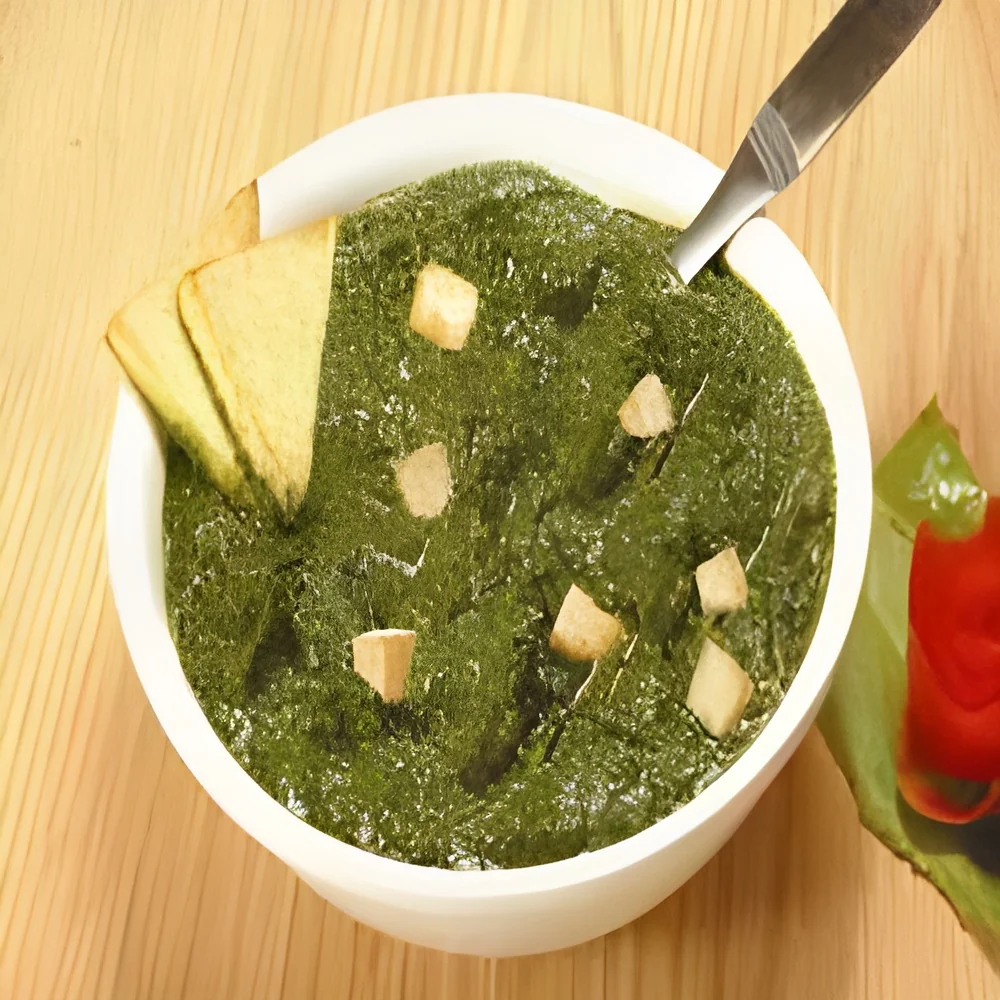
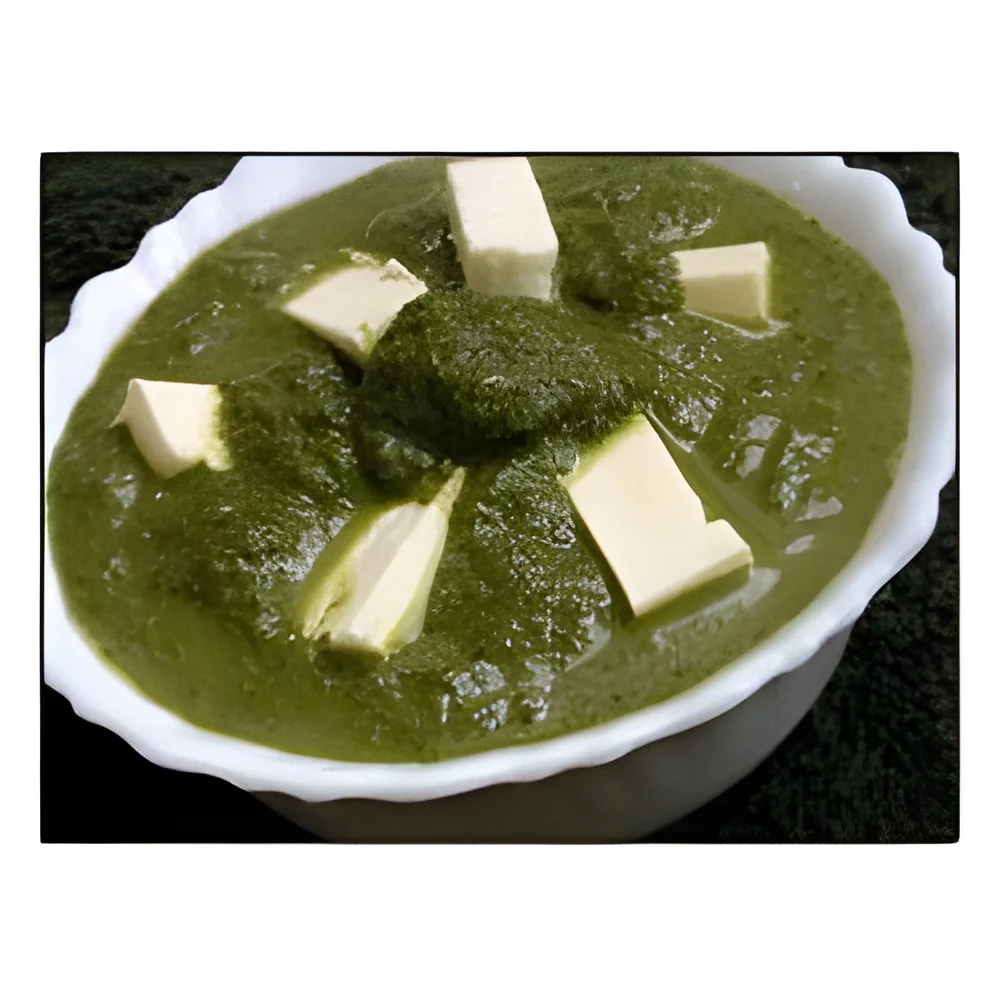
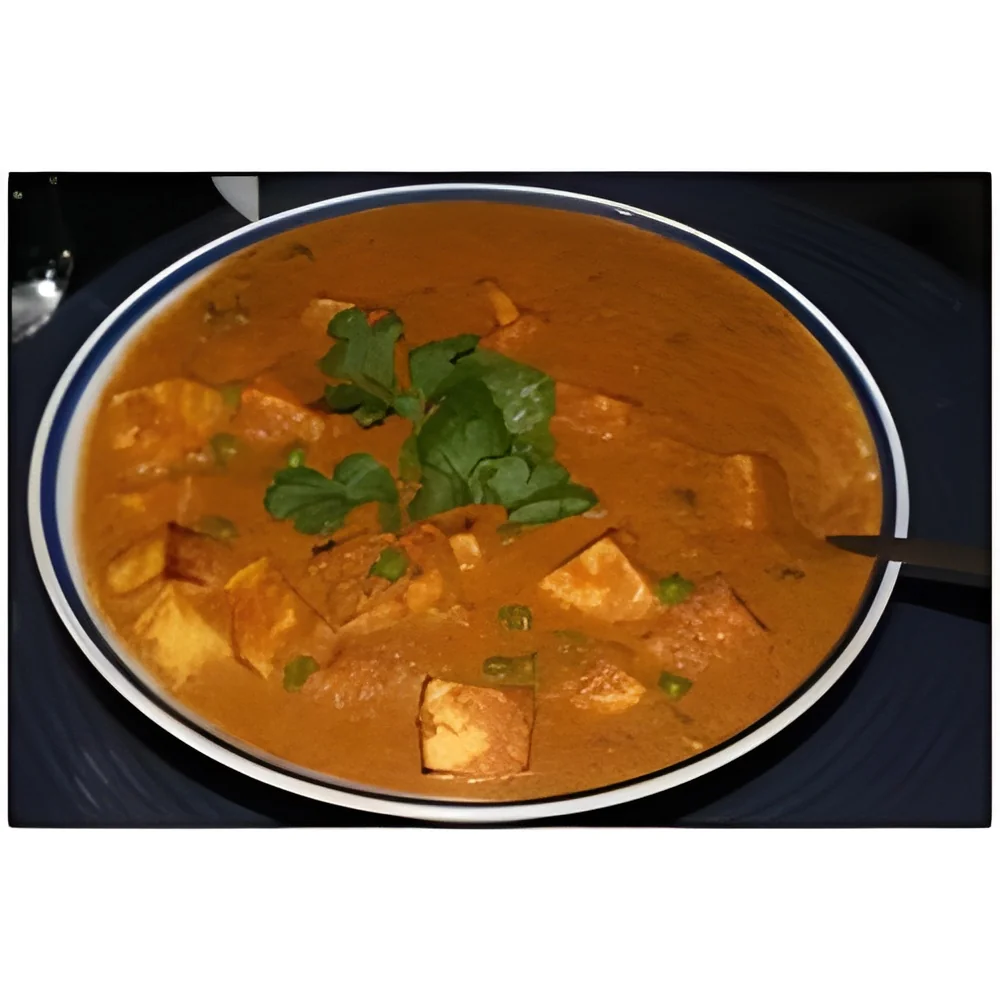
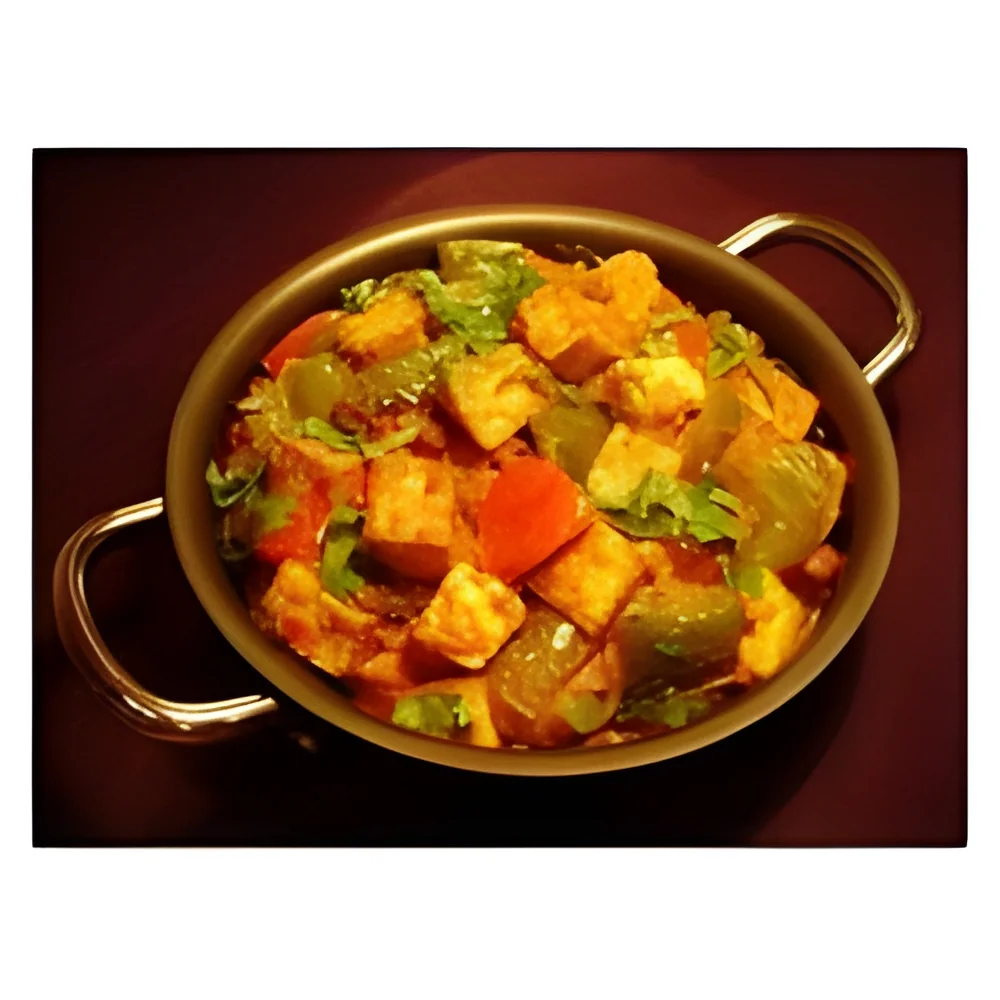
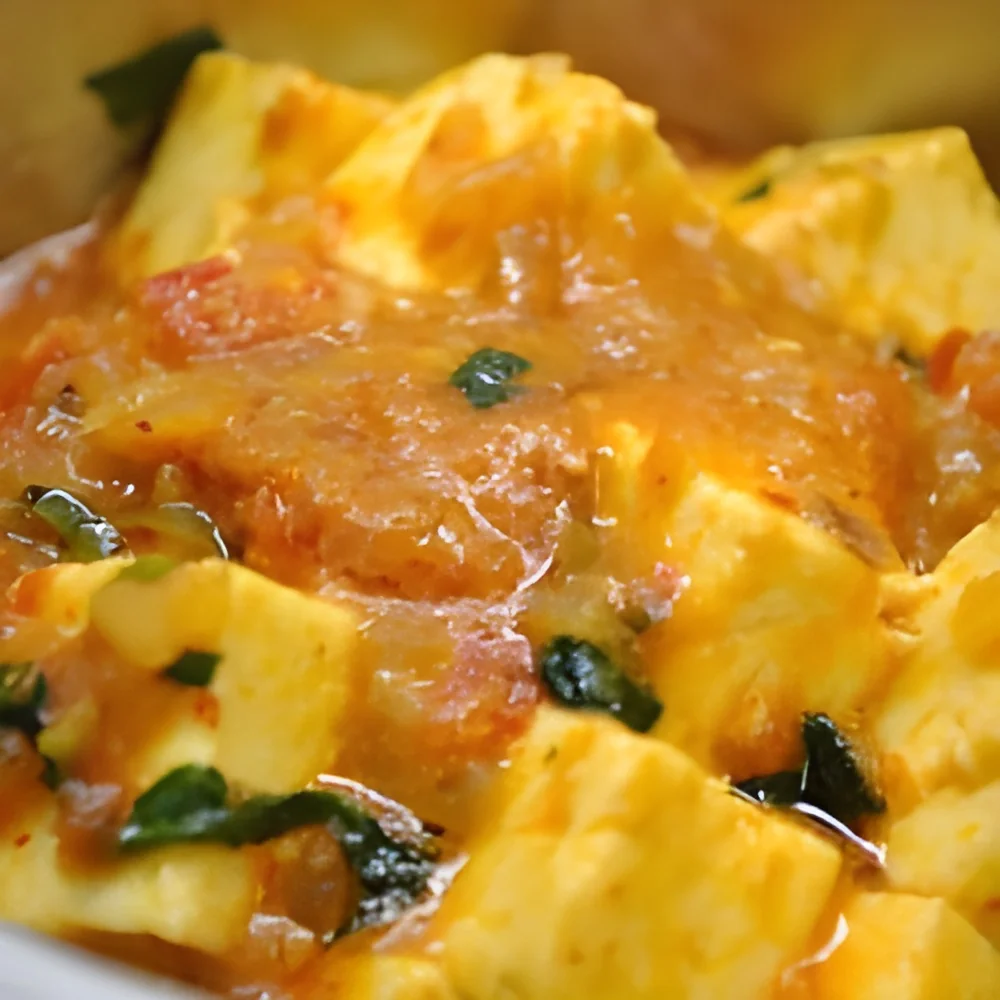
This variant features paneer cheese simmered in a rich, spiced gravy. It is a popular vegetarian option that pairs well with rice or bread.
Rajma Curry
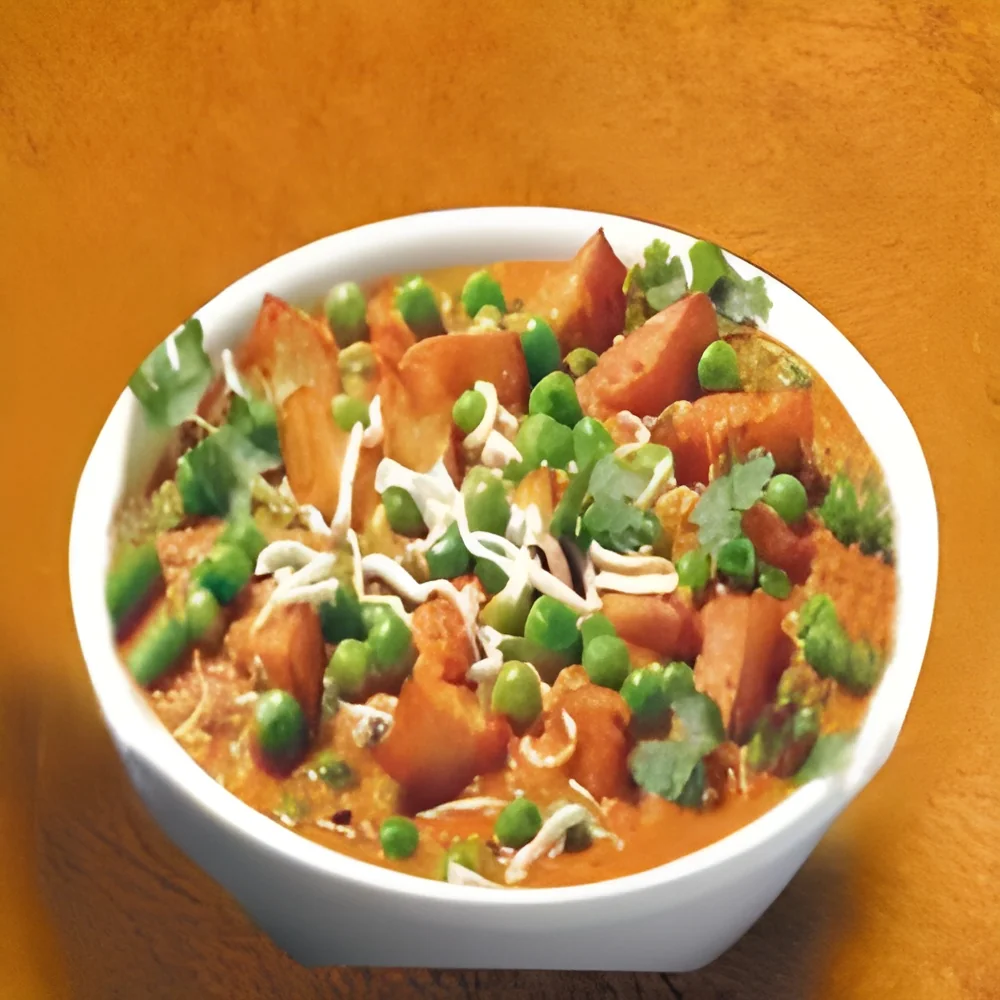
Rajma is made from red kidney beans in a flavorful tomato-based sauce. This hearty dish is a favorite among those seeking a protein-rich vegetarian meal.
Chole Curry
Chole consists of chickpeas cooked in a tangy and spicy gravy. It is not only nutritious but also offers a satisfying flavor profile appealing to a wide audience.
Benefits and Advantages
Ready-to-Eat Curries provide numerous benefits that make them an appealing choice for businesses and consumers alike.
1. Convenience: Ready-to-Eat Curries require minimal preparation, saving time and effort for users.
2. Authentic Flavor: These curries offer genuine Indian flavors, appealing to those craving traditional cuisine.
3. Versatility: They can be enjoyed in various settings, from home dining to corporate events.
4. Nutritional Value: Ready-to-Eat Curries often contain essential nutrients, making them a healthy meal choice.
5. Cost-Effective: These products can reduce food waste and lower overall meal costs for businesses.
6. Easy Storage: With a long shelf life, they provide a practical solution for inventory management.
Buying Guide for B2B Buyers
When sourcing Ready-to-Eat Curries (Paneer, Rajma, Chole), several factors should be considered to ensure quality and reliability.
1. Quality Assessment: Look for products with high-quality ingredients and favorable nutritional profiles. Review certifications and quality standards to ensure compliance.
2. Supplier Verification: Vet suppliers carefully by checking their reputation, customer reviews, and industry certifications. This process helps ensure reliable product sourcing.
3. Pricing and MOQ: Evaluate pricing structures and minimum order quantities to find options that fit your budget and supply needs. Consider bulk purchasing for better rates.
4. Delivery and Lead Times: Discuss logistics with suppliers to establish clear delivery schedules and lead times. This is crucial for maintaining inventory levels.
5. Compliance Requirements: Ensure that the products meet all relevant food safety and regulatory requirements. This includes checking for certifications and adherence to quality standards.
Compliance and Certifications
Ready-to-Eat Curries (Paneer, Rajma, Chole) must adhere to several compliance and certification standards to ensure safety and quality.
Relevant quality standards include ISO 9001, which focuses on quality management systems, and HACCP, which emphasizes food safety management. Compliance with Good Distribution Practices (GDP) is also essential to ensure products remain safe throughout the supply chain.
Industry certifications such as CE indicate that the products meet European health, safety, and environmental protection standards.
Safety and testing requirements are critical, involving rigorous checks for contaminants and ensuring products meet nutritional claims.
Regional compliance considerations may vary, requiring awareness of local regulations and standards, especially when exporting or importing these products.
Why Source Ready-to-Eat Curries (Paneer, Rajma, Chole) from Pepagora?
Pepagora offers a trusted platform for sourcing Ready-to-Eat Curries (Paneer, Rajma, Chole), providing several advantages for buyers.
Verified Supplier Network: Pepagora connects buyers with a network of verified suppliers, ensuring reliability and quality assurance in sourcing.
Streamlined RFQ Process: The platform simplifies the request for quotation process, allowing buyers to receive competitive pricing and product details quickly.
Trade Assurance and Support: Pepagora provides trade assurance, protecting buyers throughout the procurement process and ensuring satisfaction with purchases.
Regional Coverage: With a strong presence in India, the GCC, and Southeast Asia, Pepagora offers extensive geographic reach, making it easier for businesses to find suitable suppliers.

 India
 India
 India

Frequently Asked Questions
What are Ready-to-Eat Curries (Paneer, Rajma, Chole)?
Ready-to-Eat Curries (Paneer, Rajma, Chole) are pre-cooked dishes that are packaged and ready for consumption without the need for extensive preparation. These curries typically feature popular ingredients like paneer (cottage cheese), rajma (kidney beans), and chole (chickpeas) in a spiced gravy. They offer a convenient meal option for consumers looking for quick and flavorful food.
What are the different types of Ready-to-Eat Curries (Paneer, Rajma, Chole)?
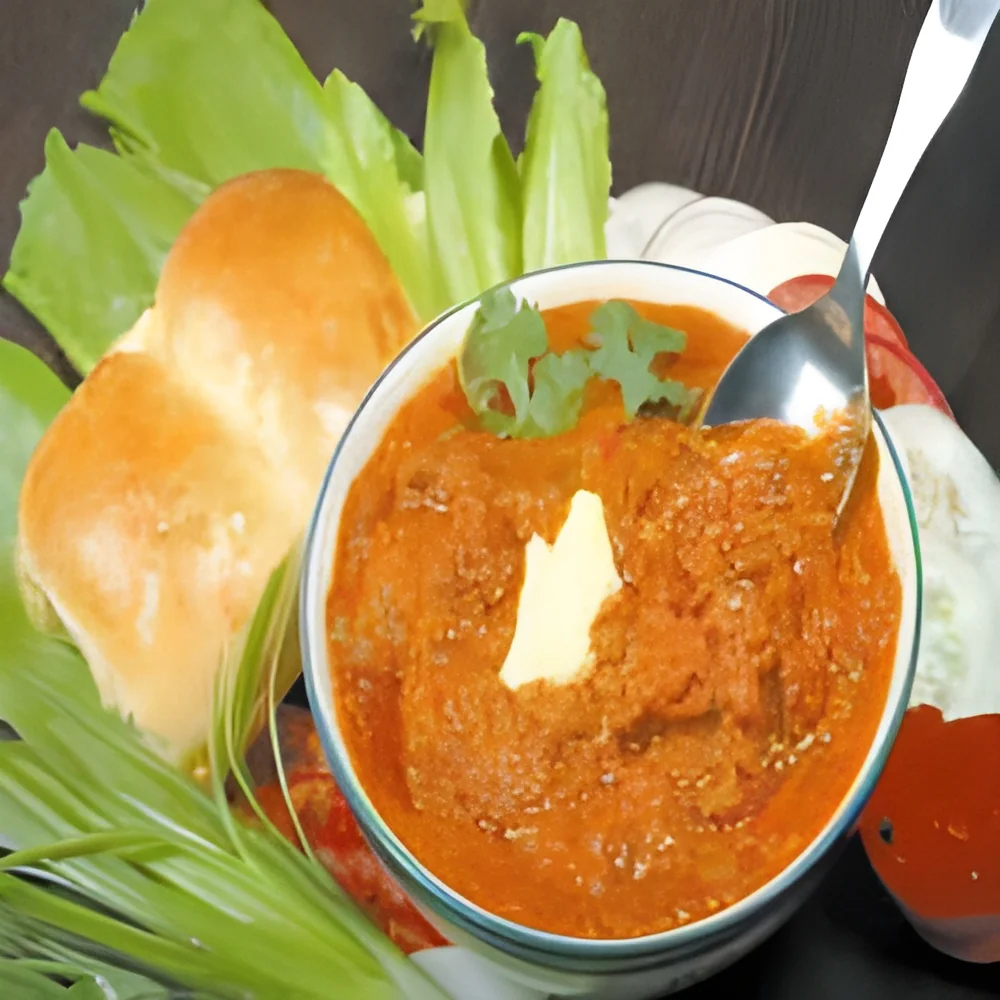
The different types of Ready-to-Eat Curries include Paneer Butter Masala, Rajma Masala, and Chole Bhature, among others. Each type has its own unique flavor profiles and ingredients, catering to various taste preferences. These curries can be found in different packaging options, such as pouches, cans, or jars.
How do I choose the right Ready-to-Eat Curries (Paneer, Rajma, Chole)?
When selecting Ready-to-Eat Curries, consider factors such as taste preference, dietary restrictions, and packaging size. It's also beneficial to check for authenticity in the ingredients and nutritional content. Opting for trusted brands or suppliers known for quality can help ensure you choose a product that meets your expectations.
What are the standard specifications for Ready-to-Eat Curries (Paneer, Rajma, Chole)?
Standard specifications for Ready-to-Eat Curries typically include shelf life, packaging type, nutritional values, and ingredient list. They should conform to food safety regulations and quality standards set by relevant health authorities. Additionally, the curries should be free from preservatives and artificial flavors for better quality.
What is the price range for Ready-to-Eat Curries (Paneer, Rajma, Chole)?
The price range for Ready-to-Eat Curries varies depending on the brand, packaging, and quality of ingredients used. Generally, these curries can cost anywhere from INR 50 to INR 300 per unit. Bulk purchasing options may also provide cost savings for businesses.
What quality standards apply to Ready-to-Eat Curries (Paneer, Rajma, Chole)?
Quality standards for Ready-to-Eat Curries include adherence to FSSAI regulations in India, proper labeling, and safety protocols during manufacturing. Products should be tested for microbiological safety and should meet specified nutritional guidelines. Consistency in taste and texture is also a critical quality parameter.
Where can I find Ready-to-Eat Curries (Paneer, Rajma, Chole) suppliers in India?
You can find suppliers of Ready-to-Eat Curries through B2B marketplaces like Pepagora, where various manufacturers list their products. Additionally, trade shows, food exhibitions, and industry directories can help connect you with reliable suppliers. Online research and networking within food industry groups may also yield potential leads.
Can Ready-to-Eat Curries (Paneer, Rajma, Chole) be customized?
Yes, many manufacturers offer customization options for Ready-to-Eat Curries based on specific requirements such as flavor profiles, packaging sizes, and dietary needs. Businesses may request variations like gluten-free or vegan options. It's advisable to discuss customization capabilities directly with suppliers.
What is the typical minimum order quantity for Ready-to-Eat Curries (Paneer, Rajma, Chole)?
The typical minimum order quantity (MOQ) for Ready-to-Eat Curries can vary by supplier but generally ranges from 100 to 1000 units. Factors such as packaging type and product line may influence the MOQ. It's best to confirm specific requirements with the manufacturer or supplier.
What is the typical lead time for Ready-to-Eat Curries (Paneer, Rajma, Chole)?
The typical lead time for Ready-to-Eat Curries usually ranges from 1 to 4 weeks, depending on the manufacturer and order size. Custom orders or large volumes may require longer lead times. It's advisable to communicate directly with the supplier to get accurate delivery timelines.
Why Businesses Trust Pepagora
Thousands of companies trust Pepagora to source smarter and sell faster
Expand Your Sales Globally

Source Smarter,Grow Faster
