What are Projectors & Home Cinema Equipment?
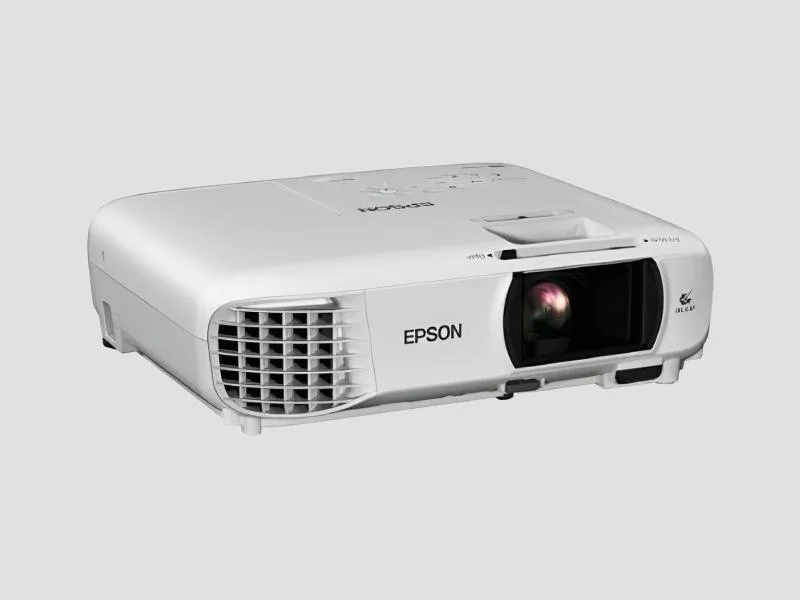
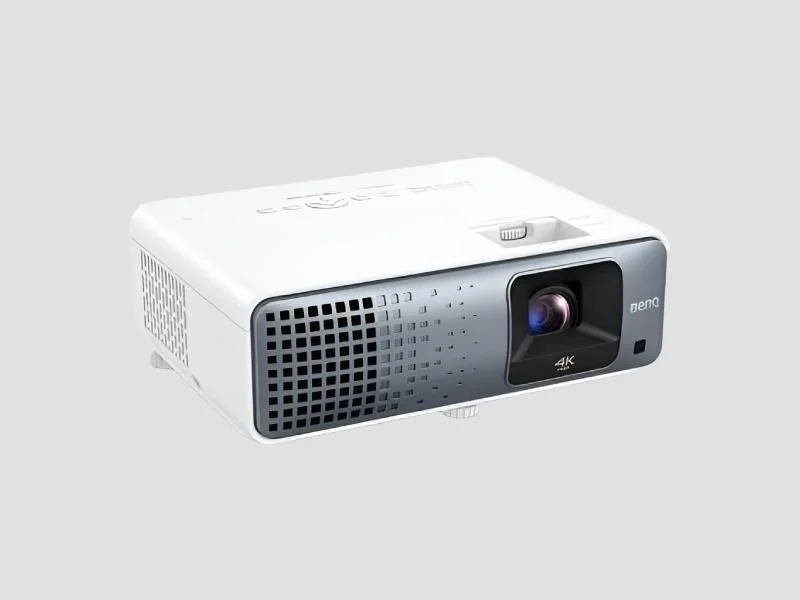
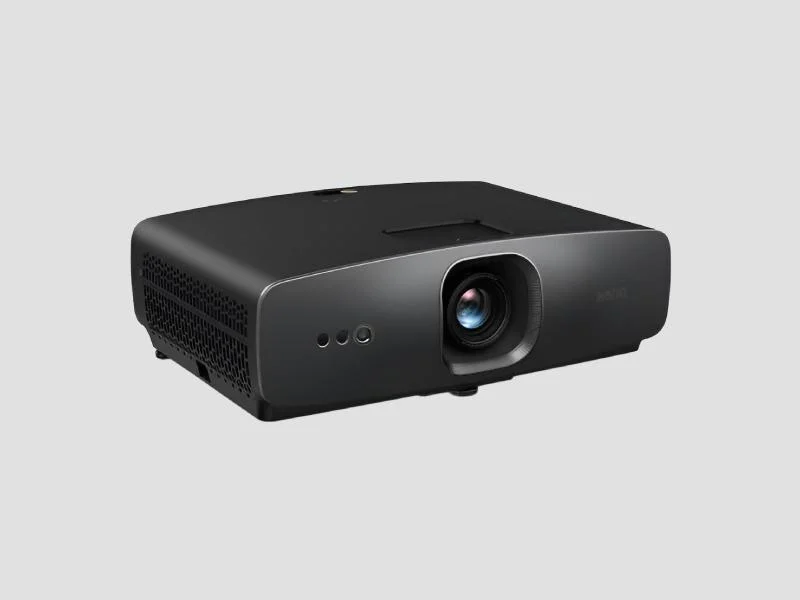
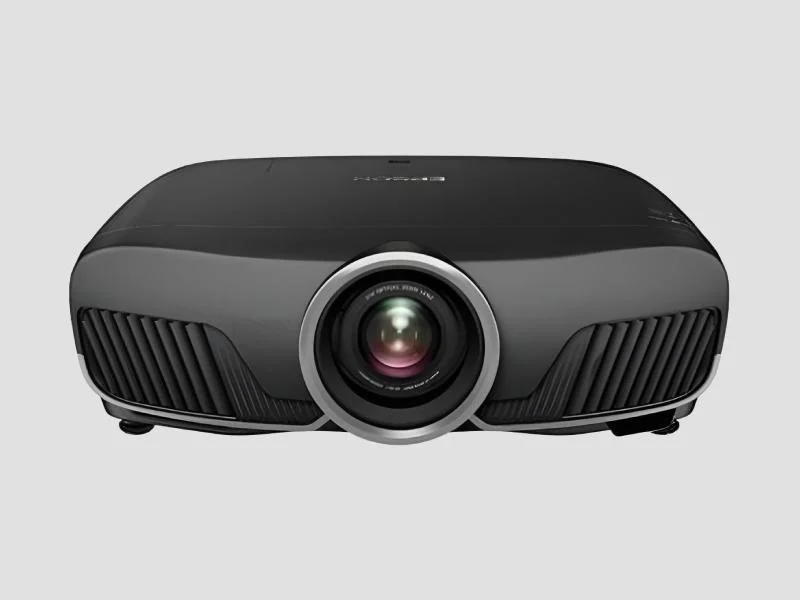
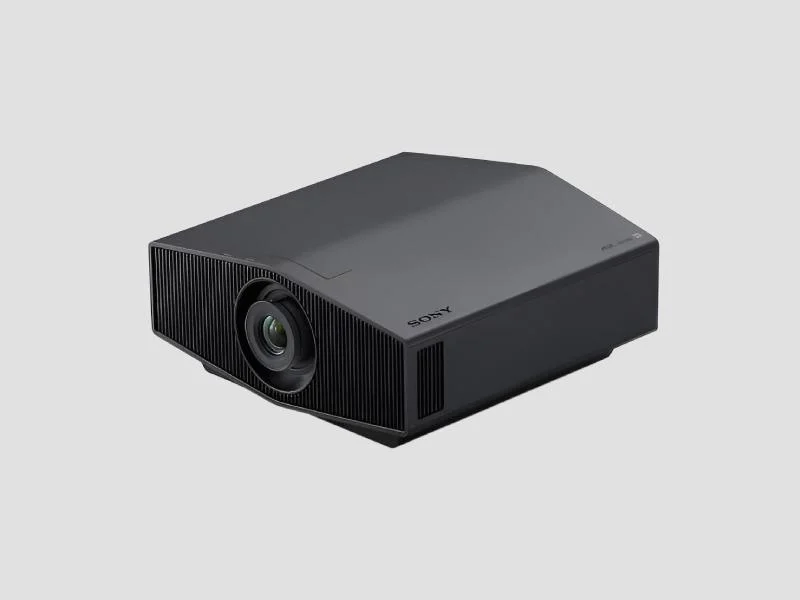
Projectors and home cinema equipment are essential tools for visual display in both personal and professional settings. Projectors work by projecting images or videos onto a screen or wall, allowing for large-scale viewing. Home cinema equipment includes a range of devices that enhance the viewing experience, such as screens, sound systems, and media players. Together, they create an immersive environment for watching movies, presentations, or gaming.
These products are widely used in various sectors, including education, corporate environments, and entertainment. In educational institutions, projectors facilitate learning by displaying lectures and multimedia content. Corporations utilize them for presentations and training sessions, ensuring effective communication of ideas. In the entertainment industry, home cinema systems provide a theater-like experience for consumers, allowing them to enjoy movies at home.
The market for projectors and home cinema equipment is continually evolving, driven by advancements in technology and consumer demand for high-quality visual experiences. As display technology improves, businesses and individuals are increasingly investing in these tools to enhance their visual communication and entertainment capabilities.
Key Features and Specifications
When considering projectors and home cinema equipment, it is crucial to examine the key features and specifications that determine their performance and suitability for various applications.
Key specifications include:
1. Resolution
- This specification indicates the clarity of the image produced.
- Common resolutions include 720p, 1080p, and 4K.
2. Brightness
- Measured in lumens, brightness affects visibility in different lighting conditions.
- Typical ranges are from 2,000 to 5,000 lumens.
3. Contrast Ratio
- This is the difference between the brightest and darkest parts of the image.
- A higher contrast ratio results in better image quality.
4. Connectivity Options
- Includes HDMI, USB, and wireless capabilities for diverse media sources.
- Ensures compatibility with various devices and formats.
5. Screen Size Compatibility
- Refers to the maximum size of the image that can be produced.
- Ranges from 50 inches to over 150 inches.
6. Audio Output
- Some projectors include built-in speakers, while others may require external audio systems.
- Quality can vary significantly among different models.
7. Portability
- Refers to the ease of moving and setting up the equipment.
- Lightweight and compact designs are ideal for on-the-go presentations.
8. Lamp Life
- Indicates how long the projector's lamp is expected to last.
- Typical lifespans can range from 2,000 to 20,000 hours.
In summary, understanding these specifications is vital for making informed decisions when selecting projectors and home cinema equipment suited to specific needs.
Common Applications and Use Cases
Projectors and home cinema equipment serve a variety of industries, enhancing visual communication and entertainment experiences.
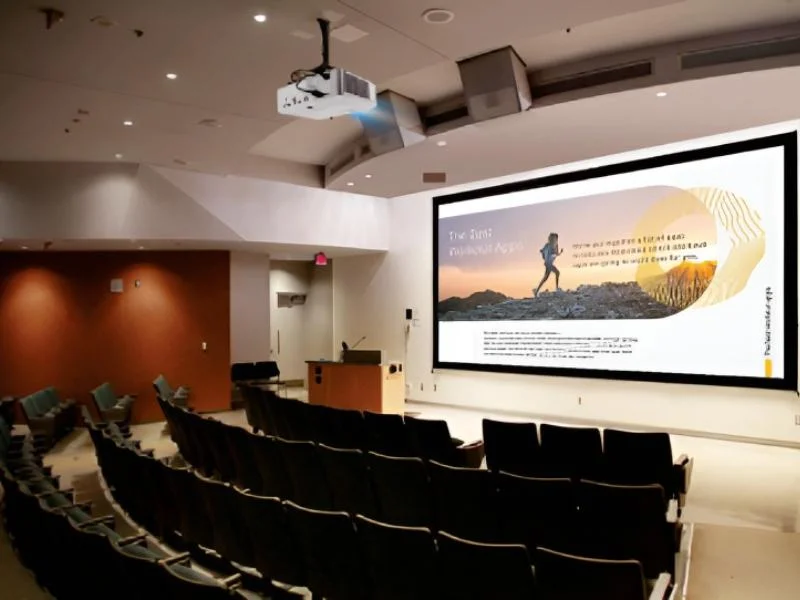
1. Education: In classrooms and lecture halls, projectors display educational content, facilitating interactive learning and engagement among students.
2. Corporate: Businesses utilize projectors for presentations, conferences, and training seminars, ensuring that information is shared effectively among employees and stakeholders.
3. Entertainment: Home cinema equipment transforms residential spaces into movie theaters, offering high-quality audio and visual experiences for families and movie enthusiasts.
4. Events and Conferences: Projectors are essential for displaying presentations and videos during trade shows, conventions, and public events, capturing the audience's attention.
5. Retail: Retail environments use projectors for digital signage, showcasing promotions and product demonstrations to attract customers.
6. Hospitality: Hotels and restaurants often incorporate home cinema systems to provide entertainment options for guests, enhancing their overall experience.
7. Gaming: Gamers utilize projectors for large-screen gameplay, creating immersive experiences that enhance competitive and casual gaming sessions.
Product Variants and Subcategories
Projectors and home cinema equipment come in various forms, each tailored to specific use cases and environments.
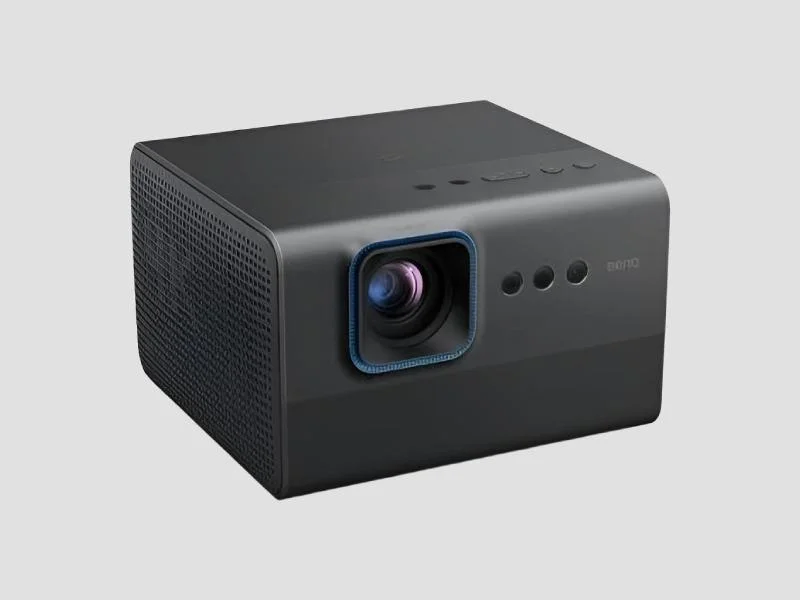
Portable Projectors: These compact and lightweight models are designed for easy transport, making them ideal for business professionals on the go. They often include built-in batteries and wireless connectivity options.
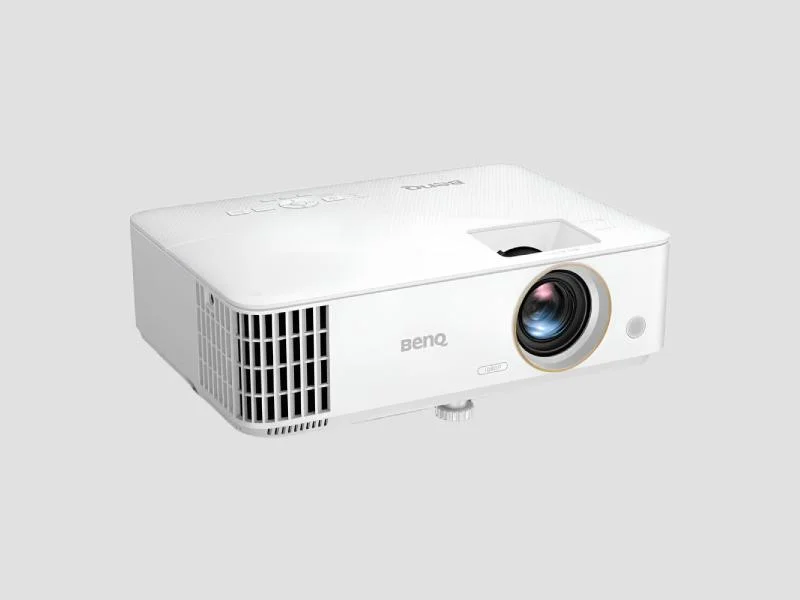
Home Theater Projectors: Designed for permanent installation in dedicated home theaters, these projectors offer high resolution and superior brightness for an enhanced viewing experience. They are often optimized for dark environments.
Short Throw Projectors: These projectors can display large images from a short distance, making them suitable for small rooms. They reduce shadow interference and are perfect for interactive presentations.
Interactive Projectors: These models allow users to engage directly with the projected image, making them ideal for classrooms and collaborative workspaces. They often come with touch capabilities and annotation features.
Benefits and Advantages
Investing in projectors and home cinema equipment offers numerous advantages for businesses and consumers alike.
Key benefits include:
1. Enhanced Visual Experience: High-resolution images and superior sound quality create immersive viewing experiences, whether for presentations or home entertainment.
2. Versatility: These systems can be used in various settings, from corporate offices to home theaters, adapting to different needs and environments.
3. Cost-Effective Solutions: Projectors provide an economical way to display content on large screens compared to traditional display technologies, making them accessible for a range of budgets.
4. Easy Setup and Portability: Many projectors are designed for quick setup, and portable models allow for on-the-go presentations, enhancing convenience for users.
5. Increased Engagement: By utilizing dynamic visuals, businesses can capture and maintain the attention of their audience, improving communication and information retention.
6. Customization Options: Various models and features allow users to select systems tailored to their specific requirements, enhancing user satisfaction.
Buying Guide for B2B Buyers
When sourcing projectors and home cinema equipment, several factors should be considered to ensure a satisfactory purchase.
1. Quality Assessment: Evaluate the quality of the equipment by reviewing specifications, customer testimonials, and product performance ratings to ensure it meets expected standards.
2. Supplier Verification: Conduct thorough research on potential suppliers, checking their reputation, past client feedback, and industry experience to ensure reliability and quality.
3. Pricing and MOQ: Understand the pricing structure and minimum order quantities for different models to align with your budget and purchasing needs.
4. Delivery and Lead Times: Inquire about logistics and expected delivery times to ensure that equipment arrives when needed without delays.
5. Compliance Requirements: Ensure that the equipment meets relevant industry standards and regulations, particularly for safety and performance, to avoid potential issues.
Compliance and Certifications
Compliance with industry standards and certifications is crucial for ensuring the quality and safety of projectors and home cinema equipment.
Relevant quality standards, such as ISO 9001, provide a framework for consistent quality management. Meeting these standards helps suppliers maintain high levels of customer satisfaction and product reliability.
Industry certifications, including CE, indicate that products comply with European safety, health, and environmental protection standards. This certification is essential for ensuring that equipment is safe for use in various environments.
Safety and testing requirements are vital to guarantee that projectors operate effectively without posing risks to users. Equipment should undergo rigorous testing to confirm that it meets established safety standards.
Regional compliance considerations may vary based on geographic location, affecting regulations and standards that equipment must adhere to. Buyers should stay informed about local compliance requirements to avoid potential legal issues.
Why Source Projectors & Home Cinema Equipment from Pepagora?
Pepagora provides a trusted platform for sourcing projectors and home cinema equipment, offering several key advantages for buyers.
Verified Supplier Network: Pepagora has established a comprehensive network of verified suppliers, ensuring that buyers can access high-quality products from reputable manufacturers. This network helps mitigate risks associated with sourcing equipment.
Streamlined RFQ Process: The platform features a user-friendly request for quotation (RFQ) system, allowing buyers to easily submit inquiries and receive competitive quotes from multiple suppliers. This streamlined process enhances efficiency and saves time.
Trade Assurance and Support: Pepagora offers trade assurance programs that protect buyers' interests, providing peace of mind during transactions. Dedicated support is available to assist buyers throughout the purchasing journey.
Regional Coverage: Pepagora caters to a wide geographic reach, including markets in India, the GCC, and Southeast Asia. This extensive coverage allows businesses to source equipment that meets their specific regional needs and preferences, fostering effective procurement strategies.

 IN
IN